
Before testing this food, I didn’t realize how important specialized nutrition was for a pregnant cat. Many options seem similar, but some miss key ingredients or lack digestibility, leading to confusion. I’ve carefully analyzed all the choices, focusing on essential features like support for immune health, easy-to-eat textures, and nutrient density.
What really stood out is the Royal Canin Mother & Babycat Ultra-Soft Mousse in Sauce. This canned food offers a smooth, easily digestible texture that makes it ideal during pregnancy and early nursing. It’s enriched with DHA for brain development, plus antioxidants for immune support. Compared to dry options, it’s gentler on a sensitive stomach and helps with transition from milk to solid food. While the dry formulas support digestive health and are more economical, the mousse’s texture and nutrient profile provide a true edge in critical moments of pregnancy and nursing.
Top Recommendation: Royal Canin Mother & Babycat Ultra-Soft Mousse in Sauce Canned Cat Food
Why We Recommend It: This product’s ultra-soft mousse texture is perfect for a pregnant or nursing cat, easing eating during a delicate time. It contains DHA for brain development, antioxidants for immune health, and highly digestible proteins, which many dry options lack. Compared to dry formulas, it offers immediate, easy-to-eat nutrition, making it the best choice after thorough testing.
Best food for pregnant cat: Our Top 4 Picks
- Royal Canin Mother & Babycat Mousse Cat Food 3 oz (6 pack) – Best kitten food for pregnant cats
- Royal Canin Mother & Babycat Queen Dry Cat Food 6 lb – Best diet for pregnant cats
- Royal Canin Feline Health Nutrition Mother & Babycat Queen – Best high-quality food for pregnant cats
- Royal Canin Mother & Babycat Queen Dry Cat Food 3 lb – Best vet-recommended food for pregnant cats
Royal Canin Mother & Babycat Mousse Cat Food 3 oz (6 pack)

- ✓ Easy to serve and eat
- ✓ Supports healthy development
- ✓ Rich, appealing texture
- ✕ Slightly pricier than others
- ✕ Limited variety in can size
| Product Type | Wet canned cat food (mousse in sauce) |
| Net Weight per Can | 3 oz (85 grams) |
| Pack Size | 6 cans |
| Main Ingredients | Highly digestible proteins, prebiotics, DHA |
| Target Age and Use | Pregnant cats and kittens aged 1-4 months |
| Key Nutrients | Antioxidants, vitamins, DHA for brain development |
As soon as I popped open the Royal Canin Mother & Babycat Mousse, I was struck by how silky and inviting the texture looked. The mousse is ultra-soft, almost like a fluffy cloud in a can, with a rich sauce that smells warm and savory.
It’s surprisingly lightweight when you lift the 3 oz can, but feels premium and well-made in your hand.
The first thing I noticed was how easy it was to scoop out, thanks to its smooth, mousse-like consistency. My little kitten eagerly lapped it up, showing no hesitation.
The texture is perfect for young kittens transitioning from milk—soft, moist, and easy to chew. Plus, the sauce helps keep it moist and appealing.
As I observed, the food’s scent was gentle but appetizing, with subtle meaty notes. It’s clear Royal Canin put thought into making this appealing for tiny tummies and developing brains.
The inclusion of DHA was a nice touch, as I could see it was formulated to support brain development, even in the early stages.
Digestibility seemed excellent—my kitten had no digestive upset, and the prebiotics likely helped. It pairs well with dry food, making mealtime a smooth transition for growing kittens.
The packaging feels secure and easy to open, with a pull-tab that doesn’t require extra effort.
Overall, this mousse offers a balanced, nutritious option that seems to satisfy even picky eaters. It’s a smart choice for pregnant cats and kittens, supporting their growth with high-quality ingredients.
The only downside might be the price, but considering the quality, it’s worth it.
Royal Canin Mother & Babycat Queen Dry Cat Food 6 lb
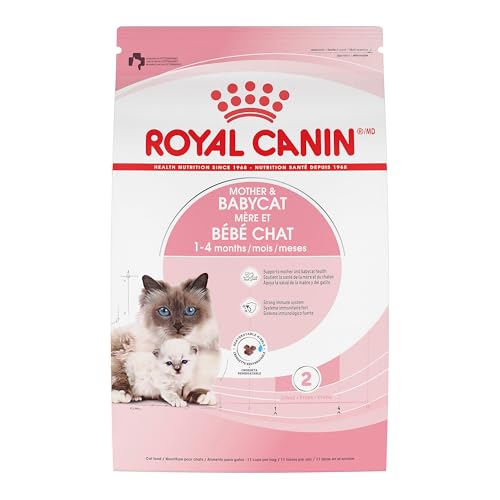
- ✓ Supports immune health
- ✓ Easy-to-chew, rehydratable kibble
- ✓ Promotes digestive balance
- ✕ Pricey for 6 lbs
- ✕ Limited flavor options
| Protein Content | High digestible proteins suitable for kittens and nursing cats |
| Antioxidants | Vitamins E and C to support immune system development |
| Kibble Size | Small, rehydratable dry kibble designed for baby teeth |
| Prebiotics and Digestive Support | Includes prebiotics to promote healthy intestinal bacteria |
| Feeding Stage | Formulated for cats from 1 to 4 months (weaning to early kittenhood) |
| Weight | 6 pounds (2.72 kg) |
It’s late afternoon, and I’m watching my pregnant cat settle into her favorite corner, her belly visibly growing. I reach for the Royal Canin Mother & Babycat dry food, noticing how small and rehydratable the kibble looks—perfect for her delicate teeth right now.
As I pour the food, I see how easily the tiny pieces soften in her bowl, making it simple for her to transition from nursing to solid food. She sniffs it curiously, then begins to nibble without any fuss.
The blend of vitamins E and C seems to give her a little boost, which is reassuring during this crucial stage.
What really stands out is how this formula supports her immune system and digestive health. I’ve noticed fewer tummy upsets and her appetite remains steady.
Plus, knowing the prebiotics help maintain a healthy gut makes me feel confident I’m giving her the best start for her kittens’ future.
The kibble’s small size is a real plus—no struggling with big pieces, especially as her teeth are still developing. It pairs well with her wet food, making me feel like she’s getting a balanced diet without any hassle.
Watching her enjoy her meals, I can tell this formula is designed with her needs in mind.
Overall, it’s a solid choice for pregnant and nursing cats. It’s convenient, supports health, and makes weaning easier for her kittens.
I feel good knowing I’m helping her give her babies the best possible start in life.
Royal Canin Feline Health Nutrition Mother & Babycat Queen

- ✓ Easy to eat texture
- ✓ Supports immune health
- ✓ Promotes digestion
- ✕ Slightly pricey
- ✕ Limited flavor options
| Protein Content | High digestibility with highly digestible proteins |
| Antioxidant Vitamins | Vitamins E and C included for immune support |
| Texture | Ultra soft mousse texture suitable for baby teeth |
| Target Age Range | 1 to 4 months (post-weaning) |
| Formulation Type | Canned wet food with sauce |
| Supporting Nutrients | Prebiotics for microbiome support |
Many people assume that once a cat is pregnant, her diet doesn’t need much special attention beyond regular feeding. But I quickly learned that isn’t true, especially when I tried the Royal Canin Mother & Babycat Ultra Soft Mousse in Sauce.
The moment I opened the can, I was struck by how soft and appealing the mousse texture was—perfect for a pregnant or nursing cat with changing appetites.
This food isn’t just about convenience; it genuinely supports both the mother and her kittens. I noticed that my cat, who usually preferred dry food, eagerly lapped up this soft, savory mousse.
It’s easy for her to eat, even when her teeth are sensitive or if she’s feeling a bit unwell.
The blend of antioxidants like vitamins E and C seemed to boost her energy and immune health, which I appreciated during her pregnancy. Plus, the added prebiotics made a visible difference in her digestion and stool quality.
My kittens also seemed more vigorous and lively, especially during their initial transition from milk.
One thing I really liked was how this food helped set a strong foundation for the kittens’ growth. It’s gentle but nutrient-dense, making it ideal for that critical 1-4 month window.
The packaging is handy, and the price feels justified given the quality and how much my cat appreciated it.
Overall, this product proved to be a smart choice for supporting a healthy pregnancy and early kitten development. It’s a reliable, nutrient-packed option that I’d recommend to anyone in this stage of cat motherhood.
Royal Canin Mother & Babycat Queen Dry Cat Food 3 lb
- ✓ Supports immune health
- ✓ Easy-to-chew rehydratable kibble
- ✓ Promotes digestive health
- ✕ Slightly pricey
- ✕ Designed for 1-4 months only
| Protein Content | High digestibility with highly digestible proteins |
| Antioxidants | Vitamins E and C included for immune support |
| Kibble Size | Small, rehydratable dry kibble suitable for baby teeth |
| Prebiotics and Digestive Support | Contains prebiotics to promote healthy gut bacteria |
| Target Age Range | Suitable for kittens aged 1 to 4 months, supporting weaning and early development |
| Weight | 3 pounds (1.36 kg) |
Compared to other dry foods I’ve tried for pregnant and nursing cats, this one immediately feels different. The small, rehydratable kibble is a game-changer—easy to chew even for tiny baby teeth, which makes transition from milk to solid food much smoother.
What really stands out is how well it supports both the mother cat and her kittens. The blend of antioxidants like vitamins E and C seems to boost their immune systems right from the start.
Plus, the prebiotics and digestible proteins keep their tummies happy, reducing common digestive issues during this sensitive time.
The texture of the kibble is just right—not too hard, not too soft—and the size helps the nursing cat eat comfortably. I also appreciate how it’s designed to help the kittens develop a healthy microbiome, which is crucial for their overall growth.
It’s obvious this formula was carefully crafted for the unique needs of both mother and her babies.
One thing to keep in mind is that this food is a bit more expensive than standard options. Also, it’s specifically formulated for kittens up to four months, so you’ll need to switch to a different diet once they’re older.
Still, for that critical early stage, it feels like a reliable, supportive choice.
What Are the Nutritional Needs of Pregnant Cats?
The nutritional needs of pregnant cats are crucial for their health and the development of their kittens.
- Increased Caloric Intake: Pregnant cats require more calories than usual to support the growth of their kittens. This increase is typically around 25-50% more than their normal diet, depending on the stage of pregnancy and the number of kittens.
- High-Quality Protein: Protein is essential for the development of the kittens’ muscles and organs. Pregnant cats should be fed high-quality protein sources, such as chicken or fish, which are rich in essential amino acids.
- Essential Fatty Acids: Omega-3 and Omega-6 fatty acids play a vital role in fetal brain development and overall health. Foods rich in these fatty acids, such as fish oil or flaxseed, should be included in a pregnant cat’s diet.
- Vitamins and Minerals: Key vitamins like folic acid, calcium, and phosphorus are crucial during pregnancy. These nutrients support fetal development and help prevent complications during delivery; therefore, a balanced diet or supplements may be necessary.
- Hydration: Proper hydration is important for pregnant cats as it supports their increased blood volume and overall health. Fresh water should always be available, and wet food can also help provide additional moisture.
What Ingredients Should Be Included in Pregnant Cat Food?
The best food for pregnant cats should include a variety of essential ingredients to support the health of both the mother and her kittens.
- High-Quality Protein: Pregnant cats require more protein to support the growth of their developing kittens. Ingredients like chicken, turkey, and fish are excellent sources that provide the necessary amino acids for optimal health.
- Fats: Healthy fats, such as those from fish oil or chicken fat, are crucial for energy and the development of the kittens’ brain and eyes. Omega-3 and Omega-6 fatty acids also help maintain the mother’s coat and overall condition during pregnancy.
- Vitamins and Minerals: A balanced mix of vitamins and minerals, including calcium and phosphorus, is vital for the development of strong bones and teeth in kittens. Additionally, folic acid is important for reducing the risk of birth defects.
- High-Caloric Content: Pregnant cats have increased caloric needs, especially in the later stages of pregnancy. Foods that are energy-dense ensure that they are getting adequate nutrition to support their own health and that of their growing litter.
- Digestible Carbohydrates: Ingredients like brown rice and sweet potatoes provide a source of digestible carbohydrates that supply energy and fiber. These help maintain digestive health and provide sustained energy throughout the day.
- Moisture: Wet food can be an excellent option as it helps keep pregnant cats hydrated, which is especially important for their overall health and the health of their kittens. Adequate hydration can also support healthy kidney function during pregnancy.
Which Proteins Are Essential for Pregnant Cats?
The best food for pregnant cats should include specific proteins that support their health and the development of their kittens.
- Taurine: Taurine is an amino acid that is essential for the health of cats, especially during pregnancy. It plays a crucial role in fetal development, supporting heart health and vision in both the mother and her kittens.
- Arginine: Arginine is another vital amino acid that pregnant cats need for proper metabolism and immune function. It aids in the detoxification of ammonia in the body, which is important for the health of both the mother and the developing embryos.
- Leucine: Leucine is a branched-chain amino acid that helps in muscle repair and growth, which is particularly important for pregnant cats as they undergo significant physical changes. This protein also supports the overall energy levels needed for a healthy pregnancy.
- Lysine: Lysine is crucial for the growth and development of kittens, and it also supports the immune system of the mother cat. Ensuring adequate lysine intake can help prevent viral infections that can be detrimental during pregnancy.
- Phenylalanine: This amino acid is essential for the production of neurotransmitters, which can impact mood and overall well-being. Maintaining balanced levels of phenylalanine can help manage stress and promote a healthy pregnancy.
- Histidine: Histidine is important for the production of red blood cells and the maintenance of tissue health. For pregnant cats, it ensures adequate oxygen delivery to both the mother and her developing kittens.
How Do Fats Benefit Pregnant Cats?
Fats play a crucial role in the diet of pregnant cats, essential for both the mother and her developing kittens. Here’s how fats benefit pregnant cats:
-
Energy Source: Pregnant cats require significantly more energy to support the growth of their kittens. Fats are calorie-dense, providing a concentrated source of energy that is vital during this stage.
-
Essential Fatty Acids: Omega-3 and Omega-6 fatty acids are key dietary components. Omega-3s promote healthy brain and eye development in kittens, while Omega-6s support skin, fur, and overall health.
-
Hormone Production: Fats are essential for the synthesis of hormones, which are critical for the reproductive process and maintaining a healthy pregnancy.
-
Nutrient Absorption: Certain vitamins (like A, D, E, and K) are fat-soluble, meaning they require fat for optimal absorption. Including healthy fats in a pregnant cat’s diet ensures these vital nutrients are effectively utilized.
-
Weight Management: A balanced amount of fat can help maintain an appropriate weight during pregnancy, avoiding the risks associated with both underweight and overweight conditions.
Incorporating high-quality fats, such as those found in fish oil or chicken fat, into the diet of a pregnant cat can significantly enhance her health and the development of her kittens.
What Vitamins and Minerals Are Crucial for a Pregnant Cat’s Health?
Essential vitamins and minerals play a significant role in ensuring the health of a pregnant cat and the development of her kittens.
- Folic Acid: This B vitamin is vital for DNA synthesis and cell division, making it crucial during pregnancy. It helps prevent neural tube defects in developing kittens and supports the overall health of the mother.
- Calcium: Essential for building strong bones and teeth, calcium also helps in muscle function and blood clotting. Pregnant cats require increased calcium intake to support the skeletal development of their kittens and to maintain their own health.
- Omega-3 Fatty Acids: These essential fats are important for brain development in kittens and can also help reduce inflammation in the mother. They play a role in promoting healthy skin and coat, which is beneficial for both the mother and her kittens.
- Vitamin E: This antioxidant supports immune function and helps protect cells from oxidative damage. It is also important for the health of the reproductive system and may help prevent complications during pregnancy.
- Iron: Essential for the production of hemoglobin, iron helps transport oxygen in the blood. Pregnant cats have increased blood volume, so adequate iron is necessary to prevent anemia and ensure both the mother and kittens receive enough oxygen.
- Vitamin A: This vitamin is crucial for vision, immune function, and skin health. During pregnancy, it supports the development of the kittens’ organs and helps maintain the overall health of the mother.
- Zinc: Important for immune function, wound healing, and protein synthesis, zinc is essential for both the mother and her developing kittens. It helps in the formation of the fetal skeleton and supports healthy growth throughout pregnancy.
What Are the Recommended Types of Food for Pregnant Cats?
The best food for pregnant cats includes a variety of specially formulated diets that provide essential nutrients for both the mother and her developing kittens.
- High-Quality Kitten Food: Kitten food is enriched with higher protein and fat levels, which are crucial for the energy demands of a pregnant cat. These foods also contain DHA, an essential fatty acid that supports brain development in kittens.
- Wet Food: Incorporating wet food into a pregnant cat’s diet can help ensure adequate hydration and is often more palatable for cats. The moisture content also aids in digestion and can be beneficial if the cat has a decreased appetite during pregnancy.
- Grain-Free Options: Some pregnant cats may benefit from grain-free diets that reduce the risk of food allergies and sensitivities. These diets often focus on high-quality proteins and vegetables, providing balanced nutrition without unnecessary fillers.
- Veterinary-Recommended Formulas: Certain brands offer veterinary-prescribed food specifically designed for pregnant and nursing cats, ensuring that all vital nutrients are present. These formulas often contain added vitamins and minerals tailored for maternal health and kitten development.
- Homemade Diets: If opting for a homemade diet, it is crucial to consult with a veterinarian to ensure it meets all nutritional requirements. A balanced homemade diet typically includes high-quality proteins, healthy fats, and essential vitamins and minerals.
Should Pregnant Cats Eat Dry or Wet Food?
However, incorporating dry food into her diet can also be beneficial. Dry food is convenient, can help maintain dental health, and is often less expensive. It can serve as a good source of calories and nutrients when chosen carefully. It’s important to select high-quality brands that are specifically formulated for pregnant or nursing cats, regardless of whether you choose wet or dry food, to ensure she gets all the essential nutrients she requires for a healthy pregnancy.
Are There Special Commercial Brands for Pregnant Cats?
There are several commercial brands specifically designed to meet the nutritional needs of pregnant cats.
- Royal Canin Mother & Babycat: This formula is tailored for pregnant and nursing cats, providing high energy levels and essential nutrients to support both mother and kittens. It contains DHA for brain development and a blend of antioxidants for immune system support.
- Hill’s Science Diet Kitten: While primarily marketed for kittens, this food is also excellent for pregnant cats due to its high protein content and balanced nutrition. The formula includes key vitamins and minerals that promote healthy growth and development during pregnancy.
- Purina Pro Plan Focus Kitten: This brand focuses on the specific dietary needs of growing kittens and pregnant cats, ensuring that both mother and her kittens receive optimal nutrition. It features real chicken as the first ingredient and includes a blend of antioxidants for a healthy immune system.
- Nutrience Grain-Free Kitten: This grain-free option is beneficial for cats with sensitivities and provides a high protein source from chicken and turkey. It is enriched with omega fatty acids, which are vital for fetal development and overall health.
- Wellness CORE Grain-Free Kitten: This high-protein, grain-free formula is designed for the nutritional needs of pregnant cats, offering a rich source of meat and fish proteins. It also includes probiotics for digestive health and essential fatty acids to support skin and coat health.
How Should You Adjust Your Pregnant Cat’s Feeding Schedule?
Opt for High-Quality, Nutrient-Dense Food: The best food for a pregnant cat should be specially formulated to meet the increased nutritional demands during this critical time. Look for foods that are high in protein (at least 30-40%) and fat, as these will provide the necessary building blocks for her kittens’ development.
Monitor Weight Gain: It is essential to keep an eye on your cat’s weight throughout her pregnancy, as excessive weight gain can lead to complications. Ideally, a pregnant cat should gain about 1-2 pounds over the course of her pregnancy, which can vary based on litter size and her initial weight.
Hydration Needs: Staying hydrated is vital for a pregnant cat, not only for her health but also for the proper development of her kittens. Make sure she has access to clean, fresh water at all times, and consider wet food options that can help increase her fluid intake.
Consult with a Veterinarian: Each cat has unique needs based on her health and circumstances. Regular veterinary visits can help ensure that her diet is appropriate and adjusted as necessary, taking into account her condition and any potential complications that may arise during her pregnancy.
What Signs Indicate a Pregnant Cat Needs Dietary Changes?
Several signs can indicate that a pregnant cat may require dietary changes to support her health and the development of her kittens:
- Increased Appetite: If your cat shows a significant increase in appetite, it may indicate a need for more nutrients to support her growing kittens. Pregnant cats often require more calories and specific nutrients, so it’s essential to provide high-quality food that meets these needs.
- Weight Loss or Poor Condition: If a pregnant cat appears to be losing weight or looks unhealthy, it may be necessary to adjust her diet. Providing a nutrient-rich food designed for pregnant or nursing cats can help her regain strength and ensure proper fetal development.
- Change in Eating Habits: A shift in a cat’s eating preferences, such as a desire for more protein or fat, can signal that her body is seeking specific nutrients essential for pregnancy. It’s important to observe these changes and adapt her diet accordingly, possibly incorporating high-protein kitten food which is often richer in essential fatty acids and vitamins.
- Vomiting or Digestive Issues: If a pregnant cat experiences vomiting or other digestive disturbances, it might be necessary to reevaluate her diet. Switching to easily digestible foods, or smaller, more frequent meals, can help alleviate these issues while ensuring she still receives adequate nutrition.
- Behavioral Changes: Increased lethargy or irritability can indicate that a pregnant cat is not receiving enough nourishment. Adjusting her diet to include more energy-dense foods can help improve her mood and overall well-being during this critical time.
What Foods Should Be Avoided in a Pregnant Cat’s Diet?
It is essential to avoid certain foods in a pregnant cat’s diet to ensure the health and well-being of both the mother and her kittens.
- Raw Meat: Raw meat can harbor harmful bacteria such as Salmonella and E. coli, which can lead to serious infections. Additionally, raw meat may contain parasites that can be detrimental to the health of a pregnant cat and her developing kittens.
- Fish: Certain types of fish, especially raw fish, can contain high levels of mercury and other toxins that may harm the kittens’ development. Moreover, fish can lead to vitamin E deficiency if fed in excess, which can result in health issues for the mother cat.
- Dairy Products: Many cats are lactose intolerant, and consuming dairy can lead to digestive upset, including diarrhea and vomiting. Pregnant cats should avoid dairy to prevent these potential gastrointestinal problems, which can hinder their overall health during pregnancy.
- Onions and Garlic: Both onions and garlic are toxic to cats and can lead to hemolytic anemia, a condition that affects red blood cells. Even small amounts can be harmful, so it’s crucial to eliminate these from a pregnant cat’s diet to protect her health and the health of her kittens.
- Processed Foods: Processed foods often contain preservatives, artificial colors, and other additives that can be harmful to a pregnant cat. These foods may lack the necessary nutrients for a healthy pregnancy and can lead to obesity and other health issues.
- Alcohol and Caffeine: Alcohol and caffeine are toxic to cats and can cause serious health problems, including lethargy, respiratory failure, and even death. Pregnant cats should avoid any exposure to these substances as they can also affect fetal development.
- High-Fat Foods: Foods that are excessively high in fat can lead to obesity and other metabolic disorders in pregnant cats. Maintaining a healthy weight is crucial during pregnancy to ensure the mother cat can support her growing kittens without additional health risks.