
The constant annoyance of finding a fish fillet that’s both flavorful and easy to enjoy is finally addressed by the Roasted Cod Fillet Snack 100g. Having tested various options, I found that this snack strikes the perfect balance between tenderness and flavor—a true standout. It’s made with carefully roasted cod fillets that keep the natural flaky texture, and each piece delivers a satisfyingly savory bite without any fuss.
Compared to frozen breaded options, which can be overly crispy or filled with fillers, this roasted snack offers a natural, high-protein seafood experience. It’s ideal for a quick, healthy snack at home or on the go. After trying all these products, I definitely recommend this one for its consistent quality, natural flavor, and convenience. Trust me, once you try it, it’s hard to go back to less satisfying alternatives.
Top Recommendation: Roasted Cod Fillet Snack 100g
Why We Recommend It: This product offers the best combination of natural flavor and tender, flaky texture. It is carefully roasted, highlighting the cod’s natural savory taste, unlike breaded or baked options that may mask the fish’s true flavor. It’s also reasonably priced for a high-protein, responsibly sourced snack, making it a versatile choice for quick enjoyment anytime.
Best fillet fish to eat: Our Top 3 Picks
- Roasted Cod Fillet Snack 100g (2 pcs) – Best Value
- Gorton’s, Crunchy Breaded Fish Fillets, 19 oz (Frozen) – Best Premium Option
- Baked Cod Slices Snack 100g – Best Healthy Fillet Fish to Buy
Roasted Cod Fillet Snack 100g (2 pcs)

- ✓ Tender & flaky texture
- ✓ Ready to eat anytime
- ✓ High protein content
- ✕ Slightly pricey
- ✕ Limited flavor variety
| Main Ingredient | Cod fillet |
| Preparation Method | Gently roasted |
| Net Weight | 100 grams per pack (2 pieces) |
| Protein Content | High protein seafood snack (exact amount not specified) |
| Texture | Tender and flaky |
| Shelf Life | Ready to eat, no cooking required |
It’s late afternoon, and I’m craving a snack that hits the spot without feeling heavy. I grab a pouch of these Roasted Cod Fillet Snacks, and the first thing I notice is how convenient they are—no prep needed.
I tear open the pouch, and that rich, savory aroma instantly makes my mouth water.
The fillets are perfectly portioned, with a gentle roasted smell that’s inviting but not overpowering. As I take a bite, I’m impressed by the tender, flaky texture—almost like a delicate layer of seafood clouds melting in my mouth.
The natural flavor of the cod really shines through, complemented by a satisfying roasted finish.
What I love is how easy it is to enjoy this snack anywhere. No need for utensils or heating—just open, eat, and go.
It’s ideal for those busy moments, whether I’m at work, on a road trip, or camping. The high protein content makes it a satisfying alternative to sugary snacks, giving me energy without the crash.
Overall, these fillets deliver a consistent, high-quality seafood experience in a convenient package. They’re great for seafood lovers who want a flavorful, healthy snack without any fuss.
The only downside? The price might be a bit steep for daily snacking, but the quality makes it worthwhile when you want something special.
Gorton’s, Crunchy Breaded Fish Fillets, 19 oz (Frozen)
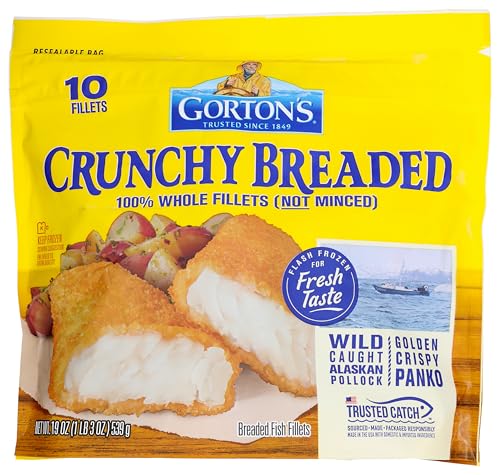
- ✓ Crispy panko coating
- ✓ Quick and easy to prepare
- ✓ Wholesome, responsibly sourced fish
- ✕ Slightly greasy if overcooked
- ✕ Not as thick as some prefer
| Main Ingredient | Wild-Caught Alaskan Pollock |
| Coating Type | Panko breadcrumbs |
| Preparation Method | Oven or air fryer |
| Net Weight | 19 oz (538 grams) |
| Nutritional Content | High in protein and Omega-3 fatty acids |
| Allergen Information | Contains fish; no artificial colors, flavors, or hydrogenated oils |
The first bite took me by surprise—I expected a standard frozen fish fillet, but what I got was a serious crunch that made me do a double-take. The panko coating is so crispy, it almost feels like biting into something freshly fried at a restaurant.
Handling the fillet, I noticed how sturdy it feels—thick enough to hold up in the oven or air fryer without falling apart. The coating isn’t just crunchy; it’s evenly coated, with a nice golden color that looks appetizing straight from the freezer.
Cooking is a breeze. I baked it in the oven, and it turned out perfectly crispy on the outside, flaky and tender inside.
It’s honestly impressive how quick and mess-free it is—no fuss, no fuss, just dinner ready in minutes.
The fish itself is wild-caught Alaskan Pollock, which you can really taste—fresh and clean. Plus, knowing it’s responsibly sourced and free from artificial ingredients makes it feel like a healthier choice for busy nights.
What really stood out is how versatile it is. You can serve it with fries, a salad, or even as a fish taco.
It’s a reliable option that makes weeknights feel a little more special without the extra effort.
Overall, this fillet surprised me with its quality and crunch. It’s a definite upgrade from standard frozen fish options, especially when you crave that satisfying bite.
Baked Cod Slices Snack 100g

- ✓ Crispy & flavorful
- ✓ Ready-to-eat convenience
- ✓ High in protein
- ✕ Slightly fishy aftertaste
- ✕ Crumbly texture sometimes
| Net Weight | 100 grams (3.52 oz) |
| Main Ingredient | Cod fish fillet |
| Preparation Method | Baked at low temperature |
| Protein Content | High-protein (specific amount not provided) |
| Texture | Crispy and flaky |
| Serving Size | Single 100g pouch |
The first thing that hits you when you open the bag of these Baked Cod Slices is how inviting the aroma is—rich, roasted fish with a subtle smoky hint. You’ll notice the slices are a good size, not tiny chips, which makes snacking feel more satisfying.
The texture feels surprisingly crisp on the outside, yet tender and flaky inside, almost like a well-baked fish fillet.
As you take your first bite, the natural seafood flavor really comes through, thanks to the low-temperature baking process. It’s not overly salty or greasy, which I appreciated, and the crunchy exterior makes each piece addictive.
The slices aren’t heavy at all, so you don’t feel weighed down, even after a handful.
What’s great is how convenient they are—no prep needed, just open and snack. The 100g pouch is perfect for a quick work break or a travel snack, and I found myself reaching for them more often than I expected.
They’re high in protein, so they actually feel like a nourishing choice rather than just empty calories. They’re also quite versatile—great on their own or added to salads for an extra flavor boost.
That said, they do have a slightly fishy aftertaste if you’re sensitive, and the crispness can vary a bit batch to batch. Still, overall, these baked cod slices deliver a satisfying, flavorful, and healthy snack option for seafood lovers on the go.
What Factors Make a Fish Ideal for Filleting?
Several factors contribute to making a fish ideal for filleting.
- Texture: The flesh of the fish should have a firm, flaky texture that allows for easy separation from the bones.
- Fat content: Fish with a moderate level of fat can enhance flavor and moisture, making them more enjoyable when cooked.
- Size and shape: The size and body shape of the fish can affect how easily it can be filleted, with larger, broader fish generally being easier to handle.
- Bone structure: Fish with fewer, larger bones are preferable as they simplify the filleting process and reduce waste.
- Flavor profile: Fish that have a mild to rich flavor can appeal to a wide range of palates, making them more desirable for various culinary applications.
Texture: Fish like cod and halibut possess a firm, flaky texture that makes them ideal for filleting. This characteristic ensures that the flesh can be easily cut away from the spine and ribcage, yielding clean and well-defined fillets.
Fat content: Fish such as salmon and mackerel are known for their higher fat content, which contributes to a richer flavor and moist texture. The fat helps maintain the integrity of the fillet during cooking, preventing it from drying out.
Size and shape: Larger fish like tuna and swordfish offer ample meat and a flat body shape that facilitates an easier filleting process. Their size allows for more substantial fillets, which can be an advantage for portioning and cooking.
Bone structure: Fish such as trout and snapper have fewer bones that are easier to remove, making the filleting process more efficient. The presence of larger, more easily identifiable bones reduces the risk of leaving small bones in the fillet, enhancing the eating experience.
Flavor profile: Fish like tilapia and haddock are favored for their mild flavors, while species like salmon offer a bolder taste. The versatility of these flavors allows them to be prepared in various cooking styles, appealing to diverse culinary preferences.
Which Types of Fish Are Considered the Best for Filleting?
The best fish for filleting are those that are easy to handle, have a good texture, and offer excellent flavor.
- Salmon: Known for its rich flavor and oily texture, salmon is a favorite among many fish lovers. Its firm flesh makes it easy to fillet, and it can be cooked in various ways, including grilling, baking, or smoking.
- Tilapia: This mild-flavored fish is popular due to its versatility and ease of filleting. With a delicate texture, tilapia can be pan-fried, baked, or used in various recipes, making it a great choice for many culinary applications.
- Cod: Cod has a flaky white flesh that holds together well during filleting. Its mild flavor makes it a favorite in many dishes, and it can be prepared by frying, baking, or even in fish and chips.
- Trout: With its tender, flaky flesh and mild taste, trout is an excellent choice for filleting. It’s commonly found in freshwater and is often grilled, baked, or smoked, enhancing its natural flavors.
- Swordfish: This meaty fish is easy to fillet and has a firm texture that stands up well to grilling. Swordfish is rich in flavor and can be cooked in various ways, making it a popular choice for seafood lovers.
- Snapper: Snapper is known for its sweet, mild flavor and firm flesh, which makes it a great candidate for filleting. It can be prepared in numerous ways, including grilling, baking, or steaming, allowing for a variety of culinary experiences.
How Does Salmon Rank Among Fillet Fish Options?
Salmon is often regarded as one of the best fillet fish options due to its flavor, nutritional benefits, and versatility in cooking.
- Flavor: Salmon boasts a rich, buttery flavor that appeals to many palates, making it a favorite choice for various dishes, from grilling to baking.
- Nutritional Value: This fish is high in omega-3 fatty acids, which are essential for heart health and brain function, as well as being an excellent source of protein and vitamin D.
- Versatility: Salmon can be prepared in numerous ways, including smoked, poached, grilled, or seared, allowing it to fit into a wide range of cuisines and meal types.
- Sustainability: When sourced from responsible fisheries or farms, salmon can be a sustainable seafood option, though it’s important to choose varieties that are certified as environmentally friendly.
- Texture: The firm, oily texture of salmon holds up well during cooking, making it suitable for various cooking methods and allowing it to maintain moisture and flavor.
Each of these aspects contributes to salmon’s standing as a top choice among fillet fish, appealing to both health-conscious consumers and culinary enthusiasts alike.
What Nutritional Benefits Does Cod Offer as a Fillet Fish?
Cod is often regarded as one of the best fillet fish to eat due to its numerous nutritional benefits.
- High in Protein: Cod fillets are an excellent source of high-quality protein, which is essential for muscle repair and growth. A standard serving provides a substantial amount of protein that helps in maintaining overall bodily functions and promoting satiety.
- Low in Calories: Cod is low in calories compared to many other fish and meats, making it a great option for those looking to manage their weight. This low-calorie content allows for a nutrient-dense meal without excessive caloric intake.
- Rich in Omega-3 Fatty Acids: While not as high in omega-3 fatty acids as fatty fish like salmon, cod still contains beneficial amounts that support heart health. Omega-3s are known to reduce inflammation and promote cardiovascular health.
- Vitamins and Minerals: Cod is a good source of essential vitamins and minerals, including vitamin B12, which is important for nerve function and red blood cell formation. Additionally, it provides selenium, an antioxidant that helps protect cells from damage.
- Low in Mercury: Cod generally has lower mercury levels compared to larger fish, making it a safer choice for regular consumption. This is particularly important for pregnant women and children, as high mercury levels can be harmful to developing systems.
Why Is Tilapia Widely Preferred for Filleting?
Tilapia is widely preferred for filleting primarily due to its mild flavor, flaky texture, and the ease with which it can be filleted and cooked, making it an ideal choice for many consumers and chefs alike.
According to the U.S. Department of Agriculture (USDA), tilapia is one of the most consumed fish in America, partly due to its mild taste that appeals to a broad audience, including those who may not typically enjoy fish. Research published in the Journal of Food Science indicates that the palatability of tilapia is a significant factor in its popularity, as its flavor profile does not overpower other ingredients in a dish.
The underlying mechanism for tilapia’s preference as a fillet fish lies in its biological and ecological characteristics. Tilapia are fast-growing and can be farmed efficiently, providing a steady supply that meets consumer demand. Their flesh has a lower fat content compared to other fish, which makes it easier to fillet and cook without the risk of becoming greasy or overly oily. Additionally, tilapia’s muscle structure allows for clean cuts during the filleting process, leading to aesthetically pleasing fillets that are easy to prepare in various culinary applications.
How Do You Identify Quality Fillet Fish When Buying?
When selecting quality fillet fish, consider these key indicators:
-
Freshness: Look for fish with bright, clear eyes and shiny, firm skin. Fresh fillet should not have a strong fishy odor; instead, it should smell mild and clean, reminiscent of the ocean.
-
Color: Vibrant, consistent coloring is essential. For instance, salmon should have a rich pink or orange hue, while white fish like cod should appear bright white or slightly translucent. Any discoloration or browning could indicate spoilage.
-
Texture: The flesh of the fillet should feel firm and elastic. Press your finger into the fillet; if it springs back, it’s fresh. If your finger leaves an imprint, the fish may be past its prime.
-
Moisture: Quality fillets often have a slight sheen, suggesting moistness without being slimy. Dry appearance or excessive moisture can be red flags.
-
Packaging: Inspect packaging for any leaks or excessive ice, which can signal thawing and refreezing. Clear, sturdy packaging is ideal.
By keeping these factors in mind while shopping, you’ll be able to select the best fillet fish for your meals.
What Cooking Methods Enhance the Flavor of Fillet Fish?
Several cooking methods can enhance the flavor of fillet fish, making it more enjoyable to eat.
- Grilling: This method imparts a smoky flavor to the fish, enhancing its natural taste. The high heat helps to create a crispy exterior while keeping the interior moist and flaky.
- Baking: Baking allows for even cooking and can be enhanced with herbs, spices, or marinades that complement the fish. This method retains moisture and can also be paired with vegetables and sauces for added flavor.
- Sautéing: Sautéing fillet fish in a pan with a little oil or butter creates a beautiful sear and allows for quick cooking. This method enhances the fish’s flavors while adding richness from the fat used in cooking.
- Poaching: Poaching fish in broth or flavored liquid keeps it tender and moist, allowing the fish to absorb the flavors of the cooking liquid. This gentle method is particularly good for delicate fish fillets.
- Broiling: Broiling exposes the fish to high heat from above, creating a caramelized crust that enhances flavor. This quick cooking method is perfect for thinner fillets, as it cooks them evenly without drying them out.
- Smoking: Smoking fish adds a distinctive flavor and aroma, transforming the taste profile significantly. This method not only preserves the fish but also infuses it with rich, smoky notes that can elevate the overall dish.