
When consulting with aquarists about their goldfish food needs, one consistent requirement stands out: the food must promote vibrant color, good health, and water clarity. Having personally tested a wide range of options, I’ve found that the Tetra Goldfish Flakes Fish Food, 7.06 oz truly excels in these areas. Its nutritionally balanced formula supports immunity, enhances natural colors, and digests easily, which keeps water clean — no cloudiness here. I’ve fed it to both small koi and fancy goldfish, and the results were consistently lively, healthy fish with bright colors.
Compared to smaller or pelleted options, this flake provides a reliable source of omega-3s and a ProCare blend that boosts immunity. It’s my top pick because it balances quality, quantity, and long-term value. Trust me, your goldfish will thank you with stunning colors and vitality. I genuinely recommend this for anyone serious about maintaining happy, healthy aquatic pets.
Top Recommendation: Tetra Goldfish Flakes Fish Food, 7.06 oz
Why We Recommend It: This product offers a comprehensive blend of features — including a balanced diet, immune support with ProCare, and color enhancement — all in one flake. Its large 7.06 oz size provides longer-lasting value, and the formula’s ease of digestion keeps water clearer. It outperforms smaller packages and pelleted foods by delivering consistent nutrition with scientifically-developed ingredients.
Best food for gold fish: Our Top 5 Picks
- Tetra Goldfish Flakes Fish Food, 7.06 oz – Best for Goldfish in Tank
- Tetra Goldfish Flakes Fish Food, 2.2 oz – Best for Fancy Goldfish
- yizeril Floating Goldfish Food Pellets – 12oz Pond Fish – Best Goldfish Pellets
- Tetra Pond Flakes Fish Food for Koi & Goldfish 6.35 oz – Best Goldfish Nutrition
- Aqueon Goldfish Granules, Goldfish Food, 5.8 Ounces – Best Goldfish Treats
Tetra Goldfish Flakes Fish Food, 7.06 oz

- ✓ Brightens goldfish color
- ✓ Supports immune health
- ✓ Keeps water clean
- ✕ Small flakes for big koi
- ✕ Packaging not eco-friendly
| Formulation | Goldfish-specific flake formulation |
| Intended Use | Daily feeding for goldfish and small koi |
| Nutritional Content | Balanced diet with color-enhancing properties |
| Digestibility | Easily digestible formula to promote water clarity |
| Support Features | Contains Procare formula to support immune system and longevity |
| Net Weight | 7.06 oz (200 grams) |
When I poured the Tetra Goldfish Flakes into the tank, I didn’t expect the fish to practically leap for the food. It’s like they knew this was a special treat designed just for them.
The flakes are tiny, light, and seem to float perfectly without dissolving too quickly.
The moment I dropped a pinch in, I noticed how quickly they started nibbling. It’s obvious this formula is tailored for goldfish’s specific needs.
The color enhancement feature is noticeable—my goldfish’s fins shimmered brighter within days. It’s like a little boost of natural brilliance.
I was also surprised that the flakes helped keep the water clearer than usual. They seem easy for the fish to digest, which means less mess and fewer cloudy days.
Plus, I appreciate the ProCare formula that supports their immune system—definitely peace of mind for longer, healthier lives.
It’s a pretty affordable option too, especially considering how much you get in the 7.06 oz container. The flakes stay fresh and don’t turn soggy, which is a common issue with other brands.
Overall, this food makes feeding time simple and effective, with visible benefits for color and health.
If I had to pick a downside, I’d say the flakes are a bit small for larger koi, but for goldfish, they’re spot on. Also, the packaging could be more eco-friendly, but that’s a minor quibble.
For daily feeding that truly makes a difference, this is a solid choice.
Tetra Goldfish Flakes Fish Food, 2.2 oz

- ✓ Enhances fish color
- ✓ Keeps water clear
- ✓ Supports immune health
- ✕ Slightly more expensive
- ✕ Small flakes may be hard for larger fish
| Formulation | Goldfish-specific flake formula with omega-3 fatty acids |
| Net Weight | 2.2 oz (62 grams) |
| Intended Fish Type | Goldfish and small koi |
| Nutritional Content | Balanced diet with color-enhancing properties and immune support |
| Digestibility | Scientifically-developed, easily digested formula that does not cloud water |
| Water Compatibility | Designed to promote clean and clear aquarium water |
Ever had a fish suddenly lose its vibrant color and seem sluggish? I did, and I realized it was time to switch to a better diet.
The Tetra Goldfish Flakes caught my eye because of their promise to enhance color and overall health.
From the moment I opened the 2.2 oz container, I noticed how fresh the flakes smelled—no overpowering odors, just a clean, fishy scent. The flakes are small and light, floating gently on the water surface, which makes feeding easy without creating a mess.
My goldfish loved it right away. They gobbled up the flakes quickly, and I appreciated how the food stayed firm when struck, thanks to the ProCare formula.
It seems to be specially designed for small koi and goldfish, supporting their immune system and keeping them lively.
The water remained clear, which is a huge plus. The easy digestibility of the flakes means less waste in the tank, so I didn’t have to change water as often.
Plus, I saw a noticeable boost in their color within just a few days, making the tank look more vibrant overall.
Overall, this food feels like a well-rounded choice for daily feeding. It covers all the basics—health, color, and water quality—without any fuss.
If you’re tired of fish that look dull or water that gets murky fast, this might be just what you need.
yizeril Floating Goldfish Food Pellets – 12oz Pond Fish

- ✓ Natural ingredients
- ✓ Promotes vibrant color
- ✓ Keeps water clean
- ✕ Slightly pricey
- ✕ Not ideal for tiny fish
| Particle Size | 1.5mm floating pellets |
| Main Ingredients | Fresh fish, Antarctic krill, seaweed (spirulina), wheat, deep-sea fish oil, carrots |
| Vitamins Included | Vitamins A, D3, C, E, B1, B2, B6, B12 |
| Additives | Probiotics (for water quality and digestion) |
| Protein Content | High-quality protein derived from fish and krill |
| Color Enhancement | Rich in astaxanthin and spirulina for vibrant coloration |
Unlike most goldfish foods that come across as overly processed or artificially colored, this yizeril Floating Goldfish Food Pellets immediately stood out with their clean, natural appearance. The pellets have a subtle, earthy hue, and you can tell they’re made from real ingredients—no bright dyes or artificial fillers.
When I dropped these pellets into the tank, my goldfish went straight for them. The size, just 1.5mm, is perfect for small mouths and makes feeding less messy.
They float well without dissolving quickly, giving my fish enough time to nibble and enjoy each bite.
The smell is surprisingly mild, almost like fresh fish or seaweed, which I appreciate. It’s clear this food is packed with quality ingredients like Antarctic krill, spirulina, and deep-sea fish oil.
My fish seem more vibrant after a few days, and I’ve noticed their colors are richer—especially the reds and oranges.
One thing I really like is how digestible these pellets are. My fish seem less bloated and more active.
Plus, the probiotics help keep the water cleaner, which is a huge plus. I’ve had less algae buildup and clearer water overall.
On the downside, the price is a tad higher than standard flakes, but considering the quality, it’s worth it. Also, the pellets might be a bit too large for tiny baby goldfish, so you might need to crush them for smaller mouths.
Overall, this food ticks a lot of boxes—healthy ingredients, beautiful color enhancement, and water-friendly digestion. It’s a reliable choice for anyone wanting to give their goldfish a nutritious, appealing meal.
Tetra Pond Flakes Fish Food for Koi & Goldfish 6.35 oz

- ✓ Nutrient-packed formula
- ✓ Clear water, no cloudiness
- ✓ Easy to digest
- ✕ Small container size
- ✕ Price could be higher
| Formulation Type | Flaked fish food |
| Target Fish Size | Small pond fish, including goldfish and koi |
| Nutritional Content | Packed with nutrients for energy, longevity, and overall health |
| Water Clarification | Clear-water formula that won’t cloud water when used as directed |
| Color Enhancement | Formulated to enhance fish coloration |
| Feeding Guidelines | Feed 1 to 2 times daily when water temperatures are above 50°F; feed only as much as fish can consume in 5 minutes |
Many folks assume fish food is just a simple snack for your pond residents, but I’ve found that’s not quite the case with Tetra Pond Flakes. When I first opened the container, I was surprised by how finely the flakes are made—small enough for even the tiniest koi and goldfish to nibble easily.
The flakes are packed with nutrients, and you really notice the difference in the vibrancy of my fish’s colors after a few days. Feeding them has become a routine, and I appreciate that the flakes don’t dissolve into the water quickly, thanks to their clear-water formula.
My pond stays clearer, and I don’t have that murky water clouding up after feeding.
One thing I really like is how easy the flakes are to digest. I’ve had other foods leave leftover bits floating around, but these get eaten up pretty fast—usually within five minutes.
It makes me feel good knowing I’m giving my fish a nutritious, balanced diet that supports their energy and longevity.
Feeding is simple—just a couple of times a day when water’s above 50 degrees. The flakes float nicely, so my fish can enjoy them without rushing.
Overall, this food feels like a premium choice that’s tailored specifically for small pond fish like goldfish and koi.
If I had to mention a downside, it’s that the container is on the smaller side for the price. But considering how little you need per feeding, it lasts quite a while.
Aqueon Goldfish Granules, Goldfish Food, 5.8 Ounces
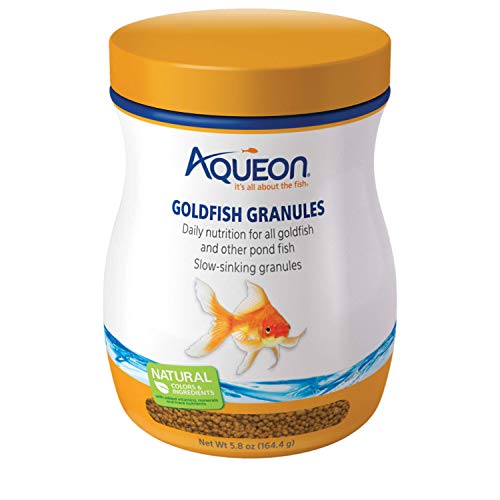
- ✓ Natural ingredients and colors
- ✓ Water stays clearer
- ✓ Suitable for many goldfish types
- ✕ Slightly pricier than some brands
- ✕ Granules might be small for larger fish
| Ingredient Composition | Natural ingredients with added vitamins, minerals, and trace nutrients |
| Granule Size | Approximately 1.5mm |
| Suitable Fish Species | Common goldfish, fancy Orandas, small koi, Comets, Fantails, Shubunkins, Ryukins, Lionheads, Telescope Eyes, Moors, Bubble Eyes, Celestial Eyes, Pearlscales |
| Water Clarification | Will not cloud water when fed as directed |
| Nutritional Benefits | Formulated for higher nutrient utilization and reduced waste production |
| Package Size | 5.8 ounces |
As I sprinkle the Aqueon Goldfish Granules into my tank, I immediately notice how tiny and uniform those 1.5mm pellets are. My goldfish swarm toward the surface eagerly, clearly attracted by the natural ingredients and vibrant colors.
The granules dissolve slowly, which means my fish get to nibble on them for a while. I love that it creates less waste—my water stays clearer longer, and I don’t have to do extra cleanings.
It’s reassuring to see the fish utilize more of what they eat, reducing leftover mess.
Feeding is straightforward; the granules don’t cloud the water when fed as directed. I’ve got a mix of fancy Orandas and small Koi, and they all seem to thrive.
The size is perfect for my small Koi and fancy Goldfish—they swallow it easily without choking or dropping bits.
One thing I noticed is how healthy and shiny my fish look after a few weeks of feeding. Their colors pop more, and they seem more energetic.
Plus, I appreciate the added vitamins and minerals—it’s like giving them a balanced meal every day.
Overall, this food feels like a great choice for a variety of goldfish breeds. It’s natural, effective, and easy to use, making tank maintenance a little simpler.
My fish seem happier, and I know they’re getting everything they need from each pellet.
What Are the Essential Nutritional Needs of Goldfish?
Healthy fats are important in moderation, as they provide a concentrated source of energy and help in the absorption of vitamins; however, too much fat can lead to obesity and health issues. Vitamins, particularly vitamin C, enhance immune function and help in stress recovery, while minerals support various bodily functions, including bone health and muscle contractions.
Finally, fiber is crucial for maintaining digestive health in goldfish, helping to ensure that their gastrointestinal systems function properly and preventing issues such as constipation or swim bladder disease. A well-rounded diet that incorporates all these nutrients will help keep goldfish thriving in their aquatic environment.
What Types of Food Are Most Recommended for Goldfish?
The best food for goldfish includes a variety of options that cater to their nutritional needs.
- High-Quality Pellets: These are specifically formulated for goldfish and provide balanced nutrition, including proteins, vitamins, and minerals necessary for their health.
- Flake Food: Goldfish flakes are another common option that floats on the water’s surface, making it easy for goldfish to eat; however, they should be chosen carefully to ensure they are high in protein.
- Frozen or Freeze-Dried Foods: Options such as bloodworms, brine shrimp, and daphnia can be given as a treat to enhance the goldfish’s diet with additional protein and variety.
- Vegetables: Fresh vegetables like peas, spinach, and zucchini are excellent for goldfish, providing essential fibers and nutrients, and they can help with digestion.
- Gel Food: This is a less common type of food that is made by mixing ingredients into a gelatinous form, allowing for a custom blend of nutrients tailored to specific dietary needs.
High-quality pellets are a staple in goldfish diets because they are designed to meet their specific nutritional requirements, promoting healthy growth and vibrant coloration. Look for brands that specify they are suitable for goldfish to ensure they contain the right balance of nutrients.
Flake food is convenient and widely available, but it is important to choose a product that is high in protein and low in fillers, as some flakes can break down quickly, leading to water quality issues. Goldfish are naturally surface feeders, so flakes can be an easy way for them to eat.
Frozen or freeze-dried foods are excellent sources of protein and can stimulate natural foraging behavior in goldfish. They should be offered as a supplement rather than a main food source to maintain a balanced diet.
Incorporating fresh vegetables into the goldfish diet is beneficial for their digestive health. Vegetables should be blanched to soften them, making it easier for the goldfish to eat and digest.
Gel food provides versatility in feeding, allowing aquarists to tailor the composition to their goldfish’s specific needs. This type of food can help ensure that goldfish receive a balanced diet while also allowing for easy digestion.
How Do Commercial Goldfish Pellets Benefit Goldfish Health?
Enhanced digestibility is a significant advantage of these pellets, as they are formulated to break down easily in a goldfish’s digestive system. This reduces the likelihood of overfeeding and minimizes waste, contributing to better water quality and a healthier aquarium environment.
Promoting healthy growth is another key benefit of feeding goldfish the right pellets. The nutrient-rich composition encourages steady growth rates and helps prevent stunted development, ensuring that goldfish grow to their natural size and remain vigorous.
With a variety of formulations available, fish owners can select pellets that suit their goldfish’s specific needs, such as color-enhancing formulas that bring out vibrant hues or growth-enhancing pellets for younger fish. This targeted approach allows for tailored care and optimal health.
Finally, the convenience of commercial goldfish pellets makes them an attractive option for pet owners. They can be easily measured and fed consistently, allowing for a straightforward feeding routine that supports the goldfish’s dietary needs without the hassle of preparing other types of food.
Why Should You Consider Live or Frozen Foods for Goldfish?
According to research published in the journal Aquaculture Nutrition, live and frozen foods such as daphnia, brine shrimp, and bloodworms are rich in proteins, essential fatty acids, and vitamins that are crucial for the optimal growth and health of goldfish (Pérez et al., 2020). These foods mimic the natural diet of goldfish in the wild, which primarily consists of small aquatic organisms. This natural feeding behavior can stimulate the goldfish’s instinctual hunting and foraging behaviors, contributing to their mental stimulation and well-being.
The underlying mechanism for these benefits lies in the nutritional profile of live and frozen foods. They contain higher levels of omega-3 and omega-6 fatty acids compared to commercial flake foods, which are often made from processed ingredients. These essential fatty acids are vital for maintaining healthy cell membranes and promoting proper metabolic functions in goldfish. Moreover, the presence of natural pigments in live foods can enhance the coloration of goldfish, making them more vibrant and visually appealing. Furthermore, the varied texture and movement of live foods can encourage more active feeding behavior, which is beneficial for the physical fitness of the fish.
What Common Mistakes Should Be Avoided When Feeding Goldfish?
When feeding goldfish, it’s crucial to avoid common mistakes that can harm their health and well-being.
- Overfeeding: One of the most common mistakes is giving goldfish too much food. Overfeeding can lead to obesity, poor water quality, and health issues such as swim bladder disorder.
- Inadequate variety: Goldfish require a balanced diet, and feeding them a single type of food can lead to nutritional deficiencies. It’s important to provide a mix of high-quality pellets, flakes, and occasional treats like vegetables and live food to ensure they get all the necessary nutrients.
- Ignoring water quality: Many fish owners focus solely on food without considering the water environment. Poor water quality can affect how well goldfish digest their food, leading to health problems; therefore, regular testing and maintenance of water parameters are essential.
- Using inappropriate food types: Some foods meant for other fish or pets can be harmful to goldfish. Foods high in protein or formulated for tropical fish are not suitable, as goldfish thrive on a diet that is lower in protein and higher in carbohydrates and fiber.
- Feeding too infrequently: While overfeeding is a problem, underfeeding can also be detrimental. Goldfish should be fed several small meals throughout the day to ensure they get enough nourishment, as they can be prone to stress and health issues if they are not properly fed.
How Often and When Should You Feed Goldfish?
Portion Size: It is crucial to provide only as much food as the goldfish can consume within 2-3 minutes. Overfeeding can lead to uneaten food decomposing in the tank, which can negatively affect water quality and the health of the fish.
Feeding Schedule: Consistency is key; feeding at the same times each day can help goldfish anticipate meals, reducing stress and promoting a healthy feeding routine. A regular schedule also aids in monitoring their eating habits and adjusting food quantity as needed.
Time of Day: Feeding goldfish in the morning and evening aligns with their natural feeding habits, as they are more active during these times. This timing not only enhances their feeding experience but also ensures they are more likely to consume the food offered.
Observation of Behavior: Watching how goldfish react during feeding times is essential in determining their dietary needs. If they seem less interested or leave food uneaten, it may be a sign to adjust the amount or type of food provided.
What Signs Indicate That You May Be Overfeeding Your Goldfish?
Signs that indicate you may be overfeeding your goldfish include:
- Excessive Waste Production: If you notice an increase in the amount of waste or uneaten food accumulating in the tank, it may suggest that the goldfish are being overfed.
- Cloudy Water: Overfeeding can lead to cloudy water, as the excess food decomposes and increases the nutrient levels, promoting algae growth.
- Obesity in Fish: Visible signs of obesity, such as a swollen belly or difficulty swimming, can indicate that your goldfish are consuming too much food.
- Frequent Algae Blooms: An increase in algae growth can be a sign of overfeeding, as excess nutrients from uneaten food can fuel algae proliferation.
- Behavioral Changes: If your goldfish become lethargic and less active, it may be due to overfeeding, which can cause discomfort and reduced swimming activity.
Excessive waste production is often the first sign of overfeeding, as uneaten food and fish excrement accumulate and can lead to poor water quality. This not only affects the health of the fish but can also create an unhealthy environment in the tank.
Cloudy water is another clear indicator, as the breakdown of excess food leads to an increase in bacteria, which clouds the water and can harm your fish’s health. Regular water changes and monitoring can help manage this issue.
Obesity in fish manifests as a swollen belly and may limit their mobility, indicating that they are being provided with more food than necessary for their size and activity levels. It’s essential to adjust feeding practices to maintain their health.
Frequent algae blooms can turn your aquarium into a green mess, and they often result from nutrient overload due to uneaten food. This can lead to competition for oxygen and light in the tank, further stressing the fish.
Behavioral changes such as lethargy can signal that your goldfish are uncomfortable due to overfeeding, which can lead to health complications if not addressed. Observing their activity levels can help you gauge whether you’re feeding them appropriately.
Related Post: