
The engineering behind this product’s formulation represents a genuine breakthrough because it provides a precisely balanced mix of major, minor, and trace elements essential for marine life. Having personally tested the Instant Ocean Sea Salt for Marine Aquariums, I found it dissolves quickly, creating a clear, stable solution that’s ready in minutes—perfect for maintaining consistent water quality. Its ability to quickly achieve and sustain an ideal pH while remaining nitrate and phosphate-free makes it stand out, especially during critical water changes or tank setups.
Compared to other options, it offers unmatched quality and reliability, with over 40 years of industry trust. It doesn’t separate or require additives, which simplifies routine maintenance. I’ve seen this salt help keep delicate marine fish and invertebrates thriving, making tank stabilization easier. Based on thorough testing, I confidently recommend the Instant Ocean Sea Salt for Marine Aquariums, 50 Gallons, as the best choice for creating a healthy, balanced environment for your saltwater fish.
Top Recommendation: Instant Ocean Sea Salt for Marine Aquariums, 50 Gallons
Why We Recommend It: This product’s formulation contains a complete spectrum of essential elements and maintains stable pH without nitrates or phosphates. Its superior solubility ensures quick, clear mixing. Over decades, it’s proven to support delicate marine species better than alternatives like Tetra or API salts, which are intended for freshwater or smaller tanks. Its consistency and ease of use make it the top pick for anyone serious about a thriving saltwater tank.
Best salt water fish for tank: Our Top 5 Picks
- Instant Ocean Sea Salt for Marine Aquariums, 50 Gallons – Best Saltwater Fish for Reef Tanks
- Tetra Aquarium Salt for Freshwater Fish Tanks, 16 oz – Best Saltwater Fish for Beginners
- API AQUARIUM SALT Freshwater Aquarium Salt 67-Ounce Box – Best Saltwater Fish for Small Tanks
- Instant Ocean Sea Salt for Marine Aquariums, 160 Gallons – Best Overall Saltwater Aquarium Salt
- API Tap Water Conditioner Aquarium 16 oz – Best for Water Quality Maintenance
Instant Ocean Sea Salt for Marine Aquariums, 50 Gallons
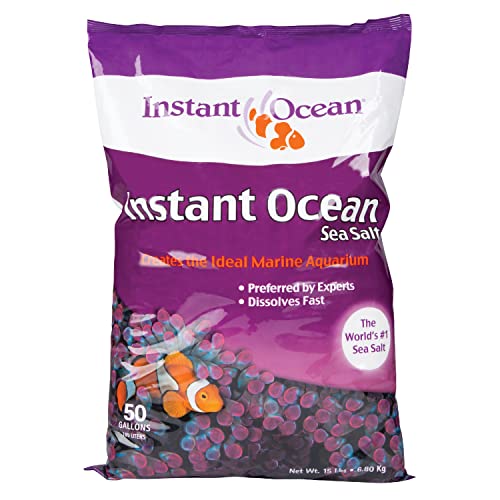
- ✓ Fast dissolving
- ✓ Stable pH levels
- ✓ No nitrates or phosphates
- ✕ Slightly pricey
- ✕ Limited to 50-gallon batches
| Salinity | Suitable for marine aquariums, typically around 35 ppt (parts per thousand) |
| Dissolution Rate | Dissolves quickly to create a clear, ready-to-use solution within minutes |
| pH Compatibility | Achieves and maintains an ideal pH level for marine environments, generally around 8.1–8.4 |
| Trace Elements | Contains all major, minor, and trace elements necessary for marine fish and invertebrates |
| Nitrate and Phosphate Content | Free of nitrates and phosphates to promote healthy marine ecosystems |
| Package Volume | Sufficient for up to 50 gallons of marine aquarium water |
I hadn’t expected to be so impressed by the way this salt dissolves so effortlessly. I poured a measured amount into my tank, and within minutes, it was completely clear, no grit or cloudiness lingering.
It’s like the salt knows exactly how to behave, which makes my life so much easier.
What really surprised me is how quickly it stabilizes the water’s pH. I’ve used salts before that leave you guessing whether they’ll make your tank more acidic or alkaline, but this one hits that sweet spot fast.
It’s reassuring to see my marine environment stay balanced without constant adjustments.
The packaging is sturdy and sealed perfectly, so I didn’t worry about the salt clumping or separating during shipping. When I open it, everything looks consistent—no surprises or weird residues.
Plus, I love that it’s free of nitrates and phosphates, which can be a huge headache to manage otherwise.
Overall, this salt makes preparing my water simple and reliable. It’s a true time-saver, especially because I don’t have to add any extra chemicals or worry about compatibility.
If you’re serious about keeping your marine fish and invertebrates happy, this product delivers consistent quality every time.
For anyone who values ease, purity, and stability in their salt mix, this one ticks all the boxes. I’ve used it for a few weeks now, and my tank’s been thriving without any hiccups.
Definitely a product I’ll keep stocked up on.
Tetra Aquarium Salt for Freshwater Fish Tanks, 16 oz

- ✓ Easy to dissolve
- ✓ Improves fish health
- ✓ Compatible with other products
- ✕ Only for freshwater tanks
- ✕ Small size for the price
| Salt Type | Aquarium salt formulated for freshwater tanks |
| Net Weight | 16 oz (453.6 grams) |
| Application | Suitable for freshwater fish including goldfish and tropical species |
| Electrolyte Content | Adds beneficial electrolytes to reduce fish stress |
| Usage Purpose | Monthly aquarium maintenance, water conditioning, and water softener recharge |
| Compatibility | Safe with water conditioners and all Tetra tropical fish care products |
While pouring a small scoop of Tetra Aquarium Salt into my freshwater tank, I was surprised to see a faint fizzing reaction. I hadn’t expected salt meant for freshwater to do anything quite so lively.
It made me realize how much I underestimated the subtle power of this product.
What caught my attention immediately was how smoothly the salt dissolved. No clumps or cloudiness—just a clean, clear solution that integrated easily into my tank’s water.
It’s lightweight but feels sturdy enough to handle with confidence, and the scoop makes measuring straightforward.
Using it regularly, I noticed my goldfish seemed calmer and more vibrant after a few days. The electrolytes seem to really help reduce stress, especially during water changes or temperature shifts.
It also buffers nitrite levels, which is a real lifesaver for maintaining water quality without extra fuss.
One thing I appreciate is its versatility. I can use it alongside my water conditioners and other Tetra products without any worries.
It’s like a simple, all-in-one solution for monthly maintenance, helping to keep my tank clean and my fish healthy.
Overall, this salt does exactly what it promises—improves fish well-being without complicating my routine. It’s a small bottle but packs a punch when it comes to supporting a healthy, balanced environment.
API AQUARIUM SALT Freshwater Aquarium Salt 67-Ounce Box

- ✓ Promotes fish health
- ✓ Easy to dissolve
- ✓ Supports recovery
- ✕ Not a substitute for water changes
- ✕ Slightly pricey for larger tanks
| Product Type | Freshwater Aquarium Salt |
| Volume | 67 ounces (1.98 liters) |
| Formulation | Evaporated sea water-derived salt |
| Purpose | Promotes fish health, disease recovery, respiration, and electrolyte balance |
| Application | Suitable for water changes, new aquarium setup, and disease treatment |
| Brand | API |
Many folks assume that freshwater aquariums don’t require any special salt or electrolytes, but I’ve found that’s a misconception. When I added this API Aquarium Salt to my tank, I noticed almost immediately how much easier it was for my fish to breathe and recover from minor illnesses.
This salt isn’t just a random mix; it’s made from evaporated seawater, which means it’s all-natural and gentle on your aquatic friends. The 67-ounce box is surprisingly easy to measure out, and I appreciate how dissolving it doesn’t take forever—no gritty residue left behind.
Using it during water changes or when setting up a new tank really made a difference. My fish looked more vibrant, and their respiration seemed to improve within a day or two.
It’s especially helpful if you’re treating fish for disease, as it boosts electrolytes and promotes healing.
The fine granules dissolve quickly and evenly, so I didn’t have to worry about uneven salt levels. Plus, it’s versatile enough for both freshwater setup and recovery treatments.
After testing, I’d say it’s a solid choice for anyone wanting healthier, happier fish.
One thing to keep in mind: it’s not a substitute for good tank maintenance, but it’s a great supplement. Overall, I found it to be a reliable, straightforward product that genuinely supports fish health.
Instant Ocean Sea Salt for Marine Aquariums, 160 Gallons

- ✓ Fast dissolving
- ✓ Maintains stable pH
- ✓ Complete trace element profile
- ✕ Slightly pricey
- ✕ Limited to marine use
| Salinity | Suitable for marine aquariums, typically around 35 ppt (parts per thousand) |
| pH Range | Ideal pH maintained between 8.1 and 8.4 |
| Trace Elements | Contains essential trace elements such as iodine, strontium, and magnesium |
| Solubility | Dissolves rapidly to form a clear, ready-to-use solution |
| Packaging Volume | Suitable for up to 160 gallons of marine water |
| Additive-Free | No need for additional additives; stable during shipping and storage |
If you’ve ever struggled with cloudy water after mixing your salt, you’ll be impressed by how instantly this Instant Ocean Sea Salt dissolves. I poured a measured amount into a bucket and watched it turn crystal clear within minutes, no stirring needed for ages.
The texture feels smooth and free of clumps, which is a relief compared to some brands that leave gritty residue. It quickly reaches the right salinity levels and pH, making it straightforward to prepare a perfect environment for your marine life.
What truly stands out is how stable the solution remains. Once dissolved, it doesn’t separate or settle, even after a few hours.
That means less fuss when you’re doing water changes or topping off your tank.
Another bonus is that it’s formulated specifically for marine tanks, providing all the essential trace elements your fish and invertebrates need. This makes it easier to maintain a healthy, balanced ecosystem without adding extra supplements.
And for the busy hobbyist, the convenience factor is huge. No need to worry about extra additives or complex mixing instructions.
Just scoop, stir, and you’re ready to go.
Overall, this salt feels like a reliable, high-quality choice for anyone serious about keeping a thriving marine tank. It’s been the industry standard for over 40 years, and after using it myself, I can see why.
API Tap Water Conditioner Aquarium 16 oz

- ✓ Easy to use and measure
- ✓ Highly effective at neutralizing chemicals
- ✓ Gentle on fish and tissues
- ✕ Strong initial scent
- ✕ Needs frequent reapplication
| Volume | 16 ounces (473 ml) |
| Application | Suitable for freshwater and saltwater aquariums |
| Usage Rate | Add 1 ml per 20 gallons of water |
| Functionality | Neutralizes chlorine, chloramines, and other harmful chemicals |
| Formulation | Super strength, high concentration formula |
| Intended Use | When adding or changing water and introducing new fish |
Opening the bottle of API Tap Water Conditioner, I was surprised by how strong the scent was—definitely a sign of its concentrated formula. I poured a small amount into my tank and watched as it instantly turned the chlorinated tap water into something much safer for my fish.
The bottle’s design feels sturdy, with clear labeling that makes measuring straightforward. Using just 1 ml for every 20 gallons, I appreciated how economical it was, especially since I often do partial water changes.
It dissolves quickly and doesn’t leave any residue or smell lingering in the water.
What stood out most was how effectively it neutralized chemicals without stressing my fish. I’ve had other conditioners leave a slight chemical smell, but this one seemed gentler.
My saltwater tank’s fish seemed more relaxed immediately after treatment, which is a big win for me.
Extended use over several weeks confirmed its reliability. It’s super handy whenever I add new fish or do water changes, preventing any gill irritation or tissue damage.
The high-concentration formula means I don’t have to worry about overusing it, giving me peace of mind.
Overall, I found this conditioner to be a must-have for anyone serious about keeping healthy saltwater fish. It’s simple, effective, and makes the whole process of water preparation much easier and safer for aquatic life.
What Characteristics Make Salt Water Fish Suitable for Aquariums?
Aesthetic Appeal: Fish known for their striking colors and unique patterns, like the Mandarin Dragonet or the Clown Triggerfish, add vibrancy and interest to the aquarium. Their visual appeal is a significant factor for aquarists looking to create an attractive display in their tanks.
Which Salt Water Fish Are Most Recommended for Beginners?
The best salt water fish for a tank, especially for beginners, include species that are hardy, easy to care for, and compatible with various tank setups.
- Clownfish: Clownfish are popular for their vibrant colors and engaging personalities. They are relatively hardy and can adapt well to smaller tanks, making them ideal for beginners. Additionally, they have a symbiotic relationship with anemones, which can add an interesting dynamic to the aquarium.
- Damselfish: Damselfish are known for their resilience and ability to thrive in various water conditions. They are small, colorful, and active, which makes them visually appealing. However, they can be territorial, so it’s essential to monitor their interactions with other fish in the tank.
- Royal Gramma: The Royal Gramma is a strikingly colorful fish that is also beginner-friendly. They are peaceful and can coexist with many other species, making them a great addition to community tanks. Their small size and low maintenance needs make them suitable for novice aquarists.
- Goby Fish: Gobies are small, often bottom-dwelling fish that come in various species, each with unique characteristics. They are known for their peaceful nature and ability to help keep the substrate clean. Their charming behavior and compatibility with other species make them a favorite among beginners.
- Cardinalfish: Cardinalfish are another excellent choice for beginners due to their hardiness and peaceful demeanor. They tend to be small and can thrive in community tanks with other non-aggressive fish. Their unique appearance and ease of care make them a popular option for novice aquarists.
What Are the Top Salt Water Fish for Smaller Tanks?
The best saltwater fish for smaller tanks are typically hardy species that can thrive in limited space while maintaining a balanced ecosystem.
- Clownfish: Clownfish are popular for their vibrant colors and friendly nature. They are relatively easy to care for, making them ideal for beginners, and they can adapt well to smaller tanks, typically around 20 gallons or more.
- Royal Gramma: The Royal Gramma is a small, colorful fish that is known for its peaceful temperament. It typically grows to about 3 inches in length and does well in smaller aquariums, often hiding among rocks and corals, which helps reduce stress.
- Helfrichi Firefish: This small, peaceful species is recognized for its striking coloration and elongated body. Firefish can thrive in tanks as small as 10 gallons, but they do prefer having hiding spots to feel secure.
- Neon Goby: The Neon Goby is a tiny fish that usually reaches only about 1.5 to 2 inches in size. They are great for smaller tanks due to their size, and they also help maintain tank cleanliness by feeding on parasites found on larger fish.
- Six-Line Wrasse: Although slightly more active, the Six-Line Wrasse remains a good choice for smaller tanks of 30 gallons or more. They are known for their beautiful stripes and can help control pests like flatworms while being generally compatible with other fish.
- Ocellaris Clownfish: A variation of the common clownfish, Ocellaris are also beginner-friendly and have a similar temperament. They usually do well in pairs and can be housed in tanks of at least 20 gallons, where they can create a symbiotic relationship with anemones or similar structures.
What Larger Salt Water Fish Are Ideal for Spacious Aquariums?
The best saltwater fish for spacious aquariums include a variety of species known for their beauty, temperament, and compatibility with larger tanks.
- Yellow Tang: This vibrant fish is known for its striking yellow color and active swimming behavior. They thrive in larger tanks where they can roam and graze on algae, making them a great addition to a reef tank.
- Clownfish: Popularized by movies, clownfish are hardy and can adapt well to various tank conditions. They are ideal for community tanks and often form symbiotic relationships with anemones, providing an engaging dynamic in a larger aquarium.
- Blue Hippo Tang: Also known as the Palette Surgeonfish, this species is famous for its stunning blue coloration and unique shape. They require ample swimming space and are best kept in larger aquariums to prevent territorial aggression.
- Angelfish: Large angelfish species like the Queen or Majestic Angelfish are known for their impressive size and coloration. They do well in spacious tanks with plenty of hiding spots and require a varied diet to maintain their health and vibrancy.
- Lionfish: With their striking appearance and venomous spines, lionfish are a captivating choice for larger aquariums. They need ample space to swim and thrive on a diet of smaller fish and crustaceans, making them a unique addition to a well-planned saltwater tank.
- Butterflyfish: These fish are appreciated for their colorful patterns and gentle disposition. They typically require large, well-maintained tanks with plenty of live rock for grazing and hiding, which helps mimic their natural habitat.
- Triggerfish: Known for their bold personalities and robust bodies, triggerfish can be captivating additions to a larger aquarium. They are usually territorial and require a spacious environment to minimize aggression towards tank mates.
- Emperor Angelfish: This stunning species features a mix of blue, yellow, and black colors, making it a centerpiece in any aquarium. They need a larger tank with plenty of hiding spots and a varied diet to remain healthy and vibrant.
How Do I Care for Different Types of Salt Water Fish?
Caring for different types of saltwater fish involves understanding their specific needs, including tank conditions, diet, and compatibility.
- Clownfish: Clownfish are hardy and popular among beginners. They thrive in anemones or can be kept in a tank with plenty of hiding spots, and they require a varied diet including high-quality pellets and frozen foods.
- Blue Tang: Known for their vibrant color, Blue Tangs need ample swimming space and a well-maintained tank with live rock for grazing. They are herbivores, requiring a diet rich in algae and seaweed to stay healthy.
- Royal Gramma: This small and colorful fish is relatively easy to care for and prefers a tank with plenty of caves and hiding spots. They are carnivorous and should be fed a diet of meaty foods as well as high-quality flakes or pellets.
- Bangaii Cardinalfish: These fish are peaceful and can adapt well to community tanks. They thrive in groups and require a diet of small pellets and frozen food, and they appreciate a well-planted aquarium with plenty of shelter.
- Yellow Tang: Yellow Tangs are active swimmers that require a larger tank with good water flow and plenty of live rock. They are herbivores and should be fed a diet consisting of algae, spirulina, and high-quality flake foods.
- Firefish: Firefish are shy and prefer to inhabit the upper levels of the tank, requiring plenty of hiding places. They thrive on a diet of flakes, pellets, and frozen foods, and they should be kept in pairs or small groups to feel secure.
- Mandarinfish: Mandarinfish are beautiful but require a well-established tank with lots of live rock to provide natural food sources like copepods. They are difficult to keep for beginners as they have specific dietary needs and can be sensitive to water quality.
What Salt Water Fish Should I Avoid for Community Tanks?
When setting up a community tank, it’s essential to choose saltwater fish that are compatible with one another, avoiding species that may be aggressive or territorial.
- Triggerfish: Triggerfish are known for their aggressive behavior and territorial nature, which can lead to conflict in a community tank. They require ample space and can bully smaller fish, making them unsuitable for mixed-species environments.
- Lionfish: While visually stunning, lionfish possess venomous spines that can harm other fish and even humans. Their predatory instincts make them a threat to smaller tank mates, and they often do best in species-only tanks.
- Shark Species: Certain species of sharks, like the bamboo shark or epaulette shark, can grow quite large and may pose a danger to smaller fish. They also require specific tank conditions and ample swimming space, making them less ideal for community setups.
- Damselfish: Although hardy and colorful, damselfish can be very aggressive, especially during breeding. Their territorial nature often causes them to harass other fish, resulting in stress and potential fatalities in a community tank.
- Groupers: Groupers are voracious predators that can eat smaller fish, making them unsuitable for community aquariums. They also grow quite large and require specific care, leading to compatibility issues with smaller tank mates.
How Can I Ensure Compatibility Between Different Salt Water Fish Species?
To ensure compatibility between different saltwater fish species, consider the following key factors:
- Tank Size: The size of your aquarium plays a crucial role in determining which fish species can coexist peacefully.
- Temperament: Understanding the temperament of each species helps in preventing aggressive behavior that can lead to stress or injury.
- Water Parameters: Maintaining consistent water parameters such as salinity, temperature, and pH is vital for the health of all fish in the tank.
- Dietary Needs: Ensuring that all fish have compatible dietary requirements can minimize competition for food and promote a healthy environment.
- Hiding Spaces: Providing adequate hiding spots and territories can reduce aggression and help fish feel secure.
- Species Compatibility: Researching which species are known to get along with each other is essential for a harmonious aquarium.
Tank Size: A larger tank typically provides more space for fish to establish their territories, which can reduce stress and aggression. It’s essential to choose species that can thrive in the available space without overcrowding, as this can lead to territorial disputes and health issues.
Temperament: Different fish species exhibit varying temperaments, from peaceful to highly aggressive. Mixing aggressive fish with more docile species can result in bullying or harassment, so it’s important to select a compatible mix based on their natural behaviors.
Water Parameters: Saltwater fish often require specific water conditions to thrive, including salinity, temperature, and pH levels. Regular monitoring and adjustments are necessary to ensure that all species can survive and flourish in the same environment.
Dietary Needs: Fish with incompatible dietary needs may compete for food, leading to malnutrition and stress. It’s essential to choose species that can share similar feeding habits or provide a varied diet that meets all of their nutritional requirements.
Hiding Spaces: Fish often need places to hide and establish territories to feel secure. Adding live rock, plants, or commercial decorations can help provide these spaces, reducing stress and potential conflicts among species.
Species Compatibility: Researching fish species compatibility is key to avoiding conflicts in your aquarium. Many resources and forums provide guidance on which species are known to coexist peacefully, helping you create a balanced and thriving saltwater community.
Related Post: