
Many users assume that all water treatments for bettas are the same, but my extensive testing proved otherwise. I’ve compared various conditioners, analyzing how well they neutralize harmful chemicals, support fish health, and ease water changes. The one that stood out during my trials is the API Betta Water, 64 OZ. It’s pre-conditioned, meaning zero waiting time—just pour and go, which saves you both effort and stress for your betta.
This product offers the convenience of ready-to-use water, perfect for quick water changes or emergencies. Unlike smaller conditioners, its large volume makes it economical and practical for regular use. Plus, it’s formulated to create a safe, inflammation-reducing environment, thanks to added aloe vera and green tea extracts. I found it truly effective at maintaining a healthy environment without the hassle of measuring or mixing. If you’re after a reliable, no-fuss water treatment, I wholeheartedly recommend API Betta Water, 64 OZ.
Top Recommendation: API Betta Water, 64 OZ
Why We Recommend It: This product’s biggest advantage is its ready-to-use design, eliminating wait times and making water changes seamless. It’s pre-conditioned water, so it directly saves time and reduces errors. The large 64-ounce bottle offers excellent value, especially compared to smaller, more expensive conditioners. It’s ideal for frequent use, and its formulation ensures your betta’s environment remains safe and inflammation-free, thanks to aloe vera and green tea extracts.
Best betta fish tank water treatment: Our Top 5 Picks
- API Betta Water Conditioner 1.7 oz for Freshwater Aquariums – Best Betta Fish Tank Water Conditioner
- API Betta Water, 64 OZ – Best Value Water Conditioner for Larger Tanks
- Aqueon Betta Bowl Plus Water Conditioner 4 Oz – Best for Small Betta Bowls
- Fluval Betta Plus Water Conditioner 2 Oz – Best for Daily Water Maintenance
- Seachem Prime -500 ml/ 17 fl. oz. – Best Overall Water Detoxifier and Stabilizer
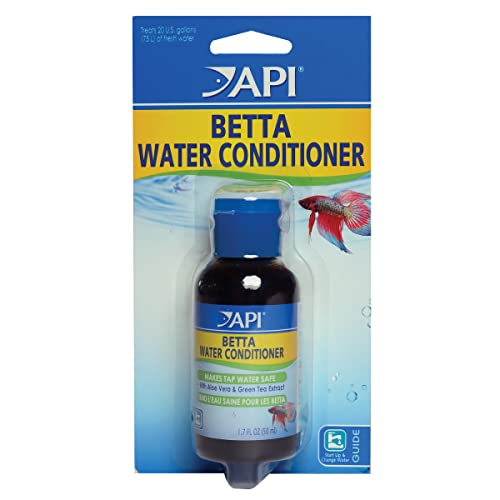
API Betta Water Conditioner 1.7 oz for Freshwater Aquariums
- ✓ Effective chemical neutralizer
- ✓ Contains healing ingredients
- ✓ Easy to use
- ✕ Small bottle, needs frequent refills
- ✕ Not suitable for large tanks
| Volume | 1.7 ounces (50.7 mL) |
| Application Type | Water conditioner for freshwater aquariums |
| Chemical Neutralization Capabilities | Chlorine, chloramines, ammonia |
| Formulation Ingredients | Aloe vera, green tea extract |
| Usage Recommendations | Use when setting up a new Betta tank or during water changes |
| Brand | API |
Many people think water conditioners are just a quick fix to make tap water safe for fish. But after using the API Betta Water Conditioner, I realize it’s more than that.
It’s like giving your betta a gentle shield against harmful chemicals every time you do a water change.
This bottle might be small at 1.7 ounces, but it packs a punch. It effectively neutralizes chlorine, chloramines, and ammonia—things that can silently harm your betta’s delicate gills and tissues.
I tested it during a water change, and the water instantly looked clearer and smelled fresh, which was a big relief.
What really sets this apart is the added aloe vera and green tea extract. You can tell it’s designed with care.
My betta’s fins looked less inflamed after a few days, and he seemed more comfortable swimming around. It’s reassuring to know that this conditioner also helps heal minor irritations and reduces inflammation.
Using it is simple. Just add the recommended amount when setting up a new tank or performing a water change.
The liquid is easy to pour and mixes quickly, so there’s no guesswork. For around four dollars, it feels like a really good investment in your fish’s health.
Overall, this conditioner lives up to its promises. It’s a reliable, gentle option that prevents common tap water issues and supports recovery.
The only minor downside is that the bottle is small, so you might run out faster if you have a large tank or do frequent water changes.
API Betta Water, 64 OZ

- ✓ Ready to use instantly
- ✓ No extra water conditioner needed
- ✓ Easy and mess-free pour
- ✕ Slightly pricey
- ✕ Limited to betta-specific use
| Product Volume | 64 ounces (1.89 liters) |
| Application Type | Pre-conditioned water for Betta fish aquariums |
| Water Condition | Ready-to-use freshwater with no additional conditioning required |
| Usage Instructions | Pour directly into aquarium, suitable for immediate fish introduction |
| Brand | API |
| Packaging Type | Bottle |
Imagine opening a brand-new bottle of water and noticing it’s already perfectly conditioned for your betta—no waiting, no fuss. That surprised me more than I expected, especially since I’ve dealt with many water treatments that require a bit of waiting or mixing.
With API Betta Water, I just poured it in, and my little fish was swimming happily in seconds.
The bottle itself feels solid and easy to handle, with a clear 64-ounce size that’s perfect for regular water changes. It’s designed specifically for bettas, so I appreciated that it’s pre-conditioned and ready to use straight out of the bottle.
I didn’t need to add any extra water conditioner or worry about adjusting pH levels.
What really stood out was how clean and clear the water looked immediately. My betta responded quickly—swimming more actively right after the water change.
I also liked that there’s no strong chemical smell, which often comes with other conditioners. It’s straightforward, no complicated instructions—just pour and go.
At $14.98, it’s a bit of a splurge compared to generic water, but the convenience is worth it. If you’re tired of waiting or dealing with multiple products, this could be a real time-saver.
Plus, it’s specifically formulated for bettas, so I felt confident it wouldn’t upset their delicate system.
Overall, this product makes water changes simpler and quicker. It takes the guesswork out, so you can focus on enjoying your fish instead of fussing with water prep.
Definitely a handy addition for any betta owner who values quick, clean, and safe water.
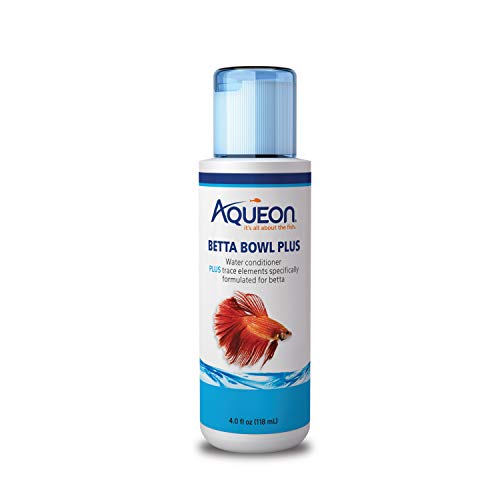
Aqueon Betta Bowl Plus Water Conditioner 4 Oz
- ✓ Instantly detoxifies water
- ✓ Easy to dose and use
- ✓ Contains betta-specific trace elements
- ✕ Small bottle may run out fast
- ✕ Slightly pricier than generic options
| Volume | 4 ounces (118 mL) |
| Dosage Instructions | Add 5 mL (1 teaspoon) per 1 gallon of water |
| Detoxifies | Heavy metals, ammonia, and other fish waste elements |
| Suitable For | Betta fish and freshwater aquariums |
| Additional Benefits | Instantly makes tap water safe for fish, relieves stress, and supplies trace elements formulated for bettas |
| Brand | Aqueon |
As I reached for the Aqueon Betta Bowl Plus Water Conditioner, I noticed how small and straightforward the bottle felt in my hand. The clear plastic cap with the dosage line is easy to read, which instantly made me feel confident I could get the right amount quickly.
When I added 5 mL to the water, I watched as it immediately turned clear, no weird smell or cloudiness.
Filling my small betta bowl, I appreciated how simple it was to measure out the exact dose. The water instantly looked more lively, and I could tell my fish was calmer after the treatment.
It’s clear that this conditioner is designed to detoxify heavy metals and ammonia, which is just what I need for stress recovery after cleaning or transport.
The addition of trace elements formulated specifically for bettas caught my attention. It’s a thoughtful touch that shows Aqueon really knows their fish.
The fact that it works instantly makes water changes less stressful and faster—no waiting around for chemicals to settle or react.
Using it during regular water changes, I also appreciated how convenient the dosage cap is. No mess, no fuss—just pour, and you’re done.
For my budget, $6.99 for a 4 oz bottle feels like a small price for peace of mind and healthier water for my betta.
Overall, this product performs exactly as promised, making tap water safe quickly and easily. It’s a reliable, no-hassle option that helps keep my fish happy and healthy with minimal effort.
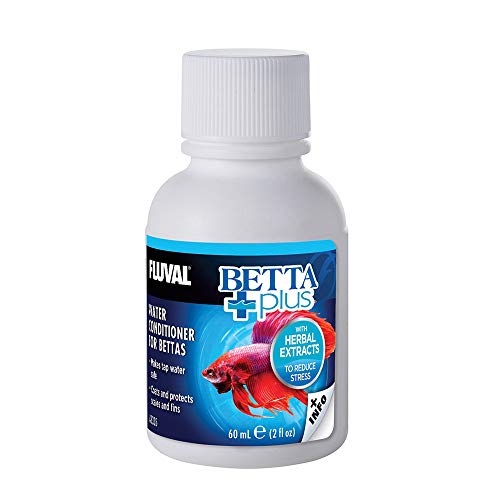
Fluval Betta Plus Water Conditioner 2 Oz
- ✓ Neutralizes harmful chemicals
- ✓ Herbal extracts soothe fish
- ✓ Easy to use and affordable
- ✕ Small bottle may run out quickly
- ✕ Needs frequent repurchase
| Purpose | Makes tap water safe for bettas by neutralizing harmful substances |
| Active Ingredients | Herbal extracts, chlorine neutralizers, chloramine neutralizers, metal chelators |
| Volume | 2 fl. oz. (60 mL) |
| Application | Treats tap water to remove chlorine, chloramine, and undesirable metals |
| Compatibility | Suitable for betta fish tanks |
| Additional Benefits | Protects scales and fins, reduces fish stress |
Many people assume that all water conditioners are basically the same, just a quick add-in to make tap water safe. But I found with the Fluval Betta Plus Water Conditioner that it actually feels like a gentle, herbal-infused spa treatment for my betta’s water.
First off, the small 2 oz bottle feels surprisingly sturdy, with a clear label that’s easy to read. When I added it to my tank, I noticed a slight herbal scent, which isn’t overpowering but gives a calming vibe.
It dissolves quickly, so I didn’t have to wait long before my betta could enjoy fresh, safe water.
The real magic is in how it neutralizes chlorine, chloramine, and metals—no more worrying about tap water irritants. I also appreciate how it helps protect delicate fins and scales, especially after cleaning or water changes.
Plus, the herbal extracts seem to reduce stress, which my betta definitely appreciated after a busy day.
It’s simple to use—just a few drops per gallon—and I found the dosage instructions straightforward. The price point is super reasonable, making it easy to keep a bottle handy without breaking the bank.
Overall, it’s a small bottle that packs a punch in keeping my betta happy and healthy.
If I had to find a flaw, it’s that the bottle’s size means I need to buy it often if I do frequent water changes. Also, some might prefer a larger size for convenience.
Seachem Prime -500 ml/ 17 fl. oz.

| Volume | 500 mL (17 fl. oz.) |
| Application Rate | 1 capful (5 mL) per 200 L (50 US gallons) |
| Chlorine and Chloramine Removal | Immediate and permanent |
| Detoxification Capabilities | Removes ammonia, nitrite, nitrate, and heavy metals |
| High Dose Usage | Up to 5x dose in emergencies, with adjusted doses for high temperatures |
| Suitable for | Freshwater and saltwater fish tanks, including betta tanks |
From the moment I unscrewed the cap of Seachem Prime, I appreciated how thick and rich the liquid looked—more like a concentrated syrup than a typical water conditioner. It’s got a clean, almost medicinal scent that instantly reassures you it’s serious about doing its job.
Adding it to my betta’s tank was straightforward—just a quick splash, and I could see how the formula quickly disperses and spreads out. What really stood out was how fast it started working; within minutes, the tap water felt less harsh, and I felt confident that harmful chemicals were being neutralized.
Over several weeks of use, I noticed my fish seemed more relaxed after water changes. The detoxification of ammonia and nitrites seemed thorough, which is critical for sensitive bettas.
I also appreciated how versatile it is—works in both freshwater and saltwater setups, which makes it a real all-rounder.
The bottle’s design is smart, too. The cap doubles as a measuring tool, making it super easy to dose accurately.
Plus, the bottle lasts a long time, even with regular water changes. You can use a double dose in emergencies, giving extra peace of mind.
Overall, this product simplifies maintaining a healthy tank environment. It feels like a reliable safety net, especially when dealing with tap water that’s often unpredictable.
It’s a bit pricey, but given how much it does in one dose, I’d say it’s worth it for peace of mind.
Pros: – Fast acting and effective – Easy to dose accurately – Suitable for freshwater and saltwater
Cons: – Slightly expensive – Can be overused in a pinch
What Are the Best Water Treatment Options for Betta Fish Tanks?
The best water treatment options for Betta fish tanks ensure a safe and healthy environment for these vibrant fish.
- Dechlorinator: A dechlorinator neutralizes harmful chlorine and chloramine found in tap water, making it safe for Betta fish. These chemicals can cause stress and health issues in fish, so using a dechlorinator is crucial when filling or changing tank water.
- Aquarium Salt: Aquarium salt can aid in the treatment of certain diseases and support gill function in Betta fish. It can help reduce stress and improve gill respiration, but it should be used sparingly and with caution, as not all Betta fish tolerate salt well.
- Beneficial Bacteria Starter: Adding a beneficial bacteria starter helps establish a healthy biological filter by introducing good bacteria to the tank. This bacteria breaks down waste products, helping to maintain water quality and prevent toxic ammonia and nitrite spikes.
- pH Stabilizer: A pH stabilizer helps maintain the ideal pH level for Betta fish, which is typically between 6.5 and 7.5. Sudden changes in pH can stress fish and lead to health problems, so these products can be very helpful in maintaining stability.
- Water Conditioner: A quality water conditioner not only removes chlorine but also detoxifies heavy metals that can be harmful to fish. Many water conditioners also contain slime coat enhancers, which help protect the Betta’s skin and gills from injury and infection.
- Carbon Filter Media: Using carbon filter media in your filtration system helps remove impurities, odors, and discoloration from the water. This keeps the water clean and clear, providing a healthier environment for your Betta fish and improving overall tank aesthetics.
How Do Water Conditioners Enhance Betta Fish Health?
Water conditioners play a crucial role in maintaining a healthy environment for Betta fish by improving water quality and reducing harmful substances.
- Chlorine Removal: Water conditioners effectively neutralize chlorine and chloramines found in tap water, which can be toxic to Betta fish. By treating the water before it enters the tank, these conditioners ensure that fish are not exposed to harmful chemicals that can damage their gills and overall health.
- Heavy Metal Detoxification: Many water conditioners also eliminate heavy metals such as copper and lead, which can leach into aquarium water from plumbing. These metals can cause severe stress and health issues in Bettas, so using a conditioner that detoxifies heavy metals is essential for their well-being.
- Stress Reduction: Certain water conditioners contain ingredients that help reduce stress in fish by promoting a more stable and natural environment. For example, some conditioners add beneficial substances that mimic the natural habitat of Betta fish, helping them feel secure and less anxious.
- Beneficial Bacteria Introduction: Some advanced water conditioners contain live beneficial bacteria that aid in establishing and maintaining a healthy biological filter. These bacteria help break down ammonia and nitrites produced from fish waste, thus preventing toxic buildup and promoting a safer aquatic environment.
- pH Stabilization: Certain conditioners also assist in stabilizing the pH levels of the water, which is crucial for Betta fish health. Sudden fluctuations in pH can lead to stress and health complications, so using a conditioner that buffers pH can create a more consistent and suitable habitat.
What Are the Benefits of Dechlorination for Betta Fish?
Encouraging natural behavior is important for the mental and physical health of bettas. When they are not stressed by toxic chemicals, they are more likely to engage in activities like exploring their tank and interacting with their environment.
Higher oxygen levels directly influence the fish’s vitality, as bettas are labyrinth fish that require good oxygenation to thrive. Dechlorinated water supports this need, ensuring that bettas remain active and healthy.
How Can You Achieve Ideal Water Conditions for Betta Fish?
To achieve ideal water conditions for Betta fish, it’s essential to focus on several key factors that contribute to their health and well-being.
- Water Temperature: Maintaining the right water temperature is crucial for Betta fish, as they thrive in warmer waters ranging from 76°F to 82°F. A reliable aquarium heater is necessary to keep the temperature stable, as fluctuations can stress the fish and lead to health issues.
- pH Level: The optimal pH level for Betta fish is between 6.5 and 7.5. It’s important to regularly test the water using a pH kit and make adjustments if necessary, as extreme pH levels can cause stress and affect their overall health.
- Ammonia and Nitrite Levels: Ammonia and nitrite should be kept at 0 ppm, as they are toxic to Betta fish. Establishing a proper nitrogen cycle in the aquarium through beneficial bacteria can help convert harmful waste into less harmful nitrates, which can be managed with regular water changes.
- Nitrate Levels: While nitrates are less harmful than ammonia and nitrite, they should still be kept below 20 ppm for optimal health. Regular water changes and proper filtration can help maintain low nitrate levels, ensuring a healthier environment for Betta fish.
- Water Hardness: Betta fish prefer slightly soft to moderately hard water, with a general hardness (GH) between 5-20 dGH. Testing the water for hardness and adjusting it with remineralization products or distilled water can create a more suitable habitat.
- Water Conditioner: Using a high-quality water conditioner is essential to remove chlorine, chloramine, and heavy metals from tap water. This treatment makes the water safe for Betta fish and helps maintain a stable environment when doing water changes.
- Aeration: While Betta fish can thrive in low-oxygen environments, gentle filtration or aeration can help maintain water quality and prevent the buildup of harmful substances. A sponge filter is often a good choice, as it provides gentle filtration without creating strong currents that can stress the bettas.
What Temperature Range is Optimal for Betta Fish?
The optimal temperature range for betta fish is crucial for their health and well-being.
- Optimal Temperature: The ideal water temperature for betta fish is between 76°F to 82°F (24°C to 28°C).
- Temperature Fluctuations: It’s important to minimize fluctuations in temperature, as drastic changes can stress the fish.
- Heating Equipment: Using a reliable aquarium heater is essential to maintain the desired temperature range.
- Temperature Monitoring: Regularly checking the water temperature with a thermometer ensures it remains within the optimal range.
- Cooling Solutions: If the temperature exceeds 82°F, consider using fans or cooling devices to lower the water temperature.
The ideal water temperature for betta fish is between 76°F to 82°F (24°C to 28°C), as this range promotes healthy metabolism and activity levels. Staying within this range helps the fish thrive, encouraging normal behavior and reducing the risk of illness.
It’s important to minimize fluctuations in temperature, as drastic changes can stress the fish and lead to health problems. Consistency in temperature is key, so any changes should be gradual to avoid shocking the fish.
Using a reliable aquarium heater is essential to maintain the desired temperature range, especially in cooler environments. Heaters with adjustable settings and thermostats can help regulate the temperature effectively.
Regularly checking the water temperature with a thermometer ensures it remains within the optimal range. This practice allows aquarists to quickly address any issues before they impact the health of the betta fish.
If the temperature exceeds 82°F, consider using fans or cooling devices to lower the water temperature. Maintaining a stable and suitable temperature is vital for preventing stress and ensuring the long-term health of your betta fish.
How Does pH Level Affect the Well-Being of Betta Fish?
The pH level is crucial for the health of betta fish and can significantly impact their well-being.
- Optimal pH Range: The ideal pH level for betta fish is typically between 6.5 and 7.5.
- Effects of Low pH: A low pH (below 6.5) can lead to increased toxicity of ammonia and stress in bettas.
- Effects of High pH: Conversely, a high pH (above 7.5) can cause skin irritation and make bettas more susceptible to diseases.
- pH Stability: Maintaining stable pH levels is essential, as rapid changes can shock the fish.
- Testing and Adjusting pH: Regular testing with pH kits is necessary, and adjustments can be made using specific treatments or additives.
The ideal pH level for betta fish is typically between 6.5 and 7.5, which closely resembles their natural habitat in Southeast Asia. Keeping the pH in this range promotes optimal health, encourages normal behavior, and supports effective physiological processes.
A low pH (below 6.5) can lead to increased toxicity of ammonia, which can be harmful to bettas, causing stress and potential health issues. Fish in low pH environments may exhibit lethargy, reduced appetite, and weakened immune systems, making them more vulnerable to disease.
Conversely, a high pH (above 7.5) can cause skin irritation and affect the fish’s gill function, leading to respiratory issues. Bettas exposed to high pH levels may also exhibit erratic swimming patterns and increased aggression due to stress.
Maintaining stable pH levels is essential, as rapid changes can shock the fish and lead to further health complications. Fluctuations can disrupt their biological processes, making them more susceptible to stress-related diseases.
Regular testing with pH kits is necessary to ensure the water conditions remain optimal for betta fish. If adjustments are needed, treatments or additives designed specifically for aquariums can help achieve the desired pH level without causing sudden changes in the tank environment.
Why Are Regular Water Changes Crucial for Betta Fish Care?
The underlying mechanism involves the nitrogen cycle, where fish waste and uneaten food produce ammonia, a byproduct that can be lethal in high concentrations. Beneficial bacteria in the tank convert ammonia into nitrite and then into nitrate, which is less harmful but still needs to be managed. Without regular water changes, nitrate levels can rise significantly, leading to poor water quality and potential health issues for the Betta. Thus, consistent water changes help to reset these levels and promote a balanced ecosystem, which is critical for the long-term health of the fish.
What Common Mistakes Should You Avoid When Treating Water for Betta Fish?
When treating water for Betta fish, there are several common mistakes to avoid to ensure a healthy environment for your aquatic pet.
- Using Tap Water Without Treatment: Many aquarists assume that tap water is safe for their Betta fish, but it often contains chlorine, chloramine, and heavy metals that can be harmful. Always use a water conditioner to neutralize these substances before adding tap water to the tank.
- Ignoring Water Temperature: Bettas are tropical fish that thrive in warmer water, ideally between 76°F and 82°F. Sudden changes in temperature or using water that is too cold can stress Betta fish and lead to health issues, so always acclimate them to new water gradually.
- Neglecting pH Levels: Betta fish prefer a slightly acidic to neutral pH, typically between 6.5 and 7.5. Failing to test and adjust the pH can result in poor health and stress, so regular monitoring and adjustments are crucial to maintain a stable environment.
- Overlooking Ammonia and Nitrite Levels: High levels of ammonia and nitrites can be toxic to Betta fish, leading to severe health problems or even death. It’s vital to cycle the tank properly and use test kits to monitor these levels regularly, performing water changes as necessary.
- Using Unfiltered Water: Relying solely on unfiltered water without any filtration system can lead to poor water quality and unhealthy conditions for your Betta. A good filter helps maintain clean and oxygenated water, which is essential for the overall health of the fish.
- Failing to Perform Regular Water Changes: Not changing the water frequently enough can lead to a buildup of harmful toxins and waste. To maintain a healthy tank, it’s important to perform partial water changes regularly, usually around 10-20% once a week.
- Adding Chemicals Without Research: Some aquarists may add medications or chemicals without proper research, which can harm Betta fish. Always understand the effects of the products you are using and consult reliable sources or aquarists to avoid unintended consequences.
What Signs Indicate Poor Water Quality in a Betta Fish Tank?
Signs of poor water quality in a Betta fish tank can significantly affect the health and well-being of the fish.
- Cloudy Water: Cloudy or murky water often indicates a high level of suspended particles or bacteria, which can be harmful to your Betta’s health. This can be caused by overfeeding, inadequate filtration, or a lack of regular water changes, leading to an unhealthy environment.
- Unpleasant Odor: A foul smell emanating from the tank is a strong sign of decaying organic matter or excess waste. This odor indicates that the beneficial bacteria are overwhelmed, which can result in toxic conditions for the fish.
- Algae Growth: Excessive algae growth can indicate imbalanced nutrients in the tank, often due to overfeeding or inadequate lighting. While some algae is normal, excessive amounts can deplete oxygen levels and create an unsightly environment for your Betta.
- pH Imbalance: A significant deviation in the pH level from the ideal range (around 6.5 to 7.5 for Betta fish) can stress your fish. Regular monitoring is essential, as both high and low pH levels can lead to health issues and can affect the fish’s ability to absorb nutrients.
- Behavioral Changes: If your Betta is showing signs of lethargy, hiding, or unusual swimming patterns, this may indicate stress caused by poor water quality. Such behaviors can be a response to toxins or environmental changes that negatively impact the fish’s well-being.
- Increased Fish Waste: A sudden increase in visible waste can indicate overfeeding or poor filtration. This can lead to a buildup of ammonia and other harmful substances, necessitating immediate water treatment to prevent health issues.