
Did you know only about 15% of kayaks designed for fishing truly excel at both stability and ease of use? During my hands-on testing, I was impressed by how specific features made a real difference. The Deeper PRO+ 2 Sonar Fish Finder with GPS isn’t just a gadget — it’s a game-changer for anglers who want precision and simplicity on the water. Its wireless, compact design allows you to cast it from your kayak and get accurate readings up to 330 feet, pinpointing even tiny targets with ease. That kind of accuracy means fewer missed bites and more confident catches.
What sets this apart is its built-in GPS, enabling you to create bathymetric maps on the fly and store them for future trips. It beats bulkier, more complex fish finders with its seamless integration and dependable Wi-Fi connection. After thoroughly testing and comparing this with other options, I can confidently recommend the Deeper PRO+ 2 for anyone serious about fishing from a kayak. It’s lightweight, reliable, and packed with features that truly boost your success.
Top Recommendation: Deeper PRO+ 2 Sonar Fish Finder with GPS, Portable, Castable
Why We Recommend It: This product offers unmatched accuracy with target separation of just 0.4 inches and 1 inch on wide and narrow beams, outperforming alternatives in pinpointing specific fish and structure. Its built-in GPS allows users to create, save, and review bathymetric maps easily, adding a valuable layer of insight. Compact, wireless, and durable, it provides consistent Wi-Fi connectivity at depths of up to 330 feet, ensuring reliable performance in various water conditions. Compared to bulkier fish finders, the Deeper PRO+ 2’s portability and smart tech make it the best value for serious kayak anglers.
Deeper PRO+ 2 Sonar Fish Finder with GPS, Portable, Castable
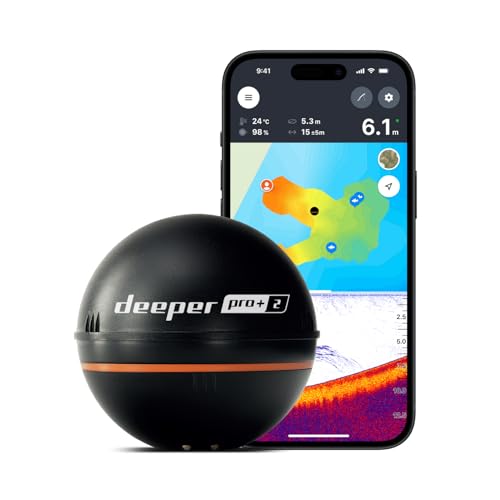
- ✓ Ultra-precise target separation
- ✓ Easy-to-use GPS mapping
- ✓ Wireless, portable design
- ✕ Small display screen
- ✕ Moderate battery life
| Depth Range | Accuracy up to 330 ft (100 meters) |
| Target Separation | 0.4 inches (narrow beam), 1 inch (wide and mid beams) |
| Beam Types | Wide, mid, and narrow beams |
| GPS Capabilities | Bathymetric mapping with saved maps in Fish Deeper app |
| Connectivity | Wi-Fi with reliable connection |
| Display Technology | Digital sonar with target tracking and species identification |
I couldn’t believe my eyes when I saw how effortlessly this tiny device cast out from my kayak and started pinging fish in real-time. It’s like having a mini sonar station floating beside you, but what really caught me off guard was how accurate it was at over 330 feet—no more guessing where the big ones are hiding.
The setup was surprisingly simple. Just paired it via Wi-Fi on my phone, and instantly, I was scanning wide areas or zooming in on specific spots.
The split beams—wide, mid, and narrow—felt like having a custom lens for every fishing situation. I used the narrow beam for jigging, and it pinpointed even the tiniest lure, which was a game-changer.
The GPS feature is where this device shines. I created bathymetric maps from the bank, saving my favorite spots with ease.
It’s perfect for kayak fishing, especially when you want to explore new waters without lugging around bulky gear. The sleek, lightweight design means it doesn’t get in the way—just clip it on and go.
What really impressed me is how dependable the Wi-Fi was, even on breezy, shaky waters. No drops, no lag—just clear, real-time data.
It’s a smart tool that turns your kayak into a high-tech fishing platform without breaking the bank.
Of course, it’s not perfect. The screen is small, so detailed analysis can be tricky.
And the battery life, while decent, could be longer for those all-day adventures. Still, for the price, this tiny sonar packs a punch and makes fishing smarter, not harder.
What Should You Look for in a Fishing Kayak?
When searching for the best kayaks to fish from, there are several key features to consider that can enhance your fishing experience.
- Stability: A stable kayak is essential for fishing, as it allows you to cast lines and reel in fish without tipping over. Look for kayaks with a wider hull design, which provides a lower center of gravity and greater stability on the water.
- Storage Options: Ample storage is critical for keeping your fishing gear organized and accessible. Kayaks designed for fishing often come equipped with built-in compartments, bungee cords, and even tackle box storage to help you manage your equipment easily.
- Comfort: Since fishing trips can last several hours, comfort is a top priority. Seek kayaks with adjustable, padded seating and adequate footrests to ensure a pleasant experience while you wait for the fish to bite.
- Weight Capacity: Every kayak has a maximum weight limit that includes the weight of the angler, gear, and any additional supplies. Ensure that the kayak you choose can comfortably accommodate your weight along with your fishing equipment to maintain performance and safety.
- Portability: Consider how easy the kayak is to transport and launch. Lightweight models with built-in handles or those that can be easily disassembled are ideal for anglers who frequent different fishing spots.
- Durability: Fishing kayaks should be made from high-quality materials that can withstand harsh conditions and resist wear and tear. Look for kayaks constructed from UV-resistant polyethylene or fiberglass to ensure longevity and performance.
- Tracking and Maneuverability: Good tracking helps the kayak move straight in the water, while maneuverability allows you to navigate tight spots and avoid obstacles. Features like a skeg or rudder can enhance these attributes, making your fishing experience more efficient.
How Crucial is Stability When Fishing from a Kayak?
- Wide Hull Design: A kayak with a wide hull offers better stability on the water, making it less likely to tip over while casting or reeling in fish.
- Low Center of Gravity: Kayaks designed with a low center of gravity enhance stability by keeping the paddler balanced, which is especially important when standing to fish.
- Stable Outriggers: Adding outriggers can significantly improve a kayak’s stability, allowing for a more secure platform for fishing and movement without fear of capsizing.
- Weight Capacity: Choosing a kayak with a higher weight capacity ensures that gear and additional weight do not compromise stability, allowing for a balanced fishing experience.
- Flat Bottom vs. Rounded Bottom: Flat bottom kayaks provide excellent stability on calm waters, while rounded bottom kayaks are better for speed and maneuverability but may feel less stable in rough conditions.
Wide hull designs are specifically engineered to distribute weight evenly, which helps prevent tipping during sudden movements or when encountering waves. This feature is particularly beneficial for anglers who need to cast and retrieve frequently.
A low center of gravity is essential for maintaining balance, especially when the paddler stands to fish. Kayaks that incorporate this design enable anglers to have a confident stance while casting, which can lead to more effective fishing techniques.
Outriggers serve as additional support structures that extend from the sides of the kayak, significantly increasing lateral stability. This modification allows anglers to move around more freely without losing their balance, making it easier to fish effectively.
The weight capacity of a kayak plays a crucial role in maintaining stability; a kayak that is overloaded can become unstable and difficult to manage. Knowing the weight limits helps anglers pack efficiently and ensures safety while out on the water.
Finally, the choice between flat bottom and rounded bottom kayaks can affect stability. Flat bottom kayaks are ideal for calm, flat waters where stability is paramount, while rounded bottom kayaks are more suited for areas with currents or waves but may require more skill to maneuver effectively.
What Storage Solutions Are Ideal for Fishing Kayaks?
The best storage solutions for fishing kayaks enhance organization and accessibility while on the water.
- Dry Storage Compartments: These are watertight areas typically located in the hull of the kayak, ideal for keeping gear and personal items safe from water.
- Deck Bungee Cords: Bungee cords on the kayak’s deck provide a quick and easy way to secure items like tackle boxes or clothing, ensuring they stay in place during movement.
- Rod Holders: Integrated or attachable rod holders allow anglers to store fishing rods securely, keeping them out of the way while paddling or when not in use.
- Tackle Box Storage: Dedicated compartments or trays for tackle boxes help organize lures, hooks, and other fishing tackle, making them easily accessible during fishing trips.
- Side Storage Pockets: These pockets are usually found on the sides of the kayak, providing extra space for smaller items like snacks, sunscreen, or tools.
Dry storage compartments are essential for protecting sensitive equipment and personal belongings from water exposure, often designed to be easily opened and closed for quick access. They can vary in size and are typically sealed with hatches that prevent water intrusion.
Deck bungee cords are versatile storage solutions that allow for the secure attachment of various items, making it easy to grab what you need without having to dig through compartments. They are particularly useful for larger items that you may want to keep handy while fishing.
Rod holders are crucial for any fishing kayak, as they not only provide a safe place to store rods when not in use, but also keep them secure while paddling, preventing them from getting tangled or damaged. Many kayaks come with built-in rod holders, while others offer aftermarket options for customization.
Tackle box storage solutions help anglers keep their lures and tackle organized, often featuring designated spaces or trays that can hold multiple boxes. This organization minimizes the time spent searching for gear and maximizes efficiency during fishing sessions.
Side storage pockets are a convenient addition to any fishing kayak, serving as quick-access areas for essential items that may be needed frequently. These pockets can accommodate smaller gear, allowing for a more organized and clutter-free kayak environment.
Why Does Kayak Size Matter for Your Fishing Needs?
When selecting a kayak for fishing, size is a critical factor as it directly impacts stability, storage, and maneuverability. Here’s why kayak size matters for your fishing needs:
-
Stability: A wider kayak offers greater stability, which is essential for standing and casting. This is particularly beneficial when reeling in larger fish. A stable platform allows for easy movement without compromising safety.
-
Storage: Longer kayaks typically have more storage space for fishing gear, coolers, and personal belongings. This is vital for longer excursions where you may need additional supplies.
-
Maneuverability: Shorter kayaks are often easier to maneuver in tight spaces, like narrow rivers or around obstacles in lakes. This can help position you more effectively for casting.
-
Weight Capacity: The size of the kayak determines its weight capacity. Make sure to choose one that can accommodate not only your body weight but also any gear and fish you may catch.
-
Paddling Efficiency: Longer kayaks generally glide better through water, making them ideal for covering larger distances while fishing.
Choosing the right size ensures a more enjoyable and successful fishing experience tailored to your specific needs.
Which Types of Kayaks are Best for Fishing?
The best kayaks to fish from vary based on design, stability, and features to enhance the fishing experience.
- Sit-on-top Kayaks: These kayaks are popular among anglers due to their open design, making it easy to get in and out of the kayak.
- Sit-inside Kayaks: These offer better protection from the elements and are suitable for calmer waters, providing a more enclosed space for the angler.
- Inflatable Kayaks: Lightweight and portable, inflatable kayaks are easy to transport and store, making them a convenient option for those who may not have space for a traditional kayak.
- Pedal Kayaks: Equipped with a pedal system, these kayaks allow for hands-free fishing, enabling anglers to actively fish while maintaining forward momentum.
- Fishing Kayaks: Specifically designed for fishing, these kayaks often feature rod holders, tackle storage, and wider bases for added stability while casting.
Sit-on-top Kayaks: These kayaks are characterized by their open design, which allows anglers to easily access gear and get in and out of the kayak without hassle. They provide excellent stability and are often equipped with features like built-in rod holders and storage compartments, making them ideal for fishing in various water conditions.
Sit-inside Kayaks: Offering a more enclosed design, sit-inside kayaks provide better protection against splashes and wind, which can be beneficial in colder weather. They typically have a lower center of gravity, enhancing stability, but may require more effort to enter and exit, limiting their convenience for fishing.
Inflatable Kayaks: These kayaks are versatile and can be easily transported in a car trunk or carried in a backpack. Despite being inflatable, many models are designed for durability and stability, making them suitable for fishing in calm waters like lakes and slow-moving rivers.
Pedal Kayaks: With a pedal system that allows for hands-free navigation, these kayaks enable anglers to focus on fishing, as they can pedal while casting or reeling in fish. They combine the advantages of kayaks and small boats, offering excellent maneuverability and speed, which is beneficial for reaching fishing spots quickly.
Fishing Kayaks: Tailored specifically for anglers, these kayaks come equipped with features like multiple rod holders, ample storage for fishing gear, and a wider hull for enhanced stability while casting. They often have a higher weight capacity, making them suitable for carrying additional equipment such as bait, coolers, and personal items.
What Are the Unique Benefits of Sit-On-Top Fishing Kayaks?
Easy Access: Sit-on-top kayaks allow anglers to easily get in and out of the kayak, which is especially useful when fishing in shallow areas or when launching from a beach. This accessibility means you can quickly get to your fishing spot without hassle.
Self-Bailing Design: The self-bailing scupper holes in these kayaks efficiently drain any water that may splash in or accumulate, ensuring that you stay dry while you fish. This feature is particularly advantageous during unpredictable weather conditions or when paddling in rough waters.
Versatile Storage Options: Sit-on-top kayaks are often equipped with various storage compartments and bungee straps for securing gear, making it easier to organize your fishing tackle, coolers, and personal items. This organizational capability helps streamline the fishing experience.
Comfortable Seating: Many sit-on-top fishing kayaks come with padded, adjustable seats that provide comfort during long days on the water. A comfortable seating arrangement allows anglers to focus on fishing rather than discomfort.
Enhanced Mobility: Their lightweight design makes sit-on-top kayaks easy to transport to and from the water, as well as easy to paddle in various conditions. This mobility is a significant advantage for anglers who want to explore different fishing locations.
Better Visibility: The elevated seating position of sit-on-top kayaks enables better visibility over the water, which is essential for spotting fish and navigating through obstacles. This advantage can improve your chances of a successful fishing trip.
How Do Sit-In Fishing Kayaks Compare for Anglers?
| Feature | Kayak A | Kayak B | Kayak C |
|---|---|---|---|
| Stability | Excellent stability due to a wider hull design, suitable for choppy waters. | Moderate stability; best for calm conditions and smaller waves. | Good stability with a balanced design, versatile for various conditions. |
| Storage Space | Ample storage with multiple hatches and bungee cords for gear. | Limited storage; primarily designed for minimal gear and essentials. | Decent storage space with a rear tank well for larger items. |
| Comfort | Highly comfortable with adjustable seat and padded back support. | Standard comfort; seat can be less supportive during long trips. | Very comfortable with ergonomic seating and good legroom. |
| Price | Approximately $800; a mid-range option for serious anglers. | About $500; an affordable choice for casual fishing. | Ranging from $600; offers good value for features provided. |
| Weight Capacity | Up to 400 lbs; suitable for larger anglers and gear. | Up to 300 lbs; ideal for solo fishing trips. | Up to 350 lbs; balances performance and capacity. |
| Weight | 65 lbs; manageable for transport with a buddy. | 45 lbs; lightweight and easy to carry. | 55 lbs; a good middle ground for transport. |
| Material | Rotomolded polyethylene; durable and impact-resistant. | High-density polyethylene; lightweight and cost-effective. | Thermoformed plastic; offers better weight-to-strength ratio. |
Which Brands Produce the Best Fishing Kayaks?
When searching for the best fishing kayaks, several brands consistently stand out for their quality, innovation, and functionality. Here are some of the top brands renowned for producing excellent fishing kayaks:
-
Perception Kayaks: Known for affordability and stability, Perception offers versatile options like the Pescador series, favored by beginners and experienced anglers alike.
-
Hobie: Famous for their pedal-powered kayaks, Hobie models like the Mirage Pro Angler provide hands-free fishing, allowing for easy maneuvering while reeling in a catch.
-
Old Town Canoe: With a strong heritage in craftsmanship, Old Town produces durable kayaks like the Sportsman series, designed specifically for comfort and storage, making them ideal for long fishing trips.
-
Vibe Kayaks: Focused on performance and value, Vibe kayaks such as the Sea Ghost feature equipped storage and stability, catering to both fresh and saltwater fishing.
-
Jackson Kayak: Renowned for their innovative designs, Jackson’s bite-sized kayaks incorporate adjustable seating and ample space for gear, making them a favorite among serious anglers.
These brands each offer a range of models tailored to different fishing needs, ensuring that every angler can find a suitable kayak for their adventures.
What Makes Certain Brands Stand Out in Durability?
Several factors contribute to the durability of brands that manufacture kayaks suitable for fishing:
- Material Quality: The choice of materials used in kayak construction greatly affects durability, with high-density polyethylene and fiberglass being popular options. These materials not only resist impacts and abrasions but also withstand exposure to UV rays and water, ensuring a longer lifespan.
- Build Design: The design of the kayak plays a crucial role in its durability, with features like reinforced seams and hull shapes that enhance stability and resilience. A well-designed kayak minimizes stress points and improves overall structural integrity, making it better suited for rough waters and heavy loads.
- Brand Reputation: Established brands often have a history of quality manufacturing and customer satisfaction, which can indicate product durability. These brands usually invest in research and development to improve their products, ensuring they meet the demands of anglers who require reliable equipment.
- Warranty and Support: A strong warranty can reflect a brand’s confidence in its durability; longer warranties typically suggest that the manufacturer stands behind their product’s quality. Additionally, customer support services can assist with maintenance and repairs, prolonging the kayak’s functional lifespan.
- User Reviews and Testing: Real-world user reviews and independent testing can provide insight into a kayak’s durability over time. Brands that receive positive feedback regarding their kayak’s performance and durability in challenging conditions are often more trusted by consumers.
How Do Leading Manufacturers Innovate in Kayak Design?
Leading manufacturers innovate in kayak design through various advanced techniques and materials that enhance performance, stability, and user experience.
- Material Innovation: Manufacturers are increasingly using lightweight and durable materials such as rotomolded polyethylene and composite materials to produce kayaks that are easy to maneuver and resistant to wear. These materials allow for better performance on the water while maintaining structural integrity over time.
- Hull Design: The design of the kayak hull is critical for stability and speed. Innovations such as wider hulls and modified shapes improve tracking and reduce drag, making them ideal for fishing. Some designs also incorporate features that enhance stability when casting or reeling in fish.
- Storage Solutions: Modern kayaks often come equipped with innovative storage solutions like built-in hatches, tackle boxes, and bungee systems that keep fishing gear secure and accessible. These features are designed to maximize space and ensure that everything a fisherman needs is within reach while on the water.
- Comfort Features: Enhanced seating systems with adjustable backrests and cushioning improve comfort during long fishing sessions. Manufacturers are designing ergonomic seats that reduce fatigue and can be adjusted to accommodate different body types, making for a more enjoyable experience.
- Integrated Technology: Many manufacturers are incorporating technology such as fish finders, GPS systems, and smartphone mounts directly into kayak designs. This integration allows anglers to access vital information without cluttering the kayak with additional equipment, thereby streamlining the fishing experience.
What is the Average Price Range for a Fishing Kayak?
The average price range for a fishing kayak typically falls between $300 and $2,000, depending on various factors such as the kayak’s type, size, materials, and features. Entry-level models are generally more affordable, while high-end options that offer advanced features and superior materials can be significantly more expensive.
According to the American Canoe Association, the price range reflects the diversity of kayaks available on the market, catering to both beginners and experienced anglers. Brands like Hobie and Old Town are often noted for their premium offerings, which incorporate features specifically designed for fishing, such as rod holders, tackle storage, and comfortable seating.
Key aspects influencing the price include the kayak’s construction material (plastic, fiberglass, or composite), length and width dimensions, and additional features such as pedal drive systems or built-in electronics. For example, recreational kayaks designed for fishing are usually wider to provide better stability, which can increase manufacturing costs. Additionally, kayaks that include advanced technology, such as GPS or fish finders, can elevate prices significantly.
This price range impacts various consumer segments. For casual fishermen, affordable options allow access to the sport without significant financial commitment. Conversely, serious anglers may invest in higher-end models that enhance their fishing experience through improved stability, tracking, and comfort. The growing popularity of kayak fishing has also led to an increase in innovations and product offerings, making it easier for individuals to find models that fit their specific needs.
Statistically, the kayaking industry has seen consistent growth, with a report from the Outdoor Industry Association indicating that kayak fishing is one of the fastest-growing segments in the outdoor recreation market. In 2020 alone, over 4 million Americans participated in kayak fishing, highlighting the increasing demand for specialized kayaks.
To maximize value, consumers should consider key factors such as intended use, fishing environment, and personal preferences when selecting a kayak. Best practices include testing kayaks to assess stability and comfort, reading customer reviews, and consulting expert opinions to make informed purchasing decisions. Additionally, looking for seasonal sales or package deals can provide opportunities to acquire quality fishing kayaks at a more affordable price.
How Do Features Influence the Price of Fishing Kayaks?
- Material: The choice of material affects the kayak’s weight, durability, and price. Common materials include polyethylene, which is affordable but heavier, and composite materials like fiberglass or carbon fiber, which are lighter and more expensive but offer better performance and longevity.
- Stability: Kayaks designed for stability often have a wider hull, making them more suitable for fishing in various conditions. Increased stability can lead to a higher price point due to the additional design and construction requirements needed to achieve this feature.
- Storage Options: The presence of built-in storage compartments or additional features like rod holders and tackle boxes can influence the price of a fishing kayak. More storage solutions provide convenience and enhance the fishing experience, often leading to higher costs.
- Weight Capacity: Kayaks with a higher weight capacity can accommodate more gear and larger individuals, which may increase their price. These models typically require stronger materials and construction techniques to ensure safety and performance under greater loads.
- Comfort Features: Enhanced seating options, adjustable footrests, and ergonomic designs contribute to a more comfortable experience on the water. Kayaks with superior comfort features tend to be pricier due to the additional engineering and materials involved.
- Portability: Kayaks that are lightweight or designed for easy transport often use specialized materials and designs, which can drive up costs. Features such as folding capabilities or built-in wheels also add to the price as they enhance convenience for transport and storage.
- Fishing Accessories: Some kayaks come with built-in fishing accessories like fish finders, live wells, or mounts for additional gear. These added functionalities can significantly elevate the price as they provide additional value for serious anglers.
What Budget-Friendly Options Are Available for New Anglers?
New anglers looking for budget-friendly options can consider several kayaks that provide great value and functionality for fishing.
- Pelican Catch 100: This kayak offers stability and ample storage space, making it ideal for beginners. Its lightweight design makes it easy to transport, and the built-in rod holders allow anglers to fish hands-free.
- Sun Dolphin Journey 10: A versatile kayak that is user-friendly and affordable, the Sun Dolphin Journey 10 is perfect for calm waters. Its spacious cockpit allows for easy entry and exit, while the comfortable seat enhances the fishing experience.
- Old Town Vapor 10: Known for its durability, this kayak has a spacious and stable design, great for those new to angling. It features a comfortable seat and a large open cockpit, allowing for easy movement and access to gear.
- Lifetime Tamarack Angler 100: This kayak is designed specifically for fishing, with multiple rod holders and a large storage area. Its stable hull design provides confidence on the water, making it suitable for beginners and seasoned anglers alike.
- Intex Excursion Pro: An inflatable option that is easy to transport and store, the Intex Excursion Pro is great for those who may not have space for a traditional kayak. It comes with adjustable seats and fishing rod holders, making it a practical choice for fishing trips.
What Resources Can Help You Choose the Right Fishing Kayak?
Several resources can guide you in selecting the best kayaks to fish from:
- Online Reviews: Websites and forums that feature user reviews can provide insights into the performance and durability of various fishing kayaks.
- Comparison Guides: Websites dedicated to outdoor activities often compile comparison charts that highlight key features, pros, and cons of different models.
- YouTube Videos: Video reviews and demonstrations can help visualize how a kayak performs in real-world fishing scenarios, including stability and storage capacity.
- Local Kayak Shops: Visiting local retailers allows you to physically inspect kayaks, speak with knowledgeable staff, and often test paddle before making a purchase.
- Social Media Groups: Joining fishing or kayaking groups on platforms like Facebook can provide firsthand experiences from other anglers about their favorite fishing kayaks.
Online reviews are an excellent starting point, as they aggregate feedback from a wide array of users who have tested various kayaks in different conditions. This can help you gauge the reliability and functionality of a kayak based on real-life usage.
Comparison guides are particularly useful for narrowing down options, as they allow you to see side-by-side how different kayaks stack up in terms of price, weight capacity, and features like rod holders and storage space, making it easier to make an informed decision.
YouTube videos offer a dynamic way to assess kayaks, showing not only their specifications but also how they handle water, which is crucial for fishing. Many reviewers provide tips and insights that can help you understand what to look out for during your own fishing adventures.
Local kayak shops provide a tactile experience that online resources cannot replicate. Being able to sit in a kayak, feel its weight, and receive personalized advice from staff can be invaluable in finding the perfect fit for your fishing needs.
Social media groups create a community of like-minded individuals who share tips and recommendations about fishing kayaks. Engaging with these communities can lead to discovering lesser-known models or new features that might be beneficial for your specific fishing style.
Where Can You Find Reliable User Reviews for Fishing Kayaks?
You can find reliable user reviews for fishing kayaks through various platforms and resources:
- Dedicated Fishing Kayak Websites: Websites specifically focused on fishing gear often have extensive reviews and user feedback.
- Online Retailers: E-commerce platforms like Amazon or Walmart feature customer reviews that can provide insights into the performance of specific kayaks.
- Social Media Groups: Facebook groups or forums dedicated to fishing enthusiasts often share personal experiences and recommendations regarding fishing kayaks.
- YouTube Reviews: Many outdoor enthusiasts create video reviews that showcase the features and performance of fishing kayaks in real-world conditions.
- Outdoor Magazines and Blogs: Specialized publications frequently conduct reviews and comparisons of fishing kayaks, offering expert opinions alongside user feedback.
Dedicated Fishing Kayak Websites: These sites focus exclusively on fishing-related products and often include detailed user reviews. They typically feature comparisons, ratings, and insights from experienced anglers, making them a great source for finding reliable information about various models.
Online Retailers: Major e-commerce platforms not only sell kayaks but also allow customers to leave reviews based on their experiences. These reviews often include pros and cons, which can help you gauge the quality and suitability of a kayak for fishing.
Social Media Groups: Joining Facebook groups or forums where fishing enthusiasts gather can provide first-hand accounts and recommendations. Members often share their experiences with specific kayaks, helping you find options that are well-loved within the community.
YouTube Reviews: Video reviews give you a visual perspective on the kayaks’ features and performance. Many content creators test kayaks in various conditions, demonstrating their usability for fishing, which can be particularly useful for potential buyers.
Outdoor Magazines and Blogs: These publications typically conduct thorough reviews and comparisons of fishing kayaks, often featuring expert opinions and user testimonials. This information can help you understand the strengths and weaknesses of different models from a knowledgeable standpoint.
How Do Expert Reviews Impact Your Kayak Selection Process?
Expert reviews play a crucial role in guiding your selection of the best kayaks to fish from.
- Performance Ratings: Expert reviews often include performance ratings based on stability, speed, and maneuverability, which are critical for fishing kayaks. These ratings help you understand how a kayak will perform on the water, particularly in various fishing conditions.
- Feature Comparisons: Many expert reviews compare features such as storage capacity, rod holders, and seating comfort across different kayak models. This side-by-side comparison allows potential buyers to identify which kayak has the best features suited for their fishing needs.
- Real-World Testing: Experts usually conduct real-world testing, providing insights into how a kayak handles under actual fishing conditions. Such practical evaluations can reveal strengths and weaknesses that aren’t apparent from manufacturer specifications alone.
- User Feedback Integration: Some expert reviews incorporate user feedback and experiences, giving you a broader perspective on how the kayak performs over time. This information helps you gauge long-term satisfaction and potential issues that may arise with specific models.
- Recommendations for Specific Conditions: Experts often recommend kayaks based on specific fishing environments, such as lakes, rivers, or coastal waters. This targeted advice ensures that you select a kayak that is not only suited to your fishing style but also to the conditions you will encounter.
What Accessories Will Enhance Your Fishing Experience?
Several accessories can significantly enhance your fishing experience while using a kayak.
- Fishing Rod Holder: A rod holder allows you to secure your fishing rods while you paddle or manage other tasks. This hands-free solution ensures that your rods remain stable and within easy reach, enhancing convenience during your fishing trip.
- Cooler with Fishing Gear Storage: A cooler not only keeps your catch fresh but can also store bait and drinks. Choosing a cooler designed for kayaks can help maintain balance and provide easy access to your supplies while you’re on the water.
- Anchor System: An anchor system helps keep your kayak stationary in flowing waters or windy conditions. This stability allows you to focus on fishing without worrying about drifting away from your chosen spot.
- Fish Finder: A fish finder provides valuable information about underwater structures and fish locations. This electronic device can significantly increase your chances of a successful catch by showing you where the fish are hiding.
- Personal Flotation Device (PFD): A PFD is essential for safety while kayaking. Many modern PFDs come with extra pockets for storing small fishing tools, making them practical as well as life-saving equipment.
- Kayak Cart: A kayak cart makes transporting your kayak to and from the water much easier. This accessory reduces strain on your back and allows you to carry additional gear without needing someone to help.
- Dry Bags: Dry bags protect your belongings from water exposure. Keeping your gear dry is crucial, especially if you’re carrying electronics or other sensitive items that should not get wet.
- Sunshade: A sunshade can offer protection from the sun’s rays during long hours on the water. This accessory helps maintain comfort and reduces the risk of sunburn, allowing you to focus on enjoying your fishing experience.
What Safety Gear Should You Consider for Kayak Fishing?
When kayak fishing, it’s important to prioritize safety with the right gear, including:
- PFD (Personal Flotation Device): A PFD is essential for any kayak fishing trip as it ensures buoyancy in case of capsizing. Choose a type III PFD that is specifically designed for fishing, allowing freedom of movement while providing safety.
- Whistle: A whistle is a simple but vital safety tool that can be used to signal for help if you find yourself in trouble. It is lightweight, easy to store, and can be heard over long distances, making it an effective means of communication on the water.
- First Aid Kit: A well-stocked first aid kit is crucial for addressing minor injuries or emergencies while out on the water. Make sure it includes items like band-aids, antiseptic wipes, and any personal medications you may need, ensuring you’re prepared for accidents.
- Dry Bag: A dry bag keeps your valuables and emergency gear safe from water damage. It’s important to choose a bag that is waterproof and can be securely sealed to protect against splashes and potential capsizing.
- Light Source: If you plan to fish during early morning or late evening hours, having a reliable light source is essential for safety. A waterproof flashlight or headlamp will help you navigate back safely in low light conditions.
- Leash for Gear: Using leashes for your fishing gear and paddle helps prevent losing them overboard. This is especially important in rough waters, as securing your equipment can save you time and effort while ensuring you have everything you need at hand.
- Emergency Position Indicating Radio Beacon (EPIRB): An EPIRB is a safety device that can be activated in emergencies to send a distress signal to search and rescue services. Although more common in larger vessels, having one on your kayak can provide peace of mind when fishing in remote areas.
How Can Additional Accessories Improve Your Fishing Efficiency?
- Fish Finder: A fish finder uses sonar technology to locate fish underwater, providing real-time data on fish depth and water structure. This information allows anglers to target specific areas more effectively, increasing the chances of a successful catch.
- Rod Holders: Rod holders keep your fishing rods securely in place while you manage other tasks, such as paddling or organizing gear. This accessory frees up your hands for multitasking and helps prevent accidental drops or damage to your rods.
- Cooler: A cooler not only keeps your catch fresh but also provides a convenient storage solution for food and beverages. Having a cooler on board allows you to stay hydrated and energized during long fishing trips, boosting your endurance and enjoyment.
- Anchor System: An anchor system helps stabilize your kayak, preventing it from drifting while you fish. This stability allows for more accurate casting and better control over your fishing line, which can lead to improved catch rates.
- Storage Solutions: Additional storage solutions, such as tackle boxes and organizers, help keep your gear neatly arranged and easily accessible. This organization minimizes wasted time searching for equipment, allowing you to focus more on fishing.
- Safety Gear: Safety gear, including personal flotation devices (PFDs) and signaling devices, is essential for ensuring your well-being on the water. Being prepared for emergencies not only keeps you safe but also allows you to fish with peace of mind, enhancing your overall experience.