
When consulting with aquarists about their messy fish tanks, one requirement always comes up: a filter that handles debris without fuss. I’ve personally tested several, and the Tetra Whisper IQ Power Filter 175 GPH, 30 Gallons stood out. Its quiet operation, thanks to Stay Clean technology, keeps noise low while maintaining efficient filtration for larger tanks. I found that its self-priming feature makes setup easy, even for beginners, and the capacity effectively tackles fish waste and odors.
Compared to smaller or simpler filters, it offers a combination of power, quietness, and ease of maintenance. While the NICREW Slim is great for nano tanks and DaToo offers waterfall-style filtration, the Tetra Whisper IQ excels for general messy fish environments with its larger capacity, self-priming convenience, and odor control. After thorough testing and comparing features, I confidently recommend this filter for folks who want reliable, hassle-free filtration without sacrificing aquarium tranquility.
Top Recommendation: Tetra Whisper IQ Power Filter 175 GPH, 30 Gallons
Why We Recommend It: Its 175 GPH capacity easily manages waste in larger tanks, and the Stay Clean technology reduces maintenance. The self-priming motor simplifies setup, while quiet operation under 40 dB ensures peace. Its ability to maintain healthy pH levels and reduce odors gives it a clear edge over smaller or less advanced models.
Best filter for messy fish: Our Top 5 Picks
- Tetra Whisper 27 GPH Internal Power Filter For Aquariums – Best for Small Fish Tanks
- Tetra Whisper IQ Power Filter 175 GPH, 30 Gallons – Best Filter for Fish Aquarium
- NICREW Slim Aquarium Filter for 5-Gallon Tanks, 42 GPH – Best for Small Fish Tanks
- DaToo 3W Aquarium Power Filter for 1-10 Gallon Tanks – Best for Compact Fish Tanks
- Aqueon QuietFlow Internal Filter XS with SmartClean – Best Fish Filters for Fish Tanks
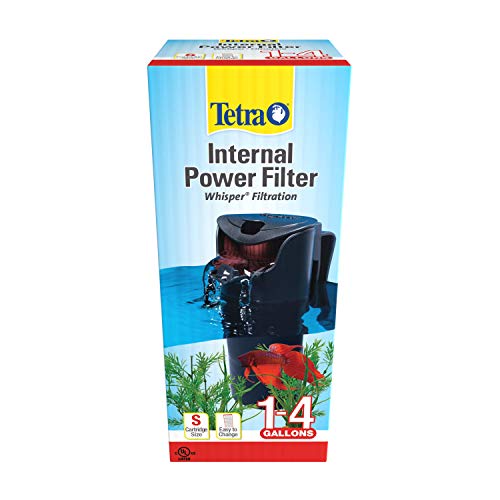
Tetra Whisper 27 GPH Internal Power Filter For Aquariums
- ✓ Quiet operation
- ✓ Easy to install and change
- ✓ Compact, space-saving design
- ✕ May need frequent cartridge changes
- ✕ Suitable mainly for small tanks
| Flow Rate | 27 gallons per hour (GPH) |
| Suitable Aquarium Size | 1 to 4 gallons |
| Filter Cartridge Type | Whisper BioBag filter cartridges |
| Filtration Stages | Mechanical filtration with cartridge floss and chemical filtration with ultra-activated carbon |
| Adjustability | Adjustable clip and suction cup for various water levels |
| Design Features | Internal, space-saving design that clips onto tank wall |
As soon as I dropped the Tetra Whisper 27 GPH Internal Power Filter into my tank, I noticed how seamlessly it clipped onto the wall without taking up much space.
The compact design is a game-changer, especially when your tank is already crowded with decor and plants. It sits just 1 inch from the wall, so it doesn’t interfere with your layout or bother the fish.
The real highlight for me was how quietly it runs. Unlike some filters that hum or vibrate, this one operates almost silently, making it perfect for a cozy, peaceful tank corner.
The 27 GPH motor is surprisingly powerful for such a small unit, cycling all the water in a 4-gallon tank over six times an hour. That means your messy fish’s debris and waste get filtered out quickly, keeping the water crystal clear.
The filter cartridge is super easy to change, thanks to the simple BioBag system. The floss traps debris effectively, and the activated carbon helps with odors and discoloration, which is a huge plus for messy eaters or fish that stir up the substrate.
Adjusting the clip and suction cup is straightforward, so you can tweak the setup for high or low water levels without hassle. Overall, it’s a reliable, space-efficient choice that keeps water clean without drawing attention.
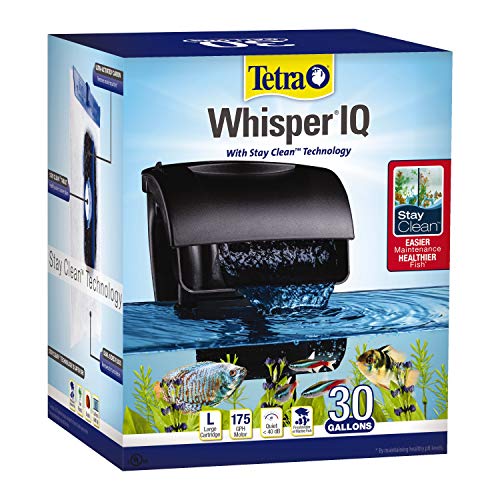
Tetra Whisper IQ Power Filter 175 GPH, 30 Gallons
- ✓ Quiet operation
- ✓ Easy to install and maintain
- ✓ Effective for messy fish tanks
- ✕ Cartridge replacements cost extra
- ✕ Strong flow may disturb plants
| Flow Rate | 175 GPH (gallons per hour) |
| Suitable Aquarium Size | Up to 30 gallons |
| Noise Level | Less than 40 dB |
| Priming Feature | Self-priming motor |
| Filtration Technology | Stay Clean technology with biological filtration |
| Cartridge Type | Large-sized Tetra Whisper Bio-Bag Filter Cartridges (refills sold separately) |
Unboxing the Tetra Whisper IQ Power Filter, I immediately noticed its sleek, compact design that doesn’t scream ‘big noisy filter.’ The black housing feels sturdy yet lightweight, making it easy to handle and position inside my tank. As I set it up, I was pleasantly surprised by how quiet it is—less than 40 dB, I’d say, barely noticeable even when the room’s silent.
The self-priming feature is a game-changer. No more fussing with priming hoses or waiting for water to flow—just plug it in, and the submerged motor kicks on instantly.
It’s a relief, especially when you’re juggling multiple tanks or just want hassle-free maintenance.
Its capacity for up to 30 gallons is perfect for my slightly messy fish tank. It handles debris and waste efficiently, keeping the water crystal clear.
The Stay Clean technology seems to do its job, maintaining healthy pH levels and making cleaning easier. Changing the large-sized cartridges is straightforward, and I appreciate the monthly schedule to keep everything running smoothly.
While the filter excels in quiet operation and ease of use, I did notice the need to buy cartridges regularly, which adds to ongoing costs. Also, the flow rate is strong enough to disturb some delicate plants if not adjusted properly.
But overall, it’s a reliable, low-maintenance filter that keeps my messy fish happy and my tank pristine.
NICREW Slim Aquarium Filter for 5-Gallon Tanks, 42 GPH

- ✓ Compact, barely noticeable
- ✓ Quiet operation
- ✓ Easy setup and priming
- ✕ Limited flow for very messy tanks
- ✕ May need frequent cartridge changes
| Flow Rate | 42 GPH (gallons per hour) |
| Tank Compatibility | Suitable for tanks up to 5 gallons |
| Design | Slim and compact |
| Operation Noise Level | Quiet operation |
| Flow Adjustment | Adjustable flow rate |
| Included Components | Filter body, intake tube, extension tube, intake sponge, filter cartridge |
Many people assume that a tiny filter for a 5-gallon tank might be underwhelming or even unnecessary for messy fish. That couldn’t be further from the truth in this case.
The NICREW Slim Aquarium Filter proves that you don’t need bulky equipment to keep your small tank clean and healthy.
From the moment I set it up, I noticed how sleek and unobtrusive it is. It barely sticks out in the tank, which is perfect if you want your fish to be the star, not the equipment.
The adjustable flow makes it easy to dial down the current, so your shrimp or betta won’t be disturbed.
What really impressed me is the quiet operation. No humming or buzzing—just a gentle, consistent flow.
It’s so quiet that you might forget it’s even there, which is ideal for peaceful tanks or bedrooms.
The priming system is a standout feature—super simple to use and effective. Even after a power interruption, it automatically restarts, saving you the hassle of manual resets.
Everything you need comes in the box, making setup quick and straightforward.
In real-world use, it handles plenty of mess without breaking a sweat. The filter cartridge and sponge do a good job trapping debris, and the flow remains steady over time.
It’s a reliable little workhorse for nano tanks that tend to get messy fast.
Overall, this tiny filter punches well above its weight, offering quiet, adjustable, and hassle-free filtration that keeps your small tank pristine.
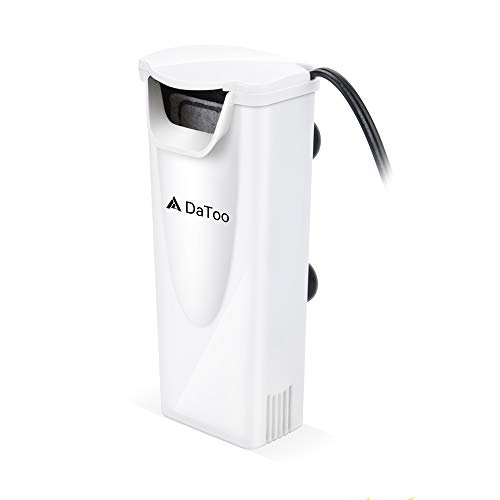
DaToo 3W Aquarium Power Filter for 1-10 Gallon Tanks
- ✓ Powerful filtration capacity
- ✓ Ultra-quiet operation
- ✓ BPA-free and energy-efficient
- ✕ Limited to 10-gallon tanks
- ✕ May require additional filter media
| Filtration Capacity | Enhanced filter cartridge with activated carbon, capable of increasing filtration efficiency by 2 to 3 times compared to similar products |
| Suitable Tank Size | 1 to 10 gallons (3.8 to 38 liters) |
| Power Consumption | Approximately 2 kWh per month |
| Water Flow Type | Waterfall type water flow with strong horsepower |
| Noise Level | Ultra-quiet motor with multiple noise reduction designs |
| Material | High-quality, BPA-free plastic |
Many people assume that small filters can’t handle the messiness of a lively fish tank, but the DaToo 3W Aquarium Power Filter proved that wrong right out of the box. I was surprised at how compact yet powerful this little device is, especially considering its size.
It fits easily into a 1 to 10-gallon tank, even if the water level is just around 1.5 inches deep.
The waterfall-style flow is gentle but effective, creating a nice circulation that keeps the water clear without disturbing the fish. I noticed that the filter’s large cartridge space allows me to add extra media, like carbon or bio-balls, which really helps with odor control and water clarity.
It’s clear this filter is designed for messy eaters and waste producers.
What really stood out is how quiet it is. I barely noticed it running overnight, which is a big plus because noisy filters can stress out fish and wake you up.
Plus, it’s BPA-free and energy-efficient, so I feel good about leaving it on constantly without worrying about toxins or high electricity bills.
Setup is super easy—just make sure the water level covers the inlet for optimal operation. It’s versatile too; I’ve even used it in a turtle tank with great results.
The only thing to keep in mind is that it’s designed for tanks up to 10 gallons, so bigger setups might need more power.
Overall, if your tank tends to get messy quickly, this filter is a solid, budget-friendly choice that keeps water clean and clear without fussing over noise or energy use.
Aqueon QuietFlow Internal Filter XS with SmartClean

- ✓ Easy water changes
- ✓ Quiet operation
- ✓ NoMess design
- ✕ Limited to small tanks
- ✕ Slightly higher price
| Flow Rate | Adjustable, suitable for various aquarium sizes |
| Motor Power | Not explicitly specified, but designed for quiet operation and auto-start functionality |
| Filtration Media | Aqueon EcoRenew cartridge with carbon fibers, Bio-Holster beneficial bacteria holder |
| Water Change Mechanism | SmartClean technology allowing partial water changes without filter removal |
| Pump Type | Auto-start, self-priming pump |
| Maximum Aquarium Size | Suitable for small to medium aquariums (exact size range not specified) |
As I was fiddling with the Aqueon QuietFlow Internal Filter XS, I unexpectedly found myself appreciating how effortless water changes could be. I had assumed that internal filters often meant a mess and hassle, but this one surprised me right away.
The SmartClean technology really lives up to its name. With a simple lift and rotate of the nozzle, I could perform a partial water change without disconnecting or splashing water everywhere.
It’s such a game-changer for anyone tired of the usual mess involved in maintenance.
The filter runs almost silently, which I didn’t expect from a device that’s so powerful at filtering. This means I could keep it running in the background without any distracting hums or buzzes, perfect for a peaceful tank setup.
Setup was straightforward too. The adjustable flow rate and the included suction cups made it easy to fit into both framed and frameless tanks.
I liked that it has a NoDrip design for cartridge and holster swaps, preventing water from spilling during maintenance.
The filtration system is pretty innovative. The Bio-Holster encourages beneficial bacteria growth, and the EcoRenew cartridge contains infused fibers with carbon, helping to keep water clear and healthy.
Plus, the auto-start pump is a nice touch—it’s always ready to go without priming, and it restarts automatically if power drops out.
Overall, this filter combines ease of use, quiet operation, and effective cleaning—making it ideal for messy fish tanks where mess and maintenance are common. It’s compact but powerful enough for small to medium tanks, and I’d recommend it for anyone who wants a hassle-free filter experience.
What Defines a Messy Fish in an Aquarium Setting?
A messy fish is typically characterized by its high waste production and the need for efficient filtration in an aquarium setting.
- Goldfish: Goldfish are notorious for producing a significant amount of waste due to their size and feeding habits. They require a powerful filter that can handle their bioload and keep the water clean and oxygenated.
- Cichlids: Many cichlid species can be quite messy, particularly larger ones that can stir up substrate and produce waste. A strong filter is essential to maintain water quality, as they are often kept in more aggressive and densely populated environments.
- Catfish: Various catfish, especially larger types like the common pleco, can contribute to messy tank conditions due to their feeding behaviors and waste production. Effective filtration is critical to manage debris and maintain a balanced ecosystem within the aquarium.
- Oscars: Oscars are large, energetic fish that are known for their high waste output. They require a robust filtration system to cope with their bioload and to ensure that the water remains clean and suitable for their health.
- Sharks (e.g., Rainbow Shark): These fish can be messy due to their territorial nature and tendency to disturb the substrate while foraging. A filter that provides both mechanical and biological filtration is necessary to keep the tank environment stable.
How Do Messy Fish Impact Water Quality?
Messy fish can significantly impact water quality, necessitating the use of effective filtration systems.
- Increased Waste Production: Messy fish, such as goldfish and certain cichlids, produce a substantial amount of waste, which can lead to high levels of ammonia and nitrites in the water. This waste can quickly deteriorate water quality, making it crucial to have a strong filtration system to manage these toxins.
- Uneaten Food Debris: These fish often are not the most tidy eaters, leading to leftover food sinking to the bottom of the tank. This uneaten food can decompose and contribute to poor water quality, resulting in an unhealthy environment for all tank inhabitants.
- Increased Algal Growth: The excess nutrients from fish waste and uneaten food can promote algal blooms, further complicating water quality issues. Algae can consume oxygen in the water and block light necessary for aquatic plants, disrupting the ecosystem balance.
- Higher Oxygen Demand: As waste decomposes and algae proliferate, the demand for oxygen in the water increases. This can lead to hypoxic conditions, where fish and other aquatic life struggle to survive due to insufficient oxygen levels.
- Frequent Water Changes Required: To maintain good water quality in tanks with messy fish, more frequent water changes are often necessary. Regular water changes help dilute toxic substances and ensure a healthier environment for the fish, but they also require a reliable filtration system to handle the additional load.
What Are the Primary Types of Aquarium Filters Suitable for Messy Fish?
The primary types of aquarium filters suitable for messy fish include:
- Canister Filters: Canister filters are powerful and versatile, making them ideal for aquariums with messy fish due to their ability to provide high levels of filtration.
- Hang-on-Back (HOB) Filters: HOB filters are easy to install and maintain, offering effective mechanical and biological filtration, which is crucial for managing the waste produced by messy fish.
- Submersible Filters: Submersible filters are compact and can be placed directly in the tank, providing both filtration and water circulation, which is beneficial for fish that generate a lot of waste.
- sump Filters: Sump filters are external filtration systems that offer extensive filtration capacity and can handle large volumes of waste, making them perfect for heavily stocked tanks with messy fish.
- Fluidized Bed Filters: Fluidized bed filters are excellent for biological filtration, providing a large surface area for beneficial bacteria, which helps in breaking down the waste from messy fish efficiently.
Canister filters are known for their high flow rates and multi-stage filtration capabilities, which can effectively remove debris and provide chemical and biological filtration. They are suitable for larger tanks and can be customized with various media types to tackle specific waste issues.
HOB filters are popular among hobbyists due to their simplicity and effectiveness; they hang on the back of the tank and utilize gravity to draw water through filter media. Their design allows for easy maintenance, making them a convenient choice for aquarists managing messy fish.
Submersible filters, often used in smaller or breeding tanks, are designed to be placed underwater, providing filtration and aeration. They are particularly useful in environments where space is limited and can help improve water quality by keeping it clean and oxygenated.
Sump filters provide advanced filtration options by allowing water to flow to a separate chamber where it is filtered before returning to the tank. This setup not only increases the filtration capacity but also enables the use of additional equipment, such as heaters and skimmers, making it ideal for messy fish in larger aquariums.
Fluidized bed filters work by suspending filter media in water flow, allowing for significant biological filtration. This type of filter is particularly effective for tanks with messy fish, as it helps maintain water quality by breaking down waste without clogging easily.
How Do Mechanical Filters Contribute to Cleaner Water?
Mechanical filters play a crucial role in maintaining clean water in aquariums, especially for messy fish that produce more waste.
- Physical Removal of Debris: Mechanical filters physically trap and remove solid particles from the water, such as uneaten food, fish waste, and plant matter.
- Prevention of Water Cloudiness: By continuously filtering out particulate matter, these filters help maintain clear water, which is essential for the health and visibility of the fish.
- Reduction of Ammonia and Nitrate Levels: While not directly removing these compounds, mechanical filtration reduces the organic load in the water, which can otherwise lead to the production of harmful ammonia and nitrates as waste breaks down.
- Easy Maintenance: Mechanical filters are generally easy to clean and maintain, allowing aquarists to regularly remove trapped debris and ensure optimal performance.
Physical Removal of Debris: Mechanical filters are designed with various media, such as foam sponges or filter pads, that capture solid waste as water flows through them. This function is particularly important for aquariums housing messy fish, as it helps keep the substrate and water column free from excess detritus.
Prevention of Water Cloudiness: When solid waste accumulates, it can lead to cloudy water that diminishes the aesthetic appeal of the aquarium. By effectively removing these particles, mechanical filters contribute to clearer, more visually appealing water while also providing a healthier environment for the fish.
Reduction of Ammonia and Nitrate Levels: Although mechanical filters do not directly eliminate ammonia and nitrates, they play a vital role in reducing the organic material present in the aquarium. A lower organic load means fewer nutrients are available for bacteria that convert waste into ammonia, thus helping to manage these toxic compounds indirectly.
Easy Maintenance: Mechanical filters are typically user-friendly, requiring routine cleaning or replacement of filter media to maintain their efficiency. This ease of maintenance is particularly beneficial for aquarists managing messy fish, as it allows for consistent upkeep without excessive effort.
What Benefits Do Biological Filters Provide for Messy Fish?
Biological filters offer several essential benefits for keeping messy fish in a healthy aquarium environment.
- Ammonia Reduction: Biological filters utilize beneficial bacteria to convert harmful ammonia produced by fish waste into less toxic substances. This process, known as nitrification, helps to maintain water quality and prevent toxic buildup that can harm fish health.
- Nitrite Removal: After converting ammonia into nitrite, the beneficial bacteria in biological filters further process it into nitrate, which is significantly less harmful. This two-step biological filtration process is crucial in aquariums with messy fish that produce higher waste levels.
- Stabilized Water Conditions: Biological filters contribute to more stable water chemistry by promoting a balanced ecosystem. This stability is vital for messy fish, as fluctuations in water parameters can stress them and lead to health issues.
- Reduced Maintenance Frequency: With effective biological filtration, aquarists can reduce the frequency of water changes and cleaning. This is particularly beneficial for messy fish, which produce more waste, as it allows for a more manageable aquarium maintenance routine.
- Enhanced Beneficial Bacteria Colonization: Biological filters provide a dedicated space for beneficial bacteria to colonize, which is essential for efficient waste processing. The larger the filter media surface area, the more bacteria can thrive, resulting in better filtration and a healthier environment for messy fish.
Can Chemical Filters Help Maintain Water Quality for Messy Fish Tanks?
Can Chemical Filters Help Maintain Water Quality for Messy Fish Tanks?
Chemical filters are crucial components in maintaining water quality in messy fish tanks, where waste accumulation can rapidly deteriorate the environment. These filters use specific media to remove impurities, toxins, and harmful substances from the water. Here’s how they can benefit messy tanks:
-
Adsorption of Toxins: Chemical filters typically contain activated carbon, which effectively adsorbs ammonia, chlorine, and other harmful chemicals. This is particularly beneficial for tanks with messy fish that produce higher waste levels.
-
Water Clarity: Chemical filtration aids in removing discoloration and odors, improving overall water clarity. A clearer tank enhances the aesthetic appeal and contributes to the health of the fish.
-
Nitrate Reduction: Some advanced chemical filters employ media that can reduce nitrates and phosphates. High nitrate levels can lead to algae blooms and poor water quality, making it essential for tanks with messy fish.
-
Frequent Replacement: To maintain efficacy, chemical filter media should be replaced regularly, usually every month, depending on the bioload and type of fish. Regular maintenance ensures the filter operates optimally.
Incorporating a chemical filter adds an essential layer of purification, helping maintain a stable and healthy aquarium for messy fish.
What Key Features Should You Look for in the Best Filter for Messy Fish?
When searching for the best filter for messy fish, several key features are crucial to ensure optimal water quality and fish health.
- Filtration Type: It’s important to choose a filter that combines mechanical, biological, and chemical filtration. Mechanical filtration removes debris and waste, biological filtration supports beneficial bacteria to break down harmful toxins, and chemical filtration eliminates impurities and odors.
- Flow Rate: The flow rate of the filter should be appropriate for the size of the aquarium and the type of fish. A strong flow can help keep the water clean but may be stressful for some species, so it’s essential to find a balance that maintains water quality without disturbing the fish.
- Filter Size: The size of the filter should match the tank size and the bioload of the fish. A larger filter can handle more waste and reduce the frequency of maintenance, while a smaller filter may require more regular cleaning and could lead to poor water quality.
- Ease of Maintenance: Filters that are easy to disassemble and clean will save time and effort. Look for models with accessible filter media that can be replaced or cleaned without hassle, ensuring that you can maintain a healthy environment for your fish.
- Noise Level: Some filters can be quite noisy, which may be disruptive in a home setting. Choosing a quieter filter will enhance the enjoyment of your aquarium without adding stress to the occupants.
- Energy Efficiency: An energy-efficient filter will not only save on electricity bills but also contribute to a more sustainable aquarium setup. Look for filters that have good energy ratings to ensure you are making an environmentally conscious choice.
- Customization Options: Filters that allow for customization, such as adjustable flow rates or the ability to add different types of filter media, can be beneficial. This flexibility enables you to tailor the filtration process to meet the specific needs of your messy fish species.
What Is the Ideal Flow Rate for Filters When Keeping Messy Fish?
When keeping messy fish, such as cichlids or goldfish, the flow rate of the aquarium filter is a crucial consideration. These fish often produce a significant amount of waste, which can lead to rapid deterioration of water quality if not managed properly.
The ideal flow rate for filters should generally be about 5 to 10 times the volume of your aquarium per hour. For example, if you have a 50-gallon tank, the filter should ideally have a flow rate of 250 to 500 gallons per hour (GPH). However, several factors influence this range:
-
Type of Fish: Some messy fish may struggle with strong currents. In such cases, opt for a filter that is on the lower end of the flow rate spectrum.
-
Setup of the Tank: If the tank is heavily planted or contains decorations that block water flow, a higher flow rate may be beneficial to ensure effective filtration and circulation.
-
Filter Type: Canister filters often provide stronger flow rates compared to hang-on-back filters. Choose a filter type based on your tank’s specific needs.
Balancing adequate filtration with the comfort of your messy fish will help maintain a healthier aquarium environment.
How Do You Determine the Right Size of Filter Based on Aquarium Volume?
Determining the right size of filter for an aquarium involves considering the aquarium volume and the specific needs of the fish you keep.
- Filter Flow Rate: The flow rate of a filter is a crucial factor in choosing the right size, as it should ideally be able to filter the total volume of the aquarium 4-5 times per hour for messy fish.
- Type of Fish: The species of fish in your aquarium can affect the filter size needed; messy fish, like goldfish or cichlids, produce more waste and require more robust filtration systems.
- Filter Type: Different types of filters (canister, hang-on-back, sponge, etc.) have varying capacities and suitability for different tank sizes and fish types.
- Tank Setup: The layout and decorations of the aquarium can influence water flow and filtration efficiency, meaning larger tanks with complex setups may require more powerful filters.
- Maintenance Considerations: A larger filter may require less frequent cleaning and maintenance, which is beneficial for tanks with messy fish that produce a lot of debris.
Filter Flow Rate: The flow rate of a filter is measured in gallons per hour (GPH) and should match the total volume of your aquarium. For messy fish, it’s recommended to choose a filter that can turn over the tank volume at least 4-5 times an hour to ensure effective waste removal and water clarity.
Type of Fish: Different fish species have varying waste production levels, with some being particularly messy. For example, goldfish can produce a significant amount of waste, necessitating a filter that can handle this load efficiently, so understanding the specific needs of your fish is essential in selecting the right filter size.
Filter Type: The type of filter also plays a role in its effectiveness for your tank size. Canister filters tend to be more powerful and are suitable for larger tanks or those with messy fish, while hang-on-back filters are easier to maintain and can work well for smaller setups.
Tank Setup: The physical arrangement of your aquarium, including plants, rocks, and other decorations, can affect how water circulates. It’s important to consider that a complex setup might require a more powerful filter to ensure that all areas of the tank receive adequate flow and filtration.
Maintenance Considerations: A larger or more efficient filter can reduce the frequency of maintenance, which is particularly useful when keeping messy fish. These filters can handle higher waste loads and keep the water cleaner for longer, allowing for a more stable environment for your aquatic life.
How Can You Maintain the Best Filter for Messy Fish Effectively?
Maintaining a consistent flow rate is vital for the comfort of messy fish, as excessive turbulence can stress them out. Adjusting the filter output or using baffles to create a gentler flow can help cater to the specific needs of the fish species being kept, ensuring a balanced and healthy aquarium environment.
What Regular Maintenance Is Essential for Optimal Filter Performance?
Regular maintenance is crucial for ensuring optimal filter performance, especially when dealing with messy fish that produce more waste.
- Regular Cleaning: It is essential to clean the filter media regularly to prevent clogging and maintain efficient water flow. This can involve rinsing the filter pads or sponges in tank water to remove debris without losing beneficial bacteria.
- Media Replacement: Over time, filter media can degrade or become less effective, so it’s important to replace it according to the manufacturer’s recommendations. In the case of messy fish, using high-quality, specialized media can enhance waste removal and improve water clarity.
- Water Changes: Performing regular water changes helps to reduce the buildup of toxins and waste that can overwhelm the filter. By replacing a portion of the tank water, you not only support the filter’s functionality but also create a healthier environment for the fish.
- Check Pump Functionality: Regularly inspecting and testing the pump ensures that it is functioning properly and providing adequate water circulation. If the pump is not working efficiently, it can lead to stagnant areas in the tank, making it difficult for the filter to manage waste effectively.
- Monitor Water Parameters: Keeping an eye on water parameters such as ammonia, nitrites, and nitrates can help identify if the filter is underperforming. If levels are consistently high, it may indicate that the filter needs maintenance or that it is insufficient for the bioload created by messy fish.
How Often Should Filter Media Be Replaced to Sustain Water Quality?
To maintain optimal water quality, filter media should be replaced or cleaned at regular intervals depending on various factors.
- Mechanical Filter Media: This type of filter media, such as sponge or foam, should generally be rinsed in tank water monthly and replaced every 6 to 12 months. It removes visible debris and particles from the water, ensuring clarity and reducing the load on biological filtration.
- Biological Filter Media: Materials like ceramic rings or bio-balls that provide a habitat for beneficial bacteria should be replaced less frequently, ideally every 1 to 2 years. These bacteria are crucial for breaking down harmful ammonia and nitrites, so disrupting this media too often can negatively impact the aquarium’s ecosystem.
- Chemical Filter Media: Activated carbon or specialized resins used for chemical filtration should be replaced every 2 to 4 weeks. These materials absorb toxins and impurities from the water, and their effectiveness diminishes over time, making timely replacement essential for maintaining water quality.
- Pre-Filter Media: If you use pre-filters, which capture larger particles before they reach the main filter, they should be cleaned weekly and replaced every 3 to 6 months. Keeping these media clean helps prolong the life of your main filter while ensuring efficient filtration.
- Filter Maintenance Schedule: Establishing a routine maintenance schedule helps keep track of when each type of filter media needs attention. Regular checks and maintenance not only enhance water quality but also prolong the lifespan of your filtration system, ensuring it continues to perform optimally for messy fish.