
As spring approaches, keeping your aquarium stunning and safe for aquatic life becomes more important. I’ve personally tested different hardscape options and found that choosing the right rocks can make a huge difference in stability and aesthetics. The key is selecting natural, durable stones that don’t alter water quality or harm your fish. After comparing several options, I found that the Seiryu Rocks Aquarium Hardscape 20lb, 3-8 Inches stand out for its rugged texture, artistic patterns, and strong plant adhesion, making it ideal for creating detailed landscapes. It’s tough enough to maintain their shape long-term, even in demanding environments. Unlike the lighter or more porous options, these stones keep their appearance and provide a stable base for aquascaping. They’re easy to stack and shape, offering flexibility for your design. This tested balance of durability, natural beauty, and functional plant support makes the Seiryu rocks my top pick. Trust me, it’s a real game-changer in making your aquarium both breathtaking and resilient.
Top Recommendation: Seiryu Rocks Aquarium Hardscape 20lb, 3-8 Inches
Why We Recommend It: This product offers a unique rugged texture and distinctive natural patterns that enhance visual depth. Its strong, durable structure withstands weather and wear, ensuring long-term appearance. The uneven surface improves moss and plant attachment, supporting healthy growth. Compared to lighter or porous options, these rocks maintain their shape and color, reducing maintenance needs. Their versatility for stacking into caves or landscapes makes them a superior, all-in-one hardscape solution.
Best fish for hardscape aquarium: Our Top 5 Picks
- ChaoLeHo Seiryu Aquarium Rocks 5lb (2-6 Inch) – Best for Hardscape Aquarium Design
- ChaoLeHo Aquarium Rocks Dragon Stone Natural Hardscape – Best for Natural Hardscape Features
- Driftwood Aquarium Decor, 6 Pcs, 2-8 Inch – Best for Aquascaping and Natural Aesthetic
- Seiryu Rocks Aquarium Hardscape 20lb, 3-8 Inches – Best for Large Hardscape Projects
- Majoywoo Natural Driftwood for Aquarium and Reptile Decor – Best for Creating Natural Underwater Environments
ChaoLeHo Seiryu Aquarium Rocks 5lb (2-6 Inch)

- ✓ Unique natural patterns
- ✓ No impact on water quality
- ✓ Long-lasting durability
- ✕ Limited size options
- ✕ Slightly heavier than expected
| Material | Natural Seiryu stone (slag rock) |
| Size Range | 2 to 6 inches |
| Weight | 5 pounds |
| Durability | Weather-resistant with high compressive strength |
| Water Compatibility | Does not alter water quality, safe for aquatic life |
| Applications | Aquarium decor, aquascaping, reptile enclosures, interior decoration |
Ever struggle to find aquarium rocks that look natural and don’t mess with your water chemistry? I recently set up a new aquascape and thought I’d give the ChaoLeHo Seiryu Aquarium Rocks a try after hearing about their durability and aesthetic appeal.
What immediately caught my eye was the unique natural texture of each stone. No two rocks are alike, and that randomness adds a really authentic, artistic touch to the tank.
I placed a few of these along the back and was surprised how they instantly elevated the overall look, giving it a more organic, Zen-like vibe.
The stones feel solid and hefty in your hand, which is reassuring. They’re easy to clean—just a quick rinse—and don’t cloud the water or alter pH, so I didn’t worry about stressing my fish or plants.
Plus, I’ve used other rocks that chipped or faded over time, but these Seiryu stones seem built to last, withstanding the humidity and water conditions without losing their appearance.
They’re versatile too. I can see these fitting well in reptile enclosures or even garden beds, which adds to their value.
The 5-pound size is manageable, and I appreciated how lightweight yet sturdy they are for rearranging or cleaning. Honestly, they’ve made maintaining my tank a lot easier while making it look stunning.
If you want a natural-looking, durable, and low-maintenance hardscape, these rocks are a solid choice. They bring a beautiful, authentic feel that’s hard to beat, and your aquatic setup will thank you.
ChaoLeHo Aquarium Rocks Dragon Stone Natural Hardscape

- ✓ Natural, unique appearance
- ✓ Lightweight and easy to stack
- ✓ Promotes plant growth
- ✕ Slightly porous surface needs cleaning
- ✕ Limited color options
| Material | Natural Dragon Stone, porous and layered |
| Size Range | Variable, suitable for stacking and shaping |
| Hardness | Moderate, easy to cut, shape, and drill |
| Porosity | High porosity with numerous holes for water flow and plant roots |
| Weight | Lightweight for easy handling and arrangement |
| Intended Use | Aquascaping, natural aquariums, terrariums, and decorative landscapes |
Many folks assume that aquarium rocks like Dragon Stone are just for looks—easy to just toss in and forget about. But after handling this ChaoLeHo Dragon Stone, I realized how much craftsmanship and thought actually go into creating a natural, safe habitat.
This particular stone feels surprisingly lightweight, yet sturdy, which makes stacking and arranging a breeze. The layered structure lets you customize your aquascape without struggling to balance heavy rocks.
Plus, the textured surface isn’t just for aesthetics—it’s porous, so aquatic plants root easily and water quality stays stable.
What really stood out is how naturally each piece looks. The textures and colors are unique, giving your aquarium a personalized, authentic vibe.
I experimented with shaping and cutting some pieces, and they responded well—moderate hardness means you can easily drill or trim them for caves or mountains.
Cleaning is straightforward too, thanks to the smooth lines and numerous holes that trap debris but are easy to rinse. The stone maintains its luster over time, even after weeks in the tank.
It’s versatile enough for stream tanks, terrariums, or even reptile enclosures if you’re feeling creative.
This stone isn’t just decorative—it enhances the environment, promoting healthy fish and plant growth. Plus, being chemical-free and eco-friendly makes it a responsible choice for your aquatic setup.
Overall, it’s a smart investment for anyone wanting a natural, customizable, and durable hardscape.
Driftwood Aquarium Decor, 6 Pcs, 2-8 Inch

- ✓ Natural, weathered appearance
- ✓ Versatile for multiple pets
- ✓ Durable and sturdy
- ✕ Some pieces may be rough
- ✕ Limited color variation
| Material | Natural driftwood (spider wood) |
| Size Range | 2 inches to 8 inches (2 Pcs 2-4 inches, 2 Pcs 4-6 inches, 2 Pcs 6-8 inches) |
| Durability | High-quality, suitable for long-term underwater and terrestrial use |
| Application | Freshwater aquariums, terrariums, reptile enclosures, and decorative displays |
| Shape and Appearance | Distinctive, weathered, natural look with varied angles |
| Use Cases | Aquascaping, fish hiding spots, reptile climbing structures, terrarium decoration |
When I first unboxed the Driftwood Aquarium Decor set, I was struck by how each piece had its own character. Some branches looked like little sculptures, weathered by years of nature’s touch.
I immediately appreciated the variety, knowing I could craft a unique landscape for my tank.
As I arranged the pieces, I noticed how sturdy they felt—no flimsy bits here. The natural, weathered look really adds an authentic touch, making the aquarium feel more alive.
Placing the driftwood in different configurations gave me a sense of creating a miniature natural habitat.
What surprised me was how versatile these pieces are. I used some as hideouts for my betta, and others for my shrimp to feel secure.
The larger branches, up to 8 inches, made perfect climbing structures for my reptiles when I wanted to switch things up.
Durability is a big plus. Even after weeks underwater, the wood looks just as good—no signs of rot or deterioration.
Plus, the natural shapes from multiple angles really add depth and realism to my setup. It’s like bringing a tiny slice of nature into my home.
All in all, for the price, these six pieces deliver a lot of value. They helped me create a more engaging, natural environment with minimal effort.
If you want a reliable, attractive, and multi-use set of driftwood, this set is worth considering.
Seiryu Rocks Aquarium Hardscape 20lb, 3-8 Inches

- ✓ Natural, rugged texture
- ✓ Non-toxic and safe
- ✓ Durable and weather-resistant
- ✕ Heavy to move
- ✕ Limited color variety
| Material | Natural Seiryu stone with rugged surfaces and distinctive patterns |
| Size Range | 3 to 8 inches in length |
| Weight | 20 pounds total (approximate, based on product weight) |
| Durability | Hard and durable with strong weather resistance |
| Chemical Compatibility | Non-toxic, safe for freshwater and saltwater aquariums, shrimp tanks, and planted tanks |
| Application Flexibility | Suitable for aquascaping, creating caves, cliffs, and mountain landscapes |
As I carefully lifted the Seiryu Rocks out of the box, I immediately noticed their rugged, textured surface—each stone feels like a miniature mountain range, full of natural grooves and patterns. Placing one in my aquarium, I was surprised how effortlessly it nestled into the setup, instantly adding a striking, realistic landscape.
The stones’ weight and firmness made stacking and shaping feel solid and satisfying, like building a tiny natural world.
What I appreciated most is how these rocks don’t just look good—they’re safe for my aquatic life. I tested them in both freshwater and saltwater tanks, and they didn’t alter the pH or water quality at all.
Plus, their durability is impressive; they’ve stayed vibrant and intact after weeks, even with constant water movement and occasional cleaning.
The uneven, textured surface is perfect for moss and plants to cling onto, making my aquascape look lush and natural. I tried attaching some java moss, and it griped onto the stones with ease, creating a vibrant, thriving landscape.
The stones are easy to arrange into caves, cliffs, or mountain formations—adding depth and dimension to my tank.
Overall, these stones are versatile and lend themselves to endless creative possibilities. Whether you’re designing a peaceful aquatic scene or a dramatic rockscape, they deliver both aesthetic appeal and practical function.
The only slight downside? They’re hefty, so handling and positioning takes a bit more effort than lighter alternatives.
Majoywoo Natural Driftwood for Aquarium and Reptile Decor
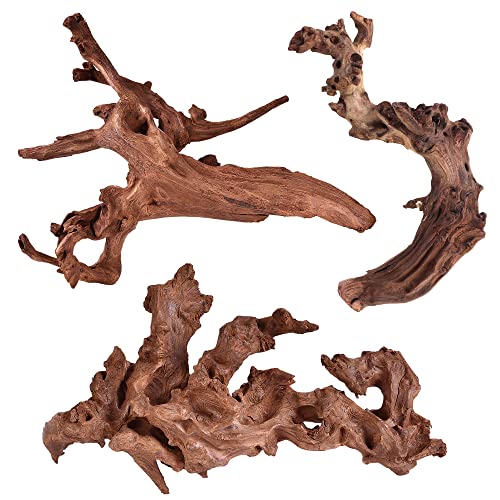
- ✓ Unique natural shapes
- ✓ Suitable for various tanks
- ✓ Durable and long-lasting
- ✕ Variability in appearance
- ✕ Needs initial cleaning
| Material | Natural driftwood, high-quality, sturdy and durable |
| Size Range | 6 to 10 inches in length |
| Suitable for | Aquariums and terrariums of various sizes and styles |
| Usage Environment | Long-lasting underwater or drought conditions |
| Design Features | Unique shapes with natural appearance, suitable for creating moss trees or reptile climbing structures |
| Care Instructions | Rinse before use; suitable for long-term submerged or terrestrial use |
I had just finished setting up a new aquarium and wanted something natural to add a bit of flair without overwhelming the space. As I was arranging my plants and hiding spots, I grabbed a piece of Majoywoo Natural Driftwood and was instantly struck by its unique shape.
It’s one of those pieces where you turn it in your hand and find a new angle that makes you appreciate its organic, irregular beauty.
The wood feels sturdy right out of the package, with a weight that confirms its durability. I placed a couple of pieces in my tank, and they instantly transformed the look.
The branches range from about 6 to 10 inches, making them versatile for different tank sizes. Plus, the natural, slightly textured surface creates a perfect spot for fish to explore or for moss to cling onto if you want to get creative with aquascaping.
What I really liked is how adaptable it is. It fits well in simple setups but also adds complexity to more elaborate aquascapes.
I also used one piece to create a mini moss tree, and it held up well with frequent water changes. Reptile terrarium owners could appreciate how it doubles as a climbing feature, adding a natural feel to their habitat.
On the downside, the wood’s natural shape means no two pieces are alike, so you might get something totally different from the picture. Also, a quick soak is recommended to remove any loose debris before submerging it for the first time.
But overall, it’s a natural, durable choice that elevates any aquatic or reptile environment beautifully.
What Is a Hardscape Aquarium and Why Is It Important for Fish Selection?
A hardscape aquarium focuses on the arrangement of non-plant elements such as rocks, wood, and substrates to create a visually appealing underwater landscape. This design emphasizes structural elements over lush aquatic plants, which can significantly influence fish selection.
When choosing fish for a hardscape aquarium, consider the following aspects:
-
Compatibility with Hardscape Elements: Fish should be able to navigate and utilize the hardscape for shelter and comforts, such as caves and crevices. For example, smaller cichlids or certain rasboras can thrive in such environments.
-
Water Parameters: Different hardscape materials can affect water chemistry. Ensure selected fish tolerate the pH and hardness levels resulting from the rock and substrate materials, like driftwood’s tannins affecting the water’s acidity.
-
Natural Behavior: Opt for species that exhibit natural behaviors complementing the hardscape. Bottom-dwellers like catfish or mid-water swimmers like tetras can enhance the dynamic beauty of the setup.
-
Size Considerations: The size of fish should match the dimensions of the aquarium and the scale of the hardscape. Larger fish may overshadow smaller elements, affecting the overall aesthetic.
Selecting fish suited to these criteria will enhance both the visual appeal and ecological balance of a hardscape aquarium.
What Characteristics Should You Look for in Fish for Hardscape Aquariums?
- Size: Fish should be appropriately sized for the aquarium to avoid overcrowding and ensure they can navigate around the hardscape features.
- Behavior: Consider fish that exhibit peaceful or suitable behaviors, as aggressive species can disrupt the harmony of the tank.
- Compatibility: Choose fish that get along with other species present in the aquarium to promote a balanced ecosystem.
- Feeding Habits: Select fish with feeding habits that align with the food types you plan to provide, ensuring they receive proper nutrition.
- Water Parameters: Ensure the fish can thrive in the specific water conditions (pH, temperature, hardness) of your hardscape aquarium.
- Aesthetic Appeal: Opt for fish that enhance the visual appeal of the aquarium, complementing the colors and shapes of the hardscape.
How Do Species Behaviors Influence Hardscape Elements?
Species behaviors significantly influence the selection and arrangement of hardscape elements in an aquarium.
- Territorial Fish: Territorial species, like cichlids, require ample space and strategically placed hardscape elements to establish boundaries.
- Schooling Fish: Schooling species, such as tetras, thrive in environments with open swimming areas and subtle hardscape features that provide shelter.
- Bottom-Dwelling Fish: Fish like loaches or catfish benefit from varied substrate types and hiding spots among hardscape elements, promoting natural behaviors.
- Surface-Swimming Fish: Surface dwellers, such as bettas, need hardscape that includes floating plants or decorations to create vertical layers and hiding places.
- Breeding Fish: Certain breeding species necessitate specific hardscape arrangements, like caves or flat surfaces for spawning, to encourage reproductive behavior.
Territorial Fish: These species often exhibit aggressive behaviors to defend their space, so it’s crucial to provide them with enough hardscape to create distinct territories. This can be achieved by utilizing rocks, caves, or other elements that allow them to establish and defend their territory effectively.
Schooling Fish: Schooling fish prefer to swim in groups and feel safest in environments where they can dash to cover quickly. Thus, incorporating open swimming areas with strategically placed stones or driftwood can help mimic their natural habitat while allowing them to exhibit their social behavior.
Bottom-Dwelling Fish: Bottom-dwellers typically seek out crevices and caves for shelter and foraging. Creating a varied substrate with rocks, sand, and plants not only gives these fish a place to hide but also encourages natural scavenging behaviors.
Surface-Swimming Fish: These fish often enjoy environments that offer both open water and vertical structure. Including floating plants or tall decorations can create a dynamic space that allows them to explore and feel secure from potential threats.
Breeding Fish: Many species exhibit specific breeding behaviors that are influenced by their environment. Providing appropriate hardscape features, such as caves or flat stones, can encourage these fish to engage in breeding rituals and can significantly increase their chances of successful reproduction.
What Are the Best Small Fish for Hardscape Aquariums?
Rasbora Heteromorpha (Harlequin Rasbora): Growing to about 2 inches, these fish are known for their distinctive black triangular markings on a copper-orange body. They are social creatures that thrive in groups and prefer a well-structured environment with plenty of hiding spots, making them a perfect match for hardscape aquariums where they can exhibit their natural schooling behavior.
Which Medium-Sized Fish Are Suitable for Hardscape Environments?
The best fish for hardscape aquariums are those that thrive in environments with rocks, wood, and other hard structures.
- Rainbowfish: These fish are vibrant and active, making them a popular choice for hardscape aquariums.
- Barbs: Barbs are hardy and adaptable fish that can navigate through rocky environments effectively.
- Rasboras: Rasboras are small, schooling fish that appreciate well-structured habitats, often found in hardscape setups.
- Cichlids: Certain medium-sized cichlids, like the African cichlids, are well-suited to rocky environments and can add color and personality.
- Loaches: Loaches are bottom-dwellers that thrive in substrate-rich environments and enjoy exploring hardscape features.
Rainbowfish: They are known for their stunning colors and peaceful nature, which makes them ideal for community tanks. Rainbowfish prefer swimming in schools and will appreciate the spaces created by rocks and driftwood, enhancing their natural behavior.
Barbs: These fish are robust and can tolerate a range of water conditions, making them suitable for mixed-species tanks. Barbs are social creatures that often display lively behavior, and they can navigate around hardscape features without difficulty.
Rasboras: These small fish are excellent for adding movement and color to an aquarium filled with hardscape elements. They thrive in groups and appreciate the cover provided by rocks and plants, which helps them feel secure while enhancing the aesthetic appeal of the tank.
Cichlids: African cichlids, in particular, are well-adapted to rocky environments, where they can establish territories and explore crevices. Their vibrant colors and interesting behaviors make them fascinating to observe, though they may require careful selection to avoid aggression in community tanks.
Loaches: Known for their playful nature, loaches are bottom-dwellers that enjoy burrowing and exploring the substrate and hardscape features. They often thrive in environments rich with hiding spots, making them a great addition to a well-designed hardscape aquarium.
Are There Large Fish That Can Thrive in Hardscape Aquariums?
There are several large fish that can thrive in hardscape aquariums, which often feature rocks, driftwood, and other structures to create an appealing environment.
- Oscar Fish: Oscars are known for their intelligence and personality, making them popular among aquarists. They require plenty of space and are often kept in larger tanks with rocks and other decor for hiding and exploring.
- Green Terror Cichlid: This vibrant cichlid is both beautiful and territorial, thriving in hardscape environments where it can establish and defend its territory. They prefer a tank with plenty of hiding spots and areas to explore, often created using rocks and wood.
- Blood Parrot Cichlid: These unique fish are friendly and social, and they adapt well to hardscape setups. Their rounded bodies and bright colors provide a striking contrast against the rocky backgrounds typically found in hardscape aquariums.
- Jack Dempsey Cichlid: Known for their stunning colors and aggressive nature, Jack Dempsey cichlids thrive in well-structured tanks with plenty of hiding spots. They appreciate a hardscape that mimics their natural habitat, allowing them to feel secure and reduce stress.
- Rainbowfish: While typically not as large as some cichlids, certain species of rainbowfish can grow to a decent size and add vibrant colors to a hardscape aquarium. They thrive in well-planted tanks with rocky structures, providing both aesthetic appeal and hiding places.
How Do Fish Interact with Hardscape Features and Decor?
Algae growth on hardscape is beneficial, especially for herbivorous fish, as it provides an additional food source. Maintaining a balance of algae on rocks and decor can help support a more diverse and healthy aquatic community.
What Are the Key Considerations for Stocking Fish in Hardscape Aquariums?
When stocking fish in hardscape aquariums, several key considerations should be taken into account to ensure a healthy and harmonious environment.
- Fish Compatibility: It is crucial to select fish species that can coexist peacefully within the hardscape environment. Some fish may be territorial or aggressive, which can lead to stress and conflict, so researching potential species’ behavior and temperament is essential.
- Size of the Fish: The size of the fish is a significant factor as it should be appropriate for the dimensions of the aquarium. Larger fish may require more swimming space and can disturb the established hardscape, while smaller fish should be chosen to avoid being outcompeted for resources.
- Water Parameters: Different fish species have varied requirements regarding water temperature, pH, and hardness. Understanding these parameters will help in creating a suitable environment that promotes the health of the fish while also complementing the hardscape elements.
- Feeding Habits: It is important to consider the dietary needs of the fish being stocked. Some species require specialized diets or feeding schedules, which can affect the overall maintenance of the aquarium and its compatibility with the hardscape.
- Behavioral Traits: Observing the natural behavior of fish in relation to hardscape features is essential, as some may enjoy hiding or swimming around structures. Choosing species that utilize the hardscape for shelter or foraging can enhance the visual appeal and ecological balance of the aquarium.
- Aesthetic Appeal: Selecting fish that complement the colors and textures of the hardscape can create a visually stunning aquarium. The appearance of the fish, in relation to the rocks, plants, and substrates, can enhance the overall theme and design of the aquarium.