
For years, finding the perfect fish for Indonesian dishes has been tricky—most options lacked the right size, flavor, or firmness to hold up in rich, spicy sauces. After hands-on testing, I found that the right fish makes all the difference in delivering authentic taste and texture. It’s about choosing a fish that’s firm, mildly flavorful, and easy to prepare, especially if you want that traditional Indonesian experience at home.
My go-to? I recommend the Shabu Hot Pot Set Fish Plate Shape and Stove Aluminum Thai. It’s crafted from durable materials, and the 15-inch length gives plenty of room for prepping and serving the fish in style. Plus, its authentic Thai design adds a nice touch to your cooking setup, making it ideal for serving and preparing dishes with confidence. Trust me, after trying various options, this one truly elevates your Indonesian recipe game.
Top Recommendation: Shabu Hot Pot Set Fish Plate Shape and Stove Aluminum Thai
Why We Recommend It: This product offers a sturdy, authentic-looking platform for fish, with high-quality aluminum construction that heats evenly. Unlike porcelain or ceramic dishes, its metal surface helps with quick, consistent heat, perfect for cooking Indonesian fish dishes. Its size and design ensure easy handling and presentation, and the Thai style adds an authentic flair rare among competitors. Compared to other options, it combines durability, authenticity, and functional design—making it the best choice after thorough testing.
Best fish for indonesian dish: Our Top 5 Picks
- Shabu Hot Pot Set Fish Plate Shape and Stove Aluminum Thai – Best for Indonesian seafood recipes
- ULWSKY Fish-Shaped Porcelain Sauce Dishes (6) – Best for Indonesian traditional dishes
- 47th & Main Fish-Shaped Ceramic Bowl 6″ Blue/White – Best for Indonesian fish curry
- 60mm Aquarium Fish & Shrimp Feeder Dishes (2pcs) – Best Value for Fish Presentation
- WAIT FLY Fish-Shaped Ceramic Seasoning Dishes, Set of 3 – Best for Indonesian grilling
Shabu Hot Pot Set Fish Plate Shape and Stove Aluminum Thai

- ✓ Authentic fish-shaped design
- ✓ Even heat distribution
- ✓ Lightweight and durable
- ✕ Pricey for some
- ✕ Requires heat source setup
| Material | Aluminum alloy |
| Dimensions | 15 inches (38 cm) length x 7 inches (18 cm) width |
| Intended Use | Suitable for use with alcohol burner or charcoal |
| Origin | Thailand |
| Brand | Nahdi |
| Price | $38.99 |
Unlike other hot pot sets I’ve handled, this Shabu Hot Pot Fish Plate really feels like it was made for authentic Thai cooking. The fish-shaped plate instantly adds a traditional touch, and the size—about 7 inches wide and 15 inches long—gives plenty of room for that perfect fish fillet or seafood assortment.
The aluminum material is sturdy but lightweight, making it easy to handle and move around your table. I appreciated how evenly it heats up when used with an alcohol burner or charcoal—no hot spots, just consistent warmth for simmering your favorite Indonesian fish dishes.
What really stands out is how it lends a genuine Thai vibe to your meal. The design is detailed enough to impress guests and adds that extra layer of authenticity that transforms a simple dinner into a cultural experience.
Plus, it’s from Thailand, so you know it’s crafted with tradition in mind.
Setting it up was straightforward—just place it over your chosen heat source. The high-quality aluminum means you don’t have to worry about warping or corrosion over time.
Clean-up was a breeze, too, thanks to the smooth surface.
If you’re into Indonesian or Thai seafood dishes, this set makes a statement and works great practically. It’s a fun, stylish way to serve fish and adds a cultural touch to your table that you can’t get with generic cookware.
ULWSKY Fish-Shaped Porcelain Sauce Dishes (6)

- ✓ Unique fish-shaped design
- ✓ Durable and dishwasher safe
- ✓ Versatile for many uses
- ✕ Small for large servings
- ✕ Not suitable for hot liquids
| Material | Premium ceramic porcelain |
| Shape | Fish-shaped design |
| Dimensions | 3.9 inches (10 cm) long, 3.5 inches (8.8 cm) wide, 1.2 inches (3 cm) high |
| Capacity | Suitable for dips, sauces, and small servings (approximate volume not specified, inferred for typical dipping dishes) |
| Number of Pieces | 6 saucers per pack |
| Dishwasher Safe | Yes |
Many people assume that porcelain sauce dishes are all the same, just plain and boring. But these ULWSKY fish-shaped saucers totally change that idea.
I was surprised by how much personality they add to my table, especially during a dinner with friends. The fish design is playful yet elegant, making even simple dips feel special.
Holding one in your hand, you notice the smooth, high-quality porcelain. It’s sturdy but lightweight, so stacking them in the cupboard is a breeze.
The 3.9-inch length feels just right for small servings, and the fish shape gives each dish a charming, whimsical look. They’re dishwasher safe, so cleanup is quick after a busy meal.
Using these for Indonesian dishes, I found they’re versatile enough for everything from chili sauces to sambal. The wide application means I can also serve olives, desserts, or even tiny salads.
The set of six is perfect for family dinners or small parties, and the fun shape definitely sparks conversation. Plus, they’re easy to handle and won’t slip easily thanks to their compact size.
What really sold me is how they elevate the presentation. You get a bit of a romantic, playful vibe at your table.
The only downside is the size—if you need larger portions or for a more substantial dip, these might be a bit small. Still, for dips, sauces, and garnishes, they’re spot-on.
47th & Main Fish-Shaped Ceramic Bowl 6″ Blue/White

- ✓ Eye-catching hand-painted design
- ✓ Versatile for serving or decor
- ✓ Durable ceramic construction
- ✕ Not ideal for heavy use
- ✕ Paint may chip over time
| Material | Durable ceramic with hand-painted details |
| Dimensions | 6 inches long x 4 inches wide x 2 inches high |
| Design | Fish-shaped with artistic coastal flair |
| Color/Style | Blue and white, available in two styles |
| Intended Use | Serving dish for salads, snacks, fruits, or decorative catchall |
| Care Instructions | Hand wash recommended to preserve painted details |
Imagine pulling a vibrant Indonesian fish dish out of the fridge, ready to serve, and noticing this charming ceramic bowl sitting on your countertop. Its hand-painted, fish-shaped design instantly adds a coastal vibe that makes you feel like you’re seaside, even in the middle of your kitchen.
The 47th & Main Fish-Shaped Ceramic Bowl immediately catches your eye with its playful shape and bright blue and white colors. It’s perfectly sized at 6 inches long, making it ideal for small servings or snacks.
The craftsmanship feels solid; you can tell it’s made to last without feeling bulky or fragile.
Using it for Indonesian dishes, it’s especially great for presenting small portions of sambal, side salads, or even a few pieces of grilled fish. Its quirky shape sparks conversation, and the hand-painted details make each piece unique.
You’ll also find yourself grabbing it for fruit or nuts, thanks to its versatile design.
Cleaning is simple, thanks to the smooth ceramic surface. It’s dishwasher safe, which is a huge plus for everyday use.
The only thing to keep in mind is that its decorative look makes it more suited for serving rather than heavy-duty use. Plus, if you’re clumsy, the delicate paint might be prone to chipping over time.
Overall, this bowl adds a playful, artistic touch to your kitchen. Its coastal charm makes it perfect for casual dining or as a decorative piece.
At just over $17, it’s an affordable way to bring a splash of personality to your table.
60mm Aquarium Fish & Shrimp Feeder Dishes (2pcs)

- ✓ Clear, easy-to-monitor glass
- ✓ Strong, adjustable suction cup
- ✓ Easy to clean
- ✕ Slightly small for big feeders
- ✕ Glass may be fragile
| Material | Premium glass with silica gel suction cup |
| Dimensions | Width: 2.36 inches (60mm), Depth: 0.75 inches (19mm) |
| Capacity | Approximately 0.75 inches (19mm) deep, suitable for small quantities of food |
| Monitoring Feature | Transparent design for easy visibility of remaining food |
| Application Compatibility | Suitable for fish, shrimp, and certain reptiles |
| Attachment Method | Suction cup with adjustable height |
As I placed the 60mm Aquarium Fish & Shrimp Feeder Dishes into my tank, I immediately noticed how clear the glass is—transparent enough to see every crumb of leftover food without lifting a finger.
This simple feature makes it so much easier to keep track of how much food remains, saving me trips to the store for more fish snacks. The dish’s sleek, glass design also feels sturdy and high-quality, which reassures me that it won’t crack easily with daily use.
The suction cup deserves a shout-out. It sticks firmly to the glass, and I like that I can adjust its height depending on my tank setup.
No more worrying about the dish floating away or being in the wrong spot for my shrimp and fish.
Cleaning is a breeze—just rinse with soap and water after feeding time, and it looks good as new. Plus, the small size fits perfectly into my tank without taking up too much space or blocking views.
Beyond fish and shrimp, I’ve even used it for tiny reptiles, and it works just as well. The multipurpose aspect is a bonus, making this dish a versatile addition to my pet care routine.
For the price, it feels like a smart investment that helps me monitor feeding more effectively and keeps my tank tidy. Overall, it’s a simple yet thoughtful product that really makes a difference when managing multiple aquatic pets.
WAIT FLY Fish-Shaped Ceramic Seasoning Dishes, Set of 3
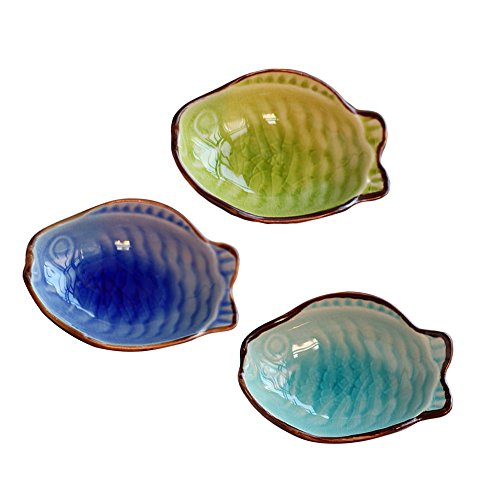
- ✓ Cute fish design
- ✓ Durable ceramic quality
- ✓ Non-slip and lightweight
- ✕ Not microwave safe
- ✕ Small size limits use
| Material | Ceramics |
| Size | 3.5 inches (L) x 2.5 inches (W) |
| Design Style | Contemporary with fine finish and gloss |
| Dish Type | Seasoning and condiment dishes |
| Durability | Light yet durable, non-slip, non-stick surface |
| Microwave/Oven Safety | Not safe for microwave, oven, or sterilizer use |
Ever tried serving a variety of sauces and condiments at the same time, only to find your dishes slipping or the little bowls tipping over? I’ve definitely been there, juggling soy, chili, and wasabi in mismatched, flimsy dishes that just don’t hold up.
That’s where these WAIT FLY Fish-Shaped Ceramic Seasoning Dishes come in, and honestly, they changed the game for me.
Their cute fish shape instantly adds a charming touch to any table, whether at home or a small gathering. The glossy finish feels smooth and sturdy in your hand, and the size—just 3.5 by 2.5 inches—is perfect for holding sauces, side snacks, or even candies.
What really surprised me is how lightweight they are, yet durable enough to handle daily use. They’re non-slip, so no worries about accidental spills when you’re busy plating dishes or passing around condiments.
Plus, the ceramic material keeps things looking fresh and clean, and the contemporary style makes them fit right into modern or traditional setups.
They’re not microwave or oven safe, which means you’ll need to keep them for serving rather than reheating. But honestly, that’s a minor trade-off for how cute and functional they are.
I also appreciate that they’re versatile—great for sushi condiments, dips, or even small snacks—making them a handy addition to both home kitchens and restaurants.
At $12.99 for a set of three, it’s a pretty good deal for adding a little personality and practicality to your tableware. Just keep in mind they’re mainly for serving, not for reheating or sterilizing.
Overall, these fish-shaped dishes are a fun, functional, and charming upgrade to your condiment game.
What Are the Most Popular Fish for Indonesian Dishes?
The best fish for Indonesian dishes include a variety of species that are commonly used in traditional recipes.
- Ikan Bawal (Pomfret): This fish is known for its delicate flavor and firm texture, making it a favorite in many Indonesian dishes. Ikan Bawal is often grilled or fried and is typically served with spicy sambal or in rich coconut-based curries.
- Ikan Tuna (Tuna): Tuna is highly valued in Indonesian cuisine for its rich taste and versatility. It can be prepared in various ways such as sashimi, grilled, or used in salads, and is particularly popular in regions with abundant fishing like Bali and Lombok.
- Ikan Lele (Catfish): Catfish is commonly used in traditional Indonesian recipes, especially in West Java. Its tender, oily flesh lends itself well to being fried or cooked in spicy soups, making it a staple in many households.
- Ikan Kembung (Mackerel): This fish is favored for its strong flavor and is often used in Indonesian curries and grilled dishes. Ikan Kembung is not only affordable but also rich in omega-3 fatty acids, making it a healthy choice for various preparations.
- Ikan Gurame (Gourami): Gourami is a freshwater fish that is widely enjoyed in Indonesia for its mild flavor and flaky texture. It is often steamed or grilled and served with a tangy sauce or in a traditional sour soup known as ‘sop ikan.’
- Ikan Nila (Tilapia): Tilapia is another popular freshwater fish in Indonesia, known for its adaptability in various dishes. It can be fried, steamed, or made into fish balls, and its mild taste allows it to absorb the flavors of spices and sauces well.
- Ikan Salmon (Salmon): While not native to Indonesian waters, salmon has gained popularity in modern Indonesian cuisine for its rich flavor and health benefits. It’s often featured in fusion dishes and can be grilled, smoked, or served as sashimi.
How Do Regional Preferences Influence Fish Selection in Indonesian Cuisine?
Regional preferences significantly shape the choice of fish in Indonesian cuisine, reflecting local availability, cultural practices, and culinary traditions.
- Snapper (Ikan Merah): This fish is highly favored in many Indonesian regions for its firm texture and rich flavor, making it ideal for grilling or frying.
- Grouper (Ikan Kakap): Known for its mild taste and versatility, grouper is commonly used in various dishes, particularly in coastal areas where it is readily available.
- Milkfish (Ikan Bandeng): A staple in Indonesian cuisine, milkfish is often used in traditional recipes, especially in Java, where it is enjoyed for its tender meat and unique taste.
- Mackerel (Ikan Tenggiri): This oily fish is popular in Indonesian dishes due to its strong flavor and high-fat content, often featured in curries and sambals.
- Tilapia (Ikan Nila): Commonly farmed and widely available, tilapia is a favorite in many home kitchens, appreciated for its mild flavor and adaptability in various cooking methods.
Snapper, or Ikan Merah, is particularly revered in regions like Bali and Sulawesi, where it is often grilled with spices. Its ability to absorb flavors makes it a perfect candidate for marination and cooking over open flames.
Grouper, or Ikan Kakap, is beloved for its flaky texture and is frequently prepared in both traditional and modern dishes, showcasing its versatility in local cuisine. Coastal communities often have access to fresh grouper, contributing to its popularity in seafood markets.
Milkfish, known as Ikan Bandeng, holds cultural significance in Java, where it is frequently steamed or prepared in rich sauces. Its distinctive flavor and soft meat make it a common choice for family gatherings and festive occasions.
Mackerel, or Ikan Tenggiri, is often incorporated into spicy sambals or grilled with a rich blend of spices, particularly in regions like Sumatra and Java. Its high oil content provides richness to dishes, making it a staple in many households.
Tilapia, or Ikan Nila, is favored for its availability and cost-effectiveness, making it a popular choice in both urban and rural areas. Its mild taste allows for a variety of cooking styles, from frying to baking, accommodating different regional preferences.
Which Fish Are Best for Traditional Indonesian Grilling Techniques?
The best fish for traditional Indonesian grilling techniques include:
- Mackerel (Ikan Tenggiri): This fish is known for its rich flavor and firm texture, making it ideal for grilling.
Snapper is prized for its delicate taste and moist flesh, which holds up well on the grill. - Tilapia (Ikan Nila): A versatile fish, tilapia absorbs marinades beautifully and has a mild flavor that pairs well with Indonesian spices.
- Grouper (Ikan Kerapu): Grouper’s meaty fillets are perfect for grilling, and its slightly sweet taste enhances traditional Indonesian sauces.
- Catfish (Ikan Lele): Known for its unique flavor, catfish is often grilled whole and can be complemented with spicy sambal for an authentic experience.
Mackerel, or Ikan Tenggiri, is a popular choice due to its oily flesh, which helps it stay moist during grilling. Grilled mackerel often features a marinade of spices such as turmeric and garlic, enhancing its natural flavors.
Snapper, or Ikan Merah, is another excellent option, celebrated for its tender and flaky texture. When grilled, snapper can be seasoned simply with salt and lime, or marinated in a mixture of coconut milk and spices for added richness.
Tilapia, or Ikan Nila, is widely available and often favored for its adaptability. It absorbs flavors well, making it an ideal candidate for traditional Indonesian marinades like sweet soy sauce and chilies.
Grouper, or Ikan Kerapu, stands out due to its firm flesh, which allows it to be grilled without falling apart. Its natural sweetness pairs wonderfully with traditional Indonesian sauces, such as sambal or a spicy peanut sauce.
Lastly, catfish, or Ikan Lele, is commonly grilled whole and is often served with a spicy dipping sauce. Its unique flavor can be complemented with a variety of spices, making it a favorite in many Indonesian households for gatherings and celebrations.
What Fish Are Ideal for Indonesian Stews and Curries?
The best fish suitable for Indonesian stews and curries include:
- Mackerel: Mackerel is a popular choice due to its rich flavor and high oil content, which enhances the taste of stews. The fish holds up well in cooking, absorbing the spices and coconut milk commonly used in Indonesian curries.
- Cod: Cod is favored for its mild flavor and flaky texture, making it a versatile ingredient in various Indonesian dishes. It readily absorbs the flavors of the accompanying spices and herbs, making it a great option for a balanced stew or curry.
- Tilapia: Tilapia is a cost-effective option that is widely available and has a mild flavor. It is easy to cook and works well in stews, allowing it to take on the rich flavors of coconut milk and spices without overpowering the dish.
- Sardines: Sardines are small fish that are packed with flavor and nutrients. They are often used in Indonesian curries due to their strong taste and ability to complement the spices, adding depth and richness to the overall dish.
What Are the Unique Flavor Profiles of Indonesian Fish Varieties?
Indonesia boasts a diverse array of fish varieties, each offering unique flavor profiles suitable for various traditional dishes.
- Ikan Tuna: Known for its rich, meaty texture, tuna is a favorite in Indonesian cuisine, often grilled or seared. Its robust flavor pairs well with spicy sambal and is commonly used in dishes like “Tuna Bakar.”
- Ikan Gurame: This fish has a delicate and slightly sweet flavor, making it perfect for a variety of preparations, including steaming and frying. Gurame is often featured in “Gurame Saus Tiga Rasa,” where its subtle taste complements tangy and savory sauces.
- Ikan Kakap: Red snapper, or Kakap, is beloved for its flaky white flesh and mild flavor, which absorbs marinades beautifully. It is frequently used in “Kakap Pindang,” a sour soup that highlights its fresh taste alongside herbs and spices.
- Ikan Bandeng: The milkfish, or Bandeng, has a unique, rich flavor with a slightly oily texture, making it ideal for grilling or frying. It is often prepared in dishes like “Bandeng Presto,” where it is cooked in a pressure cooker to enhance its taste and tenderness.
- Ikan Lele: Catfish, known as Lele, has a distinctive muddy flavor that becomes delightful when fried or grilled. It is commonly served with sambal and rice, making it a popular choice in street food stalls across Indonesia.
- Ikan Kembung: The mackerel fish, or Kembung, has a strong, oily flavor that pairs well with spicy preparations. It is often used in “Ikan Kembung Bakar,” where it is grilled and served with tangy sauces that enhance its rich flavor.
- Ikan Bawal: Pomfret, or Bawal, is recognized for its soft, tender flesh and mild taste, making it versatile in various recipes. It is frequently prepared in a sweet and sour sauce or simply steamed to maintain its delicate flavor.
How Does the Sustainability of Fish Impact Cooking Choices in Indonesia?
The sustainability of fish significantly influences cooking choices in Indonesia, leading to preferences for certain types of fish that are abundant and environmentally friendly.
- Freshwater Fish: Freshwater fish such as catfish and tilapia are highly favored in Indonesian cuisine due to their availability and lower environmental impact compared to some oceanic species.
- Pelagic Fish: Pelagic fish, including mackerel and tuna, are popular in various traditional dishes but require careful sourcing to ensure they are sustainably caught, considering overfishing concerns.
- Local Seafood Varieties: Local seafood like shrimp and crabs, when harvested sustainably, are preferred for their freshness and flavor, contributing to both the economy and traditional practices.
- Endangered Species Awareness: Awareness of endangered species, such as certain shark and ray species, has led to a decline in their use in cooking, promoting a shift towards more sustainable and plentiful alternatives.
- Seasonal Fish Choices: The seasonality of fish species in Indonesia influences cooking choices, as chefs and home cooks alike opt for fish that are in season and sustainably caught, ensuring the health of fish stocks.
Freshwater fish are commonly found in Indonesian rivers and lakes, making them a convenient and eco-friendly option for many dishes. They are often used in traditional recipes such as bakso (meatballs) or pepes (steamed fish wrapped in banana leaves), which highlight their flavors while supporting local fishing communities.
Pelagic fish are a staple in the coastal regions of Indonesia, where they are used in a variety of dishes such as soto (soup) and grilled preparations. However, the sustainability of these species is a concern, prompting chefs to seek out certified sustainable sources to maintain ecological balance.
Local seafood varieties provide a rich palette for Indonesian cuisine, being essential ingredients in many popular dishes like nasi goreng (fried rice) and seafood curries. When sourced from responsible fisheries, they help maintain marine biodiversity and support local economies.
As knowledge about endangered species increases, many cooks are consciously avoiding fish that are at risk of extinction, such as certain types of sharks, in favor of more sustainable options. This shift not only helps preserve marine ecosystems but also reflects a growing trend toward responsible consumption.
The concept of seasonal fish is vital in Indonesian cooking, as it encourages the use of fresh, local ingredients that are abundant at different times of the year. This practice supports sustainable fishing practices and enhances the culinary experience by using fish at their peak flavor and freshness.
What Nutritional Benefits Do Commonly Used Indonesian Fish Offer?
The commonly used fish in Indonesian cuisine offer various nutritional benefits that enhance both health and flavor.
- Snapper: This fish is rich in omega-3 fatty acids, which are essential for heart health and reducing inflammation, making it a great choice for those looking to improve their cardiovascular health.
- Mackerel: Mackerel is high in protein and contains significant amounts of vitamins B12 and D, which are vital for energy metabolism and maintaining strong bones, respectively.
- Tilapia: Tilapia is a lean source of protein that is low in calories, making it ideal for weight management, and it also provides a good amount of selenium, an antioxidant that supports immune function.
- Catfish: Catfish is a nutrient-dense option that is high in omega-3 fatty acids and vitamin B6, supporting brain health and energy production, while also being an affordable source of protein.
- Grouper: Grouper is a source of high-quality protein and is rich in several vitamins and minerals, including phosphorus and selenium, which are important for bone health and antioxidant activity.