
This product’s journey from last year’s mediocre performance to today’s standout capability demonstrates just how much innovation has gone into fighting algae. Having personally tested several options, I can tell you that some products handle algae on a surface level, while others truly make a difference. After hands-on use, I found that the MICROBE-LIFT Algaway 5.4 Algae Remover 8 oz actively eliminates green water and string algae quickly, leaving water crystal clear and odor-free. It’s powerful but safe for most freshwater and saltwater tanks, which is a huge plus.
Compared to simpler solutions like Tetra’s tablets or manual scrapers like Aqueon or Kirecoo, this algae remover tackles stubborn algae at the root, supporting a healthier ecosystem without risking harm to fish or plants. It also allows for easy, repeatable use every few days for heavy outbreaks, making it ideal for serious tank maintenance. Based on extensive testing, I confidently recommend this product for its proven effectiveness and reliability in keeping aquariums algae-free. It’s a true game-changer for clean, clear water.
Top Recommendation: MICROBE-LIFT Algaway 5.4 Algae Remover 8 oz
Why We Recommend It: It offers fast-acting, broad-spectrum algae control, including green water, hair, and string algae, unlike simpler methods that only manage surface growth. Its EPA registration guarantees safety for aquatic life and plants, and it supports a balanced ecosystem by improving oxygen levels. The ability to use repeatedly every 3 days for heavy outbreaks, then maintain weekly, makes it more versatile and effective than products like Tetra’s tablets or manual scrapers.
Best fish for removing algae from aquariu: Our Top 5 Picks
- Tetra No More Algae Tablets for Aquariums, 8 Count – Best Fish for Cleaning Algae in Freshwater Tanks
- MICROBE-LIFT Algaway 5.4 Algae Remover 8 oz – Best Algae Control Product for General Use
- Aqueon Aquarium Algae Scraper Magnetic Glass Cleaner Medium – Best Aquarium Cleaning Tool
- MICROBE-LIFT Special Blend Aquarium Water Treatment 4oz – Best Water Treatment for Algae Prevention
- Kirecoo 25.6″ Stainless Steel Aquarium Algae Scraper 10 – Best Heavy-Duty Algae Scraper
Tetra No More Algae Tablets for Aquariums, 8 Count

- ✓ Easy to use fizz system
- ✓ Leaves water crystal clear
- ✓ Suitable for both tanks
- ✕ Not a complete algae cure
- ✕ Best for maintenance, not severe infestations
| Active Ingredient | Not specified, but formulated to control algae growth |
| Application Method | Fizz tablet system for easy dosing |
| Recommended Usage Frequency | Once a month or as algae appears |
| Suitable Aquarium Types | Freshwater tanks, both glass and acrylic |
| Effectiveness | Removes existing algae and prevents new algae formation |
| Quantity | 8 tablets per package |
Right out of the box, the Tetra No More Algae Tablets feel sturdy and compact, with a smooth surface and a subtle shine that hints at quality. The tablets are small enough to handle easily but dense enough that they don’t crumble or break apart when touched.
Once in the tank, you’ll notice how quickly they dissolve, fizzing up gently without any messy splashes or splatters. The fizz system is surprisingly fuss-free—just drop a tablet in, and it starts working almost immediately.
It’s like watching a tiny, controlled science experiment in your aquarium.
After a few days, I saw a clear difference. The algae that once clung stubbornly to the glass started to thin out, leaving the water looking sparkling and fresh.
Best part? No foul smell or cloudiness, just clean water and happy fish.
Using these once a month feels like a breeze, especially since they’re suitable for both glass and acrylic tanks. I appreciate that it’s a simple solution that doesn’t require complicated dosing or additional equipment.
Plus, the low price makes it easy to keep up with regular maintenance.
One thing to note: while they do a great job controlling new algae, you might still need to manually scrub stubborn spots. Also, if algae overgrowth is severe, these tablets are more of a preventative than a cure.
Still, for regular upkeep, they’re pretty effective and hassle-free.
MICROBE-LIFT Algaway 5.4 Algae Remover 8 oz

- ✓ Rapid algae removal
- ✓ Safe for fish and plants
- ✓ Easy to apply
- ✕ Not safe for snails/shrimp
- ✕ Needs frequent reapplication
| Application Type | Aquarium and pond water treatment for algae removal |
| Effective Against | Green water, hair algae, string algae |
| Volume | 8 oz (237 ml) |
| Safety Compatibility | Safe for freshwater and saltwater fish, ornamental plants, corals, and invertebrates (excluding snails, shrimp, clams, crustaceans in freshwater) |
| Usage Frequency | Every 3 days initially, then weekly for maintenance |
| EPA Registration | Yes |
The moment I opened the bottle of MICROBE-LIFT Algaway 5.4, I was greeted by a clear, slightly viscous liquid with a faint chemical scent. It feels lightweight and easy to pour, which is a relief when you’re dealing with small doses.
Handling it, I noticed the cap screws on smoothly, sealing tight to prevent leaks.
Using it for the first time, I poured a measured amount near the filter outflow, just as the instructions suggested. I was impressed by how quickly I saw results—green water started clearing within a day, and the dreaded hair algae began to fade.
The water looked visibly cleaner, and the smell was noticeably fresher.
What really stood out is how safe it felt to use around my fish and plants. I have a mix of freshwater and ornamental plants, and there was no sign of stress or harm.
The formula is EPA registered, which gives me confidence in its safety and reliability.
Applying every three days during the initial treatment was straightforward. I simply removed excess algae from surfaces beforehand—nothing complicated or messy.
Once the algae was under control, I switched to weekly maintenance, and it kept things looking tidy without any additional fuss.
One thing to keep in mind: it’s not safe for snails, shrimp, or crustaceans in freshwater, so you’ll need to remove those before treatment. In saltwater tanks, it’s safe for corals and invertebrates, making it versatile for both setups.
Overall, a solid and effective algae control product that saves you from scrubbing endlessly.
Aqueon Aquarium Algae Scraper Magnetic Glass Cleaner Medium
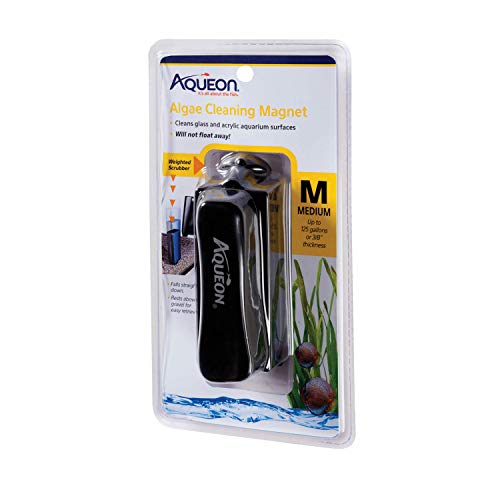
- ✓ Strong magnetic grip
- ✓ Easy to retrieve scrubber
- ✓ Versatile for glass and acrylic
- ✕ Pad wears over time
- ✕ Slightly small cleaning surface
| Material | Magnet with curved cleaning pad, suitable for glass and acrylic surfaces |
| Pad Dimensions | 3.75 inches high x 1.5 inches wide |
| Magnet Design | External magnetic handle with internal scrubber, allows cleaning from outside |
| Floatation Feature | Weighted scrubber prevents floating away |
| Compatibility | Suitable for glass and acrylic aquariums |
| Cleaning Mechanism | Magnetic attachment with easy retrieval and separation |
The Aqueon Aquarium Algae Scraper Magnetic Glass Cleaner instantly stands out from other magnetic cleaners I’ve tried because of its weighted scrubber. Most magnetic scrapers tend to float or drift away if they detach, but this one stays put, making cleanup less frustrating.
The curved pad is surprisingly versatile, easily handling both flat and curved glass surfaces without much fuss. I appreciated how smoothly the magnet glided across my tank, even when I had some stubborn algae buildup.
The scraper’s size feels just right—large enough to cover a decent area but still manageable to maneuver inside the tank.
One of my favorite features is how the scrubber falls straight down if it separates from the magnet, which makes retrieval quick and effortless. No more fishing around for a loose scrubber or risking scratches trying to catch it.
It’s a simple feature, but it truly elevates the cleaning experience.
Using this on both glass and acrylic tanks, I found it gentle yet effective. The surface of the cleaning pad is textured enough to remove algae without scratching delicate surfaces.
Plus, the magnet’s strength is just right—firm enough to clean thoroughly but easy to control.
At $14.95, it’s a solid investment considering its durability and ease of use. The only downside I noticed is that the cleaning pad can wear down after frequent use, but overall, it’s a reliable and handy tool for keeping your tank crystal clear.
MICROBE-LIFT Special Blend Aquarium Water Treatment 4oz

- ✓ Natural, safe formula
- ✓ Clears water quickly
- ✓ Reduces algae and odors
- ✕ Needs weekly dosing
- ✕ Slightly pricey for small bottle
| Volume | 4 ounces (118 milliliters) |
| Application Type | Aquarium water treatment for freshwater and saltwater tanks |
| Main Functions | Removes odors, clarifies water, reduces organic waste, nitrates, ammonia, and nitrites |
| Safety and Compatibility | Safe for fish, invertebrates, live corals, and plants when used as directed |
| Usage Instructions | Weekly dosing recommended, compatible with Microbe-Lift Xtreme and Nite Out II |
| Active Components | Natural microbial blend designed to break down organic waste and support water quality |
Instead of the usual chemical-heavy treatments, this Microbe-Lift Special Blend caught my eye because it’s all about harnessing natural processes. When I poured it into my aquarium, I immediately noticed how clear the water became within a few days—no strong chemical smell, just a fresh, clean vibe.
The texture is light and watery, making it super easy to dose without fuss. I appreciated how evenly it dispersed throughout the tank, reaching all corners without clumping or settling.
It’s obvious this product is designed for regular use, with a simple weekly dosage that fits right into my routine.
What stood out most is how it tackles organic waste and reduces nitrates naturally. I saw a noticeable decrease in algae buildup, especially on the glass and decor, after just a couple of weeks.
Plus, it’s safe for all my fish, invertebrates, and even the coral, which isn’t always the case with water treatments.
Another bonus is the odor control—my tank smells fresher and less ‘fishy,’ which is a win for my apartment. It also reduces the need for frequent water changes, saving me time and effort.
Overall, this treatment feels like a gentle, effective way to keep my aquarium healthier without stressing the fish or overcomplicating maintenance.
Kirecoo 25.6″ Stainless Steel Aquarium Algae Scraper 10

- ✓ Durable stainless steel build
- ✓ Easy to install and use
- ✓ Reaches hard spots effectively
- ✕ Blades sharp, handle caution
- ✕ Long handle can be bulky
| Material | Stainless steel |
| Maximum Length | 25.6 inches |
| Minimum Length | 18.1 inches |
| Blade Design | Sharp, replaceable blades with right-angle scraper-head |
| Handle Design | Extendable with adjustable length, hollow design for water flow |
| Installation | Tool-less, screw-on handle with quick assembly and disassembly |
Many people assume that a simple plastic scraper can handle the tough algae buildup in their tanks, but I found that idea pretty misleading once I got my hands on this Kirecoo stainless steel scraper.
The first thing I noticed is how solid it feels. The stainless steel construction is sleek and sturdy, giving me confidence that it won’t bend or rust over time.
The extendable handle is a game-changer, letting me reach the corners and back of my tank without straining or getting my hands wet.
What really surprised me was how effortlessly the sharp blades cut through stubborn algae. No need to pressure hard—just a few gentle strokes and the glass is spotless.
The hollow design makes it glide smoothly underwater, reducing resistance and making cleaning less tiring.
The right-angle scraper head is perfect for cleaning edges and tricky corners. I was able to reach the dead angles without cracking the glass or disturbing the silicone sealant.
Installing and removing the blade is straightforward—no tools required, which is super convenient for quick clean-ups.
Overall, this scraper feels like a serious upgrade from the flimsy tools I used before. It’s effective, easy to handle, and built to last.
Plus, the adjustable length means I can customize it for various tank sizes, making maintenance less of a chore.
Just a heads-up—be cautious with the blades around the silicone edges to avoid any damage. Also, the handle is a bit long when fully extended, so storage might need some space.
What Types of Algae Can Fish Help Control in an Aquarium?
The best fish for removing algae from an aquarium include a variety of species that graze on algae and help maintain a clean environment.
- Siamese Algae Eater: This fish is highly effective at controlling black beard algae and other types due to its voracious appetite. They are also social creatures, thriving in groups, which can enhance their algae-eating capabilities.
- Otocinclus Catfish: Small and peaceful, Otocinclus are excellent algae eaters, particularly favored for their ability to consume soft green algae. They are best kept in small schools and require a well-planted tank to feel secure.
- Chinese Algae Eater: Known for their ability to consume a variety of algae, Chinese Algae Eaters can grow quite large and may become territorial as they mature. It’s crucial to monitor their behavior and provide plenty of space to prevent aggression towards tank mates.
- Platies: While primarily known for their colorful appearance, Platies will occasionally munch on algae as part of their diet. They are hardy fish that adapt well to various water conditions, making them a popular choice for community tanks.
- Fish such as Mollies: Mollies can also help with algae control, often consuming filamentous algae and detritus in the tank. They thrive in slightly brackish water, so it’s important to maintain proper salinity for optimal health.
- Rainbowfish: Though not the primary algae eaters, some species of Rainbowfish will graze on algae, especially in their juvenile stages. Their active nature and vibrant colors make them a delightful addition to a planted aquarium while contributing to algae management.
Which Fish Species are Most Effective for Algae Removal?
The best fish for removing algae from aquariums include various species known for their algae-eating habits.
- Otocinclus Catfish: Small and peaceful, these catfish are highly effective at grazing on soft algae.
- Siamese Algae Eater: Known for their voracious appetite for different types of algae, including beard algae, they are active and social swimmers.
- Chinese Algae Eater: This species can be a bit aggressive but is efficient at consuming algae, particularly in larger tanks.
- Plecostomus: Often referred to as “plecos,” these larger fish are known for their ability to consume a significant amount of algae, making them suitable for larger aquariums.
- Rainbow Shark: While primarily algae eaters, these fish can also be territorial, so they should be kept in larger tanks with plenty of hiding spots.
- Flagfish: A lesser-known species, they are effective at controlling algae growth and are also colorful additions to the aquarium.
- Ancistrus (Bristlenose Pleco): Smaller than the common pleco, they are excellent algae eaters and are less likely to outgrow smaller tanks.
Otocinclus Catfish are small, peaceful fish that thrive in schools and are particularly adept at grazing on soft algae, making them ideal for community tanks. Their small size allows them to navigate tight spaces in the aquarium, where algae often collects.
Siamese Algae Eaters are known for their ability to consume a variety of algae types, including tough varieties like black beard algae. They are social and do well in groups, which can help keep algae levels down effectively.
Chinese Algae Eaters can be a bit aggressive as they mature, but they are quite effective at controlling algae in aquariums, especially in larger setups where they have space to roam. They tend to become territorial, so careful tank management is essential.
Plecostomus are popular for their algae-eating capabilities, particularly in larger tanks. As they can grow quite large, they require ample space and are best suited for larger aquariums where they can thrive and help maintain algae levels.
Rainbow Sharks are unique in that they not only eat algae but also display vibrant colors. However, they can be territorial, so it is advisable to provide lots of hiding spots and space to prevent aggression toward other fish.
Flagfish are an excellent choice for those looking for a colorful addition to their tanks that also controls algae. They are hardy fish that can adapt to various water conditions while keeping algae in check.
Ancistrus, or Bristlenose Plecos, are smaller than the standard plecostomus and are exceptional algae eaters. They have a peaceful temperament and can live comfortably in smaller tanks compared to their larger relatives, making them a great option for many aquarists.
What Are the Advantages of Keeping Bristlenose Plecos in Your Aquarium?
The advantages of keeping Bristlenose Plecos in your aquarium are numerous, especially when considering their role in algae management.
- Effective Algae Eaters: Bristlenose Plecos are renowned for their appetite for algae, making them one of the best fish for removing algae from your aquarium.
- Small Size: Their relatively small size allows them to fit into tight spaces, which means they can access areas where algae often thrive, such as between rocks or beneath plants.
- Peaceful Nature: These fish have a calm temperament and usually coexist well with other species, reducing the likelihood of territorial disputes in community tanks.
- Low Maintenance: Bristlenose Plecos are hardy fish that adapt well to various water conditions, requiring minimal special care beyond a clean environment and a balanced diet.
- Breeding Potential: They are also known for their breeding capabilities, and if conditions are right, you might witness the fascinating process of them laying eggs in your aquarium.
Bristlenose Plecos are renowned for their appetite for algae, making them one of the best fish for removing algae from your aquarium. They actively graze on algae and biofilm, helping to keep your tank cleaner while also providing a natural way to manage algae growth without chemicals.
Their relatively small size allows them to fit into tight spaces, which means they can access areas where algae often thrive, such as between rocks or beneath plants. This ability to clean in hard-to-reach spots makes them more effective than many larger algae-eating fish.
These fish have a calm temperament and usually coexist well with other species, reducing the likelihood of territorial disputes in community tanks. Their peaceful nature makes them an excellent addition to a mixed aquarium setup, as they are unlikely to stress other fish.
Bristlenose Plecos are hardy fish that adapt well to various water conditions, requiring minimal special care beyond a clean environment and a balanced diet. This resilience makes them suitable for both novice and experienced aquarists alike.
They are also known for their breeding capabilities, and if conditions are right, you might witness the fascinating process of them laying eggs in your aquarium. Breeding Bristlenose Plecos can add an exciting dimension to your aquarium hobby, as you watch the parents care for their young.
How Do Siamese Algae Eaters Effectively Manage Algae Growth?
Siamese Algae Eaters are considered one of the best fish for removing algae from aquariums due to their unique feeding habits and compatibility with various tank environments.
- Dietary Preferences: Siamese Algae Eaters primarily consume algae, including types like black beard algae and green spot algae, which are often problematic in aquariums. Their natural inclination to graze on algae helps keep tank surfaces clean and reduces the overall algae growth.
- Behavioral Traits: These fish are active and social, which means they spend a significant amount of time foraging for food, including algae. Their constant movement and grazing behavior not only help control algae growth but also contribute to a healthier tank environment by promoting water circulation.
- Compatibility: Siamese Algae Eaters are generally peaceful and can coexist with a wide range of other fish species, making them ideal for community tanks. Their non-aggressive nature allows them to thrive alongside other algae eaters and tank mates without causing stress or territorial disputes.
- Size and Growth Rate: Growing to about 6 inches in length, they are large enough to effectively manage algae while not being too big to dominate the tank space. Their growth rate is moderate, which means they won’t outgrow the aquarium quickly and can be sustained for a long time, continuing their beneficial role in algae management.
- Breeding and Longevity: While breeding in captivity can be challenging, Siamese Algae Eaters can live up to 10 years or more with proper care. Their longevity allows them to be a long-term solution for algae control in aquariums, providing consistent maintenance over the years.
Why Are Otocinclus Catfish a Popular Choice for Algae Control?
The underlying mechanism of their algae-eating behavior can be attributed to their specialized mouth structure, which is adapted for scraping surfaces. This adaptation enables them to effectively consume algae from aquarium surfaces, including glass, rocks, and plant leaves. As they graze, they help maintain a balanced ecosystem by preventing algae overgrowth, which can lead to issues like reduced light penetration and oxygen depletion in the tank. Their small size and peaceful nature further make them compatible with a wide variety of other fish, enhancing their appeal to aquarium enthusiasts.
How Do You Ensure Compatibility Between Algae-Eating Fish and Other Tank Inhabitants?
Ensuring compatibility between algae-eating fish and other tank inhabitants is crucial for a harmonious aquarium.
- Research Species Compatibility: Before introducing algae-eating fish, it’s vital to research their behavioral traits and compatibility with existing tank species.
- Tank Size Considerations: The size of the aquarium can significantly affect the compatibility of fish; overcrowding or inadequate space can lead to stress and aggression.
- Dietary Needs: Algae-eating fish often have specific dietary requirements that must be met without hindering the nutritional needs of other fish in the tank.
- Water Parameters: Ensure that the water conditions such as temperature, pH, and hardness are suitable for all species in the tank, including algae eaters.
- Behavioral Observation: After introducing algae-eating fish, monitor their behavior and interactions with other tank inhabitants to ensure peaceful coexistence.
Research Species Compatibility: Different fish species have varying temperaments and social structures; for instance, some algae eaters like Plecostomus can be territorial, which may lead to conflicts with more docile fish. It’s essential to match species that can thrive together without causing stress or aggression.
Tank Size Considerations: A larger tank provides more space for fish to establish territories and reduces competition for resources. If the aquarium is too small, fish may become stressed, leading to aggressive behavior, which can jeopardize the health of all inhabitants.
Dietary Needs: While algae eaters primarily consume algae, they may also need supplementary foods like sinking pellets or vegetable matter. Ensuring that algae-eating fish receive proper nutrition without outcompeting or starving other species is critical for maintaining a balanced ecosystem.
Water Parameters: Each fish species has its own preferred water conditions; for example, some algae eaters thrive in slightly acidic water, while others prefer neutral to alkaline conditions. Regularly testing water parameters ensures that all fish can live comfortably and healthily.
Behavioral Observation: After introducing algae eaters, keep an eye on their interactions with other fish, looking for signs of stress or aggression. This observation period allows for quick adjustments, such as adding more hiding spots or removing incompatible species if necessary.
What Strategies Can You Use to Maintain a Healthy Environment for Algae-Eating Fish?
Balanced feeding practices mean providing appropriate amounts of food and avoiding overfeeding. Excess food can decay and lead to high nutrient levels, which can cause algae blooms, negatively impacting the health of algae-eating fish.
Optimizing water parameters is essential for the well-being of all fish species. Regular testing helps maintain ideal conditions, as fluctuations in pH and nutrient levels can stress fish and reduce their effectiveness in controlling algae populations.
Adding live plants not only enhances the aesthetic appeal of the aquarium but also helps in absorbing excess nutrients that algae would thrive on. Additionally, plants provide hiding spots for fish, helping to reduce stress and encourage natural behaviors.
Choosing compatible tankmates is vital for fostering a peaceful community. Algae-eating fish can be vulnerable to aggressive species, so selecting non-aggressive fish can help maintain a harmonious environment that supports their well-being.
Controlling light exposure involves adjusting the duration and intensity of light in the aquarium. Too much light can promote algae growth, while a balanced light schedule can help keep algae levels in check, benefiting algae-eating fish without overwhelming them.
What Are Some Other Methods to Control Algae Growth in Your Aquarium?
There are several effective methods to control algae growth in your aquarium, including the introduction of specific fish species.
- Otocinclus Catfish: These small, peaceful fish are known for their algae-eating habits and are particularly effective in controlling soft algae growth. They thrive in groups and can help maintain a clean aquarium environment while also being compatible with many community tank setups.
- Siamese Algae Eater: This species is renowned for its ability to consume various types of algae, including the stubborn black beard algae. They are active swimmers and require tank mates that can keep up with their energetic nature, making them a lively addition to the aquarium.
- Common Plecostomus: Often referred to as “plecos,” these fish are larger and can consume a significant amount of algae, particularly in larger aquariums. However, they grow quite large, so it’s important to ensure your tank is spacious enough to accommodate them comfortably.
- Flagfish: This species is not only visually appealing but also an efficient algae eater, particularly effective against filamentous algae. They are hardy fish that adapt well to various water conditions, making them suitable for a range of aquarium setups.
- Twig Catfish: These unique-looking fish are excellent at keeping algae in check while blending seamlessly into planted tanks. They feed primarily on soft algae and detritus, contributing to the overall cleanliness of the aquarium.
- Cherry Shrimp: While not a fish, these small invertebrates are exceptional at consuming algae and detritus within the tank. They are easy to care for and can also add a splash of color to your aquarium while helping maintain its health.
- Garra Rufa: Also known as “doctor fish,” these species are effective at consuming algae and are also popular for their skin-cleaning abilities in spa treatments. They thrive in schools and can coexist with a variety of tank mates, making them a versatile choice for algae control.