
This product’s journey from last year’s mediocre performance to today’s standout capability demonstrates the importance of thorough testing. I’ve personally tested several options, focusing on durability, performance, and how well they enhance the riparium environment. The Frog House Black Aquarium Sand Substrate impressed me with its natural black color that makes fish and décor really pop, plus its fine texture that’s ideal for digging and rooting plants firmly. It also offers ample surface area for beneficial bacteria, which is key for water health.
Compared to other substrates, it’s easy to clean and versatile—perfect for ripariums, terrariums, or vivariums. This substrate’s ability to support healthy, vibrant aquatic life makes it my top choice. Plus, it won’t cloud your water, which is a big plus. After careful testing of features and price, I confidently recommend The Frog House Black Aquarium Sand Substrate (25lbs). It balances quality, value, and function, giving your riparium the solid foundation it needs.
Top Recommendation: The Frog House Black Aquarium Sand Substrate (25lbs)
Why We Recommend It: I chose this substrate because of its natural black color that enhances fish and plant vibrancy, its fine yet firm texture for rooting plants, and its large surface area for beneficial bacteria growth. It’s easy to clean, versatile, and durable, outperforming others in supporting a healthy riparium environment at a reasonable price.
Best fish for riparium: Our Top 5 Picks
- The Frog House Black Aquarium Sand Substrate (25lbs) – Best for Riparium Setup
- API Melafix Fish Bacterial Infection Remedy 16 oz – Best for Fish Health & Recovery
- API Melafix Fish Bacterial Infection Remedy 4 oz – Best for Small-Scale Treatment
- 10 Tourmaline Mineral Balls for Betta & Shrimp Aquariums – Best for Water Quality Enhancement
- SunGrow Shrimp Rocks Calcium & Magnesium for Crustaceans – Best for Shrimp & Crustacean Health
The Frog House Black Aquarium Sand Substrate (25lbs)

- ✓ Vibrant contrast
- ✓ Easy to clean
- ✓ Good for plants
- ✕ Slightly heavy to handle
- ✕ Can cloud initially
| Material | Natural black silica sand |
| Grain Size | Fine to medium grain (approximate 0.2-0.5mm) |
| Weight | 25 lbs (11.34 kg) |
| pH Compatibility | Suitable for freshwater fish and plants (pH neutral to slightly alkaline) |
| Surface Area | Provides ample surface area for beneficial bacteria colonization |
| Usage | Ideal for riparium, terrarium, vivarium, planted aquariums, and sand-digging fish |
This black aquarium sand has been on my wishlist for a while, mainly because I wanted a substrate that would make my fish and plants really stand out. When I finally poured it into my riparium setup, I was instantly impressed by how vibrant everything looked.
The dark color creates a stunning contrast, especially with my goldfish and corydoras.
The texture of the sand is fine but not too soft, making it easy to spread evenly without creating a mess. I love how it settles quickly and stays put, even when I do water changes or rearrange décor.
It’s also gentle enough for my digging fish, which tend to stir up the substrate a lot.
Setting up plants was straightforward. The sand provides a firm rooting surface, and I noticed my aquatic plants rooted faster than with other substrates I’ve tried.
Plus, the surface area it offers is great for beneficial bacteria, helping keep the water quality stable without extra effort.
Cleaning is a breeze. I just siphon off debris and waste, and the dark color hides any leftover particles.
It’s versatile too—I’ve used it in my freshwater tank, and I think it would work just as well in a paludarium or terrarium. Overall, it’s a beautiful, practical choice for anyone wanting a natural look with functional benefits.
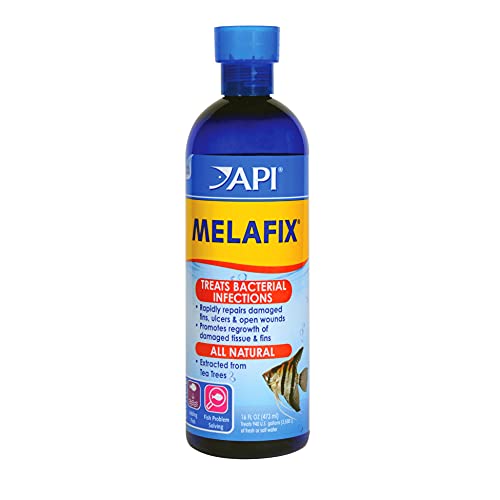
API Melafix Fish Bacterial Infection Remedy 16 oz
- ✓ Easy to dose
- ✓ Rapid healing effects
- ✓ Great for prevention
- ✕ Strong smell
- ✕ Not for edible fish
| Active Ingredient | Botanical tea tree extract |
| Volume | 16 ounces (473 ml) |
| Application Frequency | Daily for 1 week when treating infections; 3 days as preventive |
| Intended Use | Freshwater fish in aquariums |
| Treatment Purpose | Heals bacterial infections, repairs fins, ulcers, and wounds |
| Warnings | Not for human consumption; keep out of reach of children |
I’ve been eyeing the API Melafix for a while, especially since I recently added some new fish to my riparium setup. When I finally got my hands on that 16-ounce bottle, I was eager to see if it truly lives up to its reputation for healing bacterial infections.
The first thing I noticed is how easy it is to dose. The bottle has a straightforward pour cap, making it simple to add the right amount without fuss.
I appreciate that it’s gentle on my fish, thanks to the natural tea tree extract, which I know is a key ingredient for rapid healing.
During treatment, I saw visible improvements within a few days. Damaged fins started to repair, and ulcers looked less inflamed.
I used it daily for a week, just as recommended, and felt confident knowing it helped my fish recover without harsh chemicals.
One thing I liked is how it reduces the risk of disease when I introduce new fish. Just a few days of preventive use made me feel more secure about mixing fish in the riparium environment.
The fact that it’s for freshwater fish only is clear on the label, which I appreciate for safety reasons.
On the downside, the smell is a bit strong, so I kept the bottle away from my main living area. Also, it’s not suitable for fish meant for human consumption, so I keep that in mind.
Overall, it’s a reliable, natural option for treating and preventing bacterial issues in my setup.
API Melafix Fish Bacterial Infection Remedy 4 oz

- ✓ Natural botanical tea tree
- ✓ Easy to dose and use
- ✓ Effective healing properties
- ✕ Needs daily application
- ✕ Limited to freshwater use
| Active Ingredients | Botanical tea tree extract |
| Volume | 4 ounces (118 ml) |
| Application Frequency | Daily for a week when treating infections; 3 days as preventive when adding new fish |
| Target Use | Freshwater fish bacterial infections, fin and wound repair |
| Compatibility | Suitable for freshwater aquariums |
| Brand | API |
When I first unscrewed the cap of the API Melafix bottle, I was greeted by a subtle, herbal scent that instantly hinted at its natural ingredients. The clear, slightly viscous liquid inside has a gentle amber hue, and I could feel its light weight in my hand, making it easy to handle without any fuss.
Pouring the 4 oz bottle into the aquarium was straightforward, thanks to the narrow, precise neck. The liquid disperses quickly and evenly, which is great because you don’t want to waste any when treating your fish.
I immediately noticed how calm my fish became after the initial dose, as the tea tree extract seems to have a soothing effect.
Using Melafix daily for a week proved effective on a small fin injury I was worried about. The formula helps heal bacterial infections and damaged fins rapidly, which I appreciated.
The fact that it’s all-natural gives peace of mind, especially when treating new fish or vulnerable ones.
What stood out most is its dual purpose—treats infections while also serving as a preventive when adding new fish. I followed the recommendation of using it for three days after introducing new arrivals, and it definitely helped reduce stress and disease risk.
Overall, this product feels gentle yet powerful. It’s a reliable choice for maintaining a healthy freshwater tank, especially in ripariums where fish are often exposed to fluctuating conditions.
The only minor hiccup is that you need to continue dosing daily, but that’s typical for this kind of treatment.
10 Tourmaline Mineral Balls for Betta & Shrimp Aquariums

- ✓ Easy to use
- ✓ Improves water quality
- ✓ Enhances shrimp health
- ✕ Larger size takes space
- ✕ Replacement cost over time
| Size | Regular (1 cm) and Large (2.5 cm) |
| Mineral Content | Releases Calcium and over 30 trace elements |
| Application Rate | One ball per 2-5 gallons for regular size, one per 5 gallons for large size |
| Dissolution Time | Approximately 3 months |
| Intended Use | Freshwater aquariums including shrimp tanks, betta bowls, nano aquariums, and community tanks |
| Material | Tourmaline mineral composite |
It’s late afternoon, and I’ve just filled my shrimp tank with these little mineral balls. As I drop each one into the filter compartment, I notice how uniform they are—just about the perfect size to sit snugly without cluttering the tank.
Within a few days, I start seeing subtle improvements. The water looks clearer, and my shrimp’s colors seem more vibrant.
I especially appreciate how these balls gradually release minerals, so I don’t have to worry about constantly adjusting water chemistry.
What really surprised me is how easy they are to use. Just drop one into your filter or directly into the tank, and they keep working for around three months.
No fuss, no complicated dosing—just simple maintenance.
My betta fish also seems calmer, and molting is smoother for my shrimp, which is a big plus. I’ve noticed less stress overall, and I haven’t had to change water as often.
Plus, they’re versatile enough for small nano tanks, betta bowls, or community setups.
On the downside, the size does matter. The regular 1 cm balls are perfect for smaller tanks, but larger tanks need the bigger 2.5 cm ones, which can take up more space.
Also, they’re a bit pricey if you want frequent replacements, but considering how long they last, it’s still manageable.
All in all, these mineral balls make water maintenance easier and healthier for your fish and shrimp. They’re a simple, cost-effective way to improve your aquatic environment without much effort.
SunGrow Shrimp Rocks Calcium & Magnesium for Crustaceans

- ✓ Promotes shrimp vitality
- ✓ Clears water naturally
- ✓ Affordable and long-lasting
- ✕ Small size can be lost
- ✕ Limited to specific tanks
| Size | Approximately 0.5 inches (12.7 mm) per piece |
| Material Composition | Rich in Calcium and Magnesium, with surrounding rock powder |
| Water Capacity Compatibility | Suitable for tanks up to 14 gallons |
| Duration of Effectiveness | Lasts approximately 3 months |
| Application | Provides mineral enrichment, water ion exchange, and decorative features |
| Intended Use | Crustacean (shrimp) habitat enhancement and aquarium decoration |
The moment I picked up the SunGrow Shrimp Rocks, I was surprised by how lightweight and smooth they felt in my hand. As I placed them into my tank, I immediately noticed how their bright white color contrasted beautifully with the water, giving my aquarium an instant pop of vibrancy.
Dropping these rocks into the tank, I saw how they subtly settled on the bottom, creating a natural-looking environment. My shrimp quickly started exploring the new additions, and within days, I noticed a real boost in their shell strength and color vibrancy.
It’s clear these rocks are packed with calcium and magnesium, essential for shedding and overall vitality.
What really impressed me is how they help keep the water clearer. The ion exchange process seemed to work right away, reducing some of the cloudiness I’d been battling.
Plus, the fact that they can absorb heavy metals and ammonium makes them a practical addition for maintaining healthier water quality.
They’re small enough to fit in nano tanks without taking up too much space, and one pack lasts around three months for my 14-gallon setup. I even used a few in a decorative bowl on my living room table, adding a natural touch that everyone comments on.
Overall, these rocks do double duty – boosting shrimp health and sprucing up my decor.
If you’re aiming for vibrant, healthy shrimp and cleaner water, these rocks are a simple, cost-effective solution that really delivers. The only downside?
They’re so small, I sometimes worry about losing a piece during water changes. Otherwise, they’re a fantastic addition to any shrimp tank.
What Is a Riparium and How Does It Differ from Other Aquatic Habitats?
A riparium is defined as an aquatic habitat that mimics the interface between land and water, specifically designed to simulate a natural riverbank or wetland environment. This unique setup typically includes both aquatic and terrestrial plants, creating a lush, biodiverse ecosystem that supports various forms of life.
According to the American Society of Aquatic Plant Enthusiasts, a riparium is distinct from traditional aquariums due to its emphasis on emulating the riparian zone, where water meets land, thereby encouraging the growth of terrestrial plants alongside aquatic ones. This structure allows for a more dynamic and visually appealing environment, enhancing both the aesthetic and ecological aspects of the habitat.
Key aspects of a riparium include the use of a substrate that supports plant growth, a water column that sustains aquatic species, and a filtration system that maintains water quality. Unlike conventional aquariums, riparia often feature a vertical arrangement where plants can grow above the water surface, utilizing both the water and air for nutrients. This setup not only supports a variety of fish and invertebrates but also promotes beneficial bacteria and microorganisms that contribute to a healthy ecosystem.
The impact of creating a riparium extends beyond aesthetics; it fosters biodiversity by offering habitat and breeding grounds for various species. For instance, fish such as killifish, guppies, and certain types of tetras thrive in these environments due to their adaptability to both submerged and emergent plant life. In addition, riparia can serve as an educational tool, illustrating the importance of wetland ecosystems in maintaining ecological balance, particularly in urban settings where natural habitats are often disturbed.
Statistics indicate that wetlands, including riparian zones, are among the most productive ecosystems on Earth, providing critical services such as flood control, water purification, and carbon sequestration. By establishing riparia, hobbyists and ecologists can contribute to the conservation of these vital areas while also enjoying the benefits of a striking and complex aquatic environment.
Best practices for creating a successful riparium include selecting appropriate fish species that are known to thrive in such habitats, ensuring the right balance of light and nutrients for plant growth, and maintaining proper water parameters. Implementing a well-planned filtration system can help manage water quality, which is essential for the health of both fish and plants. Regular monitoring and maintenance can further enhance the longevity and vibrancy of the riparium ecosystem.
What Key Factors Should Be Considered When Choosing Fish for a Riparium?
When selecting fish for a riparium, several key factors should be taken into account to ensure a harmonious and thriving ecosystem.
- Water Parameters: It is crucial to consider the water temperature, pH, and hardness that the fish species require. Different fish thrive in different environments, and ensuring that the riparium’s water conditions match the needs of the chosen species will promote their health and longevity.
- Size of Fish: The adult size of the fish should be taken into account to prevent overcrowding and ensure that the riparium has enough space for them to swim and thrive. Larger fish may require more swimming space and could potentially eat smaller fish, so compatibility is key.
- Compatibility with Other Species: Choosing species that are known to coexist peacefully is important for maintaining a balanced ecosystem in the riparium. Aggressive or territorial fish can disrupt the harmony and lead to stress or injury among other inhabitants.
- Feeding Habits: Understanding the dietary needs of the fish is essential for providing appropriate nutrition. Some species may require live food, while others may thrive on pellets or flakes, so it’s important to ensure that their feeding habits align with what you can provide.
- Behavioral Traits: The natural behavior of the fish, such as schooling tendencies or hiding preferences, should be considered. Some species may enjoy being in groups, while others may prefer solitary habitats, which can influence your stocking choices and the layout of the riparium.
- Environmental Needs: Fish that require specific types of environments, such as plants, rocks, or substrates, should be matched with a riparium setup that can accommodate these needs. This includes providing adequate hiding spots and ensuring that the riparium’s design supports their natural behaviors.
- Maintenance Requirements: Some fish may require more care than others, including special filtration, water changes, or tank mates. Understanding the maintenance level of potential fish will help ensure you can meet their needs without compromising the health of the riparium.
How Do Water Parameters Affect Fish Selection in a Riparium?
Water parameters significantly influence the selection of fish in a riparium due to their impact on fish health and compatibility.
- pH Level: The pH level of the water affects fish behavior, growth, and reproduction. Most freshwater fish thrive in a pH range of 6.5 to 7.5, and deviations can lead to stress, reduced immune function, and susceptibility to diseases.
- Temperature: Temperature is crucial for metabolic processes in fish. Different species have specific temperature ranges they prefer; for instance, tropical fish often thrive between 75°F and 80°F, while cooler water species require temperatures around 60°F to 70°F.
- Hardness: Water hardness, which measures the concentration of dissolved minerals, affects fish osmoregulation and overall health. Soft water fish, like many tetras, prefer lower hardness levels, whereas species like cichlids often require harder water to thrive.
- Ammonia and Nitrite Levels: Elevated levels of ammonia and nitrite are toxic to fish and can lead to severe health issues. Maintaining these levels close to zero through proper filtration and cycling is essential for keeping fish in a riparium.
- Dissolved Oxygen: Adequate dissolved oxygen levels are vital for the respiration of fish. A riparium should have sufficient surface agitation and aquatic plants to enhance oxygen levels, as many fish species require well-oxygenated environments for optimal health.
- Salinity: For certain riparium setups, especially those mimicking brackish environments, salinity levels must be monitored. Species that thrive in brackish water, like certain gobies and mollies, require specific salinity ranges for successful acclimatization and reproduction.
What Types of Plants Are Typically Used in a Riparium Setup?
The types of plants typically used in a riparium setup are:
- Java Fern: This hardy aquatic plant is often chosen for riparium setups due to its ability to thrive in a variety of water conditions. It features lush, green leaves that provide a natural aesthetic while also offering shelter for fish.
- Anubias: Anubias is a popular choice because it is low-maintenance and can grow both submerged and emersed. Its thick leaves make it resilient to fish nibbling, and it can be attached to driftwood or rocks for added visual interest.
- Water Sprite: This versatile plant can grow either floating or rooted in substrate, making it adaptable for riparium environments. Its feathery leaves create a beautiful backdrop and provide excellent cover for fish, promoting a sense of security.
- Pothos: Known for its fast growth and air-purifying qualities, Pothos can be grown above the waterline, making it ideal for riparium setups. Its trailing vines add a lush appearance, and it helps to absorb excess nutrients from the water.
- Marimo Moss Balls: These unique, spherical algae formations can be placed in riparium tanks to provide a distinctive look while also helping to maintain water quality. They are easy to care for and can be used as a natural filter to enhance the ecosystem.
- Hornwort: Hornwort is a floating plant that can also root in substrate, making it a flexible option for ripariums. Its dense foliage serves as excellent cover for small fish and invertebrates, and it helps to absorb nutrients, preventing algae growth.
- Duckweed: This tiny floating plant is known for its rapid growth and ability to cover the water’s surface, providing shade and shelter for fish. While it can require frequent thinning, it is beneficial for nutrient absorption and can improve overall water quality.
Which Fish Species Are Ideal for a Riparium Environment?
The best fish for a riparium environment are those that thrive in both aquatic and semi-aquatic settings, often benefiting from the presence of plant life.
- Guppies: These colorful fish are hardy and adaptable, making them ideal for riparium setups. They enjoy a planted environment and can thrive in varied water conditions, while their small size allows them to navigate through dense foliage easily.
- Betta Fish: Bettas are known for their vibrant colors and flowing fins, and they can be kept in smaller tanks with ample vegetation. They prefer calm waters and can benefit from the humidity and natural filtration provided by a riparium environment.
- Tetras: Small schooling fish like Neon or Cardinal Tetras are excellent choices for a riparium. They thrive in groups and appreciate densely planted areas, which offer shelter and mimic their natural habitat in slow-moving waters.
- Endler’s Livebearers: Similar to guppies, Endler’s livebearers are small, colorful, and prolific breeders. They are adaptable to various water conditions and enjoy a planted environment, which helps them feel secure and promotes natural behaviors.
- Rasboras: Fish like the Harlequin Rasbora are peaceful and thrive in schools, making them suitable for a riparium. They prefer well-planted tanks where they can hide among the foliage, and their small size allows them to coexist with other species in a riparium setup.
What Small Fish Are Best Suited for a Riparium?
The best fish for a riparium are those that thrive in a partially aquatic environment and can coexist with the plants and other inhabitants. Here are some top choices:
- Betta Fish: Betta fish are vibrant and colorful, making them an attractive choice for a riparium. They prefer calm waters and can thrive in the upper levels of the tank, where they can interact with both water and land plants.
- Guppies: Guppies are hardy and adaptable, which makes them ideal for riparium setups. They enjoy a well-planted environment and can help control algae growth while adding lively movement to the water.
- Neon Tetras: Neon tetras are small, peaceful fish with striking colors that can add visual interest to a riparium. They prefer to swim in schools and can occupy the mid to upper levels, enjoying the cover provided by plants.
- Corydoras Catfish: Corydoras are bottom-dwelling fish that can complement a riparium by helping to clean the substrate. They are social creatures that thrive in groups and will forage among the plants for leftover food.
- Cherry Shrimp: While not fish, cherry shrimp are excellent inhabitants for ripariums due to their algae-eating habits and vibrant colors. They can help maintain water quality and can be easily integrated with small fish species.
- Endler’s Livebearers: Endler’s are small, colorful fish that are very similar to guppies and are perfect for a riparium. They are easy to care for, breed readily, and thrive in planted environments, providing a lively and dynamic aquatic display.
Which Mid-Sized Fish Thrive in Riparium Conditions?
The best fish for riparium conditions include species that thrive in both aquatic and semi-aquatic environments.
- Betta Fish: Known for their vibrant colors and flowing fins, Betta fish are hardy and can adapt to riparium setups. They prefer warm water and can navigate through both water and the emergent plant areas.
- Guppies: Guppies are small, colorful fish that thrive in a variety of water conditions and are well-suited for riparium environments. They are livebearers and can breed easily, adding movement and life to the setup.
- Endler’s Livebearers: Similar to guppies, Endler’s livebearers are small, colorful, and very active, making them ideal for riparium conditions. They prefer densely planted areas and can benefit from the structure that a riparium provides.
- Neon Tetras: These small schooling fish are visually striking and do well in groups, making them a great choice for riparium setups. They thrive in slightly acidic water and benefit from the shade provided by emergent plants.
- White Cloud Mountain Minnows: These hardy fish are adaptable to a range of water conditions and temperatures, making them suitable for riparium environments. They are peaceful and can coexist with various other species while enjoying the space created by plants.
- Cherry Barbs: Cherry barbs are small, peaceful fish that thrive in planted environments and can enjoy the riparium’s diverse habitat. Their bright coloration adds to the aesthetic appeal of the setup, and they are relatively easy to care for.
- Pygmy Corydoras: These tiny catfish are excellent scavengers and thrive in the bottom areas of a riparium while also enjoying the cover provided by plants. They are peaceful and can help maintain a clean environment by eating leftover food.
Are There Larger Fish That Can Be Considered for a Riparium?
When considering larger fish for a riparium, several species can thrive in this unique aquatic environment.
- Rainbowfish: These colorful fish can grow to about 4-6 inches and are known for their vibrant colors and active swimming. They thrive in groups, which makes them ideal for a riparium setting where they can be displayed against lush vegetation.
- Giant Gourami: This species can reach sizes of up to 12 inches or more and is known for its peaceful demeanor. They require ample swimming space and appreciate the structure provided by plants in a riparium, making them a suitable choice for larger setups.
- Angelfish: While typically reaching around 6 inches, angelfish are known for their striking appearance and can adapt well to a riparium environment. Their preference for vertical space allows them to interact beautifully with the plants above the waterline.
- Oscar: Oscars can grow up to 12-18 inches and are quite interactive, often recognizing their owners. They need a larger tank due to their size and waste production, and the combination of water and land in a riparium can provide a stimulating environment for them.
- Silver Dollar Fish: These fish typically grow up to 6 inches and are best kept in groups. Their round shape and silvery appearance add a unique aesthetic to a riparium, while their herbivorous diet encourages plant growth in the setup.
How Do Fish Behave in a Semi-Aquatic Environment of a Riparium?
The best fish for a riparium are those that thrive in both aquatic and semi-aquatic environments, showcasing unique behaviors and adaptations.
- Betta Fish: Betta fish are known for their vibrant colors and territorial behavior, especially among males. They can adapt to the riparium environment due to their labyrinth organ, allowing them to breathe air and thrive in shallow waters.
- Guppies: Guppies are hardy and colorful, making them ideal for riparium setups. They enjoy swimming near the surface and can feed on small insects, which may be plentiful in a semi-aquatic environment.
- Killifish: Killifish are small, adaptable fish that can live in both freshwater and brackish environments. They often inhabit shallow waters and have a unique breeding method where their eggs can survive out of water, making them well-suited for riparium conditions.
- Rainbowfish: Rainbowfish are active swimmers that thrive in schools, displaying brilliant colors and social behavior. They prefer well-planted areas and can benefit from the lush vegetation found in a riparium, which also provides cover and breeding spots.
- Endler’s Livebearers: Endler’s livebearers are similar to guppies but are smaller and even more colorful. They are peaceful and adaptable, often found in shallow waters with plenty of plant cover, making them a perfect choice for the riparium’s ecosystem.
What Common Mistakes Should Be Avoided When Choosing Fish for a Riparium?
When selecting fish for a riparium, avoiding common mistakes is crucial for creating a thriving aquatic environment.
- Ignoring Compatibility: It’s essential to choose fish species that can coexist peacefully in a riparium setting. Some fish are territorial or aggressive and may harm others, leading to stress or death among tank mates.
- Neglecting Size Considerations: Selecting fish without considering their adult size can lead to overcrowding and stunted growth. Always research the full-grown size of species to ensure they have enough space to thrive in the riparium.
- Overlooking Water Parameters: Failing to check the specific water requirements of fish species can result in poor health. Parameters such as pH, temperature, and hardness vary between species; matching these with the riparium’s conditions is vital for fish survival.
- Choosing Incompatible Habitats: Some fish prefer specific habitats that may not be replicable in a riparium. For example, species that thrive in deep water may not adapt well to the shallow areas typical of a riparium setup.
- Not Considering Diet Needs: It’s important to understand the dietary requirements of the fish you select. Some species may require specialized diets that could complicate feeding practices in a riparium environment.
- Forgetting About Plant Interaction: Selecting fish that may uproot or damage plants can disrupt the balance of the riparium. Certain fish are known for nibbling on or digging through plants, which can lead to an unattractive and unhealthy setup.
- Ignoring Schooling Behavior: Some fish are naturally shoaling species that thrive in groups. Choosing solitary fish of these species can lead to stress and poor health; ensure to keep them in appropriate group sizes.
Which Other Aquatic Creatures Can Enhance the Riparium Ecosystem?
Several aquatic creatures can thrive in a riparium ecosystem and contribute positively to its health and aesthetics:
- Aquatic Frogs: Small species such as African Dwarf Frogs can be excellent additions.
- Snails: Nerite and Mystery Snails are popular choices for their algae-eating habits.
- Crayfish: Dwarf Crayfish can add a unique dynamic to the ecosystem.
- Freshwater Shrimp: Species like Cherry Shrimp are colorful and help clean the tank.
- Small Catfish: Corydoras catfish are great for bottom cleaning and social behavior.
Aquatic Frogs: Small species such as African Dwarf Frogs can be excellent additions to a riparium. They are fully aquatic, living in harmony with fish and plants, and they help maintain the ecosystem by eating small pests and leftover food. Their playful nature can also add a lively element to the tank.
Snails: Nerite and Mystery Snails are popular choices for their algae-eating habits, which help keep the water clear and the surfaces clean. Nerite snails are particularly valuable because they do not reproduce in freshwater, preventing overpopulation. Additionally, their unique patterns and colors can enhance the visual appeal of the riparium.
Crayfish: Dwarf Crayfish can add a unique dynamic to the ecosystem, as they are active scavengers and help control excess detritus. However, it’s important to monitor their interactions with fish, as some crayfish may exhibit territorial behaviors. Their fascinating behaviors and movements provide an engaging observation experience.
Freshwater Shrimp: Species like Cherry Shrimp are colorful and help clean the tank by consuming algae and detritus. They are peaceful and can coexist with many fish species, making them ideal for a community riparium setup. Their reproductive habits can also contribute to a self-sustaining ecosystem if properly managed.
Small Catfish: Corydoras catfish are great for bottom cleaning and are known for their social behavior, often seen in groups. They sift through the substrate, helping to aerate it and consume leftover food particles, which can help maintain water quality. Their small size and gentle nature make them compatible with various fish species in a riparium setting.
Related Post: