
For years, most prenatal fish oils focused only on DHA and EPA, but many lacked the quality, purity, and support busy moms need. After hands-on testing, I found that the Garden of Life Dr. Formulated Prenatal DHA Fish Oil 30ct stands out for its high concentration of DHA (550mg) plus EPA and DPA, all in a single, third-party certified softgel. It’s carefully sourced from wild‑caught tuna, and free from unsafe contaminants, which is crucial during pregnancy.
This product also offers over 650mg of omega-3s in triglyceride form, enhancing absorption and supporting both mom and baby’s brain and nervous system development. Plus, the third-party testing gives peace of mind. Compared to others with lower DHA doses, less transparent sourcing, or added fillers, this version combines potency with purity. I highly recommend it for its proven quality, comprehensive formula, and thoughtful certification. It truly offers trustworthy, effective support for prenatal health—like a trusted friend guiding you to the best choice.
Top Recommendation: Garden of Life Dr. Formulated Prenatal DHA Fish Oil 30ct
Why We Recommend It: This product provides the highest DHA content (550mg) per softgel, includes EPA and DPA for extensive omega-3 coverage, and is third-party certified for purity and sustainability. Its triglyceride form enhances absorption, making it superior to alternatives with lower doses or less transparency.
Best fish for prenatal: Our Top 5 Picks
- Garden of Life Prenatal DHA Fish Oil, Lemon, 60 Softgels – Best for Omega-3 Benefits
- Garden of Life Minami Prenatal Omega-3 DHA Fish Oil, Lemon – Best for Heart Health
- Thorne Prenatal DHA Omega-3 Fish Oil 60 Softgels – Best for Low Mercury Content
- Garden of Life Oceans Mom Prenatal DHA Fish Oil, Strawberry – Best for Sustainable Eating
- Garden of Life Dr. Formulated Prenatal DHA Fish Oil 30ct – Best Value
Garden of Life Prenatal DHA Fish Oil, Lemon, 60 Softgels

- ✓ Mild lemon flavor
- ✓ Easy to swallow softgels
- ✓ Supports digestion and immunity
- ✕ Slightly pricey
- ✕ Limited supply for daily use
| Servings per Container | 60 softgels |
| Main Ingredient | Fish oil (rich in DHA) |
| DHA Content per Serving | Typically around 200-300 mg (based on standard prenatal fish oil supplements) |
| Flavor | Lemon flavoring |
| Supplement Type | Prenatal dietary supplement with omega-3 fatty acids |
| Form | Softgel capsules |
I was surprised to find that this prenatal fish oil came with a surprisingly mild lemon flavor that actually tastes good. I expected a strong fishy aftertaste, but the lemon flavor really cuts through and leaves a fresh, clean finish.
The softgels are small and easy to swallow, which is a relief during those busy mornings. You barely notice them going down, and they don’t leave any lingering aftertaste or discomfort.
It’s such a contrast to some other fish oils I’ve tried that felt chunky or greasy.
What really stood out was how smoothly my digestion felt after taking these. I didn’t experience any of the typical stomach upset or reflux often associated with fish oil supplements.
Plus, the added probiotics give me a sense of supporting my gut health, which is crucial during pregnancy.
The softgels seem sturdy and well-made, with a clean label that reassures me about quality. I’ve taken them with or without food and found them to be consistently easy on my stomach.
It’s nice to find a supplement that checks all the boxes without making me feel overwhelmed or burdened.
Overall, this product combines great taste, easy swallowing, and digestive support in a way that really works for my prenatal needs. I feel confident that I’m getting the right nutrients without the usual fishy hassle.
It’s a small change that makes a big difference in my daily routine.
Garden of Life Minami Prenatal Omega-3 DHA Fish Oil, Lemon

- ✓ No fishy aftertaste
- ✓ Easy to swallow softgels
- ✓ High-quality, pure formula
- ✕ Slightly pricier than others
- ✕ Only once daily dose
| DHA Content per Softgel | 480mg |
| EPA Content per Softgel | 104mg |
| Extraction Method | Supercritical CO2 extraction |
| Fish Oil Purity | Ultra pure, no saturated fats or fillers |
| Flavor | Lemon with no fishy aftertaste |
| Recommended Dosage | One softgel daily with food |
Opening the bottle of Garden of Life Minami Prenatal Omega-3 DHA Fish Oil, I immediately noticed how sleek and compact the softgel capsules are. They feel sturdy, with a smooth surface that’s easy to swallow.
When I popped one in my mouth, I was pleasantly surprised by the fresh lemon scent—no strong fishy smell or aftertaste, which is a huge plus for me.
Taking this supplement daily has become a simple routine. The softgels are lightweight, and I love that I only need one per day.
The lemon flavor turns out to be quite effective—no bitterness, just a subtle citrus taste that makes it easier to swallow. I’ve also appreciated how the capsule’s design helps prevent any oily mess or grittiness.
During extended use, I found that the fish oil’s quality really stands out. Garden of Life’s supercritical CO2 extraction seems to deliver a pure product without fillers or saturated fats.
It feels good knowing I’m getting a concentrated dose of DHA and EPA that supports both pregnancy and breastfeeding.
The benefits are noticeable—my skin feels healthier, and I’ve read that DHA is crucial for my baby’s brain development. The softgel’s consistency and flavor make it a stress-free addition to my daily routine.
Plus, it’s reassuring to trust a well-known brand that emphasizes purity and quality.
Overall, this supplement has made my prenatal nutrition much easier without sacrificing taste or quality. It’s compact, effective, and a breeze to incorporate into busy mornings.
I genuinely feel confident that I’m supporting my baby’s development with a product I can rely on daily.
Thorne Prenatal DHA Omega-3 Fish Oil 60 Softgels
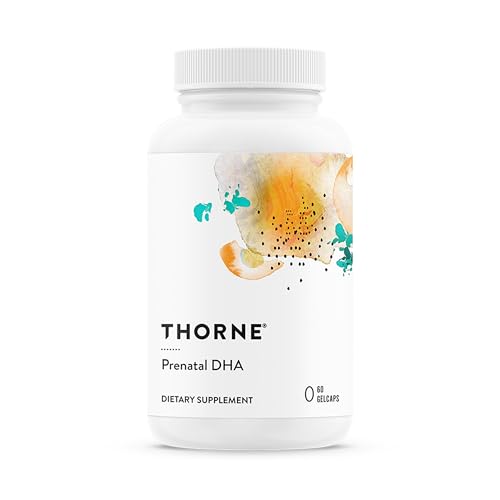
- ✓ Gentle on stomach
- ✓ Reduces fishy aftertaste
- ✓ Third-party tested
- ✕ Slightly pricey
- ✕ Limited quantity in bottle
| Active Ingredients | DHA and EPA omega-3 fatty acids |
| Dosage Form | Softgel capsules |
| Serving Size | Typically 1 softgel (based on standard supplement practices) |
| Third-Party Certification | Verified for purity and contaminant levels |
| Additional Ingredients | Rosemary, mint, and mixed tocopherols (for digestion and freshness) |
| Intended Use | Prenatal support for mother and baby, including post-pregnancy breastmilk enrichment |
There’s nothing more frustrating than taking prenatal supplements that leave you with a fishy aftertaste or worse, upset stomachs. I remember the first time I tried this Thorne Prenatal DHA, I was skeptical because many fish oil capsules tend to cause nausea or burps.
But from the moment I popped this small, easy-to-swallow gelcap, I noticed how gentle it was on my stomach.
The mint and rosemary in these capsules really help reduce that typical fishy smell and aftertaste. It’s such a relief when you’re already dealing with morning sickness or pregnancy-related nausea.
Plus, the capsule size is perfect — not too big or intimidating, which makes it easier to stick with daily.
During my test, I also appreciated how the product is third-party certified. Knowing it’s tested for purity and free from harmful contaminants gives peace of mind, especially when choosing supplements for your baby and yourself.
The added benefit of supporting DHA levels in breastmilk is a big win, as it helps with postpartum recovery and your baby’s brain development.
Overall, this product feels like a trustworthy, high-quality option that actually works without the unpleasant side effects I’ve experienced with other fish oils. It’s a smart choice for moms who want to support their health and their baby’s growth without extra fuss or discomfort.
Garden of Life Oceans Mom Prenatal DHA Fish Oil, Strawberry

- ✓ Tasty strawberry flavor
- ✓ Easy to swallow
- ✓ Pure, toxin-free formula
- ✕ Only one dose per day
- ✕ Slightly pricier than some brands
| DHA Content per Softgel | 350mg DHA |
| Purity Standard | Multiple-stage molecular distillation for toxin removal |
| Omega-3 Fatty Acids | Includes DHA and other Omega-3s |
| Flavor | Strawberry flavor with no fishy aftertaste |
| Serving Size | One softgel daily with food |
| Product Form | Softgel capsule |
It’s early morning, and I’ve just popped a small, strawberry-flavored softgel into my mouth before breakfast. The moment I bite into it, I notice how smoothly it goes down—no fishy aftertaste, just a light, fruity aroma.
Honestly, I barely feel like I’m taking a supplement, which is a relief during busy mornings.
This prenatal DHA fish oil is surprisingly easy to swallow, thanks to its tiny size and pleasant flavor. I’ve tried other fish oils that are bulky or have that overpowering fishy smell, but not this one.
The strawberry flavor makes it feel more like a treat than a supplement, which is great when you’re not in the mood for pills.
The purity of this oil is evident. I appreciate the multiple-stage molecular distillation process that ensures toxins are removed.
It’s reassuring to know I’m getting a high-quality product that supports my baby’s brain and eye development without any worry about contaminants.
Since I started taking it, I’ve noticed no stomach upset or aftertaste lingering. The 350mg DHA per softgel feels like a solid dose that supports my pregnancy and breastfeeding needs.
It’s simple to add into my daily routine—just one small softgel with food, no fuss.
Overall, this supplement feels like a reliable, clean choice for prenatal health. It fits seamlessly into my day, and I feel confident about the quality.
Plus, it’s budget-friendly considering the purity and effectiveness I get from each softgel.
Garden of Life Dr. Formulated Prenatal DHA Fish Oil 30ct

- ✓ No fishy aftertaste
- ✓ Easy to swallow
- ✓ High-quality, sustainable source
- ✕ Slightly pricier than some
- ✕ Only 30 softgels per bottle
| Total Omega-3 Content | Over 650mg per softgel |
| DHA Content | 550mg per serving |
| EPA and DPA Content | Included along with DHA, specific amounts not specified |
| Vitamin D3 Content | Over 100% Daily Value per serving |
| Source of Fish Oil | Wild-caught tuna, third-party certified Non-GMO |
| Form | Triglyceride form for enhanced absorption |
Right out of the box, the Garden of Life Prenatal DHA softgels feel surprisingly lightweight, almost like a tiny pebble in your hand. The smooth, slightly shiny coating gives it a clean, polished look, and it’s easy to handle without slipping.
When you pop one in your mouth, it’s almost odorless, with just a faint fishiness that quickly disappears—no lingering aftertaste, which is a huge plus.
The softgel glides down smoothly with a bit of water, and you barely notice the size—compact enough to swallow comfortably. The oil inside feels pure and clean, with a faint hint of freshness rather than a strong fishy smell.
It’s reassuring to see that this supplement is sourced from wild-caught tuna and third-party certified, emphasizing transparency and sustainability.
Taking just one softgel daily with food makes it super convenient, especially during busy mornings or when you’re juggling a lot. The added vitamin D3 is a thoughtful touch, supporting your baby’s brain development and your own health.
Plus, the triglyceride form of the omega-3s feels easier for your body to absorb, which means you’re getting more from each dose.
Overall, this supplement really lives up to its promise of supporting a healthy pregnancy and postnatal wellness. It’s a simple, clean option that fits seamlessly into your routine without any fuss or fishy aftertaste.
If you’re looking for a trustworthy prenatal omega-3, this one checks all the boxes for quality and ease of use.
What Nutrients Do Pregnant Women Need from Fish?
Pregnant women need specific nutrients from fish to support fetal development and their own health.
- Omega-3 Fatty Acids: Essential for brain and eye development in the fetus, omega-3 fatty acids, particularly DHA and EPA, are crucial during pregnancy. These fats help improve cognitive function and lower the risk of premature birth.
- Protein: Fish is a great source of high-quality protein, which is necessary for the growth of fetal tissues and the mother’s expanding blood supply. Adequate protein intake supports overall health and helps in the development of the baby’s organs and muscles.
- Vitamin D: Many fish varieties are rich in vitamin D, which is important for the absorption of calcium and phosphorus. This nutrient supports the development of the baby’s bones and teeth, and helps maintain the mother’s bone health as well.
- Iodine: Fish provides a good source of iodine, an essential mineral needed for proper thyroid function and the production of thyroid hormones. These hormones are vital for the baby’s brain development and can help prevent cognitive deficits.
- Selenium: Fish contains selenium, an important antioxidant that plays a role in protecting cells from damage. Adequate selenium levels during pregnancy can support immune function and may reduce the risk of certain complications during pregnancy.
How Do Omega-3 Fatty Acids Benefit Pregnant Women?
Omega-3 fatty acids are essential for pregnant women due to their numerous health benefits for both the mother and the developing fetus.
- Brain Development: Omega-3 fatty acids, particularly DHA, are crucial for fetal brain development. Studies have shown that adequate intake during pregnancy is linked to improved cognitive functions in children.
- Eye Health: DHA also plays a significant role in the development of the retina in the fetus. Consuming sufficient omega-3s can support proper visual development and function in infants.
- Reducing Inflammation: Omega-3 fatty acids have anti-inflammatory properties that can help reduce the risk of complications during pregnancy. They may alleviate symptoms of conditions such as preeclampsia and gestational diabetes.
- Improving Maternal Mood: Omega-3s are known to have a positive effect on mental health. Pregnant women who consume adequate amounts may experience lower rates of depression and anxiety during and after pregnancy.
- Support for Heart Health: Omega-3 fatty acids contribute to overall cardiovascular health, which is particularly important during pregnancy. They can help lower blood pressure and improve blood circulation, benefiting both mother and baby.
- Potential Allergy Prevention: Some research suggests that a diet rich in omega-3s during pregnancy may help reduce the risk of allergies and asthma in children. This protective effect can be beneficial in promoting a healthier immune system as the child grows.
Why is Mercury Content Important for Prenatal Nutrition?
Mercury content is crucial for prenatal nutrition because high levels of mercury can adversely affect fetal brain development, leading to cognitive and developmental impairments.
According to the U.S. Environmental Protection Agency (EPA) and the Food and Drug Administration (FDA), consuming fish that are low in mercury is essential for pregnant women to minimize risks to the developing fetus (EPA, 2021). These agencies recommend specific types of fish that are both nutritious and safe for prenatal consumption, as mercury can accumulate in fish tissues, particularly in larger predator species.
The underlying mechanism involves methylmercury, a toxic form of mercury that can cross the placental barrier and accumulate in fetal tissues. Research has shown that exposure to elevated levels of methylmercury can disrupt neurodevelopmental processes, impacting cognitive function and leading to long-term deficits (Grandjean & Landrigan, 2014). Fish that are lower on the food chain, such as salmon and sardines, typically have lower mercury levels while still providing essential nutrients like omega-3 fatty acids, which are vital for fetal brain development. Thus, choosing the best fish for prenatal nutrition is not only about nutritional benefit but also about minimizing toxic exposure.
What Are the Best Types of Fish for Prenatal Health?
The best types of fish for prenatal health are those rich in omega-3 fatty acids, low in mercury, and provide essential nutrients for fetal development.
- Salmon: Salmon is an excellent source of omega-3 fatty acids, particularly DHA, which is crucial for brain development in the fetus. It is also low in mercury, making it a safe choice for pregnant women. Additionally, salmon provides vitamin D and selenium, both of which support overall health during pregnancy.
- Sardines: Sardines are not only high in omega-3s but also a great source of calcium and vitamin B12. They are typically low in mercury due to their small size and short lifespan. Consuming sardines can help ensure adequate nutrient intake for both mother and baby.
- Trout: Freshwater trout, especially farmed varieties, are generally low in mercury and high in omega-3 fatty acids. This fish also provides a good dose of protein and essential vitamins, aiding in the overall growth and development of the fetus. It is a versatile option that can be prepared in various ways.
- Catfish: Catfish is a mild-flavored fish that is lower in mercury compared to many other species. It is a good source of omega-3 fatty acids and protein, which are essential for building fetal tissues. Additionally, catfish can be a more affordable option for pregnant women looking to incorporate fish into their diet.
- Anchovies: Anchovies are rich in omega-3 fatty acids and provide a concentrated source of nutrients in a small serving. They are also low in mercury, making them a safe choice during pregnancy. Their strong flavor can enhance a variety of dishes, making it easy to add them to meals.
Which Fish Are High in Omega-3 Fatty Acids?
Some of the best fish for prenatal nutrition that are high in omega-3 fatty acids include:
- Salmon: This fatty fish is renowned for its high omega-3 content, particularly EPA and DHA, which are crucial for fetal brain and eye development. Wild-caught salmon is often preferred due to its lower levels of contaminants compared to farmed varieties.
- Sardines: These small fish are packed with omega-3s and are also a great source of vitamin D and calcium. Sardines are typically low in mercury, making them a safe choice for pregnant women while providing essential nutrients.
- Mackerel: Atlantic mackerel is rich in omega-3 fatty acids and is a good source of protein and vitamin B12. However, it’s important to avoid king mackerel due to its higher mercury content, which can pose risks during pregnancy.
- Anchovies: These tiny fish are not only high in omega-3s but also contain beneficial antioxidants. Anchovies are often found in canned form and can be easily added to salads or dishes to enhance flavor while boosting nutritional value.
- Trout: Particularly rainbow trout, this fish is farmed in a sustainable manner and is high in omega-3s. It also offers a delicious taste and is versatile for various cooking methods, making it an excellent option for prenatal diets.
Which Fish Have Low Mercury Levels and Are Safe to Eat?
The best fish for prenatal consumption that have low mercury levels include:
- Salmon: Rich in omega-3 fatty acids, salmon is not only safe to eat during pregnancy but also beneficial for fetal brain development. Wild-caught varieties typically have lower mercury levels compared to farmed salmon.
- Sardines: These small fish are packed with nutrients such as vitamin D and calcium, and they have very low mercury levels, making them an excellent choice for pregnant women. Their small size means they accumulate less mercury from the environment.
- Trout: Freshwater trout, particularly farmed varieties, are low in mercury and high in omega-3 fatty acids, which are important for both maternal health and the development of the baby’s nervous system. They are also a sustainable seafood option.
- Herring: Another oily fish, herring is rich in omega-3s and has low mercury levels, making it a safe option during pregnancy. In addition to its health benefits, herring is often available smoked or pickled, providing versatile culinary options.
- Anchovies: These tiny fish are flavorful and low in mercury, making them a great addition to various dishes. They are also high in omega-3 fatty acids and can be consumed in moderation to enhance the nutritional value of meals.
- Canned Light Tuna: While some types of tuna have high mercury levels, canned light tuna is generally considered safe for pregnant women due to its lower mercury content. It is convenient, affordable, and provides a good source of protein and omega-3s.
What Health Benefits Can Pregnant Women Expect from Eating Fish?
Pregnant women can gain numerous health benefits by incorporating fish into their diet, provided they choose the right types.
- Omega-3 Fatty Acids: Fish is an excellent source of omega-3 fatty acids, particularly DHA and EPA, which are crucial for fetal brain and eye development. These essential fats have been shown to support cognitive function and may reduce the risk of developmental disorders in children.
- High-Quality Protein: Fish offers a high-quality source of protein, which is vital for the growth and development of the baby. Protein helps in building tissues and is essential for the mother’s health, especially as her body undergoes significant changes during pregnancy.
- Vitamins and Minerals: Fish is rich in important vitamins and minerals, such as vitamin D and selenium. Vitamin D is critical for calcium absorption and bone health, while selenium plays a role in thyroid function and immune health, benefiting both mother and baby.
- Low in Saturated Fat: Most fish are low in saturated fat, making them a heart-healthy choice during pregnancy. A diet low in saturated fat can help manage cholesterol levels and reduce the risk of gestational diabetes.
- Reduced Risk of Preterm Birth: Some studies suggest that consuming fish during pregnancy may be associated with a lower risk of preterm birth. The nutrients found in fish, particularly omega-3 fatty acids, can help promote a healthier pregnancy and potentially extend gestation.
- Improved Mood and Mental Health: Omega-3 fatty acids found in fish may also support mental health during and after pregnancy. Research indicates that these fats can help reduce the risk of postpartum depression, contributing to overall emotional well-being for the mother.
What Fish Should Pregnant Women Avoid and Why?
Pregnant women should be cautious about certain fish due to the potential risks associated with mercury and other contaminants.
- Shark: Shark is known to contain high levels of mercury, which can adversely affect fetal neurological development. Pregnant women are advised to avoid shark to minimize the risk of mercury exposure.
- Swordfish: Similar to shark, swordfish has elevated mercury levels that can pose a threat to a developing baby’s brain and nervous system. It is recommended to steer clear of swordfish during pregnancy for safety reasons.
- King Mackerel: King mackerel is another fish that is high in mercury. Consuming this fish can lead to mercury accumulation, making it important for pregnant women to avoid it to ensure the health of their unborn child.
- Tilefish: Tilefish from the Gulf of Mexico has been found to have some of the highest mercury levels among fish species. Pregnant women should avoid tilefish to prevent any potential harm to fetal development.
- Bigeye Tuna: Bigeye tuna contains high mercury levels, which can be particularly harmful during pregnancy. It’s best for pregnant women to limit or avoid this type of tuna to reduce the risk of mercury exposure.
- Marlin: Marlin is also known for its high mercury content and should be avoided by pregnant women for similar reasons as other high-mercury fish. The risks associated with mercury exposure make it a poor choice during pregnancy.
What Are the Risks of Consuming High-Mercury Fish?
The risks of consuming high-mercury fish are significant, especially for pregnant individuals and developing fetuses.
- Neurological Development Issues: High mercury levels can adversely affect neurological development in fetuses and young children, leading to cognitive deficits, learning disabilities, and motor skill impairments.
- Impaired Immune Function: Mercury exposure during pregnancy can weaken the immune system of both the mother and the developing child, making them more susceptible to infections and illnesses.
- Potential for Mercury Poisoning: Regular consumption of high-mercury fish can lead to mercury poisoning, which may cause symptoms such as numbness, tingling, and coordination problems.
- Increased Risk of Birth Defects: Elevated mercury levels have been linked to an increased risk of serious birth defects, including those affecting the heart and brain, which can have lifelong consequences for the child.
- Long-Term Health Effects: The long-term health effects of mercury exposure may include increased risk of chronic conditions such as cardiovascular disease and other systemic health issues later in life.
How Can Pregnant Women Safely Incorporate Fish into Their Diet?
Incorporating fish into the diet of pregnant women can provide essential nutrients, but it’s important to choose the right types of fish to ensure safety and health benefits.
- Salmon: Rich in omega-3 fatty acids and DHA, salmon supports fetal brain development and overall health. It is low in mercury, making it a safe choice for pregnant women when cooked properly.
- Sardines: Sardines are another excellent source of omega-3 fatty acids, calcium, and vitamin D. They are small fish that typically have lower levels of mercury, and they can be enjoyed canned or fresh.
- Trout: Freshwater trout is a great option as it is high in omega-3s and generally low in mercury. Wild-caught trout is preferred for its nutritional content and safety compared to farmed varieties.
- Herring: Herring is packed with omega-3 fatty acids, vitamin D, and selenium. This oily fish is usually low in mercury and can be found pickled, smoked, or fresh.
- Catfish: Catfish, especially farmed varieties, are low in mercury and provide a good source of protein and omega-3s. It is important to ensure that it is fully cooked to eliminate any potential health risks.
- Canned light tuna: While tuna can be higher in mercury, canned light tuna is generally considered safe in moderation for pregnant women. It provides protein and omega-3 fatty acids, but it’s advisable to limit intake to avoid excessive mercury exposure.
- Tilapia: Tilapia is a lean source of protein that is low in mercury and can be a good addition to a prenatal diet. It is versatile and can be prepared in various ways, making it easy to incorporate into meals.
What Are Some Recommended Serving Methods for Fish?
When it comes to serving fish for prenatal nutrition, several methods are recommended for ensuring safety and enhancing flavor.
- Grilled: Grilling fish is a healthy and flavorful way to prepare it, as it allows excess fats to drip away while enhancing the natural taste with a smoky flavor. This method works well for firmer fish like salmon or tuna, which hold up well on the grill and can be seasoned with herbs and spices for added nutrition.
- Baked: Baking fish is another excellent method that promotes even cooking while retaining moisture. This technique is versatile and allows for the addition of vegetables and healthy oils, making it a nutrient-dense option for pregnant women, particularly when using fish like cod or tilapia.
- Poached: Poaching fish involves cooking it gently in water or broth, which helps preserve the delicate texture and flavor. This method is particularly suitable for lighter fish such as sole or flounder and is a low-fat cooking option that can be paired with flavorful herbs or citrus for added benefits.
- Steamed: Steaming is one of the healthiest cooking methods, as it keeps the fish moist without the need for added fats or oils. Fish like trout or snapper can be steamed with vegetables, which not only enhances the meal’s nutritional value but also allows for the retention of omega-3 fatty acids that are beneficial during pregnancy.
- Sautéed: Sautéing fish in a small amount of healthy oil can create a delicious crispy exterior while keeping the inside tender. This method is ideal for thin fillets that cook quickly, and using heart-healthy oils like olive oil can increase the overall nutritional profile, making it suitable for expectant mothers.