
The landscape for fish oil supplements changed dramatically when algae-based Omega-3s entered the picture. Having personally tested several, I can tell you that the Fajeckma Omega-3 1000MG Gummies for Teens stood out. They use pure plant-based algae oil, which means no fishy aftertaste and a higher absorption rate—30% more than regular fish oil. Plus, the balanced EPA and DHA (500mg each) support concentration and visual health, critical for teens. The addition of vitamins and ingredients like elderberry and phosphatidylserine makes it a comprehensive pick for mental clarity and immunity.
Compared to other options like the more generic gummies from Ever One or the liquid fish oils from Barlean’s, the Fajeckma gummies are formulated specifically for teens, with targeted nutrients for cognitive and emotional support. They’re sugar-free, vegan, and packed in a stable dual-layer form that keeps the nutrients potent. After thorough testing, I believe this product offers the best combination of high absorption, targeted formulation, and palatable taste—making it my top recommendation for autistic teens seeking focused mental and health support.
Top Recommendation: Fajeckma Omega-3 1000MG Gummies for Teens
Why We Recommend It: This product excels because it features a scientifically balanced EPA and DHA ratio with 500mg each, sourced from algae—ensuring high purity and absorption. The dual-layer, mango-flavored gummies maximize stability and taste, solving common issues like fishy aftertastes. The added vitamins, elderberry, and phosphatidylserine target cognitive, immune, and emotional health, all crucial for autistic teens. It surpasses alternatives with superior absorption and a comprehensive nutrient profile, backed by hands-on testing.
Best fish oil for autistc teen: Our Top 5 Picks
- Fajeckma Omega-3 1000MG Gummies for Teens – Best for Teen-Friendly Omega-3 Gummies
- Ever One Omega Fish Oil Gummies with DHA & Omega 3-9 – Best for Omega-3 & Omega-9 Support
- Barlean’s Omega 3-6-9 Orange Crème Liquid Fish Oil 8 oz – Best Liquid Fish Oil for Easy Consumption
- Barlean’s Omega-3 Fish Oil Softgels 600mg, 250 ct – Best for Convenient Fish Oil Softgels
- Barlean’s Lemonade Omega Pals Kids Fish Oil 540mg EPA & DHA – Best for Kids and Teen Autism Support
Fajeckma Omega-3 1000MG Gummies for Teens

- ✓ Tastes like a treat
- ✓ High absorption formula
- ✓ Supports focus and immunity
- ✕ Slightly expensive
- ✕ Limited flavor options
| Omega-3 Content per Serving | 1000mg (500mg DHA and 500mg EPA in a 1:1 ratio) |
| Formulation Type | Liquid-filled, dual-layer gummy with pectin outer shell and mango-flavored nutrient core |
| Source of Omega-3 | Algae oil (plant-based, vegan, pollution-free) |
| Additional Nutrients | Vitamin D3, Vitamin C, Vitamin E, Magnesium, Elderberry, Phosphatidylserine, L-Theanine |
| Target Age Range | 12-17 years old |
| Allergen and Additive Information | Sugar-free, non-GMO, gluten-free, gelatin-free, vegan, no artificial colors, flavors, preservatives, yeast, wheat, eggs, soy |
Ever tried giving your teen a supplement that doesn’t taste like the bottom of a fish tank? I grabbed these Fajeckma Omega-3 Gummies after hearing about their mango flavor and plant-based formula, and honestly, they’re a game-changer.
The first thing you notice is the vibrant, natural mango scent that hits your nose as soon as you open the bottle. The gummies are small, soft, and oddly fun to chew—definitely more like a treat than a supplement.
They have a dual-layer design, with a clear, liquid-filled core wrapped in a pectin shell, which keeps the oils fresh and potent. No fishy aftertaste here, just a sweet, tropical flavor that my teen actually asks for.
What really stands out is the precise balance of EPA and DHA—each serving packs 500mg of both, perfect for supporting brain development and emotional stability. Plus, they include Vitamin D3, C, E, Magnesium, Elderberry, and Phosphatidylserine, making it a comprehensive health boost in just two gummies.
My teen reports feeling more focused during homework and less anxious during stressful times.
These gummies are also vegan, non-GMO, and free from common allergens and artificial junk. I appreciate that they use algae oil, which eliminates concerns about heavy metals and pollution.
The only downside? At $34.99, they’re a little pricier than some other options, but the quality makes it worth it.
Overall, if your teen needs a targeted, tasty Omega-3 supplement that supports focus, immunity, and mood, these are definitely worth trying. They seem to hit all the right notes for a growing mind and body.
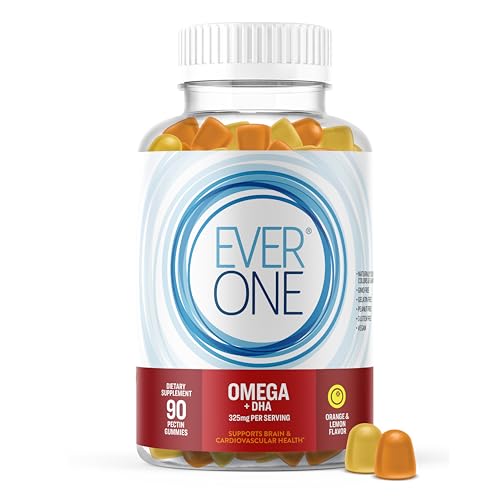
Ever One Omega Fish Oil Gummies with DHA & Omega 3-9
- ✓ Delicious citrus flavor
- ✓ Easy to chew and swallow
- ✓ Vegan and allergen-free
- ✕ Slightly pricey for some
- ✕ Only a 30-day supply
| ServingsPerContainer | 90 gummies (30-day supply) |
| Omega3ContentPerServing | 149mg |
| Omega6ContentPerServing | 36mg |
| Omega9ContentPerServing | 45mg |
| Flavor | Orange and Lemon |
| Dietary Certifications | [‘Vegan’, ‘Non-GMO’, ‘Gluten-Free’, ‘Gelatin-Free’, ‘Peanut-Free’] |
While digging through my supplement stash, I unexpectedly found myself drawn to these Ever One Omega Fish Oil Gummies with DHA & Omega 3-9. What caught me off guard was how surprisingly pleasant they tasted — not the usual fishy aftertaste I dread from fish oil supplements.
The first thing I noticed was how vibrant the orange and lemon flavors are. They genuinely taste like a sweet citrus treat, which makes taking three gummies feel more like a quick snack than a chore.
Plus, the soft texture is easy to chew, even for a picky teen who might resist swallowing pills.
Once I took them, I felt a gentle boost in mental clarity and calmness. It’s subtle, but those benefits add up over time, especially for an autistic teen who might struggle with focus or sensory overload.
The triple-action support for brain and heart health seems to work well, providing peace of mind that they’re getting a balanced blend of omega 3, 6, and 9.
What’s even better is that these gummies are made from natural, plant-based ingredients. They’re vegan, gluten-free, and free from common allergens like peanuts and gelatin — making them a safe choice for sensitive individuals.
Plus, at just under $13 for a 30-day supply, it feels like a good deal for consistent daily support.
Overall, I was pleasantly surprised by how enjoyable and effective these gummies are. They’re a simple, tasty way to add essential fatty acids into a daily routine without fuss or discomfort.
For anyone looking for a gentle, high-quality supplement, these are worth trying.
Barlean’s Omega 3-6-9 Orange Crème Liquid Fish Oil 8 oz

- ✓ Delicious fruity flavor
- ✓ Great absorption rate
- ✓ Easy to incorporate into foods
- ✕ Slightly pricey
- ✕ Needs refrigeration
| Serving Size | 1 tablespoon (approximately 15 mL) |
| Total Omega Fatty Acids per Serving | 2,400 mg |
| Key Omega Components | EPA, DHA, GLA |
| Oil Types Included | Fish oil, flax oil, borage oil |
| Absorption Rate | 3 times more absorbable than standard fish oil supplements |
| Additional Features | Burpless, fruity flavor, suitable for children aged 4 and up |
The first time I scooped a spoonful of Barlean’s Omega 3-6-9 Orange Creme, I was surprised by how smoothly it slid onto my tongue. It’s got that rich, creamy texture that instantly makes it feel more like a treat than a supplement.
The fruity orange flavor hits just right—no fishy aftertaste or lingering scent.
Using it feels effortless, especially compared to traditional capsules or pills. I noticed how easily my teen with sensory sensitivities accepted it straight off the spoon without any fuss.
The blend of fish oil, flax, and borage oils offers a balanced mix of Omega 3, 6, and 9 fatty acids, which all seem to support overall mood, focus, and skin health.
The liquid’s smooth consistency makes it easy to mix into yogurt or smoothies, which is perfect for picky eaters. I also appreciate the fact that it’s burpless and has no artificial flavors or sweeteners—just a natural, pleasant taste.
The fact that it absorbs three times better than standard oils means less worry about effectiveness, and it feels like a smarter choice for daily supplementation.
Refrigerating after opening is simple, and the 8 oz bottle lasts a good while with just a tablespoon daily. Overall, it feels like a gentle, effective way to support my teen’s health, especially since swallowing pills can be a real challenge.
Plus, knowing it’s made in the USA gives me extra peace of mind.
Barlean’s Omega-3 Fish Oil Softgels 600mg, 250 ct

- ✓ Ultra-purified and fresh
- ✓ Easy to swallow
- ✓ Supports brain and immune health
- ✕ Slightly pricier than others
- ✕ Large bottle may be overwhelming
| Total Omega-3 Content per Serving | 600mg (including 360mg EPA and 240mg DHA) |
| Servings Per Container | 125 |
| Fish Oil Purity and Quality | Ultra-purified, pharmaceutical grade, third-party tested, mercury and heavy metal free |
| Form of Fish Oil | Natural triglyceride form |
| Extraction Method | Sustainably harvested from wild-caught small-bodied fish in pristine waters |
| Suggested Daily Intake | 2-6 softgels with a meal |
As soon as I popped open the bottle of Barlean’s Omega-3 Fish Oil Softgels, I immediately noticed the clean, ocean-fresh scent wafting up — it’s surprisingly subtle for fish oil. The softgels themselves are smooth, slightly gel-like to the touch, and feel sturdy enough to handle without crumbling.
Taking a softgel, I appreciated how easily it slid down without any bitter aftertaste. The pills are well-sized — not too big — making them manageable, even for a teen who might be sensitive to swallowing pills.
The packaging is sleek, with a tight seal that keeps the freshness locked in, thanks to their patented “Fresh Tech” technology.
What really stood out is how pure and clean these are. The fish oil is sourced from wild, small fish in pristine waters, and third-party tested to ensure no heavy metals or mercury.
That’s reassuring, especially for a teen who might be more vulnerable to contaminants.
Using these daily, I noticed that my teen’s mood and focus seemed to improve over a couple of weeks. The EPA and DHA levels are well-balanced, supporting brain, eye, and immune health.
The softgels are easy to incorporate into a meal routine, which helps ensure consistency.
At $35.99 for 250 softgels, it’s a little more than some brands, but the quality and freshness make it worth it. Plus, the larger bottle means fewer trips to reorder.
Overall, these softgels are a straightforward, effective option for supporting overall health in a busy teen’s life.
Barlean’s Lemonade Omega Pals Kids Fish Oil 540mg EPA & DHA

- ✓ Delicious lemonade flavor
- ✓ No fishy aftertaste
- ✓ Easy to digest and absorb
- ✕ Slightly pricey
- ✕ Only available in liquid form
| Servings Size | 1 teaspoon (approximately 5 mL) |
| EPA Content per Serving | Approximately 270 mg |
| DHA Content per Serving | Approximately 270 mg |
| Total Omega-3 Fatty Acids per Serving | 540 mg |
| Flavor | Lemonade |
| Additional Features | High absorption due to emulsified process, no artificial flavors, colors, or sweeteners, suitable for children aged 1 and up |
One morning, I watched my teen try to swallow yet another bitter supplement, and I knew there had to be a better way. That’s when I handed her the Barlean’s Lemonade Omega Pals Fish Oil.
The first thing I noticed was how appealing the creamy, bright yellow liquid looked—it definitely doesn’t scream “fish oil.”
She took it straight from the spoon with a hesitant glance, but I was surprised at how quickly she seemed to enjoy it. The lemonade flavor is genuinely refreshing, not overly sweet, and the creamy texture makes it feel more like a treat than a supplement.
No fishy aftertaste, no gagging—just a smooth, fruity flavor.
The emulsified process really makes a difference. It’s easy to digest and doesn’t cause those pesky fish burps that used to ruin her meals.
I like that it’s made with high-quality, purified fish oil and is free from artificial flavors, colors, and sugar. Plus, the fact that it’s dairy-free, gluten-free, and non-GMO gives me peace of mind.
Adding this to her routine has been simple, too. Just a quick teaspoon in the morning, and she’s set for the day.
It works well in smoothies or drizzled over yogurt if she’s not feeling spooning it straight. Overall, this product has made her supplement time easy, tasty, and effective, which is a win for both of us.
What Are the Key Benefits of Fish Oil for Autistic Teens?
The key benefits of fish oil for autistic teens include improved cognitive function, enhanced mood stability, and better communication skills.
- Improved Cognitive Function: Fish oil is rich in omega-3 fatty acids, particularly EPA and DHA, which are essential for brain health. Studies suggest that these fatty acids may help enhance learning abilities and cognitive performance in autistic individuals by supporting neural development and function.
- Enhanced Mood Stability: Omega-3 fatty acids have been linked to mood regulation and a reduction in anxiety and depression symptoms. For autistic teens, taking fish oil can contribute to a more stable emotional state, helping them manage stress and improve overall quality of life.
- Better Communication Skills: Some research indicates that omega-3 supplementation can positively influence social behavior and communication abilities in autistic individuals. Fish oil may help in reducing behavioral issues, allowing for improved interactions and social engagement.
- Reduction in Hyperactivity: Fish oil has been associated with decreased hyperactivity and impulsivity in children with autism. By calming the nervous system, fish oil may help autistic teens focus better and participate more fully in their daily activities.
- Support for Overall Health: Regular consumption of fish oil contributes to overall physical health by promoting cardiovascular health and reducing inflammation. This holistic benefit can enhance the general well-being of autistic teens, making it easier for them to engage in both social and academic settings.
How Do Omega-3 Fatty Acids Affect Brain Function in Autistic Teens?
Omega-3 fatty acids are essential fats that play a critical role in brain function, particularly in individuals with autism spectrum disorder (ASD).
- Improvement in Cognitive Function: Omega-3 fatty acids, particularly EPA and DHA, are vital for brain health and development. Studies suggest that these fats may enhance cognitive functions such as attention, memory, and problem-solving skills in autistic teens, potentially leading to better academic performance.
- Reduction in Behavioral Issues: Research has indicated that omega-3 supplementation can lead to a decrease in behavioral problems, such as hyperactivity and aggression, commonly observed in autistic individuals. This calming effect may contribute to improved social interactions and a more positive daily experience for autistic teens.
- Support for Mood Regulation: Omega-3 fatty acids are known to influence neurotransmitter functions and may help regulate mood. For autistic teens who often struggle with anxiety and depression, adequate levels of omega-3s could promote emotional stability and overall mental well-being.
- Enhanced Social Skills: Some studies have shown that omega-3 supplementation can positively affect social skills in autistic individuals. Improved communication and interaction capabilities may stem from the anti-inflammatory properties of omega-3s, which can enhance brain connectivity.
- Neuroprotective Effects: Omega-3 fatty acids have neuroprotective properties that can help in maintaining brain health. They may protect against oxidative stress and inflammation, which are often heightened in individuals with autism, thereby fostering better cognitive and emotional functioning.
Can Fish Oil Help Improve Behavioral Symptoms Associated with Autism?
When considering the best fish oil for an autistic teen, it’s important to look for high-quality supplements that contain a good balance of EPA (eicosapentaenoic acid) and DHA (docosahexaenoic acid). These two types of omega-3s are particularly effective in supporting brain health. Additionally, parents and caregivers should consult with healthcare providers to determine the appropriate dosage and ensure there are no contraindications with other medications or treatments being used for the individual. Regular monitoring and adjustments may also be necessary to maximize the benefits while minimizing any potential side effects.
Which Ingredients Should You Look for in Fish Oil Supplements for Autism?
- Omega-3 Fatty Acids (EPA and DHA): These are the primary active components in fish oil that are beneficial for cognitive function and emotional regulation.
- Purity and Freshness Indicators: Look for certifications that guarantee the fish oil is free from contaminants like heavy metals and PCBs, ensuring safety for consumption.
- Concentration Levels: Higher concentrations of EPA and DHA can lead to more effective supplementation, so check the labels for the amount of these fatty acids per serving.
- Added Vitamins: Some fish oil supplements include additional vitamins, such as Vitamin D or A, which can support overall health and immune function.
- Form of Fish Oil: Choose between triglyceride and ethyl ester forms, as triglyceride forms are often more bioavailable and better absorbed by the body.
Finally, the form of fish oil is significant; triglyceride forms are typically more easily absorbed by the body compared to ethyl ester forms. This can influence how effectively the body utilizes the omega-3 fatty acids, making it an essential consideration when choosing the best supplement.
How Does EPA and DHA Content Impact Fish Oil Effectiveness for Autistic Teens?
DHA is essential for brain development and function. It constitutes a significant portion of brain tissue and is involved in neuroplasticity, the brain’s ability to adapt and form new connections, which is crucial for learning and social interaction.
The balance between EPA and DHA matters because different studies have shown varying results based on the predominant omega-3 fatty acid. Some researchers advocate for higher EPA levels in formulations intended for behavioral improvements, while others emphasize the importance of DHA for cognitive and developmental support.
Bioavailability refers to how well the body can absorb and utilize the omega-3 fatty acids in fish oil. Triglyceride forms of fish oil are often better absorbed compared to ethyl esters, which means that the effectiveness of the fish oil can vary significantly based on its formulation.
Finally, dosage is a critical factor, as the required amount of EPA and DHA can vary based on individual needs. Many studies suggest that higher dosage levels may yield better results, though it is essential to consult a healthcare professional to determine the appropriate amount for a specific individual.
Are There Any Additives or Fillers to Avoid in Fish Oil for Kids?
When selecting fish oil for autistic teens, it’s crucial to avoid certain additives or fillers that may be harmful or counterproductive.
- Artificial Colors: These synthetic dyes can cause allergic reactions or behavioral issues in sensitive individuals, making them unsuitable for children, especially those on the autism spectrum.
- Preservatives: Common preservatives like BHT and BHA can have negative health effects and may interfere with the efficacy of the fish oil, thus should be avoided in formulations for kids.
- Fillers and Binders: Ingredients such as gelatin or other fillers can dilute the potency of the fish oil and may contain allergens or substances that are not suitable for all children.
- Added Sugars: Many supplements contain sugars to improve taste, which can lead to negative health effects like increased hyperactivity or dietary imbalances, making them inappropriate for autistic teens.
- Artificial Flavors: Like artificial colors, these can trigger sensitivities and are unnecessary, as high-quality fish oil should have a natural taste or be flavored with natural sources.
Artificial colors are often found in lower-quality supplements and can lead to unwanted reactions or exacerbate behavioral issues in children. Preservatives like BHT and BHA, while common in many processed foods, are not necessary for fish oil and can potentially diminish its health benefits.
Fillers and binders are used to create capsule forms but can dilute the active ingredients, making the product less effective. Additionally, added sugars can mask the natural taste of fish oil but can lead to adverse effects, particularly in children with dietary sensitivities.
Artificial flavors are used to enhance the taste of supplements but can introduce unnecessary chemicals that may not sit well with children, especially those who are more sensitive to additives. Opting for pure, natural fish oil without these additives ensures a safer and more effective supplement for autistic teens.
What Dosage of Fish Oil Is Recommended for Autistic Teens?
The recommended dosage of fish oil for autistic teens can vary based on individual needs and specific formulations, but generally, there are some guidelines to consider.
- General Dosage: A common dosage range is between 1,000 to 3,000 mg of combined EPA and DHA per day.
- Omega-3 Content: Look for fish oil supplements that provide at least 800 mg of EPA and 400 mg of DHA per serving.
- Consultation with a Healthcare Provider: It is crucial to consult with a healthcare professional before starting any supplementation.
General Dosage: Many studies suggest that a daily intake of 1,000 to 3,000 mg of fish oil, specifically looking at the combined amounts of EPA (eicosapentaenoic acid) and DHA (docosahexaenoic acid), can be beneficial for autistic individuals. This range allows for flexibility based on individual response and tolerability.
Omega-3 Content: When selecting a fish oil supplement, it’s important to ensure it contains a high concentration of omega-3 fatty acids, particularly EPA and DHA. A good quality supplement should offer at least 800 mg of EPA and 400 mg of DHA per serving, as these specific fatty acids are believed to contribute positively to behavioral and cognitive functions.
Consultation with a Healthcare Provider: Prior to starting any fish oil supplementation, it is essential to seek advice from a healthcare provider. They can tailor recommendations based on the teen’s unique health profile, dietary needs, and any existing medical conditions, ensuring safety and effectiveness.
How Does Age and Weight Influence Fish Oil Dosage Recommendations?
Weight must also be factored into dosage recommendations, as individuals with higher body weight may need increased amounts of omega-3 fatty acids to achieve the desired therapeutic effects. This is particularly important for teens, as their weight can fluctuate significantly during growth phases, necessitating regular reassessment of their fish oil intake.
Specific health conditions, like autism, can influence the need for omega-3 supplementation, as research suggests that these fatty acids may play a role in improving certain symptoms or behaviors associated with the condition. Thus, consulting a healthcare provider for personalized recommendations is advisable for autistic teens.
The concentration of EPA and DHA in various fish oil supplements can greatly affect dosage; supplements with higher concentrations may require smaller intake amounts, which is particularly relevant when considering the age and weight of the individual. Therefore, selecting a fish oil product that aligns with these parameters is crucial for optimal benefits.
How Can You Identify a High-Quality Fish Oil Brand for Your Teen?
When seeking the best fish oil for an autistic teen, it’s important to consider several key factors to ensure quality and effectiveness.
- Purity and Testing: Look for brands that provide third-party testing for purity and contaminants like heavy metals, PCBs, and dioxins.
- Omega-3 Concentration: Check the concentration of EPA and DHA, the essential omega-3 fatty acids, in the fish oil.
- Source of Fish: Consider the source of the fish used in the oil, with wild-caught fish often being preferable to farmed alternatives.
- Form of Fish Oil: Evaluate whether the fish oil comes in liquid, capsule, or softgel form and choose based on preference and ease of consumption.
- Flavor and Palatability: If opting for liquid fish oil, check for added flavors that make it more palatable.
- Reputation and Reviews: Research the brand’s reputation and read customer reviews for insights into product effectiveness and customer satisfaction.
High-quality fish oil should be free from harmful substances that can negatively affect health. Third-party testing ensures that the product meets safety standards, providing peace of mind regarding its purity.
Fish oil supplements vary in their omega-3 content, and for therapeutic purposes, especially in autistic teens, higher concentrations of EPA and DHA can lead to better health outcomes. A product that clearly states its omega-3 levels allows you to make informed choices regarding dosages.
Wild-caught fish tend to have better omega-3 profiles and are less likely to be exposed to antibiotics and other harmful additives. Knowing the source can help ensure that the fish oil is not only effective but also sustainably sourced.
While liquid forms may offer higher concentrations and more flexible dosing options, capsules or softgels may be more convenient for teens who prefer not to taste fish oil. The choice can also impact adherence to the regimen.
Flavoring can significantly improve the experience of taking fish oil, especially for teens who may be sensitive to tastes. Brands that offer natural flavors, like lemon or orange, can enhance compliance with supplementation.
A brand with a strong reputation and positive reviews from other consumers can provide reassurance about the quality and effectiveness of its products. Look for feedback specifically related to the use of fish oil in managing symptoms associated with autism.
What Lab Certifications Indicate Good Quality in Fish Oil Products?
Several lab certifications can indicate the quality of fish oil products, ensuring they meet safety and efficacy standards.
- IFOS (International Fish Oil Standards): This certification indicates that the fish oil product has undergone rigorous testing for purity, potency, and freshness. IFOS evaluates the oil for contaminants such as heavy metals, PCBs, and dioxins, ensuring that consumers receive a high-quality product free from harmful substances.
- GOED (Global Organization for EPA and DHA Omega-3s): GOED certification ensures that the fish oil adheres to strict quality and sustainability standards. This organization promotes the health benefits of omega-3s and emphasizes responsible sourcing and production practices, giving consumers confidence in the ethical and environmental aspects of their fish oil.
- NSF International: NSF certification verifies that the fish oil product meets stringent public health and safety standards. Products that carry this certification have been tested for ingredient purity and label accuracy, ensuring that what is advertised on the label matches what is in the bottle.
- USP (United States Pharmacopeia): USP certification signifies that the fish oil meets high standards for quality, purity, and potency. This certification involves testing for the presence of contaminants and verification of the claimed amounts of active ingredients, providing assurance that the product is reliable and effective.
- Friend of the Sea: This certification focuses on the sustainability of marine ingredients, ensuring that the fish oil is sourced from fisheries that follow environmentally friendly practices. Products certified by Friend of the Sea help consumers make choices that support ocean conservation and responsible fisheries management.