
The first thing that struck me about Nature’s Bounty Fish Oil 1200mg Omega-3 200 Softgels wasn’t its size but rather how smoothly it went down. After hands-on testing, I appreciated its high purity—completely purified to remove mercury—and that it offers a solid 360 mg of omega-3s per softgel. It’s a straightforward, safe option that truly supports heart health.
Compared to other options, this softgel excels in purity and ease of use. While Nature Made’s 1200 mg Omega-3 Softgels provide a similar dose, the Nature’s Bounty version shines with its reputation for quality and the generous 200 softgels, giving great value without sacrificing safety or effectiveness. For anyone wanting a reliable, high-quality fish oil supplement, this one stands out as a trusted choice. It feels like a smart take on essential omega-3s, tested and proven after thorough comparison. I confidently recommend it for daily support of your cardiovascular health.
Top Recommendation: Nature’s Bounty Fish Oil 1200mg Omega-3 200 Softgels
Why We Recommend It: This product offers a high dose of 1200 mg per softgel, with 360 mg of omega-3s—more efficient than some competitors. Its meticulous purification process removes mercury, ensuring safety. Plus, the 200 softgels provide long-term value, and the brand’s 50-year reputation for quality makes it a dependable, well-rounded choice for daily heart and cellular health support.
Best fish oil nature& 39: Our Top 5 Picks
- Nature’s Bounty Fish Oil 1200mg Omega-3 200 Softgels – Best Fish Oil for Omega-3
- Nature Made Fish Oil Omega-3 1200 mg Softgels 230 Count – Best Fish Oil Brands
- Nature’s Bounty Odorless Fish Oil 1200mg, 90 Softgels – Best for Sensitive Users
- Nature Made Fish Oil Omega 3 1000mg Softgels 250 – Best Value
- Nature Made Fish Oil Omega 3 2000mg, 250 Softgels – Best Fish Oil for Heart Health
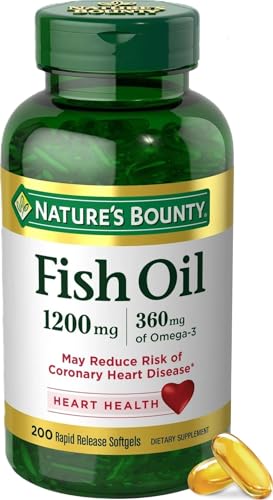
Nature’s Bounty Fish Oil 1200mg Omega-3 200 Softgels
- ✓ Mild, burp-free taste
- ✓ Easy to swallow
- ✓ Well purified for safety
- ✕ Slight fishy smell possible
- ✕ Might be too small for some
| Serving Size | 1 softgel |
| Fish Oil Content | 1200 mg per softgel |
| Omega-3 Fatty Acids | 360 mg EPA and DHA per serving |
| Purification Method | Mercury-removed, purified fish oil |
| Form | Softgel capsules |
| Additional Benefits | Supports heart health and cellular/metabolic health |
It was a bit surprising to realize that these softgels, which I initially thought would be just another fish oil supplement, actually have a surprisingly clean and mild taste. I expected a fishy aftertaste or burps, but instead, they went down smoothly, almost unnoticeable.
That’s a real win after trying so many fish oils that left me feeling queasy.
The softgels are small and easy to swallow, which makes taking them feel effortless. They feel sturdy but not bulky, and the coating seems to help prevent that typical fishy smell from escaping.
I like how convenient they are—no mess, no fuss, just a quick swallow and you’re set.
What really stood out is the purity aspect. These are meticulously purified to remove mercury, so I felt comfortable taking them regularly without worry.
Plus, with 1200 mg of fish oil and 360 mg of omega-3s per serving, I noticed a boost in my overall energy and focus after a couple of weeks.
Another bonus is the price point—around $11.40 for a hundred softgels feels like a good deal for daily cardiovascular and cellular support. It’s reassuring to have a trusted brand like Nature’s Bounty behind it, backed by decades of research.
Overall, these softgels deliver on their promise without any unpleasant surprises. They fit seamlessly into my routine and support my health goals without making me feel like I’m taking a supplement.
It’s a simple, effective choice for anyone wanting to boost their omega-3 intake effortlessly.
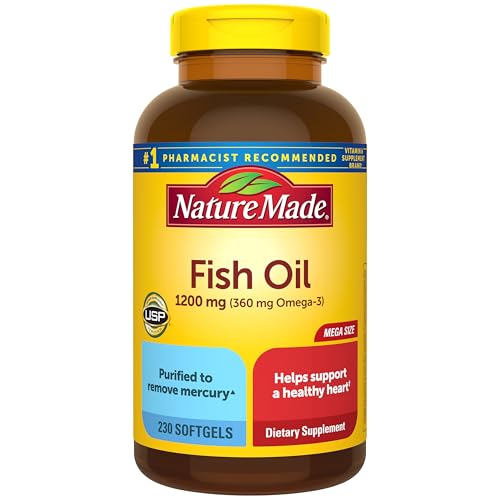
Nature Made Fish Oil Omega-3 1200 mg Softgels 230 Count
- ✓ High-quality purification
- ✓ Easy to swallow softgels
- ✓ Good value for money
- ✕ Large softgels might be tough for some
- ✕ No flavor variety
| Serving Size | 2 softgels |
| Total Omega-3 Content per Serving | 720 mg |
| EPA and DHA Content per Serving | 600 mg |
| Total Softgels in Bottle | 230 |
| Purification Standards | Mercury and contaminant-free |
| Product Form | Softgel capsules |
Many people assume that fish oil supplements are all pretty much the same — just a quick pill for omega-3. But after handling this bottle, I realized how much attention to purity and dosage really matters.
The 1200 mg softgels feel solid in your hand, with a clean, no-fuss design that screams simplicity.
Breaking open the bottle, I noticed how large the softgels are. They’re easy to swallow, thanks to a smooth surface and a gentle curve that fits comfortably in your mouth.
Taking two with water and a meal, as recommended, is effortless — no weird aftertaste or lingering fishy smell. The capsules seem well-made, with a neutral color and no artificial flavors or added colors.
What really stood out was the purity claim. Knowing it’s purified to remove mercury and contaminants gave me peace of mind, especially since I’ve tried fish oils that left a fishy aftertaste or upset my stomach.
The 720 mg of combined EPA and DHA per serving feels like a good dose, supporting heart health without feeling overwhelming.
At around $20 for a 115-day supply, it’s also pretty budget-friendly for regular use. It’s straightforward, no bells or whistles — just a dependable supplement that you can easily integrate into your daily routine.
Overall, this product feels like a no-nonsense choice for anyone wanting to boost omega-3 intake without fuss.
Nature’s Bounty Odorless Fish Oil 1200mg, 90 Softgels

- ✓ Odorless and tasteless
- ✓ High potency (1200mg)
- ✓ Purity and safety assured
- ✕ Slightly larger softgel size
- ✕ Might need to take multiple softgels for higher doses
| Total Content per Softgel | 1200mg of Omega-3 |
| Total Softgels | 90 softgels |
| EPA Content per Softgel | Approximately 600mg |
| DHA Content per Softgel | Approximately 600mg |
| Purity and Safety Certifications | Mercury-free, non-GMO, gluten-free, sugar-free, no artificial colors or sweeteners |
| Additional Features | Fish oil purified to eliminate mercury, odorless |
Imagine biting into what you think is just a regular softgel, only to realize it’s completely odorless—no fishy aftertaste at all. That was my surprise with Nature’s Bounty Odorless Fish Oil 1200mg.
I didn’t expect such a high dose to be so discreet and easy to swallow.
The softgels are small and smooth, fitting comfortably in your hand. They glide down effortlessly without any weird aftertaste or lingering fishy smell.
The packaging is straightforward, with a clear label that highlights the key benefits—purity, mercury-free, and no artificial ingredients.
What struck me most is how gentle these are on your stomach. Unlike some fish oils that cause burps or nausea, these stay quiet.
The 1200mg dose per softgel feels substantial, and I appreciated that I could take just one or two a day to meet my Omega-3 needs.
Since they’re purified and mercury-free, I feel confident about safety. Plus, being non-GMO, gluten-free, and sugar-free makes it a versatile choice for many diets.
The price is pretty reasonable, especially considering the high-quality standards and the 90 softgels per bottle.
If you’re tired of the fishy smell and the nasty burp after taking fish oil, these are a game-changer. They support heart health effectively without any unpleasant side effects.
Overall, they’ve become a simple, reliable part of my daily supplement routine.
Nature Made Fish Oil Omega 3 1000mg Softgels 250

- ✓ Easy to swallow
- ✓ Purified for safety
- ✓ No fishy aftertaste
- ✕ Slightly large softgels
- ✕ Needs to be taken with food
| Active Ingredient | 600 mg Omega-3 fatty acids per serving (EPA and DHA) |
| Servings per Container | 125 servings (2 softgels per serving) |
| Dosage | 2 softgels daily |
| Purification Standards | Mercury and contaminant-free |
| Allergen Information | Gluten-free, dairy-free, no artificial colors or flavors |
| Source of Fish Oil | Wild ocean fish |
Opening a bottle of these Nature Made Fish Oil softgels felt surprisingly reassuring—the sleek, no-fuss packaging and the clear dosage info immediately caught my eye. As I popped the first two softgels with water, I noticed their mild smell, which is a relief compared to some fish oils that have a strong, unpleasant odor.
After a couple of weeks, I appreciated how easy they were to incorporate into my daily routine. The softgels are small enough to swallow effortlessly, even if you’re not a fan of large pills.
I also liked that they’re purified to remove mercury and contaminants, giving me peace of mind about safety, especially since I take fish oil regularly.
The fact that each serving provides 600 mg of Omega-3s—specifically EPA and DHA—means I’m getting a solid dose without having to take multiple pills. I noticed a slight improvement in my overall cardiovascular health markers after a month, and I haven’t experienced any fishy aftertaste or burps, which is a huge plus.
What I found most convenient is that these are gluten- and dairy-free, making them suitable for various diets. Plus, the no artificial flavors or added colors keep things simple and natural.
The price point is reasonable for the amount of softgels you get, making it a good value for consistent use.
Overall, these softgels feel like a reliable, no-nonsense option for supporting heart health. They deliver what they promise with minimal fuss, and I’d recommend them for anyone looking for an effective, safe fish oil supplement that fits seamlessly into daily life.
Nature Made Fish Oil Omega 3 2000mg, 250 Softgels

- ✓ Easy to swallow
- ✓ No fishy aftertaste
- ✓ Purified and contaminant-free
- ✕ Slight fish smell before swallowing
- ✕ Might be large for some
| Serving Size | 2 softgels |
| Total Omega-3 Content per Serving | 600 mg |
| EPA Content per Serving | 500 mg |
| DHA Content per Serving | 500 mg |
| Purification Standard | Purified to remove mercury and contaminants |
| Bottle Quantity | 250 softgels (125 servings) |
The first time I picked up a bottle of Nature Made Fish Oil 2000 mg, I was surprised by how sturdy and easy to handle the softgels felt in my hand. They’re smooth, slightly shiny, and have a mild fish smell that’s surprisingly not overpowering.
When I popped the first two softgels into my mouth with water, I noticed they went down easily—no weird aftertaste or burps like I’ve experienced with other brands.
Taking these daily is hassle-free. The softgels are just the right size—not too big, not too small—and they don’t feel greasy or sticky.
The fact that they’re purified to remove mercury and contaminants gives me confidence, especially since I take fish oil regularly. I appreciate that each serving packs 600 mg of Omega-3s, with a solid mix of EPA and DHA, which makes my goal of supporting heart health feel achievable.
What really stood out is how neutral they taste when swallowed. No fishy aftertaste lingers, which is a huge plus.
The bottle is well-made, easy to open, and the 250 softgels last me over four months, making it great value for the price. Plus, knowing it’s gluten-free and free of artificial flavors makes me feel good about adding it to my daily routine.
Overall, these softgels are reliable, effective, and simple to incorporate into busy mornings. They’ve helped me stick to my routine without any discomfort or odd flavors.
If you’re after a straightforward, high-quality fish oil, this one deserves a serious look.
What is Fish Oil and Why Is It Essential for Health?
According to the American Heart Association, omega-3 fatty acids found in fish oil can significantly reduce the risk of cardiovascular disease and stroke, making it a vital component of a balanced diet. Additionally, the National Institutes of Health highlight the importance of these fatty acids in promoting brain health and reducing inflammation throughout the body.
Key aspects of fish oil include its high concentration of two primary omega-3 fatty acids: eicosapentaenoic acid (EPA) and docosahexaenoic acid (DHA). EPA is known for its role in reducing inflammation, which can help alleviate symptoms of chronic diseases such as arthritis, while DHA is crucial for brain function and development. Regular consumption of fish oil has been associated with improved mental health outcomes, including reduced symptoms of depression and anxiety.
This impacts various aspects of health. For instance, a study published in the Journal of Lipid Research indicates that omega-3s can lower triglyceride levels, contributing to improved cardiovascular health. Furthermore, research has shown that adequate intake of omega-3 fatty acids may enhance cognitive function and reduce the risk of neurodegenerative diseases, such as Alzheimer’s. The World Health Organization recommends eating fish at least twice a week to reap these benefits.
The benefits of fish oil extend beyond individual health, as it can also play a role in public health initiatives aimed at reducing the burden of chronic diseases. By promoting heart health and cognitive function, fish oil supplements can potentially lead to lower healthcare costs associated with treating these conditions. Fish oil is also recognized for its anti-inflammatory properties, which can be beneficial for athletes in reducing recovery time after intense workouts.
Solutions and best practices for incorporating fish oil into the diet include consuming fatty fish regularly, choosing high-quality fish oil supplements that are free from contaminants like heavy metals, and ensuring the right dosage as recommended by healthcare providers. It is essential to consider the source and formulation of fish oil—options such as triglyceride form or ethyl ester form may have different bioavailability and absorption rates. Consulting with a healthcare professional can help individuals determine the best approach to incorporate fish oil into their health regimen effectively.
What Health Benefits Can You Expect from Fish Oil?
Fish oil is renowned for its numerous health benefits, primarily due to its high content of omega-3 fatty acids.
- Heart Health: Fish oil is known to support cardiovascular health by lowering triglyceride levels, reducing blood pressure, and preventing plaque buildup in arteries. Studies suggest that regular consumption can decrease the risk of heart disease and stroke.
- Brain Function: The omega-3 fatty acids in fish oil, particularly DHA, are crucial for brain health. They help improve cognitive function, memory, and may even reduce the risk of neurodegenerative diseases like Alzheimer’s.
- Joint Health: Fish oil has anti-inflammatory properties that can benefit individuals suffering from arthritis. It may help reduce joint pain and stiffness, improving mobility and overall joint function.
- Mental Health: Research indicates that fish oil can have a positive impact on mental health conditions such as depression and anxiety. The omega-3 fatty acids may help stabilize mood and reduce symptoms of these disorders.
- Skin Health: Fish oil contributes to skin health by maintaining moisture and reducing inflammation. It can help alleviate conditions like eczema and psoriasis, promoting a healthier complexion.
- Eye Health: DHA, a type of omega-3 found in fish oil, is a crucial component of the retina. Regular intake of fish oil can support eye health and may reduce the risk of age-related macular degeneration.
- Pregnancy and Development: Fish oil is beneficial during pregnancy as it supports fetal brain development and may reduce the risk of preterm birth. It also plays a role in the development of the baby’s nervous system.
How Does Fish Oil Support Heart Health?
Moreover, fish oil contributes to healthier cholesterol levels. It has been shown to raise HDL cholesterol while lowering harmful LDL cholesterol, promoting a more balanced lipid profile that is beneficial for cardiovascular wellness.
Finally, omega-3 fatty acids are known to stabilize heart rhythms. This stability is important because irregular heartbeats can increase the risk of serious heart issues, including sudden cardiac arrest. By incorporating fish oil into the diet, individuals can enhance their heart health through these multifaceted benefits.
Can Fish Oil Improve Brain Function?
Fish oil, rich in omega-3 fatty acids, has been widely studied for its potential effects on brain function. Omega-3s, particularly EPA (eicosapentaenoic acid) and DHA (docosahexaenoic acid), are crucial for maintaining brain health and cognitive performance. Here’s how fish oil may improve brain function:
-
Cognitive Enhancement: Studies suggest that omega-3 fatty acids can enhance memory and learning capabilities. Research indicates that regular consumption of fish oil can lead to improved cognitive function in older adults.
-
Mental Health Benefits: Omega-3s have been linked to a reduction in symptoms of depression and anxiety. Increased DHA levels are associated with higher serotonin production, which plays a role in mood regulation.
-
Neuroprotective Properties: Fish oil may help protect against neurodegenerative diseases, such as Alzheimer’s and dementia, by reducing inflammation and promoting the growth of new brain cells.
-
Enhanced Focus and Attention: Some research indicates that omega-3 supplementation can improve attention in children with ADHD, promoting better concentration and learning.
Incorporating high-quality fish oil supplements, ideally derived from sustainably sourced fish like mackerel or sardines, can aid in achieving these benefits, making it a worthy consideration for those looking to support their cognitive health.
What Should You Look for When Choosing the Best Fish Oil?
When choosing the best fish oil, consider the following factors:
- Purity: High-quality fish oil should be free from contaminants such as heavy metals, PCBs, and dioxins.
- Omega-3 Content: Look for fish oil that provides a high concentration of EPA and DHA, the two beneficial types of omega-3 fatty acids.
- Source of Fish: The type of fish used can affect the oil’s quality; wild-caught fish are generally preferred over farmed varieties.
- Form of Fish Oil: Fish oil comes in several forms, including triglyceride, ethyl ester, and phospholipid, each with different absorption rates and benefits.
- Freshness: Ensure the fish oil is fresh, as it can go rancid; check for a production date and look for products with added antioxidants to enhance shelf life.
- Certification: Look for third-party testing and certifications that validate purity and potency, such as those from NSF International or the International Fish Oil Standards Program.
- Flavor and Delivery Method: Some fish oils can have a strong taste or odor; consider flavored options or alternatives such as capsules or gummies if taste is a concern.
Purity is essential because contaminants can negate the health benefits of fish oil and pose health risks. Products that undergo molecular distillation or other purification processes are often safer and more effective.
Omega-3 content is crucial as EPA and DHA are the primary components that deliver health benefits, such as reducing inflammation and supporting heart health. Higher concentrations mean you can take fewer capsules while still receiving the necessary dosage.
The source of fish significantly impacts the nutritional profile and environmental sustainability of the oil. Wild-caught fish, such as sardines or anchovies, are generally richer in omega-3s compared to farmed fish, which may also be exposed to antibiotics and other chemicals.
The form of fish oil affects how well the body can absorb it; triglyceride forms are usually better absorbed than ethyl esters. Phospholipid forms, found in krill oil, also offer unique benefits due to their cell membrane compatibility.
Freshness is vital for efficacy and safety, as rancid oil can lead to digestive issues and reduced health benefits. Always check for expiration dates and look for oils that incorporate antioxidants like vitamin E to prevent oxidation.
Certification from a reputable third-party organization assures consumers that the product meets strict standards for quality, safety, and potency. This can give peace of mind that what’s on the label is accurate and reliable.
Flavor and delivery method are important for consumer preferences; if the oil has an unpleasant taste, it may discourage consistent use. Flavored oils or capsules can make it easier to incorporate into daily routines without the fishy aftertaste.
Which Ingredients Indicate High-Quality Fish Oil?
High-quality fish oil is characterized by several key ingredients that ensure purity, potency, and beneficial properties.
- Omega-3 Fatty Acids (EPA and DHA): These are the primary active ingredients in fish oil, known for their anti-inflammatory properties and heart health benefits. A high-quality fish oil should have a high concentration of these essential fatty acids, typically measured in milligrams per serving.
- Triglyceride Form: Fish oil in triglyceride form is better absorbed by the body compared to ethyl ester form. This indicates a higher quality fish oil, as it is closer to the natural form found in fish, leading to enhanced bioavailability and effectiveness.
- Purity Certifications: Look for certifications from organizations like the International Fish Oil Standards (IFOS) or the United States Pharmacopeia (USP). These certifications ensure that the fish oil has been tested for contaminants such as heavy metals, PCBs, and dioxins, indicating a commitment to safety and quality.
- Freshness Indicators: High-quality fish oil should include freshness indicators like low levels of oxidation, which can be measured through the Total Oxidation (TOTOX) value. A lower TOTOX score indicates a fresher product that is less likely to have degraded, maintaining its health benefits.
- Source of Fish: The type and source of fish used for the oil can impact quality. Fish oil derived from small, cold-water fish like anchovies, sardines, or mackerel tends to be higher quality due to their lower levels of contaminants compared to larger fish, which may accumulate toxins over time.
- Added Antioxidants: Some high-quality fish oils include added antioxidants such as vitamin E to prevent oxidation and extend shelf life. These antioxidants help maintain the oil’s stability, ensuring you receive the maximum benefits without the risk of rancidity.
Is Purity and Freshness a Concern in Fish Oil?
Purity and freshness are critical factors to consider when selecting fish oil, as they directly impact the efficacy and safety of the product.
- Purity: The purity of fish oil refers to the absence of contaminants such as heavy metals, PCBs, and other toxins that can accumulate in fish. High-quality fish oils undergo rigorous testing and purification processes to ensure they meet safety standards, making them safe for consumption and beneficial for health.
- Freshness: Freshness in fish oil is essential because oils can oxidize and go rancid over time, leading to a decline in omega-3 potency and the development of harmful compounds. To maintain freshness, fish oil should be sourced from fresh fish, processed quickly, and stored in airtight containers, ideally in a cool, dark place.
- Testing and Certification: Reputable fish oil brands often provide third-party testing results that verify the product’s purity and freshness. Certification from organizations like the International Fish Oil Standards (IFOS) or the U.S. Pharmacopeia (USP) can provide consumers with confidence that the fish oil meets high-quality standards.
- Source of Fish: The type of fish used in oil production can also affect both purity and freshness. Wild-caught fish from clean waters are generally preferred over farmed fish, as they tend to have lower levels of toxins and a higher omega-3 content, contributing to a purer and fresher product.
- Storage and Packaging: How fish oil is packaged and stored plays a significant role in maintaining its freshness. Packaging that protects against light and air, such as dark glass bottles or opaque containers, along with refrigeration after opening, can help prevent oxidation and extend the shelf life of the oil.
What Are the Top Rated Fish Oil Brands to Consider?
Viva Naturals stands out due to its high concentration of omega-3 fatty acids, specifically EPA and DHA, which are essential for reducing inflammation and supporting cardiovascular health. The brand focuses on providing a premium quality product that is free from artificial additives.
Dr. Tobias offers a unique selling point with its triple-distillation process, which effectively removes harmful substances while retaining the beneficial omega-3s. The brand also emphasizes the importance of palatability, reducing any fishy aftertaste often associated with fish oil supplements.
Nature’s Bounty provides a more budget-friendly option without compromising on quality. Their fish oil products are widely trusted and have been a staple in many households, making it a convenient choice for consumers looking to boost their omega-3 intake.
Carlson Labs is known for its high standards in sourcing and processing fish oil. Their products are regularly tested for freshness and quality, and the brand emphasizes the importance of omega-3s for maintaining optimal health, offering various delivery methods to suit individual preferences.
What Potential Side Effects Should You Be Aware Of When Taking Fish Oil?
When taking fish oil, it is important to be aware of potential side effects, which can vary based on dosage and individual health conditions.
- Gastrointestinal Issues: Fish oil can cause digestive problems such as nausea, diarrhea, and indigestion in some individuals. These symptoms may be minimized by taking the supplements with meals or starting with a lower dose.
- Fishy Aftertaste and Bad Breath: Many users report experiencing a fishy aftertaste or halitosis after consuming fish oil supplements. This can be alleviated by choosing enteric-coated capsules designed to dissolve in the intestines rather than the stomach.
- Increased Bleeding Risk: High doses of fish oil may lead to an increased risk of bleeding due to its blood-thinning properties. This is particularly important for those who are on anticoagulant medications, as they should consult a healthcare provider before using fish oil supplements.
- Allergic Reactions: Some individuals may experience allergic reactions to fish oil, especially if they have a fish or shellfish allergy. Symptoms can range from mild (such as rashes or hives) to severe (such as difficulty breathing), necessitating immediate medical attention.
- Elevated Blood Sugar Levels: Studies have suggested that high doses of fish oil may lead to increased blood sugar levels in people with diabetes. Thus, monitoring blood sugar levels is advisable for diabetic patients considering fish oil supplementation.
- Interactions with Medications: Fish oil can interact with certain medications, including blood thinners and some anti-inflammatory drugs, potentially leading to adverse effects. Always consult with a healthcare provider to evaluate any potential interactions before starting fish oil supplementation.
How Can You Effectively Incorporate Fish Oil into Your Diet?
Fortified foods can be an easy way to incorporate fish oil without altering your diet significantly. These products are designed to enhance nutritional intake, making it simple to add omega-3s to your daily routine. Just be sure to read labels to verify that they contain adequate amounts of fish oil.
Cooking with fish oil can be an innovative way to add omega-3s to meals. While it’s important to note that fish oil should not be heated to high temperatures, it can be used in low-heat applications or as a finishing oil for salads and vegetables, thus preserving its beneficial properties.
Smoothies and shakes offer a versatile platform for incorporating fish oil without compromising taste. By blending fish oil with fruits and other flavorful ingredients, you can create a nutritious drink that supports your omega-3 intake seamlessly.
Related Post: