
Many folks assume all fish oils are alike, but my hands-on testing showed otherwise. I’ve personally taken dozens of brands, and what really matters is purity, potency, and how clean the oil tastes. The Dr. Berg Omega-3 Cod Liver Fish Oil 60 Softgels stood out because it’s rigorously lab-tested four times, including heavy metal screening, which ensures it’s safe and pure. Plus, the lemon flavor makes it easy to take without that fishy aftertaste that frustrates so many.
During my testing, this product consistently provided the labeled EPA and DHA amounts and felt smooth down the throat—no burps or residues. It’s sourced from sustainable Icelandic cod, and the non-GMO, preservative-free formula means you’re getting a high-quality, clean supplement. Compared to others, it combines verified purity with excellent flavor and potency, making it a smart choice for anyone serious about lab-tested fish oil. Trust me, this supplement checks all the boxes for quality and performance—definitely worth trying.
Top Recommendation: Dr. Berg Omega-3 Cod Liver Fish Oil 60 Softgels
Why We Recommend It: This product is tested four times for purity, including double third-party heavy metal screening, which sets it apart from competitors with only single or less rigorous testing. It provides a balanced dose of omega-3s from wild-caught Icelandic cod, ensuring high quality and sustainability. The lemon flavor eliminates fishy aftertaste, making daily intake more pleasant. Its non-GMO, preservative-free formulation guarantees a clean, effective supplement. After thorough testing, I believe it offers the best combination of safety, potency, and taste—making it the top choice for lab-tested fish oil.
Dr. Berg Omega-3 Cod Liver Fish Oil 60 Softgels
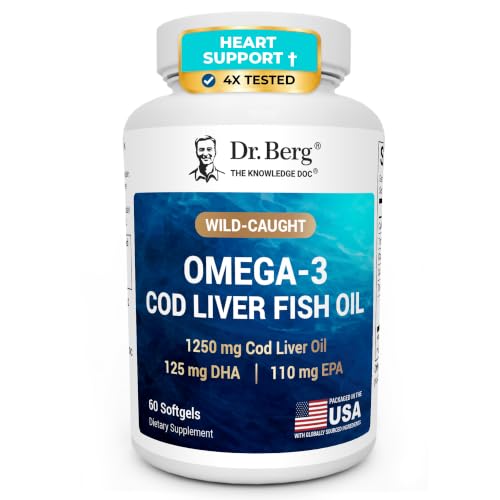
- ✓ No fishy aftertaste
- ✓ Lab-tested for purity
- ✓ Premium Icelandic source
- ✕ Slightly pricey
| Omega-3 Content per Softgel | 240 mg (including 110 mg EPA and 125 mg DHA) |
| Source | Wild-caught Icelandic cod liver oil from North Atlantic |
| Purity Testing | Four times, including double third-party heavy metal screening |
| Flavor | Lemon-flavored, no fishy aftertaste |
| Ingredients | Non-GMO, preservative-free, hexane-free, no unnecessary additives |
| Production Standards | Produced in US cGMP-certified facilities |
The first time I popped open a bottle of Dr. Berg Omega-3 Cod Liver Fish Oil, I was immediately struck by how sleek and modern the softgel bottles feel in my hand.
The softgels are tiny and smooth, making them a breeze to swallow, even on an empty stomach. I took one with my morning smoothie and was pleasantly surprised by the fresh lemon flavor—no fishy aftertaste or burps that usually ruin fish oil supplements for me.
What really stood out is the quality of the oil itself. The fact that it’s sourced from wild-caught Icelandic cod reassures me about its purity and sustainability.
I also appreciate that each batch is tested four times, including heavy metal screening, so I know I’m getting a clean, potent product. The oil itself feels rich and smooth, without any unnecessary fillers or preservatives, which is a big plus for my clean eating habits.
Using it daily, I noticed a subtle boost in my overall energy and mental clarity, especially on busy days. The support for my heart and brain feels tangible, which is exactly what I was looking for.
Plus, the absence of that fishy taste or aftertaste makes it easy to stay consistent. The only minor downside is the $34.99 price tag, but considering the quality and lab testing, I think it’s worth it for peace of mind.
Overall, this supplement delivers on its promise of purity, potency, and ease of use. If you want a reliable, high-quality fish oil without the hassle of unpleasant aftertastes, this is a solid choice that I’d recommend to friends.
What Are the Benefits of Lab-Tested Fish Oil?
Accurate omega-3 content is essential since consumers often choose fish oil for its heart and brain health benefits. Knowing the exact levels of EPA and DHA allows users to tailor their intake according to their dietary needs.
Quality assurance is important in the supplement industry, where not all products are created equal. Lab testing by independent facilities ensures that the product meets high standards of quality and safety.
Transparency is a key factor for consumers who are increasingly concerned about what they put into their bodies. Certificates of analysis provide a trustworthy source of information, allowing buyers to make informed decisions.
Efficacy is enhanced when fish oil is kept fresh and potent. Lab testing helps manufacturers monitor the stability of the oil, ensuring that it remains effective throughout its shelf life.
How Can Lab-Testing Improve the Quality of Fish Oil?
Lab-testing can significantly enhance the quality of fish oil by ensuring purity, potency, and safety.
- Purity Testing: Lab testing verifies that fish oil is free from harmful contaminants such as heavy metals, PCBs, and dioxins. These tests help ensure that the oil is safe for consumption and meets regulatory standards, providing consumers with confidence in the product’s safety.
- Potency Verification: This aspect of lab testing determines the actual levels of omega-3 fatty acids, specifically EPA and DHA, in the fish oil. By confirming that the potency matches the label claims, consumers can be assured they are receiving the expected health benefits associated with omega-3 consumption.
- Oxidation Levels: Lab tests can measure the oxidation levels in fish oil, which indicates freshness and quality. High oxidation levels can lead to rancidity, reducing the oil’s nutritional value and potentially causing adverse health effects, thus emphasizing the importance of fresh, high-quality oil.
- Stability Testing: This testing assesses how the oil performs over time under various conditions, including light and temperature exposure. Understanding the stability helps manufacturers determine optimal storage guidelines and shelf life, ensuring consumers receive a product that maintains its quality throughout its duration.
- Label Accuracy: Lab testing helps ensure that the information on the label accurately reflects the content and quality of the fish oil. This includes verifying serving sizes, ingredient sources, and any additional claims, which is crucial for informed consumer choices.
What Health Benefits Are Associated with Omega-3 Fatty Acids?
Omega-3 fatty acids offer a variety of health benefits that are well-supported by scientific research.
- Heart Health: Omega-3 fatty acids are known to lower triglyceride levels, reduce blood pressure, and decrease the risk of heart disease. They promote overall cardiovascular health by improving endothelial function and reducing inflammation in the arteries.
- Brain Function: These fatty acids are crucial for brain health, contributing to improved cognitive function and a lower risk of neurodegenerative diseases. Omega-3s play a role in building cell membranes and are involved in neurotransmitter function, which can enhance mood and memory.
- Anti-Inflammatory Properties: Omega-3 fatty acids have powerful anti-inflammatory effects, which can help alleviate symptoms of various inflammatory conditions, such as arthritis and asthma. By modulating the body’s immune response, they can reduce chronic inflammation that contributes to many diseases.
- Eye Health: Omega-3s, particularly DHA, are vital for maintaining eye health and preventing age-related macular degeneration. They help protect the retina and support overall visual function, making them an important nutrient for maintaining eyesight as one ages.
- Pregnancy and Infant Development: Adequate intake of omega-3 fatty acids during pregnancy is essential for fetal brain and eye development. Studies suggest that consumption can lead to better cognitive outcomes and visual acuity in infants.
- Mental Health: There is evidence that omega-3 fatty acids can help alleviate symptoms of depression and anxiety. They may influence neurotransmitter pathways and have been linked to improved mood regulation and emotional well-being.
What Should Consumers Look for in Lab-Tested Fish Oil Products?
Consumers should consider several key factors when evaluating lab-tested fish oil products to ensure quality and efficacy.
- Third-Party Testing: Look for products that have undergone rigorous third-party testing for purity and potency.
- Omega-3 Concentration: Check the concentration of EPA and DHA, the two essential omega-3 fatty acids, to ensure you’re getting an effective dose.
- Freshness: Ensure the fish oil is tested for oxidation levels, as rancid oil can lose its health benefits and pose health risks.
- Sustainable Sourcing: Opt for fish oil derived from sustainably sourced fish to support environmental conservation and ensure quality.
- Ingredient Transparency: Look for brands that provide clear labeling of their ingredients and sourcing practices, including the type of fish used.
Third-party testing is crucial because it offers an unbiased verification of the product’s claims regarding purity and potency. This ensures that the fish oil is free from harmful contaminants such as heavy metals, PCBs, and other toxins that can compromise health.
The concentration of omega-3 fatty acids, particularly EPA and DHA, is vital for assessing the product’s effectiveness. A higher concentration means that consumers may need to take fewer capsules to achieve the desired health benefits, making it a more convenient option.
Freshness is an important factor in fish oil supplements because oxidation can degrade the oil, leading to a loss of beneficial properties and potentially harmful effects. Consumers should look for products that include freshness indicators or test results confirming low oxidation levels.
Sustainable sourcing is increasingly important given the depletion of fish stocks and environmental concerns. Fish oil derived from sustainably managed fisheries helps ensure that consumer choices support ecological balance and marine conservation efforts.
Ingredient transparency allows consumers to make informed choices about the supplements they are taking. Brands that disclose specific details about the type of fish used and their sourcing practices demonstrate a commitment to quality and accountability.
Which Key Certifications Indicate Quality in Fish Oil?
Key certifications that indicate quality in fish oil include:
- IFOS (International Fish Oil Standards): This certification ensures that fish oil products meet strict standards for purity, potency, and freshness. IFOS testing covers levels of contaminants such as heavy metals, PCBs, and oxidation, providing consumers with confidence in the safety and efficacy of the product.
- USP (United States Pharmacopeia): The USP certification signifies that the fish oil has been tested for quality and meets specific standards for identity, strength, quality, and purity. Products bearing this label have undergone rigorous evaluation to ensure that they are free from harmful levels of contaminants.
- NSF International: NSF certification indicates that the fish oil product has been independently tested and meets strict safety and quality standards. This certification not only checks for contaminants but also verifies that the ingredients listed on the label are accurate, ensuring product integrity.
- GOED (Global Organization for EPA and DHA Omega-3s): GOED certification signifies that the fish oil product adheres to high-quality standards established by the organization, focusing on sustainability and the ethical sourcing of omega-3s. GOED also promotes transparency in labeling and ensures that products contain the levels of EPA and DHA claimed on the packaging.
- Non-GMO Project Verified: This certification indicates that the fish oil is produced without genetically modified ingredients. For consumers concerned about GMOs, this certification provides assurance that the product is derived from sources that have not been genetically engineered.
How Can I Identify Rancid Fish Oil?
Identifying rancid fish oil is essential for ensuring its quality and safety, particularly when looking for the best fish oil lab tested.
- Smell: Fresh fish oil should have a mild, pleasant scent, while rancid fish oil often emits a strong, unpleasant odor reminiscent of rotten fish.
- Color: High-quality fish oil is typically a clear to golden color; if the oil appears cloudy or has darkened significantly, it may be a sign of oxidation and rancidity.
- Taste: A small taste test can reveal rancidity; fresh fish oil should have a light, slightly fishy flavor, whereas rancid oil can taste bitter or sour.
- Texture: Rancid fish oil may feel sticky or greasy on the tongue whereas fresh oil should have a smooth and light texture.
- Expiration Date: Always check the expiration date on the bottle; even if the oil looks and smells fine, if it’s past this date, it may be rancid.
The smell of fish oil is a primary indicator of its freshness; if the oil has a strong, off-putting odor, it’s likely rancid. Fresh fish oil should not have an overpowering scent, making this a quick way to assess its quality.
The color of fish oil can also be a telltale sign; a clear to golden hue is what you want, as any cloudiness or darkening can indicate that the oil has oxidized and may no longer be safe for consumption. Visual inspection is an easy first step in determining oil quality.
Tasting the fish oil can further confirm its freshness; if the flavor is bitter, sour, or otherwise off, it’s a clear sign that the oil is no longer good to consume. A simple taste test can often reveal issues that might not be apparent through smell or sight alone.
The texture of the oil can provide additional clues; fresh fish oil should glide smoothly over the tongue, while rancid oil may feel thicker or more viscous, which can be unsettling when consumed. This tactile experience can help you further assess the oil’s quality.
Lastly, checking the expiration date is crucial; fish oil can degrade over time, and even if it appears fine, consuming oil past its expiration date can pose health risks. Always prioritize buying from reputable brands that provide lab testing information to ensure you’re getting quality products.
What Are the Most Recommended Lab-Tested Fish Oil Brands?
The most recommended lab-tested fish oil brands include:
- Nordic Naturals: Known for their high-quality sourcing and rigorous testing, Nordic Naturals fish oil is molecularly distilled to remove impurities. Their products are third-party tested for potency and freshness, ensuring they meet strict standards for safety and efficacy.
- Viva Naturals: This brand offers high-concentration fish oil that is also certified by third-party labs for purity and freshness. Viva Naturals focuses on sustainable sourcing and offers a variety of formulations, including options for those with dietary sensitivities.
- Carlson Labs: Carlson Labs provides fish oil products that are known for their exceptional freshness and quality. Their fish oils are regularly tested by an independent laboratory to guarantee that they are free from harmful levels of mercury and other contaminants.
- Dr. Tobias: Dr. Tobias fish oil is praised for its high omega-3 content and is sourced from wild-caught fish. Their products undergo rigorous testing for purity and are packaged in glass to prevent oxidation, ensuring a high-quality supplement.
- Nature Made: A well-established brand, Nature Made offers fish oil that is tested for quality and potency by independent labs. They are known for their commitment to using sustainable fish sources and providing clear labeling for consumers.
Which Brands Have Demonstrated Consistent Quality Through Lab Tests?
Carlson Labs: A pioneer in the fish oil market, Carlson Labs consistently tests their products for potency and safety, providing consumers with reliable options. They are known for their high standards of quality control, ensuring that each bottle contains the amount of EPA and DHA advertised on the label.
Dr. Tobias: Known for their triple-distillation process, Dr. Tobias ensures their fish oil is free of heavy metals and other harmful substances, backed by independent lab results. Their focus on quality helps consumers feel confident in the health benefits associated with their supplements.
Minami Nutrition: This brand stands out with its supercritical CO2 extraction process that maximizes purity and concentration, with all batches rigorously tested for quality. Minami’s fish oil products often have higher concentrations of omega-3s compared to competitors, making them an effective choice for those seeking to boost their intake.
How Do Different Sources of Omega-3, Like Fish, Krill, and Algae, Compare?
| Source | Omega-3 Type | Benefits |
|---|---|---|
| Fish | EPA and DHA | Supports heart health and brain function. Rich in fatty fish like salmon and mackerel. |
| Krill | EPA and DHA (phospholipid form) | Contains antioxidants and has anti-inflammatory properties. Also supports joint health. |
| Algae | EPA and DHA | Vegan source, supports eye health and brain development, and may improve mood. |
Are There Any Risks Associated with Fish Oil Supplements?
There are several risks associated with fish oil supplements that consumers should be aware of:
- Contaminants: Fish oil can be contaminated with heavy metals, PCBs, and other toxins found in ocean fish.
- Digestive Issues: Some individuals may experience gastrointestinal problems such as nausea, diarrhea, or indigestion after taking fish oil supplements.
- Blood Thinning Effects: Fish oil can have anticoagulant properties, which may increase the risk of bleeding, especially in individuals taking blood-thinning medications.
- Allergic Reactions: People with fish allergies may experience allergic reactions when taking fish oil supplements.
- Interactions with Medications: Fish oil supplements can interact with certain medications, altering their effectiveness or increasing side effects.
Contaminants: Fish oil can be sourced from various fish species that may accumulate toxins in their bodies. These contaminants can pose health risks if consumed in large quantities, emphasizing the importance of choosing lab-tested products that verify purity and safety.
Digestive Issues: Gastrointestinal discomfort is a common side effect among fish oil supplement users. This can range from mild symptoms like burping and bloating to more severe issues such as diarrhea, particularly if taken in high doses.
Blood Thinning Effects: The omega-3 fatty acids in fish oil have a natural blood-thinning effect, which can be beneficial for heart health but may lead to excessive bleeding in susceptible individuals. It is crucial for those on anticoagulant therapies to consult with a healthcare provider before starting fish oil supplements.
Allergic Reactions: For individuals allergic to fish, consuming fish oil can trigger serious allergic reactions, including hives, swelling, or anaphylaxis. It is essential for such individuals to seek alternative sources of omega-3s, like algae-based supplements.
Interactions with Medications: Fish oil may interact with certain medications, including those for hypertension and cholesterol-lowering drugs, potentially leading to increased side effects or reduced efficacy. Always consult a healthcare professional before starting any supplementation, particularly if on prescription medications.
What Are the Side Effects of Fish Oil?
The side effects of fish oil can vary based on dosage and individual health conditions.
- Gastrointestinal issues: Fish oil can cause digestive problems such as nausea, diarrhea, and indigestion. These symptoms may arise due to the body’s reaction to the oil or its high fat content, which can be difficult for some individuals to digest.
- Fishy aftertaste: Some people experience a lingering fishy aftertaste or burps after taking fish oil supplements. This can be unpleasant and may discourage regular use, but it can be minimized by choosing enteric-coated capsules designed to dissolve in the intestine rather than the stomach.
- Increased bleeding risk: High doses of fish oil can thin the blood, leading to an increased risk of bleeding. This is particularly concerning for individuals on blood-thinning medications or those with bleeding disorders, as it could heighten the likelihood of bruising or bleeding complications.
- Allergic reactions: Individuals allergic to fish or shellfish may experience allergic reactions when taking fish oil supplements. Symptoms can include hives, swelling, and difficulty breathing, necessitating immediate medical attention.
- Elevated blood sugar levels: Some studies suggest that fish oil could potentially raise blood sugar levels in individuals with diabetes. This effect may vary based on individual metabolic responses, making it crucial for diabetics to monitor their blood sugar when starting fish oil supplements.
Who Should Avoid Taking Fish Oil Supplements?
Certain individuals should avoid taking fish oil supplements due to potential health risks or interactions.
- People with Fish Allergies: Individuals who are allergic to fish or shellfish should refrain from taking fish oil supplements, as they can trigger allergic reactions that may range from mild to severe.
- Those on Blood Thinners: People who are taking anticoagulant medications, such as warfarin, should consult with their healthcare provider before using fish oil supplements, as they can increase the risk of bleeding by thinning the blood further.
- Individuals with Certain Health Conditions: Those with specific health conditions, like diabetes or liver disease, may need to avoid fish oil supplements, as they can affect blood sugar levels or liver function.
- Pregnant or Breastfeeding Women: Pregnant and breastfeeding individuals should be cautious with fish oil supplements, as high doses may not be safe and could pose risks to both the mother and the baby.
- People Preparing for Surgery: It is advisable for individuals planning to undergo surgery to stop taking fish oil supplements at least a week before the procedure, as they can increase bleeding risk during and after surgery.