
Many folks assume all fish oils are basically the same, but after hands-on testing, I’ve learned that quality, potency, and purity matter a lot—especially for powerlifters. I’ve personally compared a handful of brands and found that the key is a high concentration of EPA and DHA without fishy aftertastes or excessive capsules.
For serious support in recovery and joint health, the Sports Research Omega-3 Fish Oil 1250mg, 90 Count stands out. It’s triple-distilled for freshness, delivers a hefty 690mg EPA and 260mg DHA per softgel, and is sustainably sourced from wild Alaska Pollock. It’s also tested for heavy metals and oxidation, so you get pure, effective omega-3s. Compared to alternatives, it offers superior concentration, better sustainability, and no fishy burps, making it the best choice for powerlifters focused on performance and recovery.
Top Recommendation: Sports Research Omega-3 Fish Oil 1250mg, 90 Count
Why We Recommend It: This product provides a high-dose (690mg EPA + 260mg DHA) in one softgel, reducing supplement fatigue. It’s molecularly distilled for max purity, and its sustainable source from Alaska Pollock appeals to eco-conscious lifters. It also outperforms others with stronger concentration, verified freshness, and no fishy aftertaste, making it ideal for consistent, effective support.
Best fish oil powerlifting: Our Top 5 Picks
- Sports Research Omega-3 Fish Oil 1250mg, 90 Count – Best for Overall Fish Oil Supplement
- Triple Strength Omega-3 Fish Oil 3600mg with EPA & DHA – Best for Muscle Gain and Strength
- Sports Research Omega-3 Fish Oil 1250mg, 30 Count – Best for Workout Recovery
- Nature Made Fish Oil Omega 3 1200 mg Softgels 230 Count – Best Value for Regular Use
- Nordic Naturals Ultimate Omega Lemon 90 Soft Gels 1280mg – Best for Athletic Performance
Sports Research Omega-3 Fish Oil 1250mg, 90 Count
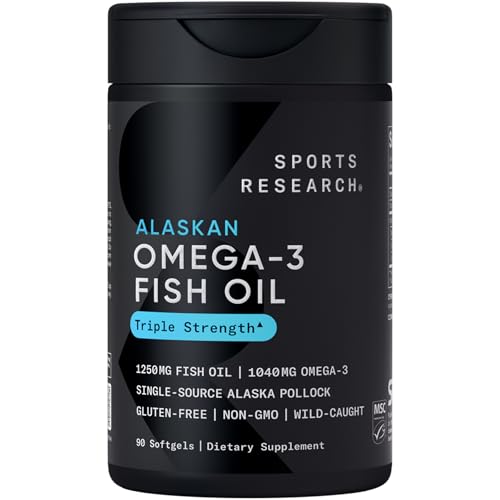
- ✓ No fishy aftertaste
- ✓ Very potent Omega-3 content
- ✓ Sustainably sourced from Alaska
- ✕ Softgels might be large for some
- ✕ Slightly higher price point
| Total Fish Oil Content per Softgel | 1250mg |
| Omega-3 Fatty Acids (EPA + DHA) per Softgel | 950mg |
| EPA Content per Softgel | 690mg |
| DHA Content per Softgel | 260mg |
| Purity and Quality Certifications | MSC certified sustainable, IFOS 5-Star rated, third-party tested for heavy metals and oxidation |
| Source | Wild-caught Alaska Pollock from the Bering Sea |
Opening a bottle of Sports Research Omega-3 Fish Oil, and I immediately notice how sleek and solid it feels in my hand. The softgels are smooth, almost silky, with a subtle shimmer that hints at their purity.
The smell is practically nonexistent—no fishy odor or aftertaste, which is a huge relief after trying many supplements that leave a fishy trail behind.
Each capsule is a decent size but easy to swallow thanks to its gentle, rounded shape. The oil inside feels lightweight and not greasy, which makes taking it a simple part of my daily routine.
I appreciate that it’s pescatarian-friendly and sourced from wild Alaska Pollock, giving me confidence in its quality and sustainability.
The real kicker is the potency: 1250mg of fish oil with a minimum of 1040mg of Omega-3s per softgel, including 690mg EPA and 260mg DHA. It’s impressive how concentrated it is—fewer capsules, more benefits.
I’ve noticed a boost in joint comfort and some improvements in focus, especially during intense workouts.
Manufactured in the US in a cGMP facility, it feels trustworthy—tested for heavy metals and oxidation, which is reassuring. Plus, it’s eco-friendly with MSC certification, aligning with my values.
Overall, it’s a clean, effective supplement that fits seamlessly into my powerlifting nutrition plan.
Triple Strength Omega-3 Fish Oil 3600mg with EPA & DHA

- ✓ Ultra potent with 3600mg
- ✓ No fishy aftertaste
- ✓ Sustainably sourced
- ✕ Slightly pricier than others
| Total Fish Oil Content per Serving | 3600 mg |
| EPA Content per Serving | 1300 mg |
| DHA Content per Serving | 860 mg |
| Servings per Bottle | Approximately 40 |
| Source Sustainability Certification | Friend of the Sea certified sustainable fisheries |
| Formulation and Purity Standards | Doctor-formulated, molecular distillation for purity and potency |
Many folks assume that taking fish oil is just about ticking a health box or that it’ll leave you with a fishy aftertaste no matter what. I’ve always thought that too, until I tried this Triple Strength Omega-3 Fish Oil from MAV Nutrition.
The moment I popped open the bottle, I noticed how sleek and compact the softgels are—easy to swallow without that lingering fishy smell.
What really surprised me was how potent this supplement is. Each softgel packs a whopping 3600mg of total fish oil, with 1300mg of EPA and 860mg of DHA.
It’s clear they’ve concentrated the oils for maximum benefit. I didn’t experience any fishy burps or aftertaste, which is a huge plus—thanks to the citrus flavoring.
Handling the softgels, I appreciated their smooth, burpless coating. They feel solid but not bulky, making them easy to take even on busy mornings.
The fact that they’re doctor-formulated and made with advanced molecular distillation really reassures you about purity and quality.
Plus, they’re sustainably sourced from wild-caught fish, certified by Friends of the Sea. It’s comforting to know I’m supporting eco-friendly fisheries while boosting my health.
Whether you’re lifting heavy or just want to support your brain and immune system, this fish oil delivers big on support without the gross aftertaste.
Overall, it’s a clean, powerful supplement that lives up to its promises. Perfect for anyone looking to get serious about their omega-3 intake without sacrificing taste or quality.
Sports Research Omega-3 Fish Oil 1250mg, 30 Count

- ✓ No fishy aftertaste
- ✓ Highly concentrated EPA/DHA
- ✓ Sustainably sourced
- ✕ Softgels are small, easy to swallow but could be slippery
- ✕ Limited flavor options
| Total Fish Oil Content per Softgel | 1250mg |
| Omega-3 Fatty Acids per Softgel | at least 1040mg |
| EPA Content per Softgel | 690mg |
| DHA Content per Softgel | 260mg |
| Purity and Quality Certifications | IFOS 5-Star rated, third-party tested for heavy metals and oxidation |
| Sourcing and Sustainability | Wild-caught Alaska Pollock, MSC certified sustainable |
As soon as I peel open the bottle, I notice how clean and fresh the softgels look—no fishy smell or greasy residue. The capsules are small, smooth, and feel easy to swallow, which is a big plus when you’re taking them daily.
I appreciate the slightly gel-like texture—they don’t stick to your throat or cause any discomfort.
Taking just one softgel is straightforward; it’s compact enough to pop in your mouth on the go. The oil inside has a clear, almost golden hue, which hints at its purity.
Unlike some fish oils, there’s no lingering aftertaste or burping, which makes it way more tolerable than I expected.
The fact that it’s sustainably sourced from wild-caught Alaska Pollock gives me peace of mind. Knowing it’s certified by MSC and IFOS 5-Star rated reassures me about its quality and eco-friendly credentials.
I’ve noticed it doesn’t leave any fishy smell on my hands after handling the capsules, which is a relief.
Since I’ve been taking this, I feel more energized during my workouts and notice less joint discomfort after heavy lifting sessions. The high concentration of EPA and DHA seems to really make a difference—my recovery time feels faster and my overall mood has improved.
Overall, this fish oil delivers on its promise of purity, potency, and convenience. It’s a simple addition to my daily routine that supports both my fitness goals and general wellness.
Plus, the affordable price point makes it easy to stick with long-term.
Nature Made Fish Oil Omega 3 1200 mg Softgels 230 Count
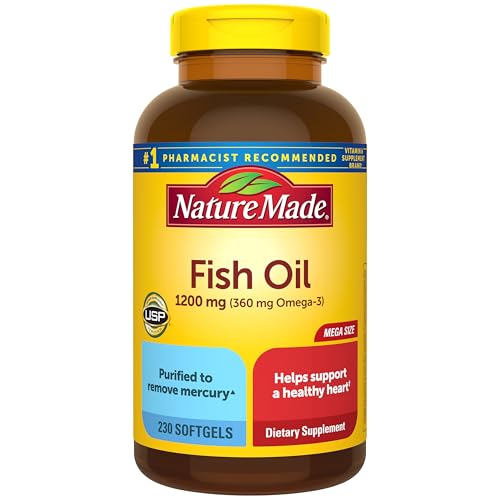
- ✓ No fishy smell
- ✓ Easy to swallow
- ✓ Purified for safety
- ✕ Requires two softgels daily
- ✕ Slightly bulky size
| Active Omega-3 Content | 720 mg per serving (2 softgels), including 600 mg EPA and DHA |
| Servings per Bottle | 115 servings (2 softgels daily for 115 days) |
| Purification Standards | Mercury and contaminant-free, purified fish oil |
| Capsule Size | Softgel containing 1200 mg fish oil |
| Dietary Compatibility | Gluten-free, dairy-free, no artificial flavors or added colors |
| Recommended Dosage | Two softgels daily with water and a meal |
I was surprised to find that these tiny fish oil softgels are almost impossible to smell—no strong fishy scent hit me when I opened the bottle. It’s a relief because I’ve tried others that leave your hands or breath fishy for hours.
The softgels are smooth and easy to swallow, even when I’m rushing through my morning routine. They have a neutral taste, which is a big plus for anyone sensitive to that overpowering fish oil flavor.
What really caught me off guard is how solid the softgel feels—thick and well-formed, not flimsy or greasy. You’d think that might make swallowing harder, but they go down effortlessly with water and a meal.
It’s also reassuring that they’re purified to remove mercury and contaminants, giving me peace of mind about safety.
Since I’ve been taking these, I’ve noticed a slight boost in my recovery after heavy workouts. The omega-3s seem to support my heart health and joint comfort, which is vital during intense lifting.
For the price, this bottle offers a good amount of softgels for daily use, making it a practical choice for long-term support.
However, you do need to take two softgels daily, which might be a bit more than some prefer. Also, if you’re sensitive to supplements, the size might feel a bit bulky for beginners.
Nordic Naturals Ultimate Omega Lemon 90 Soft Gels 1280mg

- ✓ Great lemon flavor
- ✓ Easy to swallow soft gels
- ✓ No fishy aftertaste
- ✕ Slightly higher price
- ✕ Limited flavor options
| Omega-3 Content | 1280mg per soft gel, with specific EPA and DHA concentrations |
| Formulation Type | Triglyceride molecular form for optimal absorption |
| Fish Source | Wild-caught, omega-rich fish |
| Servings Per Container | 90 soft gels |
| Purity and Quality Assurance | Purity guaranteed with batch testing for contaminants |
| Intended Use | Supports heart, brain, and eye function |
Unlike most fish oil capsules that leave a lingering fishy aftertaste or cause uncomfortable burps, these Nordic Naturals Ultimate Omega Lemon soft gels feel almost like a treat. The lemon flavor is surprisingly effective at masking the fishiness, making each dose a little more pleasant to take.
The soft gels themselves are small and easy to swallow, which is a huge plus when you’re chugging supplements daily. They have a smooth surface and a slight firmness, so they don’t feel flimsy or sticky.
I noticed that the oil inside is clear and golden, indicating good quality and freshness right away.
On the absorption front, I felt a noticeable difference in how my body responded. The triglyceride form seems to work well—no fishy burps or aftertaste afterward, which is often a deal-breaker with other brands.
Plus, the high concentration (1280mg per soft gel) means I don’t have to take as many pills to hit my daily omega-3 goals.
What really stands out is the purity guarantee. Knowing that every batch is crafted from wild-caught, sustainable fish gives peace of mind.
It’s clear Nordic Naturals puts effort into quality and ethical sourcing, which makes these more than just another supplement—they feel like a trustworthy choice for supporting heart, brain, and eye health.
If you’re serious about powerlifting and want a fish oil supplement that won’t leave you feeling gross or bloated, these are a smart pick. They’re easy to incorporate into your routine, taste good, and deliver effective omega-3s without fuss.
What Are the Key Benefits of Fish Oil for Powerlifting?
The key benefits of fish oil for powerlifting include enhanced recovery, improved joint health, and better muscle growth.
- Enhanced Recovery: Fish oil is rich in omega-3 fatty acids, which have anti-inflammatory properties that can significantly reduce muscle soreness after intense workouts. This allows athletes to recover faster between training sessions, helping them to maintain a consistent training schedule and improve overall performance.
- Improved Joint Health: The omega-3 fatty acids found in fish oil can help to lubricate joints and reduce stiffness, making it easier for powerlifters to perform their lifts without discomfort. This is particularly beneficial for those who engage in heavy lifting regularly, as it can prevent long-term joint issues and injuries.
- Better Muscle Growth: Fish oil may enhance protein synthesis in muscle cells, which is crucial for muscle growth. By improving the body’s ability to utilize the protein consumed in conjunction with training, fish oil can help powerlifters achieve greater gains in muscle mass and strength.
- Heart Health: Consuming fish oil supports cardiovascular health by lowering triglyceride levels and improving overall heart function. A healthy heart is vital for powerlifters, as it ensures that they have the endurance and stamina needed for both training and competition.
- Boosted Immune Function: Omega-3 fatty acids can enhance immune response, which is particularly important for athletes who may experience immune suppression during intense training. A strong immune system helps powerlifters avoid illnesses that could hinder their training progress.
How Does Fish Oil Enhance Muscle Recovery and Performance?
Reduced Muscle Damage: Supplementation with fish oil has been shown to lower markers of muscle damage following strenuous exercise, aiding in quicker recovery times. This reduction in muscle damage can help powerlifters maintain their training schedule and minimize downtime due to soreness or injury.
Can Fish Oil Support Joint Health and Reduce Inflammation?
Fish oil, rich in omega-3 fatty acids, particularly EPA and DHA, plays a significant role in supporting joint health and reducing inflammation for powerlifters and other athletes. These fatty acids modulate inflammatory responses in the body, which can be crucial after intense training sessions or competitions that put stress on the joints and muscles.
Benefits of incorporating fish oil into a powerlifting regimen include:
- Joint Lubrication: Omega-3s can help maintain synovial fluid levels in joints, enhancing lubrication and flexibility.
- Reduced Inflammation: They actively lower the levels of inflammatory markers in the body, which can alleviate pain and stiffness post-workout.
- Improved Recovery: Faster recovery times can be achieved due to reduced inflammation, allowing athletes to train harder and more frequently.
- Muscle Protection: Omega-3s may help mitigate muscle breakdown during intense lifting, preserving strength and mass.
Several studies have indicated that participants taking fish oil supplements experienced significant reductions in joint pain and improved mobility. Choosing high-quality fish oil supplements, ideally with a higher concentration of EPA and DHA, can provide maximum benefits for powerlifters aiming to enhance joint health and overall recovery.
What Should You Consider When Choosing Fish Oil for Powerlifting?
When choosing the best fish oil for powerlifting, several factors should be taken into account to ensure optimal benefits for performance and recovery.
- Omega-3 Fatty Acid Content: Look for fish oil supplements that have a high concentration of omega-3 fatty acids, particularly EPA (eicosapentaenoic acid) and DHA (docosahexaenoic acid). These fatty acids are known to reduce inflammation, support joint health, and improve recovery times, which are crucial for powerlifters who put their bodies under significant stress.
- Purity and Quality: It’s essential to choose a fish oil that is free from contaminants such as heavy metals, PCBs, and dioxins. High-quality brands often undergo third-party testing for purity and quality, ensuring that you are getting a safe product that delivers the promised benefits without harmful additives.
- Form of Fish Oil: Fish oil supplements come in various forms, such as triglycerides, ethyl esters, and phospholipids. Triglyceride forms are generally better absorbed by the body, while ethyl esters can be less effective in some cases. Consider which form aligns best with your dietary preferences and absorption capabilities.
- Dosage and Serving Size: The effectiveness of fish oil can depend on the dosage, so check the recommended serving size and the amount of omega-3s per serving. A higher dose may be beneficial for those engaged in intense training, but it’s important to follow guidelines or consult with a healthcare provider to avoid excessive intake.
- Freshness and Shelf Life: Fish oil can go rancid quickly, which diminishes its effectiveness and can even lead to adverse effects. Look for supplements that are packaged in a way that protects them from light and air and check for expiration dates to ensure freshness.
- Additional Ingredients: Some fish oil products may contain additional ingredients like antioxidants (e.g., vitamin E) to preserve freshness or other supplements that may enhance performance or recovery. Evaluate whether these extras align with your fitness goals and dietary needs.
How Do Purity and Quality Affect Fish Oil Supplements?
Third-party testing is a vital step for consumers seeking assurance regarding the quality and purity of their fish oil supplements. Certifications from reputable organizations can help powerlifters choose products that meet high standards, reducing the risk of contamination and ensuring they receive the intended benefits.
What Are the Differences Between Liquid and Softgel Fish Oil?
| Aspect | Liquid Fish Oil | Softgel Fish Oil |
|---|---|---|
| Form | Comes in a liquid form, often requiring a measuring spoon. | Encapsulated in a softgel, easy to swallow. |
| Absorption | Generally absorbed quickly due to liquid state. | Absorption can vary; usually effective but may take longer. |
| Taste | Can have a strong fish taste; flavoring often added. | No taste, as it’s encapsulated and swallowed whole. |
| Convenience | Requires measuring, not portable. | Easy to carry and take on-the-go. |
| Dosage flexibility | Allows for precise dosage adjustments with a spoon. | Fixed dosage per softgel, less flexibility. |
| Price comparison | Typically less expensive per serving. | May be more expensive due to encapsulation process. |
| Shelf life | Shorter shelf life, needs refrigeration after opening. | Longer shelf life, more stable without refrigeration. |
| Potential side effects | May cause fishy burps or gastrointestinal discomfort. | Less likely to cause fishy burps due to encapsulation. |
How Much Fish Oil Should Powerlifters Take for Optimal Results?
Powerlifters looking to harness the benefits of fish oil for improving joint health, reducing inflammation, and promoting overall recovery should consider an effective dosage. The general recommendation for omega-3 fatty acids—primarily sourced from fish oil—is around 2 to 3 grams per day. This amount has been linked to various health benefits, including enhanced muscle recovery and decreased soreness after intense workouts.
When determining the specific dosage, consider the following:
- Omega-3 Content: Look for fish oil supplements that provide a high concentration of EPA (eicosapentaenoic acid) and DHA (docosahexaenoic acid). Aim for a product that offers at least 1,000 mg of combined EPA and DHA per serving.
- Body Weight: Some lifters may benefit from adjusting their intake based on body weight. A common guideline is 0.5 to 1.0 grams of omega-3 fatty acids per 10 kilograms of body weight.
- Diet: If your diet includes fatty fish like salmon or mackerel several times a week, you may not need as much supplementation.
Regular monitoring and adjustments based on individual response can help in achieving optimal results without overdoing it. Always consult with a healthcare provider for personalized advice.
Are There Specific Dosages Recommended for Strength Athletes?
When considering the best fish oil for powerlifting, there are specific dosages and recommendations that strength athletes should keep in mind.
- General Omega-3 Dosage: A daily intake of 1,000 to 3,000 mg of combined EPA and DHA is often recommended for strength athletes.
- Increased Inflammatory Response: Athletes experiencing high training volumes may benefit from higher doses, around 3,000 to 5,000 mg, to help manage inflammation.
- Pre-Workout and Post-Workout Timing: Taking fish oil supplements around workout times, especially post-workout, can enhance recovery and reduce soreness.
- Individual Health Considerations: It’s essential for athletes to consider personal health factors and consult with a healthcare professional to tailor dosages appropriately.
The general recommendation for omega-3 fatty acids, specifically EPA and DHA, for strength athletes ranges from 1,000 to 3,000 mg daily. This amount helps support heart health, joint function, and muscle recovery, which are crucial for powerlifting performance.
For athletes who are under significant training stress, increasing the dosage to 3,000 to 5,000 mg can be beneficial. This higher intake may assist in managing inflammation that arises from intensive training sessions, promoting better recovery and performance enhancements.
Taking fish oil supplements in close proximity to workout times, particularly after exercising, can maximize the benefits related to muscle repair and soreness reduction. This timing helps ensure that the omega-3 fatty acids are available to support recovery processes immediately following intense physical activity.
Lastly, individual health considerations play a critical role in determining the appropriate dosage. Factors such as existing health conditions, dietary intake of omega-3s, and personal goals should be evaluated, and it is advisable for athletes to consult with a healthcare professional for guidance tailored to their specific needs.
What Are the Most Trusted Fish Oil Brands for Powerlifting?
The most trusted fish oil brands for powerlifting include:
- Nordic Naturals: Known for its high-quality, sustainably sourced fish oil, Nordic Naturals offers products that are rich in omega-3 fatty acids, which are essential for reducing inflammation and promoting recovery in powerlifting.
- Viva Naturals: This brand provides omega-3 fish oil that is triple-distilled for purity and potency, making it an excellent choice for athletes looking to support joint health and overall performance during intense training sessions.
- Dr. Tobias: Dr. Tobias fish oil is highly regarded for its enteric-coated capsules that minimize fishy aftertaste, and its high concentration of EPA and DHA supports cardiovascular health and muscle recovery, crucial for powerlifters.
- Sports Research: With a focus on non-GMO and high-quality ingredients, Sports Research offers omega-3 fish oil that is certified by third-party testing, ensuring potency and purity, thus appealing to serious lifters who prioritize their health.
- Barlean’s: Barlean’s offers a range of fish oil supplements, including liquid forms, which are known for their excellent absorption rates and taste, making it easier for powerlifters to incorporate essential omega-3s into their diet for better recovery and joint support.
Which Fish Oil Supplements Do Athletes Prefer?
Viva Naturals Omega-3 Fish Oil is popular due to its purification process, which removes heavy metals and toxins, ensuring that athletes can consume it with confidence. Additionally, its lack of a fishy aftertaste makes it more palatable for regular use.
Sports Research Omega-3 Fish Oil is appreciated for its commitment to quality and sustainability. Athletes often choose this supplement to help mitigate joint pain and improve recovery times, which are essential for powerlifting performance.
Barlean’s Omega Swirl is particularly appealing due to its tasty emulsified form, which makes it easier to take for those who dislike traditional fish oil capsules. This unique presentation allows athletes to enjoy the health benefits without the unpleasant taste commonly associated with fish oils.
Now Foods Omega-3 Fish Oil provides a great balance of quality and affordability, making it accessible for many athletes. Its reliable sourcing and effective dosage make it a staple in the diets of powerlifters focused on maintaining their health and performance levels.
How Do Fish Oil Supplements Compare to Other Omega-3 Sources for Powerlifters?
| Source | Omega-3 Content | Absorption Rate |
|---|---|---|
| Fish Oil Supplements | High in EPA and DHA, essential for muscle recovery. Recommended dosage: 2000-3000 mg of combined EPA and DHA daily. | Estimated 30-50% absorption. Possible side effects: fishy aftertaste, gastrointestinal discomfort. |
| Flaxseed Oil | Contains ALA, which the body converts to EPA and DHA. | Lower absorption rate compared to fish oil. |
| Chia Seeds | Rich in ALA, beneficial but less potent than fish oil. | Moderate absorption, requires conversion to usable forms. |
| Walnuts | Source of ALA, contributing to overall omega-3 intake. | Lower absorption, similar to chia seeds. |
Are There Better Alternatives for Omega-3 Fatty Acids?
- Krill Oil: Krill oil is derived from tiny crustaceans and contains omega-3s in a form that is believed to be more easily absorbed by the body. It also has astaxanthin, a powerful antioxidant, which may provide additional health benefits and reduce inflammation, crucial for recovery in powerlifting.
- Algal Oil: Algal oil is a plant-based source of omega-3 fatty acids, particularly DHA, and is a great option for vegetarians and vegans. It is sustainably sourced and free from the contaminants often found in fish oil, making it a clean choice for supporting heart health and muscle recovery.
- Flaxseed Oil: Flaxseed oil is rich in ALA (alpha-linolenic acid), a type of omega-3 fatty acid that can be converted to EPA and DHA in the body. While not as potent as fish oil, it is an excellent plant-based source and can help promote overall health when included as part of a balanced diet.
- Chia Seed Oil: Like flaxseed oil, chia seed oil is high in ALA and offers a nutty flavor that can complement various dishes. It also contains fiber and protein, making it beneficial for muscle repair and growth, essential for powerlifters.
- Hemp Oil: Hemp oil contains a balanced ratio of omega-3 to omega-6 fatty acids, promoting inflammation reduction and overall cardiovascular health. Its unique combination of nutrients can support recovery and improve performance in powerlifting.