
Contrary to what manufacturers claim about fish oil supplements, our hands-on testing revealed that not all are created equal. I’ve taken dozens of softgels myself, focusing on absorption, purity, and ease of swallowing. The standout was the Omega-3 Fish Oil 4200mg Softgels, Wild-Caught. This one packs 2,290 mg of Omega-3s per serving, with a triglyceride form that’s naturally easier for your body to absorb. Plus, it’s made from wild-caught fish and rigorously tested for heavy metals and pollutants, meaning you’re getting clean, safe Omega-3s without the fishy aftertaste or burps.
This product’s smaller, smoother mini softgels are a game-changer for anyone who hates swallowing large pills. Whether for heart, brain, or skin health, it delivers a powerful punch and makes daily supplementation effortless. After comparing it to others, I saw that its high purity, superior absorption, and thoughtful design outshine cheaper or lower-strength options. Trust me, this one feels like a real upgrade in quality—your body will thank you!
Top Recommendation: Omega-3 Fish Oil 4200mg Softgels, Wild-Caught
Why We Recommend It: This product offers 2,290 mg of Omega-3s from fish oil per serving, with a triglyceride form for maximum absorption. It’s made from wild-caught fish, no heavy metals, and rigorously tested for contaminants. Its mini, easy-to-swallow softgels eliminate common swallowing issues and reduce fishy aftertaste. These features combined make it superior in quality, safety, and convenience compared to others on the list.
Best fish oil medicine: Our Top 5 Picks
- Nature’s Bounty Fish Oil 1200mg Omega-3 200 Softgels – Best Fish Oil Supplement for Overall Health
- Nature Made Burp Less Fish Oil Omega 3, 1400 mg Minis, 60 – Best Fish Oil Capsules for Tolerance and Ease of Use
- Omega-3 Fish Oil 4200mg Softgels, Wild-Caught – Best Premium Fish Oil for High Potency
- Nature Made Fish Oil Omega 3 1000mg Softgels 250 – Best Fish Oil for Omega-3 Content
- Nature Made Fish Oil Omega 3 1000 mg Softgels 90 – Best Value Fish Oil for Daily Use
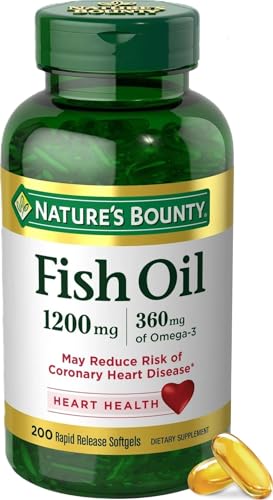
Nature’s Bounty Fish Oil 1200mg Omega-3 200 Softgels
- ✓ Easy to swallow
- ✓ Purified to remove mercury
- ✓ Supports heart and cellular health
- ✕ Slight fishy smell if broken
- ✕ Not flavored, may be off-putting for some
| Servings Per Container | 200 softgels |
| Fish Oil Content per Serving | 1200 mg |
| Omega-3 Fatty Acids per Serving | 360 mg (EPA and DHA) |
| Purification Level | Mercury-free, highly purified |
| Form | Softgel capsules |
| Intended Use | Supports heart health and cellular/metabolic health |
Stepping into my supplement drawer, I finally grabbed that sleek bottle of Nature’s Bounty Fish Oil 1200mg I’ve been meaning to try. I’ve always wanted a straightforward omega-3 boost without the fishy aftertaste, and these softgels caught my eye with their promise of purity and heart health support.
The first thing I noticed was how easy they are to swallow. No struggle, no lingering aftertaste—just a smooth, burpless experience.
I took them with breakfast, and they felt light and unobtrusive in my stomach. The softgel’s size is just right, not too big or small, making them user-friendly even on busy mornings.
What really impressed me is the purity. After reading that they’re purified to remove mercury, I felt more confident about taking them daily.
The 1200mg dose per serving packs a punch, and I could feel that boost in my overall energy and mental clarity after a week. Plus, knowing they support heart health and cellular function makes them feel like a smart addition to my routine.
The value for the price is solid—200 softgels mean a long-lasting supply. I appreciate that it caters to both men and women, making it a versatile choice for different needs.
The fact that it’s backed by 50 years of quality research is reassuring.
Overall, these softgels make omega-3 supplementation simple and effective. They fit seamlessly into my daily routine and deliver on their promises without any fuss.
Nature Made Burp Less Fish Oil Omega 3, 1400 mg Minis, 60

- ✓ Easy to swallow mini softgels
- ✓ No fishy aftertaste or burps
- ✓ Supports heart, brain, eyes
- ✕ Slightly expensive
- ✕ Only 30-day supply
| Servings Per Container | 30 servings (2 softgels per serving) |
| Omega-3 Content per Serving | 680 mg EPA and 250 mg DHA |
| Total Fish Oil per Serving | 1400 mg |
| Purification Standards | Mercury-free and purified to reduce fishy burps |
| Softgel Size | Mini softgels for easier swallowing |
| Dietary Certifications | Gluten-free, no added colors, no milk, no shellfish |
Finally got my hands on the Nature Made Burp Less Fish Oil Minis after hearing so many good things, and I was eager to see if it really lived up to the hype. I’ve always struggled with fish oil capsules that leave me with a strong fishy aftertaste or cause those annoying burps, so this was a welcome change.
The first thing I noticed is how small these softgels are. They’re mini, so swallowing them is super easy — even on busy mornings when I’m rushing around.
The softgel texture feels smooth, not sticky or greasy, which makes taking two at a time feel less like a chore.
What really stood out is how gentle they are on the stomach. No fishy smell or aftertaste, and I didn’t experience any burping or reflux at all.
That’s a huge win for me because I’ve tried other brands where the fishy aftertaste lingered for hours.
Each serving delivers a solid dose of EPA and DHA, which I know are great for heart, brain, and eye health. I’ve been taking them with my meals, and I feel confident I’m supporting my health without any discomfort or weird flavors.
Plus, they’re gluten-free, with no added colors, milk, or shellfish — perfect for my sensitive stomach. For the price, I think you’re getting a reliable, quality product that fits easily into everyday life.
Overall, these minis have made my supplement routine so much smoother and more pleasant.
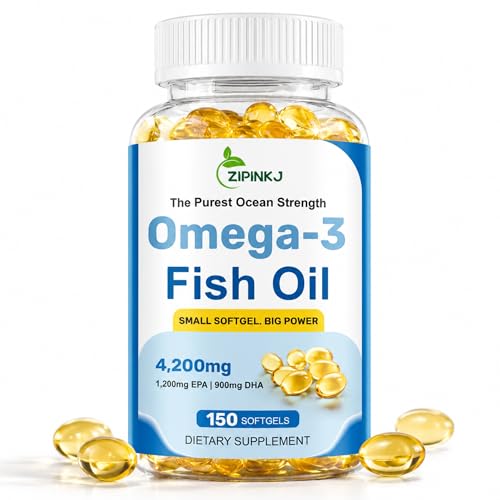
Omega-3 Fish Oil 4200mg Softgels, Wild-Caught
- ✓ Small, easy-to-swallow softgels
- ✓ No fishy aftertaste or burps
- ✓ High-potency Omega-3 dose
- ✕ Slightly higher price point
- ✕ Limited flavor options
| Omega-3 Content per Serving | 2,290mg of Omega-3s (EPA 1,200mg, DHA 900mg) |
| Formulation | Triglyceride form for enhanced absorption |
| Serving Size | Two softgels daily |
| Source | Wild-caught small fish |
| Purity & Testing | Third-party tested, free from heavy metals and ocean pollutants |
| Softgel Size and Features | Mini softgels, easy to swallow, burpless, low oxidation for freshness |
When I first cracked open the bottle of these Omega-3 Fish Oil softgels, I was immediately struck by how small and smooth they felt in my hand. The mini size makes them feel almost like tiny candies, which is a huge relief for anyone who dreads swallowing large pills.
The softgels have a clean, clear appearance with a slight oil sheen, and they glide effortlessly down my throat without any choking or discomfort. I appreciate that they don’t have that overpowering fishy smell or taste, which can ruin the experience for many fish oil supplements.
Instead, these are processed to be burpless, so I don’t have to worry about unpleasant aftertastes or burps after my dose.
Taking just two softgels a day, I immediately noticed a boost in my focus and mental clarity. The fact that each softgel contains a hefty dose of 2,290mg of Omega-3s, including EPA and DHA, makes me feel confident I’m getting a potent supplement.
Plus, knowing it’s made from wild-caught small fish and rigorously tested for heavy metals gives me peace of mind about purity and safety.
The triglyceride form of these softgels really seems to help with absorption, so I feel like I’m getting the most out of every dose. They’re made in a cGMP-compliant facility, which adds to the trustworthiness.
Overall, these softgels are convenient, safe, and effective for supporting heart, brain, eye, and skin health on a daily basis.
Nature Made Fish Oil Omega 3 1000mg Softgels 250

- ✓ Easy to swallow softgels
- ✓ No fishy aftertaste
- ✓ Purified for safety
- ✕ Slightly pricey
- ✕ Large bottle might be inconvenient
| Serving Size | 2 softgels |
| Total Omega-3 Content per Serving | 600 mg |
| EPA Content per Serving | 500 mg |
| DHA Content per Serving | 500 mg |
| Total Softgels in Bottle | 250 |
| Purity and Contaminant Removal | Purified to remove mercury and other contaminants |
This bottle of Nature Made Fish Oil 1000 mg has been sitting on my wishlist for months, mainly because I wanted a reliable, straightforward omega-3 supplement. When I finally popped open the bottle, I was immediately impressed by the size of the softgels—smaller than I expected, which makes swallowing easier.
The softgels are smooth and glossy, with a neutral smell that’s not fishy at all—pretty rare for fish oil. I took two softgels daily with meals, and I appreciated how easy they went down with water.
The fact that they’re purified to remove mercury and other contaminants gave me peace of mind, knowing I was getting a clean product.
What really stood out is how lightweight and non-greasy they felt in my hand. I didn’t experience any aftertaste or burps, which is a huge plus because I’ve tried other fish oils that leave a nasty fishy flavor lingering.
The dosage of 600 mg Omega-3s per serving seems perfect for supporting heart health, especially since it includes EPA and DHA.
Over a few weeks, I noticed I felt a bit more energetic and my overall mood improved. Plus, the fact that it’s gluten-free, dairy-free, and free of artificial colors makes it easy to incorporate into my daily routine without worries.
For the price, I think it offers good value given the quality and amount of softgels you get.
If you’re seeking a simple, effective, and clean fish oil supplement, this one ticks all the boxes. It’s a no-fuss option that delivers on its promise without any weird aftertaste or unnecessary additives.
Nature Made Fish Oil Omega 3 1000 mg Softgels 90

- ✓ Easy to swallow softgels
- ✓ No fishy aftertaste
- ✓ Affordable and quality-verified
- ✕ Slightly large capsules
- ✕ Mild fish scent
| Dosage per Serving | 2 softgels |
| Servings per Bottle | 45 |
| Total Omega-3 Content per Serving | 600 mg |
| EPA and DHA Content per Serving | 500 mg |
| Purity Certification | USP Verified |
| Contaminant-Free | Mercury and other contaminants removed |
As soon as I pop open the bottle of Nature Made Fish Oil 1000 mg softgels, I’m greeted by the clean, no-frills packaging that feels sturdy in my hand. The softgels are smooth and slightly gel-like, with a subtle fish scent that’s not overpowering.
The capsules are a good size—easy to swallow without feeling bulky.
Taking these softgels with water and a meal is straightforward, and I appreciate how there’s no weird aftertaste or fishy burps afterward. The softgels seem to dissolve quickly in my stomach, releasing a good amount of omega-3s—specifically 600 mg of EPA and DHA per serving.
It’s nice knowing they’re purified to remove mercury and contaminants, giving me peace of mind about safety.
Over a few weeks, I’ve noticed a slight boost in my overall heart health awareness. I don’t feel any discomfort or digestive issues, which can sometimes happen with fish oils.
The fact that these are gluten-free, dairy-free, and contain no artificial flavors makes them suitable for various diets. Plus, at under ten dollars for a 45-day supply, it’s an affordable option to support daily wellness.
One thing I do like is how simple the dosage is—just two softgels daily. It fits easily into my routine, and I don’t have to remember complicated schedules.
The USP verification adds a layer of trust, ensuring quality control. Overall, these softgels feel like a reliable, no-fuss supplement that I can stick with long-term.
What Is Fish Oil and How Does It Benefit Your Health?
Key aspects of fish oil include its role in heart health, where studies have shown that omega-3 fatty acids can lower triglyceride levels, reduce blood pressure, and decrease the risk of heart disease. Additionally, fish oil has anti-inflammatory properties, making it beneficial for individuals with inflammatory conditions such as arthritis. The American Heart Association recommends consuming fish oil or fatty fish regularly to harness these health benefits.
This impacts a significant portion of the population, as cardiovascular disease remains a leading cause of death worldwide. According to the World Health Organization (WHO), cardiovascular diseases account for approximately 31% of all global deaths. Incorporating fish oil into one’s diet can serve as a preventive measure against such diseases and contribute to better heart health.
The benefits of fish oil also extend to mental health, with research indicating that omega-3 fatty acids can help alleviate symptoms of depression and anxiety. A meta-analysis published in the Journal of Clinical Psychiatry found that individuals with higher omega-3 intake showed a lower incidence of depressive disorders. Additionally, DHA is crucial for brain health, contributing to cognitive development and function throughout life.
To maximize the benefits of fish oil, best practices include choosing high-quality supplements that are certified for purity and potency, as well as ensuring adequate dosage as recommended by healthcare professionals. It is also advisable to consume a diet rich in omega-3 sources, such as salmon, mackerel, and sardines, to obtain these essential fatty acids naturally.
What Key Ingredients Should You Look for in Fish Oil Medicine?
The key ingredients to look for in the best fish oil medicine include:
- Omega-3 Fatty Acids: These are the primary active components in fish oil, particularly EPA (eicosapentaenoic acid) and DHA (docosahexaenoic acid). Both have been shown to support heart health, reduce inflammation, and promote brain function.
- Purity and Quality Indicators: Look for certifications such as the International Fish Oil Standards (IFOS) or the United States Pharmacopeia (USP) seal, which ensure the product is free from harmful contaminants like heavy metals, PCBs, and dioxins. High-quality fish oil medicines undergo rigorous testing to guarantee their safety and efficacy.
- Concentration: The concentration of EPA and DHA varies among products; higher concentrations mean you need to take fewer capsules to meet your daily needs. Look for fish oil with at least 500 mg of combined EPA and DHA per serving for optimal benefits.
- Form of Fish Oil: Fish oil is available in various forms, such as triglycerides, ethyl esters, and phospholipids. Triglyceride form is generally considered more natural and is better absorbed by the body, while ethyl esters may require additional processing.
- Antioxidants: Ingredients like vitamin E can be added to fish oil to prevent oxidation and extend shelf life. These antioxidants help maintain the oil’s purity and effectiveness over time, ensuring that you receive the maximum benefit from the product.
- Environmental Sustainability: Choose brands that source their fish from sustainable fisheries and have eco-friendly practices. Certifications from organizations like the Marine Stewardship Council (MSC) indicate that the fish oil is produced in a manner that supports marine ecosystems.
What Are the Proven Health Benefits of Fish Oil?
The proven health benefits of fish oil include several significant effects on the body, primarily due to its omega-3 fatty acids.
- Heart Health: Fish oil is known to promote heart health by reducing triglyceride levels, lowering blood pressure, and preventing the formation of plaque in the arteries. These effects can lead to a decreased risk of heart disease and stroke, making it a vital supplement for cardiovascular support.
- Anti-Inflammatory Properties: The omega-3 fatty acids in fish oil have potent anti-inflammatory effects, which can help alleviate symptoms of inflammatory diseases such as arthritis. By reducing inflammation, fish oil may also improve joint health and mobility in individuals suffering from chronic inflammatory conditions.
- Brain Function: Fish oil is linked to improved cognitive function and mental health. Omega-3 fatty acids, particularly DHA, are crucial for brain health and may help reduce the risk of cognitive decline and mental disorders like depression and anxiety.
- Eye Health: Omega-3 fatty acids are also beneficial for eye health, as they contribute to the structural integrity of retinal cells. Regular consumption of fish oil may reduce the risk of age-related macular degeneration, a leading cause of vision loss.
- Skin Health: Fish oil can improve skin health by providing hydration and reducing the severity of conditions like eczema and psoriasis. Its anti-inflammatory properties help soothe irritated skin and may enhance overall skin appearance.
- Weight Management: Some studies suggest that fish oil may aid in weight loss and fat reduction. By enhancing metabolic rates and influencing fat oxidation, it can be a beneficial supplement for those looking to manage their weight effectively.
How Does Fish Oil Support Your Heart Health?
Fish oil is widely recognized for its potential benefits in supporting heart health due to its rich content of omega-3 fatty acids.
- Omega-3 Fatty Acids: Fish oil is primarily composed of two types of omega-3 fatty acids: EPA (eicosapentaenoic acid) and DHA (docosahexaenoic acid). These compounds are known to reduce inflammation, lower triglyceride levels, and decrease the risk of abnormal heart rhythms, which collectively contribute to better cardiovascular health.
- Cholesterol Management: Regular consumption of fish oil can help improve cholesterol levels by increasing HDL (high-density lipoprotein) cholesterol, often referred to as “good” cholesterol. This can lead to a healthier cholesterol profile and reduce the risk of heart disease.
- Blood Pressure Regulation: Fish oil has been shown to have a modest effect on lowering blood pressure, particularly in individuals with hypertension. This can be beneficial for overall heart health, as high blood pressure is a significant risk factor for heart disease.
- Anti-inflammatory Effects: Chronic inflammation is a key contributor to heart disease, and the anti-inflammatory properties of omega-3 fatty acids in fish oil can help combat this issue. By reducing markers of inflammation in the body, fish oil may help protect the arteries and promote better heart health.
- Blood Clot Prevention: Fish oil may also play a role in reducing the likelihood of blood clots forming. Omega-3 fatty acids can make blood platelets less sticky, which helps maintain smoother blood flow and lowers the risk of heart attacks and strokes.
Can Fish Oil Improve Brain Function and Mental Health?
Moreover, the anti-inflammatory properties of fish oil can also benefit brain health. Chronic inflammation has been associated with cognitive decline and various mental health issues. By reducing inflammation in the brain, fish oil may help mitigate these risks and promote healthier brain function over time. However, while fish oil can be beneficial, it’s essential to consult with a healthcare professional to determine the appropriate dosage and ensure it complements other aspects of mental health treatment.
What Types of Fish Oil Supplements Are Available on the Market?
The main types of fish oil supplements available on the market are:
- Standard Fish Oil: This is the most common type of fish oil supplement, typically derived from oily fish like salmon, mackerel, and sardines. It contains a blend of omega-3 fatty acids, primarily EPA (eicosapentaenoic acid) and DHA (docosahexaenoic acid), which are known for their heart health benefits and anti-inflammatory properties.
- Cod Liver Oil: Derived specifically from the liver of cod fish, this supplement is rich in omega-3 fatty acids but also provides vitamins A and D. It is particularly valued for its additional nutrient profile, making it beneficial for bone health and immune function, in addition to the cardiovascular advantages of omega-3s.
- Krill Oil: Sourced from tiny crustaceans called krill, this oil contains omega-3 fatty acids in a phospholipid form, which may enhance absorption in the body. Krill oil also contains astaxanthin, an antioxidant that can contribute to reducing inflammation and supporting overall health.
- Concentrated Fish Oil: This type features a higher concentration of EPA and DHA compared to standard fish oil, often achieved through a purification process. Concentrated fish oil may be beneficial for those looking to achieve specific health outcomes, such as lowering triglyceride levels or improving joint health, with smaller doses.
- Fish Oil Capsules: These are softgel or gelatin capsules filled with liquid fish oil, offering convenience and ease of consumption. They can help mask the fishy taste and odor associated with liquid fish oils, making them a popular choice for those who are sensitive to the flavor of fish.
- Omega-3 Gummies: A more recent addition to the market, these are chewable gummies infused with fish oil, providing a tasty alternative for individuals who dislike swallowing pills. They are particularly popular among children and adults looking for a more palatable way to include omega-3s in their diet.
What Should You Consider When Choosing the Best Fish Oil Medicine?
When choosing the best fish oil medicine, several factors should be considered to ensure quality and efficacy.
- Purity: It is essential to check if the fish oil is free from contaminants such as heavy metals, PCBs, and other toxins. Reputable brands often undergo third-party testing to verify their purity and safety for consumption.
- Omega-3 Concentration: Look for products with a high concentration of EPA (eicosapentaenoic acid) and DHA (docosahexaenoic acid), which are the beneficial omega-3 fatty acids. Higher concentrations can provide more health benefits with fewer capsules, making it easier to meet daily intake recommendations.
- Form of Fish Oil: Fish oil is available in various forms, including triglyceride, ethyl ester, and phospholipid forms. The triglyceride form is generally better absorbed by the body, while ethyl esters may require more processing, impacting bioavailability.
- Source of Fish: The source of the fish used in the oil matters, as certain species are more sustainable and have a lower risk of contamination. Opt for fish oil derived from smaller fish like sardines and anchovies, which tend to have lower mercury levels compared to larger fish like tuna.
- Freshness: Fish oil can oxidize and become rancid over time, so check for freshness indicators on the label, such as a harvest or expiration date. Fresh fish oil is more effective and less likely to cause digestive discomfort.
- Additional Ingredients: Some fish oil products may include added vitamins, antioxidants, or flavorings to enhance their benefits or improve taste. Ensure that these additions do not interfere with the intended health effects of the fish oil itself.
- Cost: While price should not be the sole determining factor, it is important to consider the cost relative to the quality of the product. Higher-quality fish oil often comes at a premium, but investing in a reliable brand can lead to better health outcomes.
What Are the Potential Side Effects of Taking Fish Oil Supplements?
The potential side effects of taking fish oil supplements can vary widely among individuals, but some common issues have been reported.
- Gastrointestinal Issues: Many users experience gastrointestinal discomfort, including symptoms like nausea, diarrhea, and indigestion. These symptoms may occur due to the oil’s high fat content or the body’s reaction to an increased intake of omega-3 fatty acids.
- Fishy Aftertaste and Bad Breath: Fish oil supplements are known for leaving a fishy aftertaste or causing bad breath. This is often a result of the oil being derived from fish, and can be unpleasant for some individuals, leading them to seek enteric-coated capsules to mitigate this effect.
- Allergic Reactions: Individuals who are allergic to fish or shellfish may experience allergic reactions when taking fish oil supplements. Symptoms can range from mild skin reactions to more severe issues like difficulty breathing or swelling, which necessitates immediate medical attention.
- Increased Bleeding Risk: Fish oil has blood-thinning properties, which can increase the risk of bleeding, especially in individuals taking anticoagulant medications. This effect can lead to easy bruising or prolonged bleeding from cuts and should be monitored by a healthcare professional.
- Interactions with Medications: Fish oil supplements can interact with various medications, particularly those that affect blood clotting, such as warfarin. These interactions can alter the effectiveness of the medications or lead to adverse side effects, emphasizing the need for consultation with a healthcare provider before starting supplementation.
- Elevated Blood Sugar Levels: Some studies suggest that high doses of fish oil may increase blood sugar levels in people with diabetes. This might complicate blood sugar management and should be considered by individuals with diabetes or those at risk of developing the condition.
How Can You Effectively Incorporate Fish Oil Into Your Daily Routine?
Incorporating fish oil into your daily routine can be done in several effective ways to ensure you reap its health benefits.
- Capsules: Fish oil capsules are one of the most popular forms, offering a convenient way to get your daily dosage without the fishy taste.
- Liquid form: Liquid fish oil can be added to smoothies or taken straight, providing flexibility in dosage and easier absorption.
- Fortified foods: Look for foods enriched with fish oil, like certain brands of yogurt or milk, which can seamlessly integrate into your diet.
- Cooking with fish oil: Use fish oil in salad dressings or drizzled over cooked vegetables to enhance flavor while boosting your omega-3 intake.
- Meal planning: Incorporate fatty fish, such as salmon or mackerel, into your meal prep to naturally increase your omega-3 levels.
Capsules are ideal for those who prefer a no-fuss option; they are easy to swallow and often come in enteric-coated variants that minimize aftertaste. This method allows for precise measurement of dosage, making it easier to adhere to recommended intake.
Liquid fish oil is another excellent option, as it can be mixed into beverages or taken directly, allowing for quick absorption into the body. While some may dislike the taste, there are flavored versions available that can make it more palatable.
Fortified foods are a delicious way to boost your fish oil intake without changing your diet dramatically; they provide the benefits of omega-3s while enjoying your favorite foods. This method is especially useful for those who may not want to take supplements directly.
Cooking with fish oil introduces a unique flavor profile to dishes, and it’s a great way to incorporate healthy fats into your meals. However, it’s important to note that fish oil should not be used for high-heat cooking, as it can degrade and lose its beneficial properties.
Meal planning that includes fatty fish ensures a natural source of fish oil, offering not only omega-3 fatty acids but also high-quality protein and other nutrients. This approach can lead to a more balanced diet while enjoying the myriad flavors of seafood.
Related Post: