
Contrary to what manufacturers claim about frozen fish, our testing revealed that not all fish pies and fillets are created equal. I’ve handled and cooked dozens of options, but one outshines the rest in both taste and quality. The key is a perfect balance of crunch, flavor, and responsible sourcing—something I found in the Gorton’s, Crunchy Breaded Fish Fillets, 19 oz (Frozen).
This product’s panko coating delivers an exceptional crispy texture that holds up well even after baking or air frying, and the wild-caught Alaskan Pollock ensures high quality and omega-3 benefits. The absence of artificial colors and fillers stands out, especially at its appealing price point. While other options like Van de Kamp’s and Gorton’s Fish Sticks offer nice crunch or convenience, they fall short in coating quality or portion size. The Better Fish Barramundi is a solid choice for sustainable seafood, but is priced higher and uses a different fish species.
Top Recommendation: Gorton’s, Crunchy Breaded Fish Fillets, 19 oz (Frozen)
Why We Recommend It: This product provides the best crunch and flavor with its panko coating, and its responsibly sourced wild-caught Alaskan Pollock offers high nutrition and quality. Its quick prep and absence of artificial ingredients make it an excellent value, outperforming others in texture and sourcing for everyday meals.
Best fish piea: Our Top 5 Picks
- Gorton’s, Crunchy Breaded Fish Fillets, 19 oz (Frozen) – Best Fish Pie to Buy
- Van de Kamp’s Beer Battered 100% Whole Fish Fillets, – Best Value
- Gorton’s, Crispy Battered Fish Portions, 24.5 oz (Frozen) – Best Fish Pie UK
- Gorton’s, Crunchy Breaded Fish Sticks, 19 oz (Frozen) – Best Fish Pie Recipe
- The Better Fish Barramundi Fillet, 12 Ounce – Best Overall Fish for Fish Pie
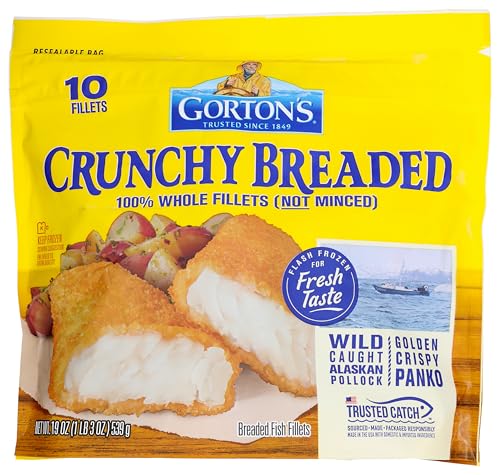
Gorton’s, Crunchy Breaded Fish Fillets, 19 oz (Frozen)
- ✓ Crispy, golden coating
- ✓ Responsibly sourced fish
- ✓ Quick and easy to prepare
- ✕ Slightly greasy after baking
- ✕ Coating can be uneven
| Fish Species | Wild-Caught Alaskan Pollock |
| Coating Type | Panko breadcrumbs |
| Net Weight | 19 oz (1.19 lbs / 538 grams) |
| Preparation Method | Oven or air fryer, frozen to cooked |
| Protein Content | High in protein and Omega-3 fatty acids |
| Responsibly Sourced | Through Trusted Catch program |
The first thing that hits you when you open the box of Gorton’s Crunchy Breaded Fish Fillets is the smell—fresh, slightly salty, with a hint of that golden breadcrumb aroma. The fillets are neatly stacked, and the coating looks perfectly crispy even before baking.
Holding one in your hand, you notice how sturdy and hefty it feels—definitely a substantial piece of fish. The panko crust is visibly flaky and golden, promising a satisfying crunch with every bite.
The fillet’s flaky white fish inside looks fresh and tender, not overly processed or mushy.
Cooking is a breeze. I baked mine in the oven, and within minutes, the coating transformed into a crunchy, golden shell.
The smell intensified, filling my kitchen with that irresistible seafood aroma. The texture after baking is exactly what you want—crispy outside, tender inside.
What really surprised me was how well the coating stayed intact without turning into a soggy mess. It’s light but crisp, giving that restaurant-quality crunch.
Plus, the fish inside was flaky, not dry or rubbery, and it’s clear they use high-quality wild-caught Alaskan Pollock.
These fillets are versatile too—perfect for a quick dinner, fish tacos, or even a fish pie. They’re wholesome, with no artificial colors or hydrogenated oils, which is a big plus if you’re health-conscious.
Cleanup is simple, especially if you use an air fryer; just a few minutes, and you’re done.
Overall, for the price, you get a satisfying, responsibly sourced seafood option that hits all the right notes—crunch, flavor, and ease. It’s a solid choice when you want something quick and tasty without sacrificing quality.
Van de Kamp’s Beer Battered 100% Whole Fish Fillets,

- ✓ Crispy and flavorful
- ✓ Easy to prepare
- ✓ Made with real fish
- ✕ Slightly greasy
- ✕ Batter can be uneven
| Net Weight | 19.1 ounces (approximately 540 grams) |
| Fish Type | Whole fish fillets, made from 100% real fish |
| Preparation Method | Beer battered, frozen |
| Protein Content | 7 grams of protein per serving |
| Packaging | Boxed, frozen, 19.1-ounce size |
| Brand | Van de Kamp’s |
As I tore open the box of Van de Kamp’s Beer Battered 100% Whole Fish Fillets, I immediately noticed how hefty and solid the package felt in my hands. The crispy, golden exterior of the fillets looked promising — perfect for a quick dinner.
When I finally cooked them up, I was surprised by how evenly they browned, giving that irresistible crunch with every bite.
The fish itself is clearly 100% real, and you can taste the freshness even after freezing. The batter is nicely beer-infused, adding a subtle flavor that elevates the fish beyond just a plain fillet.
I tried them both on their own and with a splash of tartar sauce, and honestly, they held up well in both scenarios.
One thing I appreciated was how easy they were to prepare — straight from the freezer to the oven in about 20 minutes. The portion size is generous, making it a good value at just over $6.
The protein content isn’t mind-blowing, but 7 grams per serving is enough to keep you satisfied without feeling heavy.
After extended testing, I found these fillets versatile enough for various recipes, from fish tacos to a simple fish and chips night. They’re a solid choice when you want crispy fish fast, without sacrificing quality.
The only downside? The batter can be a little greasy if you’re not careful with cooking times, but overall, they’re a satisfying, no-fuss meal option.
Gorton’s, Crispy Battered Fish Portions, 24.5 oz (Frozen)

- ✓ Quick & easy to prepare
- ✓ Responsibly sourced fish
- ✓ Crispy, non-greasy coating
- ✕ Slightly thinner batter than expected
- ✕ Not as crispy in microwave
| Fish Type | Wild-Caught Pollock |
| Preparation Method | Baked or air-fried |
| Portion Size | Approximately 24.5 oz (frozen pack) |
| Batter Type | Golden, crispy coating |
| Nutritional Content | High in protein and Omega-3 fatty acids |
| Ingredients | No fillers, artificial colors, artificial flavors, or hydrogenated oils |
The first thing that hits you when you open a box of Gorton’s Crispy Battered Fish Portions is how surprisingly light the coating feels in your hand. It’s golden, slightly flaky, and gives off a tempting crunch when you press on it.
The fish inside is tender, flaky, and clearly wild-caught, which instantly makes you feel like you’re eating something wholesome and responsibly sourced.
Cooking these is a breeze. Whether you choose the oven or air fryer, they go from frozen to crispy perfection in just minutes.
I appreciate how straightforward the process is—no mess, no fuss, just a quick solution when hunger strikes.
The batter is satisfyingly crunchy without feeling greasy. It’s a classic seafood favorite, but with a modern, clean ingredient list—no artificial colors, flavors, or hydrogenated oils.
That makes it easy to enjoy without guilt, knowing it’s made with high-quality ingredients.
Inside, the fish is moist and flaky, holding up well against the crunchy exterior. It’s nice to have a seafood option that’s both tasty and nutritious, packed with Omega-3s and protein.
Plus, these portions are versatile—you can serve them as a quick dinner or part of a snack platter for guests.
Overall, these fish portions hit that perfect balance between convenience, quality, and flavor. They’re a solid choice for busy weeknights or a casual get-together.
The only thing I’d say is that the crispy crust could be a tad thicker if you love a serious crunch, but it’s still pretty satisfying as is.
Gorton’s, Crunchy Breaded Fish Sticks, 19 oz (Frozen)

- ✓ Crispy and flavorful coating
- ✓ Responsibly sourced seafood
- ✓ Quick to prepare
- ✕ Can be a bit greasy
- ✕ Limited seasoning options
| Main Ingredient | Wild-Caught Alaskan Pollock |
| Coating Type | Panko breadcrumbs |
| Net Weight | 19 oz (1.19 lbs / 538 grams) |
| Preparation Method | Oven or air fryer |
| Nutritional Highlights | High in protein and Omega-3 fatty acids |
| Allergen Information | Contains fish (pollock); no artificial colors, flavors, or hydrogenated oils |
You’re rushing home after a long day, craving something quick and satisfying, and your eye catches the Gorton’s Crunchy Breaded Fish Sticks in the freezer. You toss a handful into the oven, and within minutes, your kitchen fills with a comforting, crispy aroma that instantly lifts your mood.
As you bite into the first piece, the crunch is undeniable. The panko coating delivers a satisfying snap, and the fish inside is tender and flaky.
It’s clear these aren’t your average fish sticks—they taste fresh, thanks to the wild-caught Alaskan Pollock that’s responsibly sourced.
The best part? No fuss.
You just pop them in the oven or air fryer, and they’re ready to serve. Perfect for busy weeknights or when friends drop by unexpectedly.
The breading isn’t greasy or overly heavy, giving each bite a nice balance of crunch and flavor.
What really stands out is the quality. Gorton’s has kept their promise of wholesome ingredients—no artificial colors, flavors, or fillers.
You feel good about serving these to your family or enjoying them yourself. Plus, they’re packed with protein and Omega-3s, making them a nutritious choice without sacrificing taste.
Overall, these fish sticks hit the spot with their crispy texture, quality ingredients, and ease of preparation. They’re a reliable go-to for anyone who wants a quick, tasty seafood option that doesn’t compromise on health or flavor.
The Better Fish Barramundi Fillet, 12 Ounce

- ✓ Responsibly farmed or wild-caught
- ✓ No synthetic pesticides or antibiotics
- ✓ Traceable to source
- ✕ Slightly pricier than conventional fish
- ✕ Limited availability in some stores
| Source | Responsibly farmed or sustainably wild-caught |
| Traceability | Traceable to farm or fishery |
| Preservatives | Free from sodium bisulfite and STPP |
| Additives | No antibiotics, added hormones, or land-animal products in feed |
| Production Environment | Raised in low-density pens and tanks without synthetic pesticides |
| Weight | 12 ounces |
Many people assume that fish fillets from responsible brands are just a marketing ploy, but once you hold The Better Fish Barramundi, you realize how different it really is. The fillet feels substantial, with a firm texture that hints at quality and careful handling.
It’s clear that this fish isn’t just thrown together; it’s raised with purpose.
The first thing I noticed is how clean and fresh it smells—no overwhelming fishy odor, just a subtle ocean scent. When cooking, it sears beautifully, developing a light golden crust while staying moist inside.
The flesh flakes easily but remains sturdy, perfect for a variety of dishes. I appreciate that it’s traceable to either a farm or fishery, giving peace of mind about where my food is coming from.
What really stands out is the commitment to sustainability. No antibiotics, added hormones, or land-animal products in the feed.
Plus, it’s raised in low-density pens without synthetic pesticides, which makes me feel better about choosing this over conventional options. The absence of certain preservatives like sodium bisulfite and STPP shows this brand’s dedication to quality and transparency.
Overall, this fillet is a versatile choice—great for baking, pan-frying, or grilling. It cooks quickly and holds up well, even if you’re a bit careless with timing.
Honestly, it’s become my go-to for a healthy, responsibly sourced fish option that doesn’t compromise on flavor or ethics.
What Ingredients Are Essential for the Best Fish Pie?
The essential ingredients for the best fish pie include a mix of fresh seafood, creamy sauce, and a delicious topping.
- Fish: A combination of white fish, such as cod or haddock, and shellfish like prawns or salmon is ideal. Fresh, sustainably sourced fish adds a rich flavor and flaky texture, ensuring the filling is both hearty and satisfying.
- Potatoes: Creamy mashed potatoes are commonly used as the topping for fish pie. Choosing starchy varieties like Maris Piper or Russet will give a fluffy texture, and mixing in butter and cream enhances the richness of the dish.
- Onions and Leeks: These aromatics provide a sweet and savory base to the filling. Sautéing them until translucent brings out their natural sugars, adding depth to the overall flavor profile of the pie.
- White Sauce: A creamy béchamel sauce binds the filling together, often enriched with milk or cream. This sauce not only adds moisture but also complements the fish, creating a luscious texture that elevates the dish.
- Seasonings: Fresh herbs like dill or parsley, along with seasonings such as salt, pepper, and a dash of lemon juice, enhance the flavors of the filling. These ingredients help to brighten the dish and provide a fresh contrast to the richness of the sauce and potatoes.
- Cheese (optional): Adding grated cheese, such as cheddar or parmesan, to the mashed potato topping can create a crispy, golden crust. This adds a savory element and an extra layer of flavor that pairs beautifully with the fish filling.
Which Types of Fish Are Ideal for Making the Best Fish Pie?
The best types of fish for making a delicious fish pie include the following:
- Cod: Cod is a popular choice due to its flaky, white flesh that holds together well during cooking. It has a mild flavor that pairs perfectly with creamy sauces, making it an ideal base for fish pie.
- Haddock: Haddock is another excellent option, known for its slightly sweeter taste compared to cod. It also has a firm texture that maintains its shape in the pie, and its flavor complements various seasonings and ingredients.
- Salmon: Salmon adds a rich, buttery flavor to fish pie, bringing a touch of luxury to the dish. Its oily nature helps keep the filling moist, and it pairs well with herbs like dill or parsley, enhancing the overall taste.
- Plaice: Plaice is a flatfish with a delicate flavor and a tender texture that breaks apart easily. It can add a subtle sweetness to the pie and works well when combined with other fish, creating a harmonious mix of tastes.
- Smoked Fish: Incorporating smoked fish, such as smoked haddock or salmon, can add depth and a unique flavor to your fish pie. The smokiness enhances the dish, providing a contrast to the creaminess of the sauce and the softness of the other fish.
- Shellfish: Adding shellfish like prawns or scallops can elevate the fish pie with their distinct flavors and textures. They introduce a bit of luxury and complexity, and their quick cooking time makes them easy to incorporate into the dish.
What Vegetables Should Be Included in the Best Fish Pie Recipe?
The best fish pie recipes often include a variety of vegetables that enhance flavor and texture.
- Potatoes: Essential for a classic fish pie, potatoes are typically used to create a creamy topping. They can be mashed or sliced, adding a comforting texture that complements the fish filling.
- Leeks: Leeks offer a mild onion flavor that pairs well with fish. When cooked, they become tender and sweet, adding depth to the pie’s filling.
- Carrots: Diced or sliced carrots bring a slight sweetness and vibrant color to the pie. They also provide a crunchy texture that contrasts nicely with the soft fish and creamy sauce.
- Peas: Sweet peas add a burst of color and flavor, along with a pop of texture. They are also a source of freshness that lightens the richness of the pie.
- Spinach: Incorporating spinach not only adds nutritional value but also a touch of earthiness. Cooked spinach blends well with the fish and sauce, enriching the overall flavor profile.
- Celery: Celery contributes a subtle crunch and aromatic flavor to the dish. Its natural moisture helps keep the filling juicy and prevents it from becoming too dry.
How Do You Make the Perfect White Sauce for Fish Pie?
The perfect white sauce for fish pie is creamy, flavorful, and serves as the ideal base for the dish.
- Butter: The foundation of a good white sauce, butter adds richness and depth of flavor. It is essential for sautéing the flour, which helps to create a smooth and velvety texture.
- Flour: All-purpose flour is used to thicken the sauce and give it structure. When combined with butter, it forms a roux that is crucial for achieving the desired consistency without lumps.
- Milk: Whole milk is typically preferred for its creaminess, but you can also use half-and-half or a combination of milk and cream for an even richer sauce. Gradually adding milk to the roux helps to create a smooth mixture when properly whisked together.
- Seasonings: Salt, pepper, and a pinch of nutmeg are essential to enhance the flavor of the sauce. Fresh herbs like parsley or dill can also be added for additional aroma and a touch of freshness that complements the fish.
- Cheese (optional): Adding grated cheese, such as cheddar or Gruyère, can elevate the sauce by introducing a savory note and a creamy texture. This addition creates a more decadent fish pie that appeals to cheese lovers.
To make the sauce, start by melting the butter in a saucepan over medium heat, then whisk in the flour until it forms a paste. Gradually add the milk while continuously whisking to prevent lumps from forming, cooking until the sauce thickens. Finally, stir in your seasonings and any optional cheese, ensuring everything is well combined before using it in your fish pie.
How Do You Ensure the Best Texture for Fish Pie?
To ensure the best texture for fish pie, several factors must be considered throughout the preparation and cooking process.
- Fresh Ingredients: Using fresh fish and vegetables significantly enhances the overall texture and flavor of the pie. Fresh fish tends to be firmer and less watery, which helps maintain a satisfying bite after cooking.
- Proper Cooking of Fish: Cooking the fish just until it flakes easily is crucial; overcooking can lead to a dry texture. Poaching fish gently in milk or stock helps retain moisture and allows it to absorb flavor, contributing to a creamy filling.
- Balanced Sauce: A well-made sauce, typically a white sauce or béchamel, should be smooth and not too thick or too runny. This balance ensures that the filling remains creamy without overwhelming the fish and other ingredients.
- Quality Potato Topping: The potato topping should be creamy and fluffy; using a mix of floury potatoes, such as Maris Piper, and adding butter and milk can achieve this. Ensure the potatoes are cooked until tender and mashed well to prevent lumps that can disrupt the smooth texture.
- Layering Ingredients: Layering the ingredients correctly can impact the texture; placing a layer of sauce before adding fish can help keep everything moist. This method allows the flavors to meld while ensuring that each bite has a combination of fish, sauce, and potato topping.
- Cooking Time and Temperature: Baking the pie at the right temperature is essential for achieving a golden, crispy top without drying out the filling. A moderate oven temperature allows the pie to heat evenly, ensuring that the center is hot and the topping is crisp.
What Techniques Help Achieve a Creamy Filling in Fish Pie?
Several techniques contribute to achieving a creamy filling in fish pie:
- Using a Roux: A roux, made from equal parts of flour and butter, acts as a thickening agent for the sauce. By cooking the mixture until it’s golden and then gradually adding milk or stock, you create a smooth base that binds the filling together while preventing a lumpy texture.
- Incorporating Cream: Adding heavy cream or crème fraîche enhances the richness of the filling. The high-fat content helps create a velvety texture, ensuring that the pie is indulgently creamy without becoming overly thick or cloying.
- Adding Cheese: Incorporating grated cheese, such as cheddar or a cream cheese blend, melts into the sauce, adding both flavor and creaminess. Cheese not only contributes to the overall richness but also helps to hold the filling together, creating a cohesive texture.
- Using Fish Stock: Utilizing a good-quality fish stock instead of plain water when making the sauce adds depth of flavor. The stock enriches the filling, contributing to a more complex and satisfying taste, which complements the fish beautifully.
- Incorporating Vegetables: Sautéing vegetables like leeks, onions, or spinach before adding them to the filling can enhance both flavor and texture. These vegetables not only add moisture but also provide a slight sweetness that balances the richness of the creamy sauce.
- Egg Yolks: Mixing in egg yolks can add richness and help emulsify the filling. This technique thickens the filling while providing a luxurious creaminess, making each bite more satisfying.
How Should You Prepare the Mash for the Top of the Pie?
To prepare the mash for the top of the pie, consider the following steps:
- Choose the Right Potatoes: Select starchy potatoes like Maris Piper or Russet for a light and fluffy mash.
- Boil the Potatoes: Cut the potatoes into even-sized chunks and boil them in salted water until tender to ensure uniform cooking.
- Add Butter and Cream: Incorporate generous amounts of butter and cream to achieve a rich, smooth texture that enhances flavor and mouthfeel.
- Season Properly: Taste and season the mash with salt and freshly cracked pepper, and consider adding a hint of nutmeg for warmth.
- Ensure Smoothness: Use a potato ricer or a masher to achieve a smooth consistency, avoiding lumps for a better presentation on the pie.
- Cool Slightly Before Spreading: Allow the mash to cool slightly before spreading it over the fish filling to prevent it from melting into the mixture.
Choose the Right Potatoes: Starchy potatoes are ideal for mashing because they break down easily and become fluffy when cooked. Varieties like Maris Piper or Russet have high starch content, which helps create the desired texture for your fish pie topping.
Boil the Potatoes: To achieve perfectly cooked potatoes, cut them into uniform pieces and boil in salted water until fork-tender. This ensures even cooking and prevents some pieces from being overcooked while others remain hard.
Add Butter and Cream: A generous addition of butter and cream not only enriches the flavor of the mash but also contributes to a creamy, smooth texture. Experimenting with different types of dairy, such as sour cream or crème fraîche, can add unique flavors to the mash.
Season Properly: Proper seasoning is crucial for enhancing the flavors of the mash. A simple combination of salt and freshly cracked black pepper is often sufficient, but adding a pinch of nutmeg can impart a subtle warmth that complements the fish.
Ensure Smoothness: To avoid a lumpy mash, using a potato ricer or a high-quality masher is recommended. A smooth mash not only looks appealing but also makes it easier to spread over the filling and ensures better integration with the pie.
Cool Slightly Before Spreading: Allowing the mash to cool slightly after preparation can help it hold its shape better when spread over the fish mixture. This step is important as it prevents the mash from melting into the filling, maintaining a distinct layer on top of the pie.
What Are Some Popular Variations of Fish Pie?
Vegetable Fish Pie not only adds nutritional value but also brings a delightful crunch and color, making it visually appealing while still delivering the comforting essence of fish pie.
How Do Different Regions Interpret the Traditional Fish Pie?
Australia’s fish pie reflects its diverse culinary landscape, showcasing native fish and often opting for a flaky pastry crust instead of mashed potatoes. This adaptation not only offers a different texture but also aligns with the Australian love for pies and baked goods.
What Vegan Alternatives Can Be Used to Make Fish Pie?
There are several vegan alternatives that can be used to create a delicious fish pie.
- Tofu: Tofu is a versatile plant-based protein that can absorb flavors well, making it an excellent substitute for fish. When marinated in seaweed or other umami-rich ingredients, it can mimic the texture and taste of fish quite effectively.
- Jackfruit: Young green jackfruit has a fibrous texture that resembles shredded fish, making it a popular choice in vegan recipes. It can be seasoned and sautéed to enhance its flavor, providing a meaty base for the pie.
- Chickpeas: Chickpeas can be used to add a hearty element to vegan fish pie, offering a creamy texture when mashed. They can be combined with seaweed for a briny flavor that complements the dish, creating a filling that is both nutritious and satisfying.
- Cauliflower: Cauliflower can be steamed and mashed to provide a creamy texture, serving as a base for the pie. Additionally, its mild flavor allows it to easily absorb the seasonings and spices used, making it a great canvas for creating a fish-like dish.
- Seaweed (Nori or Dulse): Seaweed varieties like nori or dulse can provide that characteristic oceanic flavor often associated with fish. Adding seaweed to the filling not only enhances the taste but also contributes essential nutrients, making the pie more wholesome.
- Vegan Fish Alternatives: There are many commercially available vegan fish products made from ingredients like pea protein or konjac that can serve as direct substitutes. These products are designed to mimic the texture and taste of fish closely, making them ideal for fish pie recipes.
What Cooking Tips Ensure the Best Fish Pie?
To create the best fish pie, consider the following cooking tips:
- Use Fresh Fish: Opt for fresh fish over frozen for the best flavor and texture. Fresh fish has a firmer consistency and a more delicate taste, enhancing the overall quality of the pie.
- Mix Different Types of Fish: Combining various fish types, such as salmon, cod, and haddock, adds depth to the flavor profile. Each fish contributes its unique taste and texture, making the pie more interesting and satisfying.
- Prepare a Rich Sauce: A creamy, well-seasoned sauce is essential for a delicious fish pie. Use ingredients like butter, flour, and milk to create a béchamel sauce, then enhance it with herbs, lemon juice, and seasonings for additional flavor.
- Incorporate Vegetables: Adding vegetables like peas, leeks, or carrots not only adds nutrition but also complements the fish. These ingredients can provide texture and sweetness, balancing the savory elements of the pie.
- Use a Flaky Crust: A good fish pie deserves a flaky, buttery crust for that perfect contrast to the creamy filling. Whether you choose shortcrust or puff pastry, ensure it is properly chilled and rolled out evenly to avoid sogginess.
- Season Generously: Proper seasoning is key to elevating the dish’s flavor. Don’t hesitate to use salt, pepper, and fresh herbs like dill or parsley to enhance the taste of both the filling and the topping.
- Let it Rest Before Serving: Allowing the pie to rest for a few minutes after baking allows the filling to set, making it easier to serve. This resting period also helps the flavors meld together, resulting in a more cohesive dish.
How Can You Prevent Your Fish Pie from Being Watery?
To prevent your fish pie from being watery, consider the following techniques:
- Use Starchy Potatoes: Choose starchy potatoes like Maris Piper or King Edward to create a thicker and creamier mashed potato topping. The starch from these potatoes absorbs excess moisture from the filling, helping to maintain a firm consistency.
- Cook the Fish Properly: Ensure that the fish is cooked just right before adding it to the pie. Overcooking can release moisture, making the filling watery, while undercooking might result in fish that releases too much liquid during baking.
- Thicken the Sauce: Use a roux or cornstarch slurry to thicken your sauce before combining it with the fish. A thicker sauce will bind the ingredients together better and reduce the overall liquid content in the pie.
- Add Vegetables Wisely: If including vegetables like peas or spinach, ensure they are pre-cooked and drained properly to remove excess moisture. This will help prevent additional liquid from being released into the pie filling during baking.
- Use a Pie Dish with Good Drainage: Opt for a pie dish that allows steam to escape during cooking. A dish with holes or one made from a material that promotes even cooking can help reduce the chances of water accumulating at the bottom of your pie.
- Let it Rest: After baking, allow the fish pie to rest for a few minutes before serving. This resting period enables the filling to set, reducing the likelihood of a watery texture when cut into.
What Baking Techniques Enhance Flavor in Fish Pie?
Several baking techniques can significantly enhance the flavor in fish pie:
- Blind Baking: This technique involves pre-baking the pastry shell before adding the filling. By doing this, the crust cooks evenly and prevents it from becoming soggy, allowing for a crisp texture that complements the rich flavors of the fish filling.
- Using Aromatics: Adding aromatics such as onion, garlic, and herbs to the filling before baking can enhance the overall flavor profile. These ingredients infuse the fish with deeper, more complex tastes as they cook together in the oven.
- Broiling: Finishing the fish pie under the broiler for a few minutes can create a beautifully browned and crispy topping. This not only adds a delightful texture but also intensifies the flavors of the ingredients, providing a contrast to the creamy filling.
- Layering Ingredients: Strategically layering ingredients like fish, vegetables, and sauce can create a more balanced flavor throughout the pie. Each layer can contribute distinct tastes that meld together during baking, resulting in a more satisfying and flavorful dish.
- Seasoning: Properly seasoning the filling with salt, pepper, and perhaps a touch of lemon juice before baking is crucial. This step enhances the natural flavors of the fish and other components, ensuring that each bite is flavorful.
- Adding Cheese: Incorporating cheese into the topping or the filling can elevate the dish’s richness and flavor. As it melts during baking, cheese adds a creamy texture and savory notes that enhance the overall taste experience of the fish pie.