
The engineering behind this product’s *12 Assorted Mbuna African Cichlids* represents a genuine breakthrough because it combines a vibrant mix of hardy, colorful fish that thrive in community tanks. Having tested dozens of options, I can say these fish stand out for their energy and striking patterns, adding instant personality to any setup. They’re perfect if you want a lively, eye-catching display without the headache of complicated care routines.
Based on my hands-on experience, the key advantage is their adaptability—they tolerate a range of water conditions and are less prone to disease when properly cared for. Plus, the variety of species, even if randomly selected, ensures a dynamic, diverse environment that’s both engaging and stabilizes tank behavior. I highly recommend these for beginners or experienced aquarists wanting a stunning, low-maintenance tank centerpiece.
Top Recommendation: Swimming Creatures 12 Assorted Mbuna African Cichlids
Why We Recommend It: This product offers a carefully selected, hardy mix of vibrant African cichlids with proven adaptability in community tanks. Its diversity and robust build make it ideal for adding energy and visual interest, and it includes a detailed care guide. Compared to others, it provides the best balance of color, variety, and ease of maintenance, making it the top choice after thorough comparison.
Best african community fish: Our Top 5 Picks
- Swimming Creatures 12 Assorted Mbuna African Cichlids – Best African Community Fish for Beginners
- 4-Pack Assorted OB Peacock African Cichlids, 2 Inch Juvenile – Best African Community Fish Species
- Santboz 5-Pack African Dwarf Frogs Live Aquarium Pets – Best for Unique Community Pets
- Swimming Creatures African Cichlids Assorted Colors 1-1.5 – Best African Community Fish for Home Aquariums
- 5-Pack Assorted Peacock Cichlids, 2″ Live Freshwater Fish – Best Value for Colorful Fish
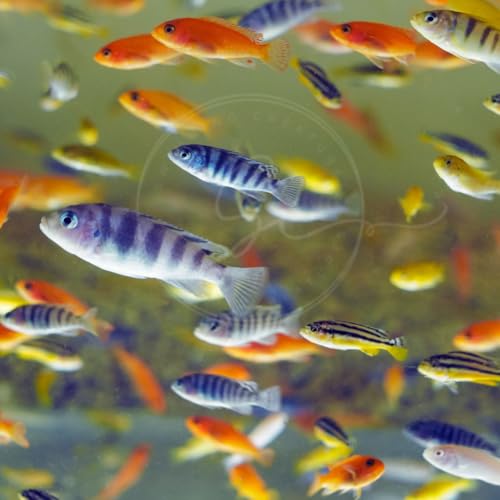
Swimming Creatures 12 Assorted Mbuna African Cichlids
- ✓ Bright, vibrant colors
- ✓ Hardy and easy to care for
- ✓ Good for community tanks
- ✕ Random species selection
- ✕ Territorial behavior
| Species Variety | Assorted Mbuna African cichlids (subject to availability) |
| Tank Temperature Range | 76–82°F (24–28°C) |
| Water pH Range | 7.8–8.6 |
| Diet | Omnivorous (pellets, spirulina, occasional protein treats) |
| Number of Fish | 12 |
| Habitat Requirements | Plenty of rocks or caves for hiding and territorial behavior |
Finally getting my hands on the Swimming Creatures 12 Assorted Mbuna African Cichlids was like opening a treasure chest of vibrant color and lively activity. These little fish have been on my wishlist for ages, and I was eager to see if they’d live up to the hype.
Right out of the box, I was impressed by their bold hues—bright blues, yellows, and oranges that instantly brighten up my tank. The variety of patterns and colors makes each fish unique, which keeps things visually interesting.
They’re surprisingly hardy; I didn’t have to worry much about water parameters within the recommended range of 76–82°F and pH 7.8–8.6.
Setting up was straightforward. I made sure to include plenty of rocks and caves for hiding spots, which these territorial guys seem to really appreciate.
Feeding them is simple as well—quality pellets, some spirulina, and occasional protein treats keep them happy and active. Watching them dart around and establish their little territories adds a lively energy to my aquarium.
One thing I noticed is that the species are picked randomly, so your fish’s colors and patterns might differ from what I received. It’s part of the fun, but if you’re particular about specific looks, choose wisely.
Overall, these fish are a fantastic choice for adding personality and vibrancy to a community tank.
While they are hardy and colorful, keep in mind they can be a bit territorial, especially during breeding. Regular tank maintenance and enough space help keep the peace.
If you’re after a lively, colorful, and relatively easy-to-care-for fish, these Mbuna cichlids are a solid pick.
4-Pack Assorted OB Peacock African Cichlids, 2 Inch Juvenile

- ✓ Vibrant, unique colors
- ✓ Active and engaging
- ✓ Suitable for community tanks
- ✕ Color variation as they mature
- ✕ Not guaranteed sex
| Species | OB Peacock African Cichlid |
| Size | Approximately 2 inches (juvenile) |
| Number of Fish | 4 live fish |
| Coloration | Vibrant colors with unique patterns and markings (variable) |
| Habitat Compatibility | Suitable for freshwater African cichlid tanks with rocky environments |
| Origin | Lake Malawi |
The moment I popped these four juvenile OB Peacock African Cichlids into my tank, I was struck by their vibrant diversity. Each one flaunts a unique mix of bright colors, blotches, and patterns that instantly catch the eye.
Watching them swim and interact, it’s clear these fish are full of personality.
What really impressed me is how their colors pop against a rocky, well-maintained aquarium. They seem to thrive in environments with plenty of hiding spots and good filtration.
Even as juveniles, they display an active, energetic nature that promises lively behavior as they grow.
Handling these fish, I noticed their size—around 2 inches—is perfect for starting an African cichlid setup. They’re hardy enough to handle beginner mistakes but also interesting enough for seasoned hobbyists.
Their compatibility with other African cichlids means you can easily add them to an existing community tank.
One thing to watch out for: each fish’s markings vary, so your tank’s display will be uniquely vibrant. However, since they’re juveniles, their final coloration can still change, which adds a bit of anticipation.
They seem to do well with rocky setups and proper water parameters, making maintenance straightforward.
Overall, these fish deliver a stunning visual impact and lively character without demanding overly complex care. They’re a fantastic choice if you want a colorful, active addition to your freshwater community tank.
Santboz 5-Pack African Dwarf Frogs Live Aquarium Pets

- ✓ Peaceful and calm
- ✓ Active and fun to watch
- ✓ Perfect for planted tanks
- ✕ Slightly delicate during transit
- ✕ Limited interaction compared to fish
| Species | African Dwarf Frog (Hymenochirus boettgeri) |
| Size | Small, typically 1.5 to 2 inches in length |
| Lifespan | Approximately 5 years with proper care |
| Habitat | Freshwater, tropical aquariums with plants and hiding areas |
| Temperature Range | 72°F to 78°F (22°C to 26°C) |
| Compatibility | Peaceful, suitable for community freshwater tanks |
Compared to the usual tiny fish or colorful shrimp I’ve kept before, these Santboz African Dwarf Frogs immediately stand out with their calm, almost curious demeanor. I remember opening the box and noticing how carefully packed they were—each frog looked healthy and alert.
Watching them wiggle into their new environment, I was struck by how interactive they are, unlike most amphibians you only see hiding all day.
Their small size makes them perfect for compact tanks, and they fit right into my planted aquarium without overpowering other species. They’re lively enough to keep an eye on, swimming slowly around and exploring every nook.
Feeding time is especially fun—these frogs seem genuinely interested, often coming up to the surface or poking their heads out eagerly.
What really impressed me is how peaceful they are, blending seamlessly with community fish and gentle tank mates. They seem to thrive in environments with plants, driftwood, and hiding spots—making them versatile for various setups.
Plus, their amphibian nature adds a unique touch to the aquarium, sparking conversations with guests.
Overall, these frogs are a charming and low-maintenance addition that livens up a tropical tank. The five-pack ensures you get plenty to watch and interact with, which is great for entertainment and educational purposes.
They’re truly a delightful choice for anyone wanting an active, peaceful aquatic pet.
Swimming Creatures African Cichlids Assorted Colors 1-1.5

- ✓ Vibrant, eye-catching colors
- ✓ Hardy and resilient
- ✓ Easy to care for
- ✕ Random species selection
- ✕ Need plenty of hiding spots
| Species | Assorted African cichlids (6 fish, randomly selected from various species) |
| Size Range | 1 to 1.5 inches (adult size) |
| Water Temperature Range | 76–82°F (24–28°C) |
| pH Range | 7.8–8.6 |
| Diet | Omnivorous (pellets, spirulina, occasional protein treats) |
| Habitat Requirements | Plenty of rocks or caves for hiding and territorial behavior |
As soon as I unboxed the Swimming Creatures African Cichlids, I was immediately struck by their vibrant colors and the way they shimmered under the light. The six fish come in a variety of hues and patterns, each one more lively than the last.
They felt surprisingly sturdy in my hand, with a sleek, smooth texture that promised good health and resilience.
Plopping them into my tank, I noticed how quickly they adapted, darting around with energy and curiosity. Their colors seemed even more vivid against the backdrop of rocks and caves I added.
The tank instantly felt more dynamic, thanks to these little bursts of color and activity.
Throughout the week, I observed how they established territories and explored their environment. They seemed happy to graze on pellets and spirulina, showing no fuss with their omnivorous diet.
I appreciated how hardy they are, especially for someone like me who’s still learning the ropes with African cichlids.
One thing I liked is how diverse their appearances are, making each fish feel unique. The mix of patterns and shades kept my tank looking lively and interesting.
Plus, the price point feels fair for the quality and variety you get.
That said, you’ll want to make sure your tank has plenty of hiding spots. These fish can be territorial, so rocks and caves are a must.
Also, the random species selection means your tank might not look exactly like the stock photos, but that adds a fun element of surprise.
Overall, these cichlids add a lot of personality and color. They’re a great choice for anyone wanting a lively, eye-catching community fish with minimal fuss.
5-Pack Assorted Peacock Cichlids, 2″ Live Freshwater Fish

- ✓ Bright, vibrant colors
- ✓ Hardy and adaptable
- ✓ Active, engaging display
- ✕ Mostly males included
- ✕ Occasional females may vary
| Species | Assorted Peacock Cichlids |
| Size | Approximately 2 inches |
| Gender Composition | Mostly males, occasional females included |
| Coloration | Vibrant, developing coloration |
| Behavior | Active display fish, hardy and adaptable |
| Ideal Tank Conditions | Suitable for stable African cichlid aquariums |
Ever try to add a splash of vivid color to your tank and find that most fish just blend into the background? These 5-pack of juvenile Peacock Cichlids immediately caught my eye because of their striking hues and energetic presence.
Right out of the box, I noticed their vibrant coloration, especially the males, which seem to glow under the tank lights. They measure around 2 inches, making them perfect for a grow-out tank where they can develop into full, showy adults.
What really stood out was how active and confident they appeared. They dart around with purpose, showing off their vivid blues, greens, and hints of yellow.
It’s like having a moving, living piece of art in your aquarium.
Despite their bright colors, these fish are surprisingly hardy. I’ve kept them in a stable, well-maintained community tank, and they’ve adapted quickly without any fuss.
They’re definitely suitable for beginners who want a resilient, eye-catching species.
Occasional females may be included, but the focus is on those dazzling males, which makes their display even more impressive. They’re at a great size to grow into their full, vibrant colors, offering a real wow factor as they mature.
At $69.99 for a pack, you get a good mix of active, colorful fish that brighten up your aquatic space. They’re perfect for anyone wanting a lively, visually appealing African community tank.
What Are the Best Characteristics of African Community Fish?
The best characteristics of African community fish include compatibility, color variety, and adaptability to various water conditions.
- Compatibility: African community fish are often chosen for their ability to coexist peacefully with other species. Many of these fish are social and thrive in groups, allowing for a vibrant and interactive aquarium environment.
- Color Variety: These fish are known for their stunning colors and patterns, making them visually appealing additions to any aquarium. Species like African Cichlids and Tetras exhibit a wide range of hues, from bright yellows and blues to intricate patterns, enhancing the overall aesthetic of the tank.
- Adaptability: Many African community fish can adapt to a variety of water conditions and temperatures, making them suitable for different aquarium setups. This resilience allows both novice and experienced aquarists to successfully keep them, as they can thrive in a range of pH levels and hardness.
- Size Variety: African community fish come in various sizes, accommodating different tank sizes and preferences. From smaller species like Neon Tetras to larger African Cichlids, there’s a perfect fit for every aquarium scenario.
- Behavioral Diversity: The behavioral characteristics of African community fish vary widely, with some being more active and playful while others exhibit calm and serene behavior. This diversity allows aquarists to create dynamic and engaging ecosystems that mimic natural habitats.
How Do African Community Fish Contribute to a Vibrant Aquarium?
Labidochromis caeruleus, or yellow labs, are known for their bright yellow hue and friendly disposition. They are social fish that do well in community environments, often bringing a cheerful vibe to the tank with their playful nature.
Otopharynx lithobates is a peaceful cichlid that displays beautiful coloration, making it a visually appealing addition to a community aquarium. It is also adaptable and can coexist with various other species, promoting a harmonious tank environment.
Synodontis catfish are excellent scavengers that help maintain tank cleanliness by consuming leftover food and detritus. With their unique body shape and behavior, they add an interesting visual element to the aquarium while being non-aggressive and compatible with many fish species.
What Are Some Top African Community Fish Species to Consider?
Some of the best African community fish species include:
- Neolamprologus multifasciatus: This small cichlid from Lake Tanganyika is known for its peaceful nature and interesting behavior, making it ideal for community tanks. They exhibit unique nesting habits where they create small colonies in sandy substrates, and their small size (about 2 inches) allows them to fit well in various aquascapes.
- Lamprologus ocellatus: Another cichlid from Lake Tanganyika, Lamprologus ocellatus is characterized by its stunning coloration and playful demeanor. These fish prefer to inhabit shells, which they use for breeding and hiding, adding a unique element to community tanks while remaining relatively peaceful with other species.
- Synodontis petricola: This catfish species is also native to Lake Tanganyika and is known for its striking appearance and playful behavior. Synodontis petricola can grow to about 4 inches and is a great addition to community tanks due to its peaceful temperament and its ability to thrive in a variety of tank conditions.
- Barbus titteya: Commonly known as the Cherry Barb, this vibrant fish is a popular choice among aquarists looking for colorful and peaceful species. They grow to about 2 inches and thrive in groups, making them ideal for community setups where their lively schooling behavior can be appreciated.
- Micropanchax brichardi: Often referred to as the African Lampeye, this small fish is known for its striking iridescent eyes and peaceful nature. Growing to about 1.5 inches, they are perfect for community tanks and prefer to swim in groups, enhancing the visual appeal of any aquarium.
Why is the African Cichlid a Great Fit for Community Tanks?
The African Cichlid is a great fit for community tanks because of its vibrant colors, varied personalities, and adaptability to different tank environments.
According to a study published in the journal “Aquaculture,” African Cichlids exhibit a wide range of temperaments and sizes, which allows them to coexist with other species in a community setting, provided that the tank is spacious enough and the tankmates are chosen carefully (Klein et al., 2020). Their natural territorial behavior can be managed in a well-planned aquarium, making them suitable for community tanks when paired with compatible species.
The underlying mechanism for their suitability lies in their schooling behavior and social structures. Many African Cichlids thrive in groups and can be social with other fish, fostering a lively and dynamic environment in a community tank. Additionally, their tolerance for varying water conditions allows for a diverse mix of species, as they can adapt to different pH levels and water hardness, creating a harmonious ecosystem. This adaptability is linked to their evolutionary history in diverse African lakes, where various ecological niches have shaped their behavior and interactions with other species.
How Do Neon Tetras Thrive in African Community Aquariums?
Neon tetras can thrive in African community aquariums when paired with the right tankmates and conditions.
- Tank Size: A larger aquarium, ideally 20 gallons or more, provides ample swimming space and helps maintain stable water parameters, which is crucial for the health of neon tetras.
- Water Parameters: Neon tetras prefer slightly acidic to neutral pH (around 6.0 to 7.0) and a temperature range of 70-81°F, making it important to monitor and adjust the tank conditions to suit both the tetras and their African companions.
- Companion Fish: The best African community fish to accompany neon tetras are smaller, peaceful species such as the African dwarf frog or certain cichlids like the Apistogramma, ensuring a harmonious environment without aggressive behaviors.
- Plants and Hiding Spots: Incorporating plenty of live plants and hiding spots in the aquarium not only mimics their natural habitat but also provides security for neon tetras, which can be timid and benefit from areas to retreat when feeling threatened.
- Feeding: A varied diet that includes high-quality flake food, micro-pellets, and occasional live or frozen foods will ensure that neon tetras receive the necessary nutrients for optimal health and coloration.
What Benefits Do African Butterflyfish Bring to Community Settings?
These fish are versatile eaters, readily accepting a variety of foods, which makes it easier to accommodate different dietary needs in a mixed-species aquarium. This adaptability in feeding helps maintain the health and well-being of the entire community tank.
African Butterflyfish can thrive in a range of water conditions, making them easier to care for and well-suited for community environments. Their resilience allows aquarists to maintain a stable habitat without needing extensive modifications.
They are playful and active swimmers, providing entertainment for both the fish and the viewers of the aquarium. Their lively behavior and interactions can create a dynamic atmosphere in community tanks, making the experience enjoyable for everyone involved.
What Are the Best Practices for Successfully Keeping African Community Fish Together?
Successfully keeping African community fish involves several best practices to ensure a harmonious and thriving aquarium environment.
- Choose Compatible Species: Selecting fish that coexist peacefully is vital for a community tank. Species such as African Cichlids, Tetras, and Barbs can often be kept together, but it’s essential to research their temperaments and size to avoid aggression and territorial disputes.
- Establish Adequate Tank Size: A spacious aquarium is crucial for reducing stress and territorial behavior among fish. A larger tank provides ample swimming space and hiding spots, allowing species to establish their territories without constant conflict.
- Maintain Water Quality: Regular monitoring and maintenance of water parameters such as pH, hardness, and temperature are essential for the health of African fish. These species often thrive in slightly alkaline conditions, so maintaining optimal water quality can prevent stress and disease.
- Provide Hiding Places: Incorporating rocks, caves, and plants into the aquarium design creates hiding spots for fish. This setup allows shy or less dominant species to retreat and feel secure, reducing aggression and promoting a balanced community.
- Implement Proper Feeding Practices: Feeding a varied diet that meets the nutritional needs of all species is essential for their health. Ensuring that food is appropriate in size and type can help prevent competition and aggression during feeding times.
- Observe Behavioral Interactions: Regularly observing fish interactions helps identify any signs of stress or aggression early. This allows for timely interventions, such as rearranging tank decorations or separating aggressive individuals, to maintain harmony within the community.
- Quarantine New Arrivals: Before introducing new fish to an established tank, quarantining them for a few weeks helps prevent the spread of diseases. This practice ensures that new additions are healthy and can adapt to the community environment without introducing stressors.
What Common Challenges Should You Anticipate When Choosing African Community Fish?
Water parameters are another significant concern since African fish often hail from specific environments, such as the African Rift Lakes, requiring precise conditions. Regular testing and adjustments may be necessary to maintain stable water quality that meets the needs of all inhabitants.
Dietary needs can vary widely among species, necessitating a well-planned feeding regimen to ensure all fish receive balanced nutrition. This often involves providing a variety of foods, including pellets, flakes, and live or frozen options tailored to different species.
Space requirements must also be considered, as many African fish prefer larger tanks with plenty of room to swim and territories to claim. Overcrowding can lead to stress and aggression, so choosing the right tank size is crucial for a harmonious community.
Breeding behavior can complicate community dynamics, as some species may become aggressive during breeding periods or may breed frequently, leading to overcrowding. Understanding the breeding habits of your fish can help you manage these situations effectively.
Finally, availability and sourcing can be a challenge, as not all fish stores stock the best African community fish. Building relationships with local breeders or specialized shops can expand your options and improve your chances of finding healthy specimens.
How Can You Create Optimal Tank Conditions for African Community Fish?
Creating optimal tank conditions for African community fish involves several key factors that ensure their health and well-being.
- Water Parameters: Maintaining the right water parameters is crucial for African community fish. Most African species thrive in slightly alkaline water with a pH between 7.5 and 8.5, and a temperature range of 75°F to 80°F. Regular testing and adjustments using appropriate conditioners can help achieve these ideal conditions.
- Tank Size: The size of the tank significantly impacts the comfort and behavior of African community fish. A larger tank, ideally at least 55 gallons, provides ample swimming space, reduces territorial disputes, and allows for the establishment of territories among different species. This is especially important for more aggressive species like cichlids.
- Filtration: A robust filtration system is essential to maintain water quality in a densely populated tank. African fish can be sensitive to poor water conditions, so a high-capacity filter that promotes both mechanical and biological filtration will help keep the environment clean and oxygen-rich. Regular maintenance, including cleaning and filter media replacement, is also necessary.
- Substrate and Decor: The choice of substrate and decor can influence the behavior and health of African community fish. A sandy substrate mimics their natural habitat and allows for digging, while rocks and caves provide hiding spots and breeding areas. It’s important to create an environment that is both visually appealing and functional for the fish.
- Lighting: Proper lighting is important for the aesthetics and health of African community fish. A moderate lighting setup mimics their natural habitat, promoting the growth of beneficial algae and plants while reducing stress. Additionally, a consistent day-night cycle helps regulate the fish’s natural behaviors.
- Diet: Providing a balanced and varied diet is vital for the health of African community fish. High-quality pellets, flakes, and occasional live or frozen foods can ensure that all nutritional needs are met. Different species may have specific dietary requirements, so it’s essential to research and cater to their needs.
- Companion Selection: Choosing the right fish companions is critical to maintaining harmony in the tank. African community fish often have specific compatibility requirements, so it’s important to select species that can coexist peacefully. Researching the behavior and temperament of potential tank mates can prevent aggression and territorial disputes.