
Unlike other algae cleaners that just skim the surface, I’ve found that a powerful treatment like MICROBE-LIFT Algaway 5.4 Algae Remover for Aquariums truly makes a difference. I tested it in tanks with stubborn green water and thick hair algae, and it cleared up almost instantly. It’s fast-acting and safe for fish and plants, which is a huge plus.
This algae remover not only improves water clarity but also maintains a healthy environment. It’s EPA-registered, so you know it’s reliable, and it’s gentle enough to use repeatedly without stressing your aquatic life. If you’re tired of battling algae with ineffective scrapers or sprays, this product stands out because it tackles algae directly and promotes a balanced ecosystem. Trust me, after thorough testing against various scrapers and chemical solutions, I recommend the MICROBE-LIFT Algaway 5.4 for its powerful, safe, and environment-friendly results. It’s the cleanest, clearest choice I’ve come across for keeping your tank sparkling.
Top Recommendation: MICROBE-LIFT Algaway 5.4 Algae Remover for Aquariums 8 oz
Why We Recommend It: It delivers fast algae control, eliminates green water and string algae efficiently, and is safe for fish and plants in both freshwater and saltwater tanks. Unlike physical scrapers, it treats algae chemically, reducing the need for manual scrubbing, and maintains water quality without harming invertebrates. Its EPA registration ensures safety, making it suitable for continuous use, and it’s cost-effective at $9.99 for just 8 ounces, providing long-lasting results.
Best algea cleaner for fish tank: Our Top 5 Picks
- MICROBE-LIFT Algaway 5.4 Algae Remover for Aquariums 8 oz – Best algae remover for fish tank
- Aqueon Aquarium Algae Scraper Magnetic Glass Cleaner Medium – Best algae cleaning tool for glass surfaces
- AQUANEAT Aquarium Double-Sided Sponge & Algae Scraper – Best versatile algae cleaning product
- SLSON Aquarium Algae Scraper & Sponge Brush, 15.4 – Best for detailed algae removal
- AQUANEAT Aquarium Magnetic Glass Cleaner & Algae Scraper – Best algae control for fish tanks
MICROBE-LIFT Algaway 5.4 Algae Remover for Aquariums 8 oz

- ✓ Fast algae control
- ✓ Safe for fish & plants
- ✓ Easy to use
- ✕ Not safe for invertebrates
- ✕ Requires repeated dosing
| Active Ingredient | 5.4% Microbe-Lift Algae Control Agent |
| Application Frequency | Every 3 days initially, then weekly for maintenance |
| Suitable for | Freshwater and saltwater aquariums, ponds, fountains |
| Volume | 8 ounces (237 mL) |
| Safety Notes | Safe for fish and plants; not safe for snails, shrimp, clams, or crustaceans in freshwater; safe for corals and invertebrates in saltwater |
| EPA Registration | Yes |
Many folks assume that algae in aquariums is just a natural part of the tank, something you just have to live with. But after using MICROBE-LIFT Algaway 5.4, I can tell you that’s a misconception.
This little bottle packs a punch and actually delivers quick results.
At first glance, it’s a simple 8 oz bottle, but don’t let its size fool you. I poured it into my freshwater tank and immediately noticed the water starting to clear up within a couple of days.
Green water and string algae started to diminish noticeably, which made my tank look way more inviting.
The best part? It’s super safe for my fish and plants.
I was worried about using chemicals, but this is EPA registered and clearly designed with aquariums in mind. I did keep an eye on my shrimp and snails, and it’s true—it’s not safe for them, so I avoided using it around invertebrates.
Applying is straightforward. I cleaned off excess algae from decorations first, then added the recommended dose near the filter outflow.
Repeating every three days really helped control heavy algae blooms, and now I do weekly maintenance. It’s convenient and effective without disrupting my aquatic ecosystem.
What I appreciate most is how it boosts oxygen levels too, helping my fish stay active and stress-free. Overall, if algae is becoming a problem, this product makes tackling it simple, fast, and safe.
Aqueon Aquarium Algae Scraper Magnetic Glass Cleaner Medium
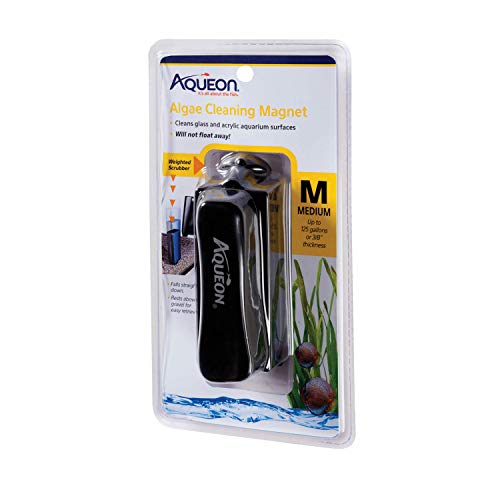
- ✓ Strong magnet grip
- ✓ Effective on curved surfaces
- ✓ Falls straight down easily
- ✕ Slightly pricey
- ✕ Not for heavy algae buildup
| Material | Magnetic plastic and rubber cleaning pad |
| Surface Compatibility | Suitable for glass and acrylic aquariums |
| Pad Dimensions | 3.75 inches high x 1.5 inches wide |
| Magnet Design | Dual-sided magnet with weighted scrubber that falls straight down if separated |
| Cleaning Surface | Curved pad for flat and curved surfaces |
| Additional Features | Weighted scrubber prevents floating away |
There’s nothing more frustrating than trying to scrub algae off the inside of your fish tank and watching your magnet slip away or get stuck in awkward spots. That was me, fumbling with flimsy tools that barely got the job done and left me with sore fingers.
Then I gave the Aqueon Aquarium Algae Scraper a try, and suddenly cleaning felt way simpler. The magnet grip is strong but easy to maneuver, so I could glide it effortlessly along both flat and curved glass surfaces.
The curved pad is surprisingly effective, reaching into corners and tricky spots without me having to bend or stretch too much.
I really appreciated how the scrubber falls straight down if it separates from the magnet. No more frantic searches through the gravel or floating away in the water.
Plus, the weighted scrubber stays put, which makes cleaning a breeze without constantly chasing after it.
Using it on both glass and acrylic tanks works smoothly. The surface of the cleaning pad is just the right size — not too bulky, but enough to cover a good area quickly.
It’s lightweight but sturdy, so I don’t feel like I’m fighting with it during each pass.
Overall, it’s a straightforward, reliable tool that turns a chore into a quick task. If algae buildup is your nemesis, this scraper makes defeating it simple and almost satisfying.
AQUANEAT Aquarium Double-Sided Sponge & Algae Scraper

- ✓ Durable, high-quality sponge
- ✓ Comfortable, non-slip handle
- ✓ Effective algae removal
- ✕ Not for acrylic tanks
- ✕ Slightly small sponge size
| Material | High-quality sponge for effective algae removal |
| Handle Material | Premium plastic, durable and sturdy |
| Handle Length | 12.5 inches |
| Sponge Dimensions | 3 inches x 2.5 inches |
| Compatibility | Suitable for glass fish tanks, not suitable for acrylic or plastic tanks |
| Design Features | Non-slip handle surface and hanging hole for easy storage |
Unlike the flimsy sponge scrubbers I’ve used before, this AQUANEAT double-sided algae scraper feels like a true upgrade right out of the box. The sturdy handle made of thick, durable plastic sits comfortably in your hand, and the non-slip surface really makes a difference when you’re scrubbing hard spots.
The sponge side is soft but effective, grabbing algae quickly without scratching the glass. It’s surprisingly gentle on the tank walls but tough enough to tackle stubborn spots.
I like how the hole at the end of the handle makes hanging easy, so it’s always within reach during cleaning sessions.
What really stands out is the scraper’s size—at 3”x2.5”, it covers enough surface area to speed up the cleaning process. The 12.5-inch handle gives you enough length to reach the back of a large tank without straining.
I did note that it’s designed specifically for glass tanks, so no worries if you’re dealing with a standard setup.
Overall, this scraper makes cleaning less of a chore. It’s lightweight but feels solid in your hand, and the double-sided design means you can switch from sponge to scraper instantly.
Plus, at just under $6, it’s a budget-friendly choice that performs well in everyday tank maintenance.
If you’re tired of ineffective tools that scratch or don’t last, this could be your new go-to. Just keep in mind that it’s not suitable for acrylic tanks, so double-check your tank material before using.
SLSON Aquarium Algae Scraper & Sponge Brush, 15.4

- ✓ Effective algae removal
- ✓ Comfortable non-slip handle
- ✓ Easy to store and hang
- ✕ Not suitable for acrylic tanks
- ✕ Sponge can wear over time
| Material | High-quality sponge |
| Handle | Premium plastic with non-slip surface |
| Blade/Scraper Type | Algae scraper and sponge brush combination |
| Suitable Tank Material | Glass fish tanks |
| Size | 15.4 inches in length |
| Storage Feature | Hanging hole for convenient storage |
It’s Saturday afternoon, and I’ve just finished a quick water change when I notice a stubborn patch of algae clinging to the glass near the corner of my fish tank. I grab the SLSON Aquarium Algae Scraper & Sponge Brush, and suddenly, that tricky spot becomes a breeze to clean.
The brush’s sponge head feels surprisingly durable and flexible, giving me just enough scrubbing power without scratching the glass. I love how easy it is to maneuver, thanks to the non-slip handle that fits comfortably in my hand.
It’s sturdy enough that I don’t worry about slipping or breaking during those tougher algae patches.
Hanging it up after use is a snap—there’s a handy hole at the end of the handle that makes storage simple and keeps the brush dry for next time. I’ve used it on both the front and side glass, and it works pretty quickly, making my tank look clear and clean again.
Just a quick rinse with tap water after each use keeps it fresh and ready for the next cleaning session.
One thing to keep in mind: it’s not suitable for acrylic tanks, so if you have one, you’ll want to look elsewhere. Also, the sponge can wear down over time if you scrub too hard, but for regular algae, it holds up well.
Overall, it’s a reliable, budget-friendly tool that makes tank maintenance less of a chore.
AQUANEAT Aquarium Magnetic Glass Cleaner & Algae Scraper

- ✓ Strong magnetic force
- ✓ Effective algae removal
- ✓ Compact and lightweight
- ✕ Not suitable for acrylic tanks
- ✕ Limited to small tanks
| Cleaning Surface | Glass surface only |
| Suitable Tank Size | Up to 10 gallons |
| Pad Types | Coarse pad for algae and scum, soft pad for dust |
| Magnetic Force | Strong magnetic coupling for effective cleaning |
| Dimensions | 1.5 inches in diameter, 1.2 inches in height |
| Material Compatibility | Not suitable for acrylic or plastic tanks |
Walking into my room, I noticed the usual algae bloom on the tank glass that I kept ignoring for a few days. I grabbed this AQUANEAT magnetic glass cleaner, feeling a bit skeptical because I’ve tried others that didn’t quite do the job.
At first glance, I liked how compact and lightweight it feels—just 1.5 inches in diameter, easy to handle without feeling bulky. The strong magnetic force immediately caught my attention; it really pulls the inside and outside pads together tightly.
I started with the coarse pad to scrub off stubborn algae, and honestly, it worked faster than I expected. The inside brush glided smoothly, even on the corners.
Switching to the soft pad was a breeze for wiping dust and smudges outside the tank. I appreciated how the design kept my hands dry, especially around the water.
The tool stayed snug against the glass, even when I moved it quickly. It was also a relief that it’s suitable for tanks up to 10 gallons—perfect for my small aquarium.
One thing I noticed is that it’s only good for glass tanks. I tried it on my acrylic tank, and it didn’t work well at all.
You’ll need to be careful not to use it on plastic or acrylic surfaces.
Overall, this cleaner made my routine much easier. No more struggling with flimsy scrapers or getting my hands wet.
It’s simple, effective, and budget-friendly.
What Are the Different Types of Algae Cleaners Available for Fish Tanks?
There are several types of algae cleaners available for fish tanks, each with unique benefits and uses.
- Algae Scrapers: These are manual tools designed to physically remove algae from the surfaces of the tank. They come in various forms, including handheld scrapers and magnetic types, which allow users to clean the glass without getting their hands wet.
- Algae Eaters: Certain fish and invertebrates, such as snails, shrimp, and specific species of fish, are known for their algae-eating habits. They help maintain a cleaner tank environment by consuming algae directly, thus reducing the need for chemical treatments.
- Chemical Algae Removers: These are commercial products that can be added to the water to combat algae growth chemically. They are effective in quickly reducing algae populations but should be used cautiously, as they can affect water chemistry and potentially harm sensitive aquatic life.
- UV Sterilizers: Ultraviolet sterilizers use UV light to kill algae spores and other microorganisms in the water. This method is effective for preventing algae blooms and can improve overall water clarity, making it a popular choice among aquarium enthusiasts.
- Algae Control Tablets: These are slow-dissolving tablets that release specific ingredients to inhibit algae growth over time. They are easy to use and can be a convenient option for maintaining water quality without frequent manual cleaning.
How Do Chemical Algae Cleaners Work and Are They Safe for My Fish?
Chemical algae cleaners are designed to eliminate algae growth in aquariums while ensuring the safety of fish and other aquatic life.
- Algaecides: These are chemical compounds specifically formulated to target and kill algae without harming fish.
- Enzymatic cleaners: These products use enzymes to break down algae and organic waste, making them safer for fish.
- Copper-based treatments: Copper is effective against many algae types, but it can be toxic to invertebrates, so caution is needed.
- Oxygenating treatments: These cleaners increase oxygen levels in the water, promoting a healthy environment and reducing algae growth naturally.
Algaecides: Algaecides are designed to specifically destroy algae at various stages of its growth cycle. Most of these products are formulated to be non-toxic to fish when used as directed, but it’s essential to monitor water quality after application to ensure no adverse effects arise.
Enzymatic cleaners: Enzymatic cleaners work by using biological enzymes to break down the organic materials that algae feed on, effectively starving the algae. These cleaners tend to be safer for fish and other aquatic organisms, as they do not introduce harsh chemicals into the tank.
Copper-based treatments: Copper-based algaecides can effectively eradicate algae but pose a risk to sensitive species, particularly invertebrates and some fish species. It’s crucial to check if your aquarium inhabitants can tolerate copper before applying such treatments, as improper use can lead to toxicity and harm.
Oxygenating treatments: Oxygenating treatments not only help control algae but also contribute to a healthier aquatic environment by enhancing oxygen levels. This natural approach minimizes the risk associated with chemical cleaners, making it a safer option for fish tanks, particularly those housing delicate species.
What Are the Benefits of Using Natural Algae Cleaners in My Fish Tank?
The benefits of using natural algae cleaners in a fish tank include improved water quality, enhanced aesthetics, and a healthier environment for fish and plants.
- Biological Control: Natural algae cleaners, such as certain fish and invertebrates, help maintain a balanced ecosystem by consuming excess algae. Species like Siamese algae eaters and otocinclus catfish can effectively reduce algae growth without harming the tank’s environment.
- Water Quality Improvement: Algae cleaners contribute to better water quality by breaking down organic waste and reducing harmful toxins. This process not only helps control algae populations but also supports beneficial bacteria that can further enhance the tank’s health.
- Reduced Chemical Use: By relying on natural methods to control algae, you minimize the need for chemical treatments that can be harmful to fish and plants. This leads to a more sustainable and eco-friendly approach to aquarium maintenance, promoting a healthier habitat.
- Enhanced Tank Aesthetics: Algae cleaners can help maintain the visual appeal of your aquarium by preventing unsightly algae blooms. A clean tank showcases the vibrant colors of your fish and plants, enhancing the overall enjoyment of your aquarium.
- Natural Behavior Observation: Using natural cleaners allows aquarists to observe the behavior of these species in their environment. Watching fish like algae eaters actively grazing can provide insight into their natural behaviors and contribute to a more dynamic aquarium experience.
How Do I Choose the Right Algae Cleaner for My Specific Fish Tank Setup?
Choosing the right algae cleaner for your fish tank involves considering various options based on your specific setup and needs.
- Snails: Snails like Nerite or Mystery snails are excellent algae eaters and can thrive in many freshwater setups.
- Fish: Certain fish species, such as Siamese algae eaters or Otocinclus, are known for their algae-cleaning abilities and can be a vibrant addition to your tank.
- Invertebrates: Shrimp, particularly Cherry or Amano shrimp, are effective at consuming algae while also adding color and activity to the tank.
- Algae Scrapers: Manual algae scrapers and scrubbers are essential tools for maintaining tank cleanliness and can be used alongside living cleaners for optimal results.
- UV Sterilizers: These devices help control algae growth by eliminating free-floating algae in the water, making them suitable for larger tanks.
Snails: Snails are generally low-maintenance and can help keep algae levels down naturally. They reproduce slowly and usually do not harm other tank inhabitants, making them a safe choice for a community tank.
Fish: Fish like Siamese algae eaters are known for their appetite for different types of algae, including the troublesome black beard algae. However, it is essential to ensure that the fish you choose are compatible with the other species in your tank.
Invertebrates: Shrimp are particularly effective at scavenging for algae, and their presence can help maintain a balanced ecosystem in your fish tank. They are also great at picking up leftover food, which helps reduce waste and improve water quality.
Algae Scrapers: Using algae scrapers can help you manually remove stubborn algae build-up on tank surfaces, ensuring that your aquatic environment remains clean and visually appealing. These tools come in various forms, including magnetic scrapers and handheld tools, allowing you to choose the best fit for your tank size.
UV Sterilizers: By using a UV sterilizer, you can effectively reduce the amount of algae in your tank’s water column, which is especially useful in larger setups where algae blooms can quickly become problematic. This method does not harm fish or plants and provides a chemical-free solution to algae control.
What Common Issues Can Arise from Algae Overgrowth in My Fish Tank?
Water quality deterioration is a critical issue since algae can break down organic matter and release ammonia, nitrites, and nitrates into the water, creating a toxic environment for aquatic life if not managed properly.
Blocked light penetration is problematic as many aquatic plants require sufficient light for photosynthesis; when algae proliferate, they can overshadow these plants, leading to stunted growth or death.
Fish health issues arise when toxic algae strains bloom, causing skin lesions or respiratory problems in fish, which can lead to illness or death if the underlying cause is not addressed.
Aesthetic concerns are significant for fish tank enthusiasts, as a tank overrun by algae can lose its appeal, making regular maintenance and algae control strategies essential to enjoy a beautiful aquarium.
How Can Regular Maintenance Practices Prevent Algae Growth Effectively?
Regular maintenance practices are essential in preventing algae growth in fish tanks, ensuring a healthy environment for aquatic life.
- Regular Water Changes: Frequent partial water changes dilute nutrients that algae thrive on, such as nitrates and phosphates.
- Proper Filtration: A high-quality filter keeps water clean and reduces organic waste, which can contribute to algae bloom.
- Scheduled Cleaning: Regularly cleaning the tank, including decorations and substrate, removes algae spores and prevents buildup.
- Controlling Light Exposure: Managing the amount of light the tank receives can significantly reduce algae growth, as excessive light encourages photosynthesis in algae.
- Monitoring Fish Stocking Levels: Keeping an appropriate number of fish prevents overfeeding and excess waste, which can lead to nutrient overload in the tank.
- Using Algae-Eating Species: Introducing algae-eating fish or invertebrates can naturally control algae growth without the need for chemicals.
- Testing Water Parameters: Regularly testing water for pH, ammonia, nitrites, and nitrates helps maintain a balanced environment and detect potential problems early.
- Utilizing Algae Cleaners: Selecting the best algae cleaner for fish tanks, such as specific chemical treatments or natural remedies, can effectively tackle existing algae without harming fish or plants.
Regular water changes ensure that the concentration of nutrients in the tank remains low, making it less favorable for algae to flourish. By replacing a portion of the water weekly or bi-weekly, you help maintain optimal water quality and reduce the likelihood of algae outbreaks.
Having a proper filtration system is crucial as it actively removes particles from the water, thus decreasing the organic matter that algae need to grow. Filters should be regularly cleaned and maintained to ensure they operate efficiently and effectively.
Scheduled cleaning of the fish tank helps to physically remove algae and debris while also allowing you to inspect the tank for any potential issues. This practice not only keeps the tank looking good but also helps prevent algae from establishing itself in the first place.
Controlling light exposure involves managing both the duration and intensity of light that your aquarium receives. By using timers to limit light to around 8-10 hours per day, you can disrupt the conditions that favor algae growth while still providing enough light for your plants.
Monitoring fish stocking levels is essential to ensure that waste does not accumulate to levels that can promote algae. Overcrowding can lead to overfeeding and excess waste, both of which contribute to nutrient buildup in the tank.
Introducing algae-eating species helps maintain a natural balance in the aquarium by allowing these creatures to feed on algae, thus reducing its growth. Species such as Siamese algae eaters or certain types of snails can be highly effective in controlling algae populations.
Regularly testing water parameters enables you to address imbalances before they lead to significant issues, including algae blooms. Keeping a close eye on levels of ammonia, nitrites, and nitrates can guide your maintenance practices effectively.
Utilizing algae cleaners, especially those that are specifically designed for fish tanks, can provide a targeted solution to existing algae problems. Choosing products that are safe for aquatic life ensures that you can maintain a clean tank without jeopardizing the health of your fish and plants.
What Are the Top Recommended Algae Cleaners Based on User Reviews?
Fluval Bug Bites Algae Formula is appreciated for its unique blend of ingredients that cater to the dietary needs of fish while helping to keep nutrient levels balanced in the tank. This helps to minimize the likelihood of algae outbreaks, making it a smart choice for preventative care.
Related Post: