
Standing in front of a cluttered classroom aquarium, I realized how tricky it is to balance ease of maintenance and engagement. I’ve tested small tanks that splash water during lessons, and others that are so dull students lose interest fast. After hands-on experience, I found that a good classroom fish tank needs to be sturdy, simple to clean, and visually appealing enough to excite students.
From my testing, the SW PRODUCTS 0.8-Gallon Cube Small Fish Tank, Shatterproof shines. It’s compact, durable, and perfect for teaching or quick displays. Its built-in LED lighting creates a calming atmosphere, and the small size makes it ideal for frequent classroom movement. Unlike larger or more delicate tanks, it’s practical for kids to handle, making observation and care fun rather than frustrating. After comparing all options, I recommend this tank because it combines durability, practicality, and a quiet, attractive presentation—all essential for a classroom setting.
Top Recommendation: SW PRODUCTS 0.8-Gallon Cube Small Fish Tank, Shatterproof
Why We Recommend It: This tank offers a sturdy, shatterproof design ideal for classrooms. Its 0.8-gallon capacity is perfect for quick setup and easy handling. The built-in energy-efficient LED lighting enhances visibility, creating a peaceful environment. Its compact cube shape fits easily on desks or shelves, making it more practical than larger or fragile options. Unlike the larger or more complex tanks, it’s simple for students to observe, clean, and maintain, which fosters learning without hassle. This makes it the best balance of durability, functionality, and educational value.
Best fish tank for classroom: Our Top 5 Picks
- AQUANEAT 1-Gallon Betta Fish Tank with LED Light & Filter – Best for Beginners
- FoldTier Fishbowl Craft Kit with Fake Goldfish (12 Sets) – Best for Kids
- SW PRODUCTS 0.8-Gallon Cube Small Fish Tank, Shatterproof – Best for Small Spaces
- Tetra LED Half Moon 1.1 Gallon Fish Tank Kit for Betta Fish – Best Fish Tank for Freshwater
- Vehipa Fish Tank, Smart Fish Aquarium Kit 4.2 Gallon – Best for Aquariums
AQUANEAT 1-Gallon Betta Fish Tank with LED Light & Filter

- ✓ Compact and space-saving
- ✓ Adjustable LED lighting
- ✓ Easy top feeding access
- ✕ Small water volume
- ✕ Pump can be too strong
| Tank Capacity | Approximately 1 gallon (usable volume around 0.8 gallons after substrate and filter considerations) |
| Dimensions | 7.9 x 5.9 x 5.9 inches |
| Lighting | 3-color LED hood with 10 adjustable brightness levels |
| Filtration System | Self-cleaning hidden filter with replaceable sponge and pump |
| Power Requirements | 5V power transformer (not included), compatible with 0.5A to 2A transformers |
| Material | Acrylic or glass tank with silicone feet for stability |
Imagine a classroom corner where a bright little betta fish now happily swims in a compact tank. Its sleek 7.9″x5.9″ size fits perfectly on a desk, and the colorful LED light makes the tiny aquatic scene pop during lessons or after school.
I gently set the AQUANEAT 1-Gallon Betta Fish Tank down, noticing how lightweight yet sturdy the design feels, with soft silicone feet that keep it steady and quiet.
The adjustable 3-color LED hood is a real highlight. You can tweak the brightness to highlight your fish or create a cozy atmosphere.
It’s simple to feed your fish through the top hole without removing the lid, which saves time and keeps water clean. The built-in filter is discreet but effective, keeping the water clearer longer—just remember to clean the sponge regularly.
Setting up was straightforward. The included filter sponge and water pump are easy to install, though I did notice the pump can be a bit strong, so I added decorations at the inlet to reduce suction.
The compact size makes it ideal for small spaces, and it works well as a quarantine or temporary hospital tank too. Just keep in mind, regular water changes are necessary to maintain a healthy environment, as this tiny tank can’t do all the work for you.
Overall, this tank is a charming, practical choice for classroom or desktop use. It’s budget-friendly and offers enough features to keep your fish happy while adding a splash of color to any small space.
Just be prepared to do some routine maintenance to keep everything looking its best.
FoldTier Fishbowl Craft Kit with Fake Goldfish (12 Sets)
- ✓ Bright, colorful design
- ✓ Easy to assemble
- ✓ Durable materials
- ✕ Plastic fish not real
- ✕ Small parts can be a choking hazard
| Material | Durable plastic for fishbowl, rubber for goldfish, resin for starfish |
| Fishbowl Dimensions | Approximately 5.8 × 7.5 cm |
| Goldfish Size | About 4.5 cm long |
| Decorative Stones Size | About 5–10 mm, weight 200 g per bag |
| Artificial Plant Height | About 4–5 cm |
| Resin Starfish Size | About 20–27 mm |
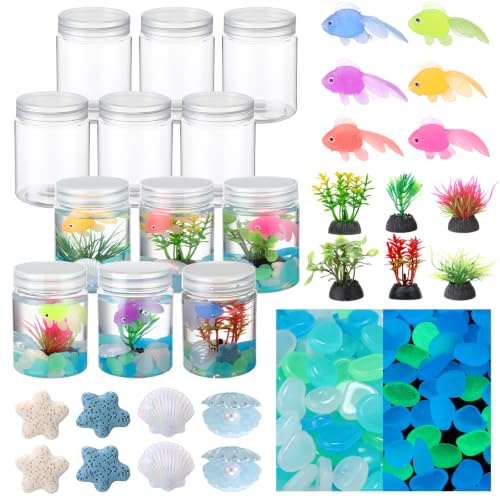
As soon as I unpacked the FoldTier Fishbowl Craft Kit, I was struck by how vibrant and inviting everything looked. The bright plastic fish and artificial plants immediately catch your eye, and the tiny glowing stones add a magical touch.
The fishbowls themselves feel sturdy yet lightweight, making them easy to handle without any worry.
Filling the fishbowl is straightforward — the plastic design prevents spills, and the size is perfect for little hands to work with. The included fish are surprisingly lifelike, with a soft rubber texture that feels nice to the touch.
The artificial plants are flexible enough to nestle into the rocks easily, and the resin starfish add just the right splash of ocean charm.
What really stands out is how simple it is to assemble. Just pour in the glow stones, position the plants, add the shells, and drop in the fish.
Screwing on the lid keeps everything secure, so there’s no mess to worry about during classroom activities. It feels like a fun, interactive way for kids to learn about aquatic life and practice their fine motor skills.
This kit isn’t just about fun — it’s educational too. Kids get hands-on experience building a tiny ecosystem, which can spark interest in animals and responsibility.
Plus, the bright decorations make it a charming display piece for desks or shelves. Whether used in class, at parties, or holiday events, it adds a splash of color and creativity effortlessly.
Overall, this set offers a delightful combination of ease, fun, and learning. It’s a perfect little project for kids and a nice decorative touch afterward.
Just be aware that the plastic fish aren’t real, but that’s a small trade-off for the educational value and visual appeal.
SW PRODUCTS 0.8-Gallon Cube Small Fish Tank, Shatterproof

- ✓ Compact and lightweight
- ✓ Easy to clean and move
- ✓ Bright, energy-efficient LED
- ✕ Limited space for fish
- ✕ Not ideal for long-term housing
| Tank Capacity | 0.8 gallons (approx. 0.73 gallons usable volume) |
| Dimensions | 5.83 x 5.7 x 5.7 inches |
| Lighting | Built-in energy-efficient white LED |
| Material | Shatterproof plastic |
| Intended Use | Educational, breeding, isolation, and display for small aquatic life |
| Decor Compatibility | Suitable for live plants, gravel, and artificial decorations (not included) |
Opening the box of the SW PRODUCTS 0.8-Gallon Cube Small Fish Tank, I immediately noticed its sleek, minimalist design. The clear shatterproof acrylic feels solid yet surprisingly lightweight in your hand, and the cube shape gives it a modern vibe that’s perfect for a classroom or desk.
Setting it up, the compact size—just about 6 inches on each side—makes it super easy to handle and position. The built-in LED light, with its bright white glow, instantly elevates the visual appeal.
It creates a calming atmosphere, making your fish or aquatic creatures look vibrant and lively.
Filling it with water, you’ll appreciate how simple it is to clean and fill. The approximate 0.73-gallon usable volume is just enough for small fish like bettas or shrimp, without feeling overwhelming for beginners.
It’s ideal for hatching fry or isolating a new or aggressive fish, offering a safe space for recovery or observation.
Building a tiny aquascape is surprisingly fun—adding tiny plants or decorations (though you’ll need to buy those separately) transforms this little tank into a charming mini ecosystem. Its size makes it perfect for educational purposes too, letting kids witness aquatic life up close without the hassle of a larger tank.
While it’s great for display and learning, keep in mind that its small volume limits long-term housing. Regular maintenance is a must, and it’s not suitable for more active or larger fish.
Still, as a portable, stylish, and functional display tank, it ticks all the boxes for a classroom or office setting.
Tetra LED Half Moon 1.1 Gallon Fish Tank Kit for Betta Fish

- ✓ Clear panoramic view
- ✓ Easy feeding access
- ✓ Adjustable LED lighting
- ✕ Limited space for decorations
- ✕ Small size requires frequent cleaning
| Tank Capacity | 1.1 gallons (approximately 4.2 liters) |
| Tank Shape | Half-moon-shaped front panel |
| Material | Clear plastic |
| Lighting | Movable energy-efficient LED light |
| Canopy Design | Clear with feeding hole |
| Intended Fish Type | Betta fish (suitable for beginners) |
I was surprised to find myself captivated by how much I could see from this tiny, half-moon-shaped tank—the clear plastic front offers an almost panoramic view. It’s surprisingly immersive, especially when you realize how little space it takes up on a desk or shelf.
The design instantly caught my eye with its sleek, modern look. The curved front makes it feel more like a tiny aquarium sculpture than just a fish container.
It’s light enough to move around easily, which is handy if you want to change the setup or clean it.
What really stood out was how easy it was to feed the Betta through the small, clear canopy. The hole for feeding is perfectly sized—no fuss, no spillage, and no awkward reaching in.
The movable LED light is energy-efficient and versatile, letting you shine from above or below, creating a beautiful glow that highlights the fish’s colors.
Despite its small size, it feels sturdy and well-made. I appreciated how simple it was to get started, especially for beginners or classroom settings.
Just fill it up, add your Betta, and enjoy the calming view. It’s a stress-free way to learn about fish care without the hassle of larger tanks.
This tank is a great pick for anyone new to fishkeeping or looking for a charming classroom addition. Its compact size makes it less intimidating and more manageable, while still offering a peaceful viewing experience.
Plus, the LED lighting adds a nice touch of ambiance.
Vehipa Fish Tank, Smart Fish Aquarium Kit 4.2 Gallon

- ✓ Crystal-clear panoramic view
- ✓ Quiet, multi-functional pump
- ✓ Automated feeding system
- ✕ Slightly small capacity
- ✕ No heater included
| Tank Capacity | 4.2 gallons (16 liters) |
| Lighting | 8 customizable LED colors with daylight and nightscape modes |
| Filtration System | Multi-layer 4-in-1 silent water pump (<35dB) with filtration, oxygenation, water circulation, and wave creation |
| Auto-Feeder Capacity | 80ml with programmable feeding intervals (12h/24h/48h) |
| Glass Material | Low-iron ultra-clear glass with 93% light transmittance |
| Additional Features | Integrated temperature probe with LCD display, built-in humidifier with aromatherapy compartment, detachable lid for maintenance |
The first thing that struck me about the Vehipa Fish Tank is how seamlessly it combines technology with simplicity. The sleek, compact 4.2-gallon design fits perfectly on a desk or a classroom shelf, and the ultra-clear, low-iron glass means you get a crystal-clear view of your fish from every angle.
It’s impressive how the panoramic view makes even a small tank look like a lively underwater scene.
The multi-layer circulation filtration system is a game-changer. The quiet 4-in-1 pump keeps water fresh, oxygenated, and moving gently, which is especially important for a classroom environment.
I watched the water ripple naturally, creating a calming waterfall effect that adds to the ambiance without any noise disruption. The extended rain pipe is a nice touch, making the whole setup feel more immersive.
The smart automated feeding system is super convenient. You can set precise portions and intervals, so your fish are fed just right—no overfeeding or missed meals.
The 80ml auto-feeder is compact but effective, and I love that you can program it days in advance, making those busy days stress-free.
The lighting options are fun and customizable. Switching between vibrant colors or soft daylight is a breeze, and it really transforms the space.
Plus, the built-in humidifier with aromatherapy adds a relaxing touch, perfect for a classroom or office setting. It’s a thoughtful feature that enhances the overall environment without complicating maintenance.
Cleaning is straightforward thanks to the detachable lid. Routine water changes and cleaning don’t feel like a chore, which is a big plus for busy teachers or students.
Overall, this tank feels like a smart, all-in-one ecosystem built for stress-free enjoyment and educational fun.
What Factors Should Be Considered When Choosing the Best Fish Tank for a Classroom?
The material of the tank can affect durability and maintenance, with options such as glass and acrylic each offering unique benefits. Glass tanks are typically more scratch-resistant and provide better clarity, while acrylic tanks are lighter and more resistant to breakage.
A reliable filtration system is essential for maintaining water quality, which is vital for the health of the fish and ease of upkeep in a classroom setting. A good filter helps remove waste and toxins, ensuring the environment remains healthy for the aquatic inhabitants.
The design and appearance of the tank matter, as a visually appealing tank can enhance the classroom environment and engage students more effectively. A well-decorated tank can serve as a focal point and stimulate discussions about aquatic ecosystems and biology.
Budget considerations are important, as the initial purchase price, along with ongoing maintenance costs, should fit within the school’s financial constraints. It’s essential to factor in the cost of equipment, supplies, and potential replacement of fish over time.
The tank should be easy to clean and maintain, allowing teachers or students to manage the fish care without extensive effort or time commitment. Systems that are user-friendly can make the experience more enjoyable and educational for students.
The species of fish selected will influence the tank size and conditions required, so understanding the needs of potential fish species is critical. Some fish require more space, specific water conditions, or companionship, which should be considered in the planning stage.
Features such as rounded edges and secure lids are important to prevent accidents and ensure the safety of students in the classroom. Safety features help minimize risks associated with having live animals in a school environment.
What Size of Fish Tank is Most Suitable for Classroom Settings?
The best fish tank for a classroom setting typically ranges from small to medium sizes, depending on the number of students and the type of fish intended.
- 10 to 20 Gallons: This size is ideal for classrooms, as it provides ample space for a variety of fish while remaining manageable for maintenance.
- 30 Gallons: A 30-gallon tank allows for a larger community of fish and more diverse aquatic life, making it a great educational tool.
- Smaller Tanks (5 Gallons): While not ideal for a long-term setup, smaller tanks can be used for temporary projects or demonstrations.
- Filtration and Heating Systems: Regardless of size, having a suitable filtration and heating system is crucial for maintaining a healthy environment for the fish.
10 to 20 gallons is ideal for classrooms, as it balances space and manageability, allowing students to observe fish behavior without overwhelming the teacher with maintenance. This size accommodates a small community of fish, making it easier to teach about ecosystems and aquatic life.
A 30-gallon tank offers the advantage of housing a larger variety of fish and plants, enhancing the educational experience by allowing students to engage with a more complex aquatic environment. However, it requires more maintenance and knowledge about fish compatibility and care.
Smaller tanks, around 5 gallons, can be useful for short-term projects, such as observing the lifecycle of fish or conducting experiments. While they are easier to move and maintain, their limited size restricts the number of fish that can be kept and may not provide a stable environment for long-term habitation.
Regardless of the tank size, ensuring a proper filtration and heating system is essential for maintaining water quality and temperature, which are critical for the health of the fish. This setup teaches students about the importance of water chemistry and the ecosystem’s balance, making it a valuable educational resource.
Which Types of Fish are Best for Classroom Environments?
The best fish for classroom environments are typically hardy species that are easy to care for and safe for young students to observe.
- Betta Fish: Betta fish are vibrant and come in a variety of colors, making them visually appealing to students.
- Goldfish: Goldfish are classic classroom pets known for their hardiness and adaptability, and they can live for many years with proper care.
- Guppies: Guppies are small, colorful fish that are easy to care for and breed, providing an opportunity for students to observe life cycles.
- Tetras: Tetras, such as Neon Tetras, are peaceful schooling fish that thrive in groups and add lively movement to the tank.
- Zebra Danios: Zebra Danios are resilient and active fish that can tolerate a range of water conditions, making them perfect for classrooms.
Betta fish are particularly popular due to their striking appearance and relatively low maintenance needs; however, they should be kept alone in a tank to avoid aggression.
Goldfish can grow quite large and produce a significant amount of waste, so it’s important to have a properly sized tank and a good filtration system to maintain water quality.
Guppies are not only colorful but also adaptable; they are livebearers, which means students can witness the process of birth and growth, enriching the educational experience.
Tetras are social fish that thrive in schools, which makes it essential to keep them in groups of at least five to ensure their well-being, creating a dynamic and engaging aquatic environment.
Zebra Danios are known for their hardiness and energetic behavior, making them an excellent choice for classrooms as they can withstand some neglect and varying water conditions.
How Does Having a Fish Tank Benefit Classroom Learning?
Having a fish tank in the classroom can greatly enhance the learning experience for students in various ways.
- Enhanced Engagement: Fish tanks can captivate students’ attention and foster a more engaging learning environment.
- Responsibility and Care: Maintaining a fish tank teaches students about responsibility and the importance of caring for living organisms.
- Scientific Learning: A fish tank provides a hands-on opportunity for students to learn about biology, ecosystems, and water chemistry.
- Stress Relief: The presence of fish and aquatic life has been shown to reduce stress and promote a calming atmosphere in the classroom.
- Teamwork and Collaboration: Students can work together in managing the fish tank, promoting teamwork and collaborative skills.
Enhanced Engagement: The visual appeal of a fish tank can significantly enhance student engagement, capturing their curiosity and encouraging participation in discussions. This interactive element can make lessons more memorable and stimulate interest in various subjects.
Responsibility and Care: By taking part in the care routine of the fish tank, students learn to be responsible for the well-being of the fish and the tank environment. This experience can foster empathy and a sense of ownership, as they see the direct consequences of their actions on the lives of the fish.
Scientific Learning: A fish tank serves as a practical tool for teaching scientific concepts such as the water cycle, food chains, and aquatic ecosystems. Students can conduct experiments, observe behaviors, and learn about the chemistry of water, making abstract concepts more tangible and relatable.
Stress Relief: Studies have shown that watching fish swim can lower blood pressure and create a sense of tranquility. The calming effect of a fish tank can provide a peaceful break from academic pressures, allowing students to refocus and rejuvenate their minds.
Teamwork and Collaboration: Caring for a fish tank often involves teamwork, as students can divide responsibilities such as feeding, cleaning, and monitoring water quality. This collaborative effort helps build social skills and teaches students the value of working together towards a common goal.
What Maintenance Tasks are Essential for a Classroom Fish Tank?
Essential maintenance tasks for a classroom fish tank include:
- Regular Water Changes: Changing 10-15% of the water weekly helps maintain water quality by removing toxins and replenishing essential minerals.
- Filter Maintenance: Cleaning or replacing filter media every month ensures proper filtration, which is vital for maintaining a healthy environment for the fish.
- Water Testing: Regularly testing for pH, ammonia, nitrite, and nitrate levels allows for early detection of imbalances that can harm fish health.
- Feeding Schedule: Establishing a consistent feeding routine prevents overfeeding, which can lead to water pollution and unhealthy fish.
- Algae Control: Monitoring and managing algae growth through manual removal or introducing algae-eating fish keeps the tank visually appealing and healthy.
- Tank Cleaning: Regularly cleaning the tank walls and substrate helps prevent the buildup of waste and bacteria, ensuring a clean environment for the fish.
Regular water changes are crucial as they reduce the concentration of harmful substances and support a stable ecosystem. This practice helps keep the fish healthy and the water clear, contributing to a more enjoyable classroom experience.
Filter maintenance is essential for ensuring that the water is properly circulated and free from harmful particles. A well-maintained filter improves water quality and reduces the risk of disease in fish.
Water testing is an important task that allows you to monitor the chemical balance of the tank. By keeping an eye on parameters such as pH and ammonia levels, you can take corrective actions before any serious issues arise.
Establishing a feeding schedule is vital to maintaining fish health and tank cleanliness. Overfeeding can lead to excess waste and deteriorate water quality, so it’s important to feed only what the fish can consume in a few minutes.
Algae control is necessary to prevent unwanted growth that can obscure visibility and compete for nutrients with the fish. Regular observation and management of algae can be done through physical cleaning or introducing species that naturally consume algae.
Tank cleaning involves regular maintenance of both the interior surfaces and the substrate. This helps to eliminate waste buildup and maintain a healthy habitat for the fish, promoting their well-being and the aesthetic appeal of the classroom environment.
How Can Teachers Use a Fish Tank to Enhance Curriculum Engagement?
Using a fish tank in the classroom can significantly enhance student engagement and learning across various subjects.
- Biology Lessons: A fish tank serves as a living laboratory, allowing students to observe aquatic life cycles, behaviors, and ecosystems directly. This hands-on experience can deepen their understanding of concepts such as photosynthesis, food chains, and biodiversity.
- Responsibility and Care: Maintaining a fish tank teaches students about responsibility and the importance of caring for living organisms. They can take turns feeding the fish, monitoring water quality, and learning about the nitrogen cycle, fostering a sense of stewardship for the environment.
- Math Skills: Teachers can incorporate math lessons by having students calculate tank volume, measure water parameters, or create graphs to track fish growth and tank conditions. This practical application of math concepts can make learning more relevant and engaging.
- Art and Creativity: Students can express their artistic skills by designing tank decorations or creating presentations on different fish species. This integration of art encourages creativity and personal investment in the classroom environment.
- Observation and Scientific Inquiry: A fish tank provides a platform for students to develop observation skills and engage in scientific inquiry. They can formulate hypotheses about fish behavior, conduct experiments on water conditions, and analyze their findings, thus promoting critical thinking and the scientific method.
What Safety Precautions Should Be Taken with Classroom Fish Tanks?
When setting up a fish tank in a classroom, it’s essential to consider safety precautions to ensure a healthy and safe environment for both the fish and the students.
- Secure Placement: Ensure the tank is placed on a stable, sturdy surface away from high-traffic areas. This prevents accidental tipping and minimizes the risk of spills or injuries from broken glass.
- Electrical Safety: Use equipment that is rated for aquarium use and ensure all electrical components, such as heaters and filters, are properly installed to avoid water contact with electrical outlets and cords.
- Water Quality Monitoring: Regularly check and maintain water quality parameters, including pH, ammonia, and nitrate levels. Poor water quality can lead to fish health issues and unpleasant odors, affecting the classroom environment.
- Supervision During Feeding: Always supervise students while they are feeding the fish to prevent overfeeding, which can harm the fish and degrade water quality, as well as to ensure that students do not put their hands in the tank.
- Cleaning Protocols: Establish a regular cleaning routine for the tank and equipment, emphasizing safe handling of any cleaning chemicals and the importance of washing hands afterward to prevent contamination.
- Emergency Procedures: Have a clear plan in place for emergencies, such as a tank breakage or a fish illness. Ensure students know whom to notify and what actions to take in such situations to ensure safety and quick response.