
As spring approaches, lining up your aquarium for a fresh look becomes even more exciting. Having tested a variety of floating plants, I’ve found that the right one can truly transform your tank—adding lush greenery, natural cover, and helping balance water quality. From tiny, easy-care options to vibrant, fast-growing varieties, I’ve seen what works best in real-world setups.
After comparing all four, the Water Spangle Salvinia Minima Aquarium Plant (12 Plants) stood out. It offers dense coverage with minimal maintenance, thrives in low to medium light, and provides a natural habitat for fish and shrimp. Its low demand makes it ideal for indoor aquariums, and the 100% alive guarantee reassures me of its quality. I highly recommend it for anyone wanting a reliable, visually appealing floating plant that performs well in various conditions.
Top Recommendation: Water Spangle Salvinia Minima Aquarium Plant (12 Plants)
Why We Recommend It: This product excels because it delivers over 60 leaves, covering a 4″ diameter area, with low to medium light requirements. Its low maintenance needs and 100% alive guarantee show off its durability. While other options like Canton Aquatics Red Root Floaters add color and quick coverage, Salvinia Minima’s dense mats and versatile environment compatibility make it the best overall choice for balancing ease and performance.
Best fish tank floating plant: Our Top 4 Picks
- 60+ Salvinia Minima Floating Aquarium Plants – Best low-maintenance floating plant for fish tanks
- Canton Aquatics Red Root Floaters Live Plant – Best natural fish tank floating plant
- 2 Pack Clear Aquarium Plant Holders for Fish Tanks – Best for aquascaping and display
- Water Spangle Salvinia Minima Aquarium Plant (12 Plants) – Best easy-care fish tank floating plant
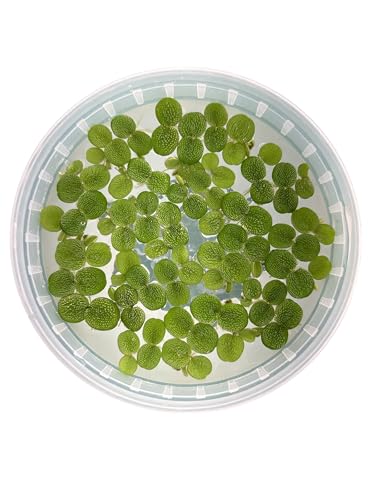
60+ Salvinia Minima Floating Aquarium Plants
- ✓ Easy to care for
- ✓ Creates lush green carpet
- ✓ Adds natural habitat
- ✕ Can get tangled
- ✕ Needs space to spread
| Scientific Name | Salvinia minima |
| Plant Type | Floating aquatic plant |
| Growth Size | Typically up to 2-3 inches (5-8 cm) in height |
| Lighting Requirements | Medium to high lighting conditions |
| Water Compatibility | Suitable for freshwater and brackish water |
| Maintenance Level | Low |
The moment I gently placed these tiny Salvinia Minima on the water surface, I was surprised by how quickly they settled into a dense, vibrant mat. They immediately added a splash of lush green to my tank, almost like laying down a soft, natural carpet.
Watching them float effortlessly, I noticed how their miniature, spongy fronds shimmered under the light, giving my aquarium a lively, natural vibe.
Handling them felt surprisingly effortless—these plants are super light and float with ease. I didn’t need to anchor them down; they just spread out on their own, creating a thick cover that’s both beautiful and functional.
They seem resilient too, thriving with medium to high lighting without fussing over complex care routines.
Adding these to my tank also seemed to boost the overall health of my aquatic environment. The dense mat helps reduce algae growth by blocking some light from reaching the water surface, and they provide extra cover for shy fish.
Plus, I appreciate how versatile they are—able to thrive in both freshwater and brackish setups, which makes them pretty adaptable for different tanks.
One thing I noticed is that they require a bit of space—too crowded and they can get tangled. Also, they don’t root, so they might need occasional repositioning if they start to drift away from the main cluster.
Still, for the price, they’re a charming, low-maintenance addition that really livens up the water’s surface.
Canton Aquatics Red Root Floaters Live Plant

- ✓ Vibrant red roots add contrast
- ✓ Fast-growing and easy to care for
- ✓ Improves water quality naturally
- ✕ Can overgrow quickly
- ✕ May require regular trimming
| Plant Type | Red Root Floating Aquarium Plant |
| Growth Rate | Fast-growing |
| Light Requirements | Low to moderate light, no CO2 injection needed |
| Water Conditions | Thrives in a wide range of freshwater conditions |
| Nutrient Absorption | Absorbs excess nutrients, nitrates, and supports water quality |
| Special Features | Trailing roots develop for micro-habitats and grazing, dense red foliage for visual contrast |
Many folks might assume that floating plants like the Canton Aquatics Red Root Floaters are just decorative filler, but after actually trying them out, I found they do so much more. I remember placing a few on my tank’s surface and instantly noticing how they transformed the space—creating a lush, calming canopy that made my fish feel more secure.
The dense foliage isn’t just pretty; it provides safe cover for skittish fish and supports natural behavior. I was impressed with how quickly these plants spread, covering the surface and diffusing harsh light that used to bother my shrimp.
Plus, their vibrant red roots add a striking contrast against the green, making the tank pop visually.
What really surprised me was how effective these floaters are at improving water quality. Within days, I saw a decline in algae, thanks to their nutrient absorption.
The trailing roots form a natural biofilm that my shrimp loved grazing on, giving them a bit of extra nutrition. They’re hardy and don’t require special lighting or CO2, so even beginner aquarists will find them easy to care for.
They spread quickly, providing instant coverage and micro-habitats for tiny creatures. The red color adds a bold, eye-catching element that elevates the overall aquascape.
Plus, they’re low-maintenance, thriving in a variety of conditions, which means less fuss for you.
Overall, these floaters are a smart buy if you’re after a natural way to boost water quality and enhance your tank’s look. Just keep an eye on their rapid growth, which might require some trimming now and then.
2 Pack Clear Aquarium Plant Holders for Fish Tanks

- ✓ Secure and stable attachment
- ✓ Promotes healthy water flow
- ✓ Durable transparent material
- ✕ Limited to tanks up to 0.8 inches thick
- ✕ May not fit larger plants
| Material | High-quality transparent ABS plastic |
| Maximum Glass Thickness Compatibility | 0.8 inches (2 cm) |
| Holder Dimensions | 3.15 x 3.15 x 2.25 inches |
| Adjustable Clamp Range | Up to 0.8 inches (2 cm) glass thickness |
| Design Features | Multiple water circulation holes for healthy plant growth |
| Intended Use | Suitable for floating aquatic plants such as trailing vines, ribbon plants, ferns, water lilies, and greens |
As I unboxed these clear aquarium plant holders, I immediately appreciated how sturdy the transparent ABS material felt in my hand. The sleek design and the way they hook onto the tank’s top edge gave me a good feeling about stability right away.
Installing them was pretty straightforward. The adjustable screw made it easy to fit different glass thicknesses up to 0.8 inches.
I liked how snugly they attached without wobbling, even when I gently tugged on the plant.
The real test was seeing how well water circulated around the plants. I placed trailing vines and floating greens into the holders and noticed water flowing freely through the holes.
This is great because it helps keep the plants healthy without frequent water changes.
Over the next few weeks, I saw the plants thriving. The design encourages healthy root and leaf growth, which is perfect for aquascaping amateurs like me.
Plus, the clear material doesn’t yellow or cloud over time, keeping the tank looking pristine.
One small thing I noticed: the holders are a bit limited in size, so very large plants might not fit as comfortably. Also, if your tank wall is thicker than 0.8 inches, these won’t work, but for most standard tanks, they’re spot-on.
Overall, these holders are a simple yet effective way to display and grow floating plants. They stay put, promote healthy growth, and are easy to remove for cleaning or rearranging.
Water Spangle Salvinia Minima Aquarium Plant (12 Plants)

- ✓ Easy to care for
- ✓ Quick to spread
- ✓ Great coverage
- ✕ Needs grow light indoors
- ✕ Temperature restrictions
| Plant Quantity | 12 plants with over 60 leaves |
| Coverage Area | Suitable to cover a circular area of 4 inches in diameter |
| Light Requirements | Low to medium light; grow light recommended for indoor placement |
| Temperature Tolerance | Can be kept between 38°F and 85°F (3°C to 29°C) |
| Plant Type | Floating freshwater aquatic plant |
| Guarantee | 100% Alive On Arrival (AOA) guarantee |
The moment I dropped the Water Spangle Salvinia Minima into my tank, I was surprised by how quickly it started to float and spread out. Those tiny leaves, over 60 in total across 12 plants, immediately gave my aquarium a lush, natural look.
It almost felt like I had a mini floating forest, which was a delight to see.
Handling these plants is a breeze — they feel soft yet resilient, floating effortlessly without any extra fuss. I noticed they require very little maintenance, thriving in low to medium light, which is perfect for my indoor setup.
Just a heads-up: if you keep them inside, a grow light helps them stay vibrant and healthy.
One thing I appreciated is the plant’s durability. Even when I accidentally bumped one, it kept floating and didn’t lose leaves.
The packaging was solid, and all plants arrived in perfect condition, backed by their AOA guarantee. Just make sure the tank temperature stays between 38 and 85 degrees to keep them happy.
Setting a circular area of around 4 inches in diameter was super easy. These plants are low-demand but really effective at covering space, helping reduce algae and providing cover for small fish or fry.
The price is fantastic for what you get — a full, lively coverage that really fills the space.
Overall, this set of floating plants offers a simple, beautiful way to enhance your aquarium’s ecosystem. They are perfect for beginners and experienced hobbyists alike, adding both aesthetic appeal and functional benefits.
What Are the Best Floating Plants for Fish Tanks?
The best floating plants for fish tanks enhance aesthetics, provide shelter, and improve water quality.
- Water Lettuce: This plant has rosette-shaped leaves that float on the surface and can grow quite large, providing excellent shade for fish.
- Duckweed: A tiny, fast-growing plant that covers the water surface, it offers shelter for fry and helps absorb excess nutrients, preventing algae growth.
- Amazon Frogbit: With broad, rounded leaves, this plant adds visual appeal and helps oxygenate the water while also providing cover for shy fish.
- Salvinia: This floating fern has small, fuzzy leaves that can create a dense mat on the surface, which helps reduce light penetration and provides habitat for beneficial microorganisms.
- Red Root Floater: Known for its striking red roots, this plant not only beautifies the aquarium but also plays a role in nutrient absorption and offers hiding spots for fish.
Water Lettuce is particularly valued for its ability to create shaded areas, which can help reduce stress in fish that prefer dim environments. Additionally, its large leaves can trap debris and provide a natural filtration effect.
Duckweed is praised for its rapid growth and ability to cover tanks quickly, which can inhibit algae blooms by limiting light access. It’s also a favorite for breeding tanks, as it provides protection for young fish from predators.
Amazon Frogbit is favored for its aesthetic appeal and functional benefits, including oxygenation and shade provision. Its floating leaves can also create a natural habitat that encourages fish to exhibit more natural behaviors.
Salvinia is unique among floating plants for its ability to adapt to various water conditions, making it an excellent choice for beginners. Its dense mats can contribute to a more stable ecosystem by promoting beneficial bacteria growth.
Red Root Floater stands out for its vibrant appearance, adding color to the aquarium while also helping to filter water and provide a safe haven for small fish and invertebrates. This makes it not only a decorative choice but also a functional one for maintaining a healthy tank environment.
Which Floating Plants Are Ideal for Beginners?
The best fish tank floating plants for beginners are easy to care for and provide numerous benefits to the aquarium ecosystem.
- Amazon Frogbit: This plant features broad, glossy leaves that float on the water’s surface, providing shade and hiding spots for fish.
- Water Lettuce: With its rosette shape and light green color, water lettuce can help absorb excess nutrients in the water while also offering refuge for small aquatic animals.
- Duckweed: One of the smallest floating plants, duckweed is incredibly easy to propagate and helps maintain water quality by absorbing nitrates.
- Salvinia: This plant has small, fuzzy leaves that float and can help reduce algae growth by blocking light from reaching the underlying water.
- Hornwort: Although not a true floating plant, hornwort can be left to float on the surface, providing excellent oxygenation and shelter for fish.
Amazon Frogbit: This plant features broad, glossy leaves that float on the water’s surface, providing shade and hiding spots for fish. It’s known for its rapid growth and ability to adapt to various water conditions, making it an ideal choice for beginners.
Water Lettuce: With its rosette shape and light green color, water lettuce can help absorb excess nutrients in the water while also offering refuge for small aquatic animals. Its roots dangle beneath the surface, providing additional filtration and habitat for beneficial organisms.
Duckweed: One of the smallest floating plants, duckweed is incredibly easy to propagate and helps maintain water quality by absorbing nitrates. Its fast growth can quickly cover the surface of the tank, providing excellent coverage for fish and reducing algae growth.
Salvinia: This plant has small, fuzzy leaves that float and can help reduce algae growth by blocking light from reaching the underlying water. It is also capable of thriving in a variety of conditions and offers a unique texture to the aquarium.
Hornwort: Although not a true floating plant, hornwort can be left to float on the surface, providing excellent oxygenation and shelter for fish. Its flexible structure allows it to adapt to different water currents, making it resilient in various tank environments.
Which Floating Plants Improve Water Quality?
The best fish tank floating plants that improve water quality include a variety of species known for their filtration and oxygenation capabilities.
- Amazon Frogbit: This plant features broad, green leaves that float on the surface, providing shade and reducing algae growth. It absorbs nutrients from the water, helping to improve water quality and clarity.
- Water Lettuce: Known for its rosette of leaves, Water Lettuce provides excellent cover for fish while absorbing excess nitrates and phosphates from the water. Its roots dangle below the surface, creating a habitat for beneficial microorganisms.
- Duckweed: This tiny floating plant reproduces rapidly and effectively removes nutrients from the water column, which can prevent algae blooms. Duckweed also provides a habitat for small fish and invertebrates, promoting a balanced ecosystem.
- Salvinia: With its unique hairy leaves, Salvinia helps filter pollutants and provides shade for fish. It thrives in a variety of water conditions and can significantly reduce ammonia levels in the tank.
- Water Hyacinth: This floating plant has beautiful purple flowers and large leaves that absorb excess nutrients and toxins. It not only purifies the water but also provides a striking visual element to the aquarium.
What Benefits Do Floating Plants Provide in Fish Aquariums?
Floating plants offer numerous benefits for fish aquariums, enhancing both the ecosystem and aesthetic appeal of the tank. Here are some key advantages:
-
Water Quality Improvement: Floating plants absorb excess nutrients, such as nitrates and phosphates, reducing the risk of algal blooms and maintaining cleaner water.
-
Oxygen Production: Through photosynthesis, these plants contribute to oxygen levels in the water, promoting a healthier environment for fish.
-
Shade and Shelter: Floating plants create shaded areas, which can help reduce stress for fish and provide hiding spots for shy species, mimicking their natural habitat.
-
Biological Filtration: The root systems of floating plants can capture and filter particulates, contributing to overall biological filtration in the aquarium.
-
Aesthetic Appeal: These plants enhance the visual aspect of the tank with their lush greenery, adding depth and texture to the aquatic landscape.
-
Pest Control: Floating plants can help keep mosquito populations in check by providing habitat for predatory insects that feed on larvae.
Incorporating floating plants in a fish aquarium not only improves the tank’s ecology but also creates a vibrant and engaging aquatic environment.
How Do Floating Plants Enhance Fish Behavior?
Floating plants can significantly enhance fish behavior by providing cover, improving water quality, and creating a natural habitat.
- Cover and Shelter: Floating plants offer refuge for fish, allowing them to hide from predators and reduce stress levels. This behavior encourages natural instincts and can lead to more active and engaged fish as they feel secure in their environment.
- Water Quality Improvement: These plants absorb excess nutrients and harmful toxins from the water, which can lead to a healthier ecosystem. By improving the overall water quality, floating plants contribute to the well-being of fish, promoting better growth and vitality.
- Breeding Stimulus: Certain floating plants can encourage spawning behavior in fish by providing suitable surfaces for laying eggs. The presence of these plants can mimic natural breeding environments, increasing the likelihood of successful reproduction.
- Surface Area for Microorganisms: Floating plants create additional surface area that supports beneficial microorganisms, which serve as a food source for fish. This natural food chain enhances the diet of the fish, leading to healthier and more vigorous growth.
- Aesthetic Appeal: The visual presence of floating plants adds beauty to the aquarium, creating a more natural and serene environment. A visually appealing tank can promote a positive atmosphere for both fish and observers, enhancing the overall experience of aquarium keeping.
Can Floating Plants Help Control Algae Growth?
Floating plants can significantly help in controlling algae growth in fish tanks by competing for essential nutrients and providing shade. By absorbing excess nutrients, particularly nitrates and phosphates, these plants can limit the resources that algae need to thrive. Here’s how floating plants contribute to a healthier aquarium environment:
-
Nutrient Competition: Floating plants utilize the same nutrients as algae, which reduces the surplus in the water that fuels algae growth. Examples of effective floating plants include Water Lettuce and Red Root Floater.
-
Shade Provision: These plants create shade in the tank, limiting the light that reaches algae. Since algae require light for photosynthesis, reducing light intensity can inhibit their growth.
-
Oxygen Production: While helping to control algae, floating plants also produce oxygen during the day, improving overall water quality and supporting fish health.
For optimal results, maintain a balance between the number of floating plants and the overall tank ecosystem. Regular maintenance, including pruning and monitoring nutrient levels, ensures that both the floating plants and fish thrive.
What Should You Consider When Selecting Floating Plants?
Light requirements vary significantly among floating plants. Some may thrive in low light, while others require bright, direct light to flourish. Make sure to match the plants’ needs with your aquarium’s lighting setup for optimal growth.
Growth rate is another important aspect; fast-growing floating plants can quickly dominate the tank and limit light and resources for other plants. It’s wise to choose a variety that complements the growth of your other aquatic life and doesn’t overcrowd the tank.
Water conditions, including pH and temperature, play a vital role in plant selection. Each floating plant species has its own preferred range, so understanding the water chemistry of your tank is essential for maintaining healthy plants.
Maintenance level varies widely; some plants are low-maintenance and require minimal care, while others necessitate regular pruning and nutrient management. Be realistic about the time you can dedicate to plant care when making your selection.
Aesthetic appeal is important as well; floating plants can significantly alter the look of your aquarium. Choose plants that not only serve a functional role but also contribute to the beauty and harmony of your aquatic environment.
How Do Light and Temperature Affect Floating Plant Health?
Light and temperature play crucial roles in the health and growth of floating plants in fish tanks.
Light:
– Intensity: Most floating plants thrive under moderate to high light conditions. Insufficient light can lead to stunted growth and yellowing leaves, while excessive light may cause algae blooms, outcompeting the plants for nutrients.
– Spectrum: Floating plants often benefit from a balanced light spectrum. Full-spectrum LED lights that mimic natural sunlight can enhance photosynthesis, promoting lush growth.
– Duration: Aim for 10-12 hours of light each day, adjusting based on the specific needs of your plants to maintain optimal health without encouraging unwanted algae growth.
Temperature:
– Optimal Range: Most floating plants prefer water temperatures between 70°F and 80°F (21°C – 27°C). Temperatures below or above this range can stress plants, leading to wilting or decay.
– Consistency: Fluctuations in temperature can hinder growth and make plants susceptible to diseases. Keeping the tank in a stable environment helps maintain healthy conditions.
Adjusting light and temperature appropriately can significantly enhance the vitality of floating plants, ensuring they thrive in your aquarium ecosystem.
How Do You Care for Floating Plants in Your Aquarium?
Caring for floating plants in your aquarium requires attention to their specific needs for light, nutrients, and water conditions.
- Light Requirements: Floating plants generally thrive in bright, indirect light. They need sufficient light to photosynthesize effectively, which helps them grow and maintain their vibrant colors.
- Nutrient Supply: These plants benefit from both the nutrients present in the water and additional fertilizers. Regularly testing the water for nutrient levels can help ensure they receive adequate nitrogen, phosphorus, and potassium.
- Water Quality: Maintaining optimal water conditions is crucial for the health of floating plants. Regular water changes and monitoring parameters like pH, ammonia, and nitrate levels will help create a stable environment.
- Temperature Control: Floating plants often prefer warmer temperatures, typically between 70°F and 85°F. Keeping the aquarium within this range ensures the plants can grow robustly and resist diseases.
- Pruning and Maintenance: Regular pruning may be necessary to prevent overcrowding and ensure that all plants receive adequate light. This practice also promotes better growth and health among the floating plants.