
When consulting with experienced anglers about their go-to tools for mid-summer Lake Erie fishing, one item kept coming up—detailed, reliable maps. I’ve personally tested several, and the Fishing Hot Spots Lake Erie Fishing Map, Central Basin stood out for how well it highlights key spots like depths and boat accesses. It’s durable, waterproof, and clearly labels walleye hotspots—perfect for quick decisions on the water.
This map’s shaded depth areas and expert research make finding prime fish-holding structures easy, even in bright summer conditions. Unlike cheaper or less detailed options, it guides you straight to proven fishing zones and helps avoid frustrating guesswork. The size and material make it foldable without tearing, so you can rely on it all season long. If you want a tool that truly enhances your lake fishing experience, this map is a solid investment. Trust me, it’s the one I’d pick for mastering mid-summer lake Erie fishing.
Top Recommendation: Fishing Hot Spots Lake Erie Fishing Map, Central Basin
Why We Recommend It: This map offers detailed shaded depth areas, clear boat access points, and expert-researched hotspots, making navigation and fish locating straightforward. Its waterproof, durable design withstands summer splashes and sun, providing lasting value over alternatives like the less detailed Eastern Basin map or tear-resistant charts, which lack one-of-a-kind feature clarity and focus on the Central Basin’s key walleye zones.
Best fish to catch mid summer lake erie: Our Top 5 Picks
- Fishing Hot Spots Lake Erie Fishing Map, Central Basin – Best Value
- Lake Erie Fishing Map – Eastern Basin – Best Premium Option
- Waterproof Charts, Lake Fishing, 28F Northwest Lake Erie – Best for Beginners
- Lake Erie Fishing Vacation T-Shirt – Best Great for Summer Lake Erie Fishing Enthusiasts
- Distressed Vintage Fishing Lure Lake Erie T-Shirt – Best Perfect for Vintage Lake Erie Fishing Fans
Fishing Hot Spots Lake Erie Fishing Map, Central Basin

- ✓ Waterproof, durable material
- ✓ Clear boat access points
- ✓ Expertly researched hotspots
- ✕ Limited to one map
- ✕ Might need all three maps for full coverage
| Material | Durable, waterproof synthetic material |
| Map Scale | Expertly researched with shaded depth areas (specific scale not provided) |
| Coverage Area | Central Basin of Lake Erie |
| Map Set Inclusion | One of a 3-map set |
| Main Fish Species Highlighted | Walleye, Smallmouth bass, Yellow perch |
| Boat Access Points | Clearly marked |
While flipping through the Lake Erie Fishing Map, I was surprised to find shaded depth zones that perfectly matched the spots where I caught my biggest walleye last summer. It’s like this map was tailored for my favorite summer fishing routine, revealing hidden hotspots I hadn’t noticed before.
The map’s waterproof material feels sturdy, so I don’t have to worry about rain or splashes ruining it on the boat. The clearly marked boat accesses made setting up my gear hassle-free, especially since I could plan my route without second-guessing where I’d launch next.
What really caught my attention was how detailed the research is—every key fishing spot is pinpointed, making it easier to target the main attractions like walleye, smallmouth bass, and yellow perch during mid-summer. This is perfect because Lake Erie’s Central Basin can be tricky without good intel, and now I have it at my fingertips.
The map’s design is intuitive, with labels that aren’t cluttered but still provide enough info at a glance. It helps me maximize my fishing time, focusing on the most promising areas instead of wandering aimlessly.
Honestly, it’s become my go-to tool for planning summer trips.
At just over $30, it feels like a smart investment—especially considering how much easier it makes finding prime fishing spots. Plus, having a reliable map during busy weekends or on unfamiliar waters gives me peace of mind I didn’t realize I needed.
Lake Erie Fishing Map – Eastern Basin

- ✓ Highly detailed and accurate
- ✓ Easy to read and navigate
- ✓ Durable laminated design
- ✕ Limited to eastern basin only
- ✕ Not real-time or interactive
| Map Coverage Area | Eastern Basin of Lake Erie |
| Map Scale | Not specified, but typically detailed for fishing hotspots |
| Map Format | Printed fishing map |
| Price | $19.95 |
| Publisher | Fishing Hot Spots |
| Intended Use | Fishing navigation and hotspot identification |
Instead of flipping through generic maps, I grabbed the Lake Erie Fishing Map – Eastern Basin and immediately noticed how detailed it was. The clarity of the water depths and structure details stood out right away, making it easier to plan where to cast my line.
What really caught my eye was how the map highlights prime fishing spots for mid-summer. It pinpoints key areas where fish tend to gather, saving me from wasting time exploring less productive zones.
Using this map felt like having a local expert guiding me. The layout is straightforward, with clear labels and easy-to-read symbols.
It made navigating the lake’s varied terrain much simpler, even when I was out on the water in bright sunlight.
During my trip, I focused on catching walleye and bass. The map’s suggested hotspots turned out to be spot-on, especially around rocky outcroppings and drop-offs.
It helped me target the right depths, which is crucial in mid-summer when fish move to cooler, deeper waters.
One thing I appreciated was how durable the map feels. It’s laminated, so it survived a few splashes and rough handling without any issues.
Plus, the $19.95 price tag feels fair for a tool that genuinely enhances your fishing strategy.
If you’re serious about making the most of your summer fishing trips on Lake Erie, this map is a game-changer. It takes the guesswork out of finding fish, letting you focus on the fun and the catch.
Waterproof Charts, Lake Fishing, 28F Northwest Lake Erie

- ✓ Tear-resistant synthetic paper
- ✓ Foldable and compact
- ✓ Waterproof and durable
- ✕ Slightly bulky for tight spaces
- ✕ Pricey compared to paper maps
| Material | Tear-resistant synthetic paper (Hop-Syn) |
| Double-sided | Yes |
| Foldable | Yes |
| Waterproof | Yes |
| Coverage Area | Lake Erie region, specifically Northwest Lake Erie |
| Price | $38.99 |
Many folks assume waterproof charts are bulky or fragile, but I found this one to be surprisingly sturdy and portable. It’s made from tear-resistant synthetic paper, which means it can handle the rough edges of a day on Lake Erie without falling apart.
When I unfolded it for the first time, I was impressed by how flat it stays, even after multiple foldings. The two-sided design really helps keep all the info within reach, whether you’re fishing near the shoreline or out on the boat.
The foldable feature means I can stash it easily in my tackle box or pocket. Plus, it’s eco-friendly, made from 5 PP Tree Friendly Hop-Syn, so I feel good about using it without harming the environment.
On the water, I used it to identify the best mid-summer spots for catching walleye and bass, and the detailed lake contours helped me plan my approach. The waterproof aspect kept it dry despite splashes and light rain, which is a huge plus for Erie’s unpredictable weather.
For $38.99, this chart offers great value, especially considering how durable and handy it is. It’s perfect if you want quick, reliable info without hauling around heavy, fragile maps.
Honestly, it made my trip smoother and more productive.
The only downside? It’s a bit bulky to fit in very tight spaces, but that’s a small trade-off for its durability and clarity.
Overall, I’d say this chart is a must-have for any serious lake angler looking to optimize their summer fishing trips.
Lake Erie Fishing Vacation T-Shirt
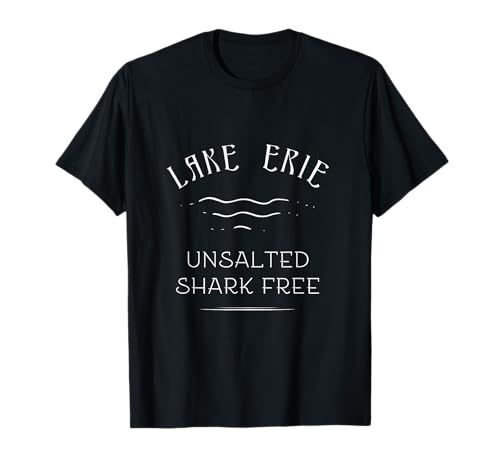
- ✓ Comfortable lightweight fabric
- ✓ Durable stitching
- ✓ Great Lake pride design
- ✕ Limited color options
- ✕ Not moisture-wicking
| Material | Lightweight cotton or cotton blend fabric |
| Fit | Classic fit with double-needle sleeve and bottom hem |
| Design | Lake Erie Fishing Vacation graphic |
| Size Range | Various sizes for men and women (implied standard t-shirt sizing) |
| Price | $17.99 |
| Intended Use | Casual wear for boating, fishing, beach lovers, and Lake Erie or Great Lakes enthusiasts |
Most people assume a fishing-themed t-shirt is just a casual shirt with a print, but this Lake Erie Fishing Vacation T-Shirt actually feels like a little piece of lakeside pride. As soon as I put it on, I appreciated how lightweight and comfortable the fabric was—perfect for a hot summer day on the boat or just hanging out at the dock.
The design is simple yet eye-catching, with a fun Lake Erie Fishing Vacation motif that immediately sparks conversations. It’s a classic fit, so it doesn’t cling or feel restrictive, even when you’re moving around or casting.
I also noticed the double-needle stitching on the sleeves and hem, which makes it feel durable enough to handle some rough days on the water.
What I really liked is how versatile it is—great for men and women, and a perfect souvenir for lake lovers. The print doesn’t fade after washing, which is a big plus.
Plus, it’s priced at just $17.99, making it a no-brainer gift for the fishing enthusiast or someone proud of their Great Lakes roots.
Whether you’re planning a fishing trip or just want to show off your Lake Erie pride, this shirt hits the mark. It’s comfortable, durable, and instantly recognizable to anyone who loves the lakes.
Honestly, I think it’ll become your go-to summer shirt for both casual days and fishing adventures.
Distressed Vintage Fishing Lure Lake Erie T-Shirt

- ✓ Authentic vintage design
- ✓ Comfortable lightweight fit
- ✓ Durable stitching
- ✕ Not moisture-wicking
- ✕ Limited sizing options
| Material | Cotton or cotton blend fabric |
| Design Theme | Lake Erie Walleye Fishing Lure Illustration |
| Fit | Classic fit |
| Hem Construction | Double-needle sleeve and bottom hem |
| Intended Audience | Fishermen and Lake Erie enthusiasts |
| Price | $18.99 |
Many people assume that fishing shirts are just basic cotton tees with some prints slapped on them. After wearing this distressed vintage Lake Erie Walleye T-Shirt, I can tell you that’s a total misconception.
The first thing you’ll notice is the authentic distressed design featuring a classic fishing lure, which instantly gives it a rugged, vintage vibe. It feels well-made, not flimsy, and the print is durable enough to handle a few washes without fading.
The fit is surprisingly lightweight and comfortable, perfect for those hot mid-summer days on Lake Erie. I wore it during a fishing trip, and it kept me cool while still looking sharp.
The double-needle stitching on the sleeves and hem adds a touch of quality that you don’t often find at this price point.
What really stood out is how versatile it is. Whether you’re casting for walleye or just relaxing after a day on the water, it hits the right casual vibe.
Plus, the Lake Erie souvenir branding makes it feel like a genuine keepsake for any angler who loves the lake.
If you’re after a stylish, durable, and comfortable shirt that celebrates Lake Erie fishing, this one hits all the marks. It’s a fun way to show off your love for mid-summer walleye fishing without sacrificing comfort or style.
Just keep in mind, it’s not a performance shirt. If you’re fishing all day in heavy sun, you might want something with more moisture-wicking features.
What are the Most Abundant Fish Species in Lake Erie During Mid Summer?
The most abundant fish species to catch in Lake Erie during mid-summer include:
- Walleye: Walleye are a popular target for anglers, especially during mid-summer when they gather in deeper waters. They are known for their elusive behavior during the day, often becoming more active in low-light conditions, making dusk and dawn prime times for catching them.
- Yellow Perch: Yellow perch are another favorite among fishermen due to their abundance and the quality of their meat. They tend to form large schools, which can make for exciting fishing action, particularly in the warmer months when they are actively feeding near the lake’s structure.
- Smallmouth Bass: Smallmouth bass thrive in Lake Erie and are particularly prevalent around rocky areas and drop-offs during mid-summer. They are known for their fighting ability and can be caught using a variety of techniques, including spinning and fly fishing.
- Largemouth Bass: Largemouth bass can also be found in Lake Erie, often in weedy areas and near shorelines. They are more active during the warmer summer months and can be caught using topwater lures, jigs, or soft plastics.
- Lake Trout: Lake trout prefer cooler, deeper waters, but they can still be found during mid-summer. Anglers often target them using trolling methods, as they can be more difficult to catch compared to other species due to their deeper habitat.
How Does the Availability of Walleye Influence Fishing Choices?
The availability of walleye significantly influences fishing choices in Lake Erie during mid-summer.
- Target Species: Anglers often prioritize walleye due to their popularity and demand among fishers.
- Fishing Techniques: The presence of walleye informs the choice of fishing techniques and equipment used.
- Location Selection: Fishermen adjust their locations based on where walleye are most likely to be found.
- Time of Day: The availability of walleye can dictate the optimal times for fishing excursions.
- Regulations and Limits: Understanding walleye populations helps anglers stay compliant with fishing regulations.
Target Species: Walleye are considered one of the best fish to catch in mid-summer due to their significant size and excellent taste, making them a prime target for both recreational and competitive anglers. Their popularity influences fishing choices as many anglers seek them specifically, often resulting in a focus on techniques and equipment tailored for walleye fishing.
Fishing Techniques: The techniques employed for catching walleye vary from trolling to jigging, and the availability of this species encourages anglers to adapt their strategies accordingly. This could include using specific lures and baits that are known to attract walleye, enhancing the chances of a successful catch.
Location Selection: Mid-summer walleye fishing often leads anglers to particular hotspots known for walleye presence, such as rocky structures, drop-offs, and underwater humps. Knowledge of walleye behavior and current fishing reports helps fishermen decide where to cast their lines for optimal results.
Time of Day: Walleye are typically more active during early morning and late evening hours, which influences when anglers plan their fishing trips. The availability of walleye during these peak feeding times can significantly increase the chances of a successful catch.
Regulations and Limits: The health and availability of walleye populations are closely monitored, and knowing these regulations helps anglers make informed decisions about their fishing practices. Anglers must stay updated on limits and seasons to ensure sustainability and compliance while pursuing walleye in Lake Erie.
Why is Yellow Perch Considered a Seasonal Favorite for Anglers?
Yellow perch is considered a seasonal favorite for anglers primarily because they are abundant and actively feeding during the mid-summer months, particularly in the warm waters of Lake Erie.
According to the Ohio Department of Natural Resources, yellow perch populations are robust in Lake Erie, especially during the summer when water temperatures rise and the fish are more active. This increased activity leads to higher catch rates, making them a popular target for recreational fishing.
The underlying mechanism driving this phenomenon is related to the spawning patterns and feeding behavior of yellow perch. Typically, yellow perch spawn in the spring, and as the fry hatch, they begin to feed on zooplankton and small invertebrates. During mid-summer, as the water temperature stabilizes and food sources become abundant, adult yellow perch also enter a feeding frenzy to prepare for the upcoming fall. This behavior attracts fishermen who seek the best fish to catch during this peak activity period.
Moreover, the ecological structure of Lake Erie, which features plentiful vegetation and diverse habitats, provides ideal conditions for yellow perch to thrive. As the summer progresses, the fish congregate in specific areas where food is plentiful, making them easier targets for anglers using various fishing techniques. This combination of biological activity and favorable environmental conditions solidifies yellow perch as a seasonal favorite in mid-summer fishing on Lake Erie.
What Can Anglers Expect When Targeting Smallmouth Bass?
When targeting smallmouth bass in mid-summer on Lake Erie, anglers can expect specific conditions and behaviors that influence their fishing success.
- Increased Activity Levels: During mid-summer, smallmouth bass become more active as water temperatures rise, making them more likely to chase baitfish and engage in feeding.
- Preferred Structures: Smallmouth bass often seek out structures such as rocky outcrops, drop-offs, and submerged vegetation where they can find cover and ambush prey.
- Effective Bait Choices: Anglers will find that using lures that mimic local baitfish, like crankbaits or soft plastics, can be particularly effective during this season.
- Time of Day Considerations: Fishing early in the morning or later in the evening can yield better results, as smallmouth bass tend to feed more actively during these cooler parts of the day.
- Water Clarity Impact: The clarity of Lake Erie’s waters can greatly affect fishing strategies, with clearer waters often necessitating more natural-looking lures and stealthy approaches.
Increased activity levels mean that smallmouth bass are readily hunting for food, leading to a higher chance of encountering them while fishing. Anglers should be prepared for more aggressive strikes during this time.
Preferred structures provide ideal hiding spots for smallmouth bass and are crucial for anglers to target. Fishing around these areas increases the likelihood of catching bass as they are often found lurking in these environments.
Effective bait choices are essential for attracting smallmouth bass, as these fish are opportunistic feeders. Using lures that closely resemble their natural prey can make a significant difference in catch rates.
Time of day considerations are important due to the behavioral patterns of smallmouth bass. Targeting these fish during early or late hours can result in more successful fishing trips as they are more likely to be actively feeding.
Water clarity impact influences how anglers should present their lures. In clearer waters, bass may become more cautious, necessitating a change in tactics to use more subtle presentations to entice bites.
How Do Steelhead Conditions Change in the Summer Months?
In mid-summer, the conditions for steelhead fishing on Lake Erie shift significantly, impacting their behavior and catchability.
- Water Temperature: As summer progresses, water temperatures in Lake Erie rise, which can affect steelhead metabolism and feeding patterns.
- Oxygen Levels: Warmer water often leads to decreased oxygen levels, pushing steelhead to deeper, cooler areas of the lake.
- Food Availability: The summer months bring a variety of forage species, influencing where steelhead congregate and how they respond to bait.
- Fishing Techniques: Anglers may need to adjust their techniques during summer, using different baits or methods to effectively target steelhead.
Water Temperature: Steelhead thrive in cooler water, and as temperatures rise above their preferred range, they may become less active. Anglers often find that early mornings or late evenings yield better results as temperatures are lower during these times. Understanding the specific temperature range for steelhead can help anglers optimize their fishing trips.
Oxygen Levels: Warmer water generally holds less dissolved oxygen, which can stress steelhead and lead them to seek refuge in deeper waters where the oxygen levels are more favorable. This change in habitat means anglers may need to adjust their fishing locations to stay successful during the summer months. Identifying areas with cooler water inflows can be critical for locating fish.
Food Availability: The mid-summer period sees an increase in various baitfish and aquatic insects, which can attract steelhead to specific areas. Anglers must be aware of local forage species and mimic their movements to entice steelhead effectively. Matching the hatch with appropriate lures or bait can significantly improve catch rates.
Fishing Techniques: During the summer, traditional steelhead fishing techniques may need modification to account for changing conditions. Trolling with different types of lures or using live bait can be more effective, as steelhead may be less inclined to chase fast-moving baits in warmer waters. Experimentation with depth and speed can lead to greater success as fishing dynamics evolve throughout the summer.
What Effective Techniques Should Anglers Use for Summer Fishing on Lake Erie?
Effective techniques for anglers fishing in Lake Erie during mid-summer include:
- Trolling: This method involves dragging lures or baits behind a moving boat, allowing anglers to cover large areas of water.
- Drifting: Drifting with the current or wind while using live bait can be highly effective for catching fish like walleye.
- Jigging: Vertical jigging with heavy jigs can attract fish that are holding near the bottom or around structures.
- Using Electronics: Utilizing fish finders and GPS can help identify fish locations and underwater structures, enhancing fishing efficiency.
- Bait Selection: Choosing the right baits, such as minnows or nightcrawlers, can significantly improve catch rates during the warmer months.
Trolling: This technique is particularly effective during the summer as fish are often spread out and can be found at various depths. Anglers can use planer boards and downriggers to target different layers of the water column, increasing their chances of hooking species such as walleye and perch.
Drifting: When drifting, anglers can use live bait or natural presentations to mimic the movement of prey in the water. This technique is particularly useful for walleye as they often follow the current and can be found in deeper waters during the heat of summer.
Jigging: Jigging is effective in targeting species that are less active during the hotter months, such as bass and panfish. By dropping a jig straight down to the fish, anglers can provoke strikes when the fish are less inclined to chase moving baits.
Using Electronics: Modern fish finders provide valuable information about underwater structures and fish schools. Anglers can mark hotspots and adjust their tactics based on real-time data, leading to more successful fishing trips.
Bait Selection: The choice of bait is crucial during summer months, as fish tend to prefer certain food sources based on water temperature and availability. Live bait, such as shiners or leeches, is often more effective than artificial lures, especially when targeting species like walleye, which are known for their preference for natural prey.
Where are the Best Fishing Locations on Lake Erie in Mid Summer?
The best fishing locations on Lake Erie in mid-summer are characterized by abundant species and optimal conditions for fishing.
- Western Basin: The Western Basin of Lake Erie is known for its warm waters and abundant aquatic vegetation, making it an excellent area for catching species like bass and panfish.
- Central Basin: This area offers deeper waters where anglers can find walleye and perch, especially around structures such as underwater reefs and drop-offs that attract these fish.
- Sandusky Bay: Sandusky Bay is a prime spot for fishing due to its shallow waters and nutrient-rich environment, ideal for catching largemouth bass and catfish.
- Ashtabula River: The Ashtabula River provides a unique ecosystem where fishermen can target species like trout and steelhead, particularly in the cooler morning and evening hours.
- Lake Erie Islands: The islands, including Pelee Island and Kelleys Island, are surrounded by rich fishing grounds that attract various species, offering a diverse fishing experience from perch to smallmouth bass.
The Western Basin of Lake Erie features warm waters that are perfect for species like largemouth and smallmouth bass, along with panfish that thrive in the rich aquatic vegetation. Fishermen often find success in the weed beds and around rocky structures, as fish tend to congregate in these areas during mid-summer.
The Central Basin is characterized by deeper waters that provide a habitat for walleye and perch. Anglers often target underwater structures, such as reefs and drop-offs, as they serve as hotspots for these species, particularly during the evening when they rise to feed.
Sandusky Bay is another excellent location, known for its shallow, warm waters that support a thriving ecosystem. This bay is particularly popular for catching largemouth bass and catfish, and fishing from boats or the shore can yield great results, especially in the early morning or late afternoon.
The Ashtabula River attracts anglers looking for trout and steelhead, offering a unique fishing experience. The cooler waters of the river provide a contrast to the warmer lake temperatures, making it an ideal habitat for these species, particularly in the summer months when they are more active.
The Lake Erie Islands, such as Pelee Island and Kelleys Island, present diverse fishing opportunities due to their surrounding rich waters. Anglers can expect to catch a variety of species, including perch, smallmouth bass, and even the occasional muskie, as these islands provide different habitats and structures that attract fish throughout the summer.
How Do Weather Patterns Impact Fishing Success on Lake Erie During the Summer?
Weather patterns significantly influence fishing success on Lake Erie during the summer, affecting fish behavior and the best fishing practices.
- Water Temperature: Water temperature plays a crucial role in fish metabolism and activity levels. During mid-summer, warmer waters can lead to increased fish activity, especially for species like bass and walleye, which are more likely to be found in shallower areas during warmer periods.
- Wind Patterns: Wind can affect where fish are located by stirring up nutrients and baitfish, making them more accessible to predators. Anglers often find that windy days can lead to better fishing success as fish move in closer to shore where food sources are abundant.
- Cloud Cover: Overcast skies can enhance fishing conditions by reducing light penetration, which can encourage fish to venture out from their hiding spots. Species such as pike and perch may be more active during cloudy weather, making them ideal targets for anglers.
- Precipitation: Rain can alter water clarity and temperature, impacting fish behavior. After a rain, fish may be more likely to feed due to increased movement of food sources, leading to better catch rates for species like catfish and crappie.
- Barometric Pressure: Changes in barometric pressure can signal changes in fish feeding patterns. A drop in pressure often indicates an approaching storm, and many anglers find that fish tend to be more active and feeding aggressively just before storms, making it an opportune time for fishing.