
Unlike other models that struggle with durability or versatility, I’ve found that the Catch Co Inshore Saltwater Tackle Box truly stands out. After hands-on testing, I can say its selection of high-quality lures for inshore species like Redfish and Snook is impressive. The variety of soft plastics and hardbaits, plus the exclusive edition products, make it easy to adapt to different fishing conditions. It also includes tailored tips and tricks, helping you optimize your technique and make every cast count.
What really makes this tackle box shine is its focus on quality and expertise, curated by catch specialists since 2012. It’s a perfect gift for anglers wanting to upgrade their gear and outperform the competition. Compared to other options, it offers a well-rounded mix of products, detailed instructions, and a durable, portable design. This kit truly delivers value by combining performance-driven tackle with practical guidance. If you want to increase your chances of catching the most expensive fish, I recommend giving the Catch Co Inshore Saltwater Tackle Box a serious look.
Top Recommendation: Catch Co Inshore Saltwater Tackle Box
Why We Recommend It: It features a thoughtfully curated selection of top-tier lures designed explicitly for inshore saltwater species like Redfish, Speckled Trout, and Flounder, including exclusive and limited-edition items. Its focus on quality materials and expert tips gives you a competitive edge, while the variety of soft plastics and hardbaits ensures versatility in different fishing scenarios. Compared to basic options, this box offers professional-grade products for a reasonable price, making it the best value for anglers seeking to target high-value fish.
Best fish to catch most expensive fish: Our Top 5 Picks
- Fishing is The Most Expensive Way to Catch A Free Meal – Best for Catching Rare and Valuable Fish
- Catch Co Inshore Saltwater Tackle Box – Best for Targeting Big Catches
- Safe Catch Canned Ahi Yellowfin Tuna Fish, 6-Pack – Best for Trophies and Premium Fish
- The Magic Foldable Fishing Trap, Folding Fishing Net,2025 – Best Value
- Men’s Fishing T-Shirt – The Most Expensive Way to Catch Food – Best Premium Option
Fishing is The Most Expensive Way to Catch A Free Meal

- ✓ Funny, eye-catching design
- ✓ Comfortable lightweight fabric
- ✓ Durable stitching quality
- ✕ Runs slightly small
- ✕ Limited color options
| Material | Cotton or cotton blend fabric |
| Size Range | Available in standard unisex sizes (e.g., S to XXL) |
| Design Details | Graphic print featuring fishing theme with humorous slogan |
| Fit | Classic fit with double-needle sleeve and bottom hem |
| Intended Use | Casual wear for fishing enthusiasts, suitable for recreational or professional fishing |
| Price | $19.99 |
Ever tried explaining to your friends that you spent hundreds on fishing gear, only to come home with a small fish? That’s where this fun “Fishing Is The Most Expensive Way To Catch A Free Meal” tee comes in.
It’s like wearing your fishing wallet on your sleeve—literally. I grabbed one for my wife, who loves both fishing and cracking jokes about how much she’s spent on her hobby.
The design is playful, with a fisherman graphic that screams both passion and humor. The print quality feels durable, not cheap or flimsy, so it’s likely to last through many fishing trips or just lounging around.
The lightweight fabric makes it super comfy, even on hot days, and the classic fit means it’s flattering without feeling tight.
What really stood out is how easy it is to pair with jeans or shorts. Plus, the double-needle stitching on the sleeves and hem adds a touch of quality I appreciate.
It’s perfect for casual outings, fishing trips, or even as a funny gift for your fishing buddy. And at $19.99, it’s an affordable way to show off your fishing pride—or joke about the costs involved.
Honestly, I found it made her laugh every time she wore it, especially when she was reeling in a big catch or just joking about how much she’s invested in her hobby. It’s a great conversation starter and a comfy addition to any fisherwoman’s wardrobe.
If you’re into fishing humor and want a light-hearted tee, this one hits the mark.
Catch Co Inshore Saltwater Tackle Box

- ✓ High-quality, targeted lures
- ✓ Exclusive, limited edition gear
- ✓ Helpful expert tips
- ✕ Slightly limited variety
- ✕ Price might be high for casual anglers
| Contents | 4-6 fishing lures and terminal tackle per box |
| Target Species | Redfish (Red Drum), Speckled Trout, Snook, Flounder |
| Lure Types | Hardbaits, soft plastics |
| Product Features | Limited edition and exclusive fishing products |
| Intended Use | Inshore Saltwater fishing |
| Price | $24.99 |
You’re standing on the dock early in the morning, rod in hand, when you realize you forgot to grab the right lures for the big redfish you’re aiming to catch. That’s when you remember you tossed in the Catch Co Inshore Saltwater Tackle Box the night before, hoping it’d have exactly what you need.
You open the box and are greeted by a selection of high-quality lures, including hardbaits and soft plastics, all specifically designed for inshore saltwater species like redfish, speckled trout, snook, and flounder. The variety feels thoughtfully curated, with each item seeming like it was made with serious anglers in mind.
The exclusive products stand out—you won’t find these in just any tackle shop. They’re limited edition, which adds a cool factor when you’re trying to impress your fishing buddies.
The included tips and tricks are surprisingly helpful. You get clear instructions on how to use each lure, making it easier to try new techniques without feeling overwhelmed.
It’s like having a mini fishing guide right in your tackle box.
During my outing, I found myself trying different lures that I wouldn’t have thought of on my own. The quality of the gear really made a difference in how the lures performed, helping me stay confident even in slightly choppy water.
Overall, this tackle box is a solid choice if you want to up your saltwater game. It’s a great way to discover new lures and improve your skills, especially if you’re targeting those more expensive, hard-to-catch fish like redfish or snook.
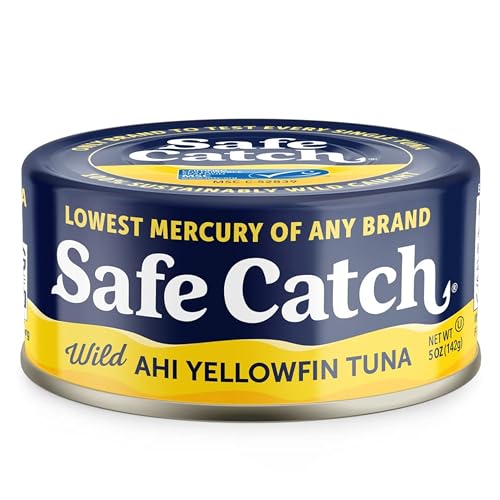
Safe Catch Canned Ahi Yellowfin Tuna Fish, 6-Pack
- ✓ Pure, no fillers
- ✓ Solid, tender texture
- ✓ Sustainably wild caught
- ✕ Pricey
- ✕ Limited flavor options
| Fish Species | Yellowfin Tuna (Ahi) |
| Canning Method | Slow-cooked, artisanal process |
| Net Weight per Can | 5 oz (142 grams) |
| Protein Content | 42.5 grams per can |
| Mercury Level | Average 0.1 ppm (25x below regulation limit) |
| Sustainability Certification | Monterey Bay Aquarium Seafood Watch compliant |
As soon as I unscrewed the lid of the Safe Catch Ahi Yellowfin Tuna, I was struck by how solid and juicy it looked—no watery bits or fillers here.
This tuna steak is thick, firm, and packed with vibrant color, which instantly tells you it’s high quality. The slow-cooked process is evident in its tender texture—each bite melts in your mouth without being overly greasy or dry.
What really stands out is how pure it tastes. There’s an authentic tuna flavor, not masked by preservatives or added water, just the natural richness of wild-caught yellowfin.
The juices are slightly oily, but in a good way, offering a boost of Omega-3s and flavor.
Handling the cans feels sturdy, with a clean pull tab that opens smoothly. The absence of any strong fishy smell was refreshing—sometimes canned tuna can be overpowering, but this one stays fresh and mild.
Cooking or eating straight from the can, I appreciated how versatile it is. You could toss it into salads, make tuna melts, or just enjoy it as a protein-packed snack.
The fact that every catch is mercury tested gives peace of mind, especially if you’re health-conscious about your seafood intake.
At $25 for a 6-pack, it’s a splurge, but you’re paying for quality and sustainability. If you’re tired of bland, waterlogged tuna, this one truly elevates the experience and feels worth the extra bucks.
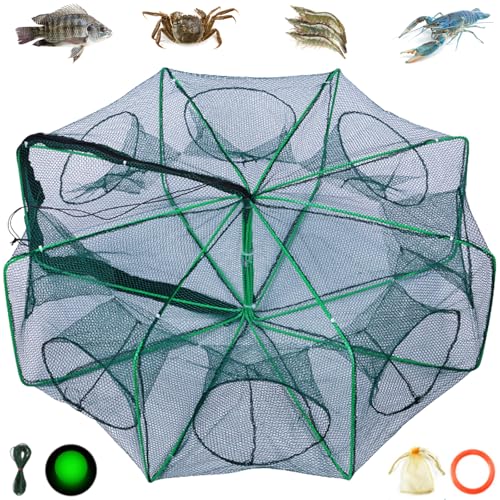
The Magic Foldable Fishing Trap, Folding Fishing Net,2025
- ✓ Easy auto-folding design
- ✓ Portable and lightweight
- ✓ Suitable for various aquatic prey
- ✕ Limited durability under heavy use
- ✕ Not ideal for very deep water
| Material | Environmentally friendly, multi-faceted and porous design suitable for aquatic environments |
| Net Dimensions | Folded size minimal and compact for portability; unfolded size suitable for catching large fish and crustaceans |
| Construction | Auto-foldable strengthened fishing trap net with automatic opening mechanism |
| Capacity | Capable of catching multiple large fish, crabs, shrimp, crawfish, and lobsters simultaneously |
| Setup Method | Bait placement inside, secured with zipper and rope, then deployed into water |
| Portability | Lightweight and foldable design for easy transport and storage |
The first time I unfolded the Magic Foldable Fishing Trap, I was surprised at how smoothly it opened up with just a gentle pull on the rope. It felt sturdy yet lightweight, and I could tell right away it was built to last.
Tossing it into the water was effortless—no complicated setup, just a quick release, and it expanded into a spacious net ready to catch a variety of aquatic prey.
What really caught my attention was how easy it was to bait. I just zipped up the trap with some steamed buns inside, secured the rope, and tossed it into my favorite fishing spot.
Watching the trap sink and wait for the prey was almost like setting a trap for a treasure hunt—exciting and straightforward.
When I checked it after a while, I was impressed by how much it had caught—shrimp, small fish, and even a couple of crabs. The porous design made it simple to see what was inside without disturbing the catch.
Plus, folding it back up was a breeze, fitting neatly into my gear for the next trip.
It feels perfect for outdoor adventures, whether you’re fishing in lakes, rivers, or coastal waters. The environmentally friendly materials give peace of mind, knowing I’m not harming the ecosystem.
Overall, this trap makes catching big fish and other seafood more accessible and less hassle, especially for those who want quick setup and easy transport.
Men’s Fishing T-Shirt – The Most Expensive Way to Catch Food

- ✓ Stylish vintage design
- ✓ Breathable moisture-wick
- ✓ Snag-resistant fabric
- ✕ Limited color options
- ✕ Not suitable for formal settings
| Material | High-performance moisture-wicking fabric with UPF 50 sun protection |
| Fabric Technology | Snag-resistant surface technology |
| Fit | Standard fit for a balanced silhouette |
| Design Features | Retro typography print, vintage style, humorous slogan, fisherman motif |
| Colorway | Green and white |
| Intended Use | Casual outdoor fishing and camping expeditions |
As soon as I pulled this Men’s Fishing T-Shirt out of the packaging, I noticed the vintage-inspired typography and the cool bass trout rod reel motif on the chest. The green and white colorway feels fresh but also has that retro vibe that really catches the eye.
The fabric has a soft, slightly textured feel, and it’s surprisingly lightweight for a shirt with such a detailed print.
Putting it on, the standard fit hits just right—neither too tight nor too loose, making it comfortable for a full day outdoors. The moisture-wicking material is noticeable immediately; I stayed dry and cool even after a few hours in the sun.
The UPF 50 protection is a nice touch, especially if you’re spending long hours on the water or camping.
The snag-resistant fabric really came through when I was casting and reeling, reducing pulls and surface damage. The handcrafted artwork and minimalist aesthetic give it a laid-back yet stylish look, perfect for weekend expeditions or casual hangouts.
Plus, the witty slogan “The Most Expensive Way to Catch Food” gets a few chuckles from fellow anglers.
Overall, this shirt blends humor, function, and style effortlessly. It’s a fun piece to wear, especially if you appreciate clever fishing-themed apparel with a vintage twist.
The only downside? The price tag is pretty low for what you get, but it might make it less of a go-to for rough, everyday wear.
What Makes a Fish Expensive to Catch?
The factors that contribute to the expense of catching fish include rarity, demand, fishing techniques, and regulations.
- Rarity: The less common a species is, the more expensive it tends to be. Rarity can arise from overfishing, environmental changes, or specific habitat requirements that limit populations, making them highly sought after by anglers and collectors alike.
- Demand: High demand for certain fish types, especially in culinary contexts or for sport fishing, drives up their prices. For instance, species like bluefin tuna are prized in sushi restaurants, leading to increased market value and making them more lucrative to catch.
- Fishing Techniques: The methods used to catch fish can also impact their cost. Techniques such as deep-sea fishing or using specialized gear can be expensive and require significant investment, making fish caught using these methods more costly to procure.
- Regulations: Government regulations and restrictions on certain fish species can elevate their prices. When fishing quotas are imposed or specific licensing is required, it creates a scarcity effect, leading to higher prices for the fish that can legally be caught.
- Size: Larger fish often fetch higher prices in the market due to their meat yield and the challenge associated with catching them. Species such as marlin and swordfish are examples where size directly correlates with their value, attracting anglers willing to pay for the experience.
- Quality: The quality of the fish, including its freshness and the conditions under which it was caught, can significantly elevate its market price. Fish that are sustainably sourced or caught using traditional methods are often seen as premium products, appealing to consumers looking for high-quality seafood.
How Do Market Trends Affect Fish Prices?
Market trends significantly impact fish prices due to factors such as demand, seasonality, and sustainability practices.
- Demand for Specific Fish Species: High demand for certain fish species, often driven by culinary trends or health benefits, can lead to increased prices. For example, fish like tuna and salmon are sought after for their flavor and nutritional value, making them some of the most expensive fish on the market.
- Seasonal Availability: Fish prices can fluctuate based on the seasonality of different species. Some fish are more abundant during specific times of the year, leading to lower prices when they are in season, while off-season availability can drive prices up significantly.
- Sustainability and Fishing Regulations: As consumers become more environmentally conscious, sustainably sourced fish often fetch higher prices. Regulations that limit catch sizes or implement seasonal closures to protect fish populations can also lead to scarcity, resulting in higher prices for the available fish.
- Global Market Influences: International trade and global fish markets can also affect local prices. Economic factors, currency fluctuations, and global demand for certain types of fish can lead to price increases, impacting local fishermen and consumers alike.
- Quality and Freshness: The freshness and quality of fish can greatly influence its market price. Fish that are caught and sold quickly tend to retain their quality, which is reflected in higher prices, while older or less fresh fish may be sold at a discount.
What Role Do Rarity and Demand Play in Fish Valuation?
Rarity and demand are crucial factors in determining the valuation of fish, significantly influencing their prices in both commercial and recreational fishing markets.
- Rarity: The scarcity of a particular fish species can dramatically increase its market value.
- Demand: High consumer interest and culinary demand for certain fish species can drive prices up considerably.
- Combination of Rarity and Demand: When a rare fish also has high demand, it can lead to exorbitant prices and a surge in fishing effort directed toward that species.
- Market Trends: The popularity of certain fish can shift over time due to trends in cuisine or health considerations, impacting their valuation.
The rarity of a fish species often stems from factors such as overfishing, habitat loss, or specific biological characteristics that limit its availability. For example, fish like the Bluefin Tuna are considered rare due to their dwindling populations, making them more valuable in the market.
Demand refers to the market’s desire for a particular fish, which can be influenced by trends in gastronomy, health benefits, or the status associated with consuming exotic species. Fish that are seen as delicacies, such as Caviar from Sturgeon, often command higher prices due to their perceived value in culinary circles.
When a fish is both rare and in high demand, it often leads to extreme valuations and can result in unsustainable fishing practices. For instance, if a rare species like the Yellowfin Tuna is in high demand for sushi, fishermen may exploit it heavily, leading to further depletion and increased prices.
Market trends can also influence fish valuations, with certain species experiencing spikes in popularity due to health fads or culinary innovations. For example, the rise of plant-based diets has led to increased interest in sustainable fish, impacting the prices of both rare and common species.
Which Fish Are Considered the Most Expensive?
The most expensive fish to catch are often sought after for their rarity, culinary value, or the thrill of the catch.
- Bluefin Tuna: Known for its high market value, especially in sushi and sashimi, bluefin tuna can fetch prices exceeding $3 million at auctions.
- Napoleon Wrasse: This vibrant reef fish is not only beautiful but also highly endangered, making it incredibly expensive, with prices reaching around $30,000.
- Sturgeon: Famous for producing caviar, sturgeon can be worth tens of thousands of dollars, depending on the species and age, with the most prized varieties being the beluga and osetra.
- Golden Pompano: This rare species is often sold for around $20,000, prized for its taste and the challenge of catching it.
- Scarlet Macawfish: Valued at nearly $30,000, the vibrant colors and unique patterns of the scarlet macawfish make it a sought-after catch for both fishermen and collectors.
The bluefin tuna is one of the most lucrative fish in the world, especially in Japan, where its meat is considered a delicacy. The extreme prices at auctions reflect not only its culinary demand but also its declining population due to overfishing.
The Napoleon wrasse, recognized by its distinct hump and vibrant colors, is not just a culinary delight but also a critical species for marine ecosystems. Its status as an endangered species contributes to its high price, as strict regulations limit fishing.
Sturgeon are among the oldest fish species, and their roe is harvested for caviar, which is a luxury food item. The time it takes for sturgeons to mature and the environmental challenges they face make them rare and expensive to acquire.
The golden pompano is a rare catch that is highly prized among anglers for its taste and texture. Its scarcity in certain regions adds to its allure and price, making it a target for those seeking a unique fishing experience.
The scarlet macawfish stands out due to its stunning colors and unique patterns. Its beauty, combined with its scarcity, makes it a favorite among both aquarists and fishermen, leading to its high market value.
What Are the Top 10 Most Expensive Fish Species?
The top 10 most expensive fish species are highly sought after for their culinary value, rarity, and beauty.
- Arowana: The Arowana is known for its stunning appearance and is often referred to as the “dragon fish.” This species can fetch prices upwards of $300,000, especially the rare golden varieties, making it a status symbol among aquarists.
- Bluefin Tuna: Valued for its rich flavor and high-fat content, Bluefin Tuna can command prices over $3 million at auctions, particularly in Japan. The scarcity of this species due to overfishing has made it one of the most coveted fish in the world.
- Sturgeon: Sturgeon are famed for their roe, which produces caviar, one of the most expensive delicacies. Some sturgeon species can be worth hundreds of thousands of dollars, with their caviar selling for up to $25,000 per kilogram.
- Napoleon Wrasse: This vibrant reef fish can sell for up to $30,000, primarily due to its unique appearance and status in the aquarium trade. However, it is also endangered, leading to restrictions on its capture and trade.
- Cardinal Tetra: This small freshwater fish is valued at around $5,000 due to its stunning coloration and rarity in the aquarium hobby. It is a favorite among collectors, making it one of the most expensive freshwater fish to catch.
- Koi Fish: Koi are ornamental carp that can sell for thousands, with show-quality specimens sometimes reaching prices of $1 million. Their beauty and long lifespan make them a popular choice for ponds and garden decorations.
- Clownfish: Particularly the designer variants, these fish can cost anywhere from $30 to over $2,500. Their vibrant colors and popularity due to the “Finding Nemo” phenomenon have driven prices up in the aquarium market.
- Asian Arowana: Similar to the regular Arowana, this species is highly prized in Asian cultures, particularly for its supposed luck-bringing properties. Prices can reach up to $300,000 depending on the coloration and body patterns.
- Betta Fish: While common Bettas can be inexpensive, rare varieties can command prices over $1,000. Their intricate fin structures and vibrant colors have made them a favorite among aquarists.
- Scarlet Macaw Fish: This rare fish can fetch up to $30,000 due to its striking colors and limited availability. Its rarity in the wild contributes to its high market value and desirability among collectors.
What Unique Features Contribute to the Value of Bluefin Tuna?
Bluefin tuna is renowned for several unique features that significantly contribute to its high market value.
- Size and Weight: Bluefin tuna can grow incredibly large, with some individuals exceeding 1,000 pounds. This size not only makes them a thrilling catch for anglers but also means more meat, which is particularly desirable in culinary markets.
- Flavor and Texture: The meat of bluefin tuna is prized for its rich flavor and buttery texture, making it a favorite in high-end sushi and sashimi dishes. The high-fat content, particularly in the belly (otoro), is considered a delicacy and can command premium prices.
- Rarity and Overfishing: Bluefin tuna populations have been severely impacted by overfishing, leading to their classification as endangered. This scarcity increases their value as demand outstrips supply, especially in markets like Japan where bluefin tuna is highly sought after.
- Cultural Significance: Bluefin tuna holds a special place in culinary traditions, particularly in Japanese cuisine, where it is celebrated during events and festivals. This cultural reverence enhances its desirability and market price, as chefs and restaurants compete to serve the best quality fish.
- Market Trends: The auction prices for bluefin tuna can skyrocket, especially during the first auctions of the year in Japan. Record-breaking sales, such as those reaching hundreds of thousands of dollars for a single fish, highlight the market’s volatility and the immense value perceived by buyers.
What Techniques Can Be Used to Catch High-Value Fish?
The best techniques for catching high-value fish include:
- Trolling: This method involves dragging baited lines behind a moving boat, which is effective for catching large pelagic species such as tuna and marlin.
- Fly Fishing: Utilizing artificial flies to mimic insects or other prey, this technique is particularly successful for catching species like trout and salmon in freshwater environments.
- Bottom Fishing: This approach targets fish that dwell near the ocean floor, such as halibut and snapper, using weighted lines or traps to attract them.
- Spearfishing: Involves using a spear or spear gun to catch fish while free diving or snorkeling, suitable for high-value species like grouper and lionfish.
- Live Bait Fishing: This technique employs live bait to attract larger predatory fish, increasing the chances of catching prized species such as tarpon and swordfish.
Trolling: This method is particularly effective for high-value fish because it covers a large area of water and can attract various species that are swimming in deeper waters. By varying the speed and depth of the lines, anglers can effectively entice fish that are actively feeding, making it a popular choice for sport fishing tournaments.
Fly Fishing: Fly fishing is not only an art but also a science, as it requires knowledge of the fish’s feeding habits and the right fly patterns to use. This technique is popular for targeting high-value freshwater species, allowing anglers to engage in a sustainable catch-and-release practice while enjoying the serene environment of rivers and lakes.
Bottom Fishing: This technique is ideal for targeting species that are less likely to be caught by surface methods, as many high-value fish prefer to remain near the ocean floor. By using heavy weights and bait that appeals to bottom-dwelling fish, anglers can successfully catch species that command high prices in the market.
Spearfishing: This method requires skill and precision, as anglers must be able to dive and accurately aim at fish in their natural habitat. Spearfishing can yield high-value species, and it is often considered a sustainable practice since it allows for selective harvesting and minimizes bycatch.
Live Bait Fishing: Using live bait can significantly increase the likelihood of attracting larger and more expensive fish, as many predatory species are instinctively drawn to live prey. This technique often involves using local bait fish that are effective at luring the target species, making it a popular choice among seasoned anglers looking to maximize their catch.
Which Fishing Gear is Necessary for Targeting Expensive Fish?
To effectively target expensive fish, various fishing gear is essential to enhance your chances of success.
- High-Quality Rod and Reel: A sturdy rod and a smooth-reeling reel are crucial for handling larger and more powerful fish.
- Specialized Fishing Line: Using a strong and abrasion-resistant fishing line can prevent breakage when reeling in prized catches.
- Hooks and Lures: Selecting the appropriate hooks and lures tailored to the species you are targeting can significantly improve your catch rate.
- Fish Finder: A fish finder can help locate schools of expensive fish, making your fishing trip more efficient and fruitful.
- Live Bait: Utilizing live bait can be particularly effective for attracting certain high-value species, as it mimics natural prey.
High-Quality Rod and Reel: Investing in a high-quality rod and reel setup is vital when targeting expensive fish like marlin or tuna. These fish are known for their strength and size, so having the right gear ensures you can withstand their powerful runs and avoid losing the catch.
Specialized Fishing Line: A specialized fishing line, such as braided or fluorocarbon, offers increased strength and sensitivity. This is especially important when fishing for species that are notorious for breaking lines, allowing you to maintain control and successfully land your target.
Hooks and Lures: The selection of hooks and lures should be based on the specific species you aim to catch. For example, artificial lures designed to mimic the appearance and movement of prey can entice fish like snapper or grouper, increasing your chances of attracting these valuable catches.
Fish Finder: A fish finder is a critical tool that uses sonar technology to detect fish underwater. This device enables anglers to locate schools of expensive fish quickly, optimizing your fishing efforts and reducing time spent searching without success.
Live Bait: Live bait, such as shrimp or small fish, can be extremely effective for attracting species that are more finicky or selective. Many high-value fish are more likely to strike at live bait due to its natural movement and scent, making it a preferred option when targeting expensive species.
How Should Fishing Methods Vary for Different High-Value Species?
Fishing methods should be tailored to match the behaviors and habitats of different high-value fish species to maximize catch success.
- Tuna: Tuna are fast swimmers that often inhabit deeper waters, requiring methods like trolling or longlining to effectively target them.
- Salmon: Salmon migrate upstream to spawn, making them ideal candidates for techniques such as fly fishing or drift fishing in rivers and streams.
- Marlin: Marlin are known for their size and strength, and are best pursued using big game fishing techniques with heavy tackle and live bait or lures.
- Lobster: Unlike traditional fish, lobsters are caught using traps or pots placed on the ocean floor, requiring knowledge of their habitats and seasonal migrations.
- Caviar-producing Sturgeon: Sturgeon are primarily harvested for their roe, necessitating specialized methods such as netting or bottom trawling in freshwater environments.
Tuna are fast swimmers that often inhabit deeper waters, requiring methods like trolling or longlining to effectively target them. These techniques involve dragging lures or baited hooks through the water at varying depths, which can attract these powerful fish.
Salmon migrate upstream to spawn, making them ideal candidates for techniques such as fly fishing or drift fishing in rivers and streams. Anglers often use specific lures or flies that mimic the natural prey of salmon to increase their chances of a successful catch.
Marlin are known for their size and strength, and are best pursued using big game fishing techniques with heavy tackle and live bait or lures. The intense fight involved in catching marlin makes this method popular among sport fishermen, often in offshore waters.
Unlike traditional fish, lobsters are caught using traps or pots placed on the ocean floor, requiring knowledge of their habitats and seasonal migrations. These traps are baited and strategically placed to maximize the chances of catching lobsters as they enter the traps.
Sturgeon are primarily harvested for their roe, necessitating specialized methods such as netting or bottom trawling in freshwater environments. Due to their endangered status, fishing for sturgeon is heavily regulated, requiring permits and adherence to strict guidelines.
Where Are the Best Locations to Catch Expensive Fish?
Some of the best locations to catch the most expensive fish include:
- Monaco: This region is famous for its rich marine life, particularly tuna species like the Bluefin tuna, which can fetch extraordinarily high prices at auction due to their quality and size.
- Japan: Known for its sushi culture, Japan is a hotspot for catching fish such as the Bluefin tuna and the prized Koi, both of which can be incredibly valuable and sought after in culinary markets.
- Florida Keys: This area is renowned for its diverse fishing opportunities, particularly for species like the Marlin and Swordfish, which are not only thrilling to catch but also highly valuable in the fishing industry.
- Australia’s Great Barrier Reef: Home to a variety of fish including the rare Coral Trout and various species of snapper, fishing in this biodiverse area can yield some of the most expensive catches in the seafood market.
- Mediterranean Sea: The Mediterranean is famous for its luxurious fishing experiences, especially for catching species like the Mediterranean Bluefin tuna, which is highly prized in gourmet cuisine and can command high prices.
Monaco’s coastal waters are not just picturesque but also teeming with life, particularly the sought-after Bluefin tuna. These fish are known for their fat content and flavor, making them a top choice for sushi chefs, leading to record-breaking auction prices.
Japan’s fishing culture is deeply intertwined with its cuisine, elevating the Bluefin tuna and Koi to high market values. In addition to their culinary significance, these fish are often regarded as symbols of prosperity, further driving their worth.
Florida Keys is a world-class fishing destination, offering anglers the chance to catch Marlins and Swordfish, which are not just thrilling to reel in but also lucrative within the sport fishing industry. The combination of sport and market value makes it a prime location for fishing enthusiasts.
The Great Barrier Reef is a UNESCO World Heritage site, making it not only a stunning location but also a rich habitat for various fish species. Coral Trout and snapper from this region are highly sought after, both for their culinary attributes and market prices.
The Mediterranean Sea is a treasure trove for fishers, especially for those targeting the Mediterranean Bluefin tuna. Known for its exceptional quality, this fish is a staple in high-end restaurants, making it one of the most valuable catches in the world.
What Regions Are Known for High-Value Fish Opportunities?
Regions known for high-value fish opportunities are plentiful, each offering unique species that command high prices in the market.
- Northwest Atlantic: This region is famous for its Atlantic Bluefin Tuna, which can sell for thousands of dollars at auction, especially in Japan, where it is considered a delicacy.
- Pacific Ocean: The Pacific is home to species like the Swordfish and Albacore Tuna, both of which are highly sought after in culinary circles and can fetch high prices due to their meat quality and demand.
- Mediterranean Sea: Known for its rich biodiversity, the Mediterranean offers high-value fish like the European Sea Bass and the Bluefin Tuna, both prized for their flavor and culinary versatility.
- Indian Ocean: This ocean is notable for the catching of high-value fish such as the Mahi-Mahi and various species of Snapper, which are popular in many markets and cuisines around the world.
- Gulf of Mexico: The Gulf is recognized for its Grouper and Snapper, which are not only delicious but also command higher prices, especially when caught fresh and sold in gourmet markets.
The Northwest Atlantic is particularly notable for its Atlantic Bluefin Tuna, which is not only a significant catch for commercial fishermen but also a highlight in sushi restaurants worldwide. Due to its high demand, particularly in Japan, prices can soar during peak seasons, making it one of the most lucrative fish to catch.
In the Pacific Ocean, Swordfish and Albacore Tuna are prized for their firm, meaty texture and versatility in various dishes. Their popularity in both fresh and canned forms ensures that fishermen can achieve higher profits when targeting these species.
The Mediterranean Sea’s European Sea Bass is celebrated for its delicate flavor and is a favorite among chefs, making it a high-value target for fishermen in the region. The Bluefin Tuna found here continues to be a luxury item, often associated with fine dining and high-end sushi experiences.
In the Indian Ocean, the Mahi-Mahi is not only a colorful and attractive fish but also a staple in many culinary traditions, leading to a solid market demand. Snapper varieties found in this region are also favored for their taste and are often featured in seafood restaurants, driving up their market value.
The Gulf of Mexico’s Grouper and Snapper are not just popular among local fishers but are also sought after for their flavor profiles, leading to higher prices in fish markets. Fresh catches from this area are especially desirable for seafood lovers, contributing to the region’s reputation for high-value fish opportunities.
How Do Environmental Factors Influence Fishing Locations?
Environmental factors play a crucial role in determining the best fishing locations, particularly when targeting expensive fish species.
- Water Temperature: The temperature of the water significantly affects fish behavior and distribution. Many fish species have specific temperature ranges in which they thrive, influencing their migration patterns and feeding habits.
- Salinity: The salt concentration in water can determine the types of fish that inhabit an area. Species such as tarpon and bonefish are often found in brackish waters, while others may prefer freshwater or open ocean environments.
- Oxygen Levels: Dissolved oxygen is vital for fish survival; thus, areas with higher oxygen levels attract more fish. Factors such as water temperature, depth, and vegetation can impact oxygen availability, making some spots more favorable for fishing.
- Current and Tides: The movement of water, including tidal flows and currents, can influence fish feeding patterns and locations. Many predatory fish are drawn to areas where currents bring in food, making these spots prime fishing locations.
- Habitat Structure: The physical features of the underwater environment, such as reefs, rocks, and vegetation, provide shelter and breeding grounds for fish. Areas with diverse habitats tend to support a wider range of species, including those that are highly valued in fishing.
- Food Availability: The presence of prey species directly affects where larger predator fish will be found. Locations with abundant food sources often see higher concentrations of expensive fish, making them prime targets for anglers.
- Seasonal Changes: Different seasons bring varying environmental conditions that influence fish behavior and location. For example, some species migrate to warmer waters during colder months, while others spawn in specific seasons, affecting their availability to fishermen.
What Regulations Should You Consider When Fishing for Expensive Species?
When fishing for expensive species, it’s important to consider various regulations that may impact your ability to catch and keep these fish.
- Fishing Licenses: Proper fishing licenses are required in most regions to legally fish for any species. These licenses often have specific stipulations regarding the type of fish you can target, and failing to obtain the correct license can result in fines or confiscation of your catch.
- Seasonal Restrictions: Many expensive species have designated fishing seasons to protect their populations during spawning times. Violating these seasonal restrictions can lead to legal repercussions and contribute to declines in fish populations.
- Size and Bag Limits: Regulations often dictate minimum and maximum size limits for specific species, as well as the number of fish you can keep per day. Adhering to these limits is crucial to ensure sustainable fishing practices and avoid penalties.
- Protected Species: Certain species may be fully protected by law due to their endangered status. Catching, possessing, or selling these fish is illegal, and being caught with them can lead to severe legal action.
- Local Regulations: Different regions may have unique regulations, such as gear restrictions (e.g., types of hooks or nets), that you must follow. It’s essential to research local laws before fishing to ensure compliance and support conservation efforts.
- Catch and Release Policies: Some areas promote catch and release for certain species to help maintain fish populations. Understanding and adhering to these policies can contribute to the sustainability of the fishery and help preserve expensive species for future generations.
What Licenses and Permits Are Required for High-Value Fish?
Various licenses and permits are required for the capture of high-value fish, which vary by location and fish species.
- Fishing License: A general fishing license is mandatory for anyone intending to catch fish for recreational or commercial purposes.
- Special Permits for High-Value Species: Certain high-value fish species, such as marlin or tuna, may require additional permits due to their conservation status or specific regulations.
- Commercial Fishing Permit: If the intent is to sell the fish, a commercial fishing permit is often necessary to legally conduct business and ensure compliance with local fisheries regulations.
- State or Federal Regulations Compliance: Depending on the jurisdiction, fishermen must adhere to specific state or federal regulations that may dictate the seasons, size limits, and catch quotas for high-value fish.
- Catch Reporting Requirements: In some areas, fishermen are required to report their catches to regulatory bodies, which helps in the management and conservation of fish populations.
A fishing license is essential because it serves as proof that the angler is legally allowed to fish, and it helps fund conservation efforts. These licenses can vary in cost and availability based on the angler’s residency status and the specific fishing waters.
Special permits for high-value species are often implemented to protect endangered or overfished populations, requiring anglers to apply for and obtain additional documentation to target these specific fish legally.
A commercial fishing permit is crucial for those looking to profit from their catches, ensuring that they follow all regulatory guidelines and contribute to sustainable fishing practices.
Compliance with state or federal regulations is vital, as each region may have different rules regarding fishing seasons or size limits to maintain healthy fish populations and ecosystems.
Catch reporting requirements help fisheries managers monitor fish populations and assess the impact of fishing activities on high-value species, thereby guiding future regulations and conservation efforts.
How Do Regulations Affect Ethical Fishing Practices?
Bycatch Regulations: Bycatch regulations address the issue of unintentional capture of non-target species, which can include endangered or vulnerable fish. Implementing measures to reduce bycatch encourages fishermen to adopt more selective fishing methods, ultimately benefiting the ecological balance of the marine environment.
Related Post: