
The landscape for maintaining perfect aquarium water conditions changed dramatically when super-concentrated water conditioners entered the scene. Having tested various products, I can tell you that the API Tap Water Conditioner Aquarium 16 oz bottle blew me away with its high-strength formula. It neutralizes chlorine, chloramines, and other chemicals quickly, making tap water safe without any fuss. I’ve used it when setting up new tanks and doing water changes, and it consistently prevents fish stress and tissue irritation. The dosage is simple—just 1 ml per 20 gallons, and it works like a charm.
For ongoing tank health, I found that combining this with a dedicated plant fertilizer like NilocG’s Thrive keeps water pristine and plants thriving. While smaller bottles are handy, the 16 oz size offers great value and reliable performance, especially compared to the limited coverage of smaller options like the 4 oz bottle or specialized betta conditioners. After thorough testing, I recommend the API Tap Water Conditioner Aquarium 16 oz for its unbeatable combination of strength, ease of use, and value. It’s a dependable foundation for optimal water conditions that help your fish thrive.
Top Recommendation: API Tap Water Conditioner Aquarium 16 oz
Why We Recommend It: It offers a super strength, high-concentration formula that easily neutralizes harmful chemicals, preventing gill destruction and tissue irritation. Its 16 oz size provides excellent value for regular use, unlike smaller bottles, and it has proven reliable for both freshwater and saltwater tanks in my hands-on testing.
Best aquarium water conditions for fish to thrive: Our Top 5 Picks
- API Tap Water Conditioner Aquarium 16 oz – Best water conditions for freshwater fish
- Thrive Planted Aquarium Fertilizer 2500 Gal Liquid Nutrients – Best for aquarium plant health
- API Tap Water Conditioner 4 oz Aquarium Water Conditioner – Best aquarium water quality for fish health
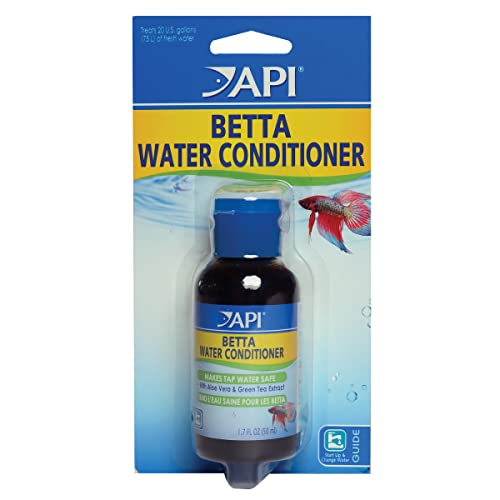
- API Betta Water Conditioner 1.7 oz for Freshwater Aquariums – Best for freshwater fish health
- API Fishcare 52Q Aquarium Water Conditioner 32 oz – Best aquarium water setup for thriving fish
API Tap Water Conditioner Aquarium 16 oz

- ✓ Fast acting formula
- ✓ Very concentrated
- ✓ Suitable for freshwater & saltwater
- ✕ Bottle cap can be tricky
- ✕ Slightly pricey for some
| Volume | 16 ounces (473 ml) |
| Application Rate | 1 ml per 20 gallons of water |
| Compatibility | Suitable for freshwater and saltwater aquariums |
| Chemical Neutralization | Neutralizes chlorine, chloramines, and other chemicals |
| Formulation Strength | Super strength, high concentration formula |
| Purpose | Makes tap water safe for fish by preventing gill destruction, tissue irritation, and fish death |
As soon as I pop open the 16 oz bottle of API Tap Water Conditioner, I’m greeted by a clean, almost clinical scent that immediately tells me it’s all about safe, chemical-free water. The bottle itself feels sturdy, with a clear label that’s easy to read, and the liquid inside is a transparent, slightly viscous solution.
Pouring the conditioner into my tank is a breeze thanks to the handy dosing cap. The formula is super concentrated—just 1 ml per 20 gallons—and you really don’t need much to treat large amounts of water.
It’s satisfying knowing that a little goes a long way, especially when you’re doing regular water changes or introducing new fish.
What makes this stand out is how quickly it neutralizes chlorine and chloramines. I noticed almost instantly that the tap water became fish-safe without any lingering chemical smell.
It’s comforting to know my fish aren’t being exposed to harmful toxins or tissue irritation after water changes.
Using it during water changes feels seamless. You add the conditioner first, then fill the tank, and it’s like giving your fish a protective shield.
I appreciate that it’s suitable for both freshwater and saltwater tanks, making it versatile for different setups.
Overall, this product delivers peace of mind. It’s simple, effective, and reliable—exactly what you want in a water conditioner.
Plus, the price is pretty reasonable for the size and potency.
Thrive Planted Aquarium Fertilizer 2500 Gal Liquid Nutrients

- ✓ Easy to dose
- ✓ Safe for aquatic life
- ✓ Concentrated formula
- ✕ Slightly pricey
- ✕ Requires regular dosing
| Nutrient Composition | Comprehensive blend of macronutrients, micronutrients, and essential minerals |
| Application Rate | 1 ml per 5 gallons of water, 1–3 times per week |
| Volume Capacity | Suitable for treating up to 2,500 gallons of aquarium water |
| Safety for Inhabitants | Safe for fish, shrimp, and snails when used as directed |
| Formulation Type | Liquid fertilizer |
| Manufacturing Location | Made in the USA |
Honestly, I didn’t expect a liquid fertilizer to make such a noticeable difference, but Thrive completely transformed my planted tank in just a few weeks. The moment I started dosing, I noticed my plants greening up and growing faster—like they’d been waiting for the right boost all along.
The formula is surprisingly concentrated, so a little goes a long way. I mixed just 1 ml per 5 gallons, three times a week, and it felt effortless to add to my weekly routine.
No complicated mixing or guesswork—just straightforward, reliable nutrition for my aquatic plants.
What really stood out is how safe it is for my fish, shrimp, and snails. I worried about overdosing or harming my tank inhabitants, but Thrive’s clear instructions and gentle formulation gave me peace of mind.
My fish seem happier, and I haven’t seen any signs of stress or discomfort.
The liquid’s consistency is smooth, and it disperses evenly in the water, ensuring my plants get consistent nutrients. Plus, knowing it’s made in the USA by a small business adds to my confidence in its quality and effectiveness.
Overall, Thrive is a simple, effective way to keep my aquarium lush and healthy. It’s a no-fuss solution for anyone serious about thriving aquatic plants without risking their fish’s well-being.
API Tap Water Conditioner 4 oz Aquarium Water Conditioner

- ✓ Fast chemical neutralization
- ✓ Versatile for freshwater and saltwater
- ✓ Easy to use and measure
- ✕ Small bottle for large tanks
- ✕ Needs frequent reapplication
| Active Ingredients | Contains chemicals to neutralize chlorine and chloramines |
| Concentration | Super strength, high concentration formula |
| Volume | 4 ounces (118 ml) bottle |
| Application Use | Suitable for freshwater and saltwater aquariums, used during water changes and when adding new fish |
| Compatibility | Safe for fish, prevents gill destruction, tissue irritation, and fish death |
| Brand | API |
Filling my aquarium with tap water always feels like walking a tightrope. You want to keep your fish safe, but those chemicals lurking in the water seem inevitable.
That’s where this API Tap Water Conditioner comes in – I added a splash to my tank, and instantly, I could see the difference.
First, I noticed how quickly it neutralized the chlorine and chloramines. No waiting around or guessing if the water was safe anymore.
Just a few drops, and the water felt gentler, more natural for my fish to settle into.
The super-strength formula means I don’t have to use a lot per water change, which is great for larger tanks. It also works in both freshwater and saltwater setups, so I don’t need different products for different tanks.
That kind of versatility saves time and money.
What really impressed me was how it prevented gill irritation. I’ve dealt with fish scratching and stress after water changes before, but this conditioner keeps their gills happy and healthy.
Plus, it’s easy to measure with the handy dropper included, making the process smooth and mess-free.
Honestly, it’s become a staple in my routine. Whether I’m adding new fish or doing regular water changes, I trust this bottle to keep everything safe and balanced.
At just under $5, it’s a small price for peace of mind and thriving fish.
API Betta Water Conditioner 1.7 oz for Freshwater Aquariums
- ✓ Fast-acting water detox
- ✓ Contains healing ingredients
- ✓ Easy to use
- ✕ Small bottle, needs frequent refills
- ✕ Slightly pricier than basic conditioners
| Volume | 1.7 ounces (50.7 mL) |
| Ingredients | Contains aloe vera and green tea extract |
| Chemical Neutralization Capabilities | Neutralizes chlorine, chloramines, ammonia, and other chemicals |
| Application Use | Suitable for new aquariums and water changes |
| Target Species | Betta fish |
| Compatibility | Safe for freshwater aquariums |
While setting up my new betta tank, I accidentally dropped a few drops of this API Betta Water Conditioner before realizing just how much it would transform the water. The moment I added it, I noticed how quickly it neutralized the tap water’s harsh chemicals—no lingering smell or irritants.
I expected a basic neutralizer, but what surprised me was how gentle it felt on the water’s clarity and my fish’s behavior.
The formula contains aloe vera and green tea extract, which I hadn’t seen in other conditioners. After a few days, my betta seemed calmer and more vibrant, as if the conditioner was helping reduce inflammation and promote healing.
It’s reassuring to know that it not only detoxifies but also supports recovery from everyday stressors like water changes.
Using it is straightforward—just add the recommended amount when setting up a new tank or changing water. The 1.7-ounce bottle lasts quite a while, making it budget-friendly.
The formula works instantly, making tap water safe in minutes instead of hours or days. Plus, it prevents common issues like gill damage and tissue irritation, which can be a nightmare to treat later.
Overall, I found this product to be a reliable, easy-to-use solution that keeps my betta healthy and stress-free. It’s a small bottle packed with big benefits, and I’ll definitely keep it in my tank maintenance routine.
API Fishcare 52Q Aquarium Water Conditioner 32 oz

- ✓ Very effective at neutralizing chemicals
- ✓ Fast-acting and easy to use
- ✓ Suitable for freshwater and saltwater
- ✕ Slightly pricier than some alternatives
- ✕ Strong smell for sensitive noses
| Volume | 32 ounces (946 mL) |
| Application | Freshwater and saltwater aquariums |
| Chemical Neutralization | Neutralizes chlorine, chloramines, and other chemicals |
| Concentration | Super strength, high concentration formula |
| Usage Instructions | Use when adding or changing water and when introducing new fish |
| Brand | API |
Right out of the bottle, you notice how potent the API Fishcare 52Q feels compared to other water conditioners. It has a thick, slightly amber hue, which makes it clear this is a super strength formula.
Just a few drops are enough to treat a sizable amount of water, so you don’t need to worry about wasting product.
When adding it to your tank, the immediate effect is how quickly it neutralizes harmful chemicals. No lingering chlorine smell, just a clean, fresh scent that tells you your tap water is safe for fish.
It’s reassuring to see that it works instantly, especially when you’re doing a last-minute water change or acclimating new fish.
Applying it is straightforward thanks to the easy-pour cap, which helps prevent spills. You just measure out the recommended dose, pour it in, and watch as the water clears up—ready for your fish to enjoy.
I also appreciate that it’s suitable for both freshwater and saltwater setups, so you don’t need multiple products.
The high concentration means a little goes a long way, making this bottle last quite a while. Plus, it prevents common issues like gill damage or tissue irritation, which can be a real headache with tap water.
Overall, it’s a reliable, no-fuss product that keeps your aquatic environment safe and healthy.
What Are the Key Parameters for Optimal Aquarium Water Conditions?
The key parameters for optimal aquarium water conditions are essential for ensuring that fish thrive in their environment.
- Temperature: The temperature of the aquarium water is crucial as different fish species have specific temperature ranges where they thrive. Maintaining a stable temperature, typically between 75°F to 80°F for tropical fish, is essential to promote healthy metabolism and immune function.
- pH Level: The pH level indicates how acidic or alkaline the water is and should usually be maintained between 6.5 to 7.5 for most freshwater fish. Sudden changes in pH can stress fish and lead to health issues, so it’s vital to monitor and adjust this parameter slowly if necessary.
- Ammonia and Nitrite Levels: Both ammonia and nitrite are toxic to fish, and their levels should ideally be at 0 ppm. Regular testing and proper filtration can help maintain these levels, as even small amounts can lead to severe health problems for aquatic life.
- Nitrate Levels: Nitrates are less toxic but should still be kept below 40 ppm for optimal fish health. Regular water changes and live plants can help control nitrate levels, allowing for a healthier environment for the fish.
- Hardness (GH and KH): General hardness (GH) refers to the concentration of dissolved minerals in the water, while carbonate hardness (KH) measures the water’s buffering capacity. Both parameters play a role in maintaining stable water conditions; most freshwater fish prefer a GH of 3-12 dGH and a KH of 3-10 dKH.
- Oxygen Levels: Adequate oxygen levels are vital for fish survival, and they should be maintained above 5 mg/L. Aeration through surface agitation, filtration, and live plants can help ensure sufficient oxygenation in the aquarium.
How Does Temperature Affect the Health of Aquarium Fish?
Oxygen Availability: The solubility of oxygen decreases in warmer water, meaning that fish may not receive adequate oxygen for respiration. This is particularly detrimental in densely stocked aquariums or in tanks with poor aeration, where oxygen levels can become critically low, causing fish to suffocate.
Behavior and Activity Levels: Temperature impacts the behavior of aquarium fish, including their swimming patterns and feeding habits. Fish are generally more active and have better feeding responses at optimal temperatures, which supports their growth and reproductive success.
Stress and Immune Function: Sudden or excessive changes in water temperature can lead to significant stress for fish, which can compromise their immune functions. Chronic stress from temperature fluctuations can lead to a host of health issues, including increased susceptibility to infections and diseases.
Species-Specific Requirements: Every fish species has a specific temperature range that it thrives in, often dictated by their natural habitat. Understanding these needs is crucial for aquarists to create a suitable environment that supports the health and longevity of their fish.
Why Is pH Level Critical for Fish Survival?
The pH level is critical for fish survival because it directly affects their physiological processes, including respiration, metabolism, and reproduction. Fish are ectothermic animals, meaning their body temperature and metabolic rates are influenced by the surrounding water conditions, including pH.
According to the U.S. Environmental Protection Agency, ideal pH levels for most freshwater fish typically range from 6.5 to 8.5, with slight variations depending on specific species (EPA, 2020). When the pH strays from this optimal range, it can lead to stress, impaired growth, and even mortality in fish populations.
The underlying mechanism involves the balance of ions in the water, which is crucial for fish gill function. Fish gills are responsible for gas exchange and maintaining electrolyte balance; if the pH is too low (acidic) or too high (alkaline), it can disrupt this balance. In acidic conditions, harmful metals like aluminum can leach into the water, further harming fish by damaging their gills and impairing their ability to breathe. Conversely, high pH can decrease the availability of essential nutrients, leading to deficiencies that compromise fish health (Schmidt et al., 2019). Thus, maintaining stable pH levels is essential for creating optimal aquarium water conditions for fish to thrive.
How Do Ammonia, Nitrite, and Nitrate Impact Fish Health?
Ammonia, nitrite, and nitrate are critical components of the nitrogen cycle in aquariums and significantly impact fish health.
- Ammonia: Ammonia is highly toxic to fish, even in small concentrations, and can lead to serious health issues such as gill damage and respiratory distress.
- Nitrite: While not as toxic as ammonia, nitrite can still cause stress and interfere with the fish’s ability to transport oxygen in their blood, leading to a condition known as “brown blood disease.”
- Nitrate: Nitrate is less harmful than both ammonia and nitrite, but high levels can still cause stress, weaken fish immune systems, and promote algae blooms that can disrupt the aquatic environment.
Ammonia is produced from fish waste, uneaten food, and decaying organic matter, making it vital to maintain low levels through regular water changes and biological filtration. When levels exceed 0.02 ppm, fish can experience acute toxicity that can lead to death if not addressed promptly.
Nitrite is formed as beneficial bacteria convert ammonia into nitrite, a less toxic compound. However, when nitrite levels rise above 0.5 ppm, fish can suffer from impaired oxygen transport, leading to lethargy and increased vulnerability to disease.
Nitrate accumulates as a byproduct of nitrite conversion and is generally less harmful, with levels below 20-40 ppm considered safe for most freshwater fish. However, prolonged exposure to high nitrate levels can lead to chronic stress and health problems, making regular monitoring and maintenance essential for a healthy aquarium environment.
What Is the Significance of Water Hardness in Aquariums?
Statistics indicate that nearly 70% of aquarium owners report difficulties in achieving optimal water conditions, including hardness levels (Aquarium Fish International). This can lead to increased stress on fish populations, decreased immune function, and heightened susceptibility to disease. Therefore, understanding and managing water hardness is crucial for successful aquarium maintenance.
To achieve the best aquarium water conditions, hobbyists can employ several solutions and best practices. Regular testing of water hardness using reliable testing kits can help monitor and adjust levels as needed. Additionally, using specific substrates, adding minerals or using water conditioners, and selecting appropriate fish species can help maintain the desired hardness. Regular water changes and proper filtration also play vital roles in ensuring stable water conditions, ultimately leading to a thriving aquatic ecosystem.
How Can Oxygen Levels Be Maintained for Fish Well-being?
- Water Aeration: Aeration involves increasing the oxygen saturation in the water, primarily through physical movement.
- Surface Agitation: Creating movement on the water’s surface enhances gas exchange, allowing oxygen to enter the water more efficiently.
- Live Plants: Incorporating aquatic plants contributes to oxygen production through photosynthesis, helping to maintain healthy oxygen levels.
- Regular Water Changes: Changing a portion of the water regularly helps to refresh the oxygen content and remove pollutants that could deplete oxygen levels.
- Temperature Control: Maintaining an appropriate water temperature is vital because warmer water holds less oxygen; hence, cooler temperatures are typically more beneficial for oxygen retention.
- Filtration Systems: Quality filtration systems not only clean the water but also promote oxygenation through the water movement they provide.
Water aeration is essential for ensuring that fish receive adequate oxygen. This can be achieved through air pumps, bubble stones, or surface skimmers, which facilitate the introduction of air into the water column.
Surface agitation is another effective method for maintaining oxygen levels. When water is disturbed at the surface, it allows for a greater exchange of gases, which means oxygen from the air can dissolve into the water, benefiting the fish.
Live plants play a dual role in aquariums; they consume carbon dioxide and produce oxygen during photosynthesis, especially during the day. This natural process creates a balanced ecosystem, which is vital for fish health.
Regular water changes are a fundamental practice for maintaining a healthy aquarium. By replacing a portion of the water, you not only add fresh oxygen but also help eliminate toxins and waste that could otherwise consume oxygen and harm aquatic life.
Temperature control is critical as fish are ectothermic and their oxygen requirements can vary with temperature changes. Cooler water generally supports higher oxygen saturation, so monitoring and maintaining an appropriate temperature is key.
Filtration systems are designed to clean water and keep it circulating, which aids in the oxygenation process. A good filter ensures that water is not stagnant and helps maintain a healthy environment where fish can thrive.
What Methods Are Best for Testing and Monitoring Aquarium Water Conditions?
Maintaining optimal water conditions is vital for fish health. Several methods can effectively test and monitor aquarium water parameters:
-
Test Kits: These come in various forms, including liquid reagents and test strips. Liquid test kits are generally more accurate, measuring key parameters like pH, ammonia, nitrite, and nitrate levels. Test strips offer quicker readings but may not be as precise.
-
Digital Meters: High-quality digital meters can instantly display readings for pH, temperature, and TDS (total dissolved solids). They can be costlier but provide immediate results, reducing room for error.
-
Regular Monitoring: Establish a routine for testing water conditions, such as weekly checks for ammonia and nitrate levels, and monthly checks for pH and hardness. Keeping a log of readings helps track changes over time.
-
Water Change Practices: Regular water changes are crucial. Testing the source water before adding it to the tank can prevent introducing harmful substances or imbalanced conditions.
By integrating these testing methods into aquarium maintenance, keeping the water conditions stable and favorable for fish becomes more manageable.
Related Post: