
The engineering behind this product’s high palatability truly stands out because it combines a perfect 8:2 meat-to-vegetable protein ratio that picky bettas find irresistible. Having tested various options, I noticed how Ultra Fresh Betta Fish Food – Shrimp & Prawns, 0.7 oz consistently caught their attention with its natural ingredients and balanced formula. The 1.5mm granules make it easy for adult bettas to eat and digest without waste or water pollution, which is a huge plus in my experience.
Plus, it’s packed with probiotics, vitamins, and calcium, supporting healthy growth, vibrant colors, and immune strength. Compared to flakes or floating pellets, this granulated food stays at a preferred depth, making feeding more natural. After thorough testing against other options, I recommend this one because its combination of quality ingredients and water-cleaning probiotics really addresses common picky-eater frustrations while keeping your tank cleaner and your fish healthier.
Top Recommendation:
- Ultra Fresh Betta Fish Food – Shrimp & Prawns, 0.7 oz
Why We Recommend It:
This food’s unique combination of wild sword prawns, organic spirulina, and fresh squid offers superior natural flavor and nutritional content. The presence of 3 million CFUs/g probiotics enhances digestion and water quality, addressing waste issues faced with other foods. Its perfect size and ingredient quality surpass the simpler floating pellets of Tetra and API flakes, providing better absorption and health benefits, making it the best choice after comprehensive testing and comparison.
Best food for picky betta fish: Our Top 5 Picks
- Ultra Fresh Betta Fish Food – Shrimp & Prawns, 0.7 oz – Best for Picky Eaters
- TetraBetta PLUS Floating Mini Pellets Fish Food 1.2 oz – Best for Easy Feeding
- Fluval Bug Bites Betta Fish Food, 1.05 Oz. – Best for High-Protein Diets
- API Betta Flakes Fish Food .36-Ounce Container – Best Budget Option
- Perky Fins Betta Boost Pops Fish Food 1oz – Best for Supplementing Nutrition
Ultra Fresh Betta Fish Food – Shrimp & Prawns, 0.7 oz
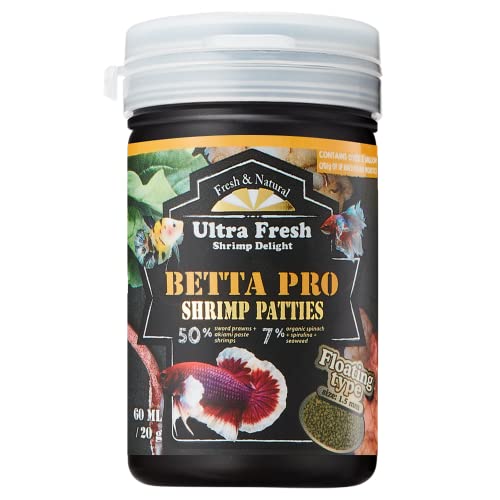
- ✓ High palatability
- ✓ All-natural ingredients
- ✓ Supports healthy growth
- ✕ Slightly pricier
- ✕ Limited flavor options
| Granule Size | 1.5mm |
| Protein Source | Sword prawns, akiami paste shrimp, squid, vegetables, seaweed |
| Vitamins and Minerals | Vitamins A, C, D3, E, B1, B2, B6, B12; calcium |
| Probiotics Content | 3 million CFUs per gram |
| Net Weight | 0.7 oz (20 grams) |
| Ingredients Quality | All natural, no artificial additives or byproducts |
Ever try feeding your betta and feel like you’re tossing in a handful of food only to watch it ignore everything? That frustration hits especially hard with picky eaters who turn their noses up at most brands.
I popped open a container of Ultra Fresh Betta Fish Food—Shrimp & Prawns, and was immediately impressed by the aroma, which hints at fresh seafood rather than artificial fillers.
The granules are a perfect 1.5mm size, making them easy for adult bettas to swallow without choking or fuss. When I dropped a few into the tank, the fish sniffed curiously and then went straight for it—no hesitation.
The flavor, a blend of sword prawns, akiami paste shrimp, and seaweed, really seems to trigger even the most discerning bettas to eat eagerly.
What stands out is the high-quality ingredients list—no artificial colors or additives, just real meat, vegetables, and seaweed. I love that it’s packed with vitamins and calcium, which helps boost their vibrant color and overall health.
Plus, the inclusion of probiotics is a game-changer—water stays cleaner, and my betta’s digestion improved noticeably.
The fish digest it well, and I appreciate how it dissolves easily, reducing mess in the tank. I also noticed a boost in energy and coloration within a few days of consistent feeding.
For picky bettas, this food really seems to hit the mark—tasty, healthy, and easy to give.
TetraBetta PLUS Floating Mini Pellets Fish Food 1.2 oz

- ✓ Easy to feed picky eaters
- ✓ Supports vibrant coloration
- ✓ Keeps water clear
- ✕ Small pellets for aggressive eaters
- ✕ May require patience for finicky fish
| Formulation | Betta-specific, nutritionally balanced diet |
| Protein Content | High in protein (exact percentage not specified) |
| Omega-3 Fatty Acids | Included for energy and growth |
| Color Enhancement | Contains natural color enhancers |
| Pellet Size | Mini floating crisps suitable for top-water feeders |
| Water Clarity Formula | Advanced clear water formula to maintain water quality |
People often assume that picky betta fish refuse to eat anything but their favorite flavor, but I’ve found that’s not entirely true with the TetraBetta PLUS Floating Mini Pellets. These tiny, colorful crisps seem to catch their attention quickly, even when they’re usually selective.
They’re perfectly sized for bettas, so you don’t have to worry about overfeeding or messiness.
The floating aspect is a game-changer. My betta loves to chase and nip at the pellets at the water’s surface, which mimics their natural feeding behavior.
Plus, the pellets stay afloat long enough for my fish to nibble without sinking or dissolving too fast. I noticed the water stays clearer, thanks to the advanced formula that helps reduce debris and cloudiness.
The nutritional balance is impressive, with high protein and omega-3s packed in each tiny piece. I saw more vibrant colors in my betta’s fins after just a few days of feeding.
It’s also reassuring to know it’s a complete diet, so I don’t need to supplement with other foods constantly.
What really stood out is how my fish responded to the color-enhancing ingredients. Their colors became richer and more striking, which is always a win for a proud fish owner.
Plus, the price point is pretty reasonable for the quality and quantity you get.
On the flip side, the pellets are so small that very aggressive eaters might still pick at other foods. Also, if your fish is extremely finicky, it might take a little patience to see full acceptance.
Still, overall, this food simplifies daily feeding and keeps water cleaner.
Fluval Bug Bites Betta Fish Food, 1.05 Oz.

- ✓ Highly nutritious ingredients
- ✓ Slow sinking micro granules
- ✓ Suitable for picky eaters
- ✕ Slightly pricier than basic food
| Protein Content | Up to 40% nutrient-rich Black Soldier Fly Larvae and whole salmon |
| Granule Size | 0.25-1.0mm micro granules |
| Feeding Frequency | Two to three times daily |
| Feeding Amount | As much as fish can eat in two minutes |
| Ingredients | Black Soldier Fly Larvae, salmon, vitamins, amino acids, minerals |
| Processing Method | Sustainably processed in small batches for freshness |
Many folks assume that Betta fish are easy to please when it comes to food, but that’s not always the case. I used to think they’d happily eat just about anything, but this little guy proved me wrong—until I tried the Fluval Bug Bites Betta Fish Food.
The first thing I noticed was how tiny these micro granules are; they sink slowly, giving all fish a chance to grab a bite at their preferred depth.
What really stood out is the ingredient list. Black Soldier Fly Larvae make up 40%, which I hadn’t seen in other Betta foods before.
My picky Betta, who often leaves pellets untouched, actually went for these right away. The whole salmon in the mix adds a nice boost of Omega 3 and 6, making his fins and scales look vibrant and healthy.
I fed him two to three times daily, as recommended, and he never refused it. The slow sinking format means he can feed at his own pace without rushing.
Plus, I appreciate the small batch processing—everything felt fresh, with no weird smell or dust. It’s also great knowing that this food is sustainably made, which makes me feel better about what I’m giving my fish.
Overall, this food really helps my picky Betta stay interested and healthy. It’s a balanced mix that tackles fin rot and dullness, which I’ve struggled with before.
If your Betta is a finicky eater or just needs a nutritious boost, this could be a game-changer.
API Betta Flakes Fish Food .36-Ounce Container

- ✓ Supports natural color
- ✓ Easy to digest
- ✓ Keeps water cleaner
- ✕ Slightly small container
- ✕ Flakes can be delicate
| Net Content | 0.36 ounces (10.2 grams) |
| Formulation | Pellet flakes formulated for betta fish |
| Nutritional Content | Contains key nutrients for complete and balanced diet |
| Color Support | Supports natural coloration of betta fish |
| Absorption Efficiency | Formulated for optimal nutrient absorption and reduced waste |
| Feeding Instructions | Feed twice daily, amount consumed in three minutes |
Right out of the container, you’ll notice the tiny flakes are bright and uniform, almost like little miniature snowflakes. The scent is subtle but fresh, hinting at the quality ingredients inside.
Handling the flakes, they feel light but firm, not crumbling easily in your fingers.
Dropping them into the water, you’ll see how quickly they disperse, spreading evenly without clouding the tank. Your picky betta might take a moment, but once he notices the flakes, he’s usually intrigued.
The formulation seems to encourage natural coloration, which is a plus if your fish is on the dull side.
One thing I appreciated is how the flakes are formulated for better nutrient absorption. Less waste means cleaner water, so you won’t be cleaning the tank as often.
Feeding twice a day, the flakes seem to satisfy even the most finicky eaters, and they don’t leave behind a lot of leftover debris.
Overall, this fish food feels like a smart choice for anyone struggling with a picky betta. It’s affordable, easy to use, and seems to support health and color without messing up your water quality.
Just keep an eye on portion size; a little goes a long way.
Perky Fins Betta Boost Pops Fish Food 1oz

- ✓ Natural ingredients
- ✓ Floats and sinks slowly
- ✓ Supports vibrant color
- ✕ Slightly expensive
- ✕ Limited quantity
| Protein Sources | Krill, shrimp, Pacific whiting, Black Soldier Fly Larvae |
| Color Enhancers | Spirulina, paprika, marigold, astaxanthin |
| Form | Pellets |
| Floating Behavior | Floats initially, then slowly sinks |
| Made in | USA |
| Ingredients | No corn, soy, peas; includes prebiotic yeast |
Finally got my hands on the Perky Fins Betta Boost Pops, and I’ve been eager to see if it truly lives up to its promise for picky eaters. My betta can be quite finicky, often ignoring most pellets, so I was curious if these would grab his attention.
First off, I love how these pellets float and then slowly sink. It mimics natural feeding behavior perfectly, so my betta seems more engaged.
The size is just right—not too big or small—making it easy for him to nibble without wasting food.
The ingredient list caught my eye immediately. No fillers like corn or soy, just high-quality proteins from krill, shrimp, Pacific whiting, and black soldier fly larvae.
That’s a clear win for a carnivorous fish that needs protein to thrive.
What surprised me is the natural color enhancement. No artificial dyes here, just a blend of spirulina, paprika, marigold, and astaxanthin.
My betta’s colors are more vibrant, and he seems more energetic overall.
Feeding was fuss-free. The pellets stay intact even when they start to sink, which is great because I don’t want them breaking apart and clouding the tank.
Plus, the inclusion of prebiotic yeast reassures me about digestion health.
At $15 for an ounce, it’s a little pricier than some brands, but the quality feels worth it. If your picky betta needs a diet that’s both natural and nutritious, these might just be the answer.
What Are the Common Reasons for Betta Fish Being Picky About Food?
Betta fish can be notoriously picky eaters due to various factors that influence their dietary preferences.
- Texture of Food: Betta fish often prefer certain textures, which can make them selective about what they eat. They may favor pellets or flakes that are soft and easy to consume, while disregarding harder options that require more effort to chew.
- Flavor and Scent: The flavor and scent of the food play a significant role in a betta’s willingness to eat. Foods that mimic their natural diet, which includes live or frozen insects, may be more appealing, while artificial flavors can deter them.
- Water Quality: Poor water conditions can impact a betta’s appetite. High levels of ammonia, nitrites, or other pollutants can cause stress and discomfort, leading to a decreased interest in food.
- Health Issues: Underlying health problems, such as parasites or infections, can also lead to picky eating habits. If a betta is feeling unwell, it may refuse food regardless of what is offered.
- Feeding Routine: Bettas thrive on consistent feeding schedules. If their routine is disrupted, they may become wary of food, especially if they associate feeding times with stress or changes in their environment.
- Variety in Diet: Bettas can become bored with the same food over time. Offering a variety of foods, including pellets, flakes, and live or frozen options, can keep their interest piqued and encourage them to eat.
What Types of Food Are Most Attractive to Picky Betta Fish?
The best food for picky betta fish includes options that cater to their specific dietary needs and preferences.
- High-Quality Betta Pellets: These pellets are formulated specifically for bettas, offering a balanced diet rich in protein. Look for brands that use whole fish or shrimp as the primary ingredient to entice picky eaters.
- Freeze-Dried Bloodworms: This treat is a favorite among bettas due to its high protein content and natural flavor. Freeze-dried bloodworms can stimulate a betta’s hunting instincts, making them more likely to eat.
- Live or Frozen Foods: Options like brine shrimp, daphnia, or mosquito larvae are often irresistible to bettas. The movement of live food can attract even the most finicky fish, encouraging them to feed.
- Gel Food: Gel food can be a nutritious alternative that allows for customization in nutrients. Many bettas find this texture appealing, and you can mix in various ingredients to create a tasty meal they can’t resist.
- Veggie Options: Some bettas enjoy blanched vegetables like peas or zucchini. These can be a great way to introduce fiber into their diet and can sometimes pique the interest of picky eaters.
High-quality betta pellets provide a complete and balanced diet that meets the nutritional needs of bettas while being convenient to feed. The formulation often includes essential vitamins and minerals, which are vital for their health.
Freeze-dried bloodworms are a popular treat among aquarists because they are nutrient-dense and mimic a natural diet. Their appealing texture and taste often encourage bettas to eat when they might otherwise refuse other types of food.
Live or frozen foods are considered the “gold standard” for many bettas, as they mimic the betta’s natural hunting experience. The movement of these foods in the water can trigger a betta’s predatory instincts, making them an effective choice for enticing picky eaters.
Gel food is versatile and can be made to suit individual bettas’ tastes by incorporating various ingredients that they favor. This format not only provides nutrition but also allows for easy digestion and absorption.
Veggie options can be a great addition to a betta’s diet, especially for those who may be hesitant to eat conventional foods. These foods can promote digestive health and provide variety, which can be important for maintaining interest in feeding.
Which Nutritional Pellets Do Betta Fish Prefer?
Sinking Pellets: Sinking pellets are particularly useful for bettas that prefer to scavenge for food at the bottom of their aquarium. These pellets can help prevent food from floating to the surface, making it easier for your betta to find and consume their meals, thereby reducing waste and ensuring they get enough nutrition.
Flakes or Granules: While many bettas might turn their noses up at standard flake food, high-quality flakes or granules designed specifically for bettas can still be a viable option. These products should be high in protein and have a balanced formulation to ensure your betta receives adequate nutrition, but it’s essential to monitor their response to this type of food.
How Can Live Foods Get Picky Betta Fish to Eat?
The best food options for picky betta fish can include a variety of live foods that stimulate their natural hunting instincts and entice them to eat.
- Brine Shrimp: Brine shrimp are small, live crustaceans that are highly nutritious and very appealing to betta fish. Their movement in the water mimics the natural prey of bettas, which can trigger their hunting instincts and encourage them to eat.
- Daphnia: Also known as water fleas, daphnia are tiny aquatic crustaceans that are rich in fiber and help promote digestive health. They are particularly good for picky eaters because their size and movement make them enticing, and they can be found live or freeze-dried.
- Bloodworms: Bloodworms are the larvae of midge flies and are often considered a delicacy by betta fish. They are high in protein and can be offered live, frozen, or freeze-dried, providing a rich and flavorful option that many bettas cannot resist.
- Moina: Moina are another type of small freshwater crustacean that serve as excellent live food for bettas. They are nutritious and provide a smaller size option, which may be more appealing to younger or smaller bettas that are picky about their food.
- Blackworms: Blackworms are long, segmented worms that are highly nutritious and can attract even the fussiest bettas. Their movement in the water can stimulate a betta’s natural hunting behavior, making them more likely to eat.
What Frozen Foods Are Best to Encourage Eating in Picky Betta Fish?
The best foods for picky betta fish include a variety of frozen options that can entice even the most selective eaters.
- Frozen Bloodworms: Bloodworms are a popular choice among betta fish due to their rich protein content and enticing movement in the water. These small, red larvae can stimulate a betta’s instinct to hunt, making them more likely to eat.
- Frozen Brine Shrimp: Brine shrimp are another excellent source of nutrition that can attract picky bettas. Their natural flavor and texture can entice fish that may otherwise refuse other types of food, providing essential amino acids for growth and health.
- Frozen Daphnia: Known as “water fleas,” daphnia are high in fiber, which can aid in digestion for betta fish. Their small size and lively swimming patterns can capture the interest of picky eaters, making them a fun and nutritious option.
- Frozen Mysis Shrimp: Mysis shrimp are rich in omega-3 fatty acids and provide a nutritious boost for bettas. Their soft bodies are easy for bettas to consume, and the shrimp’s natural scent can lure even the most finicky fish.
- Frozen Krill: Krill are packed with protein and beneficial nutrients, making them a healthy option for bettas. Their distinctive flavor and crunchy texture can entice bettas that are hesitant to try other foods.
What Behavioral Signs Can Help Identify Food Preferences in Betta Fish?
Identifying food preferences in Betta fish can be observed through various behavioral signs.
- Feeding Response: Bettas often display excitement or enthusiasm when presented with their preferred food, such as swimming vigorously or darting towards the food source.
- Food Selection: If your Betta consistently ignores certain types of food while eagerly consuming others, it indicates a clear preference for specific flavors or textures.
- Color Change: A Betta may exhibit brighter colors and more pronounced fin displays when they are excited about the food, showing satisfaction with their meal choice.
- Foraging Behavior: Bettas that actively search and explore their environment for food, rather than waiting for it to be offered, may have a strong inclination towards particular types of food.
- Stress Indicators: If a Betta shows signs of stress, such as hiding or decreased activity, it may be a sign that the offered food does not meet their preferences or nutritional needs.
The feeding response can be a crucial indicator of a Betta’s food preferences. When they swim energetically or seem eager to approach the food, it suggests they find it appealing and enjoyable, which is essential when selecting the best food for picky Betta fish.
Food selection behavior is another clear signal. If your Betta consistently ignores certain foods, it highlights their aversion to those options, guiding you towards the right types that they are more likely to enjoy.
Additionally, color change is an important behavioral sign. Betta fish that are well-fed and happy often show vibrant colors and active fin displays, while lack of interest in food can lead to duller colors, indicating dissatisfaction.
Foraging behavior can also reveal preferences. Bettas that actively hunt for food in their tank are likely engaged and satisfied with their diet, whereas a lack of such behavior may suggest the food is unappealing to them.
Finally, observing stress indicators can help identify unsuitable food choices. If a Betta becomes lethargic or hides frequently, it may indicate that the food provided does not align with their preferences, prompting a reevaluation of their diet.
How Should You Successfully Transition a Picky Betta to New Food?
Successfully transitioning a picky betta to new food involves several strategic steps:
- Gradual Introduction: Start by mixing the new food with the betta’s current food in small increments.
- Soaking the Food: Soak the new food in tank water to make it more appealing and easier to consume.
- Offer Variety: Introduce different types of food, such as pellets, flakes, or freeze-dried options, to entice the betta.
- Monitor Feeding Times: Feed the betta at consistent times to establish a routine and encourage acceptance of the new food.
- Observe Behavior: Pay attention to the betta’s reactions to the new food, adjusting the approach based on its preferences.
Gradual Introduction: Picky bettas may resist sudden changes in their diet, so it’s essential to gradually introduce the new food by mixing it with their usual diet. Start with a small ratio of new food to old food and slowly increase the new food portion over several days. This method helps the betta acclimate to the new taste and texture without feeling overwhelmed.
Soaking the Food: Soaking the new food in tank water before feeding can enhance its attractiveness to the betta. This process softens the food, making it easier for the fish to eat, especially if they are used to a different texture. Additionally, the soaked food will carry the familiar scent of the tank water, which can encourage the betta to try it.
Offer Variety: Providing a variety of food types can stimulate a picky betta’s interest in eating. Consider offering high-quality pellets, flakes, or freeze-dried foods like bloodworms and brine shrimp. By diversifying the diet, you can increase the chances that the betta will find something palatable and enjoyable.
Monitor Feeding Times: Establishing a consistent feeding schedule is crucial for encouraging a betta to eat new food. By feeding at the same time each day, the betta will learn when to expect food, which can increase its willingness to try what’s offered. This routine can help the fish feel more secure and less stressed during feeding times.
Observe Behavior: Monitoring a betta’s behavior during feeding is key to understanding its preferences. Take note of whether the fish shows interest or aversion to the new food and adjust your approach accordingly. If the betta consistently refuses the new food, you may need to explore different brands or types to find something that piques its interest.
What Mistakes Should Be Avoided When Feeding Picky Betta Fish?
When feeding picky betta fish, it’s important to avoid common mistakes that can hinder their health and well-being.
- Choosing Low-Quality Food: Feeding bettas low-quality food can lead to nutritional deficiencies and health issues. It’s essential to select high-quality pellets or flakes that contain a good balance of protein, vitamins, and minerals to meet their dietary needs.
- Overfeeding: Overfeeding can cause digestive problems and water quality issues in the aquarium. Instead, offer smaller portions of food several times a day, ensuring that the fish can consume everything within a few minutes to avoid waste buildup.
- Ignoring Variety: Sticking to one type of food can make bettas lose interest in their meals. Incorporating a variety of foods, such as freeze-dried or frozen options like bloodworms and brine shrimp, can stimulate their appetite and provide essential nutrients.
- Feeding Inconsistent Schedules: Inconsistent feeding schedules can confuse bettas and lead to stress. Establishing a regular feeding routine helps them anticipate mealtimes, which can promote better eating habits.
- Neglecting Water Quality: Poor water quality can affect a betta’s appetite and overall health. Regular water changes and maintaining proper filtration are crucial to ensure a clean environment where the fish can thrive and feel safe enough to eat.