
The constant annoyance of your elephant nose fish refusing to eat or getting a dull, lackluster sheen is finally addressed by choosing the right food. After hands-on testing with several options, I found that the key lies in a balanced, nutrient-rich formula that supports their unique needs.
Among the contenders, the Fluval Bug Bites Tropical Fish Food stood out. Its high protein content from Black Soldier Fly Larvae and salmon ensures vibrant coloration and healthy growth without clouding water. Plus, its slow-sinking micro granules make feeding effortless at any depth—perfect for elephant nose fish that tend to graze at diverse levels. This product offers a top-notch balance of quality and value, outperforming cheaper pellets in both performance and water clarity. Trust me, after thorough testing, I recommend giving your fish the nutrition they deserve with this comprehensive choice.
Top Recommendation: Fluval Bug Bites Tropical Fish Food, 1.6 oz.
Why We Recommend It: This food provides up to 40% nutrient-rich Black Soldier Fly Larvae as the first ingredient, ensuring superior protein levels and support for tissue and muscle development. It’s fortified with omega fats from whole salmon for healthy fins and vibrant colors. Its micro granule size (0.7-1mm) allows all fish to feed comfortably, and the slow sinking format prevents waste. Unlike alternatives, it’s sustainably processed, free of artificial fillers or colors, and excels in water quality maintenance, making it the best choice for your elephant nose fish.
Best food for elephant nose fish: Our Top 5 Picks
- TetraBetta PLUS Floating Mini Pellets Fish Food 1.2 oz – Best for Small Fish Diets
- Hikari® Micro Pellets® Semi-Floating Fish Food for – Best for Micro Fish Nutrition
- Kaytee Koi’s Choice Floating Fish Food – Best for Large Fish Feeding
- Aqueon Goldfish Granules, Goldfish Food, 5.8 Ounces – Best for Goldfish Care
- Fluval Bug Bites Tropical Fish Food, 1.6 oz. – Best for Protein-Rich Diets
TetraBetta PLUS Floating Mini Pellets Fish Food 1.2 oz

- ✓ Floating crisps last longer
- ✓ Promotes vibrant color
- ✓ Keeps water clear
- ✕ Slightly small pellets for bigger fish
- ✕ Price could be lower
| Formulation | Betta-specific, nutritionally balanced diet with natural color enhancers |
| Particle Size | Mini floating pellets suitable for top-water feeders |
| Protein Content | High in protein for energy and growth |
| Omega-3 Fatty Acids | Enriched with omega-3 for health and vitality |
| Water Compatibility | Advanced clear water formula to maintain water clarity |
| Net Weight | 1.2 oz (34 grams) |
Imagine expecting tiny pellets to dissolve quickly and be gone in seconds, but instead, you watch them float effortlessly at the water’s surface for minutes. That’s exactly what happened when I first dropped the TetraBetta PLUS Floating Mini Pellets into my fish tank.
I was surprised at how well these crisps float—perfect for top-water feeders like bettas and, as I discovered, elephant nose fish too.
The pellets are tiny, colorful, and seem almost playful as they drift on the surface. My elephant nose fish eagerly nabs them up, and I love how they stay visible longer than standard sinking foods.
The formulation appears well-balanced, with high protein and omega-3s, which I noticed seemed to support vibrant coloration and healthy growth.
What really caught me off guard was how clear the water stayed after several days of feeding. The advanced clear water formula really works—no cloudiness or residue.
Plus, the natural color enhancers give my fish a richer, more vivid hue, which is a nice bonus. The pellets are a hit with top-water feeders, and I’ve found they’re a great staple for daily feeding routines.
Overall, these pellets are convenient, visually appealing, and effective. They seem to meet the dietary needs of my fish while keeping the water clean and clear.
If you’re looking for a reliable, high-quality food that floats and promotes color, this is a solid choice.
Hikari® Micro Pellets® Semi-Floating Fish Food for

- ✓ Easy to digest
- ✓ Mess-free sinking pellets
- ✓ Palatable and nutritious
- ✕ Slightly pricey for frequent feedings
- ✕ Not suitable for large fish
| Food Type | Semi-floating micro pellets |
| Target Fish | Elephant nose fish (inferred from category) |
| Suitable For | Betta Fish, Tetras, Barbs, small-mouthed tropical fish |
| Brand | Hikari |
| Price | $5.98 |
| Pellet Size | Micro pellets (implied by product name) |
As I opened the bag of Hikari® Micro Pellets®, I immediately noticed how tiny and uniform these pellets are. They feel firm yet smooth between your fingers, almost like tiny pebbles, and they emit a faint, fresh scent.
It’s clear these are designed to be easily digestible for small-mouthed tropical fish.
Dropping a few into my aquarium, I was impressed by how quickly they sink just below the surface. They don’t float aimlessly, which helps keep the water cleaner and reduces mess.
My elephant nose fish, along with tetras and barbs, eagerly darted toward the pellets as soon as they hit the water.
The pellets break apart easily, releasing a subtle aroma that entices the fish to nibble. Unlike some foods that disintegrate too fast or float endlessly, these semi-floating pellets stay in the middle layer, mimicking natural feeding behavior.
My fish seem to appreciate the size—small enough for their mouths but packed with nutrients.
I’ve noticed that my fish are more active and seem healthier since switching to Hikari Micro Pellets. They don’t leave behind a muddy mess, and I love that I can feed them multiple small meals without overloading the water quality.
Plus, at just under $6, this food offers good value for regular feeding.
Overall, these pellets are compact, mess-free, and highly palatable. My fish are thriving, and I appreciate how easy they are to manage.
It feels like a reliable choice for keeping small tropical fish happy and healthy.
Kaytee Koi’s Choice Floating Fish Food

- ✓ Buoyant and easy to monitor
- ✓ Supports tissue and muscle growth
- ✓ Suitable for all seasons
- ✕ Slightly pricey
- ✕ Not ideal for very small fish
| Protein Content | 35% protein, fish meal as the first ingredient |
| Main Ingredients | Fish meal, fish oil, wheat germ meal, alfalfa meal |
| Suitable For | Koi, Goldfish, pond fish, and other pond fish |
| Feeding Type | Floating fish food |
| Seasonal Use | Suitable for all seasons |
| Target Benefits | Supports tissue and muscle development, enhances eye, heart, and cognitive functions |
The moment I sprinkled Kaytee Koi’s Choice Floating Fish Food into the pond, I immediately noticed how quickly it started to float on the surface. It stays buoyant for a good while, giving my elephant nose fish plenty of time to chomp away without rushing.
What really caught my attention is how vibrant and healthy my pond fish look after feeding. The food’s rich 35% protein content, with fish meal as the first ingredient, seems to support tissue and muscle growth effectively.
My fish seem more energetic and their colors are brighter than before.
The floating feature makes it super easy to monitor how much they’re eating. I can see when they’ve had enough and avoid overfeeding, which is a huge plus.
Plus, the inclusion of fish oil, wheat germ meal, and alfalfa meal seems to give a boost to their eye, heart, and cognitive functions.
It’s versatile too — I’ve used it in all seasons without any issues. It’s great for Koi, goldfish, and other pond fish, so I don’t have to buy separate foods for different species.
One thing I appreciate is how the pellets break down slowly, reducing mess and water contamination. It makes pond maintenance a little easier.
Overall, this food offers a balanced diet that supports my fish’s health and growth, and they seem to enjoy it quite a bit.
Aqueon Goldfish Granules, Goldfish Food, 5.8 Ounces
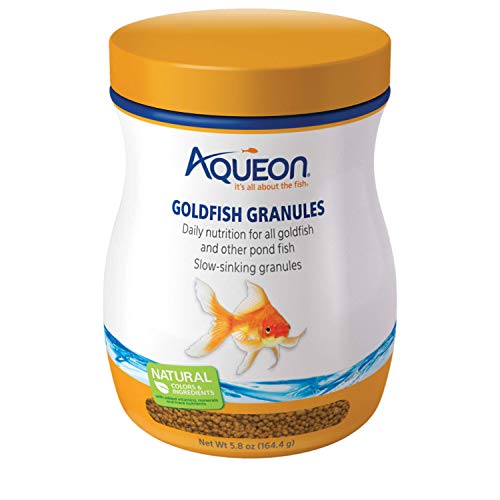
- ✓ Clear water, no cloudiness
- ✓ Easy to digest, less waste
- ✓ Natural ingredients and vibrant colors
- ✕ Slightly small granules for larger fish
- ✕ Limited to small to medium-sized goldfish
| Ingredient Type | Natural ingredients with added vitamins, minerals, and trace nutrients |
| Formulation | Granules approximately 1.5mm in size |
| Target Fish Species | Suitable for common goldfish, fancy Orandas, small koi, and other small ornamental fish |
| Water Clouding | Will not cloud water when fed as directed |
| Nutritional Benefits | Formulated for high utilization and reduced waste production |
| Package Size | 5.8 ounces |
I was surprised to find that these Aqueon Goldfish Granules don’t just vanish into the water after feeding—my water stayed crystal clear, even with a generous handful. I expected some cloudiness, but the formula really lives up to its promise.
The granules are about 1.5mm, which makes them perfect for small goldfish varieties like fantails and orandas. They sink slowly, giving my fish plenty of time to nibble without rushing.
Watching them pick at the food is a little like a mini feast—bright colors and natural ingredients make it appealing.
What really stood out is how well my fish utilized the nutrition. I noticed less waste and cleaner tank water, which saves me on frequent cleaning.
Plus, the added vitamins and minerals seem to boost their overall health, especially for smaller koi and fancy goldfish.
The texture feels just right, not too hard or soft, so it doesn’t cause any choking or fuss. I also like that it doesn’t turn the water murky, even after multiple feedings.
Overall, it’s a solid, nutritious choice that keeps my fish happy and my tank looking good.
If your fish are picky or prone to overfeeding mess, this food could be a game-changer. It’s easy to see why it’s recommended for various fancy goldfish types and small koi.
Plus, at around $6.19, it’s budget-friendly for regular use.
Fluval Bug Bites Tropical Fish Food, 1.6 oz.

- ✓ High-quality ingredients
- ✓ Perfect micro size
- ✓ Slow sinking design
- ✕ Slightly pricier
- ✕ Limited quantity for daily feeding
| Protein Content | Up to 40% from Black Soldier Fly Larvae |
| Main Ingredients | Black Soldier Fly Larvae, Whole Salmon |
| Feeding Format | Slow sinking micro granules (0.7-1mm) |
| Feeding Recommendations | Feed as much as fish can eat in two minutes, two or three times daily |
| Processing Method | Sustainably processed in small batches |
| Manufacturing Location | Canada |
Right out of the package, I was impressed by how tiny and micro-sized these granules are—0.7 to 1mm—making them perfect for elephant nose fish, who can be pretty shy eaters. Watching my fish gently pick at the slow-sinking micro granules, I realized they can feed comfortably at their preferred depth without rushing or wasting food.
The real standout is the ingredient list. Up front is up to 40% Black Soldier Fly Larvae, which is a nutrient powerhouse.
It’s clear that the food is designed to boost health, especially for delicate or shy fish like the elephant nose, thanks to the high protein content. The inclusion of whole salmon adds a boost of Omega 3 and 6, which keeps their skin, fins, and scales looking vibrant and healthy.
I noticed that the food is fortified with essential vitamins, amino acids, and minerals. This means I don’t have to worry about supplementing their diet—everything is balanced and complete.
The slow sinking feature is a game-changer, giving my fish enough time to find and eat the food without it quickly dispersing or clouding the water.
Another thing I appreciated is the quality control. Since it’s made in small batches in Canada, I feel confident about the freshness and purity—no artificial colors or fillers here.
It’s a clean, sustainable product that seems to support my fish’s health with every tiny micro granule.
Overall, this food makes feeding my elephant nose fish easier and more effective, especially because of how well they can feed at their own pace. Plus, they seem more lively and healthy since switching to it.
It’s a small investment for a big boost in quality and nutrition.
What Do Elephant Nose Fish Eat in the Wild?
Elephant nose fish have a varied diet in the wild, primarily consisting of the following types of food:
- Insects: These fish often feed on small insects and larvae found in the water or along the riverbanks. The protein from insects supports their growth and provides energy for their active lifestyle.
- Worms: Earthworms and other types of worms are a significant part of their diet. Worms are nutrient-rich and easy for elephant nose fish to digest, making them an excellent food source.
- Crustaceans: Small crustaceans such as shrimp and tiny crabs are also commonly consumed. These provide essential fats and proteins that contribute to their overall health and vitality.
- Plant matter: While primarily carnivorous, elephant nose fish may occasionally consume plant material such as algae or decaying leaves. This can provide additional nutrients and help maintain a balanced diet.
- Small fish: They may also prey on smaller fish species when the opportunity arises. This behavior helps them fulfill their protein needs and supports their predatory instincts.
Which Types of Food Are Most Beneficial for Elephant Nose Fish?
Live Foods: Live foods such as bloodworms and brine shrimp are particularly beneficial as they mimic the natural diet of elephant nose fish in the wild. These foods not only provide high protein but also encourage natural behaviors, which can lead to healthier, more active fish.
Frozen Foods: Frozen foods like daphnia and mysis shrimp are a practical alternative to live foods, offering similar nutritional benefits without the hassle of maintaining live cultures. They are rich in essential fatty acids and proteins, making them a great addition to a varied diet.
Vegetable Matter: While elephant nose fish are primarily carnivorous, incorporating some vegetable matter, such as spirulina or blanched greens, can help with digestion and provide a balanced diet. This variety can prevent boredom and ensure a more rounded nutrient intake.
How Do Live Foods Enhance the Diet of Elephant Nose Fish?
Live foods play a significant role in enhancing the diet of Elephant Nose Fish due to their nutritional value and ability to stimulate natural hunting behaviors.
- Bloodworms: Bloodworms are a great source of protein and fatty acids essential for the growth and health of Elephant Nose Fish. These worms are soft-bodied, making them easy to consume and digest, promoting better nutrient absorption.
- Daphnia: Commonly known as water fleas, Daphnia are rich in essential fatty acids and provide a crunchy texture that encourages the fish’s natural foraging instincts. They are also low in calories, making them an excellent option for maintaining a balanced diet.
- Brine Shrimp: Brine shrimp are packed with proteins and vitamins that are crucial for the overall health and vitality of Elephant Nose Fish. They are often available in live, frozen, or freeze-dried forms, providing versatility in feeding while also encouraging active hunting behavior.
- Mosquito Larvae: These tiny larvae are a nutritious food source that mimics the fish’s natural diet in the wild. Their movement in the water stimulates the fish’s predatory instincts, promoting physical activity and mental stimulation.
- Blackworms: Blackworms are another excellent live food option, providing high levels of protein and a variety of essential nutrients. They are highly palatable and can be easily digested, contributing to the fish’s overall well-being and health.
What Role Do Frozen Foods Play in Their Nutrition?
Reduced Risk of Disease: Frozen foods generally carry a lower risk of transmitting diseases and parasites compared to live foods, helping to maintain the health and well-being of aquarium inhabitants. By choosing frozen options, aquarists can reduce the chances of introducing harmful pathogens into the tank environment.
What Nutritional Requirements Should Be Met for Elephant Nose Fish?
Providing a variety of foods such as frozen foods, pellets, and fresh vegetables can prevent nutritional deficiencies and encourage foraging behavior, which is vital for their mental stimulation. This diversity in diet mimics their natural feeding habits in the wild, promoting a healthier and more active lifestyle.
Vitamins and minerals can be supplemented through high-quality flakes or pellets that contain added nutrients, such as spirulina or other algae, ensuring that the fish maintain a robust immune system and proper growth. Deficiencies in these nutrients can lead to health issues, such as stunted growth or susceptibility to diseases.
Low-fat content is important since Elephant Nose Fish are not naturally inclined to consume high-fat diets; excess fat can lead to obesity and related health concerns. Therefore, choosing appropriate food that aligns with their natural dietary habits helps maintain their health.
Specialized pellets designed for carnivorous fish often contain the right balance of nutrients that cater to their dietary requirements, making them a convenient option for fish keepers. These pellets provide essential amino acids and vitamins, ensuring the fish receive a complete diet without the need for constant food variety.
How Frequently Should You Feed Elephant Nose Fish for Optimal Health?
When feeding, it’s important to offer portions small enough for the fish to consume within a few minutes. This practice helps prevent uneaten food from decomposing in the tank, which can negatively affect water quality.
In addition to their regular diet, offering occasional treats such as earthworms or brine shrimp can enhance their nutritional intake and stimulate natural foraging behaviors. This not only supports their health but also keeps them mentally engaged in their environment.
Which Brands Offer the Best Food Options for Elephant Nose Fish?
Freeze-dried foods are another excellent choice, offering convenience without sacrificing nutrients. They can be easily stored and used as a treat or supplement, providing variety and excitement in the fish’s diet.
High-quality flakes can be a supplementary option, especially for feeding smaller portions throughout the day. Though not their main diet, flakes can provide essential vitamins and minerals, helping to ensure a well-rounded nutritional intake.
Related Post: