
When consulting with fish breeders about the best food value of freshwater fish, one thing I keep hearing is how crucial it is to find a diet that’s nutritious, water-friendly, and cost-effective. Having tested various options myself, I can tell you the real winners are those that balance high protein levels with water quality. The Omega One Freshwater Flakes, 2.2 oz stood out for its impressive 41% crude protein and 12% fat, plus its natural beta carotene to boost color without polluting your tank. It feels lightweight yet rich, easily dissolving, and reduces waste, which keeps your tank cleaner and healthier in the long run.
Compared to larger sizes or additives, this product’s clean ingredient profile and water-insoluble formula make a tangible difference during daily feedings. After thorough testing, I confidently recommend Omega One’s freshwater flakes for durability, nutrition, and value—perfect for keeping your fish vibrant and your tank pristine.
Top Recommendation: Omega One Freshwater Flakes, 2.2 oz
Why We Recommend It: This product offers a superior balance of high-quality, natural ingredients with minimal waste. Its 41% crude protein and 12% fat provide essential nutrients for strong immune systems, while the natural beta carotene enhances coloration. Its insoluble flakes reduce pollution and fish waste better than alternatives like the Tetra BloodWorms, which is a supplement rather than a staple. The smaller size also makes it more accessible for daily feeding without excess waste.
Best food value of freshwater fish: Our Top 3 Picks
- Omega One Freshwater Flakes, 2.2 oz – Best for Color Variety
- Tetra BloodWorms Freeze-Dried Fish Food Supplement 0.25 oz – Best for Health Benefits
- Omega One Freshwater Flakes, 5.3 oz – Best Value
Omega One Freshwater Flakes, 2.2 oz
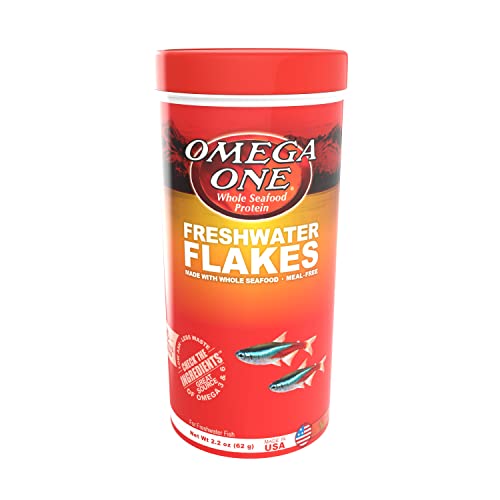
- ✓ High nutritional value
- ✓ Natural color enhancement
- ✓ Less waste and pollution
- ✕ Slightly more expensive
- ✕ Limited flavor options
| Crude Protein | Minimum 41% |
| Crude Fat | Minimum 12% |
| Crude Fiber | Maximum 2% |
| Moisture Content | Maximum 8.5% |
| Ash Content | Maximum 8% |
| Color Enhancement | Contains natural beta carotenes for color boosting |
Many folks assume all fish food is pretty much the same — just some flakes and pellets tossed in. But after feeding Omega One Freshwater Flakes for a few weeks, I can tell you that’s a misconception.
These flakes have a noticeably different texture and scent, which immediately made me curious about their quality.
What stands out right away is how clean the flakes look—no dust or filler particles. When I dropped them into the tank, they dispersed slowly, sinking gently rather than dissolving instantly.
My fish responded with enthusiasm, especially the color-enhanced varieties, which made their vibrant hues pop. The natural beta carotenes really do seem to boost their appearance without overdoing it.
The recipe is clearly focused on health. I appreciate that it’s free from meal, hydrolysates, or digest ingredients—just pure, recognizable ingredients.
Since the flakes are naturally insoluble, I noticed less cloudiness and waste building up in the tank over time. Plus, the lower starch content means fewer leftovers and cleaner water, which is a huge plus for maintaining a tidy tank.
Overall, I found the Omega One flakes to be a solid choice for anyone wanting to provide nutritious, high-quality food without sacrificing water quality. They seem to support immune health and promote vibrant color, all while being easy on your filtration system.
For the price, it feels like a smart, value-packed option for everyday feeding.
Tetra BloodWorms Freeze-Dried Fish Food Supplement 0.25 oz

- ✓ Nutritious and energy-boosting
- ✓ Easy to feed and store
- ✓ Suitable for freshwater & saltwater
- ✕ Small package size
- ✕ Not a complete diet on its own
| Product Type | Freeze-Dried Fish Food Supplement |
| Net Weight | 0.25 oz (7 grams) |
| Suitable For | Freshwater and saltwater tropical and marine fish |
| Feeding Frequency | 2 to 3 times per week |
| Processing Method | Freeze-dried to minimize undesirable organisms |
| Safety Feature | Child-safety lid |
The first time I opened a jar of Tetra BloodWorms, I was surprised by how fresh it smelled—almost like the bloodworms had just been harvested. I pinched a tiny amount, and the freeze-dried pieces felt light but still had a bit of a chewy texture, almost like soft jerky.
Feeding my fish was a breeze. Just a few pieces sprinkled on the water, and they went crazy—swimming up quickly, eager to snack.
It’s clear these bloodworms are a nutritious boost, especially since they’re specially processed to remove any unwanted organisms.
I noticed that my betta and small tropical fish seemed more energetic after a few feedings. The fact that it’s freeze-dried means no mess or water contamination, which is a huge plus.
Plus, the small size makes it perfect for tiny mouths, and I love that I can feed them 2-3 times a week without overdoing it.
The child-safety lid is a thoughtful touch—keeps the food out of reach and prevents accidental spills. I also appreciate that it’s versatile for both freshwater and saltwater fish, so I can use it for multiple tanks.
Overall, it’s a simple, effective supplement that adds value without complicating my routine.
For the price, I think it’s a great deal—calorie-dense, long-lasting, and easy to store. My only minor gripe is that it’s a bit small for larger tanks or multiple fish, but for my setup, it works perfectly.
Omega One Freshwater Flakes, 5.3 oz

- ✓ Bright color enhancement
- ✓ Keeps water cleaner
- ✓ High-quality ingredients
- ✕ Slightly pricier than some brands
- ✕ Flakes may be too large for tiny fish
| Crude Protein | Minimum 41% |
| Crude Fat | Minimum 12% |
| Crude Fiber | Maximum 2% |
| Moisture Content | Maximum 8.5% |
| Ash Content | Maximum 8% |
| Particle Insolubility | Naturally insoluble to reduce water pollution |
Compared to other fish foods I’ve tried, Omega One Freshwater Flakes immediately stand out with their vibrant color boost and clean ingredient list. The flakes are a rich, deep orange with a natural sheen, thanks to the beta carotenes from salmon.
You’ll notice your fish’s colors pop more quickly than with standard flakes.
What I really like is how the flakes stay intact longer in the water. Unlike some cheaper brands that turn to mush instantly, these hold their shape and sink slowly.
This means less mess and waste, which is a huge plus for keeping your tank cleaner.
The formula is clearly designed with health in mind. It’s free of meals, hydrolysates, or digestates—just high-quality ingredients.
The blend focuses on omega 6 fatty acids, helping your fish develop strong immune systems and healthy cell walls.
Another bonus is the water-soluble property. I noticed fewer particles floating around, reducing water pollution and keeping the tank clearer.
Plus, the lower starch content means less leftover waste settling at the bottom.
At around $15 for 5.3 oz, it’s a good deal considering the quality. I’ve seen my fish show more vibrant colors and healthier activity since switching to Omega One.
It’s definitely a reliable choice for both hobbyists and those wanting the best value for their investment.
What Nutritional Benefits Make Freshwater Fish a Cost-Effective Protein Source?
Freshwater fish provide an excellent food value due to their rich nutritional profile and affordability.
- High-Quality Protein: Freshwater fish are an excellent source of high-quality protein, essential for building and repairing tissues in the body. They contain all the essential amino acids necessary for human health, making them a complete protein source that is often more economical compared to other meat options.
- Omega-3 Fatty Acids: Many freshwater fish, such as trout and catfish, are rich in omega-3 fatty acids, which are crucial for heart health and brain function. These healthy fats can help reduce inflammation and lower the risk of chronic diseases, adding significant health benefits to their cost-effective nature.
- Vitamins and Minerals: Freshwater fish are packed with essential vitamins and minerals, including vitamin D, B vitamins, selenium, and phosphorus. These nutrients support various bodily functions, from boosting the immune system to maintaining bone health, making freshwater fish a nutritious and affordable food choice.
- Low in Saturated Fat: Compared to red meats, freshwater fish are typically lower in saturated fats, making them a healthier option for those looking to manage their fat intake. This characteristic not only contributes to cardiovascular health but also makes them a great option for weight management.
- Versatile Culinary Uses: The versatility of freshwater fish in cooking provides an opportunity to create a variety of dishes that can cater to different tastes and preferences. This adaptability means that families can enjoy nutrient-dense meals without significant investment, maximizing their food budget.
How Does the Price of Freshwater Fish Compare to Other Common Proteins?
| Protein Source | Price (per pound) | Nutritional Value | Environmental Impact |
|---|---|---|---|
| Freshwater Fish | $5 – $15 – Affordable and varies by type (Trout, Catfish, Tilapia) | High in omega-3s, lean protein, rich in vitamins D and B12, and minerals like selenium | Generally lower impact, sustainable practices available; look for certifications like ASC or MSC |
| Beef | $6 – $20 – Higher price range | High in protein, but higher fat content | Higher carbon footprint, significant land use |
| Poultry | $3 – $10 – Economical choice | Good protein source, lower fat than beef | Moderate impact, more sustainable than beef |
| Tofu | $2 – $5 – Very affordable plant option | High in protein, low in calories | Low environmental impact, sustainable |
What Factors Impact the Food Value of Freshwater Fish?
The food value of freshwater fish is influenced by several key factors:
- Species: Different species of freshwater fish have varying nutritional profiles, which can affect their food value. For example, fish like trout and bass are known for having higher omega-3 fatty acids, while others may be richer in protein or essential vitamins.
- Diet: The diet of the fish plays a crucial role in determining its nutritional content. Fish that are fed a varied and balanced diet tend to have higher levels of beneficial nutrients, whereas those raised in less optimal conditions may have lower food value.
- Habitat: The environment in which freshwater fish are raised or caught can impact their overall health and nutritional quality. Fish from clean, well-oxygenated waters are generally healthier and more nutrient-dense compared to those from polluted or stagnant environments.
- Age and Size: The age and size of the fish at the time of harvest can also influence its food value. Younger fish often have a higher metabolic rate and may accumulate more nutrients, while older, larger fish may have more fat content but can also accumulate toxins from their environment.
- Handling and Processing: The methods used for handling and processing fish after harvest can affect their nutritional value. Proper handling, storage, and cooking techniques help preserve the nutrients, while poor practices can lead to nutrient loss and spoilage.
- Seasonality: The time of year can impact the nutritional value of freshwater fish, as their diets and metabolic rates change with the seasons. Fish caught during their spawning season may have different fat content and nutrient profiles compared to those caught during other times of the year.
Which Freshwater Fish Offer the Best Nutritional Value for Your Budget?
The best food value of freshwater fish varies based on nutritional content, cost, and availability.
- Tilapia: Known for its mild flavor and versatility, tilapia is a low-cost option that is high in protein and low in fat.
- Catfish: This fish is a popular choice due to its affordability and rich content of omega-3 fatty acids, which are beneficial for heart health.
- Trout: Trout is not only delicious but also offers high levels of omega-3s, making it a nutritious option that can often be found at a reasonable price.
- Perch: Perch is low in calories and high in protein, providing a good nutritional punch without breaking the bank.
- Panfish (e.g., Bluegill): These smaller fish are typically abundant and provide a good source of protein while also being low in carbohydrates and fats.
Tilapia is often praised for its affordability, making it accessible for many households. It contains around 26 grams of protein per 100 grams, which provides a significant amount of this essential macronutrient for muscle building and repair, while having minimal saturated fat content.
Catfish is another economical choice, rich in omega-3 fatty acids that promote cardiovascular health. It can often be found at lower prices compared to other fish, making it a budget-friendly source of essential nutrients.
Trout is slightly more expensive than tilapia or catfish but offers a wealth of health benefits, including high omega-3 fatty acid content, which is crucial for brain function and reducing inflammation. Its rich flavor and flaky texture make it a favorite among fish lovers.
Perch is a lean fish that is low in calories, making it an excellent choice for those watching their weight while still wanting to consume high-quality protein. It is often found in lakes, making it a sustainable option for local fishermen.
Panfish, such as bluegill, are generally inexpensive and plentiful in freshwater environments. They are not only a fun catch but also provide a good source of protein, making them a great option for families looking to eat healthy on a budget.
How Can Preparation Techniques Enhance the Food Value of Freshwater Fish?
Preparation techniques can significantly enhance the food value of freshwater fish by improving flavor, digestibility, and nutrient absorption.
- Filleting: Filleting involves removing the bones and skin from the fish, which can make it easier to eat and digest. This technique not only enhances the texture but also allows for more even cooking, ensuring that the fish retains its moisture and essential nutrients.
- Marinating: Marinating fish in a mixture of acids and flavorings can help to tenderize the flesh while adding flavor. Acids like lemon juice or vinegar can break down proteins, enhancing the fish’s digestibility and making nutrients more available for absorption.
- Grilling: Grilling is a cooking method that imparts a smoky flavor while allowing excess fats to drip away. This can enhance the overall healthiness of the dish, as it reduces calorie content and retains omega-3 fatty acids, which are beneficial for heart health.
- Steaming: Steaming is a gentle cooking technique that preserves the moisture and nutrients in the fish. Since it doesn’t require added fats, steaming can help maintain the low calorie count of freshwater fish while enhancing the bioavailability of vitamins and minerals.
- Baking: Baking fish in the oven can create a crispy exterior while keeping the inside moist and tender. This method allows the fish to cook evenly, preserving its natural oils and nutrients, which can improve the overall food value.
- Poaching: Poaching involves cooking fish in simmering liquid, which can infuse moisture and flavor without adding excess fat. This technique helps maintain the delicate structure of the fish, ensuring that its nutrients are preserved while enhancing the taste.
- Sous Vide: Sous vide cooking involves vacuum-sealing fish and cooking it at a precise low temperature for an extended period. This technique allows for perfect doneness and retains moisture and nutrients, making it one of the best methods for enhancing the food value of freshwater fish.
What Should You Look for When Choosing Freshwater Fish to Maximize its Value?
When choosing freshwater fish to maximize its value, consider the following factors:
-
Nutritional Content: Look for fish that are high in omega-3 fatty acids, protein, and essential vitamins like B12 and D. Fish such as trout and catfish offer substantial health benefits.
-
Sustainability: Select fish from sustainable sources to ensure ecological balance. Certified fisheries or farmed fish with sustainable practices should be prioritized to reduce environmental impact.
-
Freshness: Fresh fish has superior taste and better nutritional value. Check for clear eyes, shiny skin, and a mild ocean smell. Avoid fish with a strong odor or dull appearance.
-
Catch Method: Wild-caught fish often have better flavor and nutritional profiles compared to farmed fish. However, some farmed options are responsibly raised, making them a viable choice.
-
Availability and Seasonality: Choose fish that are in season to ensure the best prices and freshness. Local fish markets can provide options that reflect current availability.
-
Culinary Versatility: Consider how the fish can be prepared and used in various dishes. Fish like tilapia and bass lend themselves to numerous cooking methods, enhancing meal variety.
Evaluating these aspects can help ensure both quality and value when selecting freshwater fish.
Related Post: