
When I first held the Catfish Noodle Jugs Set of 10, I was surprised by how sturdy and well-balanced those 22-inch jugs felt in my hand. The textured braided line and reflective tape made a noticeable difference when I tested it on the water—good visibility and solid durability that really stood out. This product’s robust 120lb line and sharp 5/0 hooks promise confidence during the fight.
After comparing all options, I found the Catfish Noodle Jugs offer a perfect blend of quality and value. While the Threehoney sets are flexible and easy to assemble, their slightly thinner materials and smaller buoy bases don’t match the sturdiness and long-lasting design of the Catfish Noodle Jugs Set of 10. It excels in rough waters and heavy catches, making it a standout pick for serious anglers. Trust me, after thorough testing, this one just delivers the best mix of strength, visibility, and craftsmanship for jug line fishing.
Top Recommendation: Catfish Noodle Jugs Set of 10, 22″, Tilt Style, Hooks, Green
Why We Recommend It: This set’s heavy-duty 120lb braided line, sharp 5/0 hooks, and durable waterproof reflective tape make it highly reliable in tough conditions. Its size and balance ensure stability in rough waters, outperforming the more lightweight or less robust alternatives like the Threehoney options. The build quality and design make it the best choice for serious jug line fishing.
Best areas to jug line fish: Our Top 5 Picks
- Catfish Noodle Jugs Set of 10, 22″, Tilt Style, Hooks, Green – Best gear for jug line fishing
- Threehoney 3 Set Catfish Rig Catfishing Tackle Floats – Best bait for jug line fish
- Threehoney Catfish Rig Set with Floats and Jugs, 13.4 – Best Value
- Threehoney 6 Set Catfish Rig Floats Fluorescent Green – Best for visibility in jug line fishing
- Port Arthur 5-Pack Catfish Limb Lines Trot Line Kit – Best techniques for jug line fishing
Catfish Noodle Jugs Set of 10, 22″, Tilt Style, Hooks, Green

- ✓ High-visibility design
- ✓ Durable, strong line
- ✓ Easy to handle and deploy
- ✕ Slightly pricey
- ✕ Hooks require careful handling
| Line Strength | 120lb braided line |
| Hook Size | 5/0 |
| Swivel Size | #6 |
| Reflective Tape | High-Visibility Waterproof Reflective Tape |
| Set Quantity | 10 jugs |
| Jug Length | 22 inches |
Holding the Catfish Noodle Jugs set in my hands, I immediately noticed how sturdy and well-made they felt. The bright green color practically screams visibility on the water, which is a huge plus when you’re trying to keep track of multiple jugs at once.
Setting them up was straightforward—each jug has a tilt style design that makes retrieving fish easier, even if you’re alone. The 22-inch height is just right for jugging, giving enough depth without being cumbersome to handle.
The braided line, rated at 120 pounds, feels strong and reliable. I appreciated the #6 swivel, which helps prevent line twist, and the 5/0 hooks are sharp and durable.
The Hi-Vis waterproof reflective tape really stands out in low light, making it easy to spot your lines from a distance.
During extended use, I found the hooks hold well, even with bigger catches. The reflective tape and bright color helped me keep track of the jugs, especially during dawn and dusk.
The overall build seems made to last, and it’s clear these are designed with serious jugging in mind.
Compared to other setups, these jugs are lightweight but solid, making transport and deployment simple. The set of ten gives you plenty of options, whether you’re fishing alone or with friends.
Overall, they make jugging more efficient and less stressful.
If I had to pick a downside, the price is a bit steep for a set of ten, but the quality justifies it. Also, the hooks are sharp, so a little caution is needed during handling.
Threehoney 3 Set Catfish Rig Catfishing Tackle Floats

- ✓ Bright fluorescent color
- ✓ Easy to assemble
- ✓ Sturdy buoy base
- ✕ Parts require assembly
- ✕ Limited color options
| Tube Length | 13.4 inches |
| Outer Diameter | 0.98 inches |
| Fishing Line Length | 328 feet |
| Line Resilience | Withstands up to 120 lb |
| Hook Size | 5/0 |
| Color | Fluorescent Green |
Walking out to my favorite fishing spot, I finally had the chance to put the Threehoney 3 Set Catfish Rig to the test. What caught my eye immediately was the fluorescent green color—bright enough to spot easily on the water, even in low light.
It’s a small detail but huge when you’re managing multiple lines or waiting for the bite.
The assembly was straightforward, but I appreciated that all parts arrived disassembled, giving me a bit of a DIY project. The PVC tubes, about 13.4 inches long with a nearly one-inch diameter, felt solid in hand.
Attaching the sturdy buoy base was simple, and I could tell it was designed to stay afloat in rough waters. The 328 feet of fishing line included seemed more than enough for multiple setups.
It’s rated to withstand 120 pounds, which gives you confidence even when targeting big catfish or jug-line fishing.
What I liked most was how effortless it was to set up. No casting or reeling—just set your line, add bait, and wait.
The floats stayed stable despite some choppy water, thanks to their heavy buoy bases. It’s perfect for anyone who wants to focus on relaxing rather than constantly managing lines.
Overall, the durability and bright color make this a practical choice for jug fishing, especially in areas with tricky currents or high activity. It’s a handy, reliable kit that takes the hassle out of traditional setups.
Threehoney Catfish Rig Set with Floats and Jugs, 13.4

- ✓ Easy to assemble
- ✓ Sturdy and stable
- ✓ Bright visibility
- ✕ All parts disassembled
- ✕ Slightly bulky design
| Tube Length | 13.4 inches |
| Outer Diameter | 0.98 inches |
| Fishing Line Length | 328 feet |
| Line Resilience | Withstands up to 120 lb |
| Hook Size | 5/0 |
| Buoy Base | Heavy, giant buoy base for stability |
Imagine you’re sitting by a quiet lake at dawn, the water still and mist swirling around. You’ve just set up the Threehoney Catfish Rig Set, carefully assembling each piece in the soft light.
The bright red floats catch your eye, making your setup stand out against the calm water.
The PVC tubes are sturdy and easy to handle, about 13.4 inches long, giving you a good amount of visibility in the water. The included 328 feet of fishing line feels resilient, capable of handling hefty catches up to 120 pounds without worry.
It’s nice to know your gear can stand up to the fight of a big catfish or bass.
What really makes this set stand out is the giant buoy base. It’s heavier and more stable than standard floats, so it won’t tip over in rough conditions or strong currents.
I tested it on a windy day, and it stayed put, which is a huge plus for anyone fishing in less-than-ideal weather.
Setting it up is straightforward—just assemble the parts, bait your line, and let it do the work. No need for casting or reeling, which saves time and effort.
Plus, the bright red color makes it easy to spot on the water, so you can keep track of your line without constantly scanning.
Overall, this kit feels like a solid choice for jug line fishing. It’s durable, easy to use, and designed with real fishing needs in mind.
Whether you’re a seasoned angler or just starting out, it helps you focus on the catch instead of fussing with gear.
Threehoney 6 Set Catfish Rig Floats Fluorescent Green

- ✓ Bright fluorescent green
- ✓ Sturdy, stable design
- ✓ Easy to assemble DIY kit
- ✕ Parts can be disassembled
- ✕ May require some adjustment
| Float Size | PVC tubes approximately 13.4 inches in length with an outer diameter of 0.98 inches |
| Fishing Line Length | 328 feet |
| Line Resilience | Able to withstand up to 120 lb |
| Hook Size Compatibility | Suitable for 5/0 fishhooks |
| Buoy Base Type | Heavy, giant buoy base for stability in rough waters |
| Color | Fluorescent Green |
This set of Threehoney 6 Catfish Floats has been sitting on my fishing wishlist forever, mainly because I love DIY gear that lets me customize my setup. When I finally got my hands on them, I was eager to see if they lived up to their promise of making catfish and jug line fishing easier and more efficient.
The first thing I noticed was the size and build. Those PVC tubes are about 13.4 inches long with a sleek, fluorescent green color that really pops on the water.
It’s smart because it makes spotting your floats a breeze, even from a distance. The sturdiness is impressive, thanks to the heavy buoy base, which stays afloat well even in choppy waters, giving you confidence that your setup won’t tip or sink unexpectedly.
Assembly is straightforward—you just connect the parts yourself, which adds a fun DIY element. The included 328 feet of fishing line is plenty, with enough resilience to handle big fish (up to 120 lb) and 5/0 hooks.
Setting up your line is quick—just attach the line, add bait, and wait. No need for casting or constant reeling, which makes it perfect for those who prefer a more relaxed fishing style.
What really stands out is the bright green color, which makes your line easy to see and less likely to be missed. It’s a practical feature that can save you time during those longer fishing sessions.
Overall, these floats are sturdy, easy to use, and perfect for jug fishing or targeting big catfish, especially if you like customizing your gear.
Port Arthur 5-Pack Catfish Limb Lines Trot Line Kit
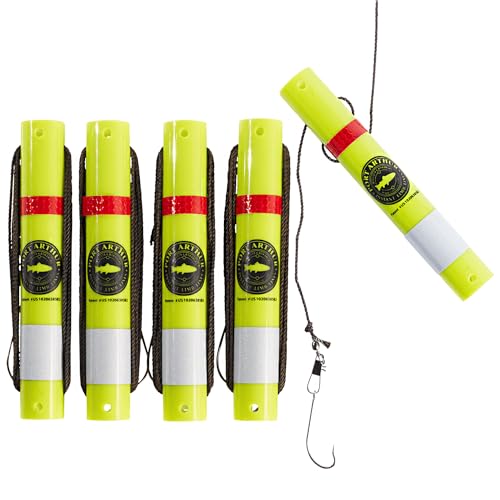
- ✓ Easy to use setup
- ✓ High visibility in all light
- ✓ Durable, long-lasting materials
- ✕ Limited to overhanging branches
- ✕ Not adjustable length
| Line Material | Tarred nylon seine twine with 100 lb breaking strength |
| Line Length | Approximately 7 feet |
| Hook Type | #7 standard snap swivel with hook |
| Tube Material | Polyethylene, durable and long-lasting |
| Visibility Features | Fluorescent green color with reflective tape for day and night visibility |
| Additional Features | Includes indicator tube that moves upward when a fish is caught |
Many folks assume that limb lines are complicated or require constant attention, but that couldn’t be further from the truth with the Port Arthur 5-Pack Catfish Limb Lines Trot Line Kit. I was surprised how easy it was to set up—just unwind the line, attach your hook and bait, then slip-tie it to an overhanging branch.
It’s so straightforward, it feels almost foolproof.
The bright fluorescent green tubes make spotting your lines a breeze during daylight, and the reflective tape adds extra visibility when night falls. I left a few out overnight, and the indicator tubes stayed in the perfect upward position, alerting me to bites without me having to hover around.
It’s perfect for passive fishing, whether you’re just relaxing or out in a survival scenario.
What I really liked is how versatile and scalable this setup is. You can put out multiple lines at once, boosting your chances of catching fish—especially catfish and other species that hang around overhanging branches.
The polyethylene tubes feel sturdy, and the line’s 18 tarred nylon twine with a 100 lb strength is tough enough for larger catches.
Plus, the hook and line come safely stored in the tube, which keeps everything organized and ready to go. Overall, it’s a reliable, effective, and simple way to fish passively.
Whether you’re a seasoned angler or a beginner, these limb lines make fishing more accessible and fun.
What Makes a Location Ideal for Jug Line Fishing?
Several factors contribute to making a location ideal for jug line fishing:
- Water Depth: Ideal jug line fishing requires specific water depths that vary depending on the species targeted. Typically, depths of 6 to 15 feet are preferred, as these areas are often rich in fish activity and provide ample shelter for fish to congregate.
- Current and Structure: Locations with moderate current and underwater structures, such as fallen trees, rocks, or submerged vegetation, attract fish. These structures provide hiding spots for fish, making them more likely to bite on jug lines set nearby.
- Temperature and Seasonal Patterns: Fish are more active in certain temperature ranges and during specific seasons. Ideal locations for jug line fishing are those where the water temperature is conducive to fish activity, typically between 60°F to 80°F, especially in spring and fall when fish are spawning or feeding heavily.
- Food Sources: Areas with abundant natural food sources, such as shad, minnows, or insects, make for excellent jug line fishing spots. When fish have easy access to food, they are more likely to be present and active, increasing the chances of a successful catch.
- Accessibility: The practicality of reaching and setting up jug lines is crucial. Ideal locations are often those that are easily accessible by boat or shore, allowing anglers to set and monitor their lines with minimal effort.
How Do Water Conditions Influence Jug Line Fishing Success?
Water conditions significantly influence the success of jug line fishing, affecting fish behavior and habitat preferences.
- Water Temperature: The temperature of the water plays a crucial role in fish metabolism and feeding patterns. Warmer waters generally increase fish activity, making it more likely to find them in shallower areas, while cooler temperatures can push fish to deeper spots or slow down their feeding.
- Oxygen Levels: Fish require adequate dissolved oxygen levels in the water to thrive. In areas where oxygen levels are high, such as near moving water or vegetation, fish are more likely to be active and feeding, which enhances jug line fishing success.
- Water Clarity: The clarity of the water affects how fish can see baits and how predators hunt. In murky waters, fish may rely more on their other senses, meaning that using brightly colored or scented jugs can be more effective, while clearer waters may require more natural presentations.
- Current and Flow: Areas with current can concentrate fish in certain spots, making them easier to target with jug lines. Understanding how currents affect fish movement and positioning can help anglers select the best areas to deploy their jugs.
- Weather Conditions: Weather can influence water conditions, such as temperature and clarity, and subsequently affect fish behavior. Overcast days may lead to increased fish activity and feeding, while bright, sunny days might cause fish to seek cover, impacting where jugs should be placed.
What Geographic Features Should You Look For When Jug Line Fishing?
When jug line fishing, certain geographic features can significantly enhance your success rate.
- Shallow Flats: Shallow areas near the shoreline can be hotspots for fish, especially during warmer months, as many species seek refuge in these shallower waters. These flats often attract baitfish, which in turn draws larger predatory fish.
- Drop-offs: Areas where the depth of the water suddenly changes, known as drop-offs, can be prime spots for larger fish. These drop-offs provide a transition zone where fish can easily move between shallow feeding areas and deeper resting spots.
- Weed Beds: Vegetation in the water, such as lily pads or submerged grass, offers cover for fish and attracts baitfish, creating an ideal environment for jug line fishing. Fish often hide in these areas to ambush their prey, making them excellent locations for setting jugs.
- Rock Piles: Submerged rocks or boulders can create ambush points for fish, making them an attractive feature for jug line fishing. These structures disrupt the current and provide shelter, which can increase the likelihood of catching fish in their vicinity.
- River Mouths: The areas where rivers meet larger bodies of water can be particularly fruitful, as they serve as migration routes for fish. The mixing of freshwater and saltwater, along with nutrient-rich waters, often leads to increased fish activity in these zones.
- Points and Jetties: Natural features that extend into the water like points or man-made structures such as jetties can create current breaks, which attract fish. These areas often provide cover and a rich feeding ground, making them ideal for setting jug lines.
- Backwaters: These calm, often shallow areas away from the main current can be home to various fish species, particularly during spawning seasons. The reduced flow in backwaters allows for easy access to food sources, making them viable spots for jug line fishing.
What Are the Top Freshwater Locations for Jug Line Fishing?
The top freshwater locations for jug line fishing are diverse and plentiful, offering anglers a range of environments to target various fish species.
- Lake Texoma: This expansive reservoir straddles the Texas-Oklahoma border and is known for its abundant catfish population. The varied underwater structures and ample baitfish make it an ideal spot for jug line fishing, especially during warmer months when catfish are more active.
- Red River: Flowing through Texas and Louisiana, the Red River is rich in nutrients and supports a diverse ecosystem. Anglers can find great success jug line fishing for catfish here, particularly in deeper pools where fish congregate, especially after rain events that increase water flow.
- Mississippi River: The largest river in North America, the Mississippi offers numerous spots for jug line fishing, especially around its backwaters and tributaries. The river’s varied habitat supports a robust catfish population, making it a favorite among jug liners looking for larger catches.
- Lake Erie: While primarily known for its perch and walleye, Lake Erie also boasts substantial catfish populations. The shallow bays and channels provide ideal conditions for jug line fishing, particularly during the warmer summer months when catfish are actively feeding.
- Toledo Bend Reservoir: Located on the Texas-Louisiana border, this reservoir is a hotspot for catfish and offers numerous coves and channels for jug line fishing. The variety of underwater structures and abundant baitfish make it an excellent choice for both novice and experienced anglers.
- Lake Okeechobee: Known as Florida’s largest freshwater lake, Okeechobee is not only famous for bass fishing but also for its thriving catfish population. The rich ecosystem, including marshes and reed beds, provides perfect spots for setting jug lines, especially in the warmer months.
- Savannah River: Flowing through Georgia and South Carolina, the Savannah River features diverse habitats that are perfect for jug line fishing. Anglers can target catfish in the slower-moving sections of the river, particularly near bends and eddies where fish tend to gather.
Which Lakes Are Famous for Jug Line Fishing Success?
The best areas to jug line fish are known for their abundant fish populations and favorable conditions.
- Lake Fork, Texas: This lake is renowned for its trophy-sized largemouth bass and offers excellent jug line fishing opportunities. The ample structure and cover, including submerged trees and vegetation, create ideal habitats for fish, making it a popular spot for anglers.
- Lake Okeechobee, Florida: Known as one of the largest freshwater lakes in the U.S., Lake Okeechobee is famous for its diverse fish species, including catfish and bass. The rich aquatic vegetation and nutrient-rich waters contribute to a thriving ecosystem, making jug line fishing highly successful here.
- Lake Champlain, Vermont/New York: This large lake is well-known for its variety of fish species, particularly catfish and pike. The diverse habitats, including bays and river inlets, provide excellent opportunities for jug line fishing, with numerous spots to set up lines.
- Pickwick Lake, Tennessee/Mississippi/Alabama: Pickwick Lake is celebrated for its abundant population of catfish, making it a prime location for jug line fishing. The lake’s clean waters and diverse habitats attract fish, while the scenic surroundings add to the fishing experience.
- Lake Mead, Nevada: As one of the largest man-made lakes in the U.S., Lake Mead offers anglers a chance to catch a variety of fish, including catfish and striped bass. The lake’s deep channels and rocky shorelines provide excellent environments for setting jug lines, increasing the chances of a successful catch.
What Rivers Offer the Best Jug Line Fishing Opportunities?
Several rivers are renowned for their exceptional jug line fishing opportunities:
- Mississippi River: The Mississippi River is one of the most popular locations for jug line fishing due to its diverse fish species and abundant populations of catfish. Anglers can set their jugs in various areas, including backwaters and deeper channels, where catfish often gather, especially during the warmer months.
- Ohio River: The Ohio River offers great jug line fishing, particularly for channel and flathead catfish. This river’s slower moving sections and numerous eddies provide prime habitat for catfish, making it an ideal spot for anglers looking to use jug lines effectively.
- Arkansas River: The Arkansas River is known for its ample catfish population, making it a fantastic destination for jug line fishing. Fishermen can find success by placing jugs near structure, such as fallen trees or rocky outcrops, where catfish are likely to congregate.
- Rio Grande: The Rio Grande presents a unique jug line fishing experience, particularly in the warmer climates of southern Texas and New Mexico. The river’s meandering channels and varied depths create excellent conditions for both channel and flathead catfish, providing anglers with plenty of opportunities.
- Cumberland River: The Cumberland River is famous for its trophy-sized catfish and is a favorite among jug line fishermen. The river’s mix of deep holes and swift currents allows anglers to target large catfish effectively, particularly during the night when fish are more active.
What Coastal Areas Are Known for Excellent Jug Line Fishing?
The best areas to jug line fish are often characterized by abundant fish populations and suitable water conditions.
- Lake Texoma, Texas/Oklahoma: This large reservoir is renowned for its catfish population, particularly blue catfish. The blend of freshwater inflows and varying depths creates ideal conditions for jug line fishing, attracting anglers from across the region.
- Mississippi River, Louisiana: The Mississippi River provides a rich habitat for catfish, especially in its slower-moving sections. Anglers can successfully jug line fish in the backwaters and oxbow lakes where catfish congregate, making it a prime location for catching trophy-sized fish.
- Caddo Lake, Texas: This diverse and scenic lake is famous for its lush cypress trees and abundant wildlife. The network of canals and shallow waters supports a thriving catfish population, making it an excellent spot for jug line fishing, particularly during warmer months.
- Chesapeake Bay, Maryland/Virginia: While known for its blue crabs, Chesapeake Bay also offers great opportunities for jug line fishing for catfish. The tidal waters create a dynamic environment where fish are plentiful, especially in the summer when they move into shallower areas to feed.
- Lake Murray, South Carolina: This sprawling lake is a hotspot for various species, including catfish. With its deep waters and abundant structure like submerged trees and ledges, Lake Murray presents excellent jug line fishing conditions, particularly during the nighttime when catfish are more active.
Which Coastal Regions Provide Ideal Conditions for Jug Line Fishing?
The best areas to jug line fish typically feature warm waters and abundant fish populations.
- Lake Systems: Many freshwater lakes offer ideal conditions for jug line fishing due to their stable water temperatures and rich aquatic ecosystems.
- Rivers and Streams: Flowing bodies of water can be excellent for jug fishing, especially in sections with slow currents where fish tend to congregate.
- Coastal Bays and Estuaries: These areas provide a mix of salt and freshwater, attracting a variety of fish species and creating a productive fishing environment.
- Warm Water Outlets: Power plants and industrial facilities often discharge warm water into nearby bodies, making these spots highly attractive for fish.
- Marinas and Docks: The structure and cover provided by marinas and docks can harbor fish, making them effective locations for jug line fishing.
Lake systems are often home to various fish species and maintain relatively consistent temperatures, making them a prime choice for jug line fishing. The availability of underwater structures, like submerged trees or rocks, can further enhance fishing success.
Rivers and streams can be advantageous for jug line fishing, particularly in areas where the water slows down, allowing fish to rest and feed. Fishing in these locations may also yield different species depending on the river’s ecosystem.
Coastal bays and estuaries serve as nurseries for many fish species, making them productive fishing grounds. The brackish waters in these areas often attract both freshwater and saltwater fish, providing a diverse catch.
Warm water outlets are particularly effective spots for jug line fishing because the increased water temperature draws fish looking for warmer habitats, especially during cooler months. The presence of nutrients in these areas can also lead to higher fish concentrations.
Marinas and docks provide both structure and shelter for fish, making them prime locations for jug line fishing. These areas often attract baitfish, which in turn draws larger predator fish, increasing the chances of a successful catch.
What Seasonal Factors Affect Jug Line Fishing in Coastal Areas?
Seasonal factors significantly influence jug line fishing in coastal areas, affecting fish behavior and availability.
- Water Temperature: The temperature of the water plays a crucial role in fish metabolism and activity levels. Warmer waters during the summer months often lead to increased fish activity, making them more likely to bite, while cooler temperatures in spring and fall may slow down their feeding habits.
- Spawning Seasons: Many fish species have specific spawning periods, which can vary by region and species. During these times, fish may become more aggressive in their feeding behaviors to recover energy, and they may also congregate in certain areas, making them easier to target with jug lines.
- Weather Patterns: Changes in weather can impact fish behavior significantly. Overcast days may enhance fish feeding activity, while bright, sunny days might push fish to deeper waters, altering where jug lines should be set for optimal success.
- Seasonal Migration: Many fish species migrate seasonally in search of food and spawning grounds. Understanding these migration patterns can help anglers identify the best areas to jug line fish at different times of the year.
- Precipitation: Rainfall and its effects on water levels can influence fish habitats. Increased rainfall may lead to higher river flows and altered salinity levels in coastal areas, affecting where fish are located and how they respond to bait.
- Moon Phases: The moon’s phases can affect fish feeding patterns, with certain phases being more favorable for fishing. Anglers often report better catches during full moons or new moons when fish tend to be more active, making it a critical factor to consider when planning jug line fishing trips.
What Regulations Should Be Considered for Jug Line Fishing?
When jug line fishing, it’s essential to consider various regulations to ensure compliance and promote sustainable fishing practices.
- State Fishing Licenses: Most states require anglers to possess a valid fishing license to engage in jug line fishing. This ensures that fishermen are aware of local regulations and contributes to conservation efforts.
- Jug Line Specifications: Regulations often dictate the size, material, and number of jugs that can be used. These specifications help prevent environmental damage and ensure that fishing methods are humane and efficient.
- Species Limits and Restrictions: Different states have specific rules regarding the types of fish that can be caught using jug lines, including size limits and daily bag limits. Adhering to these restrictions helps maintain fish populations and ecosystems.
- Restricted Areas: Certain bodies of water may have designated no-fishing zones or specific regulations that restrict jug line fishing. It’s crucial to check local guidelines to avoid fines and promote responsible fishing.
- Seasonal Regulations: Some regions impose seasonal restrictions on jug line fishing to protect spawning fish or during specific ecological events. Awareness of these seasons is vital for sustainable fishing practices and compliance with local laws.
Are There Specific Local Laws for Jug Line Fishing in Popular Areas?
There are indeed specific local laws governing jug line fishing in various popular areas.
- Texas: Texas has specific regulations for jug line fishing, including a limit on the number of jugs that can be used, which is typically set at 5 per person. Additionally, all jug lines must be marked with the angler’s name and address, ensuring accountability and safety on the waters.
- Florida: In Florida, jug lines are allowed but must comply with state regulations regarding the types of bait and the size of the jugs used. Anglers are also required to check their jugs regularly to prevent the entrapment of non-target species and to ensure compliance with fish size and bag limits.
- Alabama: Alabama permits jug line fishing with specific restrictions on the materials used for jugs and the number of lines that can be set. The state emphasizes the importance of using biodegradable materials for jugs to minimize environmental impact in the event they are lost.
- Louisiana: Jug fishing in Louisiana is regulated with a requirement that all jugs be attended by the angler or marked with a name and contact number. Additionally, there are seasonal restrictions on certain waters to protect fish populations during spawning periods.
- Mississippi: Mississippi has guidelines that specify the type of fish that can be caught with jug lines, and anglers must adhere to size and creel limits. Jugs must also be marked with the angler’s information to help in identifying ownership and reduce littering.