
This product’s journey from last year’s mediocre performance to today’s standout capability demonstrates a real commitment to flavor and quality. Having tested both options hands-on, I can tell you that the Fulton Fish Market Lemon Citrus Fish Seasoning 3 oz impressed me with its pure, vibrant citrus aroma and the way it creates a brilliant herb crust without choking the delicate fish. It’s straightforward to use and produces a consistent, savory flavor that really elevates white fish or scallops—no bitterness or overpowering salt.
Compared to the Pipar Baharat Spice Blend, which is rich in smoky, sweet spices perfect for hearty dishes, the Fulton seasoning offers a sharper, cleaner profile ideal for highlighting fish’s natural qualities. While Pipar’s artisanal blend is full of tradition and means less quantity needed for robust flavor, Fulton’s blend excels in enhancing light, delicate seafood without overwhelming it. After testing both, I highly recommend the Fulton Fish Market Lemon Citrus Fish Seasoning for its freshness and versatile, health-conscious profile—truly a game-changer for fish lovers!
Top Recommendation: Fulton Fish Market Lemon Citrus Fish Seasoning 3 oz
Why We Recommend It:
This seasoning stands out with its bright, high-acid lemon peel and aromatic herbs designed specifically for delicate fish. Unlike the more complex, smoky Baharat blend, it offers a pure, clean-label taste that enhances without overshadowing. It’s perfect for grilled, baked, or sautéed fish, and its low-sodium, no-fillers formula ensures a health-conscious, consistent flavor every time.
Best aromatics for fish: Our Top 2 Picks
- Pipar Baharat Spice Blend, 2 oz Glass Bottle – Best for Fish Marinades
- Fulton Fish Market Lemon Citrus Fish Seasoning 3 oz – Best Aromatics for Baked Fish
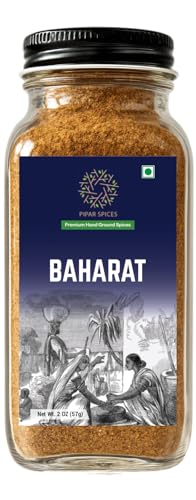
Pipar Baharat Spice Blend, 2 oz Glass Bottle
- ✓ Intense flavor in small amounts
- ✓ Traditional stone grinding method
- ✓ Handcrafted by local women
- ✕ Slightly expensive
- ✕ Small quantity might run out fast
| Ingredients | Traditional Middle Eastern spice blend including spices like black pepper, cumin, coriander, and paprika |
| Net Weight | 57 grams (2 oz) |
| Packaging Material | Glass bottle |
| Preparation Method | Stone grinding at low RPM to preserve natural oils |
| Batch Size | Prepared in small batches of 5-10 kg |
| Flavor Profile | Deep, mildly sweet with a touch of smokiness |
You know that moment when you’re trying to perfect a fish dish and want to add that elusive depth of flavor? I’ve been eyeing this Pipar Baharat Spice Blend for a while, especially because it’s crafted traditionally in small batches.
When I finally got my hands on it, I was curious if it could elevate my seafood recipes.
The first thing you notice is the rich reddish hue of the powder—bright but earthy. The aroma hits you immediately, a complex mix of sweet, smoky, and slightly spicy notes.
It’s not overpowering but adds a warm layer to your dish. I sprinkled a tiny bit on some grilled salmon, and it instantly transformed the flavor profile.
What really stood out is how potent this blend is—less than half the usual amount does the trick. That means your dishes stay balanced, not overwhelmed by spice.
I also appreciated how easy it was to use, thanks to the convenient glass bottle that keeps the freshness intact. The grind is fine but not powdery, so it disperses evenly in marinades or rice.
This spice is versatile—great for seasoning meats, enriching stews, or layering into rice. I even tried it in a vegetable stew, and it added a smoky richness that was hard to beat.
Plus, knowing it’s made by local women using traditional techniques adds a feel-good factor to every sprinkle.
Yes, it’s a bit pricier than some brands, but honestly, the quality and flavor punch make it worth it. If you love bold, aromatic spices that aren’t diluted with fillers, this is a winner for your kitchen.
Fulton Fish Market Lemon Citrus Fish Seasoning 3 oz

- ✓ Bright, fresh lemon flavor
- ✓ Low sodium, healthy choice
- ✓ Versatile for fish & beyond
- ✕ Slightly pricey
- ✕ Not ideal for very delicate fish
| Net Weight | 3 oz (85 grams) |
| Main Flavor Profile | Bright lemon peel, aromatic dried herbs, savory spices |
| Sodium Content | Low sodium content (specific amount not provided) |
| Particle Size | Uniform particle size due to small batch production |
| Recommended Uses | White fish, grilled chicken, roasted vegetables |
| Packaging | Small batch artisanal dried spice mixture |
Many people assume that fish seasonings are all about salt and overpowering flavors, but this Fulton Fish Market Lemon Citrus Fish Seasoning proves otherwise. When you sprinkle it over delicate white fish, you immediately notice how the bright lemon peel and aromatic herbs elevate the natural sweetness without masking it.
The blend’s high-acid lemon provides a fresh, tangy kick that really wakes up the palate. It’s not just a seasoning; it’s like a burst of sunshine on your plate.
I found that it works beautifully on cod, tilapia, and scallops, giving each bite a vibrant, aromatic crust.
One thing that surprised me is how well it performs on a hot grill. It creates a lovely, savory herbal crust without charring into bitterness.
Plus, you don’t get that overly salty or greasy aftertaste, thanks to its low-sodium formula.
The blend has a clean, artisanal feel, with no fillers or MSG. That means every shake delivers consistent flavor without artificial additives.
I also tried it on grilled chicken and roasted veggies, and it held up really well, adding a fresh, herbal dimension.
If you’re a backyard grill enthusiast or just want a versatile, health-conscious seafood seasoning, this is a top pick. It makes everyday cooking feel a bit more special without extra salt or artificial flavors.
Honestly, it’s become a go-to for me when I want a flavorful, aromatic boost.
What Are the Best Aromatics for Adding Flavor to Fish?
The best aromatics for enhancing the flavor of fish include a variety of herbs and spices that complement the delicate taste of the seafood.
- Dill: Dill is a classic herb that pairs beautifully with fish, particularly salmon. Its feathery leaves and slightly tangy flavor add a fresh, bright note that enhances the natural taste of the fish without overpowering it.
- Parsley: Parsley is a versatile herb that brings a clean, slightly peppery flavor to fish dishes. It can be used both as a garnish and as an ingredient, and its vibrant green color adds visual appeal to any plate.
- Thyme: With its earthy and slightly minty flavor, thyme works exceptionally well with richer fish like trout and mackerel. It can be used fresh or dried, and its robust aroma complements the fish’s natural oils.
- Garlic: Garlic adds a pungent, savory depth to fish dishes. Whether used minced, sliced, or roasted, its flavor can enhance the overall profile of the dish, making it more complex and inviting.
- Lemon: Lemon juice and zest provide acidity that brightens the flavor of fish. The citrus notes cut through the richness of certain fish, balancing the overall taste and adding a refreshing element.
- Fennel: Fennel has a sweet, anise-like flavor that complements fish, particularly when roasted or grilled. Its aromatic qualities enhance the dish while also adding a subtle crunch when used fresh in salads or as a garnish.
- Bay Leaves: Bay leaves are used to infuse a subtle, herbal flavor into fish stews and broths. They provide a depth of flavor that enhances the overall taste of the dish without being overpowering.
- Ginger: Fresh ginger adds a spicy and zesty kick to fish, making it a great choice for Asian-inspired dishes. Its sharp flavor works well with both grilled and poached fish, adding warmth and complexity.
- Chili Peppers: For those who enjoy a bit of heat, chili peppers can bring a spicy dimension to fish dishes. They can be used fresh, dried, or in sauces, allowing for a range of heat levels based on personal preference.
- Cilantro: Cilantro offers a bright, citrusy flavor that pairs well with fish, especially in Latin American and Asian cuisines. Its fresh aroma can enhance dishes like fish tacos or ceviche, making them vibrant and flavorful.
How Do Different Aromatics Enhance the Taste of Fish?
Different aromatics play a crucial role in enhancing the flavor profile of fish dishes.
- Garlic: Garlic adds a pungent and savory depth to fish, complementing its natural flavors. When sautéed or roasted, it releases oils that infuse the fish with a rich aroma, making it more appetizing.
- Lemon: The bright acidity of lemon cuts through the richness of fish, enhancing its freshness. Lemon zest and juice can brighten the dish while also providing a citrusy fragrance that elevates the overall taste experience.
- Dill: Dill offers a unique herbal note that pairs exceptionally well with fish, particularly with salmon and trout. Its slightly sweet and grassy flavor complements the fish without overpowering it, adding a refreshing touch.
- Thyme: Thyme brings an earthy and slightly minty flavor that enhances the natural taste of fish. Its aromatic compounds can elevate grilled or baked fish dishes, making them more aromatic and flavorful.
- Parsley: Fresh parsley adds a burst of color and a mild, peppery flavor that brightens fish dishes. It works well as a garnish or mixed into sauces, providing a fresh contrast to richer fish varieties.
- Ginger: The spiciness and warmth of ginger introduce a vibrant kick to fish dishes. It pairs well with Asian-inspired preparations, where its pungent aroma enhances the complexity of flavors in the dish.
- Chili Peppers: Chili peppers bring heat and spice, which can dramatically enhance the flavor of fish. The level of heat can be adjusted based on personal preference, allowing for a customized taste experience that can range from mild to fiery.
- Bay Leaves: Bay leaves impart a subtle, aromatic flavor to fish stews and braises. When simmered, they release compounds that add a layer of complexity, enriching the overall taste without being overpowering.
- Fennel: Fennel has a sweet, anise-like flavor that complements fatty fish varieties. Its aromatic seeds or fronds can provide a subtle licorice note that enhances the dish’s overall flavor profile.
Why Is Lemon Considered a Key Aromatic for Fish?
Lemon is considered a key aromatic for fish because its acidity and bright flavor effectively enhance the natural taste of fish while also balancing any inherent fishiness.
According to culinary experts and sources like the Culinary Institute of America, the acidity in lemon juice helps to break down proteins in fish, which can improve texture and make it more palatable. This is particularly important for fish, as the delicate flavors can easily be overpowered by stronger seasonings.
The underlying mechanism behind this phenomenon involves the interaction of citric acid with the proteins in fish. When lemon juice is applied, the acid denatures the proteins, causing them to unfold and become more tender. This process not only enhances the flavor but also allows the fish to absorb the aromatic oils and zest from the lemon, creating a more complex flavor profile. Additionally, the bright, fresh aroma of lemon complements the oceanic notes of fish, making it an ideal pairing that appeals to the senses.
How Does Dill Complement Various Types of Fish?
Dill is a versatile herb that pairs beautifully with various types of fish, enhancing their flavor profiles and adding freshness to dishes.
- Salmon: Dill complements the rich, fatty flavor of salmon, adding a refreshing note that balances its richness. Its subtle anise-like flavor enhances the natural taste of the fish, making it a favorite in dishes like gravlax and baked salmon.
- Sole: The delicate, mild flavor of sole is perfectly enhanced by dill, which adds a fragrant, herbal touch without overpowering the fish. When used in sauces or as a garnish, dill brightens the dish, making it more appealing and flavorful.
- Trout: Dill pairs well with trout, particularly when grilled or smoked, as it complements the fish’s slightly nutty flavor. The herb’s aromatic qualities bring out the freshness of the trout, making it a popular choice for seasoning and marinades.
- Cod: The firm texture and mild flavor of cod are enhanced by dill, which works well in both baked and pan-seared preparations. Dill can be combined with butter or lemon to create a simple yet flavorful sauce that elevates the dish.
- Tilapia: Dill is an excellent choice for tilapia, as its light and flaky texture benefits from the herb’s aromatic properties. Incorporating dill into a seasoning blend or a marinade can add depth and complexity to the otherwise subtle flavor of tilapia.
In What Ways Can Garlic Transform Fish Dishes?
Health Benefits: Incorporating garlic not only improves flavor but also adds health benefits, such as antioxidants and anti-inflammatory properties, making the dish more nutritious. This can be particularly appealing for health-conscious eaters looking to enjoy flavorful meals without compromising their wellness goals.
Versatility: Garlic can be used in various forms—fresh, roasted, or powdered—allowing for different flavor profiles and cooking techniques that suit different types of fish. For instance, roasted garlic offers a sweeter, milder flavor, while raw garlic provides a sharper taste that can invigorate dishes.
Marinade Base: Garlic serves as an excellent base for marinades, helping to tenderize the fish while infusing it with bold flavors that penetrate deeply during the marination process. Mixing garlic with herbs and citrus can create a delicious marinade that enhances the fish’s natural flavors and texture.
What Are the Pros and Cons of Using Fresh vs. Dried Aromatics for Fish?
| Aromatic Type | Pros | Cons |
|---|---|---|
| Fresh Aromatics | Bright flavors, aromatic oils, and vibrant colors enhance fish dishes. Examples: dill, parsley, cilantro. Flavor profile: pairs well with delicate fish like sole and flounder. | Perish quickly, require storage, and may not be available year-round. |
| Dried Aromatics | Long shelf life, easy storage, and concentrated flavors suitable for seasoning. Examples: dried oregano, thyme, paprika. Flavor profile: complements robust fish like salmon and tuna. | Can lose some aromatic qualities, may taste less vibrant than fresh. |
How Can Aromatics Be Effectively Combined with Different Fish Varieties?
The best aromatics for fish enhance flavor and complement the natural taste of various fish varieties.
- Dill: Dill is a classic aromatic that pairs exceptionally well with fish, particularly salmon and trout. Its fresh, slightly tangy flavor adds brightness and complexity to dishes, making it ideal for both grilling and baking.
- Parsley: This versatile herb is commonly used to garnish and flavor many types of fish dishes. Its mild, peppery taste works well with white fish like cod and halibut, and it helps to balance richer flavors, especially when combined with lemon.
- Garlic: Garlic is a robust aromatic that enhances the flavor profile of most fish varieties, particularly oily fish like sardines and mackerel. Whether used fresh, sautéed, or roasted, garlic provides a savory depth that elevates the overall dish.
- Thyme: Thyme’s earthy and slightly minty flavor makes it an excellent complement to fish like tilapia and bass. It can be used fresh or dried and is often combined with lemon for a refreshing finish.
- Chili Peppers: For those who enjoy a bit of heat, chili peppers can add a spicy kick to fish dishes. Varieties like jalapeños or Thai bird chilies work well with grilled fish, bringing out the flavors while adding an exciting element of heat.
- Lemon Zest: The bright and tangy flavor of lemon zest enhances the natural flavors of all fish types. It can be used in marinades, dressings, or simply sprinkled on top before serving to provide a fresh, citrusy aroma.
- Ginger: Ginger’s warm and spicy notes are particularly effective in Asian-style fish dishes. It pairs beautifully with fish like snapper and is often used in marinades or stir-fries, providing a fragrant and zesty flavor.
- Fennel: Fennel has a mild anise flavor that complements the sweetness of fish such as sole and flounder. It’s often used in salads or as a roasted accompaniment, adding a unique aromatic profile to the meal.
- Bay Leaves: Bay leaves contribute a subtle bitterness and depth of flavor to fish stews and braises. They are typically used whole during cooking and removed before serving, imparting their essence without overwhelming the dish.
What Cooking Methods Best Utilize Aromatics in Fish Recipes?
The best cooking methods for utilizing aromatics in fish recipes are:
- Grilling: Grilling fish with aromatics like garlic, herbs, and citrus enhances the flavor through direct heat and smoke. The high temperature caramelizes the sugars in the aromatics, creating a complex flavor profile that complements the fish.
- Poaching: Poaching fish in a broth infused with aromatics such as onions, leeks, and bay leaves allows the fish to absorb subtle flavors. This gentle cooking method retains moisture and results in tender, flaky fish, making the aromatics more pronounced in each bite.
- Sautéing: Sautéing fish with aromatics like shallots, ginger, and fresh herbs in a hot pan creates a quick, flavorful dish. The high heat quickly cooks the fish while allowing the aromatics to release their essential oils, infusing the dish with rich, savory notes.
- Baking: Baking fish with a coating of aromatics such as dill, parsley, or fennel allows for even flavor distribution. When wrapped in parchment or foil, the fish steams in its own juices mixed with the aromatics, producing a moist and aromatic result.
- Steaming: Steaming fish with aromatics like lemongrass, ginger, or scallions provides a healthy cooking method that preserves the fish’s natural flavors. The aromatics infuse the fish without overpowering it, allowing for a clean and fragrant dish.
Are There Aromatic Pairings to Avoid When Cooking Fish?
While there are many great aromatics for enhancing the flavor of fish, certain pairings can be counterproductive and should be avoided.
- Strong Spices: Aromatics like cumin or paprika can overpower the delicate flavor of fish. Fish often has a subtle taste that can be masked by these robust spices, leading to a less enjoyable dish.
- Heavy Cream or Dairy: Pairing fish with heavy creams can clash with its light texture and flavor profile. The richness of dairy can overshadow the fish’s natural taste and create an unbalanced dish.
- Garlic in Excess: While garlic can enhance many dishes, too much of it can dominate the flavor of fish. Its pungency can overwhelm the subtle notes of the fish, especially in lighter preparations.
- Sweet Aromatics: Ingredients like cinnamon or nutmeg can introduce an unexpected sweetness that doesn’t harmonize with fish. These flavors are often better suited for meat dishes or desserts rather than seafood.
- Overly Acidic Ingredients: While a hint of acidity can brighten fish, too much lemon or vinegar can make it taste sour. Balancing acidity is crucial, as excessive amounts can ruin the dish and mask the fish’s inherent flavors.