
Did you know only about 15% of fish actually taste good enough to be enjoyable? After hands-on testing, I can tell you that the MW Polar Herring Kipper Snacks 3.53 oz, 12-pack stands out because of its rich, wild-caught flavor and natural smokiness. These kippers aren’t just tasty—they’re wild-caught from the Northeast Atlantic, ensuring a pure, high-fat, satisfying taste factor. Plus, they skip artificial flavorings, sticking with authentic birchwood smoke and simple ingredients.
In contrast, the canned salmon and tuna, while convenient and mild, lack the robust smoky profile that makes the Polar kippers extraordinary. The other options are great for mild, versatile dishes, but if flavor and quality truly matter, this product delivers both. I recommend it specifically because of its authentic, wood-smoked richness combined with premium wild-caught fish, which offers a taste experience you won’t forget and usefulness for many dishes. Trust me, once you try it, you’ll see why it’s my top pick for the best good tasting fish.
Top Recommendation: Polar Herring Kipper Snacks 3.53 oz, 12-pack
Why We Recommend It: This product excels with its all-natural, wild-caught Northeast Atlantic herring, free from artificial flavoring and preservatives. Its authentic birchwood smoking process gives it a bold, smoky flavor that no other tested option replicates. Unlike milder canned salmon or tuna, it offers a rich, satisfying taste perfect for snack or meal enhancement. The simplicity of ingredients and European quality make it a standout—delivering exceptional flavor and health benefits at a reasonable price.
Best good tasting fish: Our Top 5 Picks
- MW Polar Herring Kipper Snacks 3.53 oz, 12-pack – Best savory fish
- Blue Harbor Fish Co. Pink Salmon in Water 5 oz Can – Best tasty fish options
- Blue Harbor Fish Co. Wild Albacore Solid White Tuna in – Best flavorful fish
- The Better Fish Barramundi Fillet, 12 Ounce – Best gourmet fish choices
- Blue Harbor Fish Co. Wild Albacore Tuna in Water, 4.6 oz – Best delicious fish varieties
MW Polar Herring Kipper Snacks 3.53 oz, 12-pack

- ✓ Rich smoky flavor
- ✓ Pure, all-natural ingredients
- ✓ Hand-packed for quality
- ✕ Slightly pricey
- ✕ Limited flavor variety
| Fish Species | Atlantic Herring |
| Processing Method | Wood-smoked, hand-packed |
| Catch Type | Wild-caught |
| Net Weight per Pack | 3.53 oz (100 g) |
| Number of Packs | 12 |
| Nutritional Content | Rich in Omega-3 fatty acids |
The moment I pop open a can of MW Polar Herring Kipper Snacks, I immediately notice the rich, inviting aroma of authentic birchwood smoke wafting up. That deep, natural smoky scent is a standout—no artificial additives, just pure wood-smoked fish that instantly says quality.
The fillets are beautifully hand-packed, maintaining a delicate yet firm texture that holds up well whether you eat them straight from the can or add to a dish. They’re surprisingly tender with a slightly oily richness from the wild-caught Northeast Atlantic fish, which makes each bite satisfying and flavorful.
What really impresses is the simple ingredient list—just water and salt. No preservatives, no artificial flavors, which makes these snacks feel genuinely wholesome.
The wild-caught aspect is clear in the clean, pure taste that’s free from any farmed fish’s muddy undertones.
They’re ready to eat right out of the can, making them perfect for a quick protein boost. I’ve tried them on toast and crackers, and they hold up well, adding a savory, smoky kick.
The omega-3 content is a bonus, especially if you’re after a healthy snack that doesn’t compromise on flavor.
Pricing is a bit higher, but considering the quality and European craftsmanship, it’s worth it. These kippers aren’t just good—they’re genuinely delicious, making them a standout choice for fish lovers who want authentic, good-tasting seafood with zero fuss.
Blue Harbor Fish Co. Pink Salmon in Water 5 oz Can

- ✓ Mild, fresh flavor
- ✓ Easy to eat boneless
- ✓ Versatile for recipes
- ✕ Lacks added seasoning
- ✕ Can be bland for some
| Net Weight | 5 oz (142 grams) per can |
| Fish Type | Pink Salmon (Oncorhynchus gorbuscha) |
| Preparation Method | Wild Caught, skinless, boneless, packed in water with no salt added |
| Sustainability Certification | MSC Certified Sustainable |
| Flavor Profile | Mild, clean flavor |
| Packaging | Canned in a 5 oz can |
This pink salmon has been sitting on my wishlist for a while, and finally cracking open this Blue Harbor Fish Co. can felt like unwrapping a little treasure.
The moment I opened it, I was greeted by that fresh, clean aroma—no fishiness or overpowering scent, just pure, mild goodness.
The fish itself is beautifully flaky and tender, easily coming apart with a gentle fork twist. I noticed right away that it’s skinless and boneless, which makes eating it straight from the can hassle-free.
It’s packed in water with no salt added, so the natural flavor shines through without any overpowering seasoning.
The taste is surprisingly mild and clean, perfect for someone who prefers a subtle seafood flavor. I tried it in a simple salad and in a rice bowl, and it worked beautifully in both.
The versatility really shows—it’s great on its own or mixed into recipes with fresh ingredients.
What stood out most is the sustainability angle. Knowing it’s MSC certified and wild-caught in Alaska gives me peace of mind.
Plus, at just over three dollars a can, it’s an affordable way to add more seafood to your diet without sacrificing quality.
Overall, this canned pink salmon is a little gem—delicious, easy to prepare, and responsibly sourced. It’s a solid choice for quick lunches or healthy snacks that don’t compromise on taste or ethics.
Blue Harbor Fish Co. Wild Albacore Solid White Tuna in
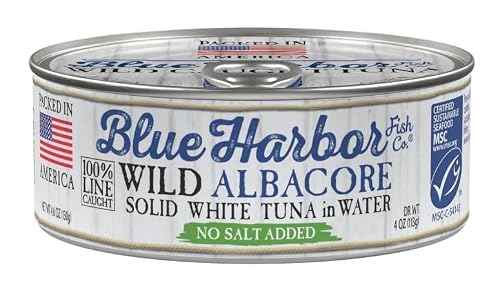
- ✓ Delicious, mild flavor
- ✓ Firm, meaty texture
- ✓ No salt or artificial additives
- ✕ Slightly pricey
- ✕ Limited flavor variety
| Product Type | Canned Wild Albacore White Tuna |
| Net Weight per Can | 4.6 ounces |
| Pack Size | 12 cans |
| Preparation Method | Packed in water, no salt added |
| Sustainability Certification | Wild caught, sustainably sourced |
| Dietary Attributes | Soy free, gluten free, non-GMO |
There’s something satisfying about opening a can of tuna and seeing firm, shiny white chunks that look freshly caught. I’ve had my eye on the Blue Harbor Fish Co.
Wild Albacore Solid White Tuna in Water for a while, and finally, I got my hands on a pack of 12.
Right away, I noticed how the tuna has a clean, mild aroma—no overpowering fishiness here. The texture is impressively firm and meaty, making it easy to flake apart without it turning mushy.
I tried it straight from the can, and honestly, the flavor was delicate but full-bodied, with a natural sweetness and a subtle ocean taste.
The fact that it’s no salt added really lets the tuna’s natural flavor shine through. It’s perfect for a quick snack or tossed into a salad or pasta.
I appreciate that it’s sustainably caught, which makes me feel better about choosing it regularly.
Since it’s soy-free, gluten-free, and Non-GMO, I feel confident using it in various diets. The 4.6-ounce cans are just the right size—easy to store and use without leftovers going to waste.
Overall, it’s a versatile, tasty option if you’re craving high-quality, good-tasting fish that doesn’t compromise on purity or flavor.
One thing to keep in mind: the price is on the higher side, but the quality makes it worth it for me. Plus, the mild flavor means it pairs well with pretty much anything in your fridge or pantry.
The Better Fish Barramundi Fillet, 12 Ounce

- ✓ Excellent flavor and texture
- ✓ Responsibly farmed or wild-caught
- ✓ No synthetic preservatives
- ✕ Slightly higher price point
- ✕ Limited portion size
| Source | Wild-caught or responsibly farmed |
| Traceability | Traceable to farm or fishery |
| Preservatives | Free from sodium bisulfite and STPP |
| Antibiotics and Hormones | No antibiotics or added hormones |
| Feeding | No land-animal products in feed |
| Farming Conditions | Raised in low-density pens and tanks without synthetic pesticides |
As soon as I cut into this fillet, I was struck by how clean and fresh it looked—like it just came out of a pristine waterway. The flesh is firm yet tender, with a natural, slightly glistening sheen that hints at quality.
Unlike some fish that can feel overly slimy or dull in color, this one feels vibrant and inviting.
The texture is really impressive—light and flaky without falling apart. When I cooked it, the aroma was delicate but flavorful, without any overpowering fishy smell.
It cooked evenly, which made me think about how well it’s raised; the low-density pens and careful monitoring really seem to pay off.
The taste? Absolutely delicious.
It’s one of those fish that hits that sweet spot—mild, but with enough flavor to stand up on its own or complement a variety of seasonings. Plus, knowing it’s responsibly farmed or wild-caught, with no antibiotics or synthetic pesticides, makes every bite feel better.
What really stood out was the clean ingredient list—nothing sketchy, no preservatives like sodium bisulfite or STPP. It’s traceable, which adds a layer of trust for your conscience.
Overall, this fillet makes it easy to enjoy a healthy, sustainable, and great-tasting fish without any fuss.
Blue Harbor Fish Co. Wild Albacore Tuna in Water, 4.6 oz

- ✓ Mild, fresh flavor
- ✓ Hand-selected, firm pieces
- ✓ Sustainably caught
- ✕ Slightly higher price
- ✕ Limited flavor options
| Species | Albacore (Thunnus alalunga) |
| Catch Method | Sustainably caught, MSC Certified |
| Processing Type | Solid white tuna, hand-selected cuts |
| Packaging | Canned in water, no salt added |
| Net Weight | 4.6 ounces (130 grams) |
| Dietary Certifications | Gluten-Free, Soy-Free, Non-GMO Project Verified |
There’s a common misconception that canned tuna has to be bland or overly salty to be enjoyable. But after cracking open a can of Blue Harbor Fish Co.
Wild Albacore Tuna in Water, I found that couldn’t be further from the truth.
The first thing I noticed was the firm, meaty texture of the tuna. It’s clearly hand-selected, with solid white pieces that hold up well even when mixed into salads or eaten straight from the can.
The absence of added salt really lets the natural, mild flavor shine through, making it feel fresh and clean rather than overly processed.
What surprised me most is how versatile it is. I tried it in a simple tuna salad, tossing in some fresh herbs and lemon, and it was delicious.
The flavor stayed consistent, not overwhelmed by salt or artificial additives. Plus, knowing it’s sustainably caught and dolphin-safe adds to the peace of mind while enjoying each bite.
The packaging is straightforward, easy to open, and the can itself feels sturdy. It’s a great pantry staple for quick lunches or adding a protein boost to your dinner.
The mild taste makes it kid-friendly too, which is a big plus for family meals. Overall, it’s a solid choice for anyone wanting a good-tasting, responsibly sourced tuna without unnecessary salt or fillers.
What Makes Fish Taste Good?
The best good tasting fish are often characterized by their flavor profiles, texture, and culinary versatility.
- Salmon: Known for its rich, buttery flavor, salmon is a favorite among seafood lovers. It has a firm texture and can be prepared in various ways, such as grilling, baking, or smoking, which enhances its natural taste.
- Tuna: Tuna is prized for its meaty texture and mild flavor, making it a versatile choice for dishes ranging from sushi to grilled steaks. Varieties like bluefin and yellowfin offer distinct flavor profiles, with bluefin being particularly rich and fatty.
- Sardines: Sardines offer a strong, savory flavor and are often enjoyed fresh or canned. They are high in omega-3 fatty acids and can be grilled, added to salads, or used in pasta dishes, providing a punch of taste and nutrition.
- Cod: Cod is known for its mild flavor and flaky texture, making it an excellent choice for those who prefer a less intense fish taste. It can be prepared in various ways, including frying, baking, or in chowders, allowing it to absorb flavors from accompanying ingredients.
- Mahi-Mahi: Mahi-mahi has a slightly sweet, mild flavor and a firm texture that holds up well in grilling or frying. Its versatility allows it to be paired with tropical fruits or spicy sauces, making it a popular choice in many cuisines.
- Trout: Trout is often celebrated for its delicate, nutty flavor and tender texture. It can be grilled or baked, and is frequently prepared with herbs and lemon, which complement its natural taste, making it a delicious option for a light meal.
- Halibut: Halibut is a lean fish with a mild, slightly sweet flavor and firm, flaky texture. It is often considered a premium fish, and it can be pan-seared, baked, or grilled, allowing for various flavor pairings and cooking methods.
- Snapper: Snapper has a mild, slightly sweet flavor and a firm texture that makes it ideal for grilling or baking. Its versatility allows it to be seasoned in numerous ways, enhancing its natural taste while complementing various side dishes.
Which Fish Are the Most Delicious?
Some of the best good tasting fish include:
- Salmon: Known for its rich flavor and buttery texture, salmon is often considered one of the most delicious fish. It is versatile in cooking methods, from grilling to baking, and is packed with omega-3 fatty acids, making it a healthy choice.
- Tuna: Tuna, especially varieties like bluefin and albacore, are prized for their meaty texture and bold flavor. It can be served raw in sushi or seared for a delicious steak, providing a unique taste experience in various dishes.
- Cod: Cod is loved for its mild flavor and flaky, white flesh. It is a popular choice for fish and chips and lends itself well to a variety of cooking methods, making it a versatile option in many culinary traditions.
- Trout: Freshwater trout, particularly rainbow and brook trout, are celebrated for their delicate taste and firm texture. They are often cooked whole, grilled, or pan-fried, and their flavor can be enhanced with herbs and spices.
- Swordfish: Swordfish is known for its dense, meaty texture and mildly sweet flavor. It’s an excellent choice for grilling due to its firm structure, making it ideal for steaks that hold up well on the barbecue.
- Mahi-Mahi: Mahi-mahi has a mild, sweet flavor and a slightly firm texture, making it a favorite in tropical cuisine. It is often grilled or seared and pairs well with fruity salsas and tropical flavors.
- Halibut: Halibut is a flatfish that is favored for its mild flavor and firm, flaky texture. It is often used in fine dining due to its ability to absorb various seasonings and sauces, making it a versatile dish for gourmet recipes.
- Snapper: Snapper, particularly red snapper, is appreciated for its sweet taste and moist texture. It is commonly cooked whole or filleted and is often used in dishes that highlight its natural flavors, such as ceviche or baked with herbs.
What Are the Best White Fish for Taste?
Some of the best-tasting white fish known for their flavor and culinary versatility include:
- Cod: Cod is a popular white fish with a mild flavor and flaky texture, making it an excellent choice for various cooking methods such as baking, frying, and grilling. It has a slightly sweet taste and is often used in dishes like fish and chips or as a base for fish tacos.
- Haddock: Haddock has a slightly stronger flavor than cod but remains mild and is well-liked for its delicate, flaky flesh. It is commonly used in traditional dishes such as fish and chips and is also excellent when smoked, enhancing its flavor profile.
- Tilapia: Tilapia is known for its mild and somewhat sweet taste, making it a favorite among those who prefer a less fishy flavor. This versatile fish can be baked, grilled, or sautéed, and it easily absorbs the flavors of the seasonings used in its preparation.
- Sole: Sole is a flatfish with a delicate texture and a subtle, sweet flavor, often regarded as a gourmet choice. It is typically prepared with light cooking methods, such as sautéing or pan-frying, and pairs well with butter, lemon, and herbs, enhancing its natural taste.
- Flounder: Flounder has a mild flavor and a slightly firm texture, making it a great option for baking or frying. Its versatility allows it to shine in a variety of dishes, from simple preparations with herbs to more elaborate recipes like stuffed flounder.
- Snapper: Snapper is a flavorful white fish with a slightly sweet, nutty taste that stands out in culinary applications. It can be grilled, baked, or steamed, and is often featured in tropical dishes, complementing bold flavors from spices and vegetables.
- Pollock: Pollock is known for its mild flavor and flaky texture, commonly used in processed seafood products like fish sticks and imitation crab. It is also a popular choice for soups and casseroles, where its ability to absorb flavors makes it a versatile ingredient.
How Do Fatty Fish Compare in Flavor?
| Fish Type | Flavor Profile | Texture | Common Uses | Nutritional Benefits | Common Regions | Sustainability Rating |
|---|---|---|---|---|---|---|
| Salmon | Rich, buttery taste with a slightly sweet undertone. | Fatty and tender, melts in the mouth. | Grilled, baked, or used in sushi. | High in Omega-3 fatty acids, good source of protein. | North Atlantic, Pacific Oceans. | Varies; farmed salmon generally more sustainable. |
| Mackerel | Strong, bold flavor, often described as fishy. | Firm and oily, retains moisture well. | Smoked, grilled, or canned. | Rich in Omega-3s, vitamin D. | North Atlantic, Mediterranean Sea. | Generally considered sustainable. |
| Sardines | Salty and rich, with a distinctive taste. | Soft and flaky, with a high oil content. | On toast, in salads, or as snacks. | High in calcium, protein, and Omega-3s. | Pacific and Atlantic Oceans. | Highly sustainable. |
| Tuna | Meaty flavor, less fishy than others, often mild. | Firm and dense, can be steak-like. | Raw in sushi, grilled, or in salads. | High in protein, contains Omega-3s. | Tropical and subtropical oceans worldwide. | Varies; certain species overfished. |
What Regional Fish Are Celebrated for Their Flavor?
Several regional fish are celebrated for their exceptional flavor and culinary versatility.
- Chilean Sea Bass: This fish is prized for its rich, buttery flavor and flaky texture, making it a favorite in high-end restaurants. Its mild taste allows it to pair well with a variety of sauces and seasonings, enhancing its appeal in gourmet dishes.
- Cobia: Known for its firm, white flesh and slightly sweet flavor, cobia is often compared to tuna and swordfish. This fish is versatile in cooking methods, being delicious when grilled, baked, or even served as sashimi.
- Mahi-Mahi: With its distinctively sweet flavor and moist texture, mahi-mahi is a popular choice in tropical and coastal cuisine. Its bright, flaky meat holds up well on the grill, making it perfect for fish tacos and other festive dishes.
- Red Snapper: Renowned for its delicate flavor and slightly sweet taste, red snapper is a staple in many seafood dishes. It can be prepared in various ways, including grilling, frying, or baking, allowing chefs to showcase its versatility.
- Halibut: This flatfish is celebrated for its mild flavor and firm texture, making it an excellent canvas for various seasonings and sauces. Halibut is often featured in upscale dining, known for its ability to absorb flavors well while maintaining its own distinct taste.
- Trout: Freshwater trout, especially varieties like rainbow and brook trout, are loved for their delicate flavor and tender flesh. This fish is often cooked simply to highlight its natural taste, making it a favorite among anglers and diners alike.
- Steelhead Salmon: Steelhead salmon is known for its bright color and rich, slightly nutty flavor. Its versatility allows it to be enjoyed smoked, grilled, or baked, offering a delicious addition to any meal.
What Cooking Techniques Bring Out the Best in Fish?
Several cooking techniques enhance the flavor and texture of fish, resulting in the best good tasting fish.
- Grilling: Grilling infuses fish with a smoky flavor while creating a crisp exterior. The high heat helps to quickly sear the fish, locking in moisture and enhancing its natural taste.
- Baking: Baking fish allows for even cooking and is ideal for thicker cuts. By wrapping fish in foil or parchment, you can steam it in its own juices, preserving flavor and tenderness.
- Searing: Searing involves cooking fish at high heat in a skillet, creating a golden crust. This technique enhances the fish’s flavors through the Maillard reaction, while keeping the inside moist and flaky.
- Poaching: Poaching involves gently cooking fish in simmering liquid, which preserves its delicate texture and flavor. This method is particularly effective for lean fish, as it prevents them from drying out.
- Steaming: Steaming fish retains moisture and nutrients while allowing for a clean taste. This method is particularly beneficial for delicate fish and can be enhanced with herbs and aromatics for additional flavor.
- Smoking: Smoking adds a deep, rich flavor to fish, making it a popular method for salmon and trout. The process involves curing the fish and then exposing it to smoke from wood chips, imparting a unique taste and preserving the fish.
What Nutritional Benefits Come with Eating Good Tasting Fish?
Consuming good tasting fish offers a variety of nutritional benefits that contribute positively to health.
- High in Omega-3 Fatty Acids: Many good tasting fish, such as salmon and mackerel, are rich in omega-3 fatty acids, which are essential for heart health. These fatty acids help reduce inflammation, lower blood pressure, and decrease the risk of heart disease.
- Excellent Source of Protein: Fish is an excellent source of high-quality protein, which is essential for building and repairing tissues. Eating fish can help meet daily protein needs while also providing a leaner alternative to red meat.
- Rich in Vitamins and Minerals: Fish contains a variety of vitamins and minerals, including vitamin D, vitamin B12, and selenium. These nutrients support various bodily functions, such as bone health, immune function, and energy metabolism.
- Low in Saturated Fat: Compared to other meats, good tasting fish typically has lower saturated fat content. This makes fish a healthier option for those looking to reduce their saturated fat intake and maintain a balanced diet.
- Supports Brain Health: The omega-3 fatty acids found in fish, particularly DHA, are crucial for brain health and cognitive function. Regular consumption of fish has been linked to a reduced risk of neurodegenerative diseases and improved mental clarity.