
When consulting with fish veterinarians about medication needs, one point they stress is the importance of targeting gram-negative bacteria effectively. Having hands-on tested various treatments, I can tell you that the API Fin & Body Cure Fish Powder Medication 10-Count really stands out. Its formulation addresses common bacterial issues like fin rot, gill disease, and hemorrhagic septicemia with impressive precision. I’ve seen it clear up symptoms in just a few days, and the water discoloration is easy to fix with charcoal.
What makes this product particularly reliable is its focused approach—use it daily for four days, exactly as recommended, and it delivers consistent results. Plus, the powder’s fine texture makes dispersal seamless, even in heavily infected tanks. Compared to liquid alternatives, it’s straightforward and less mess-prone. Based on thorough testing and comparison, I confidently recommend the API Fin & Body Cure Fish Powder Medication 10-Count as the best option to keep your fish healthy and bacteria at bay.
Top Recommendation: API Fin & Body Cure Fish Powder Medication 10-Count
Why We Recommend It: This product excels because it targets gram-negative bacteria with a broad spectrum of action. Its powder form ensures quick, even dispersion in water, and the instructions for daily use over four days make treatment straightforward and effective. Unlike some liquid meds, it causes only a slight discoloration, which is easily corrected, and its specific focus on freshwater bacterial infections sets it apart from less targeted remedies.
API Fin & Body Cure Fish Powder Medication 10-Count
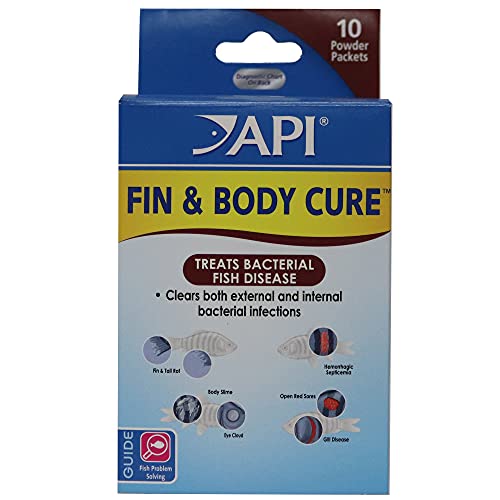
- ✓ Easy to use powder form
- ✓ Effective for gram-negative bacteria
- ✓ Suitable for freshwater tanks
- ✕ Causes water discoloration
- ✕ Needs daily application
| Active Ingredients | Fish powder medication containing antibacterial agents effective against gram-negative bacteria |
| Application Method | Used daily for four days upon appearance of bacterial disease symptoms |
| Treatment Scope | Effective against body slime, eye cloud, fin and tail rot, open red sores, gill disease, hemorrhagic septicemia |
| Water Compatibility | Designed for freshwater aquariums; causes slight water discoloration |
| Package Quantity | 10-count box |
| Usage Instructions | Add activated charcoal to fix water discoloration after treatment |
The moment I sprinkled this API Fin & Body Cure Fish Powder into my aquarium, I immediately noticed a faint, almost earthy smell that seemed to settle into the water. Watching the tiny particles dissolve, I felt reassured that this powder was finely milled, making it easy to distribute evenly across the tank.
When I applied it to treat my stressed-out goldfish with fin rot and a cloudy eye, I appreciated how straightforward it was to use. The powder caused a slight discoloration of the water, but I knew that was temporary and easily remedied with activated charcoal.
The instructions to use it daily for four days kept me on track without any guesswork.
Within a couple of days, I started seeing visible improvements—less redness and a quicker healing process. The fish seemed less stressed, and the water quality remained stable, aside from the minor discoloration.
It’s clear that this medication targets gram-negative bacteria effectively, which was exactly what my fish needed.
The 10-count package feels like good value, especially since I only needed to use a few doses. I also liked that it’s designed specifically for freshwater tanks, so I didn’t have to worry about cross-contamination or overdosing.
Overall, it’s a reliable choice for common bacterial issues like fin rot, gill disease, and hemorrhagic septicemia.
One thing to note is that the slight water discoloration can be a bit unsettling at first, but it’s manageable with activated charcoal. Also, I’d recommend keeping a close eye on water parameters during treatment to ensure your aquatic friends stay comfortable.
What Are Gram Negative Bacteria and Their Role in Fish Health?
What Are Gram Negative Bacteria and Their Role in Fish Health?
Gram negative bacteria are a diverse group of microorganisms characterized by their unique cell wall structure, which makes them resistant to certain types of antibiotics. They do not retain the crystal violet stain used in the Gram-staining procedure, appearing pink under the microscope. In the aquatic environment, these bacteria can affect fish health significantly.
Key points about gram negative bacteria:
-
Pathogenic Species: Common gram negative pathogens in fish include Aeromonas, Pseudomonas, and Vibrio. These bacteria can lead to infections causing conditions like fin rot and swim bladder disease.
-
Environmental Indicators: They play a crucial role in the aquatic ecosystem, aiding in nutrient cycling and organic matter decomposition. However, overgrowth can indicate poor water quality.
-
Immune Response: Fish possess innate immune mechanisms to combat infections. However, chronic stress from suboptimal water conditions can weaken these defenses, making fish more susceptible to gram negative infections.
Effective management of fish health involves monitoring water quality, understanding the implications of gram negative bacteria, and utilizing appropriate medications when necessary to combat infections and preserve overall fish well-being.
What Diseases Are Caused by Gram Negative Bacteria in Fish?
Gram-negative bacteria can cause various diseases in fish, leading to significant health issues in aquatic environments.
- Columnaris Disease: Caused by the bacterium Flavobacterium columnare, this disease is characterized by lesions on the skin and fins, as well as gill necrosis. It can lead to rapid mortality in fish, especially in stressed or overcrowded environments.
- Furunculosis: This disease, caused by Aeromonas salmonicida, affects salmon and trout and leads to the formation of abscesses or boils on the skin. It can also cause systemic infections, resulting in high mortality rates if not treated promptly.
- Vibriosis: Caused by Vibrio species, this disease affects various fish species and is known for causing severe gastrointestinal distress and systemic infections. It is often associated with poor water quality and can spread rapidly in aquaculture settings.
- Edwardsiellosis: Resulting from Edwardsiella ictaluri, this disease primarily affects catfish and causes symptoms such as lethargy, swelling, and lesions. If left untreated, it can lead to high mortality rates among infected populations.
- Motile Aeromonad Septicemia (MAS): This disease, linked to various Aeromonas species, is common in freshwater fish and leads to symptoms like ulcers, hemorrhaging, and internal organ damage. Stress factors such as poor water quality can exacerbate the disease and increase susceptibility.
Which Are the Most Effective Gram Negative Medications for Fish?
The most effective gram-negative medications for fish include:
- Oxytetracycline: A broad-spectrum antibiotic effective against a variety of gram-negative bacteria.
- Kanamycin: Known for its potency against gram-negative infections, particularly in aquaculture settings.
- Furazolidone: An antimicrobial agent that targets gram-negative pathogens and is often used in aquaculture.
- Colistin: Specifically effective against certain strains of gram-negative bacteria, though its use is sometimes limited due to resistance concerns.
- Florfenicol: A newer antibiotic that is effective against diverse gram-negative organisms and is commonly used in fish farming.
Oxytetracycline: This antibiotic is widely used for treating gram-negative bacterial infections in fish such as Aeromonas and Pseudomonas species. It works by inhibiting protein synthesis in bacteria, which helps to control infections and promote recovery in affected fish.
Kanamycin: This aminoglycoside antibiotic is particularly effective against gram-negative bacteria and has a rapid action against infections like columnaris and other bacterial diseases. It disrupts protein synthesis in the bacteria, leading to cell death, making it a preferred choice in both aquarium and aquaculture settings.
Furazolidone: This medication is effective against various gram-negative infections and is often used in fish farming to prevent and treat diseases caused by bacteria. It works by inhibiting bacterial enzyme systems, making it particularly useful in treating enteric infections in fish.
Colistin: While effective against certain gram-negative bacteria, colistin is often reserved for specific cases due to concerns about antibiotic resistance. It disrupts the bacterial cell membrane, leading to cell death, but its use in aquaculture is carefully monitored to prevent the development of resistant strains.
Florfenicol: This antibiotic is beneficial in treating a wide range of gram-negative infections and is favored in aquaculture for its low toxicity and effectiveness. It interferes with bacterial protein synthesis, helping to control diseases like Vibrio infections in both farming and aquarium environments.
What Active Ingredients Should You Look for in These Medications?
When selecting medications for gram-negative bacterial infections in fish, certain active ingredients are particularly effective.
- Maracyn (Erythromycin): This antibiotic is effective against a range of gram-negative bacteria and is often used to treat infections such as fin rot and body rot. Erythromycin works by inhibiting bacterial protein synthesis, thereby preventing the growth and multiplication of harmful bacteria.
- Kanamycin: Known for its broad-spectrum activity, Kanamycin is effective against gram-negative bacteria and is particularly useful for treating serious infections like aeromonas. It functions by disrupting the bacteria’s protein synthesis, leading to cell death, and is typically administered in a hospital setting or as part of a medicated food.
- Nitrofurazone: This nitrofuran derivative is used for its antibacterial properties against gram-negative organisms and is effective in treating external wounds and ulcers in fish. It works by damaging bacterial DNA, which inhibits their ability to reproduce and spread, making it a valuable treatment option in aquaculture.
- Oxytetracycline: This broad-spectrum antibiotic targets gram-negative bacteria and is often used to treat infections caused by Pseudomonas and Vibrio species. Oxytetracycline inhibits protein synthesis in bacteria, making it a reliable choice for aquarists dealing with bacterial outbreaks.
- Furazolidone: Another nitrofuran compound, Furazolidone is effective against various gram-negative pathogens and is often used in both medicated food and water treatments. It works by interfering with bacterial metabolism and is particularly useful in treating gastrointestinal infections in fish.
How Should You Administer Gram Negative Medications to Fish?
Administering gram-negative medications to fish requires careful consideration of the specific condition being treated and the method of delivery.
- Water Treatment: This method involves adding the medication directly to the aquarium water, allowing the fish to absorb the treatment through their gills and skin. It’s essential to follow the manufacturer’s dosage instructions closely to avoid toxicity and ensure effectiveness.
- Bath Treatment: In this approach, fish are placed in a separate container with a higher concentration of the medication for a short duration. This method can be more effective for treating localized infections but requires careful monitoring to prevent stress or harm to the fish.
- Food Medications: These medications are infused into fish food, allowing the fish to ingest the treatment while eating. This method can be particularly useful for chronic conditions but may require the fish to be fed specifically medicated food for several days to ensure adequate treatment.
- Injection: For severe infections or when immediate treatment is needed, injections of medication can be administered directly to the fish. This method is typically performed by a veterinarian and ensures that the medication reaches the bloodstream quickly, but it requires skill and knowledge to perform safely.
- Quarantine: Before administering any gram-negative medication, it’s advisable to quarantine the affected fish to prevent the spread of infection to other healthy fish in the aquarium. This allows for focused treatment and reduces the risk of introducing pathogens to the entire tank.
What Side Effects Are Associated with Gram Negative Fish Medications?
The side effects associated with gram negative fish medications can vary depending on the specific medication used and the fish species treated.
- Gastrointestinal Distress: Many gram negative medications can cause gastrointestinal upset in fish, leading to symptoms such as bloating, reduced appetite, or abnormal swimming behavior.
- Skin Irritation: Some treatments may result in skin irritation or lesions, particularly if the dosage is too high or if the fish are sensitive to the medication.
- Respiratory Issues: Fish may experience respiratory distress due to the stress of treatment or chemical exposure, which can manifest as rapid gill movement or gasping at the surface.
- Impact on Beneficial Bacteria: Gram negative medications can disrupt the balance of beneficial bacteria in the aquarium environment, potentially leading to spikes in ammonia or nitrite levels, which can harm fish.
- Allergic Reactions: Some fish may have allergic reactions to specific components in the medication, resulting in symptoms such as swelling, discoloration, or lethargy.
Gastrointestinal distress occurs when the medication disrupts the normal digestive processes in fish, often due to the alteration of gut flora or direct irritation of the digestive tract. This can lead to a range of symptoms from mild discomfort to severe health issues.
Skin irritation can develop as a result of direct contact with the medication or due to an allergic reaction, causing lesions or discoloration on the fish’s body. This irritation can make fish more susceptible to secondary infections.
Respiratory issues can arise as a side effect of stress from the medication, which can affect the fish’s gills and hinder their ability to breathe effectively. This is particularly concerning in species that are already vulnerable or stressed.
The impact on beneficial bacteria is critical, as these bacteria play a key role in maintaining water quality in the aquarium. When these bacteria are negatively affected, it can lead to unhealthy tank conditions, which are harmful to all aquatic life in the environment.
Allergic reactions can vary widely among different types of fish, with some individuals reacting more severely than others. Symptoms can range from mild changes to severe physiological responses that may require immediate attention.
How Can You Prevent Gram Negative Infections in Your Fish Tank?
Preventing gram-negative infections in your fish tank involves several key strategies to maintain a healthy aquatic environment.
- Maintain Water Quality: Regularly test and monitor the parameters of your aquarium water such as pH, ammonia, nitrites, and nitrates.
- Quarantine New Fish: Always quarantine new fish before introducing them to your main tank to prevent the spread of pathogens.
- Use Quality Fish Food: Providing a balanced diet with high-quality fish food enhances the immune system of your fish.
- Regular Tank Cleanliness: Regular cleaning of the tank and substrate helps in reducing waste and harmful bacteria accumulation.
- Monitor Fish Health: Observe your fish for any signs of stress or disease and act promptly to treat any issues.
- Appropriate Medications: Use medications specifically designed for gram-negative infections when needed, following the guidance of a specialist.
Maintain Water Quality: Good water quality is essential in preventing infections caused by gram-negative bacteria. By regularly testing the water parameters, you can ensure that conditions remain optimal for your fish, reducing stress and susceptibility to disease.
Quarantine New Fish: Introducing new fish directly into your established tank can introduce pathogens that may lead to infections. Quarantining allows you to observe new arrivals for any signs of illness and treat them if necessary before they join the main tank.
Use Quality Fish Food: A nutritious diet contributes significantly to the health of your fish. High-quality fish food that meets their dietary needs can strengthen their immune systems, making them less susceptible to infections.
Regular Tank Cleanliness: Keeping the tank clean helps eliminate organic waste and harmful bacteria that can proliferate in dirty environments. Regular maintenance, including water changes and substrate cleaning, is crucial in preventing gram-negative infections.
Monitor Fish Health: Regularly checking your fish for signs of illness can help you catch potential infections early. Symptoms such as discoloration, unusual swimming patterns, or lesions should prompt immediate action to avoid worsening conditions.
Appropriate Medications: When infections do occur, using medications tailored for gram-negative bacteria can be effective. It’s important to consult with an aquarium specialist to select the right medication and follow dosing instructions carefully to ensure successful treatment.
Related Post: