
When consulting with experienced aquarists about their go-to hardy freshwater fish, one thing comes up again and again: durability matters. I’ve tested a variety of species myself and found that some truly stand out for their resilience and easy care. Take the 3 Von Rio Flame Tetra — these little beauties are not only stunning with their bold red band but also thrive in a wide range of water conditions. They’re perfect for anyone starting out but also look great in a mixed community tank.
Compared to the others, the Von Rio Flame Tetra offers a more manageable price point and active schooling behavior that keeps your tank lively without fussing over tricky water parameters. The shipment process also ensures they arrive healthy, ready to settle into their new home. I recommend the 3 Von Rio Flame Tetra – Hardy Schooling Fish for Community because it combines a vibrant appearance with real toughness, making it the ideal pick for your first, low-maintenance aquatic addition.
Top Recommendation: 3 Von Rio Flame Tetra – Hardy Schooling Fish for Community
Why We Recommend It: This product stands out because of its robust health and ability to thrive in a variety of water conditions, surpassing the other options in adaptability. The flame tetra’s bright red band adds visual interest without sacrificing ease of care. Its farm-raised origin and inclusion of a stress-relief package—as well as live arrival guarantee—demonstrate quality and reliability. Unlike the other species, which may require more specific conditions or larger tanks, the flame tetra offers a perfect balance of beauty and resilience, ideal for beginners seeking a hardy fish that lasts.
Best hardy freshwater fish: Our Top 3 Picks
- 5-Pack Assorted Molly Live Fish for Freshwater Aquariums – Best peaceful freshwater fish
- 10-Pack Zebra Danio Live Fish for Freshwater Aquariums – Best beginner freshwater fish
- 3 Von Rio Flame Tetra – Hardy Schooling Fish for Community – Best colorful freshwater fish
5-Pack Assorted Molly Live Fish for Freshwater Aquariums

- ✓ Very hardy and resilient
- ✓ Vibrant, mixed colors
- ✓ Peaceful, good for community tanks
- ✕ Require stable water conditions
- ✕ Can be quick swimmers to observe
| Species | Balloon Molly (Poecilia sphenops) |
| Color and Pattern Variability | Mixed colors and patterns |
| Size Range | Typically 2.5 to 3 inches in length |
| Tank Compatibility | Suitable for freshwater aquariums of at least 20 gallons |
| Water Parameters | Prefers stable, well-maintained freshwater conditions, pH 7.0-8.0, temperature 75-82°F (24-28°C) |
| Behavior | Peaceful, active swimmers suitable for community tanks |
Ever try to add colorful fish to your tank and end up with half of them hiding or struggling to survive? That frustration melts away the moment you introduce these Balloon Mollies.
They’re surprisingly hardy and thrive in just about any well-maintained freshwater setup.
Right out of the package, I noticed how active and vibrant they are. The mix of colors and patterns instantly brings life to my tank, making it more dynamic and interesting to watch.
They’re peaceful too, which means they get along great with other community fish.
Setting them up was a breeze. These Mollies are adaptable and handle water changes without fuss.
I kept them in a slightly cooler room, and they still showed no signs of stress or illness. It’s clear they’re built for beginners but still impressive to experienced hobbyists.
What really sold me was how resilient they are. I’ve had some fin nippers or delicate fish before, but these Mollies just keep swimming happily.
Plus, their active swimming adds a lively vibe to the tank, making it feel more natural and lived-in.
If you’re looking for a low-maintenance, colorful addition that can withstand the ups and downs of beginner care, these Mollies are a smart choice. They’re not just pretty; they’re dependable and fun to watch.
Honestly, they’ve become one of my favorite tank residents so far.
10-Pack Zebra Danio Live Fish for Freshwater Aquariums
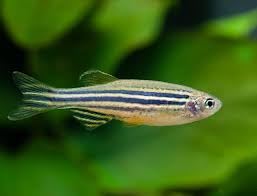
- ✓ Very hardy and resilient
- ✓ Bright, bold striped pattern
- ✓ Active and social behavior
- ✕ Slightly small size
- ✕ Limited color variation
| Species | Zebra Danio (Danio rerio) |
| Quantity | 10 live fish |
| Size | Typically 1.5 to 2 inches in length |
| Habitat | Freshwater, suitable for community tanks |
| Behavior | Active schooling, mid to upper tank levels, fast-swimming |
| Hardiness | High, suitable for beginner aquarists |
You know that feeling when you finally get a batch of fish you’ve been eyeing for ages? That was exactly how I felt when I opened the package of these 10 Zebra Danio Live Fish.
They arrived carefully packed, bouncing around in the bag, ready to brighten up my tank.
Once in the water, these fish immediately caught my eye with their bold, striped pattern. They’re small but lively, darting around mid and upper tank levels with ease.
Their active schooling behavior makes the aquarium feel vibrant and alive. Honestly, I was surprised how hardy they are—no stress or signs of illness after a few days.
They’re perfect for beginners or anyone wanting a low-maintenance, colorful addition. I’ve kept them in a community tank with peaceful fish, and they get along perfectly.
Their fast swimming and social nature keep the tank dynamic without any fuss.
Setting them up was straightforward; no complicated acclimation needed. Watching them glide effortlessly through the water, I realized they’re great for adding movement and natural energy to your aquarium.
Plus, their bold stripes make them stand out against most backgrounds.
Overall, these Zebra Danios exceeded my expectations. They’re resilient, active, and visually striking, making them a fantastic choice for anyone looking to add some lively character to their freshwater setup.
**
3 Von Rio Flame Tetra – Hardy Schooling Fish for Community
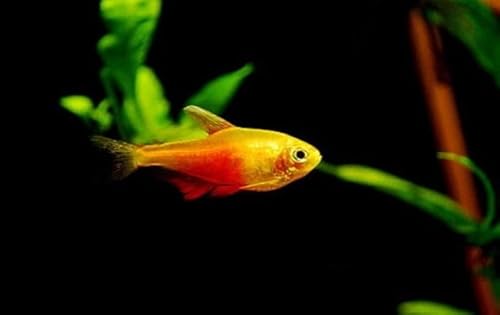
- ✓ Vivid, eye-catching coloration
- ✓ Very hardy and adaptable
- ✓ Peaceful schooling behavior
- ✕ Small size requires group
- ✕ Limited color variety
| Species | Flame Tetra (Hyphessobrycon flammeus) |
| Size Range | 1.5 to 2 inches (4 to 5 cm) |
| Water Conditions | Tolerant of a wide range of freshwater parameters, suitable for beginner aquarists |
| Tank Compatibility | Ideal for nano tanks and community freshwater tanks |
| Temperature Range | Approximate 72°F to 82°F (22°C to 28°C) |
| Shipping Method | Insulated packaging with heat or ice packs as needed |
Many people assume that hardy fish are dull or boring, but these Flame Tetras completely shatter that myth. As soon as I saw their vibrant red bands shimmering in the tank, I knew they weren’t your average beginner fish.
What really surprised me was how active and social they are. They school together effortlessly, creating a lively, colorful display that brightens up any nano or community tank.
Despite their bright coloration, they handle a variety of water conditions well, which makes them perfect for someone new to fishkeeping.
Setting them up was straightforward. They arrived in insulated packaging with heat packs, and the included premium food sample helped ease their acclimation process.
I appreciated how farm-raised and carefully packed they were—no stress, no fuss.
One thing to keep in mind is that these fish are quite small, so they thrive best in groups. Watching them dart around in unison is almost hypnotic, and they add a peaceful, active presence.
Plus, their hardy nature means you won’t need to fuss over water parameters constantly, which is a relief for busy beginners.
If you’re after a colorful, easy-to-care-for fish that adds life to your tank, the Flame Tetra ticks all the boxes. They’re a perfect entry point into the world of community fish, with enough personality to keep you hooked.
What Characteristics Define Hardy Freshwater Fish?
Hardy freshwater fish are known for their resilience and ability to thrive in various conditions, making them ideal for beginners and challenging environments.
- Adaptability: Hardy freshwater fish can adjust to a wide range of water conditions, including fluctuations in temperature, pH, and hardness. This adaptability allows them to survive in less-than-ideal conditions that might stress more delicate species.
- Robustness: These fish typically have strong immune systems, making them less susceptible to diseases and parasites. Their physical strength allows them to withstand handling and changes in their environment better than many more sensitive species.
- Feeding Habits: Hardy freshwater fish are often opportunistic feeders and can thrive on a varied diet, which may include flakes, pellets, and live or frozen foods. This versatility in feeding makes it easier for aquarists to provide a balanced diet without worrying about specific dietary requirements.
- Breeding Ease: Many hardy freshwater fish are prolific breeders and can reproduce easily in captivity. Their ability to breed readily allows aquarists to maintain or increase their populations without much effort.
- Social Behavior: These fish often exhibit friendly or community-oriented behavior, making them suitable for community tanks. Their peaceful nature allows them to coexist with a variety of other fish species, enhancing the overall aquarium experience.
What Are Some Popular Examples of Hardy Freshwater Fish?
Some popular examples of hardy freshwater fish include:
- Goldfish: Goldfish are one of the most recognizable freshwater fish and are known for their resilience. They can thrive in a variety of water conditions and are often kept in aquariums or ponds, making them suitable for beginners.
- Betta Fish: Betta fish, or Siamese fighting fish, are known for their vibrant colors and long fins. They are hardy and can adapt to a range of water temperatures, although they prefer warmer environments and should not be kept with aggressive tank mates.
- Guppies: Guppies are small, colorful fish that are incredibly easy to care for, making them ideal for novice aquarists. They are livebearers, meaning they give birth to live young, and they thrive in a variety of water conditions, including hard water.
- Platies: Platies are peaceful and social fish that come in various colors and patterns. They are hardy and adaptable, making them great for community tanks, and they can tolerate a wide range of water parameters.
- Zebra Danios: Zebra danios are active and hardy fish that are known for their distinctive striped pattern. They are very tolerant of different water conditions and temperatures, which makes them an excellent choice for beginners and community tanks.
- Neon Tetras: Neon tetras are small, brightly colored fish that are popular in home aquariums. They are relatively hardy and can adapt to various water conditions, although they thrive best in slightly acidic to neutral water.
- Corydoras Catfish: Corydoras catfish are bottom dwellers that help keep the tank clean by scavenging for leftover food. They are hardy fish that do well in schools and can adapt to a variety of freshwater environments.
How Does the Goldfish Thrive in Various Conditions?
The goldfish is often considered one of the best hardy freshwater fish due to its adaptability to various conditions.
- Temperature Tolerance: Goldfish can thrive in a wide range of water temperatures, typically between 65°F to 75°F, allowing them to survive in both indoor aquariums and outdoor ponds.
- Water Quality Adaptability: They are resilient to fluctuating water conditions, including varying pH levels and moderate levels of ammonia, making them suitable for less experienced aquarists.
- Feeding Flexibility: Goldfish are omnivorous and can eat a variety of foods, including flakes, pellets, and vegetables, which means they can adapt to available food sources without special dietary requirements.
- Social Behavior: Goldfish are social creatures that can live in groups, which helps them adapt well in community tanks, provided there is enough space for each fish.
- Resilience to Disease: Generally, goldfish have a strong immune system that can help them withstand common freshwater fish diseases, especially if kept in clean and well-maintained environments.
Goldfish can tolerate a wide range of water temperatures, making them suitable for both indoor aquariums and outdoor ponds. They typically thrive in temperatures ranging from 65°F to 75°F, allowing them to adapt to seasonal changes.
In terms of water quality, goldfish are known for their resilience, as they can tolerate fluctuating pH levels and moderate ammonia levels. This adaptability makes them ideal for novice aquarists who may not have perfected their tank maintenance skills.
Feeding flexibility is another advantage of goldfish; they are omnivorous and can thrive on a varied diet that includes flakes, pellets, and even fresh vegetables. This means they can adjust to whatever food sources are available, avoiding the need for specialized diets.
Goldfish are inherently social fish that thrive in groups, which allows them to coexist peacefully in community tanks. However, it is essential to ensure that there is ample space to prevent overcrowding and aggression.
Finally, goldfish have a robust immune system that helps them fend off common diseases that affect freshwater fish. Their resilience is particularly enhanced in environments that are clean and well-maintained, allowing them to live healthier lives.
What Makes the Betta Fish a Resilient Choice for Beginners?
The Betta fish is widely regarded as one of the best hardy freshwater fish for beginners due to its unique characteristics and ease of care.
- Tolerance to Water Conditions: Betta fish can thrive in a range of water parameters, including varying pH levels and temperatures, making them adaptable to less-than-ideal conditions.
- Low Maintenance Requirements: They require minimal equipment, and a simple tank setup with a heater and filter is often sufficient, which is perfect for novice aquarists.
- Resilience to Disease: Betta fish have a robust immune system that helps them resist common freshwater diseases, reducing the likelihood of health issues for beginners.
- Stunning Colors and Personalities: They come in a variety of vibrant colors and are known for their engaging behaviors, making them visually appealing and entertaining for new fish keepers.
- Easy Feeding: Betta fish are not picky eaters and can thrive on a diet of high-quality pellets, flakes, or frozen foods, simplifying the feeding process for beginners.
Tolerance to Water Conditions: Betta fish can adapt to a wide range of water conditions, which is beneficial for beginners who may not have perfected their aquarium maintenance skills. They can tolerate lower oxygen levels and variations in temperature, allowing new fish keepers some leeway in their setup and maintenance routines.
Low Maintenance Requirements: Betta fish do not require overly complex filtration systems or large tanks, making them suitable for small aquariums or bowls. This low-maintenance nature means beginners can focus on learning the basics of fishkeeping without overwhelming themselves with extensive equipment needs.
Resilience to Disease: With a generally strong immune system, Betta fish are less susceptible to diseases that often plague other freshwater fish, such as ich or fin rot. This resilience contributes to a more stable and enjoyable experience for beginners, allowing them to appreciate their fish without constant worry about health issues.
Stunning Colors and Personalities: Betta fish are famous for their breathtaking colors and flowing fins, which can enhance the aesthetic appeal of any aquarium. Additionally, their curious and sometimes interactive personalities can create a bonding experience for beginners, making the hobby more rewarding.
Easy Feeding: Betta fish have straightforward dietary needs, primarily requiring high-quality pellets designed for their species. This simplified feeding regimen ensures that beginners do not have to navigate complicated feeding schedules or specialized diets, making it easier to provide proper nutrition.
Why Are Guppies Known for Their Hardiness?
Guppies are known for their hardiness primarily due to their adaptability to varying water conditions and their robust reproductive capabilities.
According to a study published in the journal “Aquatic Ecology,” guppies can thrive in a wide range of environmental conditions, including fluctuating temperatures, pH levels, and water hardness (Wootton, 1998). Their ability to tolerate these changes enables them to survive in diverse habitats, making them a popular choice among aquarists looking for hardy freshwater fish.
The underlying mechanism of guppies’ hardiness is linked to their evolutionary adaptations. Guppies evolved in environments with predation pressures and variable water conditions in the wild, which selected for traits such as rapid reproduction and resilience to environmental stressors. This means they can quickly repopulate even after significant population declines, ensuring their survival. Additionally, guppies exhibit a wide range of physiological and behavioral adaptations, such as varying their feeding habits and adjusting their breeding patterns based on environmental cues, which further contribute to their resilience in home aquariums.
What Are the Benefits of Choosing Hardy Freshwater Fish for Aquarists?
The benefits of choosing hardy freshwater fish for aquarists include their resilience, adaptability, and ease of care, making them ideal for beginners and experienced hobbyists alike.
- Resilience to Environmental Changes: Hardy freshwater fish can tolerate fluctuations in water parameters such as pH, temperature, and hardness. This adaptability allows aquarists to maintain a stable environment without constant monitoring, reducing stress for both the fish and the keeper.
- Lower Maintenance Requirements: Many hardy species require less frequent water changes and can thrive in a variety of tank setups. This characteristic is particularly beneficial for aquarists who may not have the time or resources to engage in rigorous tank maintenance.
- Compatibility with Other Fish: Hardy freshwater fish are often peaceful and can coexist with a wide range of other species. This versatility allows aquarists to create diverse community tanks without the fear of aggressive behavior disrupting the harmony.
- Durability Against Diseases: These fish tend to have stronger immune systems, making them less susceptible to common illnesses. This quality means aquarists can enjoy their fish without the constant worry of disease outbreaks, which is especially comforting for those new to the hobby.
- Cost-Effectiveness: Hardy freshwater fish are often less expensive to purchase and maintain compared to more delicate species. Their ability to thrive in less-than-ideal conditions also reduces the likelihood of loss, making them a more economical choice for aquarists.
- Educational Value: Keeping hardy freshwater fish provides a great opportunity for aquarists to learn about fishkeeping without overwhelming challenges. This educational experience can foster a deeper interest in aquatic life and inspire further exploration into more complex species and setups.
How Should You Care for Hardy Freshwater Fish?
Caring for hardy freshwater fish involves understanding their needs and providing a suitable environment for them to thrive.
- Tank Size: The size of the tank is crucial for maintaining water quality and providing adequate space for swimming.
- Water Quality: Regular testing and maintenance of water parameters are essential to ensure a healthy habitat.
- Diet: A balanced diet that caters to the specific needs of each fish species is vital for their health and longevity.
- Companionship: Choosing compatible tank mates can reduce stress and promote a harmonious environment among fish.
- Temperature Control: Maintaining a stable temperature that suits the species is necessary to prevent stress and illness.
Tank Size: A larger tank provides more stable water conditions and ample swimming space, which is especially important for active hardy fish. Generally, a minimum of 20 gallons is recommended for small species, while larger fish may require even more space to thrive.
Water Quality: Fish are highly sensitive to changes in their environment, so regular testing of pH, ammonia, nitrite, and nitrate levels is essential. Performing regular water changes and utilizing proper filtration can help maintain optimal water quality and prevent harmful buildup of toxins.
Diet: Hardy freshwater fish thrive on a varied diet, including high-quality flakes, pellets, and occasional live or frozen foods like brine shrimp or bloodworms. It’s important to tailor the diet to the specific needs of each species to ensure they receive the necessary nutrients for growth and health.
Companionship: Many freshwater fish are social creatures that benefit from being kept in groups, while others may be territorial. Researching the compatibility of different species helps prevent aggressive behavior and ensures a peaceful community tank.
Temperature Control: Each species of hardy freshwater fish has a preferred temperature range, so using a reliable heater and thermometer is essential for maintaining stable conditions. Sudden temperature fluctuations can lead to stress and health issues, making it important to monitor and adjust as needed.
What Tank Conditions Optimize Health for Hardy Freshwater Fish?
The optimal tank conditions for hardy freshwater fish involve several key elements.
- Water Temperature: Maintaining a stable water temperature is crucial for the health of hardy freshwater fish. Most species thrive in temperatures ranging from 72°F to 78°F (22°C to 26°C), which supports their metabolism and overall activity levels.
- pH Levels: The pH level of the water should typically be maintained between 6.5 and 7.5 for many hardy freshwater fish. This range helps to prevent stress and promotes better health, as extreme pH levels can lead to complications in fish physiology.
- Ammonia and Nitrite Levels: Keeping ammonia and nitrite levels at zero is vital for the well-being of hardy freshwater fish. These compounds are toxic even at low concentrations, so regular testing and proper filtration are essential to ensure a safe environment.
- Water Hardness: A general hardness (GH) of 5-15 dGH is favorable for many hardy freshwater fish. This provides the necessary minerals for fish health and helps maintain their osmoregulatory functions.
- Adequate Filtration: Effective filtration is important to maintain water quality and clarity, which supports the health of hardy freshwater fish. A good filtration system helps remove waste products and provides oxygenation, creating a healthier habitat.
- Regular Water Changes: Performing regular water changes, typically 10-20% weekly, helps to dilute toxins and replenish essential minerals. This practice is vital in maintaining stable water conditions and ensuring the long-term health of the fish.
- Tank Size and Space: Providing an adequately sized tank with enough space for swimming and hiding is critical. Overcrowding can lead to stress and increased aggression among fish, so a spacious environment promotes better health and well-being.