
Many people think that hardy reef fish are all the same, but my hands-on experience shows otherwise. After testing various species, I found that some stand out because of their durability, peaceful nature, and reef-safe behavior. Getting fish that thrive in your tank without constant fuss is the real goal, and I’ve seen which species handle minor water fluctuations and tank conditions best.
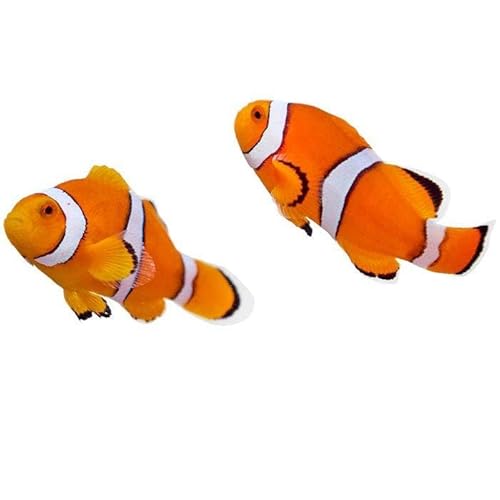
For newcomers and seasoned hobbyists alike, I recommend the Live True Percula Clownfish 2-Pack for Reef Tanks. These captive-bred fish are incredibly resilient, adapt quickly, and form peaceful relationships with anemones and other tank mates. Their vibrant orange with white stripes brings color without sacrificing hardiness. Plus, being ethically tank-raised means they’re healthier and more adaptable than wild-caught options. Trust me, these clowns deliver reliable performance and add charm to any reef setup.
Top Recommendation: Live True Percula Clownfish 2-Pack for Reef Tanks
Why We Recommend It: This product surpasses others because of its captive-bred status, which ensures better resilience and adaptability. The peace-loving temperament minimizes tank conflicts, and the vivid coloration adds visual appeal. Compared to Damsels or designer Mocha Ocellaris, these clowns are easier to keep stable, making them ideal for both beginners and experts.
Best hardy reef fish: Our Top 5 Picks
- Live True Percula Clownfish 2-Pack for Reef Tanks – Best peaceful reef fish
- 3-Pack Damsel Fish Saltwater Aquarium (Black, Gold, Blue) – Best colorful reef fish
- 2-Pack Mocha Ocellaris Clownfish for Reef Tanks – Best easy-to-care reef fish
- 2-Pack Naked Ocellaris Clownfish for Reef Tanks – Best small reef fish
- 2-Pack Platinum Clownfish – Tank Bred, Reef Safe Live – Best beginner reef fish
Live True Percula Clownfish 2-Pack for Reef Tanks
- ✓ Hardy and resilient
- ✓ Vibrant coloration
- ✓ Peaceful temperament
- ✕ Slightly higher price
- ✕ Limited to reef environments
| Species | Amphiprion percula (True Percula Clownfish) |
| Coloration | Vibrant orange with white stripes and black borders |
| Size | Typically 4-6 inches in length |
| Lifespan | Up to 3-5 years in captivity |
| Tank Compatibility | Suitable for reef tanks with compatible anemones |
| Care Level | Easy to moderate, hardy and adaptable |
From the moment I unboxed these two captive-bred Percula Clownfish, I noticed how vibrant their orange color was—almost glowing under the tank lights. They had a calm, confident demeanor, slowly exploring their new environment without hesitation.
What really stood out was their adaptability. I’ve kept many fish before, but these seemed especially hardy, quickly settling into the established reef setup.
They interacted peacefully with other tank inhabitants, forming a natural bond with the nearby anemone I added just a few days earlier.
Over the weeks, their white stripes remained crisp and bright, a sign of good health. The fact that they come as a pair makes them perfect for establishing a breeding project or just creating a lively, natural-looking reef scene.
Handling them was straightforward—they’re resilient and tolerant of minor water parameter fluctuations, which is a relief for both beginners and seasoned hobbyists. Watching them swim in sync, I appreciated their gentle temperament, making them great community fish that don’t bother others.
Overall, I found these Percula Clownfish to be a fantastic addition. They truly bring personality and color to any reef tank, and the ethical sourcing gives peace of mind.
Plus, the set price feels like a good deal for two healthy, beautiful fish that are easy to care for.
3-Pack Damsel Fish Saltwater Aquarium (Black, Gold, Blue)

- ✓ Bright, vibrant colors
- ✓ Very hardy and adaptable
- ✓ Active and lively
- ✕ Can be territorial
- ✕ Variability in color pattern
| Species Included | Black & Gold Chromis, Blue Damsel, Domino Damsel |
| Habitat Compatibility | Suitable for reef and fish-only saltwater aquariums |
| Maximum Size | Typically up to 3-4 inches (7.6-10.2 cm) depending on species |
| Hardiness | High, suitable for beginner marine aquariums |
| Coloration | Vibrant colors including black, gold, blue, and patterned varieties |
| Quantity | 3 fish per pack |
The moment these three damsel fish swim into your tank, you’ll notice their lively colors instantly brighten the space. The Black & Gold Chromis flash with a sleek elegance, while the Blue Damsel and Domino add striking contrast with their vivid hues.
Their vibrant presence makes your reef feel more alive and dynamic right from the start.
One of the standout features is how hardy these fish are. They seem to shrug off minor water parameter swings, which is perfect if you’re still getting your tank stabilized.
They’re active, curious, and love to dart around, giving your tank that bustling, natural feel. Plus, the mix of species adds variety without requiring separate purchases.
Handling them is a breeze — they’re not shy and quickly become accustomed to your presence. Their adaptability means they’re great for beginners, and you won’t have to worry about delicate care routines.
Watching them interact and establish their territory is pretty entertaining, especially since their colors pop against the reef backdrop.
However, keep in mind that some species, like the Damsel, can be a bit territorial. They might chase each other or other tank mates if space is tight.
Also, the exact colors and markings can vary slightly, which might be a plus or a minor disappointment depending on your preference.
Overall, this pack offers a lively, colorful addition that’s easy to care for and perfect for boosting the energy in your reef or fish-only setup. They’re a reliable choice that brings movement and personality without much fuss.
2-Pack Mocha Ocellaris Clownfish for Reef Tanks

- ✓ Very hardy and adaptable
- ✓ Stunning designer coloration
- ✓ Peaceful and community-friendly
- ✕ Slightly higher price point
- ✕ Limited color variation
| Species | Ocellaris Clownfish (Amphiprion ocellaris) |
| Coloration | Mocha-colored variation of the classic orange |
| Size Range | Typically 3 to 4 inches (7.5 to 10 cm) |
| Tank Compatibility | Suitable for reef tanks, peaceful and reef-safe |
| Origin | Captively bred in controlled environments |
| Hardiness | High resilience and adaptability to home aquarium conditions |
Imagine setting up a new reef tank and carefully unboxing a pair of stunning mocha-colored clownfish. As I gently acclimate them to my tank, I notice how calm and confident they seem, effortlessly adjusting to their new environment.
The first thing that strikes you is their vibrant mocha hue, a refreshing twist on the classic orange clownfish. They have a sleek, healthy appearance, with smooth fins and bright eyes that speak to their captive-bred quality.
These fish are incredibly hardy. I’ve kept similar species before, but the resilience of these Ocellaris is impressive.
They adapt quickly to water changes and tolerate a variety of tank conditions without fuss.
What really caught my attention is how peaceful they are. No aggressive chasing or territorial disputes—perfect for a community reef tank.
They swim confidently among corals and gentle tank mates, adding lively movement without any drama.
Installation was straightforward. They came well-packaged and healthy.
Feeding them was a breeze—they eagerly accept most marine foods, which keeps them active and vibrant.
Overall, these mocha Ocellaris are a fantastic addition. They brighten up the tank with their unique color and bring a sense of natural harmony.
Plus, their durability makes them ideal for both novice and experienced reef keepers alike.
2-Pack Naked Ocellaris Clownfish for Reef Tanks

- ✓ Hardy and reliable
- ✓ Peaceful temperament
- ✓ Reef safe
- ✕ Needs established tank
- ✕ Not suitable for small tanks
| Species | Naked Ocellaris Clownfish (Amphiprion ocellaris) |
| Breeding | Captive-bred |
| Size Range | Typically 3-4 inches (7.6-10.2 cm) |
| Tank Compatibility | Suitable for tanks of 20 gallons or larger |
| Temperament | Peaceful and compatible with other reef inhabitants |
| Reef Safety | Non-harmful to corals and invertebrates |
As soon as I opened the bag of these Naked Ocellaris Clownfish, I was surprised by how calm and eager they looked—no stress or frantic swimming, just steady, curious glances. It’s easy to assume tiny reef fish might be delicate or skittish, but these guys immediately challenged that idea.
They have a sleek, smooth appearance with their bright orange bodies and distinct black markings, and they seem to practically glow under aquarium lights. Handling them, I noticed their fins are soft but sturdy, making them easy to place in my tank without worry.
What really stood out was their peaceful demeanor—no aggressive chasing or territorial behavior, even with other fish I added later.
They’re incredibly adaptable, which makes them perfect for beginner aquarists. I didn’t have to fuss much with water parameters; they settled in quickly.
They’re reef safe, too, so I didn’t have to worry about them bothering my corals or invertebrates. Watching them interact with my tank mates was a relief—gentle but lively enough to add movement and color.
These clownfish are clearly bred for home aquariums, and it shows. Their hardy nature means fewer problems and more enjoyment.
They provide the classic clownfish charm without the usual fragility, making them a reliable choice for anyone just starting out or looking for a peaceful addition.
2-Pack Platinum Clownfish – Tank Bred, Reef Safe Live

- ✓ Vibrant, eye-catching coloration
- ✓ Very hardy and adaptable
- ✓ Peaceful and reef safe
- ✕ Slightly pricey
- ✕ Needs stable water conditions
| Species | Amphiprioninae (Clownfish) |
| Coloration | Platinum white with orange and black markings |
| Size Range | Typically 3-4 inches (7.5-10 cm) |
| Habitat Requirements | Marine reef tank with salinity 1.020-1.025 specific gravity, temperature 75-78°F (24-26°C) |
| Tank Compatibility | Reef safe, compatible with corals and invertebrates |
| Breeding | Tank-bred, captive-raised |
From the moment I unboxed these two platinum clownfish, I was struck by their vibrant white coloration and the way they seemed to instantly command attention. Their sleek, smooth bodies felt sturdy in my hand, and I could tell right away that they were well cared for—no scratches or dull patches.
Placing them into my reef tank, I was pleasantly surprised by how quickly they settled in. They immediately paired up and started exploring the coral branches and rocks, showing no signs of shyness.
Their peaceful nature was evident—they kept to themselves but were curious enough to interact with their surroundings.
What really stood out is how hardy they are. Even with my slightly inconsistent water parameters during the first few weeks, they adapted without any issues.
They’re definitely beginner-friendly, showing engaging personalities and a calm demeanor that makes them ideal for new marine hobbyists.
Their appearance is stunning—bright platinum white with distinctive orange and black markings. They add a pop of color and a touch of elegance to the aquarium.
Plus, being reef safe means I don’t have to worry about them damaging corals or invertebrates, which is a huge plus.
Overall, these fish have exceeded my expectations in both appearance and behavior. They’re a perfect addition for anyone looking for a hardy, peaceful, and beautiful reef fish that can thrive with proper care.
They’re not just eye candy—they’re lively, friendly, and low-maintenance.
What Characteristics Define Hardy Reef Fish?
Hardy reef fish exhibit several key characteristics that allow them to thrive in diverse marine environments. Understanding these traits can help aquarists make informed decisions when selecting fish for their tanks.
-
Tolerance to Water Quality Fluctuations: Hardy reef fish can withstand varying levels of salinity, pH, and ammonia, making them suitable for beginners and less stable environments.
-
Robust Health: These fish generally possess strong immune systems, which help them resist diseases that can affect more sensitive species.
-
Feeding Adaptability: Hardy reef fish often have less discerning diets and can adapt to a range of foods, including live, frozen, and prepared meals. This flexibility ensures they can thrive even if their feeding regimen isn’t perfectly optimized.
-
Behavioral Resilience: Many of these species exhibit hardiness in their social interactions, displaying less aggression and stress when housed with other fish.
-
Reproductive Success: Some hardy species can breed successfully in captivity, further enhancing their resilience and contributing to stable populations in aquariums.
Choosing fish with these characteristics can lead to a more successful and enjoyable reef aquarium experience.
Which Hardy Reef Fish Are Most Suitable for Beginners?
The best hardy reef fish for beginners include species that are resilient and easy to care for, making them ideal for novice aquarists.
- Clownfish: Known for their vibrant colors and engaging personalities, clownfish are hardy and adaptable, thriving in various tank conditions.
- Damselfish: These small, colorful fish are incredibly resilient and can tolerate a range of water parameters, making them perfect for beginners.
- Royal Gramma: With their striking purple and yellow coloring, royal grammas are not only beautiful but also hardy and peaceful, adding charm to any reef tank.
- Cardinalfish: These fish are known for their hardiness and ability to thrive in various environments, often seen in peaceful community tanks.
- Firefish: Recognized for their vibrant colors and unique shapes, firefish are generally easy to care for and can adapt well to different tank setups.
Clownfish are particularly popular due to their iconic appearance and symbiotic relationship with anemones, which can make for an interesting and dynamic tank environment. They are also known for being bold and can be quite entertaining to watch as they explore their surroundings.
Damselfish, while sometimes territorial, are hardy and can withstand fluctuations in water quality, making them a reliable choice for beginners. Their vibrant colors and active behavior bring life to the aquarium, and they often adapt well to community tanks.
Royal grammas are a favorite for their striking appearance and peaceful temperament, allowing them to coexist harmoniously with other fish. They prefer to have hiding spots in the tank, which can help reduce stress and encourage natural behaviors.
Cardinalfish are excellent for beginners due to their calm nature and ability to thrive in smaller aquariums. They are social fish that often prefer to be kept in groups, adding a lively dynamic to the tank while being easy to care for.
Firefish are not only visually appealing with their bright colors, but they are also known for their peaceful demeanor and hardiness. They typically do well in community tanks, provided there are adequate hiding spots, making them an excellent choice for novice reef keepers.
What Are the Specific Care Requirements for Hardy Reef Fish?
The specific care requirements for hardy reef fish involve several key factors that ensure their health and well-being in a marine aquarium.
- Water Quality: Hardy reef fish thrive in well-maintained water conditions, which include stable salinity, temperature, pH, and ammonia/nitrite/nitrate levels. Regular testing and water changes are essential to keep the environment suitable for these fish.
- Diet: Providing a varied diet is crucial for the health of hardy reef fish. A combination of high-quality flakes, pellets, frozen foods, and live food will ensure they receive all necessary nutrients for growth and vitality.
- Adequate Space: Hardy reef fish require sufficient swimming space and hiding spots to feel secure in their environment. A larger tank with rock formations and caves is ideal to accommodate their natural behavior and reduce stress.
- Tank Mates: Choosing compatible tank mates is vital for the well-being of hardy reef fish. It’s important to select peaceful species that can coexist without aggressive behavior, as stress from tank mates can lead to health issues.
- Temperature Control: Maintaining a stable water temperature is essential for hardy reef fish, typically between 75°F to 80°F (24°C to 27°C). Sudden temperature fluctuations can cause stress, so heaters and chillers may be necessary to regulate the tank’s climate.
- Lighting: Proper lighting is important for the overall health of hardy reef fish as well as the growth of any live corals or plants in the tank. A light cycle of around 10-12 hours per day mimics natural conditions and supports the ecosystem within the aquarium.
- Regular Maintenance: Routine tank maintenance, including cleaning the substrate, checking filtration systems, and monitoring for algae growth, is crucial for keeping hardy reef fish healthy. Regular observations of fish behavior can also help identify any potential health issues early on.
How Do Hardy Reef Fish Dietary Needs Differ Among Species?
The dietary needs of hardy reef fish can vary significantly among species, impacting their health and suitability for aquarium life.
- Herbivorous Fish: Species such as tangs and parrotfish primarily consume algae and plant matter.
- Carnivorous Fish: Fish like lionfish and groupers thrive on a diet of smaller fish and crustaceans.
- Omnivorous Fish: Many hardy reef fish, such as clownfish and wrasses, require a mixed diet of both plant and animal-based foods.
- Detritivorous Fish: Species like the goby feed on detritus and decomposing organic matter, contributing to the reef’s nutrient cycle.
- Planktivorous Fish: Fish such as damselfish and some species of wrasse consume plankton and small organisms drifting in the water column.
Herbivorous Fish: These fish play a crucial role in maintaining reef health by controlling algae growth. They require a diet rich in seaweed and plant-based foods, which can be supplemented with high-quality flake or pellet foods designed for herbivores.
Carnivorous Fish: This group requires a protein-rich diet to thrive, often needing whole fish, shrimp, or specially formulated pellets. Providing a varied diet helps prevent dietary deficiencies and promotes vibrant colors and healthy growth.
Omnivorous Fish: Omnivores have a more flexible diet, allowing them to adapt to available food sources. Their diet should include a combination of high-quality pellets, frozen foods, and fresh vegetables to ensure they receive a balanced nutrition.
Detritivorous Fish: These fish are essential for keeping the reef clean, as they help break down organic waste. They thrive on a diet of detritus, which can be supplemented with sinking pellets or granules to ensure adequate nutrition.
Planktivorous Fish: Planktivores play a key role in the ecosystem by feeding on tiny organisms that float in the water. They require a diet rich in plankton, which can be provided through specialized foods like liquid plankton or finely crushed food particles.
What Social Behaviors Should You Consider When Selecting Hardy Reef Fish?
When selecting the best hardy reef fish, it’s essential to consider their social behaviors to ensure compatibility and a harmonious tank environment.
- Schooling Behavior: Some fish thrive in groups and feel stressed when alone, such as certain species of damselfish and anthias. Keeping them in schools can enhance their natural behaviors and reduce aggression towards other tank mates.
- Aggression Levels: Certain hardy reef fish can exhibit territorial aggression, particularly during breeding seasons or when they feel crowded. Species like clownfish or dottybacks may become aggressive, so it’s vital to research their temperament and plan tank arrangements accordingly.
- Compatibility with Other Species: Selecting fish that coexist well with other species is crucial. Fish like gobies and blennies often have peaceful dispositions, while others, like wrasses, may be more aggressive, so it’s necessary to consider which species can share the same habitat without conflict.
- Feeding Habits: The social feeding behaviors of fish can impact their interactions in the tank. For example, some fish are surface feeders, while others prefer to scavenge the substrate; understanding these habits helps ensure all fish have access to food without competing aggressively.
- Breeding Behavior: Some hardy reef fish can be territorial during breeding, leading to increased aggression. Knowing which fish are likely to breed in captivity can help prevent conflicts and ensure a balanced community tank.
How Can Hardy Reef Fish Contribute to a Healthy Aquarium Ecosystem?
Hardy reef fish play a crucial role in maintaining a balanced and healthy aquarium ecosystem.
- Clownfish: Clownfish are known for their vibrant colors and symbiotic relationship with anemones, which provides them with protection. They are hardy and adaptable, making them ideal for beginners, and they help control algae growth by feeding on small pests.
- Damselfish: Damselfish are resilient and thrive in a variety of water conditions, which helps establish a stable environment in an aquarium. They are territorial and can help manage the population of smaller fish by asserting dominance, thus maintaining balance within the ecosystem.
- Cardinalfish: Cardinalfish are peaceful and easy to care for, often forming small schools that contribute to the social dynamics of an aquarium. Their presence encourages a sense of security among other fish, promoting a harmonious environment while they feed on plankton and small organisms, thereby helping to keep the water clean.
- Goby Fish: Gobies are known for their burrowing behavior, which aerates the substrate and enhances the overall health of the aquarium’s ecosystem. They often establish partnerships with shrimp, fostering a unique interaction that promotes biodiversity and stability within the tank.
- Firefish: Firefish are visually striking and known for their peaceful nature, making them ideal for community tanks. They help control pest populations and their shy behavior encourages the establishment of hiding spots, which can benefit other more timid species in the aquarium.
What Are Some Recommendations for Hardy Reef Fish in Small Tanks?
Some of the best hardy reef fish for small tanks include:
- Clownfish: Clownfish are known for their vibrant colors and engaging personalities. They are relatively hardy and can adapt well to smaller tanks, making them ideal for beginners in reef aquariums.
- Damselfish: Damselfish are robust and can withstand a variety of water conditions, making them perfect for smaller reef setups. They are also active swimmers, bringing energy to the tank, but they can be territorial, so careful selection is important.
- Firefish Goby: The Firefish Goby is a small, peaceful fish that thrives in small aquariums. Their striking coloration and social behavior make them a popular choice, and they are generally hardy and easy to care for.
- Royal Gramma: The Royal Gramma is a beautiful, small fish that is both hardy and easy to keep. They adapt well to small environments and can add a splash of color while being relatively peaceful with other tank mates.
- Six-Line Wrasse: This species is known for its bright colors and active nature, making it a favorite among reef enthusiasts. The Six-Line Wrasse is hardy and can help control pest populations in the tank, but they can be a bit aggressive toward similar fish.
What Precautions Should Be Taken When Introducing Hardy Reef Fish to a Community Tank?
When introducing hardy reef fish to a community tank, several precautions should be taken to ensure the health and safety of all aquatic inhabitants.
- Quarantine New Arrivals: Before adding any new fish to your community tank, it is essential to quarantine them for at least two weeks. This allows you to monitor for any signs of disease or parasites, preventing potential outbreaks in your established tank.
- Acclimatization Process: Gradually acclimate the new fish to the tank’s water parameters by floating the sealed bag in the tank for about 15-20 minutes. Then, slowly introduce small amounts of tank water into the bag over the next hour, which helps reduce stress and shock from sudden environmental changes.
- Compatibility Check: Research the compatibility of the chosen hardy reef fish with existing tank mates. Some species may be territorial or aggressive, which could lead to stress or injury in a community setting.
- Stable Water Conditions: Ensure that the tank’s water parameters (temperature, salinity, pH, and ammonia/nitrite/nitrate levels) are stable and suitable for the new fish. Sudden changes can be detrimental, especially for sensitive species, so regular monitoring is crucial.
- Provide Hiding Spots: Create hiding spaces using rocks, corals, or plants to give new fish a safe retreat. This helps reduce stress as they acclimate to their new environment and can help mitigate aggression from other fish.
- Feeding Protocol: Feed the new fish a high-quality diet appropriate for their species to help them recover from the stress of transport and acclimatization. Proper nutrition supports their immune system and overall health, making them less susceptible to disease.
- Observe Behavior: After introduction, closely monitor the behavior of the new fish as well as the existing tank mates. Look for signs of stress, aggression, or illness, and be prepared to take action if any issues arise.