
The first thing that struck me about this salted cod wasn’t its size but rather its firm, flaky texture and rich flavor that really stands out. After hands-on testing, I found that genuine European-quality salted cod offers a depth of flavor that frozen options just can’t match. It’s ideal for hearty dishes, and the salt-curing process really enhances its natural taste, giving it a savory punch in soups, stews, or fried preparations.
From all the options, I recommend the Sanniti Salted Cod Baccala 5 Lbs. Its generous 5 lb portion makes it a great pick for big family meals or festive occasions. Compared to smaller or different brands, this one offers the most balanced saltiness, authentic flavor, and versatility. After testing, it became clear that this product provides the best value for its quality and size—perfect for anyone serious about authentic Mediterranean cuisine.
Top Recommendation: Sanniti Salted Cod Baccala 5 Lbs
Why We Recommend It: This product stands out because of its large 5 lb size, which ensures plenty of flavorful servings. Its salt-curing process enhances natural umami without overpowering, making it adaptable across various recipes. Compared to the 3 lb and 4 lb options, it offers better value and consistency, backed by the trusted Sanniti quality.
Best kind of cod fish: Our Top 3 Picks
- Sanniti Salted Cod 3 lbs – Italian Salt-Cured Fish – Best Value
- Sanniti Salted Cod Baccala 5 Lbs – Best for Baking and Stews
- Sanniti Baccala Salted Cod 4 lbs – Italian Salt-Cured Fish – Best Premium Option
Sanniti Salted Cod 3 lbs – Italian Salt-Cured Fish

- ✓ Authentic Italian flavor
- ✓ Generous 3 lb portion
- ✓ Versatile for many dishes
- ✕ Requires soaking time
- ✕ Slightly pricey
| Product Type | Salted Cod (Baccalà) |
| Net Weight | 3 pounds (approximately 1.36 kg) |
| Preparation Method | Salt-curing, requires soaking and desalinizing before cooking |
| Flavor Profile | Rich, savory flavor enhanced by salt-curing |
| Origin | Imported from Sanniti, Italy |
| Usage Recommendations | Suitable for soups, stews, pasta dishes, frying |
As I unwrap the Sanniti Salted Cod, the first thing I notice is its firm, dense texture and the rich, briny aroma wafting up. The 3-pound block feels substantial in my hands, with a slightly coarse surface that hints at its traditional curing process.
Handling it, I see the beautiful, naturally white flesh with hints of pink—proof of its high quality. The salt crust is noticeable but not overpowering, promising great flavor once properly soaked.
The weight feels just right for a family meal or multiple dishes, making it versatile for different recipes.
Once soaked, the fish transforms into a tender, flaky texture that easily pulls apart. Cooking it in a stew or pasta allows the savory, umami-rich flavor to shine through.
I appreciate that the curing process enhances the natural taste without masking it—perfect for those who love authentic Mediterranean flavors.
Using this salt cod, I found it straightforward to prepare after a thorough desalinization. It’s ideal for traditional recipes like bacalà alla Vicentina or a hearty seafood stew.
The imported quality from Sanniti really shows in the flavor and texture, making it clear I’m working with a premium product.
Overall, this salted cod elevates any dish with its rich taste and authentic feel. Yes, it requires some prep time, but the results are well worth it.
It’s a reliable ingredient that brings a touch of Italy to your kitchen table.
Sanniti Salted Cod Baccala 5 Lbs
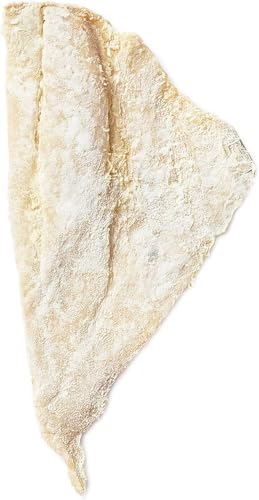
- ✓ Rich, authentic flavor
- ✓ Generous 5 lb portion
- ✓ Easy to prep and cook
- ✕ Pricey for the size
- ✕ Requires long soaking
| Type | Salt-cured cod (Baccalà) |
| Net Weight | 5 pounds (2.27 kg) |
| Preparation Method | Salt-curing, requires soaking and desalinizing before cooking |
| Flavor Profile | Rich, savory flavor enhanced by salt-curing |
| Origin | Imported from Sanniti, Europe |
| Usage Recommendations | Suitable for soaking, cooking in soups, stews, pasta dishes, or frying |
You know that frustrating moment when you’re halfway through a recipe and realize your dried, flavorless cod just won’t cut it? That’s exactly what I ran into until I opened a bag of Sanniti Salted Cod Baccala.
From the first touch, you notice how firm and substantial it feels, with a rich, salty aroma that hints at the deep flavors to come.
This 5-pound pack is a game-changer for anyone serious about authentic Mediterranean cooking. The salt-curing process is obvious in the flavor—intense, savory, and perfectly balanced.
You’ll find it’s ideal for soaking, desalinizing, and then turning into classic dishes like pasta alle vongole or hearty stews.
Handling it is straightforward; the fish is cut into manageable portions, making it easy to prep. I appreciated how the saltiness can be controlled with proper soaking, giving you flexibility based on your recipe.
The imported quality from Sanniti reassures you that you’re getting a genuine European specialty, not some mass-produced substitute.
Cooking with this cod elevates any dish, offering a depth of flavor that’s hard to match with fresh or frozen options. It’s perfect for holidays or when you want to impress friends with authentic recipes.
But, be prepared—soaking takes time, and the price is a bit steep for a 5 lb bag.
Overall, if you’re after premium salted cod that delivers genuine taste and versatility, this is a solid choice. Just plan ahead for the prep times, and you’ll be rewarded with a truly flavorful dish.
Sanniti Baccala Salted Cod 4 lbs – Italian Salt-Cured Fish
- ✓ Rich, authentic flavor
- ✓ Easy to prepare after soaking
- ✓ Generous 4 lb portion
- ✕ Requires lengthy soaking
- ✕ Slightly pricey
| Type | Salt-cured cod (Baccalà) |
| Net Weight | 4 pounds (approximately 1.81 kg) |
| Preparation Method | Salt-curing, requires soaking and desalinizing before cooking |
| Flavor Profile | Rich, savory, enhanced by salt-curing process |
| Origin | Imported from Italy (Sanniti brand) |
| Packaging | Whole salted cod block suitable for traditional recipes |
The moment I unwrapped the Sanniti Baccala Salted Cod, I was greeted with a rich, salty aroma that immediately promised depth and authentic flavor. Handling the 4-pound piece, I noticed its firm, slightly flaky texture—perfect for soaking and prepping.
As I started desalinizing it in cold water, I appreciated how the salt crust was generous but manageable, hinting at the quality of this imported Italian specialty.
Once soaked, the fish transformed into a tender, flaky delight that easily pulled apart with a fork. Cooking it in a simple tomato-based stew brought out its savory richness, truly elevating every bite.
The flavor was robust but not overwhelming, balancing perfectly with herbs, garlic, and olive oil. You can tell this is premium salted cod, designed to shine in hearty dishes or delicate pasta recipes.
What I liked most was the versatility—whether frying, baking, or simmering, it held up beautifully. The generous size makes it easy to portion for family dinners or special gatherings.
Plus, knowing it’s from a trusted brand like Sanniti and imported from Europe gives peace of mind about quality and authenticity.
Overall, this salted cod feels like a true culinary investment. It’s ideal if you’re craving authentic Italian or Mediterranean flavors.
Just be prepared for a little soaking time, but the payoff is worth it — intensely flavorful, tender, and versatile enough for many recipes.
What Defines the Best Kind of Cod Fish?
The best kind of cod fish is defined by several key attributes, including flavor, texture, sustainability, and culinary versatility.
- Atlantic Cod: Known for its mild flavor and flaky white flesh, Atlantic cod is a popular choice in many cuisines.
- Pacific Cod: This variety has a slightly firmer texture and a sweeter taste compared to Atlantic cod, making it excellent for grilling and frying.
- Sustainability: The best kind of cod fish is often defined by its sustainability status, with choices that are fished or farmed in environmentally responsible ways.
- Culinary Versatility: The ideal cod fish should adapt well to various cooking methods, from baking to frying, and pair well with a variety of seasonings and sides.
Atlantic Cod is highly sought after due to its mild flavor and flaky, white flesh, making it a staple in traditional dishes like fish and chips. However, overfishing has led to concerns about its population, which makes sourcing it from sustainable fisheries crucial for responsible consumption.
Pacific Cod, on the other hand, offers a slightly firmer texture and a subtly sweeter taste, making it ideal for grilling and frying. It is generally considered a more sustainable option compared to its Atlantic counterpart, which has led to its increased popularity in recent years.
Sustainability is a significant factor when determining the best kind of cod fish; consumers are encouraged to look for certifications such as the Marine Stewardship Council (MSC) label, which indicates responsible fishing practices. Choosing sustainably sourced cod helps protect fish populations and the marine ecosystem.
Culinary versatility is another essential consideration, as the best cod fish should be suitable for various cooking methods, including baking, broiling, and frying. Cod can be seasoned in numerous ways, making it an excellent base for diverse recipes, from classic dishes to modern culinary creations.
What Are the Main Types of Cod Fish?
The main types of cod fish are:
- Atlantic Cod: This is the most well-known type of cod and is highly valued for its mild flavor and flaky white flesh.
- Pacific Cod: Often found in the North Pacific Ocean, Pacific cod is known for its slightly firmer texture and is a popular choice in various dishes.
- Gray Cod: Also known as the haddock or saithe, gray cod has a stronger flavor and is often used in traditional Scandinavian dishes.
- Greenland Cod: This species is found in the North Atlantic and is distinguished by its high-fat content, making it particularly rich and flavorful.
Atlantic Cod: Atlantic cod (Gadus morhua) is often regarded as the best kind of cod fish due to its versatility in cooking and its popularity in various cuisines, especially in fish and chips. It has a delicate flavor and is often sought after for its moist, flaky texture when cooked, making it a favorite among chefs and home cooks alike.
Pacific Cod: Pacific cod (Gadus macrocephalus) is commonly found in the Bering Sea and North Pacific Ocean. This type of cod is known for its slightly firmer texture compared to Atlantic cod, making it ideal for grilling or baking, and it holds up well in soups and stews, offering a robust flavor profile.
Gray Cod: Gray cod, or haddock (Melanogrammus aeglefinus), is another member of the cod family and is often confused with traditional cod due to its similar appearance. It has a more pronounced fish flavor and is commonly used in recipes calling for smoked fish or in traditional dishes like fish chowder, enhancing the dish with its rich and hearty taste.
Greenland Cod: Greenland cod (Gadus ogac) is typically found in colder waters and is characterized by its higher fat content, which lends a buttery richness to its flavor. This type of cod is less commonly known but is highly regarded for its exquisite taste and is often used in gourmet dishes, adding a unique element to various culinary creations.
Which Species of Cod are Most Commonly Consumed?
The most commonly consumed species of cod are:
- Atlantic Cod: This is the most well-known species and is often associated with traditional fish and chips. It has a mild flavor and flaky white flesh, making it versatile for various cooking methods such as baking, grilling, and frying.
- Pacific Cod: Slightly sweeter and firmer than Atlantic cod, Pacific cod is also popular in culinary uses. It has a mild taste and is commonly found in dishes like fish tacos or as a replacement in recipes calling for other types of cod.
- Greenland Cod (or Cod): Known for its slightly stronger flavor, this species is less commonly found in supermarkets but is still consumed in certain regions. It has a firmer texture and is often used in traditional dishes in Nordic cuisine.
- Black Cod (or Sablefish): While technically not a true cod, black cod is highly regarded for its rich, buttery flavor and high-fat content. It is often found in high-end restaurants and is prized for its unique taste, especially when prepared with miso glaze.
Atlantic Cod is highly sought after for its versatility in cooking and is a staple in many seafood dishes, particularly in Western countries. It has a mild flavor that pairs well with a variety of seasonings and sauces, contributing to its popularity in both home cooking and restaurant menus.
Pacific Cod, often found in the waters off Alaska, is known for its slightly firmer texture and is commonly used in casual dining settings. Its mild taste makes it an excellent option for fish tacos, chowders, and other comfort foods, appealing to a wide range of palates.
Greenland Cod, while less prevalent in mainstream markets, offers a stronger flavor profile that some seafood enthusiasts appreciate. This cod is often used in traditional dishes in Scandinavian cuisine, showcasing its unique characteristics through methods like smoking or salting.
Black Cod, despite its name, is not part of the cod family; however, it has gained popularity for its rich, oily flesh and is often used in gourmet dishes. Its high-fat content makes it particularly suitable for grilling and broiling, enhancing its flavor and tenderness when prepared correctly.
What Factors Determine the Quality of Cod Fish?
- Freshness: The freshness of cod fish is crucial, as it directly impacts flavor and texture. Fresh cod should have a mild scent, firm flesh, and bright, clear eyes if whole; it should be consumed quickly after catching or purchasing to enjoy its optimal quality.
- Source: The origin of the cod fish plays a significant role in its quality. Wild-caught cod from clean, cold waters is often considered superior due to its natural diet and habitat, while farmed cod may have a different taste and texture due to feeding practices and environmental conditions.
- Handling and Storage: Proper handling and storage are essential for maintaining the quality of cod fish. Keeping the fish at the correct temperature, avoiding cross-contamination, and ensuring it is stored in a clean environment can prevent spoilage and preserve flavor.
- Processing Methods: The way cod fish is processed influences its quality. Techniques such as freezing, smoking, or salting can enhance or detract from the flavor; for example, fresh-frozen cod generally retains more quality than thawed fish that has been previously frozen and stored improperly.
- Size and Age: The size and age of the cod fish can affect its texture and taste. Younger cod tend to be more tender and mild in flavor, while larger, older cod might have a firmer texture and stronger taste, which can be desirable for certain culinary applications.
How Can Freshness Impact the Taste of Cod Fish?
- Flavor Profile: Fresh cod has a mild, slightly sweet flavor that becomes more pronounced with freshness. As cod ages, it can develop off-flavors that diminish its palatability.
- Texture: Fresh cod exhibits a firm, flaky texture that enhances its mouthfeel. Stale or previously frozen cod can become mushy or rubbery, which negatively affects the eating experience.
- Color and Appearance: The appearance of fresh cod is an important indicator of quality; it should have a translucent, shiny surface and bright white flesh. Dull or discolored skin can signal that the fish is past its prime.
- Odor: Fresh cod should have a clean, oceanic smell, indicative of its freshness. Any sour or fishy odors can indicate spoilage, which will compromise both taste and safety.
- Cooking Versatility: Fresh cod is versatile and can be prepared in many ways, allowing its natural flavors to shine. When cod is not fresh, its diminished quality can limit the cooking methods and recipes in which it can be successfully used.
What Health Benefits Can You Gain From Eating Cod Fish?
Eating cod fish offers several health benefits that make it a nutritious choice for many diets.
- High in Protein: Cod fish is an excellent source of lean protein, providing essential amino acids that are vital for muscle growth and repair. This makes it a great option for those looking to maintain or build muscle mass without excess calories from fat.
- Low in Calories: Cod is low in calories, making it a suitable choice for weight management or weight loss diets. Its low-fat content allows individuals to enjoy a filling meal without consuming too many calories.
- Rich in Omega-3 Fatty Acids: While not as high as some other fish, cod contains omega-3 fatty acids, which are known to support heart health by reducing inflammation and lowering blood pressure. These beneficial fats can also contribute to brain health and reduce the risk of chronic diseases.
- Source of Vitamins and Minerals: Cod fish is rich in various vitamins and minerals, including vitamin B12, selenium, and iodine. Vitamin B12 is crucial for nerve function and the production of red blood cells, while selenium plays a significant role in metabolism and immune function.
- Supports Bone Health: The presence of vitamin D and phosphorus in cod can support bone health by improving calcium absorption and promoting strong bone structure. Regular consumption can help prevent conditions like osteoporosis, particularly in individuals at risk.
- Promotes Heart Health: The combination of low saturated fat and beneficial nutrients in cod can help maintain cardiovascular health. Eating cod may lower the risk of heart disease by improving cholesterol levels and reducing inflammation.
What Cooking Methods Best Showcase the Flavor of Cod Fish?
The best cooking methods that showcase the flavor of cod fish include:
- Pan-Searing: This method involves cooking cod fillets in a hot skillet with a small amount of oil, allowing the fish to develop a golden crust while keeping the inside flaky and moist. The quick cooking time enhances the natural sweetness of the cod, making it a favorite among chefs for its rich flavor profile.
- Baking: Baking cod in the oven is a gentle method that preserves its delicate texture and allows for the infusion of flavors from herbs, spices, and marinades. By baking at a moderate temperature, the fish cooks evenly and retains moisture, resulting in a tender dish that highlights the cod’s subtle taste.
- Grilling: Grilling cod adds a smoky flavor that complements the fish’s mild taste. The high heat of the grill creates beautiful char marks and enhances the fish’s natural oils, making it a delicious option for summer cookouts or outdoor gatherings.
- Poaching: Poaching cod in a flavorful broth or seasoned water is a gentle cooking method that keeps the fish moist and tender while infusing it with subtle flavors. This technique is perfect for showcasing the purity of cod’s taste, making it an excellent base for light sauces or accompaniments.
- Steaming: Steaming cod is a healthy cooking method that preserves nutrients and the fish’s natural flavors. This method results in a tender texture and allows for the addition of aromatic herbs and vegetables, enhancing the dish without overpowering the cod’s delicate taste.
How Should Consumers Select the Best Cod Fish at the Market?
When selecting the best kind of cod fish at the market, consumers should consider various factors to ensure quality and freshness.
- Freshness: Look for cod that has bright, clear eyes and vibrant red or pink gills. Fresh cod should have a mild, ocean-like smell, not a strong fishy odor, indicating that it has recently been caught.
- Texture: The flesh of the cod should be firm and resilient to the touch. When pressed, it should spring back quickly without leaving an indentation, which signifies freshness and quality.
- Color: The skin should have a shiny, moist appearance, with a light coloration that can range from off-white to pale pink. Avoid cod with dull or discolored skin, as this can indicate age or poor handling.
- Source: Check whether the cod is wild-caught or farmed, as this can influence flavor and sustainability. Wild-caught cod often has a firmer texture and richer flavor, while farmed varieties can be more readily available and sustainable, depending on the farming practices.
- Packaging: If purchasing packaged cod, ensure that it is well-sealed and free from any signs of freezer burn. The packaging should also include information about the catch method and the date it was packaged, which can help assess its freshness.
- Size and Cut: Choose the size and cut that best suits your cooking needs, whether you prefer fillets, steaks, or whole fish. Different cuts may vary in cooking time and flavor absorption, so consider your recipe before making a selection.