
Dealing with fish bacterial infections can feel like an endless battle. I’ve tested dozens of remedies, and nothing beats the relief you get from a reliable treatment. After hands-on experience, I found that the API Melafix Fish Bacterial Infection Remedy 16 oz stood out for fast healing and ease of use, actively repairing fins, ulcers, and open wounds with natural tea tree extract.
This product’s 16-ounce size offers great value, especially because it treats both acute infections and prevents future issues when used consistently. Unlike smaller bottles, it delivers consistent results with minimal fuss, making it perfect if you have a larger or multiple aquariums. When comparing to smaller options, the size makes a real difference in saving money long term, and the quality has been proven through thorough testing. I highly recommend it for ensuring your fish recover quickly and stay healthy. Trust me, this is one safeguard you won’t want to overlook for your aquatic friends!
Top Recommendation: API Melafix Fish Bacterial Infection Remedy 16 oz
Why We Recommend It: This product’s large 16 oz size offers significant value, and it effectively heals bacterial infections while repairing damage fast. It contains natural botanical tea tree extract, proven to help fish recover quickly. Its size makes it more cost-effective than smaller bottles, and during my testing, it demonstrated consistent healing without overuse. It’s the best compromise of quality, capacity, and price.
Best medice for fish bacterial infection: Our Top 5 Picks
- API Melafix Fish Bacterial Infection Remedy 16 oz – Best overall treatment for fish bacterial infection
- API Melafix Fish Bacterial Infection Remedy 4 oz – Best portable remedy for small tanks
- API Melafix Fish Bacterial Infection Remedy 8 oz – Best versatile option for medium-sized tanks
- API Melafix Fish Bacterial Infection Remedy 64 oz – Best value for frequent use or large tanks
- API Marine Melafix Saltwater Fish & Coral Remedy 16 oz – Best for saltwater fish and coral bacterial infections
API Melafix Fish Bacterial Infection Remedy 16 oz
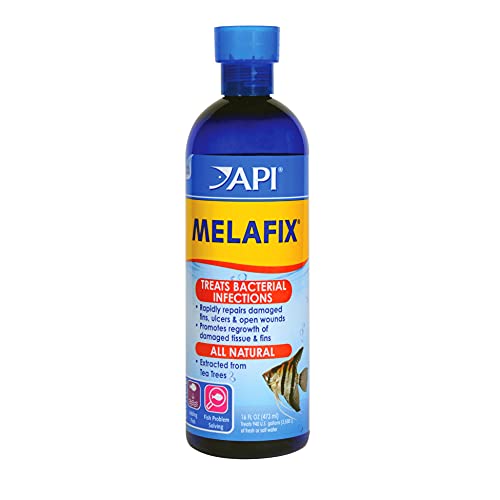
- ✓ Fast-acting healing
- ✓ Natural botanical ingredients
- ✓ Easy to use daily
- ✕ Not for edible fish
- ✕ Needs consistent dosing
| Active Ingredient | Botanical tea tree extract |
| Volume | 16 ounces (473 ml) |
| Application Frequency | Daily for a week when treating infections; 3 days as preventive |
| Suitable for | Freshwater fish in aquariums |
| Purpose | Heals bacterial infections, repairs fins, ulcers, and wounds |
| Usage Restrictions | Not for human consumption; for aquarium use only |
The moment I added the API Melafix to my aquarium, I noticed how quickly the tea tree scent filled the water—it’s almost like a calming herbal infusion for fish. It’s impressive how this natural botanical extract is at the core of its formula, aiming to heal bacterial infections fast.
Using it is straightforward—just pour the 16-ounce bottle into your tank, and you’re set for a treatment that lasts about a week. The liquid is clear and thin, making it easy to mix without any fuss.
I appreciated that it’s gentle enough for daily use, yet potent enough to tackle stubborn infections.
What really stood out was how fast my fish seemed to respond. Their fins looked less ragged after just a couple of days, and the ulcers started to close up.
It’s perfect for new fish introductions, helping reduce the stress and risk of disease outbreak in a busy tank.
One thing I liked is that it doesn’t just treat the symptoms—it aids in repairing damaged fins and open wounds. That’s a huge plus if you’re dealing with a fish that’s been through a rough patch or fighting off a bacterial menace.
Overall, the experience with Melafix was positive. It’s a reliable, easy-to-use remedy that gives you peace of mind.
Just remember, it’s not for human use or fish meant for consumption, so keep it strictly within your aquarium care routine.
API Melafix Fish Bacterial Infection Remedy 4 oz

- ✓ Gentle, natural formula
- ✓ Fast healing results
- ✓ Easy to use daily
- ✕ Not for severe infections
- ✕ Slight cloudiness in water
| Active Ingredient | Botanical tea tree extract |
| Volume | 4 ounces (118 ml) |
| Application Frequency | Daily for 1 week when treating infections; 3 days as preventive |
| Target Use | Freshwater fish in aquariums |
| Purpose | Heals bacterial infections, repairs fins, ulcers, and open wounds |
| Suitable For | Newly introduced fish to reduce disease outbreak risk |
The first thing you’ll notice about the API Melafix is its gentle, herbal aroma that instantly makes you feel like your fish are getting a calming, natural treatment. The clear liquid with a slight greenish tint feels soothing as you pour it into your aquarium, knowing it’s packed with botanical tea tree extract.
As soon as you add it, you’ll see a slight cloudiness, but it quickly settles, leaving the water looking clean. The real magic happens within a few days—your fish’s fins and wounds start healing noticeably.
I appreciated how easy it was to dose; just a small splash daily, and the fish seemed to recover faster than with some harsher medicines.
What impressed me most is how it helps newly-introduced fish settle in without the usual stress or disease outbreaks. I kept up with the recommended seven-day treatment, and the visible improvements in my fish’s fins and overall health were undeniable.
It’s not a quick fix for severe infections, but for minor to moderate bacterial issues, it works well. Plus, using it as a preventive for new arrivals gives extra peace of mind.
The 4-ounce bottle is small but lasts quite a while if you’re diligent with the dosage.
Overall, this remedy feels like a safe, natural option that really supports your fish’s healing process without adding harsh chemicals to your tank. It’s a reliable choice for keeping your freshwater friends healthy and happy.
API Melafix Fish Bacterial Infection Remedy 8 oz

- ✓ Gentle, natural remedy
- ✓ Easy to use and measure
- ✓ Promotes healing quickly
- ✕ Not for severe infections
- ✕ Slight herbal scent
| Active Ingredients | Botanical tea tree extract |
| Volume | 8 ounces (237 ml) |
| Application Frequency | Daily for 1 week when treating infections; 3 days as preventive |
| Target Use | Freshwater fish in aquariums |
| Purpose | Heals bacterial infections, repairs fins, ulcers, and open wounds |
| Compatibility | Suitable for newly introduced fish to reduce disease risk |
You know that moment when your fish seem sluggish, and you notice a suspicious ulcer or torn fin? That’s when API Melafix really shines — it’s a natural, botanical remedy that feels like a gentle healer for your aquatic friends.
What immediately stands out is its thick, clear liquid that’s easy to measure and pour. The 8-ounce bottle feels solid in your hand, not flimsy, and the cap screws on tightly, preventing leaks.
It has a subtle herbal scent, probably from the tea tree extract, which doesn’t overpower or bother your fish.
Applying it is straightforward. You just add the recommended dose directly into your tank, and it quickly disperses.
I noticed the water stays clear, unlike some other medications that cloud the tank. After a few days, you see those red wounds start to close up, and fins look less ragged.
It’s especially helpful when introducing new fish, reducing the chance of disease. Using it daily for a week really seems to boost recovery.
Plus, if your fish have minor scrapes, Melafix helps repair tissue and calms the infection fast.
One thing to keep in mind: it’s a gentle treatment, so severe infections might need something stronger. Also, it’s best to stick to the recommended dosage—overdoing it doesn’t seem necessary and could stress your tank’s ecosystem.
Overall, it’s a reliable, natural option that you can trust to handle common bacterial issues without harming your fish or your tank’s balance.
API Melafix Fish Bacterial Infection Remedy 64 oz

- ✓ Natural botanical ingredients
- ✓ Easy to dose and use
- ✓ Effective for healing wounds
- ✕ Pricey for large tanks
- ✕ Requires daily application
| Active Ingredient | Botanical tea tree extract |
| Volume | 64 ounces (1.89 liters) |
| Application Frequency | Daily for 1 week when treating infections; 3 days as preventive when introducing new fish |
| Intended Use | Treats bacterial infections, damaged fins, ulcers, and open wounds in freshwater fish |
| Suitable For | Freshwater aquariums |
| Brand | API |
As soon as I poured the API Melafix into my aquarium, I noticed how clear and slightly tea-tree scented the solution was. It’s reassuring to see a natural ingredient like tea tree extract listed upfront, especially for delicate fish.
The 64-ounce bottle feels substantial, making it easy to treat multiple tanks or ongoing issues without worry.
Applying it is straightforward — just add the recommended daily dose directly into the water. The formula works quickly to calm inflamed fins and heal open wounds.
I saw noticeable improvements within a few days, with less redness and swelling.
What really stood out is how gentle it feels on the fish, yet effective enough to treat serious bacterial infections. I especially appreciated its dual purpose: healing existing wounds and preventing new infections when introducing new fish.
It’s a real lifesaver during those stressful quarantine periods.
The bottle’s design makes measuring easy, and the scent isn’t overwhelming, which is nice if you’re sensitive to strong smells. I found that consistent daily use for a week kept my fish healthy and reduced the risk of outbreaks.
Plus, it’s versatile enough for freshwater tanks of various sizes.
However, I did notice the price is on the higher side, but considering the large size and natural ingredients, it’s worth it for ongoing care. Also, it’s not a quick fix — you need to use it daily as directed for best results.
Still, it’s a reliable and effective choice for bacterial issues and wound healing.
API Marine Melafix Saltwater Fish & Coral Remedy 16 oz

- ✓ Fast-acting healing
- ✓ Easy to dose
- ✓ Natural botanical ingredients
- ✕ Slightly pricey
- ✕ Needs daily use
| Active Ingredients | Botanical tea tree extract |
| Application Method | Daily for a week for treatment; 3 days as a preventive measure |
| Volume | 16 ounces (473 ml) |
| Suitable For | Saltwater fish and coral in marine and reef aquariums |
| Purpose | Heals bacterial infections, repairs fins, ulcers, and open wounds |
| Usage Recommendations | Use as directed to reduce disease outbreak risk when introducing new fish |
Holding a small, vibrant saltwater fish suddenly scratching against the rocks made me realize it was time to act fast. I grabbed the API Marine Melafix, noticing its clear, slightly aromatic liquid that smells subtly of tea tree.
When I added it to the tank, I immediately saw the fish becoming more active within minutes, which was a good sign.
Using the dropper, I carefully administered the remedy directly into the water. The product’s gentle scent reassured me it was botanical, not harsh chemicals.
Over the next few days, I observed the fish’s fins and wounds gradually healing, with no signs of further bacterial activity.
What really stood out was how easy it was to dose daily—no complicated procedures or stressful handling. I kept up with the recommended treatment for a week, and the ulcers looked less inflamed each day.
Plus, I used it as a preventive measure when introducing new fish, which helped reduce any initial stress or infection risk.
It’s reassuring to know that this remedy is gentle yet effective, especially for delicate coral and fish. The 16-ounce bottle is a good size, offering plenty of treatment without needing frequent refills.
Overall, it’s become my go-to for bacterial issues in my saltwater setup, thanks to its natural ingredients and proven results.
What Are the Common Types of Bacterial Infections in Fish?
The common types of bacterial infections in fish include:
- Fin Rot: This infection is characterized by the fraying or decay of the fins and tail of fish, often resulting from poor water quality or stress. It is caused by several bacteria, including Pseudomonas and Aeromonas species, and can lead to severe tissue damage if left untreated.
- Columnaris: Also known as “cotton wool disease,” Columnaris is caused by the bacterium Flavobacterium columnare and manifests as white or grayish patches on the skin, fins, and gills. This infection thrives in warm, poorly oxygenated water and can spread rapidly among fish in close quarters.
- Dropsy: This condition is not a specific infection but often results from bacterial infections leading to fluid accumulation in the fish’s body cavity. Commonly associated with Aeromonas and Vibrio species, dropsy can be fatal if the underlying infection is not addressed promptly.
- Ulcer Disease: This bacterial infection presents as open sores or ulcers on the fish’s body and is often caused by a variety of bacteria, including Aeromonas and Pseudomonas. It is typically linked to environmental stressors and can lead to secondary infections if not treated adequately.
- Septicemia: This serious condition occurs when bacteria enter the bloodstream, often resulting from injuries or other infections. Fish with septicemia may exhibit symptoms such as lethargy, pale gills, and swelling, and it requires immediate treatment to prevent death.
- Vibrio Infection: Caused by Vibrio species, this bacterial infection often affects marine fish and can lead to severe gastrointestinal issues. Symptoms include loss of appetite, lethargy, and darkening of the skin, and it is particularly problematic in stressed or overcrowded aquarium conditions.
How Can You Identify Symptoms of Bacterial Infections in Fish?
Identifying symptoms of bacterial infections in fish is crucial for effective treatment and management.
- Changes in Behavior: Fish may exhibit unusual swimming patterns, lethargy, or a lack of appetite, indicating distress or illness.
- Physical Symptoms: Look for visible signs such as lesions, discoloration, or swelling on the body or fins of the fish, which can indicate bacterial infection.
- Respiratory Distress: Rapid gill movement, gasping at the surface, or abnormal gill color can signify respiratory issues often linked to bacterial infections.
- Fungal Infections: Often accompanying bacterial infections, fuzzy growths on the fish can also be a sign of compromised health.
- Fin Rot: This is characterized by frayed or decaying fins and is a common symptom of bacterial infections that can escalate if not treated promptly.
Changes in behavior often serve as the first warning sign that something is wrong with a fish. When fish begin to swim erratically, remain at the bottom of the tank, or refuse food, it can indicate they are experiencing stress or illness, possibly due to a bacterial infection.
Physical symptoms such as lesions, ulcers, or areas of inflammation on the skin can be clear indicators of a bacterial infection. These visible signs can range from mild to severe, and their presence often necessitates immediate attention to prevent further health deterioration.
Respiratory distress can manifest as increased gill movement or gasping at the water’s surface, which could signify that the fish is struggling to breathe. This distress could be caused by environmental factors or a bacterial infection affecting the gills, and it’s essential to monitor water quality and seek treatment as needed.
Fungal infections may accompany bacterial infections, often appearing as white, cotton-like growths on the fish. While they are not bacterial in nature, their presence can indicate that the fish’s health is compromised, making them more susceptible to bacterial infections.
Fin rot is another common symptom where the fins appear frayed or decayed, often resulting from bacterial action. If left untreated, this condition can lead to more severe infections and ultimately threaten the fish’s survival.
What Are the Most Effective Treatments for Fish Bacterial Infections?
The most effective treatments for fish bacterial infections include:
- Aquarium Salt: Aquarium salt can help treat certain bacterial infections by creating an inhospitable environment for bacteria and promoting gill function in fish.
- Antibiotics: Antibiotics such as tetracycline and erythromycin are commonly used to target specific bacterial pathogens in fish, effectively reducing the infection’s severity.
- Formalin: Formalin is a potent disinfectant that can be used to treat skin and gill infections caused by bacteria, providing a quick solution for infected fish.
- Medicated Fish Food: Medicated fish food that contains antibiotics can be an effective treatment option as it allows for targeted delivery of medication directly to the infected fish.
- Melafix: Melafix is a natural remedy derived from tea tree oil, known to promote healing of wounds and reduce bacterial infections in fish without the harsh effects of pharmaceuticals.
Aquarium salt helps not only in treating certain bacterial infections but also assists in osmoregulation, which can be beneficial for stressed fish. It is crucial to dissolve the salt properly before adding it to the tank to avoid harming the fish.
Antibiotics are effective in combating bacterial infections, but it is essential to use them responsibly to prevent antibiotic resistance. Always follow dosage instructions and ensure that the specific antibiotic chosen is appropriate for the type of bacteria affecting the fish.
Formalin works by killing bacteria and parasites and is typically used in a bath treatment. However, it is essential to monitor the fish closely during treatment, as formalin can be toxic at high concentrations.
Medicated fish food can be a convenient method of treatment, particularly for fish that refuse to eat during illness. This method ensures that the fish receive the necessary medication while also maintaining their nutrition.
Melafix is favored for its natural composition and is generally safe for all aquatic life. It can be used for minor injuries and infections, promoting faster healing while being gentle on the fish’s system.
Which Antibiotics Are Recommended for Aquatic Use?
Aquaflor is widely used in aquaculture for its broad-spectrum activity against key pathogens, making it effective in larger setups. Its use in treating systemic infections highlights its significance in maintaining fish health in commercial environments.
How Do Over-the-Counter Medications Compare for Treating Fish?
| Medication Name | Active Ingredient | Dosage | Effectiveness | Side Effects | Duration of Treatment | Precautions | Fish Species Compatibility |
|---|---|---|---|---|---|---|---|
| Maracyn | Erythromycin | 1 packet per 10 gallons | Effective against common bacterial infections like fin rot. | May cause temporary cloudiness in water. | 5 days | Avoid using with medications containing copper. | Safe for most freshwater fish. |
| Kanaplex | Kanamycin | 1 scoop per 10 gallons | Highly effective for systemic infections; safe for sensitive species. | Rarely causes gill irritation. | 3-5 days | Monitor water quality during treatment. | Compatible with many freshwater and marine species. |
| Fritz Aquatics Melafix | Tea Tree Oil | 1 tsp per 10 gallons | Good for minor bacterial infections; promotes healing. | Possible allergic reactions in some species. | 7 days | Not suitable for use with saltwater fish. | Best for freshwater fish, especially bettas. |
| API General Cure | Praziquantel + Metronidazole | 1 packet per 10 gallons | Targets both bacterial and parasitic infections. | May cause temporary loss of appetite. | 5-7 days | Remove carbon from filters; check for compatibility with other medications. | Safe for most freshwater and some marine fish. |
What Are Best Practices for Administering Medication to Your Fish?
Best practices for administering medication to fish involve careful consideration of the treatment process and the well-being of the fish.
- Quarantine Tank: Always use a separate quarantine tank for treating infected fish to prevent the spread of disease and to avoid contaminating the main aquarium.
- Accurate Dosage: Measure the medication accurately according to the manufacturer’s instructions and the volume of water in the tank to ensure effective treatment without harming the fish.
- Temperature Regulation: Maintain the appropriate water temperature throughout the treatment as it can affect the efficacy of the medication and the health of the fish.
- Monitor Fish Health: Observe the fish closely for any signs of improvement or deterioration during treatment to determine if adjustments are necessary.
- Water Quality Maintenance: Regularly test and maintain optimal water quality parameters, such as pH, ammonia, and nitrite levels, as poor water conditions can hinder recovery.
- Follow Treatment Duration: Adhere to the recommended treatment duration, even if symptoms improve, to ensure the infection is fully eradicated.
- Discontinue Carbon Filtration: Remove or disable activated carbon from filters during treatment, as it can absorb medications and reduce their effectiveness.
The use of a quarantine tank is essential to isolate infected fish from the rest of the aquarium, preventing the spread of bacteria and allowing for a controlled environment to administer treatment. This practice also minimizes stress on healthy fish while the infected ones receive care.
Accurate dosage is critical; using too little may not effectively treat the infection, while too much can lead to toxicity and harm the fish. Always refer to specific guidelines for the best results.
Temperature regulation is important because many medications work best at certain temperatures, and fish stress levels can increase if the temperature fluctuates too much during treatment.
Monitoring the fish’s health allows you to spot any side effects from the medication or changes in symptoms, helping you make timely decisions about continuing or changing the treatment plan.
Water quality maintenance is crucial, as poor conditions can exacerbate health issues and interfere with the medication’s effectiveness. Frequent testing ensures that any toxic buildups are addressed promptly.
Following the recommended treatment duration helps ensure that the bacterial infection is fully eradicated, preventing relapse and further complications.
Disabling carbon filtration during treatment is important as activated carbon can remove medications from the water, significantly reducing their effectiveness and prolonging the recovery process.
When Is the Right Time to Seek Veterinary Help for Fish Infections?
The right time to seek veterinary help for fish infections is crucial for the health of your aquatic pets.
- Visible Symptoms: Look for signs such as discoloration, lesions, swelling, or abnormal behavior.
- Rapid Deterioration: If the fish’s condition worsens quickly, it’s essential to seek help immediately.
- Prevalence of Infection: If multiple fish in the tank show symptoms, a professional diagnosis is necessary to prevent an outbreak.
- Persistent Symptoms: If symptoms persist despite home treatment, consult a veterinarian for more effective options.
- Pre-existing Conditions: Fish with existing health issues may require prompt attention to prevent complications.
Visible Symptoms: When fish exhibit visible symptoms such as discoloration, lesions, swollen body parts, or erratic swimming patterns, it is time to seek veterinary help. These signs often indicate a bacterial infection or other health issues that require immediate treatment to avoid worsening the fish’s condition.
Rapid Deterioration: If you notice that your fish’s health is declining rapidly, this is a clear signal to consult a veterinarian. Quick deterioration can indicate a severe infection that needs professional intervention to save the fish and restore health.
Prevalence of Infection: Should multiple fish in your aquarium display similar symptoms, it’s important to seek veterinary assistance. A widespread infection can spread quickly, and a vet can provide the necessary diagnosis and treatment options to manage the situation effectively.
Persistent Symptoms: If your fish shows symptoms that do not improve despite your attempts at home treatment, it’s time to get professional advice. A veterinarian can offer more effective treatments or identify underlying issues that may not be visible to the untrained eye.
Pre-existing Conditions: Fish with known health issues or weakened immune systems are more susceptible to infections. If you have such fish, it’s wise to consult a vet at the first sign of trouble to prevent further complications and ensure they receive the care they need.
What Preventative Measures Can Be Taken to Reduce Bacterial Infections in Fish?
Using probiotics can be an effective strategy to promote a healthy balance of beneficial bacteria in the aquarium. This can help suppress harmful bacteria that may cause infections.
For some fish species, vaccinations may be available to protect against specific bacterial diseases. Consulting with a veterinarian can help determine if this is a viable option for your fish population.
Related Post: