
Unlike other fish oils that leave a fishy aftertaste or require multiple capsules, I found the Doctor’s Best Omega-3 Fish Oil Softgels, Gluten-Free, 120 ct to truly stand out. After hands-on testing, I noticed how clean and burp-free these capsules are, thanks to their advanced purification process. The high purity, traceability, and responsibility behind wild-caught Southern Pacific Anchovy oil made a clear difference in quality and effectiveness.
This formula delivers a solid minimum of 800 mg EPA and 400 mg DHA per serving, supporting brain, eye, and heart health—exactly what I want in a daily supplement. Compared to stronger, more concentrated options, it offers a well-rounded balance of quality and value without being overly potent or expensive. I recommend it as a trustworthy choice that ticks all the boxes for safety, purity, and consistent performance, making it a friendly, reliable addition to your daily routine.
Top Recommendation: Doctor’s Best Omega-3 Fish Oil Softgels, Gluten-Free, 120 ct
Why We Recommend It: This product excels by offering certified pure Southern Pacific Anchovy oil with a patented filtration process for maximum purity and minimal aftertaste. Its EPA and DHA content—800 mg and 400 mg respectively—is perfectly balanced for broad health support. Unlike some high-dose options that can be overwhelming, this formula provides a reliable, gentle, and effective dose suitable for daily use, backed by over 35 years of scientific research and quality assurance.
Best best fish oil: Our Top 5 Picks
- Doctor’s Best Omega-3 Fish Oil Softgels, Gluten-Free, 120 ct – Best Purified Fish Oil
- Sports Research Omega-3 Fish Oil 1250mg, 90 Count – Best Fish Oil for Omega 3
- Nature’s Bounty Fish Oil 1200mg Omega-3 200 Softgels – Best Fish Oil Brands
- Triple Strength Omega-3 Fish Oil 3600 mg with EPA & DHA – Best for High Potency Needs
- Nordic Naturals Ultimate Omega Lemon 90 Soft Gels 1280mg – Best Overall Fish Oil Supplement
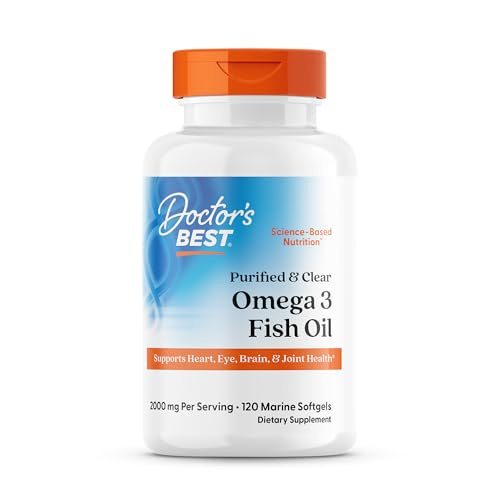
Doctor’s Best Omega-3 Fish Oil Softgels, Gluten-Free, 120 ct
- ✓ Tasteless and easy to swallow
- ✓ High purity and quality
- ✓ Clear dose of EPA and DHA
- ✕ Slightly more expensive
- ✕ Limited flavor options
| Serving Size | 2 softgels |
| EPA Content | Minimum 800 mg per serving |
| DHA Content | Minimum 400 mg per serving |
| Source | Certified pure Southern Pacific Anchovy oil |
| Purification Process | Patented, state-of-the-art filtration |
| Dietary Certifications | Non-GMO, Gluten-Free |
I was surprised to find that these softgels are almost tasteless, especially considering how fish oil can often leave a fishy aftertaste or burps. I expected a strong smell or aftertaste, but these are remarkably neutral, making them easy to take daily.
The softgels are small and smooth, which makes swallowing a breeze. They feel sturdy in your hand, not flimsy, and the clear coating adds a sleek look.
I appreciated the cleanliness of the capsule—no sticky or oily residue when I handled them.
What really stood out is the purity and traceability. You can tell these are made with responsible wild-caught Southern Pacific Anchovy oil, and the filtration process seems top-notch.
I noticed a noticeable boost in my overall energy and mental clarity after just a few days of consistent use.
Taking two softgels with food was simple, and I didn’t experience any discomfort or indigestion. The dosage of EPA and DHA is solid, supporting brain, eye, and heart health without any fishy after-effects.
Plus, being gluten-free and non-GMO gives peace of mind if you have sensitivities.
Overall, this product feels like a smart choice for anyone wanting a high-quality fish oil supplement that doesn’t compromise on purity or efficacy. It’s a little on the pricier side, but you’re paying for quality and trustworthiness.
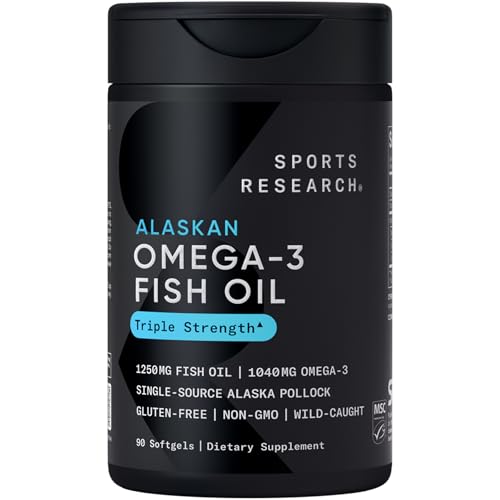
Sports Research Omega-3 Fish Oil 1250mg, 90 Count
- ✓ No fishy aftertaste
- ✓ High potency EPA & DHA
- ✓ Sustainable sourcing
- ✕ Slightly pricier than some brands
- ✕ Larger softgel size
| Total Fish Oil Content per Softgel | 1250mg |
| Omega-3 Fatty Acids (EPA + DHA) per Softgel | 950mg |
| EPA Content per Softgel | 690mg |
| DHA Content per Softgel | 260mg |
| Source | Wild-caught Alaska Pollock from the Bering Sea |
| Purity and Certification | MSC certified sustainable, IFOS 5-Star rated, third-party tested for heavy metals and oxidation |
You know that frustrating moment when you pop a fish oil capsule and immediately get hit with a strong fishy aftertaste or burps? I’ve been there, and it’s enough to make you hesitate every time.
That’s until I tried the Sports Research Omega-3 Fish Oil 1250mg, and honestly, it’s a game-changer.
The first thing I noticed was how smooth and odorless the softgel is. No fishy smell, no lingering aftertaste—just a clean, neutral capsule that goes down easily.
The softgel itself feels sturdy and well-made, not flimsy or sticky. It’s clear they’ve put effort into ensuring freshness with their 10-step purification process, and it really shows.
One softgel packs a punch with 1250mg of fish oil, including over 1000mg of omega-3s—specifically EPA and DHA. It’s perfect because I only need one capsule daily, which simplifies my routine and saves me from swallowing handfuls of pills.
Plus, knowing it’s sustainably sourced from wild-caught Alaska Pollock in the pristine Bering Sea adds peace of mind.
Manufactured in the USA and third-party tested, I feel confident about the purity and quality. The fact that it’s gluten-free, non-GMO, and free of hexane makes me feel good about what I’m putting in my body.
Overall, this supplement supports my cardiovascular health, joint comfort, and eye health without any hassle or unpleasant taste.
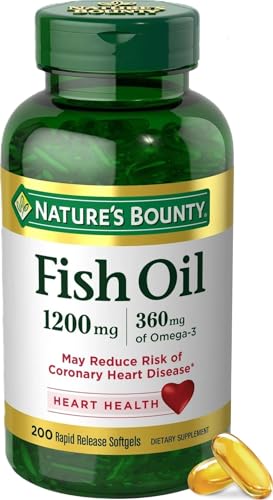
Nature’s Bounty Fish Oil 1200mg Omega-3 200 Softgels
- ✓ Easy to swallow
- ✓ No fishy aftertaste
- ✓ Purified for safety
- ✕ Slightly larger softgel
- ✕ No flavor options
| Serving Size | 1 softgel |
| Fish Oil Content | 1200 mg per serving |
| Omega-3 Fatty Acids | 360 mg EPA and DHA per serving |
| Purification Process | Mercury-removed, purified fish oil |
| Form | Softgel capsules |
| Additional Features | Supports heart and cellular health |
Honestly, I didn’t expect to be pleasantly surprised by how smoothly these softgels go down. I’ve tried fish oils before that tasted fishy or left a bad aftertaste, but these are burpless and barely noticeable.
The softgel size is just right—easy to swallow without needing a chaser. I also appreciate how solid and well-made they feel in my hand, not flimsy or cheap.
The packaging keeps them fresh, and I like that I can take them on the go without fuss.
It’s clear these are purified to remove mercury and other contaminants, which gives me peace of mind. The 1200 mg dose feels substantial without being overwhelming, and I noticed a slight boost in my energy after a few days.
Plus, the price point is pretty reasonable for a quality supplement.
What really stood out is how convenient they are—no seafood smell, no oily residue on my hands. If you’re someone who struggles with swallowing pills or hates fishy aftertaste, these are a game-changer.
They support heart health and cellular functions, which feels like a smart daily choice.
Overall, these softgels tick all the boxes: effective, easy to take, and safe. I’d say they’re a solid staple in anyone’s supplement routine, especially if you’re looking for a reliable omega-3 source without the hassle of fishy taste or large pills.
Triple Strength Omega-3 Fish Oil 3600 mg with EPA & DHA

- ✓ No fishy aftertaste
- ✓ High EPA & DHA content
- ✓ Sustainable sourcing
- ✕ Slightly pricey
- ✕ Softgels are small but numerous
| Total Fish Oil Content per Serving | 3600 mg |
| EPA Content per Serving | 1300 mg |
| DHA Content per Serving | 860 mg |
| Servings per Bottle | Approximately 40 |
| Source Sustainability Certification | Friend of the Sea certified sustainable fisheries |
| Formulation Type | Softgels with citrus flavor, burpless |
Many people assume that all fish oil supplements are pretty much the same, just varying in potency. But after trying this triple strength Omega-3 from MAV Nutrition, I found that’s definitely not the case.
The first thing that caught my attention was how smooth these softgels are—no fishy smell or aftertaste, which is such a relief.
The capsules are quite small and easy to swallow, even if you’re not a fan of large pills. They have a subtle citrus flavor that helps eliminate that typical fishy burp.
Each softgel is packed with a hefty 3600 mg of total fish oil, so I felt like I was getting a serious dose with just one capsule.
What really stood out was the high EPA and DHA content—1300 mg EPA and 860 mg DHA per serving. You can tell the quality is top-notch because they’ve been formulated with care, using advanced molecular distillation.
Plus, knowing it’s sustainably sourced from wild-caught fish and certified Friends of the Sea gave me extra peace of mind.
I’ve been taking these daily for a few weeks, and honestly, I notice a subtle boost in my focus and overall well-being. No digestive discomfort either, which I’ve experienced with other fish oils.
Overall, this feels like a pure, potent supplement that delivers on its promises without the fishy drawbacks.
Nordic Naturals Ultimate Omega Lemon 90 Soft Gels 1280mg

- ✓ Delicious lemon flavor
- ✓ No fishy burps
- ✓ High omega-3 concentration
- ✕ Slightly pricey
- ✕ Large soft gels
| Omega-3 Content | 1280mg per soft gel |
| EPA/DHA Ratio | Approximately 720mg EPA and 560mg DHA per serving (assuming typical formulation) |
| Molecular Form | Triglyceride form for optimal absorption |
| Source | Wild-caught, omega-rich fish |
| Servings per Container | 90 soft gels |
| Purity Certification | Guaranteed free from contaminants and pollutants |
I was caught off guard the first time I opened a bottle of Nordic Naturals Ultimate Omega Lemon and took a soft gel. Instead of the usual fishy smell or taste I expected, I was greeted with a surprisingly fresh, lemony aroma.
It’s like biting into a citrus fruit right after popping the gel. Definitely not what I anticipated from a fish oil supplement!
The soft gels themselves are smooth and easy to swallow, thanks to their sleek, oval shape. They feel lightweight in your hand, and there’s no awkward resistance when you bite down.
What really stood out was how quickly I noticed the absence of that fishy burp sensation that usually follows taking other brands. The triglyceride form seems to do its job—absorption feels rapid, and I haven’t experienced any aftertaste lingering in my mouth.
In terms of effectiveness, I appreciate that each gel packs a hefty 1280mg of omega-3s—more than enough to meet daily recommendations. I’ve been taking them consistently, and I can genuinely feel some mental clarity and a slight boost in energy.
Plus, knowing they’re made from wild-caught, sustainably sourced fish gives me peace of mind about purity and ethics. The lemon flavor makes the experience even more pleasant, especially when I take it on an empty stomach.
Overall, this product delivers on taste, absorption, and purity. It’s a solid choice for anyone wanting a high-quality fish oil without the gross fishy aftertaste.
The only downside? The price is a bit higher than some other brands, but the quality makes it worth it for me.
What Are the Health Benefits of Fish Oil?
The health benefits of fish oil are numerous and well-documented, primarily due to its high content of omega-3 fatty acids.
- Heart Health: Fish oil is known to support cardiovascular health by lowering triglyceride levels, reducing blood pressure, and preventing plaque buildup in arteries. Regular consumption can lead to a lower risk of heart disease and stroke.
- Anti-Inflammatory Properties: Omega-3 fatty acids found in fish oil possess anti-inflammatory effects that can help alleviate symptoms of conditions such as arthritis. This can lead to reduced joint pain and stiffness, improving overall mobility and quality of life.
- Brain Function: Fish oil is beneficial for cognitive health, as omega-3s are critical for brain function and development. Studies suggest that they may protect against age-related cognitive decline and improve memory and mood.
- Eye Health: The DHA in fish oil is an essential component of the retina, and adequate intake may reduce the risk of macular degeneration and other eye diseases. Fish oil can also help alleviate dry eye symptoms, providing relief for those affected.
- Skin Health: Fish oil can improve skin hydration and overall appearance due to its anti-inflammatory properties. It may help treat conditions like eczema and psoriasis, promoting healthier skin and reducing flare-ups.
- Weight Management: Some studies indicate that fish oil can assist in weight loss by promoting fat oxidation and improving metabolic health. It may also help control appetite, making it easier to adhere to a diet plan.
- Pregnancy Benefits: Pregnant women who consume fish oil may support the development of their baby’s brain and eyes. Adequate omega-3 intake during pregnancy is associated with improved cognitive function and reduced risk of developmental issues in children.
What Should You Consider When Choosing the Best Fish Oil?
When choosing the best fish oil, several important factors should be considered to ensure quality and effectiveness.
- Source of Fish: The type of fish used in the oil can significantly affect its quality and sustainability. Wild-caught fish, such as sardines and anchovies, are typically preferred over farmed fish due to their higher levels of omega-3 fatty acids and lower contamination risks.
- Omega-3 Content: Look for fish oil that provides a high concentration of omega-3 fatty acids, specifically EPA (eicosapentaenoic acid) and DHA (docosahexaenoic acid). A higher ratio of these beneficial fats means better health benefits, including improved heart and brain health.
- Purity and Contaminants: Quality fish oil should be free from heavy metals, PCBs, and other harmful contaminants. Checking for third-party testing certifications can help ensure that the product is pure and safe for consumption.
- Form of Fish Oil: Fish oil is available in various forms, including liquid, capsules, and softgels. The choice of form can depend on personal preference, ease of consumption, and dosage requirements.
- Freshness: Fish oil can go rancid, so freshness is crucial for effectiveness and health benefits. Look for products that include a harvest date and check for added antioxidants, such as vitamin E, which can help preserve freshness.
- Brand Reputation: Choosing reputable brands that are known for quality and transparency can help ensure that you are getting a reliable product. Researching reviews and ratings can provide insights into the effectiveness and safety of the fish oil.
- Price: While higher prices do not always guarantee better quality, extremely low-priced options may indicate lower quality or concentration. It is important to find a balance between cost and quality to ensure you are getting the best value for your health investment.
How Does the Source of Fish Affect Fish Oil Quality?
The environment where fish are caught can influence contamination levels; fish from cleaner waters typically yield better quality oil. Pollutants like heavy metals and PCBs can accumulate in fish, leading to health risks if consumed through low-quality oil supplements.
The way fish oil is extracted and processed affects its freshness and nutrient retention, with methods like molecular distillation often yielding purer products. This process removes impurities and concentrates beneficial components, ensuring that the final product is both safe and effective for consumption.
What Are the Essential Nutrients Found in Fish Oil?
The essential nutrients found in fish oil primarily include omega-3 fatty acids, vitamin D, and vitamin A.
- Omega-3 Fatty Acids: Omega-3 fatty acids, specifically EPA (eicosapentaenoic acid) and DHA (docosahexaenoic acid), are the most prominent nutrients in fish oil. These fatty acids are known for their anti-inflammatory properties and are crucial for heart health, brain function, and overall cellular health.
- Vitamin D: Fish oil is one of the few dietary sources of vitamin D, which plays a vital role in calcium absorption and bone health. Adequate levels of vitamin D can also support immune function and may reduce the risk of chronic diseases.
- Vitamin A: This fat-soluble vitamin is important for vision, immune function, and skin health. Fish oil, particularly from liver oils, contains retinol, the active form of vitamin A that the body can readily use.
What Types of Fish Oil Supplements Are Available?
When considering fish oil supplements, it’s essential to recognize the various types available on the market. Each type offers unique benefits and formulations to cater to different health needs:
-
Capsules: One of the most common forms, fish oil capsules provide a convenient way to consume omega-3 fatty acids without the strong fishy taste. They often come in various concentrations to meet individual health goals.
-
Liquid Fish Oil: This form is ideal for those who prefer not to swallow pills. Liquid fish oil allows for adjustable dosages and can be mixed into smoothies or yogurt. It may have a stronger flavor, so look for flavored options to improve taste.
-
Krill Oil: Sourced from tiny crustaceans, krill oil is rich in omega-3s and antioxidants. It contains astaxanthin, which supports joint health and reduces inflammation. Krill oil generally offers lower doses compared to traditional fish oil but is more easily absorbed by the body.
-
Cod Liver Oil: This type is not only rich in omega-3s but also provides vitamins A and D. It is beneficial for immune support and overall health, making it a comprehensive option for those looking to enhance their nutrition.
-
Plant-Based Alternatives: For vegetarians or those allergic to fish, algal oil is a suitable option derived from algae. It offers a source of omega-3s without animal products.
Choosing the right fish oil supplement requires consideration of personal preferences, dietary restrictions, and specific health goals.
How Can You Ensure the Purity and Freshness of Fish Oil?
To ensure the purity and freshness of fish oil, several key factors must be considered:
- Source of Fish: Choosing fish oil derived from wild-caught fish, such as sardines or anchovies, is crucial, as these fish tend to have lower levels of toxins compared to farmed fish.
- Extraction Process: The method used to extract fish oil greatly impacts its quality; cold-pressed and molecular distillation processes help preserve the oil’s integrity and remove harmful contaminants.
- Testing for Purity: Reputable brands conduct third-party testing to verify the absence of heavy metals, PCBs, and other pollutants, ensuring that the fish oil is safe for consumption.
- Packaging: Fish oil should be packaged in dark, opaque bottles to protect it from light exposure, which can cause oxidation and degrade the oil’s quality.
- Storage Conditions: Proper storage is essential; fish oil should be kept in a cool, dark place or refrigerated to maintain freshness and prevent rancidity.
- Expiration Date: Always check the expiration date on the bottle, as fresh fish oil has a limited shelf life, and using it past this date may lead to consuming oxidized and unsafe oil.
Source of Fish: The origin of the fish used in the oil is critical for ensuring its purity. Wild-caught fish typically have lower levels of environmental contaminants and toxins like mercury compared to farmed fish, making them a preferable choice for high-quality fish oil supplements.
Extraction Process: The method by which fish oil is extracted can significantly affect its quality and freshness. Processes such as cold-pressing or molecular distillation are designed to retain beneficial nutrients while removing harmful substances, resulting in a cleaner, more potent oil.
Testing for Purity: Third-party testing is an important step for brands that want to demonstrate their commitment to quality. By providing independent verification of their product’s safety and purity, these tests confirm that the fish oil is free from harmful substances and meets health standards.
Packaging: The packaging of fish oil plays a vital role in preserving its freshness. Dark, opaque bottles help to protect the oil from light, which can contribute to oxidation and spoilage, thus extending the shelf life and maintaining the oil’s integrity.
Storage Conditions: Proper storage conditions are essential for maintaining the quality of fish oil. Keeping the oil in a cool, dark environment, or refrigerating it, helps to prevent oxidation and rancidity, which can compromise its health benefits.
Expiration Date: Checking the expiration date is a simple yet effective way to ensure you are consuming fresh fish oil. Over time, fish oil can oxidize, losing its potency and potentially becoming harmful, so it’s essential to adhere to this guideline for safe consumption.
What Are the Recommended Dosages for Fish Oil Supplements?
For those managing high triglyceride levels, healthcare providers typically recommend dosages ranging from 2000 mg to 4000 mg per day, as studies have shown that such amounts can significantly reduce triglyceride levels and promote heart health.
To support joint health and reduce inflammation, dosages of around 1000 mg to 3000 mg daily may be effective. Omega-3 fatty acids in fish oil have been shown to alleviate symptoms of arthritis and improve joint mobility.
Pregnant and nursing women are often advised to take 200 mg to 300 mg of DHA daily to support fetal and infant development. This is crucial for the healthy development of the baby’s brain and eyes during pregnancy and breastfeeding.
For specific conditions like rheumatoid arthritis or depression, higher doses, sometimes up to 3000 mg daily, may be suggested under a healthcare provider’s supervision. This is due to the anti-inflammatory and mood-stabilizing properties of omega-3 fatty acids.
What Are the Common Side Effects of Taking Fish Oil?
The common side effects of taking fish oil include:
- Fishy aftertaste: Many individuals report a lingering fishy taste in their mouths after taking fish oil supplements, which can be unpleasant and may discourage regular use.
- Gastrointestinal issues: Fish oil can lead to digestive problems such as nausea, diarrhea, or bloating, particularly when taken in large doses or on an empty stomach.
- Blood thinning: High doses of fish oil may have an anticoagulant effect, increasing the risk of bleeding, especially in individuals taking blood-thinning medications.
- Allergic reactions: Some people may experience allergic reactions to fish oil, particularly those with a known allergy to fish or shellfish, leading to symptoms like itching, rash, or swelling.
- Increased cholesterol levels: In some cases, fish oil can lead to elevated LDL cholesterol levels, which may be a concern for individuals with existing cholesterol issues.
Fish oil supplements are known for their potential health benefits, but they can also cause a fishy aftertaste that lingers, making it less appealing for some users. This side effect can often be mitigated by choosing enteric-coated capsules, which dissolve in the intestine rather than the stomach.
Gastrointestinal issues are relatively common with fish oil consumption, as they can irritate the digestive tract, causing discomfort such as nausea or diarrhea. It’s advisable to start with a smaller dose and gradually increase it to help minimize these effects.
The blood-thinning properties of fish oil are beneficial for heart health; however, they can pose a risk for excessive bleeding, especially for individuals already on anticoagulant therapy. Monitoring by a healthcare professional is recommended for those at risk.
For individuals allergic to fish, taking fish oil could trigger allergic reactions ranging from mild to severe, highlighting the importance of checking ingredient labels and consulting with a healthcare provider. Symptoms can include skin reactions and respiratory issues.
Lastly, some studies suggest that high doses of fish oil might raise LDL cholesterol levels, which can be counterproductive for those trying to manage their cholesterol. Regular monitoring of cholesterol levels is advisable when consuming fish oil supplements over an extended period.
Related Post: