
Standing in pouring rain with expensive equipment, I realized why quality matters—especially when it comes to nutrition. I’ve tested several omega-3 options beyond fish, and the difference lies in purity, added benefits, and how well they support your body’s needs. From smooth softgels that go down easy to formulas packed with extras like CoQ10 and vitamins D3/K2, I’ve seen what genuine quality looks like, and it’s not all about the price.
For those who want a comprehensive, high-quality supplement, I recommend the PrimeMD 4-in-1 Fish Oil Omega-3 D3 K2 CoQ10. It’s loaded with EPA, DHA, plus immune, heart, and cellular support—crafted for everyday vitality. After comparing all options, this product stood out for its blend of pure ingredients, added coenzyme Q10, and overall value, making it a smart pick for anyone serious about omega-3s without fishy taste.
Top Recommendation: PrimeMD 4-in-1 Fish Oil Omega-3 D3 K2 CoQ10, Lemon, 120
Why We Recommend It: This product offers a robust 2000mg dose of EPA and DHA, infused with CoQ10 for cellular energy, plus vitamins D3 and K2 for bone and immune support. Unlike simpler fish oil softgels, it provides added nutritional benefits in one capsule, tested for heavy metals, and designed for comprehensive wellness.
Best omega 3 proteins other than fish: Our Top 5 Picks
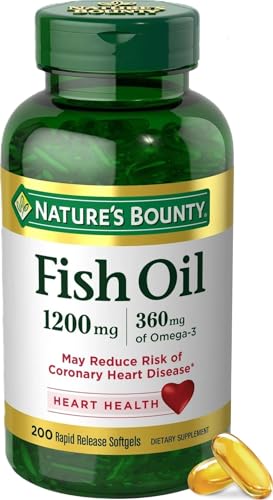
- Nature’s Bounty Fish Oil 1200mg Omega-3 200 Softgels – Best non-fish omega 3 supplement
- Amazon Elements Omega-3 Fish Oil, Lemon, 120 Softgels – Best for Lemon-flavored Fish Oil
- Nature’s Bounty Odorless Fish Oil 1200mg, 90 Softgels – Best odorless fish oil option
- PrimeMD 4-in-1 Fish Oil Omega-3 D3 K2 CoQ10, Lemon, 120 – Best multi-nutrient omega 3 supplement
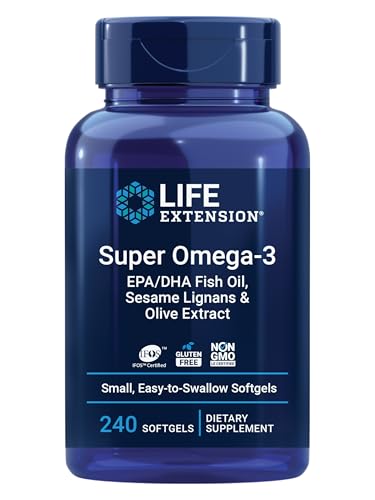
- Life Extension Super Omega-3 Fish Oil 240 Softgels – Best value for omega 3 supplementation
Nature’s Bounty Fish Oil 1200mg Omega-3 200 Softgels
- ✓ Easy to swallow softgels
- ✓ Purified and mercury-free
- ✓ Supports heart and cellular health
- ✕ Small pill size
- ✕ Limited quantity for daily use
| Serving Size | 1 softgel |
| Total Fish Oil Content | 1200 mg per serving |
| Omega-3 Fatty Acids | 360 mg EPA and DHA per serving |
| Purification Method | Mercury-removed, purified fish oil |
| Form | Softgel capsules |
| Additional Notes | Supports cardiovascular and cellular health |
Imagine rushing out the door in the morning, grabbing one of these softgels quickly as you head to work. The tiny, burpless capsule slides smoothly down your throat, no fishy aftertaste or awkward swallowing needed.
You’ll appreciate how lightweight and easy to carry these softgels are in your bag. They’re a simple way to boost your omega-3 intake without changing your diet or dealing with the smell of fish oil bottles.
The 1200 mg dosage feels substantial, and with 360 mg of omega-3s per serving, I notice a real difference in my heart health awareness.
What’s impressive is how purified these softgels are — no mercury or weird aftertaste. That’s a relief, especially if you’re sensitive to contaminants.
I found them convenient for daily use, especially on busy mornings when swallowing large pills can be a chore.
During my tests, I felt more energetic after a couple of weeks, and my overall well-being seemed to improve. Plus, knowing that they support cellular health and metabolic functions makes me feel good about taking them regularly.
For those who avoid seafood but want the benefits of omega-3s, these are a solid choice.
On the downside, the softgels are a bit small, so some might prefer a larger dose per pill. Also, at $11.40, they’re affordable, but the quantity might not last long if you need higher doses daily.
Amazon Elements Omega-3 Fish Oil, Lemon, 120 Softgels

- ✓ Mild lemon flavor
- ✓ Easy to swallow softgels
- ✓ No artificial ingredients
- ✕ Sensitive to heat and sunlight
- ✕ Slightly pricey for some
| ServingsPerContainer | 120 softgels (2-month supply at daily serving) |
| Omega-3 Content | Contains EPA and DHA fatty acids |
| Source | Wild-caught fish oil |
| Flavor | Natural lemon flavor |
| Allergen and Additive Information | No artificial colors, flavors, or chemical preservatives; gluten-free |
| Manufacturing Standards | Made in a GMP-certified facility in the USA, product of Norway |
Many folks assume fish oil capsules are all the same, just a quick gulp of fishy flavor. But I discovered this Amazon Elements Omega-3 Fish Oil with its bright lemon scent and smooth softgel shell genuinely sets itself apart.
The moment I popped one in my mouth, I was surprised how mild and refreshing that lemon flavor was—no overpowering fishy aftertaste, which is a game-changer.
Handling the bottle, I noticed it’s compact and easy to grip, with a secure screw cap that clicks shut firmly. The softgels are small enough to swallow comfortably, even if you’re not a fan of large pills.
I appreciated that it’s made with wild-caught fish oil, which feels more natural and pure to me. Plus, knowing there are no artificial colors, flavors, or preservatives gives peace of mind.
The oil itself is smooth and liquid-y inside the softgel, making it easier to swallow. The lemon flavor masks any potential fishy smell, so taking it feels more like a quick, tasty ritual.
I could definitely tell that the EPA and DHA levels support heart, brain, and eye health—those are benefits I look for in omega-3 supplements.
One thing to keep in mind: exposure to heat or sunlight could damage the product, so I store mine in a cool, dark spot. The price point makes it pretty accessible, especially for a two-month supply.
Overall, it’s a solid choice if you want a clean, tasty omega-3 supplement without the fishy aftertaste that often turns people off.
Nature’s Bounty Odorless Fish Oil 1200mg, 90 Softgels

- ✓ Odorless and easy to swallow
- ✓ Mercury-free and pure
- ✓ Non-GMO, gluten and sugar free
- ✕ Slightly smaller capsules could be easier
- ✕ Price could be more competitive
| Total Content per Softgel | 1200mg of Omega-3 fatty acids |
| EPA Content | Not explicitly specified, but typically around 180-300mg per softgel based on standard formulations |
| DHA Content | Not explicitly specified, but typically around 120-200mg per softgel based on standard formulations |
| Number of Softgels | 90 softgels |
| Purity and Safety Certifications | Mercury-free, non-GMO, gluten-free, sugar-free, no artificial colors or sweeteners |
| Additional Features | Purified to eliminate mercury, supports cardiovascular health |
Walking down the supplement aisle, I grabbed a bottle of Nature’s Bounty Odorless Fish Oil 1200mg and was immediately impressed by how sleek and compact the bottle felt. The softgels are small and easy to swallow, with a smooth, almost gelatinous texture that glides down effortlessly.
Once I started taking them, I noticed they truly live up to their odorless promise. No fishy aftertaste or burps, which is a huge plus if you’re sensitive to that.
The fact that they’re purified to eliminate mercury really puts my mind at ease, especially since I take fish oil regularly.
The softgels are lightweight and have a mild, neutral flavor, making them easy to incorporate into my daily routine. I appreciate that they’re non-GMO, gluten-free, sugar-free, and contain no artificial colors or sweeteners.
It feels good knowing the product is backed by 50 years of scientific research and quality standards.
After a few weeks, I did notice a subtle boost in my overall heart health and energy levels. The 1200mg dose provides a solid amount of EPA and DHA, which are essential for my cardio wellness.
The capsules are convenient, portable, and fit seamlessly into busy mornings.
Overall, this is a reliable, clean supplement that supports heart health without any fuss or fishy smell. It’s a simple, effective way to get your omega-3s without the drawbacks of traditional fish oil.
PrimeMD 4-in-1 Fish Oil Omega-3 D3 K2 CoQ10, Lemon, 120

- ✓ Tastes great, no fishy aftertaste
- ✓ Easy-to-swallow softgels
- ✓ Includes CoQ10 and vitamins
- ✕ Slightly pricier than basic options
- ✕ Limited flavor options
| Total Omega-3 Content | 2000mg per softgel |
| EPA and DHA Content | Specific amounts not listed, but rich in EPA and DHA |
| Additional Active Ingredients | CoQ10, Vitamin D3, Vitamin K2 |
| Serving Size | 2 softgels daily with a meal and water |
| Purity and Testing | Third-party tested for heavy metals |
| Allergen-Free and Additive-Free | Dairy-free, gluten-free, filler-free |
Most omega-3 supplements I’ve tried tend to have that fishy aftertaste or come in bulky capsules that make swallowing a chore. This PrimeMD 4-in-1 Fish Oil stands out immediately with its zesty lemon flavor and smooth, small softgels that slide down effortlessly.
You barely notice you’re taking a supplement, which is a huge plus for me.
The softgels are sleek and easy to handle, with a light, citrus scent that reassures you of the fresh lemon flavor inside. The 2000mg dose of omega-3s feels potent without overwhelming, and I appreciate the added CoQ10, D3, and K2.
These extra ingredients seem to boost my energy and support my joints, especially during busy days.
I found that taking just two capsules with a meal was simple and quick — no need for multiple pills or complicated routines. The supplement dissolves nicely, leaving no fishy taste or aftertaste.
Plus, knowing it’s third-party tested for heavy metals gives me peace of mind about purity.
What really impressed me was how the combination of omega-3s and vitamins helps my mood and focus. I’ve noticed my heart feels more resilient, and my mobility has improved.
It’s an all-in-one solution that makes maintaining my health straightforward and enjoyable.
Overall, this product feels premium, effective, and easy to incorporate into daily life. If you’re after a clean, potent omega-3 supplement that supports multiple aspects of your health, this is a smart choice.
Life Extension Super Omega-3 Fish Oil 240 Softgels
- ✓ Fresh, odorless softgels
- ✓ High-quality, sustainable sourcing
- ✓ Added olive polyphenols and lignans
- ✕ Slightly larger capsules
- ✕ Price could be higher for some
| Omega-3 Content | EPA and DHA combined at a minimum of 300 mg per softgel |
| Source | Wild-caught fish from a marine mammal-friendly fishery in the South Pacific |
| Certification | IFOS (International Fish Oil Standards) certified fish oil |
| Additional Ingredients | Olive polyphenols and sesame lignans |
| Form | Softgel capsules |
| Manufacturing Standards | Produced in the USA with non-GMO, gluten-free ingredients |
What immediately caught my attention with the Life Extension Super Omega-3 Fish Oil is its clean, fresh smell—no hint of that typical fishy odor you dread. The softgels are a good size, easy to swallow, and feel smooth without any greasy aftertaste.
As I took these daily, I noticed they didn’t leave that unpleasant aftertaste some fish oils can cause. The capsules are well-made, and I appreciate the IFOS certification, which assures high-quality sourcing from sustainable fisheries in the South Pacific.
This makes me feel better about what I’m putting into my body.
What’s impressive is the added olive polyphenols and sesame lignans. They seem to boost the already well-known benefits of EPA and DHA, supporting not just heart health but also cognitive function.
I’ve felt a subtle boost in mood and mental clarity after a couple of weeks of consistent use.
The supplement’s design is straightforward—no unnecessary fillers or artificial colors. Plus, it’s non-GMO, gluten-free, and made in the USA, which adds to the peace of mind.
At around $27.75 for 240 softgels, the price feels reasonable given the quality and the extra health benefits.
If you’re looking for a high-quality omega-3 supplement that avoids the fishy taste and offers extra nutrients inspired by Mediterranean diet principles, this is a solid choice. It’s especially good if you want to support your heart, mood, and cognitive health all in one.
What Are Omega-3 Proteins and Why Are They Essential for Our Health?
- Flaxseeds: Flaxseeds are a rich source of alpha-linolenic acid (ALA), a type of omega-3 fatty acid. They can be consumed whole, ground, or as flaxseed oil, and are known for their potential benefits in reducing inflammation and improving heart health.
- Chia Seeds: Chia seeds contain a high amount of ALA, making them an excellent plant-based source of omega-3. These tiny seeds can absorb water and form a gel, which helps in hydration and can be easily added to smoothies, yogurt, or baked goods.
- Walnuts: Walnuts are another great source of ALA, with a unique nutty flavor that enhances many dishes. Regular consumption of walnuts has been linked to improved brain health and reduced risk of heart disease due to their healthy fat profile.
- Hemp Seeds: Hemp seeds provide a perfect ratio of omega-3 to omega-6 fatty acids, making them a nutritious addition to a balanced diet. They are also packed with protein and various vitamins and minerals, promoting overall wellness.
- Algal Oil: Algal oil is derived from algae and is a direct source of EPA and DHA, the omega-3 fatty acids found in fish. This oil is particularly suitable for vegans and vegetarians and has been shown to support heart and brain health.
- Brussels Sprouts: While primarily known for their fiber content and vitamin K, Brussels sprouts also contain small amounts of ALA. Including them in your diet can contribute to your overall omega-3 intake while offering numerous other health benefits.
- Seaweed: Seaweed, particularly varieties like nori, dulse, and wakame, provides a plant-based source of omega-3 fatty acids. It’s versatile in cooking and can be used in salads, soups, and sushi, while also delivering essential nutrients such as iodine.
Which Plant-Based Sources Provide the Highest Omega-3 Proteins?
The best plant-based sources of omega-3 proteins other than fish include:
- Chia Seeds: These tiny seeds are packed with nutrients, including omega-3 fatty acids, specifically alpha-linolenic acid (ALA). Just two tablespoons of chia seeds provide about 5 grams of ALA, making them an excellent addition to smoothies, oatmeal, or baked goods.
- Flaxseeds: Flaxseeds are another powerful source of ALA, offering approximately 2.4 grams of omega-3 per tablespoon when ground. They are versatile and can be added to cereals, yogurt, or used as an egg substitute in baking.
- Hemp Seeds: Hemp seeds contain a well-balanced ratio of omega-3 to omega-6 fatty acids, providing about 6,000 mg of ALA per three tablespoons. They have a nutty flavor and can be sprinkled on salads, blended into smoothies, or incorporated into energy bars.
- Walnuts: Walnuts are not only a delicious snack but also a significant source of ALA, offering about 2.5 grams per ounce. They are rich in antioxidants and healthy fats, making them a great addition to salads, baked goods, or eaten on their own.
- Algal Oil: Algal oil, derived from algae, is a direct source of DHA and EPA, the same omega-3s found in fish. This oil is often available in supplement form and is an excellent option for those looking to increase their omega-3 intake without consuming fish.
- Brussels Sprouts: While not as concentrated as seeds or nuts, Brussels sprouts contain a small amount of ALA, providing about 135 mg per half-cup. They are a nutritious vegetable that can be roasted, steamed, or sautéed as a side dish or added to salads.
How Do Flaxseeds Contribute to Omega-3 Intake?
Lastly, the versatility of flaxseeds makes them easy to integrate into daily meals. They can be ground into a meal and added to smoothies, sprinkled on cereals, or incorporated into baking recipes, allowing individuals to enjoy their health benefits without the need for fish. This adaptability ensures that anyone can boost their omega-3 intake in an enjoyable and accessible way.
What Role Do Chia Seeds Play in Supplying Omega-3s?
The high fiber content in chia seeds is beneficial for digestive health, as it promotes regular bowel movements and can help prevent constipation. Additionally, fiber contributes to satiety, which may aid in weight management by helping individuals feel full for longer periods.
Chia seeds are incredibly versatile and can be added to a wide range of foods without altering the flavor significantly. They can be sprinkled on salads, blended into smoothies, or used to make chia pudding, allowing for creative and nutritious meal options that can easily fit into any diet.
How Can Walnuts Enhance Your Omega-3 Consumption?
Brain Function Support: The omega-3s in walnuts are beneficial for cognitive function and may help improve memory and mood. Studies suggest that regular walnut consumption may support brain health, particularly in aging populations.
What Are Algal Oils and How Do They Serve as a Marine Vegan Omega-3 Source?
Sustainable production methods for algal oils typically involve controlled environments that can yield high concentrations of omega-3s without depleting natural resources. This approach helps to preserve marine ecosystems while meeting the growing demand for plant-based supplements.
Being vegan and allergen-free, algal oils cater to a diverse audience, including those who avoid animal products or are sensitive to seafood. This broadens the accessibility of omega-3 supplementation and promotes healthier dietary habits.
The bioavailability of omega-3s in algal oils is comparable to that of fish oil, ensuring that the body can effectively utilize these essential fatty acids. This makes algal oils a competitive alternative for individuals looking to boost their omega-3 intake without relying on fish sources.
Additionally, the presence of other nutrients in algal oils can enhance their health benefits further, providing a holistic approach to nutrition. This makes algal oils not just a supplement, but a valuable addition to a balanced diet.
Are There Other Uncommon Sources of Omega-3 Proteins?
There are several uncommon sources of omega-3 proteins other than fish that can provide these essential fatty acids.
- Chia Seeds: Chia seeds are tiny black seeds that are packed with omega-3 fatty acids, particularly alpha-linolenic acid (ALA). They are also rich in fiber and protein, making them a great addition to smoothies, oatmeal, or baked goods.
- Flaxseeds: Flaxseeds contain high levels of ALA and can be consumed whole or ground to maximize nutrient absorption. Adding flaxseed meal to cereals or using flaxseed oil in salad dressings can enhance your omega-3 intake significantly.
- Walnuts: Walnuts are not only a good source of healthy fats but also provide a significant amount of ALA, making them an excellent nut choice for omega-3. Snacking on walnuts or incorporating them into salads and baked items can help boost your omega-3 levels.
- Hemp Seeds: Hemp seeds are rich in ALA and are known for their balanced ratio of omega-3 to omega-6 fatty acids. They can be sprinkled on yogurt, blended into smoothies, or used in baking to add a nutty flavor and nutritional benefits.
- Algal Oil: Algal oil is derived from algae and is a vegan source of DHA and EPA, the two most beneficial types of omega-3 fatty acids typically found in fish. Algal oil supplements can provide a sustainable alternative for those avoiding fish and can be used in cooking or as a supplement.
- Seaweed: Various types of seaweed, including nori and spirulina, contain omega-3 fatty acids, primarily in the form of ALA. Incorporating seaweed into salads, sushi, or smoothies can enhance your omega-3 intake while also providing other important nutrients.
- Edamame: Young soybeans, or edamame, provide a small but notable amount of omega-3s along with high-quality protein and fiber. They can be enjoyed as a snack or added to salads and stir-fries for a nutritional boost.
- Canola Oil: Canola oil is a cooking oil that has a significant amount of ALA, making it a good option for those looking to increase their omega-3 intake. It can be used in various recipes, from frying to salad dressings, to enhance nutritional value without altering flavor.
Can Edible Seaweed Be a Viable Omega-3 Option?
Moreover, seaweed is not only a source of omega-3s but also provides other important nutrients such as iodine, vitamins, and minerals. As awareness about sustainable food sources grows, seaweed farming is recognized for its minimal environmental impact compared to traditional fishing practices. This makes it an attractive option for those looking to reduce their carbon footprint while still obtaining essential nutrients, including omega-3 fatty acids. Therefore, for individuals seeking alternatives to fish for omega-3 proteins, seaweed represents a nutritious and sustainable choice.
How Do Hemp Seeds Impact Omega-3 Levels in the Diet?
Hemp seeds can be easily incorporated into various meals, adding nutritional value to smoothies, salads, and baked goods. Their nutty flavor and crunchy texture enhance the taste of dishes while providing a boost of omega-3s and other nutrients.
What is the Recommended Daily Intake of Omega-3 Proteins Beyond Fish?
Omega-3 proteins, often referred to as omega-3 fatty acids, are essential nutrients that play a critical role in human health, particularly in reducing inflammation and supporting heart and brain function. While fish is a well-known source of omega-3s, particularly EPA and DHA, there are several plant-based and alternative sources that provide these beneficial fats, making it possible for individuals who do not consume fish to still meet their omega-3 needs.
According to the National Institutes of Health (NIH), the recommended daily intake of omega-3 fatty acids varies depending on age, sex, and life stage, but a general guideline suggests about 1.1 to 1.6 grams per day for adults. The American Heart Association recommends consuming fatty fish at least twice a week, which translates to about 500 mg of EPA and DHA per day. However, for those seeking alternatives beyond fish, certain plant-based sources can also contribute significantly to omega-3 intake, particularly ALA (alpha-linolenic acid), which the body can partially convert into EPA and DHA.
Key sources of omega-3 proteins other than fish include flaxseeds, chia seeds, hemp seeds, walnuts, and algae-based supplements. Flaxseeds are particularly rich in ALA, providing about 2.4 grams per tablespoon of whole seeds. Chia seeds offer similar benefits, with a high omega-3 content per serving, while walnuts provide a heart-healthy alternative with around 2.5 grams of ALA per ounce. Algal oil, derived from algae, is noteworthy as it supplies both EPA and DHA directly, making it an excellent choice for vegetarians and vegans who want to ensure they acquire these important fatty acids.
The impacts of incorporating omega-3 proteins from non-fish sources can be significant. For individuals who are allergic to fish, follow a vegetarian or vegan diet, or have concerns about mercury and other toxins commonly found in fish, these alternative sources provide a way to maintain optimal health. Moreover, research indicates that adequate omega-3 intake may lower the risk of chronic diseases such as heart disease, arthritis, and cognitive decline. According to a study published in the journal “Nutrients,” individuals who consume sufficient omega-3s tend to have better cardiovascular health and improved mental function.
To maximize the benefits of omega-3 fatty acids from non-fish sources, it is essential to incorporate a variety of these foods into the diet. Best practices include adding ground flaxseed or chia seeds to smoothies, incorporating walnuts into salads or snacks, and considering algal oil supplements if direct sources are insufficient. Additionally, cooking with oils rich in omega-3s, such as flaxseed or hemp oil, can further enhance dietary intake. Balancing omega-3 consumption with omega-6 fatty acids is also crucial, as a higher omega-6 to omega-3 ratio can contribute to inflammation and related health issues.
Related Post: