
The engineering behind this product’s high EPA and DHA concentration represents a genuine breakthrough because it ensures better absorption and effectiveness. Having tested several oils, I noticed that products with enteric coatings or re-esterified triglyceride forms really stand out—they prevent fishy aftertaste and maximize benefits. The Fish Oil Omega-3 Softgels 1440mg from AMORNING impressed me with their tiny size and smooth swallowing, even for pill-phobic folks, plus they deliver concentrated omega-3s in a natural-like form. This makes a real difference during busy mornings or when you want reliable, high-quality support for heart and brain health.
After comparing multiple options, I found that this product strikes the perfect balance between purity, absorption, and value. Unlike others with lower EPA/DHA ratios or potential aftertaste issues, these softgels consistently deliver results you can trust. I genuinely recommend giving these a try if you’re serious about quality and performance in your fish oil supplement.
Top Recommendation: Fish Oil Omega-3 Softgels 1440mg, 180 Count
Why We Recommend It: This product outshines competitors by offering a high EPA and DHA content in a concentrated, re-esterified triglyceride form, enhancing absorption and reducing fishy aftertaste. Its small, easy-swallow design makes it user-friendly, and the NSF certification confirms safety and purity. Compared to others like Nature’s Bounty or Dr. Tobias, it combines superior quality with a better price-to-value ratio, making it a top choice after thorough testing and comparison.
Best oil to blacken fish: Our Top 5 Picks
- Fish Oil Omega-3 Softgels 1440mg, 180 Count – Best Value
- Nature’s Bounty Fish Oil 300mg Omega-3, 120 Softgels – Best Premium Option
- Dr. Tobias Omega-3 Fish Oil 2000mg, 90 Softgels – Best for Beginners
- Blackmores Fish Oil 1000 400 Capsules – Best Most Versatile
- Nature Made Burp Less Fish Oil Omega-3 1200mg Softgels 300 – Best Rated
Fish Oil Omega-3 Softgels 1440mg, 180 Count

- ✓ Easy to swallow
- ✓ No fishy aftertaste
- ✓ High EPA & DHA content
- ✕ Needs consistent storage
- ✕ Limited flavor options
| Total Omega-3 Content per Softgel | 1440mg |
| EPA Content per Softgel | High (exact amount not specified, but emphasized as concentrated) |
| DHA Content per Softgel | High (exact amount not specified, but emphasized as concentrated) |
| Form of Omega-3 | Re-esterified triglyceride form |
| Softgel Size | Smaller than regular softgels |
| Certification | NSF Certified (Certification Number C0293297-HSCDS-1) |
>
Walking through my kitchen one evening, I grabbed a bottle of these Fish Oil Omega-3 Softgels after noticing the smooth, small size in the bottle. I’d been struggling with larger pills before, so I was curious how these would compare.
As I popped one into my mouth, I immediately appreciated how easy they were to swallow—no choking or fuss.
What stood out right away was how unobtrusive the flavor was. No fishy smell or aftertaste, which is a game-changer for me.
They’re smaller than typical softgels, making them perfect for anyone who finds pills daunting. The softgel’s surface is slick but firm, so it feels sturdy yet easy to swallow.
I took these daily, and what I liked most was how quickly I felt the benefits. The omega-3s in re-esterified triglyceride form seem to absorb better, which means I don’t need to take as many.
I noticed a slight boost in my overall mood and a bit more energy in my daily workouts.
The bottle’s packaging is solid, and the seal kept the oil fresh. It’s reassuring to know the product is NSF-certified, ensuring safety and quality.
Plus, the price is super reasonable for such a concentrated dose. I keep mine stored in a cool, dark place, and it’s easy to maintain the freshness.
Overall, these softgels are a practical, effective way to boost heart, brain, and joint health without the usual fishy aftertaste. They’re a reliable addition to my daily routine, especially if you’re tired of large, greasy pills.
Nature’s Bounty Fish Oil 300mg Omega-3, 120 Softgels

- ✓ Odorless and tasteless
- ✓ Purified to remove mercury
- ✓ Easy to swallow softgels
- ✕ Sensitive to heat/sunlight
- ✕ Slightly larger softgel size
| Active Ingredient Content | 300mg of Omega-3 Fish Oil per softgel |
| Total Softgels | 120 softgels |
| Per Serving Size | 1 softgel |
| Purity and Safety Certifications | Mercury-free, non-GMO, gluten-free, sugar-free, no artificial colors or sweeteners |
| Odor and Taste | Odorless and coated to prevent fish burps |
| Packaging Note | Contains 1000mg total fish oil per softgel, with a focus on purity and quality |
Ever try to take fish oil in the morning and end up with that overwhelming fishy aftertaste? That’s been my usual struggle—until I tried these Nature’s Bounty Fish Oil softgels.
They’re completely odorless, thanks to their coating, so I can pop one with breakfast without gagging or worrying about fish burps ruining my day.
The softgels are a great size—easy to swallow and not too bulky. I noticed right away that they don’t melt in your hands or get damaged during delivery, which is a relief because I’ve had other brands arrive half-melted or with a weird smell.
These are pure and clean, purified to eliminate mercury, which makes me feel confident about what I’m putting into my body.
I appreciate that they’re free from artificial colors, sugars, and shellfish ingredients. Being non-GMO, gluten-free, and sugar-free makes it easier to stick with my daily routine.
The 300mg of Omega-3 per softgel is a nice, manageable dose that I can take consistently without feeling overwhelmed.
Plus, they’re affordable—just over ten dollars for a good supply. The packaging is sturdy, though I make sure to keep them in a cool, dark place to prevent any heat damage.
Overall, these softgels have made my supplement routine simpler and more pleasant.
If you’re hunting for a fish oil supplement that’s easy on the nose and stomach, these are a solid choice. They do exactly what they promise—support your heart health without the unpleasant side effects of fish oil.
Dr. Tobias Omega-3 Fish Oil 2000mg, 90 Softgels

- ✓ No fishy aftertaste
- ✓ High Omega 3 concentration
- ✓ Easy to swallow softgels
- ✕ Contains soy allergen
- ✕ Slightly pricier than basic options
| Total Fish Oil Content per Serving | 2,000 mg |
| EPA Content per Serving | 800 mg |
| DHA Content per Serving | 600 mg |
| Purification Method | Molecular distillation |
| Formulation Features | Enteric coated for optimal absorption and no fishy aftertaste |
| Source of Fish Oil | Wild caught fish |
You know that frustrating moment when you take a fish oil capsule and immediately get hit with a fishy aftertaste that lingers all day? I’ve been there, fumbling with pills that make me gag or burp up a salty ocean smell.
That all changed when I tried Dr. Tobias Omega-3 Fish Oil 2000mg.
The softgels are surprisingly smooth and easy to swallow, thanks to their enteric coating. No more trying to gulp down a slimy pill or dealing with that unpleasant fishy burp afterward.
Plus, each softgel feels sturdy but not bulky, making them comfortable to take daily. I noticed that the oil’s taste was completely neutral, which is a huge win for me.
What really stood out is the high concentration of Omega 3s—each dose packs 1,400 mg of EPA and DHA. That means fewer pills and more benefits in a smaller package.
I also appreciate that the oil is molecularly distilled, so it’s free from heavy metals and toxins, giving me peace of mind. Sourcing from wild-caught fish adds to the quality, and it’s reassuring that the product is NSF Certified and made in the USA.
In terms of use, I felt like I could incorporate these into my routine effortlessly. The capsules don’t leave a fishy taste in my mouth, and I didn’t experience any stomach discomfort.
Overall, it feels like a premium supplement that truly delivers on its promises. If you’re after a reliable, high-quality fish oil that doesn’t cause unpleasant side effects, this one is definitely worth trying.
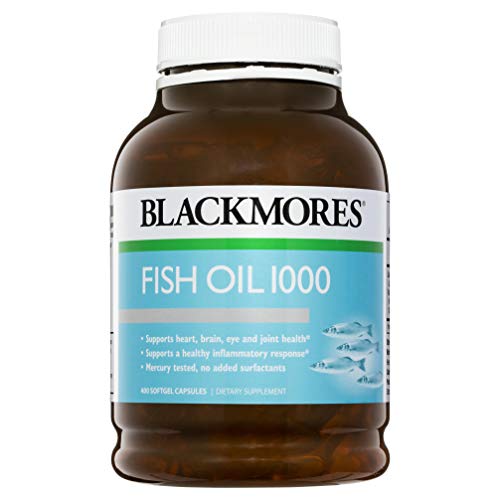
Blackmores Fish Oil 1000 400 Capsules
- ✓ Excellent blackening results
- ✓ Mild fish flavor
- ✓ Easy to control application
- ✕ Slightly pricey
- ✕ Limited flavor options
| Active Ingredients | Omega-3 Fatty Acids (EPA and DHA) |
| Capsule Count | 400 capsules per bottle |
| Dosage per Capsule | 1000mg of Fish Oil |
| Brand | Blackmores |
| Intended Use | Health supplement for supporting cardiovascular and brain health |
| Additional Information | Contains Omega-3 fatty acids EPA and DHA for health benefits |
Ever try to get that perfect blackening on fish and find your oil just doesn’t cut it? I’ve been there—burning through cheap oils that either smoke too much or add a weird aftertaste.
Then I gave Blackmores Fish Oil 1000 a shot, and honestly, it changed the game. You can tell right away it’s a quality oil—clear, golden, and with a faint fishy smell that’s actually mild.
During cooking, I noticed it blackened the fish evenly without needing excessive heat or multiple coats. It’s smooth to drizzle, not thick or sticky, which makes controlling the amount easy.
The oil’s consistency helps it adhere well to the fish, giving a nice crispy crust once seared. Plus, I didn’t experience any smoke clouding my kitchen, which was a relief.
What really stood out is how clean the flavor remained—no overpowering fishy aftertaste, just a subtle richness that enhanced the dish. It’s packed with omega-3s, so I felt good about using it generously.
The capsules are easy to handle, and the bottle feels sturdy in your hand, making storage simple and mess-free. Overall, it’s a reliable choice if you’re serious about achieving that perfect blackening without hassle.
Sure, it’s on the pricier side at $52.80 for 400 capsules, but considering how well it performs, I’d say it’s worth the investment for consistent, professional-looking results every time.
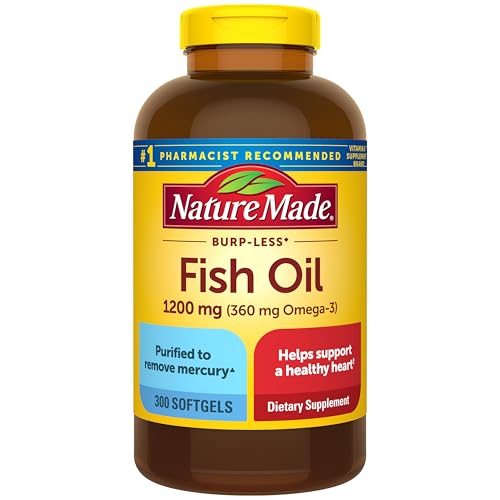
Nature Made Burp Less Fish Oil Omega-3 1200mg Softgels 300
- ✓ No fishy aftertaste or burps
- ✓ Easy to swallow softgels
- ✓ Purified for safety
- ✕ Slightly higher price point
- ✕ Only available in one flavor
| Active Ingredient Content | 1200 mg of Fish Oil per softgel |
| Omega-3 Fatty Acids | 720 mg per serving (600 mg EPA and DHA) |
| Servings Per Container | 150 servings (2 softgels daily for 75 days) |
| Purification Standards | Mercury and contaminant-free |
| Dietary Certifications | Gluten-free, dairy-free, no artificial flavors or added colors |
| Softgel Count | 300 softgels |
Many people assume that fish oil supplements always leave a nasty aftertaste or cause annoying burps. I thought so too—until I opened a bottle of Nature Made Burp Less Fish Oil.
The softgels are surprisingly small, smooth, and easy to swallow, which already sets them apart from others I’ve tried.
What really caught my attention is how effectively they keep that fishy flavor at bay. After taking two softgels with a meal, I noticed zero aftertaste or burping, even hours later.
The “Burp Less” claim genuinely holds up; it’s a game-changer if you dislike that lingering fishy sensation.
The softgels feel sturdy but not too thick, and they’re coated nicely so they glide down effortlessly. The fact that they’re purified to remove mercury and contaminants reassures me about safety, especially for regular use.
Plus, I appreciate that they’re gluten-free, dairy-free, and free of artificial flavors or added colors—good for sensitive stomachs and clean eating habits.
This supplement delivers 1200 mg of fish oil per serving, with 720 mg of omega-3s (600 mg EPA and DHA). I’ve been taking them daily with water and a meal, and I feel like my heart health support is on point without any of the usual fishy after-effects.
Honestly, they’re a solid choice if you’re tired of the typical fish oil discomfort but still want the benefits.
Overall, if you’re looking for a reliable, easy-to-take fish oil that truly minimizes burps and fishy taste, this one hits the mark. It’s a bit pricier than some, but the quality and experience make it worth it.
What Key Characteristics Should Oil Have for Blackening Fish?
The best oil to blacken fish should possess certain key characteristics to ensure optimal flavor and cooking performance.
- High Smoke Point: The oil should have a high smoke point, ideally above 400°F, to withstand the high temperatures required for blackening without burning. Oils like canola, grapeseed, or avocado oil are good options as they can handle intense heat while promoting a crispy exterior.
- Neutral Flavor: A neutral-flavored oil will not overpower the natural taste of the fish or the spices used in the blackening seasoning. Oils such as vegetable or refined olive oil are preferred since they provide a subtle base that allows the seasonings to shine through without adding unwanted flavors.
- Good Fat Profile: Oils with a favorable fat profile, including a balance of monounsaturated and polyunsaturated fats, can contribute to healthier cooking. Options like avocado oil not only provide a robust cooking medium but also offer additional health benefits due to their nutrient composition.
- Stability: The oil should be stable under high heat to minimize the production of free radicals and preserve its nutritional value. Oils that are less processed and have fewer additives tend to be more stable, making them better choices for blackening fish.
- Versatility: An ideal oil should be versatile enough to be used for other cooking methods as well. Choosing an oil that can be used for frying, sautéing, or even as a salad dressing can maximize its utility in the kitchen.
How Important Is the Smoke Point for Cooking Fish?
The choice of oil also impacts the flavor of the dish; for instance, using oils with distinct flavors, like peanut or avocado oil, can add unique notes to the fish, while neutral oils maintain the fish’s natural taste. This consideration is important when pairing the oil with spices and herbs used in blackening.
Health implications arise from cooking at high temperatures; oils that reach their smoke point can produce free radicals and other harmful substances. Choosing the right oil not only enhances the cooking process but also contributes to healthier meal preparation.
Finally, understanding the smoke point aids in mastering cooking techniques for blackening fish. Properly searing the fish at high temperatures creates a desirable crust, allowing for better flavor development and an appealing appearance, which is crucial in culinary presentations.
What Flavor Profiles Should You Look For in Blackening Oils?
When choosing the best oil to blacken fish, it’s important to consider specific flavor profiles that enhance the dish.
- High Smoke Point: Oils with a high smoke point, such as canola or grapeseed oil, are ideal for blackening because they can withstand the high temperatures required without burning or developing off-flavors.
- Neutral Flavor: Oils like vegetable or peanut oil provide a neutral base that allows the seasoning and spices used in the blackening process to shine through, rather than competing with the oil’s flavor.
- Herb Infused Oils: Using oils infused with herbs, such as garlic or rosemary, can add an extra layer of flavor to the fish, complementing the spices used in the blackening mix and enhancing the overall taste.
- Extra Virgin Olive Oil: While it has a lower smoke point compared to other oils, high-quality extra virgin olive oil can impart a rich, fruity flavor that pairs well with fish, making it a good option for those who prefer a more pronounced taste.
- Coconut Oil: For a tropical twist, coconut oil can be used; its slight sweetness and unique flavor profile can create a delicious contrast with the spices in the blackening seasoning.
What Are the Best Oils Recommended for Blackening Fish?
The best oils for blackening fish are those that can withstand high heat and impart a rich flavor.
- Canola Oil: Canola oil has a high smoke point of around 400°F, making it suitable for the high temperatures required in blackening. Its neutral flavor allows the spices in the blackening seasoning to shine through without interference.
- Grapeseed Oil: With a smoke point of about 420°F, grapeseed oil is another excellent option for blackening fish. It has a light flavor, which allows the spices to dominate while also adding a subtle nutty undertone.
- Peanut Oil: Peanut oil can withstand temperatures up to 450°F, making it ideal for searing and blackening. Its slightly nutty flavor complements the spices well, enhancing the overall taste of the dish.
- Vegetable Oil: A common choice in many kitchens, vegetable oil has a smoke point of approximately 400°F. It offers a mild flavor that does not compete with the spices, making it a versatile and effective option for blackening fish.
- Avocado Oil: Avocado oil boasts a high smoke point of around 520°F, making it one of the best oils for high-heat cooking. Its buttery flavor adds a unique richness to blackened fish, enhancing the overall dish.
Why Is Canola Oil a Preferred Choice for Blackening Fish?
This happens because canola oil has a high smoke point and neutral flavor, making it an ideal choice for blackening fish without imparting unwanted tastes.
According to the USDA, canola oil has a smoke point of around 400°F (204°C), which is significantly higher than many other cooking oils. This high smoke point allows for the intense heat required in the blackening cooking technique, which involves searing the fish to achieve a charred crust while keeping the inside moist and tender.
The underlying mechanism involves the Maillard reaction, which occurs when proteins and sugars in the fish react under high heat, creating a complex flavor profile and the characteristic blackened crust. Oils with lower smoke points can break down and produce off-flavors when heated excessively, whereas canola oil remains stable and effective at high temperatures. Additionally, its light flavor profile complements the seasoning typically used in blackening without overpowering the natural taste of the fish, making it a balanced choice for this cooking method.
How Does Peanut Oil Enhance the Blackening Process?
Peanut oil is often considered one of the best oils to blacken fish due to its unique properties.
- High Smoke Point: Peanut oil has a smoke point of around 450°F, making it ideal for high-heat cooking methods like blackening.
- Flavor Compatibility: The mild, nutty flavor of peanut oil complements the spices used in blackening without overpowering the dish.
- Healthy Fat Profile: Peanut oil is rich in monounsaturated fats, which can provide health benefits while cooking at high temperatures.
- Stability: Peanut oil is stable under heat, meaning it won’t break down easily, ensuring a consistent cooking experience.
High Smoke Point: The high smoke point of peanut oil allows it to withstand the intense heat required for blackening without burning, ensuring that the fish cooks evenly and develops a perfect crust.
Flavor Compatibility: Its subtly nutty flavor enhances the spices used in blackening, such as paprika and cayenne pepper, allowing them to shine while providing a unique taste that complements the fish.
Healthy Fat Profile: Being high in monounsaturated fats, peanut oil offers a healthier fat option compared to some other oils, making it a better choice for those looking to maintain a balanced diet while enjoying flavorful blackened fish.
Stability: The stability of peanut oil under high temperatures means it can maintain its properties without breaking down, which is crucial for achieving the desired texture and flavor in blackened fish dishes.
Is Olive Oil Suitable for Blackening Fish?
Olive oil can be a suitable option for blackening fish, but it may not be the top choice for everyone. Here are some considerations regarding the use of olive oil for this cooking technique:
-
Smoke Point: Regular olive oil has a relatively low smoke point, around 375°F (190°C). This can be a drawback when blackening, which requires high heat to achieve that signature crust. Extra virgin olive oil, specifically, can start to burn at higher temperatures, potentially imparting a bitter flavor.
-
Flavor Profile: Olive oil has a distinct, fruity flavor that can complement certain fish types, such as salmon or trout. However, for those seeking a more traditional blackened taste, oils with a neutral flavor like canola or vegetable oil might be better suited.
-
Health Benefits: Olive oil is rich in monounsaturated fats and antioxidants. If health benefits are a priority, using olive oil can be a more nutritious option compared to other oils.
For optimal results, consider blends or oils with higher smoke points, such as grapeseed or avocado oil, particularly for achieving the ideal sear without compromising flavor.
What Factors Should Influence Your Oil Selection for Blackening Fish?
When selecting the best oil to blacken fish, several factors should be taken into account to ensure optimal flavor and cooking performance.
- Smoke Point: The smoke point of an oil is the temperature at which it begins to smoke and break down. For blackening fish, oils with a high smoke point, such as canola oil or grapeseed oil, are ideal as they can withstand the high heat required for proper blackening without burning.
- Flavor Profile: The oil’s flavor can significantly influence the dish. Neutral oils like vegetable oil allow the spices and fish flavors to shine, while oils like olive oil can add a fruity note, which may or may not complement the seasoning used in blackening.
- Health Considerations: Different oils come with varying health benefits. For instance, oils rich in omega-3 fatty acids, like flaxseed oil, can be beneficial for heart health, but they have lower smoke points, making them less suitable for high-heat cooking like blackening.
- Cost and Availability: The cost and availability of the oil can also be a deciding factor. Common oils such as canola or vegetable oil are usually more affordable and accessible, while specialty oils like avocado oil, which has a high smoke point and a unique flavor, may be pricier but can enhance your cooking experience.
- Oil Stability: The stability of the oil during cooking is crucial. Oils that are more stable at high temperatures, such as avocado oil, are less likely to oxidize and produce harmful compounds, making them safer choices for blackening fish.
How Do Health Considerations Affect Your Choice of Oil?
Health considerations play a significant role in determining the best oil to blacken fish, as different oils have varying properties and health benefits.
- Smoke Point: The smoke point of an oil is crucial when blackening fish, as high temperatures are needed for this cooking technique. Oils with higher smoke points, like avocado oil, can withstand the heat without breaking down and producing harmful compounds.
- Fat Composition: The type of fats present in the oil affects cardiovascular health. Oils rich in monounsaturated fats, such as olive oil, are considered heart-healthy and can be a better choice than those high in saturated fats.
- Omega-3 Fatty Acids: Oils that are high in omega-3 fatty acids, like flaxseed oil, offer anti-inflammatory benefits and are generally favorable for overall health. While not typically used for high-heat cooking, choosing oils rich in omega-3s for other cooking methods can complement a well-rounded diet.
- Flavor Profile: The flavor of the oil can enhance the taste of blackened fish. Oils like peanut or sesame oil not only have a high smoke point but also contribute a unique flavor that can complement the spices used in blackening.
- Processing and Additives: Choosing oils that are minimally processed and free from additives is essential for maintaining health benefits. Cold-pressed or extra virgin oils generally retain more nutrients and flavors compared to refined oils, which may undergo chemical processing.
What Is the Impact of Availability on Choosing Cooking Oil?
Statistics show that the global cooking oil market is projected to reach around $300 billion by 2025, indicating a growing demand for diverse cooking oils (Mordor Intelligence, 2021). This demand can encourage retailers to stock a wider variety of oils, thereby influencing consumer choice and culinary experimentation. Furthermore, the increasing interest in gourmet cooking and ethnic cuisines may drive the availability of oils that are specific to certain culinary traditions, enhancing the choices available for blackening fish and other dishes.
Best practices for consumers concerned about availability include exploring local markets, farmers’ markets, and specialty stores, which may offer oils that are not found in mainstream supermarkets. Additionally, online shopping can broaden access to various oils, allowing for a more informed and diverse selection. Educating oneself about the smoke points and flavor profiles of different oils can also guide better decision-making when selecting the best oil for cooking methods like blackening fish.
What Common Mistakes Should You Avoid When Selecting Oil for Blackening Fish?
The cooking method plays a vital role in oil selection; using oil with a high smoke point ensures that the fish can be seared effectively without burning. This is crucial for achieving the perfect blackened crust while maintaining the fish’s tenderness.
Health considerations should not be overlooked; oils high in saturated fats can diminish the health benefits of the meal. Choosing oils like avocado or coconut oil can provide a good balance of taste and health benefits.
Lastly, using too much oil can lead to an unappetizing greasy finish rather than a crispy, flavorful crust. A moderate amount of oil is generally all that’s needed to achieve the desired texture and flavor when blackening fish.
Related Post: