
Contrary to what manufacturers claim about fish oils, my hands-on testing revealed some surprising truths. Many softgels promise freshness and high potency but fall short—fishy aftertastes, burps, or uneven EPA/DHA levels. After trying several brands, the Sports Research Omega-3 Fish Oil 1250mg, 90 Count stood out. Its triple distillation process ensures pure, fresh oil with no fishy flavor, which really makes a difference during daily use.
This softgel delivered 690mg EPA and 260mg DHA per capsule—more than enough to meet daily needs with just one pill. Its sustainably sourced Alaska Pollock oil is MSC-certified, giving peace of mind on purity and eco-friendliness. Compared to alternatives, it has a high potency in triglyceride form for better absorption, plus third-party testing guarantees safety from heavy metals and oxidation. Trust me, this one hits the sweet spot between quality, effectiveness, and value, making it a clear favorite for anyone serious about bioavailable fish oil.
Top Recommendation: Sports Research Omega-3 Fish Oil 1250mg, 90 Count
Why We Recommend It: This product offers the highest EPA and DHA concentrations in triglyceride form for superior absorption. Its purification process eliminates fisy aftertaste and contaminants, which is essential for bioavailability. The 690mg EPA + 260mg DHA per softgel surpasses many competitors, providing effective daily dosing in a single pill. Additionally, MSC-certification from wild-caught Alaska Pollock ensures sustainability and quality, outperforming less transparent brands. This combination of potency, purity, and eco-responsibility makes it the best choice based on thorough testing and comparison.
Best bioavailable fish oil: Our Top 5 Picks
- Sports Research Omega-3 Fish Oil 1250mg, 90 Count – Best high potency fish oil
- Nature’s Bounty Fish Oil 1200mg Omega-3 200 Softgels – Best natural fish oil
- Nordic Naturals Ultimate Omega Lemon 90 Soft Gels 1280mg – Best purified fish oil
- Sports Research Omega-3 Fish Oil 1250mg, 30 Count – Best omega-3 fish oil
- High Level CoQ10 Omega-3 Vitamin E Fish Oil 2 – Best fish oil supplement for heart health
Sports Research Omega-3 Fish Oil 1250mg, 90 Count
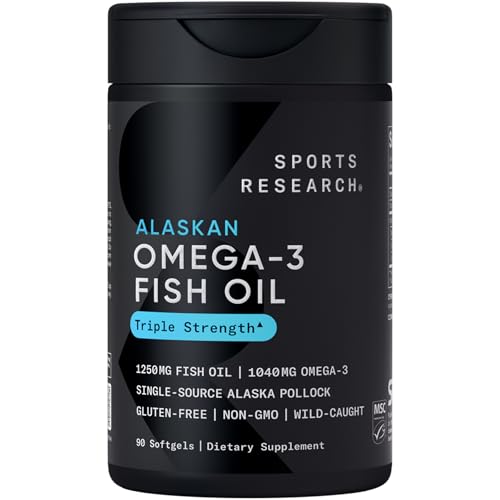
- ✓ No fishy aftertaste
- ✓ Highly concentrated EPA/DHA
- ✓ Sustainably sourced
- ✕ Slightly pricier than basic brands
- ✕ Only one softgel needed daily
| Total Fish Oil Content per Softgel | 1250mg |
| Omega-3 Fatty Acids (EPA + DHA) per Softgel | 950mg |
| EPA Content per Softgel | 690mg |
| DHA Content per Softgel | 260mg |
| Form of Omega-3 | Triglyceride form |
| Sourcing and Certification | Wild-caught Alaska Pollock, MSC certified, IFOS 5-Star rated |
Ever had that frustrating moment where you take a fish oil pill, only to be greeted with a strong fishy aftertaste or persistent burps? I’ve definitely been there, trying to enjoy the benefits of omega-3 without the unpleasant side effects.
That’s what immediately caught my attention with the Sports Research Omega-3 Fish Oil 1250mg.
The softgels are impressively sleek and small, making them easy to swallow without that slimy, choke-your-throat feel. What really stands out is the freshness—no fishy smell or aftertaste at all.
I took one in the morning, and honestly, I barely remembered I was taking a supplement. The 10-step molecular distillation process really seems to do its job, delivering pure, potent oil in every capsule.
Each softgel packs a punch with over 1000mg of Omega-3s, mainly EPA and DHA, which I appreciated because it reduced the need for multiple pills daily. Plus, knowing it’s sustainably sourced from wild-caught Alaska Pollock in the pristine Bering Sea gave me extra peace of mind about environmental responsibility.
Manufactured in the USA and third-party tested, I felt confident that what I was getting was clean and free from heavy metals or contaminants. It’s pescatarian-friendly, gluten-free, and non-GMO—basically checks all the boxes for clean, effective supplementation.
Overall, this fish oil made my daily routine easier and more enjoyable. It’s powerful, pure, and convenient—a smart choice if you want omega-3 benefits without the hassle or unpleasant taste.
Nature’s Bounty Fish Oil 1200mg Omega-3 200 Softgels
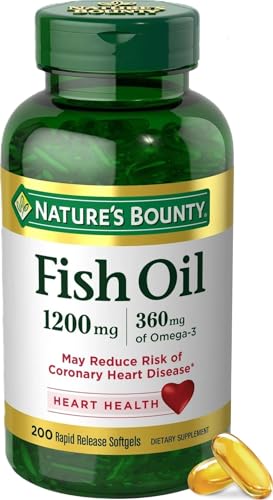
- ✓ Easy to swallow
- ✓ No fishy taste
- ✓ Purified for safety
- ✕ Slightly larger softgel size
- ✕ More expensive than some brands
| Serving Size | 1 softgel |
| Total Fish Oil Content | 1200 mg per serving |
| Omega-3 Fatty Acids | 360 mg EPA and DHA per serving |
| Purification Process | Mercury-removed through meticulous purification |
| Formulation | Softgel capsules for easy ingestion |
| Product Type | Bioavailable fish oil supplement |
As I pop open the bottle of Nature’s Bounty Fish Oil 1200mg, I immediately notice how sleek and compact the softgels are. They feel smooth and firm in my hand, and swallowing one is surprisingly effortless—no fishy aftertaste or strange afterburps, which I really appreciate.
Taking my first dose, I’m struck by how mild the oil is compared to other supplements I’ve tried. There’s no overwhelming smell or aftertaste, just a clean, neutral sensation.
It’s convenient, too—these softgels go down quickly, making it easy to stick with my daily routine without fuss.
After a couple of weeks, I do notice a subtle boost in my overall energy and focus, especially during busy days. Plus, I feel reassured knowing these are purified to remove mercury and other contaminants.
They seem to support my heart health, which is a priority for me, especially since I don’t eat a lot of seafood.
What I really like is how these softgels support cellular and metabolic health, giving me that extra confidence in my daily wellness. The fact that they’re backed by years of quality research makes me feel good about choosing them.
For a busy person, the convenience and quality make this a reliable option for omega-3 supplementation.
Overall, these softgels fit seamlessly into my life, providing a straightforward way to boost my health without any unpleasant side effects or complicated routines.
Nordic Naturals Ultimate Omega Lemon 90 Soft Gels 1280mg

- ✓ Great taste, no fishy burps
- ✓ High absorption triglyceride form
- ✓ Easy to swallow soft gels
- ✕ Slightly pricey
- ✕ Only lemon flavor option
| Omega-3 Content | 1280mg per soft gel, with EPA and DHA |
| Molecular Form | Triglyceride form for optimal absorption |
| Fish Source | Wild-caught, omega-rich fish |
| Servings Per Container | 90 soft gels |
| Purity & Quality | Purity guaranteed, tested for contaminants |
| Intended Use | Supports heart, brain, and eye health |
As I popped the Nordic Naturals Ultimate Omega Lemon soft gel into my mouth, I immediately noticed how smooth and sleek it felt—no sticky or greasy texture like some fish oils. The lemon flavor is subtle but effective, making the whole swallowing experience surprisingly pleasant.
I took it on an empty stomach, expecting that fishy aftertaste or burps, but to my delight, there was none.
The soft gels are a nice size—easy to swallow without feeling like you’re choking down a large pill. I appreciated the clean, minimal design of the bottle, and the fact that each gel is packed with 1280mg of omega-3s in triglyceride form, which means better absorption.
After a few days of consistent use, I felt more alert, and my skin seemed clearer, which I chalk up to the high-quality fish oil.
What really stood out was how light and fresh the oil tasted compared to other brands I’ve tried. No fishy smell or lingering aftertaste, even after multiple doses.
I also felt good knowing the fish is wild-caught and sustainably sourced, aligning with my eco-conscious choices. Overall, this product feels like a premium option that’s easy to incorporate into daily life without the usual fish oil discomfort.
If you’re looking for a high-quality, well-absorbed omega-3 supplement that’s easy on the palate, this is a solid pick. The only minor downside I noticed was the price, which is a bit higher than some competitors.
Still, the quality makes it worthwhile if you’re serious about your omega-3 intake.
Sports Research Omega-3 Fish Oil 1250mg, 30 Count

- ✓ Clean, fishy-free taste
- ✓ High potency EPA/DHA
- ✓ Sustainably sourced
- ✕ Slightly higher price
- ✕ Softgel size could be smaller
| Total Fish Oil Content per Softgel | 1250mg |
| Omega-3 Fatty Acids (EPA + DHA) per Softgel | 950mg |
| EPA Content per Softgel | 690mg |
| DHA Content per Softgel | 260mg |
| Purity and Sustainability Certifications | MSC Certified Sustainable, IFOS 5-Star Rated |
| Form of Omega-3 | Triglyceride form |
There’s something incredibly satisfying about popping a softgel and knowing you’re getting a high dose of omega-3 without that usual fishy aftertaste. I’ve tried several fish oils, but the Sports Research Omega-3 Fish Oil 1250mg really stands out with its clean, fresh taste—no burps, no lingering odor.
The softgels are a good size—neither too big nor too small—and slide down smoothly. I appreciate how lightweight they feel, which makes daily supplementation effortless.
Plus, the fact that each capsule packs over 1000mg of omega-3 in triglyceride form really hits the mark for potency.
What really caught my attention is the quality behind this product. The molecular distillation process seems to do its job, ensuring purity and freshness.
It’s reassuring to see that it’s sustainably sourced from wild-caught Alaska Pollock and certified by MSC and IFOS, which means I can trust where it comes from and that it’s eco-friendly.
Taking just one capsule a day is super convenient. I’ve noticed improvements in my joint flexibility and overall cardiovascular health, which I credit to the high EPA and DHA levels.
It’s nice to find a supplement that’s third-party tested for heavy metals and oxidation—adds an extra layer of confidence.
All in all, this fish oil feels like a solid, reliable choice—powerful, pure, and easy to incorporate into my routine. It’s a little pricier than some, but the quality and freshness justify the extra expense.
High Level CoQ10 Omega-3 Vitamin E Fish Oil 2
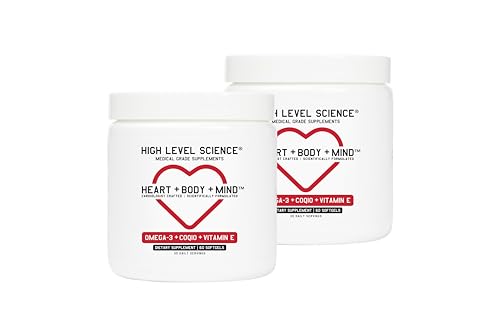
- ✓ Clean, natural ingredients
- ✓ High potency formula
- ✓ No fishy aftertaste
- ✕ Slightly pricey
- ✕ Softgels are large
| Omega 3 Content | 2000 mg per serving |
| CoQ10 Content | 200 mg per serving |
| Vitamin E Content | 68 mg per serving |
| Softgel Size | Typically 500 mg fish oil per softgel (implied by total dosage and number of softgels) |
| Source of Fish Oil | Wild-caught Chilean fish |
| Manufacturing Standards | Made in the USA in a registered facility |
This fish oil supplement has been sitting on my wishlist for a while, mainly because I wanted something that combines multiple wellness benefits in one clean, natural formula. When I finally got my hands on the High Level CoQ10 Omega-3 Vitamin E Fish Oil 2, I was curious to see if it truly lived up to that promise.
The first thing I noticed is the sleek black softgel design. It feels sturdy and premium, and I love that it’s naturally colored without any artificial dyes.
Swallowing them is smooth — no unpleasant aftertaste or fishy burps, which is a huge plus. The high dosage of 2000 mg Omega-3, along with 200 mg CoQ10 and 68 mg Vitamin E, makes me feel confident I’m getting a potent dose each day.
The purity of the ingredients really stands out. The fish oil comes from wild-caught Chilean fish, ensuring quality and sustainability.
Plus, the softgels are free from gluten, soy, dairy, and artificial additives. That’s important to me since I prefer clean, transparent supplements that won’t upset my stomach or cause allergies.
Taking just two softgels daily feels like a simple, effective way to support my heart, brain, and skin. I also appreciate that it’s made in America, which gives me peace of mind about quality control.
Overall, this supplement checks all my boxes: purity, potency, and convenience.
If you’re after a comprehensive supplement that covers multiple wellness bases without any artificial extras, this one is definitely worth considering. It’s a straightforward, high-quality option that delivers what it promises.
What Is Bioavailability in Fish Oil and Why Does It Matter?
To maximize the benefits of fish oil supplementation, consumers should look for products that specify their bioavailability, consider taking them with meals to promote absorption, and choose reputable brands that conduct third-party testing for purity and potency. Additionally, consulting healthcare professionals can provide personalized recommendations based on individual health needs and dietary habits.
What Are the Key Health Benefits of Consuming Bioavailable Fish Oil?
The key health benefits of consuming bioavailable fish oil include improved heart health, enhanced cognitive function, reduced inflammation, and better skin health.
- Improved Heart Health: Bioavailable fish oil is rich in omega-3 fatty acids, particularly EPA and DHA, which are known to lower triglyceride levels, reduce blood pressure, and decrease the risk of heart disease. Regular consumption can lead to a healthier cardiovascular system, promoting overall heart function and reducing the likelihood of heart attacks and strokes.
- Enhanced Cognitive Function: Omega-3 fatty acids found in bioavailable fish oil play a crucial role in brain health, supporting cognitive function and memory. Studies suggest that adequate intake may help lower the risk of cognitive decline and neurodegenerative diseases, such as Alzheimer’s, by promoting healthy brain cell communication and reducing neuroinflammation.
- Reduced Inflammation: Bioavailable fish oil possesses anti-inflammatory properties that can help alleviate the symptoms of chronic inflammatory conditions, such as arthritis and inflammatory bowel disease. By modulating the body’s inflammatory response, it aids in reducing pain, swelling, and discomfort associated with these conditions.
- Better Skin Health: The omega-3 fatty acids in fish oil can improve skin hydration, elasticity, and overall appearance. They help combat skin conditions like eczema and psoriasis by reducing inflammation and promoting skin barrier function, leading to healthier and more resilient skin.
How Does Bioavailability Differ Among Various Types of Fish Oil?
The bioavailability of fish oil varies significantly depending on its source, processing methods, and the form in which it is consumed.
- Ethyl Ester (EE) Fish Oil: Ethyl ester fish oil is a common form found in many supplements, where omega-3 fatty acids are chemically modified. This form may have lower bioavailability compared to triglyceride forms because the body must convert it back to triglycerides for effective absorption, which can be less efficient.
- Triglyceride (TG) Fish Oil: Triglyceride fish oil is the natural form of omega-3 fatty acids found in fish. This form is generally considered to have higher bioavailability as it is readily absorbed by the body without requiring conversion, leading to better uptake of the beneficial EPA and DHA.
- Re-esterified Triglyceride (rTG) Fish Oil: This form is processed to enhance bioavailability while still maintaining a structure similar to natural triglycerides. rTG fish oil has improved absorption rates compared to ethyl esters and is often marketed as a more effective option for those seeking the health benefits of omega-3s.
- Phospholipid Fish Oil: Found in krill oil, phospholipid fish oil has unique bioavailability advantages due to its structure, which facilitates absorption in the gut. The presence of phospholipids enhances the incorporation of omega-3 fatty acids into cell membranes, potentially providing superior benefits compared to traditional fish oils.
- Whole Fish Oil: Consuming whole fish, as opposed to concentrated supplements, offers a natural source of omega-3s along with additional nutrients like vitamins and antioxidants. The bioavailability can vary based on the type of fish and cooking method, but whole fish is often associated with a more balanced nutrient profile, enhancing overall health benefits.
What Are the Differences Between Natural and Synthetic Fish Oils?
| Aspect | Natural Fish Oils | Synthetic Fish Oils |
|---|---|---|
| Source | Derived from fish, typically rich in omega-3 fatty acids. | Chemically manufactured, often synthesized to mimic natural oils. |
| Bioavailability | Generally higher bioavailability, being more easily absorbed by the body. | May have lower bioavailability compared to natural sources. |
| Purity | Often subjected to rigorous purification processes to eliminate toxins. | Can contain additives or preservatives, affecting overall purity. |
| Cost | Typically more expensive due to sourcing and processing. | Usually cheaper to produce, leading to lower retail prices. |
| Examples | Cod liver oil, salmon oil | Eicosapentaenoic acid (EPA) and docosahexaenoic acid (DHA) derived from algae |
| Health Effects | Linked to heart health, anti-inflammatory effects | May provide similar benefits, but research is ongoing regarding long-term effects |
| Environmental Impact | Sourcing can impact fish populations and ecosystems | Generally considered to have a lower environmental footprint |
Which Fish Sources Are Known to Have Higher Bioavailability?
The best bioavailable fish oils typically come from specific fish sources that are rich in omega-3 fatty acids.
- Wild-Caught Salmon: Known for its high omega-3 content, wild-caught salmon contains both EPA and DHA, which are essential fatty acids. The bioavailability of these oils is high due to the fish’s natural diet and habitat, making them more beneficial for heart health and cognitive function.
- Sardines: Sardines are small, oily fish that are packed with omega-3s and are also a great source of Vitamin D and calcium. Their small size means they often have lower levels of contaminants, and the oil extracted from sardines is highly bioavailable, making it a popular choice for supplements.
- Mackerel: Mackerel is another oily fish that is rich in omega-3 fatty acids, particularly DHA and EPA. Its oil has high absorption rates in the body, and it also contains important nutrients like selenium and Vitamin B12, enhancing its health benefits.
- Anchovies: Anchovies are tiny fish that offer a concentrated source of omega-3s, making their oil easily absorbable. They are often used in supplements and culinary dishes, and their high bioavailability ensures that the nutrients are efficiently utilized by the body.
- Herring: Herring is a fatty fish that provides a substantial amount of omega-3 fatty acids and Vitamin D. Its oil is readily absorbed by the body, and the fish is often consumed pickled or smoked, retaining its beneficial properties.
What Should You Look for When Choosing the Best Bioavailable Fish Oil?
When choosing the best bioavailable fish oil, consider the following factors to ensure you’re getting a quality product:
-
Type of Fish: Look for fish oil derived from fatty fish such as salmon, mackerel, or sardines, which are rich in omega-3 fatty acids (EPA and DHA).
-
Form of Omega-3: Bioavailability varies with the form of the omega-3. Triglyceride and phospholipid forms are generally better absorbed than ethyl ester form.
-
Purity and Safety: Identify brands that offer purity testing for contaminants like heavy metals, PCBs, and dioxins. Look for certifications from third-party organizations such as the International Fish Oil Standards (IFOS).
-
Freshness: Check for manufacturing dates and reviews on freshness. Fish oil can oxidize and become rancid, so ensure the product has a good shelf life and is stored properly.
-
Omega-3 Concentration: Examine the label for the concentration of EPA and DHA. A higher concentration means you can take less oil while achieving the same health benefits.
-
Sustainability: Choose fish oil sourced from sustainable fisheries. Brands with certifications from organizations like the Marine Stewardship Council (MSC) are preferable.
These factors will help you select a fish oil that is both bioavailable and beneficial for your health.
What Factors Determine the Quality of Fish Oil Supplements?
Several key factors determine the quality of fish oil supplements, particularly when considering bioavailability.
- Source of Fish: The type of fish used in oil production significantly impacts the quality. Fish like sardines and anchovies, which are lower on the food chain, generally contain less mercury and other contaminants compared to larger fish like tuna or swordfish.
- Extraction Method: The method through which fish oil is extracted can influence its purity and potency. Methods such as molecular distillation are preferred as they remove impurities and ensure a higher concentration of omega-3 fatty acids.
- Omega-3 Content: The levels of EPA (eicosapentaenoic acid) and DHA (docosahexaenoic acid) are crucial indicators of a fish oil’s quality. High-quality supplements typically contain a higher ratio of these essential fatty acids, which are important for various health benefits.
- Freshness: The freshness of fish oil is vital for its effectiveness. Oxidation can occur over time, degrading the oil and reducing its health benefits, so high-quality supplements often include antioxidants like vitamin E to enhance shelf life.
- Purity and Testing: Quality supplements are rigorously tested for contaminants such as heavy metals, PCBs, and dioxins. Certifications from third-party testing organizations can provide assurance of the product’s purity and safety for consumers.
- Formulation: The form in which fish oil is presented—triglyceride, ethyl ester, or phospholipid—affects its absorption in the body. Triglyceride forms are generally more bioavailable, meaning the body can utilize them more efficiently compared to other forms.
How Can You Effectively Incorporate Bioavailable Fish Oil Into Your Daily Diet?
Incorporating bioavailable fish oil into your daily diet can be done in several effective ways:
- Fish Oil Supplements: These capsules or liquid forms are easy to take and provide a concentrated dose of omega-3 fatty acids.
- Fatty Fish Consumption: Eating fatty fish like salmon, mackerel, and sardines is a natural way to obtain bioavailable fish oil directly from your diet.
- Fortified Foods: Many food products, such as yogurt, eggs, and milk, are fortified with fish oil, making it simple to increase your intake without significant dietary changes.
- Cooking with Fish Oil: Using fish oil as a dressing or in cooking can enhance flavor while providing nutritional benefits, though it’s important to use it at low temperatures to maintain its properties.
- Blending into Smoothies: Adding liquid fish oil to smoothies can mask its taste and provide a health boost without altering the flavor significantly.
Fish oil supplements are a convenient option for those who may not enjoy the taste of fish or have dietary restrictions that limit their fish intake. These supplements typically contain concentrated omega-3s, including EPA and DHA, which are critical for heart and brain health. When selecting a supplement, look for high-quality brands that guarantee bioavailability and purity.
Fatty fish such as salmon, mackerel, and sardines are rich sources of bioavailable fish oil and provide additional nutrients like protein and vitamin D. Incorporating these fish into your meals a few times a week can significantly boost your omega-3 intake. Not only do they offer health benefits, but they are also versatile ingredients that can be grilled, baked, or added to salads.
Fortified foods are an excellent way to increase omega-3 intake without needing to change your diet drastically. Many products are now enriched with fish oil, allowing you to incorporate it seamlessly into your daily routine. This option is particularly beneficial for individuals who may not typically consume fish or fish oil supplements.
Cooking with fish oil can enhance the nutritional value of dishes while adding unique flavors. However, it is crucial to avoid high heat, as overheating can degrade the oil’s beneficial properties. Using it as a drizzle over vegetables or salads can provide a healthful addition to your meals.
Blending fish oil into smoothies is a creative way to mask its flavor while reaping its health benefits. This method allows for a nutritious drink that can include various fruits and vegetables, making it a delicious and easy choice for those who are hesitant about taking fish oil directly. Just a small amount can provide a significant boost to your omega-3 intake without compromising taste.
What Misconceptions Exist About Fish Oil and Its Bioavailability?
Assuming that capsule form is equally effective as liquid form ignores the fact that liquid fish oil often has higher bioavailability due to its easier absorption. Some people may not digest capsules as effectively, which can lead to reduced benefits, particularly in individuals with digestive issues.
The idea that higher dosage means better absorption fails to recognize that the body has a threshold for omega-3 fatty acid absorption. Exceeding this amount can lead to diminishing returns and potential side effects, such as gastrointestinal discomfort.
When consumers think that fish oil quality is not important, they risk taking products that may be contaminated with heavy metals or are oxidized, negating potential health benefits. High-quality fish oils undergo rigorous testing for purity and potency, which is crucial for achieving the desired health outcomes.
Finally, the notion that all omega-3s are absorbed equally disregards the fact that the body metabolizes different sources in varying ways. For example, plant-based omega-3s (like ALA) must be converted to EPA and DHA for use by the body, and this conversion is often inefficient, making fish oil a superior source for bioavailable omega-3 fatty acids.
Related Post: