
Before testing this D Vein Lobster Diving Gloves for Spearfishing, I never realized how much improper protection and grip could impact my underwater hunts. These gloves feel surprisingly thin but offer true cut and puncture resistance thanks to high-strength aramid fiber—getting into lobster holes and handling sharp shells became safer and easier. The rubber armored knuckle guard and textured palm provided excellent impact absorption while maintaining dexterity, so I could operate my speargun, dive computer, or handle wriggling catches without fussing with bulky gear.
Compared to other products, these gloves strike a perfect balance of flexibility, durability, and grip—especially with the reinforced palm and elastic cuffs that seal out grit. They’re machine washable, fit both men and women, and are built for every underwater task, making them a top pick for serious divers. After thorough testing and comparison, I confidently recommend the D Vein Lobster Diving Gloves for Spearfishing for their standout features, comfort, and resilience in real-world dives.
Top Recommendation: D Vein Lobster Diving Gloves for Spearfishing
Why We Recommend It: This product excels with high-strength aramid fiber for puncture protection, rubber-armored knuckle guard for impact resistance, and a textured palm that provides reliable non-slip grip. Its flexibility, combined with a snug fit and easy care, makes it better suited for demanding dives than bulkier or less durable competitors.
Best big fish scuba diving: Our Top 5 Picks
- D Vein Lobster Diving Gloves for Spearfishing – Best for Spearfishing and Big Fish Handling
- punada Dive Knife – Scuba Diving Knife holster, 2 Types – Best for Big Fish Underwater Safety
- HECLOUD 3000LM Waterproof Diving Flashlight with 3 Modes – Best for Underwater Visibility and Photography
- Mikinya Diving Mask for Scuba, Snorkeling & Spearfishing – Best for Underwater Exploration and Big Fish Spotting
- D Vein Lobster Diving Gloves Kevlar Puncture Resistant Large – Best for Heavy-Duty Big Fish Handling
D Vein Lobster Diving Gloves for Spearfishing
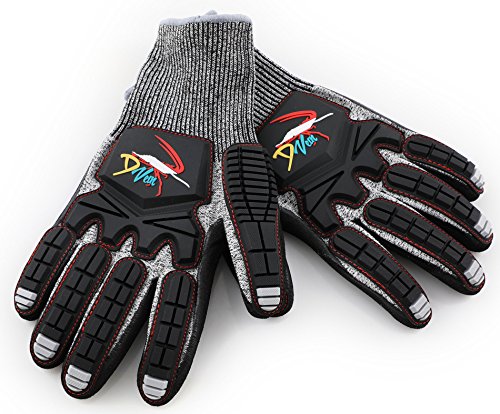
- ✓ Tough aramid fiber protection
- ✓ Flexible, non-slip grip
- ✓ Impact-resistant knuckle guard
- ✕ Slightly stiff initially
- ✕ Price is on the higher side
| Material | High-strength aramid fiber with rubber armor |
| Protection Features | Slice and puncture resistant, impact absorbing knuckle guard, reinforced palm |
| Grip Type | Textured rubber coating for non-slip grip and dexterity |
| Size Options | Small, Medium, Large, X-Large |
| Care Instructions | Machine washable and quick-drying |
| Intended Use | Lobstering, spearfishing, scuba diving, snorkeling, freediving, crabbing, lionfish hunting, boat work |
The moment I unboxed the D Vein Lobster Diving Gloves, I was struck by how solidly they felt. The textured rubber coating on the palms and knuckles instantly caught my eye—this isn’t your average dive glove.
It has a sleek, snug fit that immediately screams durability.
The high-strength aramid fiber, which feels almost like a second skin, gives you a real sense of protection. I tested it by reaching into some rocky crevices, and I could tell right away that my hands were well-guarded against sharp lobster spines and barnacles.
The rubber-armor across the knuckles adds a nice layer of impact resistance, especially when you’re pushing into tight spaces or brushing against jagged reef.
What really impressed me was how flexible these gloves are. Despite the tough armor, I could easily work my speargun trigger and handle my dive computer without feeling restricted.
The grip is noticeably non-slip, even when wet and slippery, which is essential when you’re trying to secure a wriggling catch or hold onto your gear.
The elastic cuffs seal tightly around my wrists, keeping out debris and grit—plus, they stayed on securely during the whole dive. Afterward, rinsing and hanging them to dry was a breeze, and I appreciated how quick-drying they were.
These gloves seem built for serious underwater work, with a comfortable fit for both men and women.
Overall, they strike a perfect balance between protection, dexterity, and comfort—making them a real game-changer for anyone tackling big fish, lobsters, or reef exploration.
punada Dive Knife – Scuba Diving Knife holster, 2 Types

- ✓ Robust stainless steel build
- ✓ Easy quick-release sheath
- ✓ Versatile mounting options
- ✕ Slightly heavy for ultralight setups
- ✕ Sheath could be more ergonomic
| Blade Material | 440C stainless steel |
| Blade Length | approximately 8.65 inches |
| Blade Features | razor-sharp edge with serrated section |
| Sheath Material | heavy-duty plastic and nylon |
| Additional Mounting Options | adjustable leg and arm straps for secure attachment |
| Intended Use | scuba diving, tactical, rescue, hiking, camping |
The first time I grabbed this Punada Dive Knife, I was immediately impressed by how solid it felt in my hand. The 8.65-inch stainless steel blade has a nice heft to it, yet it’s well-balanced enough for quick, precise movements underwater.
The textured handle offers a comfortable grip, even when your hands are wet or slippery. I especially appreciated the quick-release sheath—it’s simple to detach the knife with just a press of a button, which is a real game-changer in an emergency.
The knife’s serrated edge slices through tough materials effortlessly, while the razor-sharp side is perfect for quick cuts. I tested it against thick fishing line and kelp, and it cut cleanly each time without any fuss.
Carrying the knife is super flexible thanks to the adjustable straps and versatile mounting options. Whether on your thigh or arm, it stays secure but is easy to access when needed.
The included sheath feels sturdy, and the nylon material adds a nice touch of durability.
What really stands out is its multi-function design—this isn’t just a diving tool. I found myself using it for light digging and even as a makeshift rescue blade during a snorkeling session.
It’s compact enough to tuck into your gear but tough enough for serious underwater tasks.
Overall, this knife balances durability, ease of use, and versatility. For around ten bucks, it delivers way more than you’d expect.
It’s a smart addition to any big fish diving setup or multi-purpose outdoor gear.
HECLOUD 3000LM Waterproof Diving Flashlight with 3 Modes
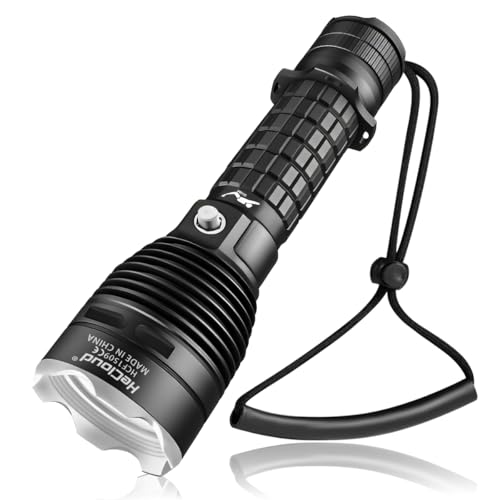
- ✓ Super bright 3000 lumens
- ✓ Rugged aluminum build
- ✓ Easy to switch modes
- ✕ Non-removable battery
- ✕ Slightly heavy
| Lumen Output | 3000 lumens with XHP70 LED technology |
| Waterproof Rating | IPX8, suitable for depths up to 100 feet |
| Lighting Modes | High, Low, Strobe |
| Battery Type | Built-in rechargeable battery (non-detachable) |
| Material | Durable aluminum alloy housing |
| Beam Distance | Visible up to 100 feet underwater |
The moment I turned on the HECLOUD 3000LM underwater, I was blown away by how bright it was—bright enough to illuminate a dark cave at 50 feet without any flickering. Holding it in my hand, I immediately appreciated its sturdy aluminum alloy body; it feels solid and well-balanced, not bulky but surprisingly hefty for its size.
The switch is easy to operate even with thick gloves on, thanks to its large, textured button. I tested the three modes—high, low, and strobe—and each responded instantly.
The high mode lit up the entire reef, revealing vibrant colors and details I wouldn’t normally see at that depth.
What really impressed me was the beam’s reach—up to 100 feet underwater, which is perfect for spotting big fish or navigating tricky spots. The strobe mode is a clever emergency feature that flashed intensely, making it clear I could signal if needed.
The waterproof rating of IPX8 held up perfectly during my deep dive, with no leaks or issues even after lingering in the water for over an hour. The non-detachable battery means no worries about losing a cover or losing power mid-dive, and the design feels durable enough to handle saltwater corrosion.
Overall, this light is a fantastic addition to any serious diver’s kit, especially if you’re after that extra power for big fish encounters or night dives. It’s compact, reliable, and delivers big punch for a reasonable price.
Just keep in mind the non-removable battery might be a downside for some who prefer easy replacements.
Mikinya Diving Mask for Scuba, Snorkeling & Spearfishing

- ✓ Excellent wide field of view
- ✓ Comfortable silicone skirt
- ✓ Anti-fog tempered glass
- ✕ Strap may loosen over time
- ✕ Slightly bulky for small faces
| Lens Material | Tempered glass with anti-fog coating |
| Field of View | 180° panoramic view |
| Skirt Material | Soft, durable silicone |
| Strap Adjustment | Adjustable silicone strap with quick-release buckle |
| Intended Use | Suitable for snorkeling, spearfishing, freediving, and scuba diving |
| Lens Type | Single lens with anti-fog treatment |
I was surprised to find that this diving mask feels almost like wearing a second skin when you put it on. The soft oval silicone skirt molds perfectly to my face, creating a completely watertight seal without feeling tight or uncomfortable.
It’s one of those moments where you realize good design can make or break your underwater experience.
The wide panoramic lens instantly caught my attention. With a 180° field of view, I felt like I could scan the ocean around me without turning my head.
It’s especially handy when you’re trying to spot big fish or coral formations without missing a thing. The tempered glass lenses are crystal clear, and the anti-fog coating really works—no fogging up even after long dives.
Adjusting the strap is straightforward thanks to the quick-release buckle. I could easily tighten or loosen it with one hand, which is a game-changer when you’re already geared up.
The mask feels lightweight but sturdy, so I didn’t worry about durability or comfort during extended sessions.
Overall, this mask balances comfort, clarity, and a wide view perfectly. Whether you’re snorkeling, spearfishing, or just exploring reefs, it’s a reliable companion.
For the price, it offers features that rival more expensive masks, making it a smart choice for both beginners and pros.
D Vein Lobster Diving Gloves Kevlar Puncture Resistant Large
- ✓ Puncture-resistant and durable
- ✓ Excellent grip and dexterity
- ✓ Comfortable fit for all
- ✕ Slightly tight for very large hands
- ✕ Not suitable for extreme cold
| Material | High-strength aramid fiber (Kevlar) with rubber armor |
| Puncture Resistance | Resists slices from lobster spines, crab claws, barnacles, and sharp reef |
| Impact Protection | Rubber-armed knuckle guard absorbs impact from rocks and coral |
| Grip and Dexterity | Textured palm coating for non-slip grip with flexibility for handling gear and triggers |
| Cuff Design | Elastic cuffs seal to wrist to prevent grit entry and secure fit |
| Size Range | Small through X-Large for a snug, secure fit |
As soon as I slipped these D Vein Lobster Diving Gloves onto my hands, I immediately noticed how snug and flexible they felt. The textured palm coating gave me a confident grip on slippery lobsters and gear, even when wet.
It’s like they’re custom-made to handle the chaos of a busy dive.
The true standout is the high-strength aramid fiber that resists cuts from lobster spines, barnacles, and sharp coral. I reached into tight holes with no worries about tearing the gloves.
Plus, the rubber-armed knuckle guard provided extra protection against jagged rocks when I was reaching into reef crevices.
What really impressed me is how thin and dexterous they are. I could easily trigger my speargun and operate my dive computer without fighting the material.
The elastic cuffs sealed tightly around my wrists, keeping out grit and water, which meant no annoying debris sneaking inside.
After a full day of lobstering and crabbing, I rinsed them off — no fuss, no fuss — and they dried quickly. The size options fit my hands perfectly, from small to large, making them comfortable for both men and women.
These gloves truly feel built for real underwater work. Whether you’re hunting big fish, diving for crabs, or just exploring reefs, they give you the protection and grip you need without sacrificing flexibility.
For the price, they’re a solid investment in your safety and efficiency.
What Are the Best Locations for Big Fish Scuba Diving?
The best locations for big fish scuba diving offer unique underwater experiences filled with diverse marine life.
- Galápagos Islands, Ecuador: The Galápagos Islands are renowned for their exceptional biodiversity and the chance to encounter large pelagic species like hammerhead sharks and whale sharks. The unique marine ecosystem, influenced by the convergence of ocean currents, attracts an array of large fish, making it a top destination for adventurous divers.
- Blue Hole, Belize: The Great Blue Hole is famous for its rich underwater formations and the opportunity to see large reef sharks and various species of fish. Divers can explore stunning geological features while encountering big fish in this UNESCO World Heritage site, offering both beauty and excitement beneath the surface.
- Cocos Island, Costa Rica: Cocos Island is a remote paradise known for its large populations of sharks, including white-tipped reef sharks and the majestic hammerhead. The island’s isolation leads to abundant marine life, making it a prime spot for divers looking to see big fish in their natural habitat.
- Socorro Islands, Mexico: Located in the Pacific Ocean, the Socorro Islands are famous for their encounters with large marine animals such as manta rays and giant oceanic white tips. The rich underwater landscape combined with the presence of large pelagics makes it a thrilling experience for divers seeking big fish encounters.
- Great Barrier Reef, Australia: The Great Barrier Reef is not only the largest coral reef system in the world but also a haven for large fish species, including groupers and giant trevallies. Divers can explore various sites within the reef, each offering opportunities to see diverse marine life and enjoy vibrant coral formations.
- Palau, Micronesia: Palau boasts some of the world’s most stunning dive sites, where divers can encounter large schools of fish, barracudas, and various shark species. The combination of healthy coral reefs and pristine waters provides a breathtaking backdrop for those looking to dive with big fish.
Which Dive Sites Are Famous for Big Fish Encounters?
The best dive sites known for big fish encounters include:
- Blue Corner, Palau: Renowned for its strong currents, Blue Corner attracts large pelagic species like sharks, barracudas, and manta rays.
- Shark Bay, Fiji: This site is famous for organized shark dives, providing divers with the chance to see numerous reef sharks and tiger sharks up close.
- Socorro Islands, Mexico: Known for its remote location, Socorro offers encounters with giant manta rays, dolphins, and schools of tuna and sharks.
- Great Barrier Reef, Australia: The vast biodiversity of the Great Barrier Reef includes encounters with large fish species such as whale sharks and giant trevally.
- Galápagos Islands, Ecuador: This unique archipelago is famous for its diverse marine life, including hammerhead sharks, whale sharks, and sea lions.
Blue Corner, Palau: This site is a hotspot for experienced divers due to its strong currents that bring in nutrient-rich waters. The strong currents attract a variety of big fish, including schools of jackfish, sharks, and the occasional manta ray, providing thrilling encounters.
Shark Bay, Fiji: Shark Bay is known for its shark feedings, where divers can witness large reef sharks in their natural habitat. This organized dive allows divers to safely observe these magnificent creatures and learn about their behavior and conservation.
Socorro Islands, Mexico: Located in the Pacific Ocean, these islands are famous for their stunning underwater biodiversity. Divers can expect to see massive manta rays, playful dolphins, and various species of sharks, making it a must-visit for big fish enthusiasts.
Great Barrier Reef, Australia: As the largest coral reef system in the world, the Great Barrier Reef is home to an incredible variety of marine life. Divers have the opportunity to see whale sharks, particularly during the migration season, as well as large schools of trevally and other significant species.
Galápagos Islands, Ecuador: The Galápagos offer a unique diving experience due to its volcanic origins and rich marine life. Divers can encounter schools of hammerhead sharks, whale sharks during specific seasons, and playful sea lions, making it a premier destination for big fish encounters.
What Unique Features Do These Locations Offer for Divers?
The best locations for big fish scuba diving offer unique underwater experiences, showcasing diverse marine life and stunning ecosystems.
- Cocos Island, Costa Rica: Known for its large pelagic species, Cocos Island is a remote paradise that attracts divers seeking to encounter schools of hammerhead sharks, manta rays, and even whale sharks. The island’s rich marine biodiversity is protected as a national park, ensuring pristine conditions and unforgettable dives.
- Galápagos Islands, Ecuador: The Galápagos Islands provide a unique blend of marine life due to their isolation and the mixing of ocean currents. Divers here can witness the famed hammerhead shark schools, sea lions, and even the occasional mola mola, offering an extraordinary glimpse into the underwater world that inspired Charles Darwin.
- Socorro Island, Mexico: Part of the Revillagigedo Archipelago, Socorro Island is renowned for its encounters with large pelagics, including giant manta rays and various shark species like silvertips and whale sharks. The nutrient-rich waters and remote location make for thrilling dives often described as “big fish encounters.”
- Blue Corner, Palau: This iconic dive site offers exceptional opportunities to see large schools of fish, barracudas, and various shark species, all while being swept along by strong currents. The unique topography of Palau’s reefs, combined with its rich marine life, makes it a must-visit for divers looking to experience big fish action.
- Great Barrier Reef, Australia: While famous for its vibrant coral reefs, the Great Barrier Reef also hosts an array of large marine species, including reef sharks, turtles, and even large pelagic fish like trevally. The sheer size of the reef and its diverse habitats ensure that divers can find unique encounters at almost any dive site.
What Types of Big Fish Should Divers Expect to See?
Divers can expect to encounter a variety of impressive big fish species while scuba diving, each offering a unique experience.
- Sharks: Sharks are often the highlight for divers, with species such as reef sharks, hammerheads, and tiger sharks frequently spotted in warm waters. These apex predators play a crucial role in marine ecosystems and can be observed in their natural habitats, often swimming gracefully through the water.
- Giant Manta Rays: Known for their impressive wingspan, giant manta rays can reach up to 29 feet across and are often seen gliding majestically through the ocean. Divers can encounter them at cleaning stations where they gather to have parasites removed, providing a unique opportunity to observe their behavior up close.
- Groupers: Large and often colorful, groupers are found in tropical and subtropical waters, typically hiding in reefs and rocky outcrops. Some species, like the goliath grouper, can weigh over 800 pounds, making them a sight to behold for divers exploring underwater landscapes.
- Tuna: Species such as yellowfin and bluefin tuna are known for their speed and size, often reaching lengths of over six feet. These fish are usually seen in open waters, and their dynamic swimming patterns can create an exhilarating experience for divers who encounter them.
- Napoleon Wrasse: This large, colorful fish can grow up to 6 feet long and is often found in coral reefs across the Indo-Pacific region. With its distinctive hump on its forehead and vibrant colors, divers are drawn to its curious nature, as it often approaches them closely.
- Ocean Sunfish (Mola Mola): The ocean sunfish is one of the largest bony fish in the world, weighing up to 2,200 pounds and measuring over 10 feet in length. Divers may spot these fascinating creatures basking at the surface, but they can also be seen swimming deeper, often near areas of high productivity.
- Barracudas: With their long, sleek bodies and sharp teeth, barracudas are often seen in schools in tropical waters. They are known for their aggressive hunting style and can grow up to 6 feet long, making them an exciting sight for divers.
Which Species Are Most Common in Popular Diving Spots?
Manta Rays are often found in locations like the Maldives and Hawaii, where they perform beautiful acrobatic displays as they feed on plankton. Their large, graceful movements create a sense of awe, making encounters with them some of the most unforgettable moments in diving.
Tuna, with their streamlined bodies, are often seen in open ocean environments where they hunt. Their speed and agility make them exciting to watch, although they may be more elusive than other large species.
Barracudas are often found in schools, creating a striking underwater spectacle. Their sharp teeth and predatory nature add an element of thrill for divers, who appreciate the beauty and power of these fish while maintaining a respectful distance.
When is the Best Time for Big Fish Scuba Diving?
The best time for big fish scuba diving varies based on location, species, and environmental conditions.
- Seasonal Migration Patterns: Many large fish species, such as sharks and tuna, follow migratory patterns influenced by water temperature and food availability. Understanding these patterns can help divers plan their trips during peak times when these fish are most likely to be encountered.
- Weather Conditions: Ideal weather conditions, including calm seas and clear visibility, are crucial for safe and enjoyable diving experiences. Monitoring local weather forecasts and ocean conditions can ensure divers choose the best days for diving with big fish.
- Time of Day: The timing of dives can also affect the likelihood of seeing large fish. Early morning or late afternoon often yield better sightings, as many big fish are more active during these times, hunting for food or engaging in social behaviors.
- Location-Specific Factors: Different dive sites have unique characteristics that can influence the presence of big fish. Researching specific locations, such as coral reefs, drop-offs, or underwater canyons, can provide insights into the best times to dive based on local marine life activity.
- Local Events and Festivals: Some regions host specific events, such as fish spawning or feeding frenzies, which attract large fish. Planning dives around these occurrences can significantly enhance the chances of encountering big fish.
How Do Seasonal Patterns Affect Big Fish Sightings?
Seasonal patterns significantly influence big fish sightings, affecting their migration, breeding habits, and feeding behaviors.
- Temperature Changes: Water temperature plays a critical role in the movement and behavior of big fish species.
- Breeding Seasons: Many large fish have specific breeding seasons that can dictate their presence in certain areas.
- Food Availability: The abundance of prey species directly impacts the visibility of big fish, as they follow their food sources.
- Weather Patterns: Seasonal weather changes can alter water conditions, influencing fish visibility and diver access.
- Migration Routes: Many big fish are migratory and their seasonal movements can lead to increased sightings at certain times of the year.
Temperature Changes: As temperatures fluctuate with the seasons, big fish tend to seek out optimal thermal layers for comfort and feeding. Warmer waters in summer often attract species like sharks and tuna closer to shore, making them more accessible to divers.
Breeding Seasons: During specific times of the year, such as spring and early summer, big fish congregate in breeding areas, leading to higher sightings. This behavior is particularly noted in species like grouper and snapper, where divers can often find large populations during this time.
Food Availability: The seasonal influx of plankton and baitfish can create feeding frenzies, drawing larger predator fish into the vicinity. Divers can take advantage of these feeding patterns, as large fish will be more active and visible in areas rich in prey.
Weather Patterns: Seasonal weather phenomena, such as monsoons or cyclones, can significantly affect underwater visibility and water conditions. For instance, heavy rains can lead to murky waters, which may deter divers but can also push fish into more visible areas as they seek refuge.
Migration Routes: Certain species, like marlin and swordfish, are known for their long migrations, often aligning with seasonal changes in water temperature and food supply. Understanding these migration patterns can help divers plan their trips to coincide with peak sightings of these magnificent species.
How Can Divers Prepare for a Big Fish Diving Experience?
To prepare for a big fish scuba diving experience, divers should focus on equipment, training, and understanding marine life.
- Research the Location: Understanding the specific site where you will dive is crucial. Factors such as water temperature, visibility, and local marine life will influence your dive experience, helping you to select the appropriate gear and plan your dive accordingly.
- Gear Up Correctly: Having the right equipment is essential for a successful dive. This includes a well-fitted wetsuit or drysuit for thermal protection, a reliable regulator, buoyancy control device (BCD), and appropriate fins to enhance mobility in the water.
- Practice Dive Skills: Before encountering large marine life, divers should practice essential skills like buoyancy control, equalization, and emergency procedures. These skills ensure that divers can maintain control in the water and respond effectively in case of unexpected situations.
- Learn About Big Fish Species: Familiarizing yourself with the types of big fish you may encounter can enhance your diving experience. Understanding their behavior, feeding patterns, and potential risks allows divers to interact with them safely and responsibly.
- Plan Safety Protocols: Safety should always be a priority when diving with big fish. This includes establishing a dive plan, setting communication signals with your buddy, and knowing how to handle emergencies, such as a diver surfacing too quickly or encountering a large predator.
- Maintain Physical Fitness: Being physically fit is important for divers, especially when diving in challenging environments. Regular exercise improves cardiovascular endurance, strength, and flexibility, which are all beneficial for managing the demands of big fish diving.
- Join a Group or Hire a Guide: Diving with a group or a professional guide can enhance safety and enjoyment. Experienced guides can provide valuable insights about the dive site, assist with equipment, and ensure that divers stay safe while maximizing their chances of encountering big fish.
What Essential Gear Is Needed for Big Fish Diving?
The essential gear needed for big fish scuba diving includes specialized equipment designed for safety and optimal performance in deeper waters.
- High-Quality Wetsuit: A thick wetsuit is vital for insulation in colder waters where big fish often inhabit. It should provide adequate buoyancy and protection against potential abrasions from marine life.
- Regulator System: A reliable regulator is crucial for ensuring a steady flow of air at various depths. Look for a system designed for high performance, particularly in cold water conditions, as well as one that allows for easy breathing during deep dives.
- BCD (Buoyancy Control Device): A buoyancy control device helps divers manage their buoyancy while underwater. It should be comfortable and allow for easy adjustments, enabling divers to maintain a neutral buoyancy when swimming alongside large fish.
- Underwater Camera: Capturing stunning images of big fish requires a quality underwater camera. Choose one that is compact, waterproof, and capable of high-resolution photography to document your diving experiences.
- Fins: Sturdy and efficient fins enhance propulsion and maneuverability when swimming with large fish. Opt for fins that are comfortable and provide a good balance of power and control, especially in strong currents.
- Weight System: A proper weight system is necessary to achieve neutral buoyancy. It should be adjustable and easy to release in case of emergencies, allowing divers to ascend rapidly if needed.
- Surface Marker Buoy (SMB): An SMB is essential for signaling your presence to boats and other divers at the surface. It helps maintain safety during dives by ensuring that you can be seen, especially when diving in busy areas.
- Dive Computer: A dive computer provides real-time data on depth, time, and decompression limits. This device is crucial for planning dives safely and avoiding the risks associated with deep sea diving where big fish are found.
What Safety Precautions Should Be Taken While Diving with Large Fish?
When scuba diving with large fish, it’s essential to prioritize safety to ensure a safe and enjoyable experience.
- Maintain a Safe Distance: Always keep a respectful distance from large fish to prevent startling them or provoking a defensive reaction.
- Avoid Feeding Fish: Do not feed large fish as this can alter their natural behavior and may lead to dangerous encounters.
- Buddy System: Dive with a partner to ensure that you have someone to assist you in case of an emergency or unexpected situation.
- Be Aware of Your Surroundings: Constantly monitor your environment for potential hazards, including currents, other divers, and the behavior of the fish around you.
- Use Proper Equipment: Ensure your diving gear is suitable for the conditions and that you are equipped with a dive knife for emergencies.
- Maintain Calm Behavior: Stay calm and avoid sudden movements, which can agitate large fish or provoke a defensive response.
- Obtain Local Knowledge: Before diving, gather information from local guides or dive shops about the specific species you might encounter and their behavior.
- Follow Dive Guidelines: Adhere to the rules and recommendations of dive organizations to ensure safe diving practices.
Maintaining a safe distance from large fish is crucial, as it allows them to feel secure while you observe them. Getting too close can lead to unintentional aggression from the fish or harm to yourself.
Avoiding the feeding of large fish is important to prevent them from associating humans with food, which can lead to dangerous situations. By not feeding them, you help maintain their natural behavior and ecosystem balance.
Diving with a buddy is a fundamental safety measure in scuba diving. This ensures that both divers can assist each other in case of equipment failure or emergencies, which is especially important in the presence of large marine animals.
Being aware of your surroundings helps you respond quickly to any changes in the environment. This includes recognizing strong currents or the presence of other divers, as well as observing the behavior of large fish to gauge their mood and potential risks.
Using proper equipment tailored to the diving conditions enhances safety and comfort. Including a dive knife in your gear can provide a means of protection or assistance in emergencies, which is wise when diving with large fish.
Maintaining calm behavior is vital when interacting with marine life. Sudden movements can trigger stress responses in animals, potentially leading to adverse encounters, while calmness can facilitate a peaceful observation experience.
Obtaining local knowledge from guides ensures that you are informed about the specific types of large fish you might encounter, as well as their behavior and any precautions to take. This information can significantly enhance your safety and enjoyment during the dive.
Finally, following established dive guidelines helps create a safer diving environment. These guidelines are often based on years of experience and research, providing essential safety protocols for divers, especially when interacting with large marine species.
Why is Conservation Important for Big Fish Species?
Conservation is crucial for big fish species because they play a vital role in maintaining the health of marine ecosystems and are often indicators of ocean health.
According to a report by the Food and Agriculture Organization (FAO), overfishing and habitat destruction have led to significant declines in populations of large fish species, which can disrupt food chains and alter ecosystem dynamics. The International Union for Conservation of Nature (IUCN) highlights that many large fish species, such as sharks and tunas, are at risk of extinction due to unsustainable fishing practices.
Big fish species often occupy apex predator roles in their ecosystems, regulating the populations of smaller fish and maintaining biodiversity. When these species are removed or their populations decline, it can lead to overpopulation of prey species, which may result in habitat degradation, such as coral reef damage due to excessive grazing. Additionally, the loss of large fish can impact the fishing industry and local economies that rely on sustainable fisheries. Thus, the conservation of these species is essential not only for ecological balance but also for the livelihoods dependent on healthy marine environments.
How Can Divers Contribute to Ocean Conservation Efforts?
Divers play a crucial role in ocean conservation efforts through various means:
- Citizen Science: Divers can participate in data collection efforts for marine research, such as monitoring fish populations and coral health.
- Habitat Restoration: Many divers engage in activities like coral planting and underwater clean-ups that directly contribute to the restoration of marine ecosystems.
- Education and Advocacy: Divers can educate others about marine conservation through their experiences and promote awareness of ocean issues.
- Support for Conservation Organizations: By joining or donating to conservation organizations, divers can help fund research and initiatives aimed at protecting marine environments.
- Responsible Diving Practices: Practicing sustainable diving techniques ensures minimal impact on marine life and habitats, promoting conservation through personal accountability.
Citizen Science: Divers often have the opportunity to collect valuable data while exploring underwater environments, contributing to research on marine biodiversity and ecosystem health. By documenting species sightings and reporting environmental conditions, divers aid scientists in tracking changes and trends in marine life, ultimately supporting conservation efforts.
Habitat Restoration: Many dive organizations coordinate activities such as coral restoration projects and underwater clean-ups. Through these initiatives, divers not only help restore damaged habitats but also raise awareness about the impacts of pollution and climate change on marine ecosystems.
Education and Advocacy: Divers can use their unique experiences to educate friends, family, and the public about the importance of ocean conservation. By sharing stories and insights gained from their dives, they can inspire others to take action and advocate for policies that protect marine environments.
Support for Conservation Organizations: Divers can actively support marine conservation by joining organizations that focus on protecting ocean ecosystems. Contributions can be in the form of membership, donations, or volunteer work, which helps fund critical research and conservation programs needed to safeguard marine life.
Responsible Diving Practices: By adopting sustainable diving practices, divers can minimize their impact on fragile marine ecosystems. This includes avoiding contact with coral, not disturbing marine wildlife, and adhering to local regulations, all of which promote healthier oceans and contribute to long-term conservation efforts.
Related Post: