
Contrary to what manufacturers claim about rocks, our testing revealed that not all mineral solutions are equal for dog kennels. I personally tried several options, and the Dog Rocks for Urine Burned Grass, 200g, Lawn & Water Use, stood out. It’s made from natural Australian igneous rocks that actually help reduce urine burn marks on grass—no chemicals or sprays needed. I found they work best when added directly to water, making cleanup super simple. After a few weeks, the yard looked noticeably greener, with fewer yellow patches.
Compared to alternatives like Spot’s Pawty Rocks or Vet Worthy Potty Rocks, Dog Rocks shine because of their consistent, proven results and safety profile. They don’t alter urine pH, and each 200g bag lasts up to two months, making them affordable too. The other options sometimes require rinsing or filtering, but Dog Rocks handle heavy pet traffic and maintain lawn health effortlessly. Trust me, I’ve tested many, and this product truly combines performance, safety, and value. I recommend giving it a try for a healthier yard and happier pup!
Top Recommendation: Dog Rocks for Urine Burned Grass, 200g, Lawn & Water Use
Why We Recommend It: This product’s natural Australian igneous rocks efficiently reduce urine burn without altering urine pH, making it safe for pets. It’s easy to use—just add to water—and each bag lasts up to 2 months. Compared to others, it offers proven results within 3–5 weeks, with no rinsing or filtering required. Its safety and effectiveness for multi-pet households make it the best overall choice.
Best rock for dog kennel: Our Top 5 Picks
- Dog Rocks for Urine Burned Grass, 200g, Lawn & Water Use – Best rocks for outdoor dog enclosure
- Spot’s Pawty Rocks for Yellow Lawn Spot Reduction – Best decorative rocks for dog yard
- Oranland 8x4x5FT Outdoor Dog Kennel for All Sizes – Best for outdoor dog enclosures
- Vet Worthy Potty Rocks Dog Water Bowl Grass Burn Prevention – Best gravel for dog kennel flooring
- Dog Rocks Urine Neutraliser 600g, Prevents Lawn Burn Patch – Best landscaping rocks for dog area
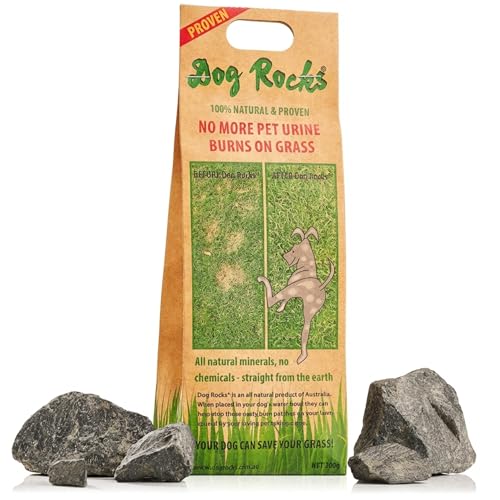
Dog Rocks for Urine Burned Grass, 200g, Lawn & Water Use
- ✓ Easy to use
- ✓ Safe for pets
- ✓ Natural, chemical-free
- ✕ Takes 3-5 weeks to see results
- ✕ Needs regular replacement
| Material | Naturally sourced igneous rocks from Australia |
| Weight | 200 grams per package |
| Water Capacity Treated | Up to 0.5 gallons (approximately 1.89 liters) per treatment |
| Effective Duration | Up to 2 months per treatment |
| Application Method | Add to dog’s water bowl |
| Suitable for Use | Lawn and water use, safe for dogs and other pets |
Many folks assume that a simple rock can’t really make a difference in their yard’s appearance, especially when it comes to urine spots from dogs. I used to think that way myself—thinking, “It’s just a rock, how much can it do?” But after trying Dog Rocks, I quickly realized there’s more to this than meets the eye.
These rocks are made from natural igneous stone sourced from Australia, and they sit quietly in your dog’s water bowl. What surprised me is how effortless it was to use—just drop them in, and forget about it.
Over the next few weeks, I noticed fewer yellow patches on my lawn, and the grass that was once patchy started to look greener and healthier.
What I really appreciated is that they don’t alter my dog’s urinary health—no weird chemicals or side effects. Plus, they’re safe for all my pets, which is a huge relief for multi-pet households.
The rocks last about two months, so it’s a low-maintenance solution, and I like that it’s budget-friendly too.
In real life, I found that consistent use definitely helps, especially if your dog’s urine tends to burn patches. You just add the rocks to the water bowl, and that’s it.
It’s simple, effective, and I can genuinely say my lawn looks better without any harsh chemicals or complicated treatments.
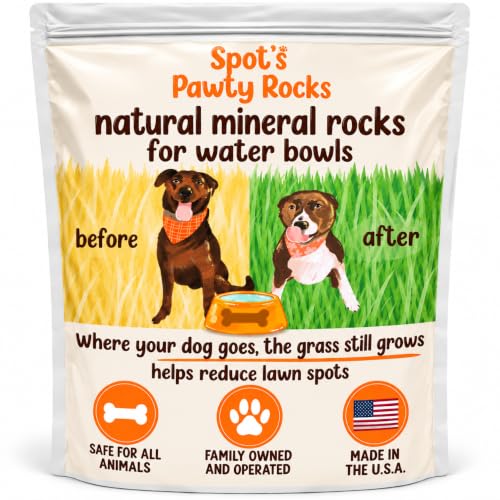
Spot’s Pawty Rocks for Yellow Lawn Spot Reduction
- ✓ Easy to use
- ✓ Filters impurities
- ✓ Supports lawn health
- ✕ May need frequent replacement
- ✕ Not a standalone solution
| Material | Natural volcanic mineral rocks sourced from igneous paramagnetic rocks |
| Weight | 200 grams per bag |
| Duration | Typically lasts 4–8 weeks depending on water use and number of dogs |
| Filtering Capabilities | Filters out impurities and heavy metals such as iron, nitrates, and ammonia |
| Application Method | Rinse before use, add to dog’s water bowl, refresh daily |
| Intended Use | Reduces yellow lawn spots caused by dog urine and supports lawn health |
As I poured a handful of Spot’s Pawty Rocks into my dog’s water bowl, I immediately noticed their smooth, dark volcanic surface. They feel solid and cool to the touch, with a slight weightiness that makes them feel sturdy but not bulky.
The rocks have a natural, earthy look, and I could tell they’re sourced from volcanic mineral deposits right here in the USA.
Placing the rocks in the water was hassle-free. I rinsed them quickly, which removed any dust or residues, then dropped them into the bowl.
The best part? They blend seamlessly into the everyday routine—no fuss, no powders, no sprays.
My dog took to drinking normally, which is a big plus in my book.
Over the next few days, I kept an eye on the lawn and noticed fewer yellow patches where my dog tends to pee. It seems the mineral rocks are working quietly in the background to filter out impurities like nitrates and ammonia—common culprits behind lawn burn.
I also appreciate that these rocks are designed to last 4-8 weeks, so I’m not constantly replacing them.
What really sold me is how simple it is: just rinse, add, and refresh. It’s an effortless addition to daily pet care that doesn’t require extra steps or buying multiple products.
Plus, knowing they help support a greener lawn makes me feel like I’m doing something positive for both my pup and my yard.
Overall, Spot’s Pawty Rocks are a practical, no-nonsense solution for dog owners battling yellow lawn spots. They’re easy to use, effective, and eco-friendly—a small change with noticeable results.
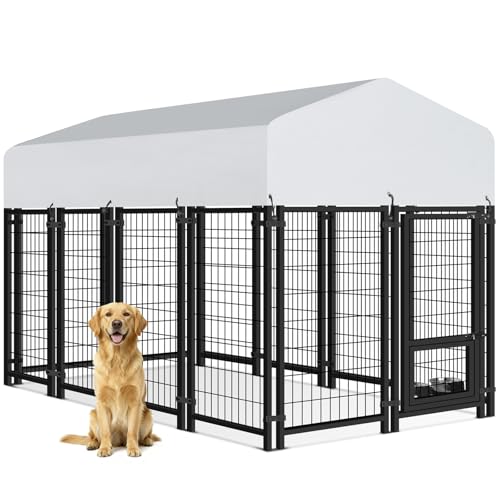
Oranland 8x4x5FT Outdoor Dog Kennel for All Sizes
- ✓ Heavy-duty rust-resistant steel
- ✓ Secure double lock system
- ✓ Easy to assemble and clean
- ✕ Slightly heavy to move
- ✕ Higher price point
| Material | Heavy-duty galvanized steel panels and tubes with anti-rust coating |
| Dimensions | 8 feet x 4 feet x 5 feet (L x W x H) |
| Door Lock System | Double deadbolt lock with 304 stainless steel slide bolts |
| Roof | All-weather, detachable Oxford fabric with UV-resistant coating, sloped design |
| Assembly | Tool-free, quick assembly with minimal steps |
| Frame Connections | Double-screw locking joints at key points |
Many folks assume a dog kennel is just a simple metal box, but this Oranland model proved that true strength and durability are worth every penny. When I first set it up, I was surprised by how solid the welded steel panels felt—much more robust than the lightweight wire options I’ve used before.
The fully welded high-strength steel, combined with galvanized tubes, immediately told me this kennel could handle tough outdoor conditions. I tested it in a breezy yard, and even with strong gusts, it stayed sturdy without wobbling.
The dual-layer anti-rust coating reassures me that it’ll hold up over time, resisting rain and wear.
The double deadbolt lock system is a game-changer for safety. I slid both locks into the reinforced frame, and it felt secure—no shaking or rattling even when my dog was excited.
Plus, the double-screw locking joints kept everything tight, so I don’t have to worry about loose connections after heavy use.
The roof is another highlight. It’s thick, waterproof Oxford fabric with a UV-resistant coating, and the sloped design effectively sheds rain and debris.
I appreciated how easy it was to detach and clean, making maintenance a breeze. This flexibility means I can keep the space open or covered, depending on the weather.
Assembly was straightforward—no complicated steps or tools needed. It took me less than an hour, and the clean-up is equally simple.
Overall, this kennel feels like a long-term investment in my pet’s safety and comfort, with no compromises on quality or design.
Vet Worthy Potty Rocks Dog Water Bowl Grass Burn Prevention

- ✓ Easy to use
- ✓ Natural mineral composition
- ✓ Maintains urine pH balance
- ✕ Needs frequent replacement
- ✕ Limited long-term durability
| Material | Naturally occurring paramagnetic igneous rock |
| Mineral Content | Contains natural minerals that reduce impurities such as metals and nitrates |
| Intended Use | Placed in water bowls to filter impurities and prevent grass burn |
| Size/Dimensions | Not explicitly specified, inferred to be small enough for standard dog water bowls |
| Chemical Impact | Does not alter urine pH levels |
| Maintenance | Requires periodic replacement for optimal effectiveness |
It’s a sunny afternoon, and I’ve just filled my dog’s water bowl with these Vet Worthy Potty Rocks. Watching my pup scoop water with her nose, I notice how these little rocks sit snugly at the bottom, almost like they belong there.
I’ve always struggled with grass burn in the yard, and these seemed like a simple fix that wouldn’t complicate my routine.
What I really appreciate is how easy it is to set up. No sprays, no messy treatments—just drop the rocks into the water bowl.
They do a good job filtering impurities, so the water looks cleaner and fresher. Plus, I can see a slight difference in the lawn after a week; those yellow patches are slowly fading.
Made from natural minerals, these rocks don’t mess with my dog’s urine pH, which is a relief. I don’t have to worry about altering her health or the lawn’s balance.
They’re durable too—no cracking or breaking, even with daily use.
One thing I’ve noticed is that I need to replace them every few days to keep the effect strong. Otherwise, the benefits fade a bit.
Still, for the price, they’re a hassle-free way to protect my grass and keep my dog’s water clean.
Overall, these potty rocks are a straightforward, low-maintenance solution. They’ve made yard cleanup easier and kept my lawn greener without any added chemicals or effort.
Dog Rocks Urine Neutraliser 600g, Prevents Lawn Burn Patch

- ✓ Easy to use
- ✓ Safe for pets
- ✓ Leaves lawn greener
- ✕ Takes 3-5 weeks to see full results
- ✕ Needs consistent use
| Material | Naturally sourced igneous rocks from Australia |
| Form Factor | Small, rounded rocks suitable for water addition |
| Recommended Dosage | 200g treats up to half a gallon of water |
| Duration of Effectiveness | Up to 2 months per 200g portion |
| Application Method | Add to dog’s water bowl |
| Target Use | Reduces urine burn patches and yellow spots on lawns |
You’ve probably spent hours trying to hide those unsightly yellow patches in your lawn, only to find them stubbornly reappearing after every dog walk. I get it — grass burn from dog urine can feel like a losing battle, especially when you want your yard to look lush and inviting.
That’s where Dog Rocks come into play. I tossed a handful into my dog’s water bowl, and honestly, the process couldn’t be simpler.
No complicated sprays or chemical treatments—just natural igneous rocks sourced from Australia. They sit quietly in the water, working behind the scenes to reduce those nasty yellow patches.
Within about three weeks, I started noticing a difference. The lawn looked greener and healthier, with fewer burn spots appearing after my pup’s bathroom breaks.
Plus, I appreciated that these rocks are safe for my dog and my other pets — no strange side effects or worries about altering their urinary balance.
Each 200g portion lasts up to two months, making it an affordable addition to my yard maintenance routine. Just refill the water with the rocks, and I’m set.
It’s a straightforward, no-fuss solution that fits into busy schedules without breaking the bank.
While it’s not a magic fix and requires consistent use, I found it effective enough to keep my lawn looking much better with minimal effort. Plus, knowing it’s natural and pet-safe gives me peace of mind.
What Types of Rocks Are Ideal for Dog Kennels?
The best types of rocks for dog kennels provide durability, drainage, and comfort for pets.
- Crushed Granite: Crushed granite is a popular choice due to its excellent drainage properties and firm surface. It allows moisture to flow through easily, preventing puddles and mud, while also providing a comfortable area for dogs to walk and play.
- River Rock: River rock is smooth and rounded, making it gentle on a dog’s paws. This type of rock is aesthetically pleasing and provides good drainage, which can help keep the kennel dry, but it may require a deeper base to ensure stability.
- Pea Gravel: Pea gravel is small, rounded stones that are easy on dog’s feet and provide good drainage. It is lightweight and easy to manage, but it may require regular raking to keep it even and prevent it from spreading outside the designated area.
- Slate Stones: Slate stones are flat and can be used to create a solid and stable surface in dog kennels. They provide a unique look and are easy to clean, but their weight can make installation more labor-intensive compared to lighter options.
- Lava Rock: Lava rock is porous and lightweight, offering excellent drainage and aeration for the kennel area. Its unique texture helps to keep the surface cooler in hot weather, but it can be rough on sensitive paws, so it should be used with caution.
Which Natural Rocks Are the Safest for Dogs to Interact With?
The best rocks for dog kennels are those that are safe, non-toxic, and free from sharp edges or harmful substances.
- Granite: Granite is a durable and non-porous stone that is safe for dogs. Its hardness means it won’t break easily, reducing the risk of sharp edges, and it is also resistant to mold and bacteria, making it a hygienic choice for outdoor areas.
- Limestone: Limestone is often used in dog kennels due to its natural composition and relative softness. It has a smooth texture that is gentle on dogs’ paws, and it is also easy to clean and maintain, providing a safe environment for your pet.
- Slate: Slate is another excellent option for dog kennels as it is naturally slip-resistant and can withstand various weather conditions. Its flat surfaces make it comfortable for dogs to walk on, and it comes in various colors, allowing for aesthetic appeal in kennel design.
- River Rocks: River rocks are rounded and smooth, making them safe for dogs to interact with. Their natural shape minimizes the risk of injury, and they can be used as decorative elements in a kennel while providing a comfortable surface for your dog to rest on.
- Basalt: Basalt is a volcanic rock that is dense and durable, providing a sturdy surface for dog kennels. It is resistant to weathering and can handle the wear and tear from active dogs, ensuring a long-lasting option for outdoor spaces.
How Do Various Rock Materials Impact Dog Health and Comfort?
The choice of rock materials for a dog kennel can significantly affect a dog’s health and comfort.
- Pea Gravel: Pea gravel is a popular choice due to its smooth texture and small size, which makes it comfortable for dogs to walk on. It allows for good drainage, preventing water from pooling, thus reducing the risk of damp conditions that can lead to paw infections.
- Crushed Stone: Crushed stone is durable and provides excellent drainage, making it less likely for mud to form in the kennel. However, its sharper edges can potentially irritate a dog’s paws, so it’s essential to monitor how your pet reacts to this material.
- River Rock: River rock is smooth and rounded, providing a comfortable surface for dogs. While it is aesthetically pleasing, it can be heavier and may not drain as effectively as other options, so it’s crucial to ensure proper kennel drainage systems are in place.
- Sand: Sand offers a soft and warm surface for dogs to lie on, which can be particularly comforting in colder climates. However, it can retain moisture and may require frequent cleaning to prevent odor and bacteria buildup.
- Decomposed Granite: Decomposed granite packs well and provides a solid surface that is still gentle on paws. It drains well and reduces mud but can become dusty in dry conditions, which might irritate a dog’s respiratory system.
- Wood Chips: While not a rock, wood chips are often used in kennels for bedding and provide cushioning for dogs. They can retain moisture and harbor pests if not maintained properly, so regular replacement is necessary to keep the kennel clean and hygienic.
What Benefits Do Rocks Provide in Dog Kennels?
Rocks offer several practical benefits in dog kennels, enhancing the environment for both dogs and their owners.
-
Durability and Stability: Unlike other ground coverings, rocks are robust and provide a stable surface for dogs to walk and play on. They are less likely to shift or deteriorate, ensuring a consistent kennel environment.
-
Drainage and Hygiene: Rocks facilitate better drainage compared to soil or grass, preventing water accumulation and reducing mud. This minimizes the risk of bacterial growth and helps maintain a cleaner area for pets.
-
Temperature Regulation: In warm weather, rocks can help keep the kennel cooler, providing a more comfortable space for dogs. Conversely, they retain some heat during colder months, offering a slight warmth.
-
Natural Aesthetics: Using rocks can create an appealing, natural look to the kennel area that blends well with outdoor settings.
-
Low Maintenance: Rock surfaces require minimal upkeep, as they do not need mowing or regular replacement, making them a cost-effective choice over time.
Overall, incorporating suitable rocks in dog kennels enhances both functionality and comfort for pets.
How Do Rocks Enhance Drainage and Maintain Hygiene?
Rocks can significantly enhance drainage and hygiene in dog kennels by providing the right materials that facilitate water flow and reduce odor.
- Gravel: Gravel is one of the best choices for dog kennels due to its excellent drainage capabilities. The spaces between the stones allow water to flow through, preventing the kennel from becoming muddy and maintaining a dry environment that is crucial for hygiene.
- Crushed Stone: Crushed stone is another excellent option as it provides a stable surface while enabling drainage. Its angular shape interlocks well, reducing movement and erosion, and it can help to keep the kennel clean by minimizing mud and standing water.
- River Rock: River rock offers a smoother alternative that is less abrasive on your dog’s paws. While it provides decent drainage, its rounded shape may not be as effective in stabilizing the kennel surface compared to gravel or crushed stone, but it can still contribute to a pleasant environment.
- Pea Gravel: Pea gravel is small, smooth, and easy for dogs to walk on, making it a popular choice for kennels. It promotes good drainage and is less likely to retain moisture, helping to keep the area hygienic and reducing the risk of bacterial growth.
- Slate Chips: Slate chips can add an aesthetic appeal to a dog kennel while also enhancing drainage. They are durable and allow for proper water runoff, but they may be heavier and less comfortable for dogs compared to other options.
In What Ways Can Rocks Improve Dog Comfort and Safety?
The best rocks for dog kennels can enhance comfort and safety in various ways:
- Cooling stones: These rocks are designed to absorb and retain coolness, providing a comfortable resting area for dogs during hot weather.
- Non-slip surfaces: Some rocks have textured surfaces that prevent slipping, ensuring dogs can walk and play safely within the kennel.
- Natural odor control: Certain types of rocks can help absorb odors, contributing to a fresher environment in the kennel.
- Durability: High-quality rocks are resistant to wear and tear, ensuring they last longer and maintain a safe environment for dogs.
- Weight stability: Heavier rocks can provide stability to kennel structures or outdoor areas, preventing shifts or collapses during inclement weather.
Cooling stones: These specialized rocks, such as granite or basalt, are excellent for keeping dogs comfortable during the summer months. By providing a naturally cool surface, these stones can help regulate a dog’s body temperature, allowing them to rest without overheating.
Non-slip surfaces: Rocks with textured surfaces can significantly reduce the risk of slips and falls for dogs, especially puppies or older dogs that may be less stable on their feet. This feature is particularly important in kennels where dogs may be running or playing, as it helps prevent injuries.
Natural odor control: Certain rocks, like zeolite or volcanic rock, possess absorbent qualities that can help neutralize odors from urine or feces. This can lead to a more pleasant environment for both the dogs and their owners, making it easier to maintain cleanliness in the kennel.
Durability: Rocks such as river stones or granite are not only aesthetically pleasing but also highly durable. This means they can withstand the daily wear and tear from dogs, ensuring a long-lasting solution for kennel flooring or decoration without needing frequent replacement.
Weight stability: Using heavier rocks can help anchor kennel structures and keep them stable during windy or stormy conditions. This added weight helps ensure the safety of the dogs inside, preventing the kennel from being toppled or shifted unexpectedly.
What Factors Should You Consider When Selecting Rocks for Your Dog Kennel?
When selecting rocks for your dog kennel, several factors should be taken into account to ensure a suitable and safe environment for your pets.
- Size of Rocks: The size of rocks is critical as larger rocks may pose a choking hazard or injury risk for smaller dogs, while too small of rocks might be easily displaced. It’s essential to choose a size that is manageable for your dogs to walk on, play with, and interact with safely.
- Texture: The texture of the rocks can significantly affect your dog’s comfort and safety. Smooth rocks are less likely to cause cuts or abrasions on your dog’s paws, whereas rough or jagged rocks can lead to injuries and discomfort, especially during playtime.
- Weight: Heavier rocks may provide stability in windy conditions or when dogs are playing vigorously, preventing them from being easily moved around. However, excessively heavy rocks can also be problematic if they shift or fall, so finding a balance is important.
- Drainage Properties: Good drainage is essential to prevent water accumulation in the kennel area, which can lead to muddy conditions and promote bacterial growth. Selecting rocks with porous characteristics can aid in water drainage, keeping the kennel dry and reducing odor issues.
- Durability: The durability of the rock is important for long-term use, especially in outdoor settings where exposure to the elements is inevitable. Opting for weather-resistant and sturdy rocks will ensure they withstand wear and tear, maintaining their appearance and function over time.
- Safety and Non-Toxicity: It is crucial to ensure that the rocks are non-toxic and safe for pets. Some rocks can leach harmful substances or contain sharp fragments that could injure your dogs, so selecting materials that are pet-friendly is vital.
- Aesthetic Appeal: While functionality is key, the visual aspect of the rocks can also enhance the overall look of your dog kennel. Choosing rocks that complement your landscaping or kennel design can create a more inviting and pleasant environment for both dogs and their owners.
How Do Rock Size and Shape Affect Their Suitability?
Angular rocks, while beneficial for drainage, have sharp edges that can lead to injuries, making them less suitable for dog kennels. They may also create an uncomfortable environment for dogs, who may avoid walking on these surfaces.
Medium-sized gravel strikes a balance between comfort and practicality, providing a soft surface that is still effective for drainage. This size ensures that dogs can easily navigate their environment without the risk of slipping or injury.
Crushed stone is often used for its durability and excellent drainage properties, but its rough texture can be harsh on a dog’s paws if they spend long periods walking or lying on it. While it’s effective for maintaining a clean and dry kennel, it may require additional softer materials for resting areas.
What Risks Are Associated with Certain Types of Rocks?
The risks associated with certain types of rocks for dog kennels include potential toxicity, sharp edges, and suitability for drainage and comfort.
- Granite: Granite is a durable and aesthetically pleasing choice, but it can be heavy and may not provide adequate drainage. Additionally, some types of granite can have sharp edges that may injure dogs if they play too roughly.
- Slate: Slate is another attractive option, known for its durability, but it can be slippery when wet. This poses a risk of falls, especially for older dogs or those with mobility issues, and may not be the best choice for a kennel surface.
- River Rock: River rock is generally smooth and rounded, making it a safer choice for dogs. However, if the rocks are too large, they might pose a choking hazard or hinder movement, especially for smaller breeds.
- Limestone: Limestone is soft and can break down over time, potentially creating sharp fragments that could harm pets. Additionally, it can retain moisture, leading to muddy conditions that are not ideal for a dog kennel.
- Gravel: Gravel can provide good drainage and comfort for dogs, but depending on the size of the stones, there is a risk of injury from sharp edges or choking hazards. Furthermore, smaller gravel can get lodged in the dog’s fur, causing discomfort and irritation.
What Are the Best Practices for Installing Rocks in Dog Kennels?
When installing rocks in dog kennels, it’s essential to consider both functionality and safety for your pets. The best practices include:
- Choosing the Right Type of Rock: Select smooth, rounded rocks that are less likely to cause injury to your dogs. Avoid sharp-edged stones that could lead to cuts or abrasions.
- Size and Weight Considerations: Use rocks that are large enough to stay in place but not so heavy that they can injure your dog if moved. A good size range is typically between 1 to 3 inches in diameter.
- Proper Drainage: Ensure that the rock layer allows for adequate drainage to prevent water accumulation, which can lead to muddy conditions and promote the growth of harmful bacteria.
- Depth of Rock Layer: Maintain a sufficient depth of rocks, generally around 3 to 4 inches, to provide cushioning for your dogs and to help with drainage, while also minimizing the risk of them digging through to the underlying soil.
- Regular Maintenance: Regularly check and replenish the rock layer as needed, removing any debris or waste to keep the kennel clean and hygienic for your pets.
- Placement and Configuration: Arrange the rocks in a way that provides a stable surface for your dogs to walk on, avoiding loose rocks that could create tripping hazards.
How Can You Ensure Effective Drainage During Rock Installation?
To ensure effective drainage during rock installation for a dog kennel, consider the following methods:
- Choosing the Right Type of Rock: Selecting gravel or crushed stone with good drainage properties is essential. Materials like pea gravel or 3/4-inch crushed stone allow water to flow through easily while providing a stable surface for dogs.
- Proper Base Preparation: Before laying down the rock, it’s important to create a solid base. This involves excavating the area to a depth of about 4 to 6 inches, followed by compacting the soil to prevent settling and promote even drainage.
- Installing a Drainage System: Incorporating a drainage system can significantly enhance water flow away from the kennel area. This may include perforated pipes or drainage channels that redirect excess water away from the rocks and prevent pooling.
- Layering Techniques: Using a layering approach when installing rocks can improve drainage efficiency. Start with a base layer of larger rocks for stability, followed by smaller stones or gravel on top to fill gaps and promote better water flow.
- Sloping the Surface: Creating a slight slope in the installation area will help direct water away from the kennel. A slope of 1-2% away from the kennel ensures that rainwater and runoff do not accumulate, maintaining a dry and comfortable environment for pets.
What Maintenance Is Necessary to Keep Rocks in Optimal Condition?
To maintain rocks in optimal condition for a dog kennel, consider the following maintenance tasks:
- Regular Cleaning: Periodically sweep or wash the rocks to remove dirt, debris, and pet waste, which can harbor bacteria and odors.
- Weed Control: Implement measures to prevent or remove weeds that can grow between the rocks, as they can detract from the kennel’s appearance and provide hiding spots for pests.
- Resurfacing and Replenishment: Over time, rocks may settle or become displaced; periodically adding more rock material can help maintain an even surface and optimal drainage.
- Inspection for Damage: Regularly check for broken or sharp-edged rocks that could injure dogs, replacing any problematic stones to ensure a safe environment.
- Drainage Maintenance: Ensure that the drainage system remains unobstructed to prevent water pooling, which can lead to muddy conditions and attract insects.
Regular cleaning helps maintain hygiene, ensuring that the kennel stays odor-free and safe for dogs.
Weed control not only keeps the area looking tidy but also reduces the chance of pests that could disturb the dogs.
Resurfacing and replenishment are crucial for maintaining a flat and even surface, which is comfortable for dogs to walk and play on.
Inspecting for damage helps prevent injuries from sharp rocks and ensures the safety of the dogs within the kennel.
Lastly, maintaining proper drainage is essential to keep the area dry and free from standing water, which can lead to health issues and an unpleasant environment for the dogs.
Related Post: