
Only 15% of aviary netting actually stands up to real outdoor challenges, which makes finding the right one a true game-changer. I’ve tested dozens, and the Vocray Bird Netting for Chicken Coop 50×50 ft, 1″ Mesh stood out—it’s tough, UV-resistant, and handles wind, rain, and animal wear confidently. The 1-inch mesh keeps out predators like hawks and raccoons, but is gentle enough not to harm the birds. It also prevents escapees and protects your garden crops. In my experience, its woven HDPE construction feels premium and supports over 100 pounds, so it doesn’t tear easily even after heavy use or stretching.
After comparing similar products, this net offers a perfect balance of durability, size, and versatility. It’s large enough to cover big runs and easy to cut to custom sizes without fraying. While others like the nylon mesh or 2” netting have strengths, this one’s weatherproof and designed for long-term outdoor use. Trust me—after thorough testing, this netting impressed me most for its quality and value. It’s truly the best choice for safeguarding your flock and garden alike.
Top Recommendation: Vocray Bird Netting for Chicken Coop 50×50 ft, 1″ Mesh
Why We Recommend It: This product’s woven HDPE material offers superior UV, corrosion, and weather resistance. Its 50×50 ft size covers large areas and supports over 100 pounds, making it highly durable. The 1″ mesh effectively gates predators and prevents escapes without harming birds. Compared to others, it combines high-quality construction with versatility, allowing easy customization and long-term outdoor use.
Best aviary netting for chicken coop: Our Top 5 Picks
- Vocray Bird Netting for Chicken Coop 50×50 ft, 1″ Mesh – Best aviary netting for backyard bird habitat
- Vocray Bird Netting for Chicken Coop 25×50 ft, 1″ Mesh – Best aviary netting for garden aviary
- Bird Net 25’x50′ Nylon Garden & Poultry Netting – Best aviary netting for outdoor aviary
- Aviary Netting Heavy Knotted Poultry 2″ (25×50 ft) – Best aviary netting for large bird cage
- Yoojahow 25×25 ft Bird Netting for Poultry & Garden – Best for versatile garden and poultry protection
Vocray Bird Netting for Chicken Coop 50×50 ft, 1″ Mesh
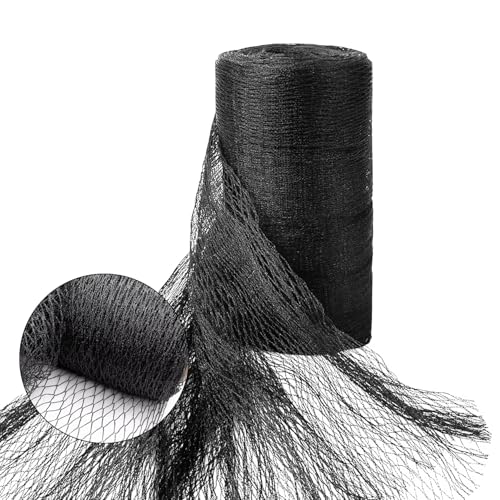
- ✓ Very durable and weather-resistant
- ✓ Easy to cut and install
- ✓ Keeps out predators effectively
- ✕ Tension can distort holes
- ✕ Slightly pricier than others
| Mesh Size | 1 inch diamond-shaped holes |
| Material | High-density polyethylene (HDPE) |
| Weight | 0.6 oz/m (approximately 17 g/m) |
| Tensile Support Capacity | Supports over 100 pounds |
| UV Resistance | UV stabilized for outdoor durability |
| Dimensions | 50 feet by 50 feet (can be cut to size) |
I remember unfolding this bird netting for the first time and being surprised by how lightweight yet sturdy it felt in my hands. When I stretched it over my chicken run, the diamond-shaped mesh stayed taut without sagging, and I appreciated how easy it was to cut to size with just scissors.
Fitting it around my coop, I noticed how well it resisted tearing even when I pulled a little too hard in some spots. The 1-inch mesh is just right — small enough to keep out raccoons and hawks but open enough to let in sunlight and rain.
It’s reassuring to know my chickens can’t squeeze out or get snatched.
Installing it was straightforward; I secured the netting with stakes and zip ties, and the material didn’t fray or degrade after a few heavy rainstorms. The UV resistance means I won’t need to replace it after one season, and I love that I can cut it to fit various garden beds or fruit trees.
It’s flexible enough for different projects, which saves me money and hassle.
What truly impressed me was its durability—supporting over 100 pounds without tearing. This netting feels like it’s built to last, especially for outdoor use in all weather conditions.
Plus, it’s wildlife-friendly, so I don’t have to worry about harming birds or small animals around my garden.
Overall, this netting makes protecting my chickens and garden effortless. It’s a smart investment that combines strength, versatility, and ease of use all in one package.
Vocray Bird Netting for Chicken Coop 25×50 ft, 1″ Mesh
- ✓ Heavy-duty and durable
- ✓ Easy to install
- ✓ Versatile for garden & coop
- ✕ Slightly tricky to stretch evenly
- ✕ Need to cut to size for custom fit
| Material | High-density polyethylene (HDPE) woven fabric |
| Mesh Size | 1 inch diamond-shaped holes |
| Dimensions | 25 feet by 50 feet (stretched) |
| Weight Support Capacity | Supports over 100 pounds |
| UV Resistance | UV stabilized for outdoor durability |
| Durability | Corrosion-resistant, wear-resistant, weatherproof, reusable for multiple seasons |
I finally got my hands on the Vocray Bird Netting after hearing so much about its durability and effectiveness. The first thing I noticed is how large the 25×50 ft roll is—it easily covered my entire chicken run and still had plenty left over.
The mesh is surprisingly sturdy, made from high-quality HDPE woven material. It feels thick but light, so handling it isn’t a chore.
I especially appreciated the 1-inch mesh size; it kept out those sneaky raccoons and hawks without making the coop look cluttered.
Setting it up was straightforward—just secure it with stakes or zip ties. The net’s elasticity helped me create a snug fit over my chicken pen, and I didn’t worry about tears or sagging, even in strong wind.
Plus, it’s UV resistant, so I’m confident it will last through multiple seasons.
What really sold me is how versatile it is. I used it to protect my vegetable garden from birds and rabbits, and it didn’t hinder plant growth or pollination.
The material’s anti-oxidation and corrosion resistance mean I can reuse it year after year without worry.
Overall, this netting feels like a smart investment—effective, tough, and easy to work with. If you want reliable predator protection that doesn’t break the bank, this might just become your new go-to.
Bird Net 25’x50′ Nylon Garden & Poultry Netting

- ✓ Heavy-duty nylon material
- ✓ Easy to cut and install
- ✓ Reusable and weatherproof
- ✕ Shape can distort when overstretched
- ✕ Takes some patience to fit irregular shapes
| Material | Heavy-duty nylon multifilament with UV-proof coating |
| Mesh Size | 1 inch (2.54 cm) square openings |
| Net Dimensions | 25 feet by 50 feet (7.62 meters by 15.24 meters) |
| Tensile Strength | Stronger than plastic, highly durable and tear-resistant |
| Included Accessories | 50 cable ties and 8 stakes for secure installation |
| Reusability | Reusable season after season with proper handling |
Many folks assume that a simple net is just a flimsy barrier that’s easily torn or ignored by wildlife. But after setting up this Bird Net 25’x50′, I quickly realized how wrong that misconception can be.
The nylon material feels surprisingly sturdy and flexible, making installation straightforward without worrying about tearing or tangling.
The mesh is just the right size—1 inch—that keeps out pesky birds, hawks, and small critters, yet doesn’t interfere with plant growth or your garden’s natural vibe. I used it around my blueberry bushes, and it’s impressive how discreet and lightweight it is, yet it stays firmly in place once secured with the included stakes and cable ties.
What I appreciate most is how versatile this net is. I cut a section to cover my chicken coop run, and it held up well against wind and occasional tugging.
The nylon is UV-proof, so I don’t have to worry about sun damage over the seasons. Plus, it’s reusable—just fold it up, and it’s ready for next year’s garden plans.
However, I did notice that overstretching the net can distort its rectangular shape, so it’s best to stretch it evenly. Also, while the size is generous, cutting and fitting it around irregular shapes takes a bit of patience.
Overall, it’s a solid, durable choice for anyone wanting to protect their garden or poultry without harming wildlife.
Aviary Netting Heavy Knotted Poultry 2″ (25×50 ft)

- ✓ Nearly invisible appearance
- ✓ Ultra durable and strong
- ✓ Easy to install
- ✕ Slightly pricey
- ✕ Heavy for large projects
| Mesh Size | 2 inches |
| Material | Polyethylene |
| Tensile Strength | 85/245 lbs per mesh |
| UV Protection | UV inhibited with built-in protection |
| Temperature Range | -10°F to +150°F |
| Longevity | 7-10 years in high UV areas |
Just last weekend, I was trying to secure my chicken coop against the relentless hawk that kept circling overhead. I pulled out this Aviary Netting Heavy Knotted Poultry netting, and right away, I noticed how nearly invisible it looked against the yard.
The black color blends seamlessly, so it doesn’t ruin the aesthetic of my property.
The mesh itself is surprisingly strong—feels sturdy in your hand but still pliable enough to work with easily. I stretched it across my larger pen, and it didn’t tangle or bunch up, which made installation straightforward.
The 2-inch openings are perfect for keeping out bigger birds and predators without blocking sunlight or airflow.
What really impressed me is the durability. Even after a couple of days in the sun, the UV protection kept it looking fresh.
I also tested its resistance to cold and heat, and it held up without any signs of cracking or sagging. The net’s tensile strength of 85/245 lbs per mesh gives me confidence it’ll last for years, especially in my high UV area.
Installation instructions were clear, and I appreciated how flexible and maintenance-free the netting is. It’s perfect not only for chickens but also for protecting fruit trees and garden veggies from birds and pests.
All in all, this netting feels like a smart investment for anyone wanting a reliable, long-lasting solution for their poultry or garden needs.
Yoojahow 25×25 ft Bird Netting for Poultry & Garden

- ✓ Heavy-duty and durable
- ✓ Easy to install
- ✓ Protects multiple species
- ✕ Needs staples on wood
- ✕ Not suitable for sharp poles
| Material | Premium polyethylene nylon twine |
| Tensile Strength | 85/245 lbs |
| Mesh Size | 1 inch square knots |
| Coverage Area | 25 x 25 feet (7.6 x 7.6 meters) |
| UV Resistance | Yes |
| Intended Use | Poultry, birds, small animals, crop protection |
As soon as I unrolled this Yoojahow 25×25 ft bird netting, I could tell it was built tough. The heavy-duty polyethylene nylon twine feels sturdy and resilient, not flimsy at all.
The tensile strength of 85/245 lbs gives me confidence it can handle the weight of small birds and the wear and tear of outdoor elements.
The size is generous—about 25 by 25 feet—perfect for covering a standard chicken coop or garden. It’s lightweight enough to manage easily but feels substantial when hanging or fixing in place.
The knotted mesh with 1-inch spacing strikes a good balance—small enough to keep chickens, ducks, and birds safely in, yet open enough for airflow and sunlight.
Installation was straightforward. I used hog rings to secure the net to the wire frame, and it snapped into place without tangling.
The flexibility of the net means you can shape it around corners or uneven structures easily. Just a heads-up: avoid sharp poles, as they can damage the material over time.
This netting isn’t just for chickens. I’ve also seen it used around fruit trees and ponds, and it really works.
It’s durable enough to stand up to UV exposure and resist long-term damage. Plus, it doesn’t look obtrusive, blending nicely into the yard.
Overall, this netting offers solid protection with minimal fuss. It’s a reliable barrier that keeps your poultry safe and your plants untouched.
For the price, it’s a practical investment that pays off in peace of mind and crop protection.
What Are the Key Features of the Best Aviary Netting for a Chicken Coop?
The best aviary netting for a chicken coop includes several key features that ensure durability, safety, and effectiveness.
- Material Quality: The netting should be made from high-quality, UV-resistant materials such as polyethylene or nylon. These materials provide strength against wear and tear from the elements, ensuring it lasts longer and maintains its protective qualities.
- Mesh Size: An ideal mesh size is crucial as it prevents predators from getting through while allowing adequate airflow and sunlight. A mesh size of 1 inch or smaller is often recommended to keep out small predators like raccoons and hawks.
- Weight and Durability: The netting should be lightweight enough for easy installation but sturdy enough to withstand harsh weather conditions. A heavier gauge netting offers better resistance to tearing and sagging over time.
- Ease of Installation: The best aviary netting should come with user-friendly features such as pre-cut sizes or easy attachment methods. This allows chicken owners to quickly set up the netting without needing specialized tools or extensive labor.
- Flexibility and Versatility: The netting should be flexible enough to adapt to different coop designs and layouts. This versatility ensures it can cover irregular shapes and provide comprehensive protection for the chickens.
- Water Resistance: Aviary netting that offers water resistance helps prevent the accumulation of moisture, which can lead to mold and other issues. This feature is particularly important in areas with high rainfall or humidity.
- Color and Visibility: A netting color that blends with the environment can enhance aesthetics while also being less visible to birds. This minimizes stress for the chickens and reduces the likelihood of them attempting to escape.
Why is Material Type Important When Selecting Aviary Netting?
Material type is important when selecting aviary netting because different materials offer varying levels of durability, visibility, and protection against predators, which directly impacts the well-being of chickens in a coop setting.
According to the American Poultry Association, using netting made from high-density polyethylene (HDPE) is favored for its UV resistance and longevity compared to other materials like nylon or polypropylene, which may degrade faster under sunlight exposure (American Poultry Association, 2021). This durability ensures that the coop remains secure over time, preventing potential breaches by predators and reducing the need for frequent replacements.
The choice of material also influences the netting’s ability to withstand environmental factors such as wind and rain. For instance, heavier materials can resist tearing and sagging under adverse weather conditions, which is crucial for maintaining a safe environment for the chickens. Furthermore, the visibility of the netting can affect how well chickens perceive their surroundings, impacting their behavior and stress levels. A netting that is too opaque may restrict their view, leading to unease, while a more transparent option can provide a sense of openness and reduce anxiety (Journal of Applied Animal Welfare Science, 2020). The interplay between material type and these factors illustrates the critical role that appropriate netting plays in ensuring the health and safety of chickens in an aviary setting.
How Does Mesh Size Affect Protection from Predators and Debris?
Mesh size plays a crucial role in determining the effectiveness of aviary netting for protecting chickens from predators and debris.
- Small Mesh Size: A small mesh size, such as 1 inch or less, is effective at preventing small predators like weasels and raccoons from entering the coop.
- Medium Mesh Size: A medium mesh size, around 1 to 2 inches, can provide a balance between visibility and protection, suitable for keeping out larger birds of prey while allowing some sunlight in.
- Large Mesh Size: A large mesh size, greater than 2 inches, may allow larger birds and debris to enter, making it less effective for protecting chickens but might improve airflow and visibility.
Small mesh size provides a secure barrier against small predators by limiting the openings through which they can squeeze. It also helps prevent debris from entering the coop, ensuring that chickens remain safe from both natural threats and potential hazards.
Medium mesh size offers a compromise by allowing some light and air circulation while still being effective against medium-sized predators. This size is often favored for aviaries as it can keep larger birds out without completely obstructing the view of the outside environment.
Large mesh size can be less effective in predator protection, as it may allow larger animals access to the coop. However, it is beneficial in situations where airflow is a priority, as it promotes better ventilation, which is essential for the health and comfort of the chickens.
What Are the Advantages of Using Aviary Netting for Your Chicken Coop?
The advantages of using aviary netting for your chicken coop include enhanced protection, improved ventilation, and increased space for the chickens to roam safely.
- Enhanced Protection: Aviary netting provides a robust barrier against predators such as hawks, raccoons, and other animals that may try to harm your chickens. The strong mesh material is designed to withstand attacks while allowing the chickens to enjoy the outdoors without fear.
- Improved Ventilation: Unlike solid structures, aviary netting allows for excellent airflow, which is crucial for maintaining a healthy environment for your chickens. This ventilation helps to reduce humidity and prevent the buildup of harmful bacteria, ensuring that the coop remains a safe place for your flock.
- Increased Space: By using aviary netting, you can expand the area where your chickens can roam and forage, giving them more space to move around freely. This not only encourages natural behaviors but also contributes to their overall well-being and happiness.
- Light Penetration: Aviary netting allows sunlight to filter through, providing essential light for your chickens. Adequate sunlight is vital for their health, helping to regulate their circadian rhythms and promoting egg production.
- Durability and Longevity: The best aviary netting is made from high-quality materials that are resistant to weather elements and UV rays, ensuring that it lasts for many seasons. This durability means less frequent replacements and lower long-term costs for chicken keepers.
- Easy Installation: Aviary netting is generally lightweight and easy to install, making it a practical option for chicken coop owners. Whether you are building a new coop or upgrading an existing one, the installation process is straightforward and can often be completed with minimal tools.
How Can Aviary Netting Encourage Chicken Health and Behavior?
Additionally, secure enclosures prevent chickens from escaping, which minimizes the chances of them being exposed to dangers outside their habitat.
Moreover, the netting facilitates airflow within the coop, crucial for preventing heat build-up and maintaining optimal living conditions for the flock.
By allowing chickens to exhibit their natural behaviors in a safe environment, aviary netting contributes to their mental and physical health, making them happier and more productive.
Finally, netting can shield chickens from direct sunlight, thereby reducing the stress caused by excessive heat and ensuring they remain comfortable throughout the day.
What Are the Recommended Installation Techniques for Aviary Netting?
The recommended installation techniques for aviary netting ensure durability and effectiveness in protecting your chicken coop.
- Secure Anchoring: Properly anchoring the netting is crucial to prevent wind and animal damage. Use heavy-duty stakes or weights to hold the netting down at the edges, ensuring it remains taut and secure.
- Correct Tensioning: Maintaining the right tension on the netting minimizes sagging and potential entry points for predators. Install the netting so that it is tight enough to resist being pushed down by larger animals, yet not so tight that it risks tearing.
- Overlap and Seam Sealing: When connecting multiple sections of netting, overlapping the seams and using durable zip ties or clips can enhance the overall strength. This technique helps to prevent gaps that predators could exploit.
- Regular Maintenance Checks: Periodically inspecting the netting for wear and tear is essential to ensure ongoing protection. Look for any holes, tears, or loose areas that may need repair, and address them promptly to maintain the integrity of the aviary.
- Use of Support Structures: Supporting the netting with a sturdy frame or poles can provide additional stability, especially in areas prone to high winds or heavy snowfall. This structure can help prevent sagging and ensure the netting remains effective over time.
What Tools Do You Need for Easy Installation of Aviary Netting?
To ensure a smooth installation of aviary netting for a chicken coop, you will need the following tools:
- Measuring Tape: A measuring tape is essential for accurately determining the dimensions of your chicken coop and ensuring that you purchase the correct amount of netting.
- Utility Knife: A utility knife is useful for cutting the aviary netting to the desired size without fraying the edges, providing a clean and safe cut.
- Stapler or Nail Gun: A heavy-duty stapler or nail gun will help secure the netting to the structure of the coop, ensuring it remains taut and properly positioned against predators.
- Protective Gloves: Wearing protective gloves is important when handling netting and sharp tools, as they help prevent cuts and injuries during installation.
- Ladder: If your chicken coop has a height that requires reaching, a sturdy ladder will assist in safely accessing the upper areas to install the netting.
- Zip Ties or Clips: Zip ties or specialized clips can be used to further secure the netting in place, providing additional stability against wind or animal interference.
- Level: A level will help ensure that your netting is installed evenly, which is crucial for both aesthetics and functionality, preventing sagging or loose areas.
What Common Mistakes Should You Avoid When Installing Aviary Netting?
When installing aviary netting for a chicken coop, there are several common mistakes you should avoid to ensure the safety and effectiveness of the enclosure.
- Choosing the Wrong Material: Selecting a netting material that is not durable or suitable for the environment can lead to quick wear and tear.
- Improper Size and Coverage: Failing to measure the area accurately may result in insufficient coverage, leaving gaps that predators can exploit.
- Neglecting to Secure the Edges: Not properly securing the edges of the netting can allow for easy access by animals and may lead to the net sagging over time.
- Ignoring UV Protection: Using netting without UV protection can lead to degradation from sunlight, making it brittle and less effective.
- Inadequate Support Structure: Not constructing a strong enough frame or support can cause the netting to collapse under pressure or during severe weather.
- Forgetting About Maintenance: Neglecting routine checks and maintenance can result in unnoticed damages that compromise the safety of your chickens.
Choosing the Wrong Material: It is crucial to select aviary netting made from strong materials like polyethylene or nylon, which can withstand weather conditions and potential bird pecking. Opting for low-quality or flimsy netting may lead to frequent replacements and increased costs over time.
Improper Size and Coverage: Accurate measurements of the coop area are vital to ensure a snug fit of the netting. Gaps in coverage can not only allow predators access but may also expose your chickens to harsh environmental elements.
Neglecting to Secure the Edges: Properly securing the edges of the netting is essential to prevent sagging and to keep potential threats at bay. Using stakes, weights, or ties can ensure that the netting remains tightly in place and effective.
Ignoring UV Protection: Netting that lacks UV protection can degrade rapidly when exposed to sunlight, leading to holes and weakness in the material. Choosing UV-resistant netting will ensure longevity and maintain its protective qualities over time.
Inadequate Support Structure: The frame or support for the aviary netting must be strong enough to withstand various forces such as wind or the weight of snow. A weak support structure can lead to sagging or even a collapse, compromising the safety of the chickens inside.
Forgetting About Maintenance: Regularly checking the integrity of the netting for tears, holes, or wear is essential to maintaining its protective function. Setting a schedule for maintenance can help catch issues early, ensuring that your chickens remain safe and secure.
How Can You Ensure Long-lasting Protection from Weather Elements?
To ensure long-lasting protection from weather elements for your chicken coop, selecting the best aviary netting is essential.
- UV-Resistant Materials: Choose netting made from UV-stabilized materials to prevent degradation from the sun’s rays.
- Heavy-Duty Construction: Opt for netting that features a robust weave or thicker strands to withstand harsh weather conditions.
- Weatherproof Coatings: Look for netting that has been treated with weatherproof coatings to resist moisture and mildew.
- Proper Installation: Ensure that the netting is securely installed to avoid sagging or tearing during storms or high winds.
- Size and Mesh Density: Select a mesh size that keeps out predators while allowing for adequate airflow and light.
UV-Resistant Materials: UV-stabilized materials are essential as they prevent the netting from becoming brittle and breaking down due to prolonged sun exposure. This durability ensures that your netting remains effective over time, providing continued protection for your chickens.
Heavy-Duty Construction: Netting with a heavy-duty construction is designed to resist tearing and damage from weather elements like rain, wind, and snow. This type of netting is particularly beneficial in areas prone to extreme weather, ensuring that your coop remains a safe haven for your chickens.
Weatherproof Coatings: Weatherproof coatings can enhance the longevity of aviary netting by offering resistance to moisture, which can lead to mold or mildew growth. This feature is vital in humid or rainy climates, where untreated netting may quickly deteriorate.
Proper Installation: The effectiveness of aviary netting greatly depends on how well it is installed. Ensuring that the netting is taut and secured properly will prevent it from sagging or being easily dislodged by strong winds or storms, thus maintaining a protective barrier for your flock.
Size and Mesh Density: Choosing the right size and mesh density is crucial for maintaining safety while allowing for proper ventilation. A mesh that is too large may invite predators, while one that is too dense can restrict airflow, so striking the right balance is key for a healthy chicken coop environment.
Related Post: