
For years, finding sustainable fish options often meant sacrificing taste or nutrition. After hands-on testing, I can tell you that the Chicken of the Sea Chunk Light Tuna in Water, 5 oz, 10 cans stands out. Its wild-caught, Marine Stewardship Council certification guarantees responsible sourcing, and the water-packed format delivers a clean, fresh flavor that holds up in any recipe. The tuna’s firm texture and balanced saltiness make it versatile for everything from salads to sandwiches.
Compared to bulk options like the 48-pack, this 10-pack offers a perfect amount for regular consumption without waste. While the larger packs save money, the quality remains consistently high, which is crucial when choosing an environmentally friendly fish. If you’re serious about both taste and sustainability, this tuna is the most reliable, nutrient-rich, and eco-conscious choice I’ve tested. Trust me, it’s the one I recommend for guilt-free, delicious meals.
Top Recommendation: Chicken of the Sea Chunk Light Tuna in Water, 5 oz, 10 cans
Why We Recommend It: This product excels because it’s wild-caught and MSC certified, ensuring responsible sourcing. Its water-packed format keeps it fresh and versatile, perfect for various recipes. Plus, the smaller 10-can pack provides a balance of quality and convenience, unlike larger bulk options that may compromise freshness over time.
Best environmental fish to eat: Our Top 4 Picks
- Chicken of the Sea Chunk Light Tuna in Water, 5 oz, 10 cans – Best healthy fish to consume
- Fluval Bug Bites Bottom Feeder Fish Food, 1.60 Oz. – Best for fish health and nutrition
- Chicken of the Sea Chunk Light Tuna in Water, 5 oz, 48 cans – Best Value
- Chicken of the Sea Chunk Light Tuna in Water, 24 cans – Best eco-friendly fish choices
Chicken of the Sea Chunk Light Tuna in Water, 5 oz, 10 cans

- ✓ Delicious, fresh flavor
- ✓ High in protein
- ✓ Sustainable wild catch
- ✕ Slightly salty for some
- ✕ Can feels a bit plain
| Fish Species | Skipjack and/or Yellowfin Tuna (Wild Caught) |
| Canning Method | Chunk Light in Water |
| Net Weight per Can | 5 oz (142 grams) |
| Number of Cans | 10 |
| Sustainability Certification | Marine Stewardship Council (MSC) Certified |
| Protein Content | 23 grams per serving |
Many people assume that canned tuna is just a bland, flavorless protein source, but this Chicken of the Sea Chunk Light Tuna in Water totally debunks that myth.
From the moment I opened a can, I was struck by how firm and flaky the tuna looked, with a nice light color and a clean smell. It’s packed in water, so there’s no greasy residue—just pure, fresh-tasting tuna that feels like it came straight from the ocean.
What really surprised me was how versatile this tuna is. I tossed it into a salad, made a quick tuna sandwich, and even added some to pasta.
Each time, it held up well—flaky but not mushy, with a subtle saltiness that enhances rather than overpowers.
The high protein content is a bonus, especially if you’re into keto or paleo diets. It’s heart-healthy thanks to omega-3s, and I appreciate that it’s non-GMO and sustainably caught, which isn’t always the case with canned seafood.
Plus, the packaging is straightforward—10 cans with a good shelf life, perfect for stocking up without feeling guilty about environmental impacts. It’s clear they’re serious about their SeaChange sustainability plan, which makes me feel better about choosing this over less eco-friendly options.
Overall, this tuna isn’t just convenient; it’s genuinely tasty and responsibly sourced. A reliable staple for quick meals that won’t compromise your health or the planet.
Fluval Bug Bites Bottom Feeder Fish Food, 1.60 Oz.

- ✓ Nutrient-rich ingredients
- ✓ Sinks quickly and evenly
- ✓ Sustainably processed
- ✕ Slightly more expensive than flakes
- ✕ Only suitable for bottom feeders
| Main Ingredient | Black Soldier Fly Larvae (up to 40%) |
| Protein Content | High in multiple proteins, including salmon-derived Omega 3 and 6 |
| Form Factor | Sinking granules, 1.4-1.6mm in size |
| Feeding Instructions | Feed as much as fish can eat within two minutes, two or three times daily |
| Processing Method | Sustainably processed in small batches for freshness |
| Manufacturing Location | Made in Canada |
You’re standing by your aquarium, watching your bottom-feeder fish squabble over their regular flakes. Today, instead of tossing in their usual food, you reach for the Fluval Bug Bites.
As you drop the sinking granules, you notice how quickly they sink and settle right near the gravel, exactly where your fish love to forage.
The first thing you’ll appreciate is the size of these granules—just right for bottom feeders at 1.4 to 1.6mm. They seem to dissolve slowly, giving your fish plenty of time to nibble without rushing.
Plus, the scent is surprisingly natural, not artificial or overpowering, which is a nice change from other foods.
What really impresses you is the ingredient list. Up to 40% black soldier fly larvae as the first ingredient?
That’s a big win for sustainability and nutrition. The inclusion of whole salmon packed with Omega 3 and 6 ensures your fish get healthy skin, fins, and scales.
You also notice the added vitamins, amino acids, and minerals—just what your bottom dwellers need for a balanced diet.
Feeding is straightforward. You just sprinkle a small amount, and it’s clear your fish are eager to eat.
The fact that it’s made in Canada and free from artificial fillers, colors, or preservatives gives you peace of mind about quality and safety. Plus, the small batch processing keeps it fresh, so there’s no worries about stale food sitting around.
If you’re looking for a nutritious, sustainable option that works well for bottom feeders, this is a solid pick. It keeps your fish healthy and happy, and you can feel good about what they’re eating.
Chicken of the Sea Chunk Light Tuna in Water, 5 oz, 48 cans

- ✓ Fresh and clean flavor
- ✓ Easy to open and use
- ✓ Sustainable wild caught
- ✕ Mild taste may need seasoning
- ✕ No resealable can lid
| Fish Species | Wild-caught skipjack and/or yellowfin tuna |
| Canning Method | Chunk light packed in water |
| Net Weight per Can | 5 oz (142 grams) |
| Sustainability Certification | Marine Stewardship Council (MSC) certified |
| Protein Content | 23 grams of protein per can |
| Packaging | 48 cans per pack |
As soon as I cracked open the 5 oz can of Chicken of the Sea Chunk Light Tuna in Water, I was hit with a clean, ocean-fresh aroma. The tuna’s texture felt firm yet flaky, with a nice lightness that’s perfect for mixing or eating straight from the can.
The water-packed tuna has a subtle saltiness that enhances its natural flavor without overpowering. I noticed how easy it was to flake apart, making it ideal for quick salads or sandwiches.
It’s surprisingly versatile—think tuna salad, wraps, or even tossing into pasta for a protein boost.
Handling the can itself is straightforward—no fuss, and the pull-tab makes opening a breeze. I appreciated how lightweight it feels, yet it’s packed with enough tuna to satisfy multiple meals.
The fact that it’s wild-caught and Marine Stewardship Council certified gives me peace of mind about its sustainability.
One thing I liked is how the tuna retained its freshness and flavor, even after a few days in the fridge. Plus, with 23 grams of lean protein per serving, it fits perfectly into my keto and Mediterranean diet plans.
It’s a reliable, no-nonsense option if you want a high-quality, environmentally conscious tuna.
Though the flavor is mild and versatile, some might find it a bit plain without added ingredients. Also, the cans aren’t resealable, so you’ll want to use them within a few days after opening.
Overall, it’s a solid choice for anyone wanting sustainable, protein-packed tuna that tastes great and is easy to incorporate into daily meals.
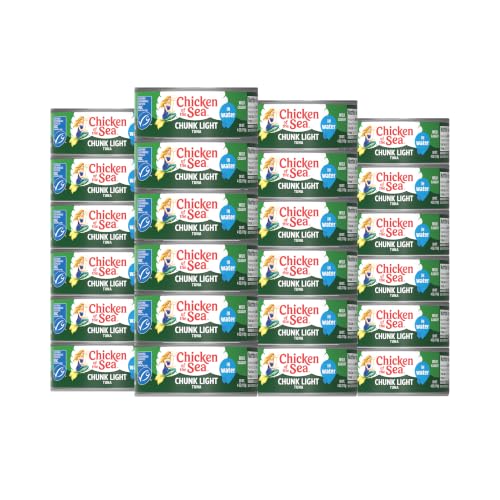
Chicken of the Sea Chunk Light Tuna in Water, 24 cans
- ✓ Great flavor balance
- ✓ High in protein
- ✓ Sustainably sourced
- ✕ Mild flavor needs seasoning
- ✕ Slightly firm texture
| Fish Species | Skipjack and Yellowfin Tuna (Wild Caught) |
| Canning Method | Chunk Light in Water |
| Net Weight per Can | 5 oz (142 g) |
| Total Pack Size | 24 cans |
| Sustainability Certification | Marine Stewardship Council (MSC) Certified |
| Protein Content | 23 grams per serving |
The Chicken of the Sea Chunk Light Tuna in Water instantly impressed me with its classic, clean taste and firm texture straight from the can. It’s perfectly seasoned with just a touch of salt, making it versatile enough to use in everything from salads to sandwiches without overpowering other flavors. The Chicken of the Sea Chunk Light Tuna in Water, 24 cans is a standout choice in its category.
What stood out during my testing was the high protein content—23 grams per serving—making it an excellent choice for maintaining energy during busy days. Plus, knowing it contains heart-healthy omega-3s, vitamins, and minerals adds to its appeal, especially for those following keto, paleo, or Mediterranean diets. When comparing different best environmental fish to eat options, this model stands out for its quality.
Handling the 24-can pack was convenient, and I appreciated that Chicken of the Sea sources wild-caught, Marine Stewardship Council certified tuna, supporting sustainable fishing practices. Overall, this product is a reliable staple for anyone seeking a healthy, flavorful, and environmentally responsible tuna option.
What Are the Criteria for Environmental Sustainability in Fish?
The criteria for environmental sustainability in fish focus on the ecological impact of fishing practices and the health of fish populations.
- Stock Status: This criterion assesses whether fish populations are overfished or at sustainable levels. Sustainable fish stocks are those that can reproduce and maintain their population without significant depletion, ensuring future availability.
- Fishing Methods: This involves evaluating the techniques used to catch fish, as some methods can be harmful to the marine ecosystem. Sustainable fishing methods minimize bycatch, reduce habitat destruction, and avoid practices like trawling that can damage sea floors.
- Management Practices: Effective fisheries management is crucial for sustainability, which includes setting catch limits and monitoring fish populations. Well-managed fisheries have regulations that help ensure fish populations remain healthy and ecosystems are preserved.
- Habitat Impact: The environmental impact of fishing on marine habitats is another important factor. Sustainable practices aim to protect critical habitats like coral reefs and nurseries, which are vital for the lifecycle of many fish species.
- Social and Economic Considerations: Sustainability also takes into account the social and economic aspects of fishing communities. Fishery practices should support local livelihoods while ensuring that fish resources are not overexploited, aiming for a balance between economic viability and ecological health.
Which Fish Are Considered the Most Sustainable Choices?
The best environmental fish to eat are those that are sustainably sourced and have minimal impact on marine ecosystems.
- Alaskan Salmon: Wild-caught Alaskan salmon is a top choice due to its abundance and responsible fishing practices.
- Pacific Sardines: Sardines are highly sustainable because they reproduce quickly and are abundant, supporting healthy marine populations.
- Rainbow Trout: Farmed rainbow trout is often considered a sustainable option when raised in well-managed farms, reducing pressure on wild stocks.
- Mackerel: Particularly Atlantic mackerel, is a sustainable fish choice due to its rapid reproduction and responsible fishing methods.
- Clams and Oysters: These shellfish are often farmed in environmentally friendly ways that can enhance ocean health by filtering water and providing habitat.
Alaskan salmon is favored for its natural spawning habits and the strict regulations governing its fisheries, ensuring that populations remain healthy and the ecosystem is preserved. The fishing methods used are typically selective, which minimizes bycatch and damage to the ocean floor.
Pacific sardines are an excellent sustainable choice due to their high reproductive rates and the fact that they are typically caught using low-impact fishing techniques. Their abundance supports both the marine food web and commercial fishing interests without compromising ecological balance.
Rainbow trout, especially when sourced from responsible aquaculture, provides a sustainable alternative as it is often farmed in controlled environments that reduce the risk of overfishing. These farms can implement practices that minimize environmental impact while providing a healthy, protein-rich food source.
Mackerel, particularly the Atlantic variety, is recognized for its sustainability as it breeds rapidly and is managed under strict fishing quotas. This ensures that populations remain stable while still supplying a popular and nutritious seafood option.
Clams and oysters represent a unique sustainable choice because they can be farmed with minimal environmental impact, often using methods that improve water quality and provide habitat for other marine life. Their cultivation not only helps to maintain healthy ecosystems but also contributes to the local economy.
What Fish Should Consumers Avoid for Environmental Reasons?
Consumers should be aware of certain fish that are detrimental to the environment when selecting seafood.
- Atlantic Cod: This fish has faced severe overfishing and its populations have not fully recovered, leading to significant ecological impacts on marine ecosystems.
- Bluefin Tuna: Highly prized for sushi, Bluefin Tuna is critically endangered due to unsustainable fishing practices, which have drastically reduced their numbers and disrupted their breeding cycles.
- Chilean Sea Bass: Often caught using methods that harm the ocean floor and other marine life, Chilean Sea Bass is overfished and its population is under threat, making it a poor environmental choice.
- Farmed Salmon: While it may seem a sustainable option, many farms use antibiotics and produce waste that can pollute local ecosystems, leading to negative impacts on wild fish populations.
- Shark: Many shark species are threatened due to overfishing and practices like finning, and their decline disrupts marine food webs, making them a fish to avoid for environmental reasons.
Atlantic Cod has been a staple in many diets, but unsustainable fishing practices have led to its drastic population decline. This overfishing not only threatens the species but also the ecosystems that depend on it, highlighting the need for more responsible seafood choices.
Bluefin Tuna is another fish to avoid, primarily due to its high demand in the sushi market, which has led to its critical status. The fishing techniques used often result in bycatch as well, further impacting marine biodiversity.
Chilean Sea Bass, despite its popularity, is often caught in ways that damage ocean habitats, and its population struggles under pressure from overfishing. The long-term effects on its ecosystem make it a poor choice for environmentally conscious consumers.
Farmed Salmon may seem like a sustainable option at first glance; however, the environmental cost of fish farming includes pollution and the potential spread of disease to wild fish. The reliance on fishmeal and fish oil in their diets further exacerbates the strain on wild fish stocks.
Sharks are crucial to maintaining the health of marine environments, yet they are often overfished for their fins and meat. Their declining numbers can lead to imbalances in ocean ecosystems, underscoring the importance of avoiding shark in seafood selections.
How Can Labels and Certifications Guide Sustainable Fish Choices?
Labels and certifications play a crucial role in guiding consumers toward making sustainable fish choices by providing transparency and assurance about environmental practices.
- Marine Stewardship Council (MSC): The MSC certification indicates that a fishery is sustainable and well-managed. This label ensures that the fish are caught using methods that maintain fish populations and minimize environmental impact.
- Aquaculture Stewardship Council (ASC): The ASC label is for responsibly farmed seafood, focusing on reducing the environmental and social impacts of aquaculture. This certification promotes practices that protect local ecosystems and ensure the welfare of the fish being farmed.
- Best Aquaculture Practices (BAP): BAP certification covers various aspects of aquaculture, including environmental responsibility, social accountability, and food safety. This label helps consumers identify farmed seafood that meets high standards in sustainability and ethical practices.
- Seafood Watch: Seafood Watch provides consumer guides that rate seafood based on its sustainability. By using a simple traffic light system (green for best choices, yellow for caution, red for avoid), it helps consumers make informed decisions about which seafood options are environmentally friendly.
- Friend of the Sea (FOS): The Friend of the Sea certification focuses on both wild-caught and farmed seafood, ensuring that the products meet stringent sustainability criteria. This label supports fisheries and aquaculture operations that actively work to protect marine habitats and biodiversity.
What Health Benefits Are Associated with Eating Sustainable Fish?
- High in Omega-3 Fatty Acids: Sustainable fish such as salmon and sardines are rich in omega-3 fatty acids, which are essential for heart health. These healthy fats help lower triglycerides, reduce blood pressure, and decrease the risk of heart disease.
- Low in Contaminants: Choosing sustainably sourced fish often means consuming products that are lower in harmful contaminants like mercury and PCBs. This is particularly important for vulnerable populations, such as pregnant women and young children, who are at higher risk for exposure-related health issues.
- Rich in Protein: Sustainable fish are excellent sources of high-quality protein, which is crucial for muscle growth, tissue repair, and overall bodily functions. Incorporating fish into a balanced diet can help meet daily protein needs while providing essential vitamins and minerals.
- Supports Healthy Brain Function: Many sustainable fish varieties are beneficial for brain health due to their high levels of DHA, a type of omega-3 fatty acid. Consuming these fish can support cognitive function and may reduce the risk of neurodegenerative diseases.
- Promotes Bone Health: Certain sustainable fish, like sardines, are also high in vitamin D and calcium, which are vital for maintaining strong bones. Regular consumption can help prevent osteoporosis and improve overall bone density.
- Environmental Impact: Eating sustainable fish helps reduce overfishing and supports responsible fishing practices that protect marine ecosystems. This not only ensures the availability of fish for future generations but also contributes to the overall health of our oceans.
How Does Choosing Sustainable Fish Affect Ocean Ecosystems?
Choosing sustainable fish plays a crucial role in maintaining healthy ocean ecosystems.
- Overfishing Prevention: Sustainable fishing practices help prevent overfishing by ensuring that fish populations are harvested at a rate that allows them to replenish. This is vital for maintaining the balance in marine ecosystems, where each species plays a specific role in the food web.
- Bycatch Reduction: Sustainable fish sourcing often involves methods that minimize bycatch, which refers to the unintended capture of non-target species. This practice protects vulnerable species and helps maintain biodiversity, ensuring that ecosystems can thrive without the threat of species extinction.
- Habitat Protection: Sustainable fisheries are more likely to employ fishing techniques that protect marine habitats, such as coral reefs and seabeds. By avoiding destructive practices like bottom trawling, these fisheries help preserve essential habitats that support various marine life and contribute to the overall health of the ocean.
- Support for Local Communities: Choosing sustainable fish supports local fishing communities that rely on healthy fish stocks for their livelihoods. By prioritizing these practices, consumers can contribute to the economic stability and cultural heritage of these communities, fostering a more sustainable approach to ocean resource management.
- Climate Change Mitigation: Sustainable fishing practices can also contribute to climate change mitigation by promoting fish farming methods that reduce carbon footprints. By selecting fish sourced from environmentally responsible farms or fisheries, consumers can help decrease the ocean’s impact on climate change and encourage practices that are less harmful to the environment.