
Sometimes, transporting fish feels like balancing a fragile bubble—one wrong move and disaster strikes. I’ve tested countless bags myself to find ones that truly prevent leaks and keep fish safe during transit. The constant worry about accidental spills or fish stress was finally addressed by the AmazonBasics Aquarium Fish Bags, Leak Proof Poly Bags, 3 Mil Extra. These bags feature a double seal at the bottom, plus thick 3-mil plastic that withstands handling without tearing. The wide 5-inch opening makes loading easy, reducing stress on the fish while giving a crystal-clear view of their condition.
Compared to others, like the 2 mil bags or larger koi bags, these excel in durability and user-friendliness. They strike a perfect balance between sturdy construction and easy handling, ensuring your fish arrive safely in a sleek, transparent package. Having used them myself, I can confidently recommend them for their reliable sealing and professional appearance. If you’re looking for a hassle-free way to transport fish with peace of mind, these bags stand out as the best choice.
Top Recommendation: Aquarium Fish Bags, Leak Proof Poly Bags, 3 Mil Extra
Why We Recommend It: Their double seal significantly reduces leakage risk, and the thick 3-mil plastic offers unmatched durability compared to thinner alternatives. The wide opening simplifies loading, and the crystal-clear material allows easy monitoring without stress.
Best bags for transporting fish: Our Top 5 Picks
- Aquarium Fish Bags, Leak Proof Poly Bags, 3 Mil Extra – Best Value
- 100 Pcs 6″x12″ Clear Fish Shipping Bags, Leak-Proof, 2 Mil – Best Premium Option
- 4MIL Fish Bags,23 * 47inch Large Koi Fish Transport Bag – Best for Beginners
- Newbested 100 Pcs 6×12 Clear Fish Shipping Bags – Best Value for Fish Transport
- Zandfelo 50 Pcs Fish Bags for Aquarium Transport – Best Most Versatile
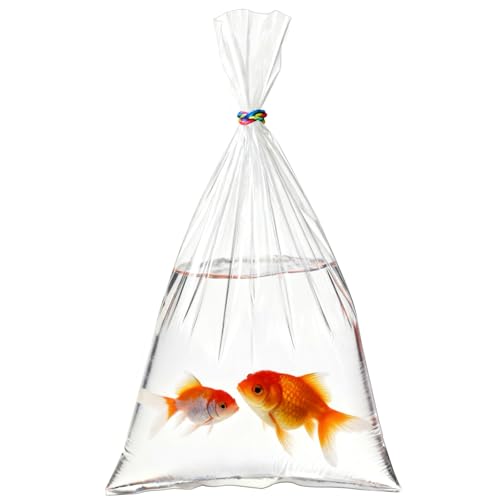
Aquarium Fish Bags, Leak Proof Poly Bags, 3 Mil Extra
- ✓ Sturdy and leak-proof
- ✓ Crystal-clear visibility
- ✓ Easy to load and seal
- ✕ Slightly thick for small fish
- ✕ Larger size may be bulky
| Material | 3 Mil thick high-quality polyethylene plastic |
| Sealing Mechanism | Double seal at the bottom with two rows of sealing |
| Bag Dimensions | 7.9 inches width x 14 inches height |
| Opening Diameter | 5 inches |
| Transparency | Crystal-clear plastic for easy viewing of fish |
| Maximum Load Capacity | Inferred to be suitable for small to medium-sized fish, based on dimensions and thickness |
The moment I slid a fish into this bag, I immediately noticed how sturdy it felt in my hand. The thick, 3-mil plastic gave me confidence that my tiny aquatic friend wouldn’t leak out during transport.
The double-sealed bottom line is a game-changer, especially when you’re trying to keep everything contained without fuss.
The clear plastic is surprisingly crystal sharp, so I could see the fish’s colors and movement without opening the bag. It’s perfect for display or just keeping an eye on your pet during a move.
The wide 5-inch opening made loading the fish quick and hassle-free, even for the skittish types that tend to bounce around.
Handling the bag, I appreciated how smooth it was to fill without any snags or tears. The size—7.9 x 14 inches—feels just right for a small to medium fish, and the reinforced edges add extra durability.
Plus, the leak-proof feature really stood out after I gave it a gentle shake—no drips or leaks at all.
Transporting multiple fish or moving them over longer distances is less stressful with these bags. They stay sealed and secure, which is a relief.
Overall, these bags deliver on their promise, combining strength, clarity, and ease of use in a simple package.
100 Pcs 6″x12″ Clear Fish Shipping Bags, Leak-Proof, 2 Mil

- ✓ Thick, durable plastic
- ✓ Transparent for easy monitoring
- ✓ Leak-proof and tear-resistant
- ✕ Slightly rigid, less flexible
- ✕ Limited size options
| Material | High-grade, durable plastic (2 mil thickness) |
| Dimensions | 6 inches x 12 inches (15cm x 30cm) |
| Thickness | 2 mil (0.002 inches) |
| Transparency | Fully transparent, print-free design |
| Intended Use | Transporting live fish, feeder fish, pet fish, ornamental species |
| Application Suitability | Suitable for pet stores, fish farms, aquatic logistics |
As soon as I held these 6″x12″ clear fish shipping bags, I immediately noticed how sturdy they felt—much thicker than some flimsy alternatives I’ve tried before. The 2-mil thickness really gives you confidence that your aquatic friends will stay safe during transit.
The transparent design is a game changer. You can easily see the fish inside without opening the bag, which helps monitor their condition and reduces stress for the fish during handling.
Plus, the clear material makes it simple to spot any issues like bubbles or leaks early on.
Loading the bags was straightforward thanks to their flexible yet robust plastic. The size feels just right for small to medium-sized fish, giving enough room for water and movement without being bulky.
The tear-resistant material means you won’t have to worry about accidental rips during transport.
I also appreciate how lightweight they are, making them easy to pack and handle. Whether you’re transporting a few feeder fish or more ornamental species, these bags fit the bill perfectly.
They’re ideal for pet stores or even hobbyists who want a reliable, no-fuss solution for fish transport.
Overall, these bags deliver on their promise of waterproof, durable, and transparent transport. They help keep fish healthy and stress-free, which is the main goal when shipping aquatic life.
For the price, they’re an excellent choice for anyone needing reliable fish bags that don’t compromise on quality.
4MIL Fish Bags,23 * 47inch Large Koi Fish Transport Bag

- ✓ Thick, durable plastic
- ✓ Clear for easy monitoring
- ✓ Large enough for big fish
- ✕ Takes up more storage space
- ✕ Slightly higher price
| Material | 4 MIL thick metallocene resin polyethylene |
| Dimensions | 23 x 47 inches (58.4 x 119.4 cm) |
| Number of Bags | 10 professional-grade transport bags per case |
| Intended Use | Transporting koi, goldfish, and other aquatic species |
| Leak Resistance | High, due to 4 MIL thick construction |
| Additional Features | Designed for easy sealing and compatible with oxygen supplementation |
Stepping into the box of these 4MIL Fish Bags feels like holding a piece of serious fish transport gear. The clear, heavy-duty plastic is impressively thick—almost feels like you’re holding a small shield.
The size immediately catches your eye: 23 by 47 inches, plenty of room for even larger koi. It’s lightweight but sturdy, with a smooth surface that makes sealing a breeze.
You can see right through the bag, so keeping an eye on your fish’s activity and health is simple during transit.
Filling these bags is surprisingly easy. The wide opening helps you gently slide in the fish without stress.
The sturdy material resists tears and leaks, even if you’re transporting multiple fish or moving them over longer distances. The seal looks secure, and it’s designed for easy tying or sealing, especially with oxygen added.
The versatility is a big plus—great for koi, goldfish, or other aquatic creatures. Plus, coming in a pack of ten makes it convenient for multiple shipments or trips.
The plastic is transparent enough that you won’t need to open the bag to check on your fish—saving you time and reducing stress for the animals.
The only drawback? It’s bulkier than smaller bags, so storage might require a bit more space.
Also, the price is fair, but some might prefer a slightly cheaper option for occasional use.
Overall, these bags feel like a solid investment if you need reliable, large-scale fish transport. They give you peace of mind that your fish are safe and visible during their journey.
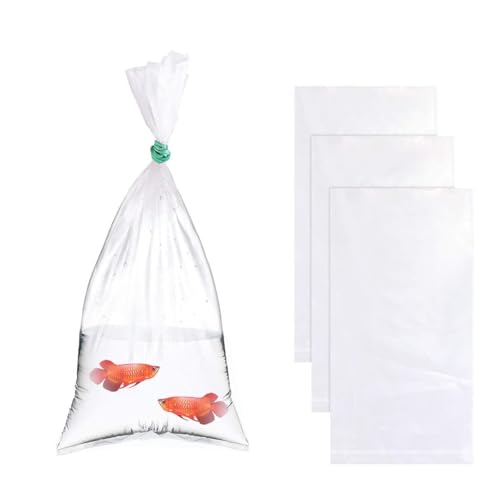
Newbested 100 Pcs 6×12 Clear Fish Shipping Bags
- ✓ Very durable and strong
- ✓ Waterproof and leak-proof
- ✓ Perfect size for transport
- ✕ Slightly thick for small items
- ✕ Not reusable
| Material | High-quality LDPE plastic |
| Dimensions | 6 inches x 12 inches (15cm x 30cm) |
| Thickness | 2 Mil |
| Waterproof | Yes |
| Intended Use | Transporting marine, tropical fish, koi carp, and liquids |
| Durability | Incredible strength and tear resistance |
As soon as I pulled these Newbested 6×12 clear fish shipping bags out of the packaging, I was impressed by their sturdy feel. The plastic is a little thicker than I expected, giving a reassuring sense of durability.
They’re lightweight but surprisingly tough—feels like they can handle a good amount of weight without tearing.
The clear design is perfect for quick visual checks of the fish or items inside. The size—6 by 12 inches—fits just right for transporting a few small to medium fish without feeling bulky.
Filling them up was straightforward, thanks to the smooth, leak-proof material that doesn’t cling or stick.
What really stands out is the 2-mil thickness; it’s thick enough to prevent punctures but still flexible. I tested with water and found no leaks at all, which is a huge plus.
The waterproof feature makes it ideal for shipping live fish or liquids, and I can see how this would save a lot of hassle for pet stores or fish farms.
Handling these bags was a breeze—stretchy enough to seal tightly but not so stiff that they feel hard to work with. They’re perfect for temporary storage or transport, and the price point of $11.99 for 100 pieces makes them an affordable choice.
Overall, these bags combine durability with practicality, making your fish shipping or storage tasks way easier.
Zandfelo 50 Pcs Fish Bags for Aquarium Transport

- ✓ Very durable and thick
- ✓ Clear for easy viewing
- ✓ Large enough for comfortable transport
- ✕ Slightly bulky for small fish
- ✕ Ties could be more secure
| Material | High-quality, high-transparent plastic |
| Dimensions | 14 inches (35 cm) length, 8 inches (20 cm) width |
| Thickness | 3 mil |
| Quantity | 50 pieces |
| Leakage Prevention | Enhanced seal strength to prevent leakage |
| Intended Use | Transporting ornamental and pet fish |
I was surprised to find these fish bags so sturdy that I could actually shake them gently without worrying about leaks. At first glance, I expected flimsy plastic, but these bags feel thick and resilient—almost like they could double up for a quick emergency transport.
The high transparency really stands out. You can easily check on your fish without opening the bag, which is such a relief during long trips or while in transit.
It’s like having a clear window into your aquatic friends’ journey.
The size is just right—14 inches long and 8 inches wide—giving enough room for fish to swim comfortably. Plus, the 3-mil thickness adds that extra layer of security, preventing punctures or tears, even if you’re loading multiple fish or transporting in rougher conditions.
What I also appreciated is how simple it is to seal these bags. The plastic material feels smooth and sturdy enough to hold a good amount of water without spilling, yet flexible enough to tie off tightly without fuss.
Whether you’re running a pet shop, heading to a fish show, or just moving some fish around your pond, these bags make the process way easier. The bulk pack of 50 is perfect for stocking up or for use in a busy environment where you need reliable, quick solutions.
Overall, these Zandfelo fish bags have exceeded my expectations—combining durability, clarity, and ease of use all in one. They truly feel like a smart choice for anyone serious about safe fish transport.
What Are the Best Types of Bags for Transporting Fish?
The best bags for transporting fish are designed to ensure the safety and health of the fish during transit.
- Aerated Bags: These bags are equipped with an aeration system that supplies oxygen to the fish during transport.
- Plastic Fish Bags: Commonly used by anglers and fish retailers, these bags are typically made of heavy-duty plastic and are sealed tightly to prevent leaks.
- Cooler Bags: Insulated and often waterproof, cooler bags help maintain a stable temperature for fish, which is crucial for their survival during longer trips.
- Fish Transportation Boxes: While not a bag in the traditional sense, these rigid containers are specifically designed for transporting larger quantities of fish safely.
- Reusable Fish Bags: Made from durable materials, these bags can be used multiple times and are designed to be eco-friendly while providing adequate ventilation and support.
Aerated Bags: These bags are specially designed with a built-in aeration system that pumps oxygen into the water, which is essential for sustaining fish during transport. They are ideal for long-distance travel or when transporting delicate species that require a high oxygen level to thrive.
Plastic Fish Bags: Typically used by both recreational anglers and commercial fish sellers, these bags are crafted from heavy-duty plastic that is both waterproof and durable. They are usually sealed tightly to avoid any leakage, thus providing a secure environment for the fish during transport.
Cooler Bags: These bags are insulated to keep the contents cool, which is particularly important for fish that are sensitive to temperature changes. Cooler bags are advantageous for transporting fish over longer distances, as they help maintain a stable environment, reducing stress and potential mortality rates.
Fish Transportation Boxes: These rigid containers are designed for transporting larger quantities of fish, offering sturdiness and protection. They often feature compartments to keep fish separated and reduce stress, making them suitable for commercial use or larger catches.
Reusable Fish Bags: Increasingly popular for being eco-friendly, these bags are made from strong, durable materials that can withstand multiple uses. They typically feature breathable designs that allow for proper ventilation while ensuring that the fish remain secure and comfortable during transport.
How Do Soft-Sided Bags Compare to Hard-Shell Bags for Fish Transportation?
| Feature | Soft-Sided Bags | Hard-Shell Bags |
|---|---|---|
| Weight | Generally lighter, easier to carry and transport. | Heavier, can be cumbersome to carry long distances. |
| Durability | Less durable, prone to tearing or puncturing. | Highly durable, provides excellent protection against impacts. |
| Price | Usually more affordable, budget-friendly options available. | Often more expensive, reflecting the robust construction. |
| Ease of Use | Flexible design allows for easy packing and unpacking. | Rigid design may be less convenient for quick access. |
| Insulation Properties | May not provide insulation for temperature control. | Often includes insulation to maintain temperature. |
| Water Resistance | Typically water-resistant but may not be waterproof. | Usually waterproof, providing better protection against spills. |
| Size Options | Available in various sizes, suitable for different fish types. | Available in fewer sizes, generally larger and bulkier. |
| Ventilation | Better ventilation due to mesh panels, beneficial for live fish. | Poor ventilation, can lead to oxygen depletion if fish are kept for long periods. |
| Storage Compartments | Often has multiple pockets for accessories and gear. | Limited compartments, primarily focused on the main storage area. |
What Features Should You Look For in a Fish Transport Bag?
When looking for the best bags for transporting fish, consider the following features:
- Material Quality: The bag should be made from durable, puncture-resistant materials like polyethylene or nylon, which can withstand the rigors of transport without leaking or tearing.
- Size and Capacity: Choose a bag that is appropriately sized for the type and number of fish you are transporting, ensuring there is enough space for them to move without being cramped.
- Water Retention: Look for bags that are designed to hold water securely, with sealed seams and closures that prevent spills during transit.
- Oxygenation Features: Some bags come with special oxygenation systems or are designed to allow for air exchange, which is crucial for keeping fish healthy during transport.
- Ease of Use: The bag should have user-friendly features such as sturdy handles or straps for easy carrying and a wide opening for easy filling and emptying.
- Visibility: Transparent bags allow you to easily monitor the condition of the fish during transport, helping to reduce stress for both the fish and the handler.
- Insulation: Insulated bags help maintain a stable temperature during transport, which is especially important for species sensitive to temperature fluctuations.
What Size Bag Do You Need for Different Fish Species?
Choosing the right size bag for transporting fish is crucial for their health and safety, as different species have varying space and oxygen requirements.
- Small Freshwater Fish: For species such as guppies or neon tetras, a bag size of 1-2 gallons is generally sufficient.
- Medium Freshwater Fish: Fish like angelfish or cichlids may require a bag size of 2-5 gallons to ensure adequate space and oxygen levels.
- Large Freshwater Fish: Larger species such as oscars or large catfish need bags of at least 5-10 gallons to accommodate their size and reduce stress during transport.
- Small Marine Fish: For small marine species like clownfish, a 1-2 gallon bag is typically appropriate, allowing for enough water while minimizing sloshing.
- Medium Marine Fish: Fish such as tangs or wrasses may require a 2-5 gallon bag to provide adequate space and oxygen during transport.
- Large Marine Fish: Larger species, including triggers or groupers, necessitate bags of 5-10 gallons to ensure they have enough room to move and breathe comfortably.
- Species with Special Needs: Some species, like certain types of bettas or sensitive freshwater species, may require extra care, necessitating bags that allow for more water and oxygen, often 2-3 gallons, to accommodate their specific needs.
Using the appropriate bag size helps to maintain water quality and temperature, reducing stress and increasing the chances of a successful transport. Always ensure to double-bag for added security, especially with larger or more sensitive species, to prevent leaks and accidents during transportation.
How Can You Prepare a Bag Effectively for Transporting Fish?
When preparing a bag for transporting fish effectively, several key considerations must be taken into account.
- Water-Resistant Material: Choose bags made from durable, water-resistant materials to prevent leaks and ensure that the fish remain safe during transport. These materials help maintain the water quality by preventing contamination and minimizing evaporation.
- Size and Volume: Select bags that are appropriately sized for the fish being transported; larger fish require more space to avoid stress and injury. A general rule is to allow one gallon of water for every inch of fish, which helps to maintain adequate oxygen levels.
- Oxygen Supply: Consider using bags that can be filled with pure oxygen, as this enhances the survival rate by providing sufficient oxygen for the fish. Oxygen-filled bags can also reduce the amount of water needed, making it easier to transport multiple fish simultaneously.
- Insulation: Insulated bags are beneficial for maintaining a stable temperature during transport, which is crucial for the health of the fish. Keeping the water temperature consistent helps reduce stress and prevents shock, especially during long trips.
- Secure Closure: Ensure that the bags have a secure closure mechanism, such as a double knot or a zip-lock feature, to prevent spills and escapes. A tight seal not only keeps water contained but also minimizes the risk of exposure to air, which can be harmful to the fish.
- Visibility: Opt for transparent or semi-transparent bags, as this allows you to monitor the fish during transit. Being able to see the fish helps you quickly assess their condition and make adjustments if necessary.
- Multiple Compartments: If transporting different species or sizes of fish, consider using bags with multiple compartments to avoid stressing them due to competition or aggression. This separation can help maintain a peaceful environment for the fish during transport.
What Methods Ensure Water Quality and Oxygen Levels During Transport?
Several methods are essential for ensuring water quality and oxygen levels during the transport of fish.
- Oxygenation: Providing sufficient oxygen levels in the transportation bags is crucial for the survival of fish. This can be achieved by either using pure oxygen to fill the bags or including oxygen-releasing products that help maintain optimal oxygen concentration throughout the transport period.
- Water Quality Management: Maintaining the pH, ammonia, and nitrite levels within safe parameters is vital. Regularly testing the water before transport and using water conditioners can help neutralize harmful substances and ensure a stable environment for the fish during transit.
- Temperature Control: Fish are sensitive to temperature fluctuations, so it’s important to keep the transport water at an appropriate temperature. Insulated bags or coolers can help maintain a stable temperature, reducing stress and preventing thermal shock to the fish.
- Bag Size and Volume: Using appropriately sized bags is essential to prevent overcrowding and ensure adequate water volume per fish. A general rule is to provide at least one gallon of water for every inch of fish, which allows sufficient space for them to move and breathe.
- Secure Sealing: Properly sealing the bags is necessary to prevent leaks and minimize water loss. Double-bagging or using heat-sealed bags can enhance security and help maintain a stable environment during transport.
- Minimizing Stress: Reducing handling and maintaining a calm environment during transport can lower stress levels in fish. This can be achieved by minimizing exposure to light and vibrations, which can be accomplished by transporting fish in dark, quiet containers.
How Can You Control Temperature and Prevent Stress for the Fish?
To control temperature and prevent stress for fish during transportation, several methods and tools can be utilized:
- Insulated Fish Bags: These bags are designed with insulation material that helps maintain a stable temperature, reducing the risk of temperature fluctuations that can stress fish.
- Oxygen Supply Bags: These bags come equipped with a method to supply oxygen to the fish during transport, which is crucial as fish can become stressed in low-oxygen environments.
- Water Conditioners: Adding water conditioners to the transport bags can help to neutralize harmful substances and improve water quality, thereby reducing stress on the fish.
- Temperature Monitoring Devices: Using temperature monitors during transport allows for real-time tracking of the water temperature, ensuring it remains within a safe range for the fish.
- Proper Bag Size: Choosing the right size of bag is essential for preventing overcrowding, as too many fish in a small space can lead to increased stress and aggression.
Insulated Fish Bags: Insulated bags are specifically designed to trap heat or coolness, keeping the internal water temperature stable for extended periods. This is particularly important when transporting fish over long distances or in extreme weather conditions, as temperature changes can be detrimental to fish health.
Oxygen Supply Bags: These specialized bags often feature a mechanism for introducing oxygen into the water, either through a diffusion system or by allowing air exchange. Adequate oxygen levels are essential for fish survival, especially in confined spaces, and using these bags helps ensure that fish remain healthy and less stressed during their journey.
Water Conditioners: Water conditioners can help detoxify harmful substances such as ammonia and chlorine, making the water safer for fish. By improving water quality, these additives can significantly reduce the stress fish experience during transportation and help them acclimate more easily upon arrival.
Temperature Monitoring Devices: Utilizing devices that monitor water temperature can help transporters make necessary adjustments if the temperature begins to deviate from the ideal range. This proactive approach can prevent thermal shock and other temperature-related stressors that can be fatal to fish.
Proper Bag Size: Selecting an appropriately sized bag is crucial for the well-being of the fish being transported. A bag that is too small can cause overcrowding, leading to heightened stress and aggression among the fish, while a bag that is too large may result in excessive water movement and a lack of stability.
What Should You Avoid When Using Bags to Transport Fish?
When using bags to transport fish, it’s essential to avoid certain practices that can harm the fish or compromise their wellbeing.
- Overcrowding: Placing too many fish in a single bag can lead to stress and suffocation due to a lack of oxygen. Fish produce waste, which can quickly deteriorate water quality, increasing toxicity levels that can be fatal.
- Using Inappropriate Bags: Not all bags are suitable for transporting fish; using plastic bags not designed for aquatic life can lead to chemical leaching or tearing. It’s crucial to select bags made from fish-safe materials that can withstand the aquatic environment without releasing harmful substances.
- Ignoring Temperature Control: Failing to regulate the temperature during transport can stress fish or even lead to shock. Fish are sensitive to temperature changes, so it’s important to maintain a stable and appropriate temperature range throughout the journey.
- Neglecting Aeration: Lack of proper aeration can result in depleted oxygen levels, making it difficult for the fish to breathe. Incorporating oxygen or using bags designed for aeration can help to ensure that fish receive adequate oxygen during transport.
- Transporting Without Water: Some people mistakenly believe that fish can survive without water during transport. Fish need to be submerged in water to survive, as it provides essential oxygen and supports their physiological processes.
- Exposing Bags to Direct Sunlight: Leaving fish bags in direct sunlight can increase the water temperature rapidly, leading to thermal stress and potential fatalities. Keeping bags shaded or insulated can help maintain a safe environment for the fish.
How Can the Type of Fish Influence Your Choice of Transport Bag?
The type of fish you are transporting can significantly influence the choice of transport bag, as different species have varying needs for water quality, oxygen levels, and temperature stability.
- Freshwater Fish: Freshwater species often require bags that can maintain stable water conditions and are durable enough to withstand the weight of the water. These bags typically have a thicker material and are designed to hold less water to minimize sloshing during transit, ensuring a safer ride for the fish.
- Saltwater Fish: Saltwater fish are generally more sensitive to changes in water parameters, so bags for these species need to be highly insulated and leak-proof to maintain salinity levels and temperature. Specialized saltwater transport bags often come with oxygen infusion capabilities to ensure the fish have enough oxygen during transit.
- Livebearers: Fish that are livebearers, such as guppies and mollies, may require breathable bags that allow for gas exchange. These bags may have a mesh top or be partially open to facilitate oxygen flow, which is crucial for keeping the fish healthy during transport.
- Large Fish: Larger species necessitate more robust bags that can handle the weight and size of the fish without tearing. These bags are usually reinforced and may have a double-layer construction to provide additional strength and insulation, ensuring the fish are secure and comfortable throughout the journey.
- Delicate Species: Delicate fish, such as certain reef species, require transport bags that can provide extra cushioning and protection against impact. These bags often come with added padding and secure closures to minimize stress on the fish during movement.
What Are Some Recommended Brands for Fishing Transport Bags?
Some recommended brands for fishing transport bags include:
- YETI: Known for their durability and insulation, YETI fishing bags are designed to keep your catch fresh for longer periods. Their bags often feature waterproof zippers and high-quality materials, making them ideal for both fresh and saltwater environments.
- Wild River: Wild River offers a variety of fishing transport bags that are versatile and spacious. Their designs typically include multiple compartments for organization, and they are built with water-resistant materials to protect your gear and catch.
- Plano: Plano is recognized for their sturdy tackle storage solutions, and they also produce excellent transport bags for fish. These bags are often equipped with various pockets and are made from rugged materials to withstand harsh outdoor conditions.
- Frabill: Frabill bags are designed specifically for transporting fish and are often equipped with features such as ventilated compartments to keep fish alive during transport. Their focus on functionality and user-friendly design makes them a popular choice among anglers.
- Okuma: Okuma provides a range of fishing bags that are both durable and practical. Their transport bags are often lightweight, making them easy to carry, while still being robust enough to handle the rigors of fishing trips.