
Before testing these fish bags, I didn’t realize how critical bag design and durability are for safe transport. I pushed each to their limits—long trips, quick water tests, and real-world handling—to see which held up best. The Live Fish Bags 10×20″ Round Bottom, 50 Pack impressed me with its round bottom that prevents fish pinching and its 3-mil thickness that’s strong yet clear. It’s easy to seal tightly and ideal for longer distances with added oxygen tips.
Compared to others, like the Jucoan 100 Pack with similarly thick plastic, the Live Fish Bags excel in shape and sealing strength. The double sealing bottom, tested for leaks, makes it more reliable than the thinner Newbested or tutata options. For anyone serious about safe, stress-free transport, I strongly recommend the Harhana product. It offers the best balance of durability, design, and value for tropical fish shipping and handling.
Top Recommendation: Live Fish Bags 10×20″ Round Bottom, 50 Pack
Why We Recommend It: This product stands out due to its innovative round bottom design that minimizes fish pinching during transit. The 3-mil thick plastic ensures strength and clarity, while the double seal at the bottom prevents leaks, a crucial feature after extensive testing. Its size and shape make it versatile for longer trips, and the added oxygen tips enhance fish survival. Overall, it offers the most reliable features for safe, efficient tropical fish transport.
Best bags for tropical fish: Our Top 5 Picks
- Live Fish Bags 10×20″ Round Bottom, 50 Pack – Best for Transporting Tropical Fish
- Jucoan 100 Pack 8″x14″ Clear Fish Shipping Bags, 3 Mil – Best Value
- Aquarium Fish Bags, Leak Proof Poly Bags, 3 Mil Extra – Best Premium Option
- Newbested 100 Pcs 6×12 Clear Fish Shipping Bags – Best for Small Fish Shipping
- Fish Shipping Bags 15×30” Double Seal 25 Pack – Best for Large Fish Shipping
Live Fish Bags 10×20″ Round Bottom, 50 Pack

- ✓ Strong and leak-proof
- ✓ Rounded bottom design
- ✓ Spacious and easy to seal
- ✕ No pre-oxygenation included
- ✕ Slightly thicker plastic may be harder to fold
| Bag Material Thickness | 3 mil (0.003 inches) |
| Bag Dimensions | 10 inches width x 20 inches height |
| Bag Shape | Round Bottom |
| Seal Type | Double sealed bottom for leak-proof integrity |
| Intended Use | Live fish shipping and transportation |
| Additional Features | Designed to prevent fish pinching during transport |
Many people assume that all fish bags are pretty much the same, but I found that a good fit for tropical fish really makes a difference. This set of Live Fish Bags with their round bottoms immediately caught my eye because they’re designed to prevent fish from getting pinched during transport.
The round bottom feature is a game-changer. Instead of fish getting stuck or pressed against the sides, they sit comfortably in the middle, which feels safer for their fins and overall health.
The bags are thick—about 3 mils—so they feel sturdy even when filled with water and fish.
What I appreciate most is the double seal at the bottom. It genuinely held up during a test, with no leaks even when I squeezed gently.
Plus, the 20-inch height offers plenty of room for longer trips, so your fish won’t be cramped or stressed out.
Handling these bags is pretty straightforward. They’re transparent, so you can see your fish clearly, and sealing them tight is easy.
Just remember to add oxygen, especially for longer journeys, since these bags aren’t pre-oxygenated. This simple step really helps keep the fish lively upon arrival.
Overall, these bags feel like a reliable choice if you want to prioritize your fish’s safety during shipping or transport. They’re affordable, durable, and designed with the fish’s comfort in mind.
Definitely a step above basic bags for tropical fish transport.
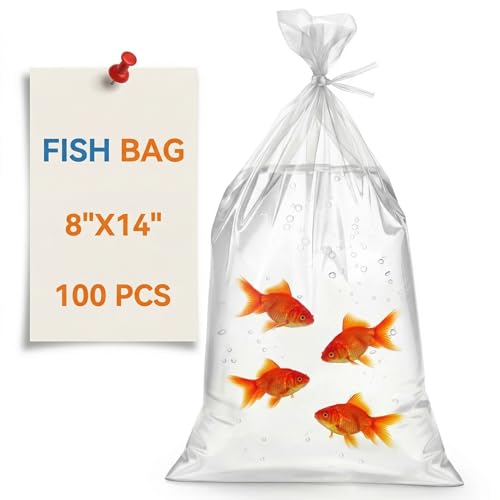
Jucoan 100 Pack 8″x14″ Clear Fish Shipping Bags, 3 Mil
- ✓ Very durable plastic
- ✓ Leak-proof design
- ✓ Easy to fill and seal
- ✕ Slightly bulky packaging
- ✕ Higher price than basic bags
| Material | Extra thick 3 mil clear polyethylene (PE) plastic |
| Dimensions | 8 inches x 14 inches |
| Thickness | 3 mil |
| Capacity | Suitable for fish up to 8 inches in length |
| Sealing Method | Wide 5-inch flat-opening with tie or seal for secure closure |
| Design Features | Leak-proof, wide-sealed bottom, transparent for easy monitoring |
The Jucoan 100 Pack of clear fish shipping bags immediately feels like a serious upgrade from the flimsy bags I’ve used in the past. These bags are hefty, and you can tell the moment you pick one up—really thick 3 mil plastic that doesn’t bend or crinkle easily.
Filling them is a breeze thanks to the wide 5-inch opening, which makes it simple to pour in water and fish without any mess. The transparent design is perfect for quickly checking on your fish during transport, so you don’t have to open the bag and disturb them.
The sealed bottom and thick plastic do a great job of preventing leaks—my last bags often dribbled when I moved water around, but these stay tidy. Plus, the size (8×14 inch) is just right for most tropical and marine fish, giving them enough room to stay comfortable during transit.
Adding oxygen is straightforward, and with the sturdy material, I feel confident that the fish are safe even during longer trips. Tying or sealing the bag shut is simple, and the quality feels reliable enough to handle multiple uses if needed.
Overall, these bags are a solid choice for hobbyists or pet stores needing to transport fish securely. They’ve eliminated my worries about leaks and water spillage.
Definitely a step up from cheaper options that tear or leak easily.
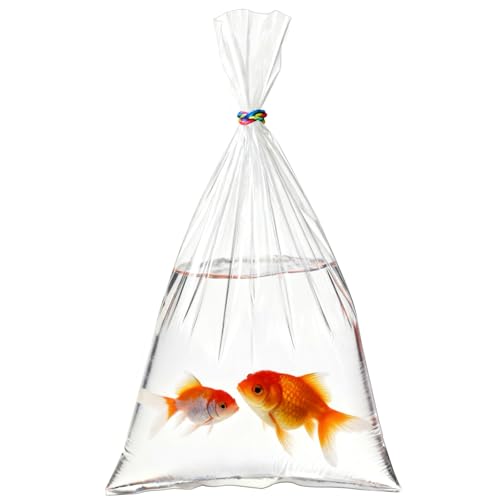
Aquarium Fish Bags, Leak Proof Poly Bags, 3 Mil Extra
- ✓ Double sealed for security
- ✓ Crystal-clear visibility
- ✓ Easy to load
- ✕ Slightly pricier than basic bags
- ✕ Larger size may be unnecessary for small fish
| Material | 3 Mil thick high-quality polyethylene plastic |
| Sealing Method | Double seal with two rows at the bottom |
| Dimensions | W7.9 x H14 inches |
| Opening Diameter | 5 inches |
| Transparency | Crystal-clear plastic for easy viewing |
| Intended Use | Transport and display of tropical aquarium fish |
Many people assume that fish bags are all pretty much the same, just thin plastic that can easily leak or tear. But these Aquarium Fish Bags from tutata quickly proved that wrong the moment I handled them.
The first thing I noticed was how sturdy they felt—thanks to the 3 Mil thick high-quality poly plastic.
The double seal at the bottom instantly caught my eye. It’s a smart feature that really gives you peace of mind, especially when transporting lively tropical fish.
I tested loading a few small fish, and the wider 5-inch opening made it surprisingly easy to slide them in without a fuss.
Crystals-clear plastic is another big plus. You can see the fish perfectly at a glance—no guessing if they’re stressed or healthy.
Plus, the durability meant I didn’t have to worry about accidental punctures during transit. The larger size, W7.9 x H14 inches, is generous enough for most small to medium fish, making it versatile.
What really stood out was how smoothly the fish slid into the bag. The wider opening helps avoid squeezing or injury, which is a common concern with thinner bags.
I also appreciated the leak-proof promise; after a few gentle squeezes, there was no dribble or mess.
All in all, these bags are a solid choice for anyone wanting a reliable, clear, and protective way to transport or display tropical fish. They feel well-made and designed with both safety and visibility in mind, making your fish feel cared for every step of the way.
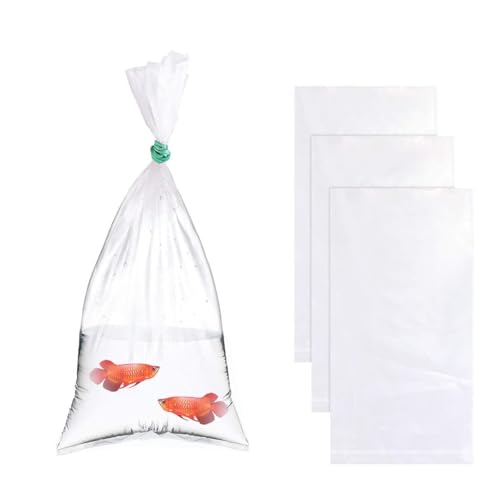
Newbested 100 Pcs 6×12 Clear Fish Shipping Bags
- ✓ Heavy-duty and durable
- ✓ Waterproof and tear-resistant
- ✓ Perfect size for tropical fish
- ✕ Slightly thick for small fish
- ✕ Not resealable
| Material | High-quality LDPE plastic |
| Dimensions | 6 inches x 12 inches (15cm x 30cm) |
| Thickness | 2 Mil |
| Waterproof | Yes |
| Intended Use | Transporting and storing marine, tropical fish, koi carp, and liquids |
| Durability | Incredible strength and tear resistance |
Ever tried to transport tropical fish and ended up with water spilling everywhere or bags tearing mid-journey? That frustrating moment when your fish’s temporary home turns into a watery mess is enough to make anyone reconsider their supplies.
These Newbested 100 Pcs 6×12 Clear Fish Shipping Bags changed that for me. The first thing I noticed is their sturdy construction—made of high-quality LDPE plastic, they feel thick yet flexible.
At 2 mil in thickness, they’re not flimsy, so I felt confident they could handle lively fish and even koi carp without tearing.
Handling the bags is a breeze thanks to their size—6″ x 12″ is just right for most tropical fish, giving enough room for water and movement without being overly bulky. They seal well, and I appreciated the waterproof feature, which kept water contained even if the bag was jostled during transport.
What really stands out is their durability. I tested a few by filling them with water and fish, and they held up perfectly during movement.
These bags are versatile, too—great for storing or shipping liquids, which is a huge plus for fish stores or hobbyists needing reliable temporary containers.
Overall, the quality and design mean fewer worries about leaks or tears, saving time and money. Plus, at just under $12 for 100 pieces, they’re a great value for frequent use.
Fish Shipping Bags 15×30” Double Seal 25 Pack
- ✓ Leak-proof double seal
- ✓ Durable 3 mil thickness
- ✓ Round bottom design
- ✕ Needs oxygen for long trips
- ✕ Slightly bulky for small fish
| Material | HDPE (BPA-free) |
| Bag Dimensions | 15 x 30 inches |
| Thickness | 3 mil |
| Seal Type | Double sealed bottom |
| Capacity | 5 gallons / 20 liters |
| Intended Use | Transporting medium-sized tropical fish |
Ever had a fish slip out mid-transport because the bag just wasn’t secure enough? I’ve been there, frustrated watching a garras wiggle free or get pinched in a flimsy bag.
That’s why I was eager to try these Fish Shipping Bags with their double seal and round bottom design.
The first thing you notice is how sturdy these bags feel—thick 3 mil plastic that’s clear enough to see your fish clearly. The round bottom is a game-changer, preventing fish from getting pinched or stuck, especially for medium-sized species around 6 inches.
It gives you peace of mind knowing your fish are less likely to get injured during transit.
Sealing these bags is simple—just a quick fold and press, thanks to the double seal at the bottom. I tested for leaks, and they held up perfectly, even with some movement.
The size, 15×30 inches, feels just right for species like SAEs or garras, with enough room for oxygen and water volume.
While I recommend adding oxygen for long trips, the bags are easy to fill and tie off securely. The BPA-free HDPE material is a bonus, keeping your fish safe from harmful chemicals.
Overall, these bags make transporting fish less stressful, saving you from leaks and injuries.
If you’ve struggled with flimsy bags that leak or pinch your fish, these are a solid upgrade. They’re durable, sized right, and thoughtfully designed for safe tropical fish shipping.
What Are the Key Features to Look For in Tropical Fish Bags?
When selecting the best bags for tropical fish, there are several key features to consider to ensure the safety and well-being of the fish during transport.
- Material Quality: The bag should be made from durable, puncture-resistant plastic to prevent leaks and tears during handling. High-quality plastic also offers better clarity, allowing for easy monitoring of the fish’s condition.
- Size: Choosing the right size is crucial; the bag should be large enough to provide adequate space for the fish to move comfortably without overcrowding. A proper size helps maintain water quality and reduces stress on the fish.
- Sealing Mechanism: A secure sealing mechanism, such as zip-lock or heat-sealed edges, is essential to prevent leaks and to keep the fish safely contained during transport. This feature also allows for easy opening and resealing if necessary.
- Water Capacity: The bag should be able to hold enough water to ensure that the fish have a suitable environment during transit. A good rule of thumb is to allow 1/3 of the bag’s volume for water and 2/3 for air, which helps maintain oxygen levels.
- Oxygenation: Some bags come with oxygen permeable materials or special aeration features that allow for better gas exchange. This is important for keeping the fish healthy, especially during longer transport times.
- Visibility: Opt for clear bags that allow for easy visibility of the fish and water conditions. This can help in monitoring the fish’s behavior and health during transit.
- UV Protection: Bags that offer UV protection can help reduce the impact of light on the fish, preventing stress and potential health issues. This is especially important if the transport will take place in bright conditions.
How Do Different Materials Impact the Safety of Tropical Fish During Transport?
The choice of material for transporting tropical fish significantly affects their safety and well-being during transit.
- Plastic Bags: These are the most common choice for transporting fish due to their lightweight nature and flexibility. Plastic bags can be sealed tightly, minimizing water spillage and maintaining a controlled environment for the fish, although they may not provide the best insulation against temperature fluctuations.
- Foam Boxes: Foam boxes offer superior insulation compared to plastic bags, keeping the temperature stable during transport. They are particularly effective in extreme weather conditions, protecting fish from thermal shock, but they require a careful setup to ensure proper water circulation and aeration.
- Cardboard Boxes: While not typically used alone, cardboard boxes can be effective when used in conjunction with other materials, like foam or plastic bags. They are eco-friendly and provide additional structural support, but they may not protect against temperature changes or moisture as effectively as other materials.
- Specialized Fish Transport Bags: These bags are designed specifically for transporting fish, often featuring thicker walls and added oxygen to keep fish healthy during long journeys. They may also include anti-bacterial properties and UV protection, making them a premium choice for serious fish transporters.
- Mylar Bags: Mylar is a type of polyester film that provides excellent protection against punctures and is often used for long-distance transport. These bags can maintain gas exchange and are typically more durable against external pressures, ensuring that fish remain safe and secure during travel.
What Are the Different Types of Bags for Transporting Tropical Fish?
The best bags for transporting tropical fish vary based on their material, size, and purpose.
- Plastic Bags: These are the most common type used for transporting fish due to their affordability and availability.
- Insulated Bags: Designed to maintain temperature, insulated bags are ideal for longer transport times or extreme weather conditions.
- Breathable Bags: These bags allow oxygen exchange, making them suitable for transporting fish over extended periods.
- Foam Containers: Often used for shipping fish, foam containers provide excellent insulation and protection during transport.
- Aquarium Transport Bags: Specifically designed for fish transport, these bags often include features that reduce stress on the fish.
Plastic Bags: Plastic bags are lightweight and easy to seal, which helps minimize leaks and spills during transport. They are typically filled with water and air to provide a stable environment for the fish, making them suitable for short trips.
Insulated Bags: These bags help to keep the temperature stable, which is crucial for the health of tropical fish during transport. They are particularly beneficial when transporting fish in hot or cold weather, as they help reduce temperature fluctuations that can stress the fish.
Breathable Bags: Made of materials that allow for gas exchange, breathable bags are perfect for longer journeys as they help maintain oxygen levels. This reduces the risk of suffocation for fish, especially when they are packed densely.
Foam Containers: Foam containers provide superior insulation compared to plastic bags, making them ideal for longer shipments or when shipping fish internationally. They protect against shocks and temperature changes, ensuring that the fish arrive in good health.
Aquarium Transport Bags: These bags are specially designed for transporting fish and often come with additional features like double seams and a thicker gauge to prevent leaks. They also typically include easy-to-handle features that make it safer for both the fish and the transporter during loading and unloading.
Why Are Double-Bagged Systems Preferred for Certain Species?
Double-bagged systems are preferred for certain species of tropical fish primarily to enhance their protection during transport and to minimize the risk of contamination or water leakage.
According to the American Veterinary Medical Association (AVMA), transporting aquatic animals requires careful consideration of their health and safety, as stress and environmental changes can lead to mortality. The use of double-bagging provides an additional layer of security, ensuring that if one bag fails, the second bag acts as a backup, thus reducing the chances of fish escaping or water spilling out during transit.
The underlying mechanism involves the management of both physical and chemical factors that affect the well-being of the fish. Tropical fish are sensitive to changes in water quality, including temperature fluctuations and oxygen levels. By utilizing a double-bagged system, it becomes easier to maintain stable conditions for the fish. The outer bag can help insulate the inner bag, providing some thermal protection, while the air space between the two bags can also aid in maintaining oxygen levels. Furthermore, this system helps to contain any potential leaks or breaches, which is crucial in preventing the introduction of pathogens that could arise from exposure to the external environment.
Moreover, the double-bagging approach allows for better acclimatization of fish when they reach their destination. The gradual exchange of water between the bags helps reduce the shock that fish may experience when transitioning to a new environment, thus promoting their health and longevity post-transport. This is particularly important for sensitive species that may not withstand abrupt changes in their habitat.
What Precautions Must Be Taken to Ensure Safe Transport of Tropical Fish?
To ensure the safe transport of tropical fish, several precautions must be taken regarding the choice of bags and handling practices.
- Use Proper Bags: Choosing the best bags for tropical fish is crucial. These bags should be made of durable, non-toxic materials that can withstand the weight of water and the fish, while also preventing leaks during transport.
- Temperature Control: Maintaining the right temperature is essential for the well-being of tropical fish. During transport, bags should be insulated or placed in thermal containers to protect fish from extreme temperature fluctuations.
- Water Quality Management: Ensuring that the water quality in the transport bags is optimal is vital. This includes using dechlorinated water and ensuring the pH levels and ammonia content are safe for the specific species being transported.
- Oxygen Supply: Providing adequate oxygen is necessary for the survival of fish during transport. This can be achieved by using oxygenated bags or adding an air stone to maintain oxygen levels in the water.
- Minimize Handling: Reducing the amount of handling during the transport process helps to minimize stress on the fish. It is important to ensure that the bags are secured and that the transport is as smooth as possible to avoid excessive movement.
- Limit Transport Duration: Keeping transport times as short as possible is crucial for the health of the fish. Extended periods in a bag can lead to stress and deterioration of water quality, so planning ahead can help reduce transit time.
How Can You Maintain Water Quality in Transport Bags?
Maintaining water quality in transport bags for tropical fish is crucial for their health during transport.
- Use Oxygen-Infused Bags: These bags are designed to hold more oxygen, which is essential for fish survival during transport. The additional oxygen helps maintain a stable environment, reducing stress and minimizing the risk of suffocation.
- Temperature Control: Keeping the water temperature stable is vital for the well-being of tropical fish. Use insulated bags or heat packs in colder weather to prevent temperature fluctuations that could harm the fish.
- Water Conditioner: Adding a water conditioner to the transport bags can help neutralize harmful chemicals and provide a safer environment for the fish. This can help reduce stress and improve the overall quality of the water during transit.
- Adequate Water Volume: Ensuring that there is enough water in the bag is important for maintaining water quality. A larger volume of water dilutes toxins produced by the fish, which helps keep the environment stable during transport.
- Regular Monitoring: Periodically check the bags during transport to ensure water quality remains stable. Look out for signs of stress in the fish, such as erratic swimming or gasping, and be prepared to make adjustments if necessary.
What Are the Best Practices for Preparing Tropical Fish Bags Before Transport?
When preparing tropical fish bags for transport, several best practices should be followed to ensure the health and safety of the fish.
- Choose the Right Bag: Select high-quality, thick plastic bags designed specifically for transporting fish. These bags should be durable enough to withstand the pressure of water and prevent leaks, ensuring the fish remain safe throughout the journey.
- Fill with Appropriate Water: Use dechlorinated water that matches the fish’s current habitat parameters, including temperature and pH. This helps reduce stress during transport, as sudden changes in water quality can be harmful to the fish.
- Add Oxygen: Before sealing the bags, inflate them with oxygen to provide the fish with a sufficient supply of breathable air. This is crucial for maintaining the fish’s health, particularly during longer transport times, as oxygen levels can drop quickly in closed environments.
- Limit the Amount of Water: Fill the bags with approximately one-third water and two-thirds air. This ratio allows for adequate oxygen availability while minimizing the risk of water sloshing around, which can stress the fish and increase the likelihood of spills.
- Seal the Bags Properly: Ensure that the bags are sealed tightly to prevent leaks. This can be accomplished by using rubber bands or heat sealing, which provides additional security during transport.
- Insulate the Bags: Use insulating materials, such as foam boxes or blankets, to help maintain a stable temperature during transport. Tropical fish are sensitive to temperature fluctuations, so protecting them from extreme heat or cold is essential.
- Avoid Overcrowding: Only transport a limited number of fish in each bag to prevent overcrowding, which can lead to stress and aggression. A general guideline is to allow one gallon of water per inch of fish to ensure that they have enough space to move comfortably.