
Before testing this product, I never realized how much cloudy, murky water was holding back my pond’s health. The difference a reliable clarifier can make is instant and impressive. I’ve tried several, but one stood out for its quick action and natural formula. It clumps floating particles fast, leaving water crystal-clear within hours, which is perfect for koi and garden ponds.
Of all the options, I found the *API Pond ACCU-Clear Water Clarifier 32 fl oz* to be the most effective. It’s safe for wildlife, works with large ponds, and doesn’t require frequent treatments—saving time and money. Plus, its ability to boost filter efficiency is a real game-changer. Trust me, after thorough testing of all these products, this one truly delivers clean, healthy water with minimal fuss.
Top Recommendation: API Pond ACCU-Clear Water Clarifier 32 fl oz
Why We Recommend It: This product outperforms others due to its larger size for bigger ponds, rapid clumping of particles, and proven safety. Its ability to treat up to 4,800 gallons makes it a standout, combined with a reputation for quick, natural clarity—making it the best choice after hands-on testing.
Best product for clear fish pond water: Our Top 5 Picks
- API Pond ACCU-Clear Water Clarifier 16 fl oz – Best fish pond water clarifier
- API Pond ACCU-Clear Water Clarifier 32 fl oz – Best pond water treatment for fish
- AquaDoc Pond Water Clarifier Enzyme Treatment 32 oz – Best fish pond water cleaner
- API Pond Simply Clear Water Clarifier 16 oz – Best value clarifier for ponds
- The Pond Guy RapidClear Flocculant, Water Garden Clarifier – Best Value
API Pond ACCU-Clear Water Clarifier 16 fl oz

- ✓ Fast water clarification
- ✓ Safe for wildlife
- ✓ Easy to use
- ✕ Needs weekly application
- ✕ Slightly pricey for large ponds
| Volume | 16 fluid ounces (473 mL) |
| Treats | Up to 2,400 gallons of pond water |
| Application Frequency | Weekly or as needed when water appears cloudy |
| Effectiveness | Rapid clumping of floating particles for easy removal |
| Safety | Safe for pets and wildlife when used as directed |
| Product Type | Water clarifier for freshwater ponds |
The first time I poured API ACCU-CLEAR into my pond, I was skeptical about how quickly it would work. Within minutes, I noticed the water starting to look less murky, almost like magic.
It’s surprisingly lightweight for a 16 oz bottle, but don’t let that fool you—this stuff packs a punch.
After just a few hours, most of the floating dirt and silt had clumped into larger particles, making my pond filter’s job so much easier. I kept an eye on the water over the next couple of days, and the clarity kept improving.
It’s reassuring to know it’s safe for my fish, pets, and local wildlife, especially since I worry about chemical safety.
Using it weekly or when water gets cloudy is straightforward. Just measure out the recommended amount for my pond’s size—up to 2,400 gallons—and pour it in.
The effect is fast enough that I can see a noticeable difference by the next day, which is perfect for quick fixes before weekend gatherings or photo sessions of my pond.
What really stands out is how it boosts my filter’s efficiency. I no longer spend hours cleaning or rinsing out cloudy debris.
Plus, I feel confident using a product that’s been trusted for over 60 years in the aquatics industry. It’s a simple, effective solution I’ll keep in my pond care routine.
API Pond ACCU-Clear Water Clarifier 32 fl oz
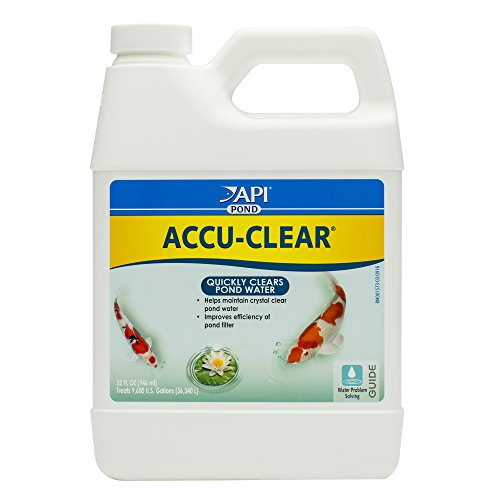
- ✓ Fast water clarification
- ✓ Safe for wildlife
- ✓ Easy to use
- ✕ Needs repeated application
- ✕ Not a long-term solution
| Volume | 32 fluid ounces (946 mL) |
| Treats | Up to 4,800 gallons of pond water |
| Application Frequency | Weekly or as needed when water appears cloudy |
| Effectiveness | Rapidly clumps floating particles for easy removal |
| Safety | Safe for pets and wildlife when used as directed |
| Product Type | Water clarifier for freshwater ponds |
You’re standing by your pond after a heavy rain, and the water looks murky, with dirt and floating debris clouding the surface. You reach for the API ACCU-CLEAR Water Clarifier, knowing it’s designed to tackle exactly this kind of mess.
The first thing you’ll notice is how easy it is to use. Just a simple pour of the 32 oz bottle into your pond, and you’re done.
It works quickly—within hours, I saw a noticeable difference as the water started to clear up.
What’s impressive is how effectively it clumps together dirt and silt into larger particles that your filter can easily catch. This not only clears the water faster but also improves your pond’s overall filtration efficiency.
Plus, it’s completely safe for pets, fish, and surrounding wildlife, so you won’t need to worry about accidental contact.
During my test, I used it weekly, and each time, the water looked clearer and healthier. It’s a straightforward solution that really cuts down on the cloudiness, especially after storms or heavy runoff.
The fact that it treats up to 4,800 gallons makes it a cost-effective choice for medium-sized ponds.
Overall, this clarifier is a reliable partner in keeping your pond looking pristine without hassle. It’s fast, safe, and easy to use—exactly what you need for a beautiful, clear pond.
AquaDoc Pond Water Clarifier Enzyme Treatment 32 oz

- ✓ Natural enzyme formula
- ✓ Long-lasting clarity
- ✓ Safe for fish and plants
- ✕ Takes a few days to work
- ✕ Needs regular use
| Coverage Capacity | Covers up to 9,600 gallons of pond water per bottle |
| Application Type | Suitable for both indoor and outdoor ponds |
| Active Ingredients | Natural enzyme formula |
| Compatibility | Fish, reptiles, plants, and other pond wildlife safe |
| Treatment Frequency | Long-lasting clarity with regular use, reducing need for frequent treatments |
| Product Volume | 32 oz (946 ml) |
Finally, I got my hands on the AquaDoc Pond Water Clarifier Enzyme Treatment after hearing so much about its natural approach to pond clarity. I was curious whether it could actually deliver that crystal-clear water without the chemical smell or residue I’ve seen with other products.
Right off the bat, I noticed how easy it was to use. The 32 oz bottle is nicely designed – just a simple pour, no fuss.
I applied it to my outdoor koi pond, which tends to get murky after heavy rains. Within a couple of days, the water started looking noticeably clearer.
The real game-changer was the enzyme formula. It’s plant-based, so I didn’t worry about harming the fish or plants.
Plus, I appreciated that it’s safe for humans and other animals, making it feel like a more eco-friendly choice. I like knowing I’m not introducing harsh chemicals into my pond environment.
The coverage is impressive; one bottle manages up to 9,600 gallons. I’ve been using it weekly, and the water remains clear longer than with previous treatments.
It’s also versatile—works just as well in my small indoor pond as it does outside.
Of course, it’s not a quick fix. It takes a few days to see full results, but the long-lasting clarity makes up for that.
Overall, it’s a reliable, natural solution that simplifies pond maintenance while keeping everything safe and healthy.
API Pond Simply Clear Water Clarifier 16 oz

- ✓ Fast-acting clarity
- ✓ Safe for pond life
- ✓ Easy to use
- ✕ Needs regular application
- ✕ Not a long-term solution
| Container Size | 16-ounce bottle |
| Application Frequency | Every two weeks |
| Main Function | Clumps floating particles and breaks down algae, sludge, and fish waste |
| Compatibility | Safe for freshwater ponds, fish, pond plants, wildlife, and pets |
| Active Ingredients | Powerful dual-action solution (specific chemicals not listed) |
| Usage Type | Water clarifier and sludge remover |
Ever had your peaceful pond suddenly turn murky, with floating debris and a greenish tint that makes you want to cover the water? I’ve been there, staring at the cloudy mess and wondering if there’s a quick fix.
That’s where the API Pond Simply Clear Water Clarifier really stepped in for me.
From the first use, I noticed how quickly it clumped together the floating particles. You just add the recommended dose, and within a day, the water looked noticeably clearer.
It’s like a switch had been flipped—no more cloudy haze or suspicious green patches.
The dual-action formula really does break down algae, sludge, and waste fast. I appreciated how safe it was for fish, plants, and even the surrounding wildlife.
No harsh chemical smell or concerns about harming my pond’s ecosystem.
What I liked most was its ease of use—just measure, pour, and wait. Regular bi-weekly treatments kept the water crystal clear without any complicated steps.
It’s perfect for anyone tired of staring at cloudy water and wishing for a quick, effective solution.
Of course, it’s not a permanent fix, but it definitely keeps the pond looking inviting while you work on longer-term maintenance. Overall, a reliable and cost-effective product that truly delivers on its promise of clear, healthy pond water.
The Pond Guy RapidClear Flocculant, Water Garden Clarifier

- ✓ Fast-acting clarity
- ✓ Safe for fish and plants
- ✓ Easy to use
- ✕ Pricey for larger ponds
- ✕ Requires regular use
| Application Rate | 1 fl oz per 500 gallons of water |
| Effectiveness Time | Results visible in 2-4 hours |
| Formulation Type | Liquid flocculant |
| Compatibility | Safe for fish, plants, wildlife when used as directed |
| Concentration | Highly concentrated formula |
| Usage Environment | Suitable for koi ponds, water gardens, aquariums |
The moment I poured the Pond Guy RapidClear Flocculant into my pond, I noticed how quickly the water started to transform. Within just a couple of hours, the murkiness that had stubbornly lingered after a recent clean-up began to lift, revealing much clearer water underneath.
This liquid formula is surprisingly easy to handle. It’s a simple pour—no fuss, no complicated instructions—and it works fast.
I was especially impressed because I didn’t have to worry about the water temperature or disrupting the pond’s ecosystem. Just a straightforward treatment that gets to work right away.
What really stood out is how well it clumped floating particles, making cleanup effortless. The debris settled to the bottom or was caught by the filter, leaving the water noticeably clearer.
I also appreciated how safe it felt to use around my fish, plants, and wildlife, since I didn’t notice any adverse effects during or after application.
Using RapidClear regularly has made pond maintenance so much easier. It’s especially handy after heavy rain or during spring cleanup when water tends to get murky quickly.
Plus, with its concentrated formula, a little goes a long way, so I don’t have to worry about overdoing it.
Overall, I’d say this product lives up to its promise of fast results and safe use. It’s a reliable choice for anyone tired of cloudy pond water and looking for an effective, hassle-free solution.
What Makes Fish Pond Water Cloudy?
Cloudy fish pond water can result from various factors, including poor water quality, excessive nutrients, and biological activity.
- Suspended Particles: These can include silt, algae, and organic matter that cloud the water. When these particles are disturbed, they can remain suspended in the water column, leading to a murky appearance, especially after heavy rain or disturbance.
- Algal Blooms: Rapid growth of algae can significantly affect water clarity. These blooms often thrive in nutrient-rich conditions, which can lead to a greenish or brownish tint in the water, blocking sunlight and affecting the overall health of the fish.
- Excessive Nutrients: High levels of nitrogen and phosphorus, often from runoff or overfeeding, can lead to cloudiness. These nutrients promote algae growth and other biological processes that can cloud the water, creating an imbalance in the pond’s ecosystem.
- Bacterial Activity: In some cases, beneficial bacteria that break down organic waste can cause temporary cloudiness. While this is a natural part of the pond’s ecosystem, excessive bacterial growth can indicate an overload of waste or organic material.
- Fish Waste: The accumulation of fish waste can contribute to water cloudiness. As fish produce waste, it can break down into smaller particles, leading to a buildup of nutrients in the water that can fuel more algae growth and decrease clarity.
- Organic Debris: Leaves, twigs, and other organic matter that fall into the pond can decompose and cloud the water. This decomposition process releases tannins and other substances that can discolor the water, especially in ponds with significant plant life around the edges.
How Does Algal Bloom Contribute to Cloudiness?
Algal blooms can significantly contribute to the cloudiness of fish pond water due to their rapid growth and decomposition.
- Excess Nutrients: Algal blooms often arise from an overabundance of nutrients, particularly nitrogen and phosphorus, which can result from fertilizers, runoff, or organic decay. These nutrients promote the rapid growth of algae, leading to dense populations that can cloud the water and reduce light penetration, which is crucial for aquatic plants.
- Decomposition Process: When algae die, they undergo a decomposition process that consumes oxygen and releases additional particles into the water. This not only contributes to the cloudiness but can also lead to oxygen depletion, adversely affecting fish and other aquatic organisms.
- Types of Algae: Different types of algae can create varying degrees of cloudiness; for instance, blue-green algae can form thick mats on the surface, blocking sunlight, while green algae can disperse throughout the water column. The type of algal bloom can also influence water quality and clarity, with some blooms being more detrimental than others.
- Water Temperature and Light: Warmer water temperatures and increased sunlight can exacerbate algal blooms, leading to more significant cloudiness. These conditions create an ideal environment for algae to thrive, often resulting in blooms that can turn water murky and unpleasant.
- Harmful Effects: Certain algal blooms can produce toxins that not only cloud the water but also pose health risks to fish, wildlife, and humans. This can lead to a decline in fish populations, further affecting the ecosystem and contributing to a cycle of poor water quality.
What Impact Do Debris and Leaves Have on Water Quality?
Moreover, as organic materials decompose, they can cause fluctuations in pH levels, stressing fish and making the environment less hospitable for many aquatic species. Maintaining stable pH is crucial for the health of a fish pond, as extreme changes can lead to fish mortality and reduced biodiversity.
Lastly, debris in ponds can provide breeding grounds for pests like mosquitoes, which can disrupt the ecosystem balance and pose health risks to humans and animals alike. This highlights the importance of regular maintenance to keep fish ponds clean and healthy.
Which Products Are Most Effective for Achieving Clear Pond Water?
Ultraviolet (UV) Clarifiers: UV clarifiers effectively combat algae blooms by using ultraviolet light to sterilize the water as it passes through the unit. This prevents the growth of algae and other microorganisms that can cause water to turn green, ensuring that the pond remains visually appealing and healthy for fish.
Activated Carbon Filters: These filters utilize activated carbon to absorb impurities and contaminants in the water, improving clarity and odor. They are especially useful for maintaining the aesthetic quality of the pond, as they remove coloration caused by decomposing organic matter.
Pond Skimmers: By removing leaves, debris, and organic waste from the surface, pond skimmers help prevent the accumulation of material that can degrade water quality. This proactive approach not only enhances the visual clarity of the pond but also reduces the likelihood of foul odors and algae growth.
Barley Straw: This natural product works through the slow release of compounds that inhibit the growth of algae when it decomposes in the water. Its effectiveness is enhanced when used in conjunction with other water management practices, providing an eco-friendly option for maintaining clear pond water.
How Can Chemical Treatments Maintain Clear Water?
Chemical treatments play a crucial role in maintaining clear water in fish ponds by addressing various water quality issues.
- Algaecides: These are specialized chemicals designed to target and eliminate unwanted algae growth in ponds.
- Clarifiers: These products help to aggregate and settle suspended particles in the water, making it clearer.
- Beneficial Bacteria: Adding beneficial bacteria can enhance the natural breakdown of organic matter, leading to improved water clarity.
- pH Adjusters: Maintaining the correct pH level is essential for a healthy pond ecosystem, and pH adjusters can help stabilize water chemistry.
- Phosphate Removers: These treatments help to reduce phosphates in the water, which are often a contributing factor to algae blooms.
Algaecides: Algaecides work by targeting specific types of algae, either by disrupting their growth processes or directly killing them. They are particularly useful in managing blooms that can cloud the water and deplete oxygen levels, ensuring a healthier environment for fish.
Clarifiers: Clarifiers function by binding small particles together, causing them to clump and settle at the pond bottom. This process clears up the water, making it more visually appealing and promoting a healthier habitat for aquatic life.
Beneficial Bacteria: By introducing beneficial bacteria into the pond, you can accelerate the decomposition of organic waste, such as leaves and fish waste, which can contribute to murky water. These bacteria break down harmful substances, thus enhancing water quality and clarity.
pH Adjusters: The pH level in a pond can fluctuate due to various factors, and maintaining it within an ideal range (usually between 6.5 and 8.5) is vital for fish health. pH adjusters, either as acids or bases, can be added to correct imbalances, thereby promoting a stable aquatic environment.
Phosphate Removers: Phosphate removers are critical in preventing excessive nutrient build-up that can lead to algal blooms. By lowering phosphate levels, these products help maintain clearer water while also supporting a balanced ecosystem that benefits both fish and plant life in the pond.
What Are the Advantages of Biological Filters for Pond Clarity?
Biological filters play a crucial role in maintaining clear fish pond water by harnessing the natural processes of beneficial bacteria. The advantages of using biological filters include:
-
Nutrient Removal: These filters effectively break down organic waste, such as fish waste and uneaten food, converting harmful ammonia into less toxic substances through nitrification. This helps lower the nutrients that contribute to algae blooms.
-
Stabilizing Water Chemistry: By facilitating the conversion of toxins, biological filters help maintain a balanced ecosystem within the pond. This stabilization is vital for the health of fish and plants.
-
Self-Sustaining: Once established, biological filters require minimal maintenance. Beneficial bacteria colonies can flourish and continue their work with regular pond management, resulting in less manual intervention over time.
-
Enhanced Aesthetics: With clear water resulting from the efficient work of biological filters, the overall appearance of the pond improves, promoting a more enjoyable viewing experience of fish and aquatic plants.
Choosing the right biological filter for your pond can significantly enhance its clarity and ecosystem balance, supporting a healthier environment for aquatic life.
How Do UV Clarifiers Work to Eliminate Cloudiness?
UV clarifiers are effective devices used to eliminate cloudiness in fish pond water by utilizing ultraviolet light to destroy harmful microorganisms and algae.
- Ultraviolet Light: UV clarifiers emit UV-C light, which is effective at disrupting the DNA of algae and bacteria, rendering them unable to reproduce.
- Water Flow Rate: The efficiency of a UV clarifier depends on the flow rate of water passing through it; slower flow rates allow for more exposure time to UV light, enhancing the clarifying effect.
- Installation and Maintenance: Proper installation, usually in-line with your pond’s filtration system, is key for optimal performance, and regular maintenance, including bulb replacement, is essential for consistent clarity.
- Size and Capacity: Choosing the right size of UV clarifier based on the volume of your pond is crucial; undersized units may struggle to clear the water effectively, while oversized units can be wasteful.
- Compatibility with Fish and Plants: Most UV clarifiers are safe for fish and aquatic plants, but it’s important to ensure that the specific model you choose does not harm any sensitive species in your pond.
Ultraviolet Light works by emitting a specific wavelength that targets the cellular structure of microorganisms. When these organisms absorb UV light, their cellular processes are disrupted, leading to cell death and preventing further growth.
Water Flow Rate significantly impacts the effectiveness of the UV clarifier. A slower flow allows water to be exposed to UV light for a longer duration, increasing the likelihood that more algae and bacteria will be neutralized.
Installation and Maintenance are vital for the ongoing efficiency of a UV clarifier. It is typically installed in-line with existing pond pumps and filters, and regular checks and bulb replacements are necessary to ensure the UV light remains effective over time.
Size and Capacity are important factors to consider, as selecting a unit that is too small may result in insufficient treatment of the water, while a unit that is excessively large may lead to unnecessary energy consumption and operational costs.
Compatibility with Fish and Plants is generally high with most UV clarifiers, but it is always best to verify the specific product’s safety for the aquatic life in your pond to prevent any adverse effects.
What Regular Maintenance Actions Can Enhance Water Clarity?
Regular maintenance actions that enhance water clarity in fish ponds include:
- Regular Water Testing: Regularly testing the water for pH, ammonia, nitrite, and nitrate levels is crucial for maintaining clear water. Monitoring these parameters helps in identifying imbalances that can lead to algae blooms and murky water, enabling timely corrective actions.
- Routine Filtration Maintenance: Keeping the pond’s filtration system clean and functioning optimally is essential for clear water. This involves regularly cleaning filter media and ensuring that pumps are working correctly to remove debris and particulates from the water.
- Controlling Algae Growth: Implementing methods to control algae, such as using beneficial bacteria or introducing aquatic plants, can significantly improve water clarity. By balancing nutrient levels and reducing excess sunlight, these measures help prevent algae overgrowth that clouds the water.
- Regular Water Changes: Performing partial water changes every few weeks can help dilute pollutants and excess nutrients in the pond. This practice not only improves water clarity but also contributes to the overall health of the aquatic ecosystem.
- Debris Removal: Regularly removing leaves, organic debris, and other waste from the pond reduces the organic matter that can decay and cloud the water. This can be done with nets or skimmers and should be part of a routine maintenance schedule to keep the pond clean.
- Introducing Beneficial Bacteria: Adding beneficial bacteria to the pond can help break down organic waste and improve water clarity. These bacteria help in the natural filtration process, reducing the buildup of harmful substances that contribute to murky water.
- Controlling Fish Population: Maintaining an appropriate fish population can prevent overloading the pond with waste, which can lead to water clarity issues. Overcrowding can result in excess nutrients being released into the water, promoting algae growth and reducing visibility.
How Often Should You Clean Your Pond?
Cleaning your pond is essential for maintaining clear water and a healthy environment for fish and plants.
- Regular Skimming: Remove debris like leaves and algae weekly to prevent buildup.
- Filter Maintenance: Clean or replace filter media every 4 to 6 weeks to ensure optimal water circulation.
- Water Testing: Test water quality bi-weekly to monitor pH, ammonia, and nitrate levels, adjusting as needed.
- Seasonal Deep Cleaning: Conduct a thorough cleanup at least once a year, typically in spring, to remove sludge and excess organic matter.
- Adding Beneficial Bacteria: Introduce beneficial bacteria monthly to help break down organic waste and improve water clarity.
Regular skimming helps to keep your pond looking tidy and reduces the amount of debris that can decompose and affect water quality. This task should ideally be performed weekly to maintain a clean surface and prevent the growth of harmful algae.
Filter maintenance is crucial for keeping the water clear and healthy. Cleaning or replacing the filter media every 4 to 6 weeks ensures that the filter can effectively trap particles and maintain good water flow, which is vital for your fish’s health.
Water testing is an important practice to identify any potential issues before they become serious. Testing the water bi-weekly allows you to monitor crucial parameters such as pH, ammonia, and nitrate levels, helping you maintain a balanced ecosystem.
Seasonal deep cleaning should be done at least once a year, ideally in spring, when the pond is awakening from winter. This process involves removing sludge, cleaning the pond liner, and ensuring that plants and fish have a healthy environment to thrive in.
Adding beneficial bacteria monthly can significantly enhance your pond’s water quality. These bacteria aid in breaking down organic waste, which can help prevent cloudy water and promote clear conditions for your fish and aquatic plants.
What Feeding Practices Help Maintain Clear Water?
Effective feeding practices are essential for maintaining clear water in fish ponds.
- Quality Fish Food: Providing high-quality fish food reduces waste and uneaten food that can decompose and cloud the water. Look for pellets that are specifically formulated for the type of fish you have, which helps ensure they receive the right nutrients without excess waste.
- Controlled Feeding: Implementing a controlled feeding schedule prevents overfeeding, which can lead to increased organic waste in the water. Feed only what the fish can consume in a few minutes to minimize leftovers that contribute to murkiness.
- Regular Monitoring: Regularly checking water clarity and fish health allows for adjustments in feeding practices as needed. If fish seem unwell or water becomes cloudy, reducing the amount of food or changing the type of food may be necessary.
- Supplemental Feeding: Consider using natural supplements such as spirulina or other algae-based products that can enhance water quality. These products can improve fish health and promote beneficial bacteria that help keep the pond clear.
- Time of Feeding: Feeding fish during cooler parts of the day can help reduce stress and lower the chances of food waste. Fish are generally more active during these times, leading to better food consumption and less leftover feed.
How Can You Choose the Right Product for Your Fish Pond?
Choosing the right product for maintaining clear water in your fish pond involves understanding various options available in the market.
- Pond Water Clarifiers: These products help to clear up cloudy water by clumping together suspended particles, which can then be removed via filtration. They are often easy to use and can provide quick results, making them ideal for sudden water clarity issues.
- Bacterial Enzymes: These beneficial bacteria products break down organic matter such as fish waste and decaying plants, which can contribute to murky water. Regular use helps maintain a healthy balance in the pond ecosystem, promoting clearer water over time.
- Ultraviolet (UV) Clarifiers: UV clarifiers use ultraviolet light to kill algae and other microorganisms in the water, preventing them from reproducing and causing cloudiness. Installing a UV clarifier can be a long-term solution for maintaining clear water, especially in ponds that experience high algae growth.
- Floating Plants: Utilizing floating plants like water lilies or duckweed can help absorb excess nutrients and provide shade, thus limiting algae growth. They also contribute aesthetically to the pond while improving water quality naturally.
- Pond Aerators: Aerators increase the oxygen levels in the water, promoting the health of beneficial bacteria and reducing the likelihood of algae blooms. They can also help in the decomposition of organic material, further contributing to clearer water.
What Factors Should You Consider When Selecting a Clarity Product?
When selecting a clarity product for clear fish pond water, several factors must be considered to ensure optimal results.
- Type of Clarity Product: Different products such as algaecides, flocculants, and UV clarifiers serve various purposes. Algaecides target algae blooms, flocculants help consolidate particles for easier removal, and UV clarifiers use ultraviolet light to kill harmful microorganisms, making it essential to choose a product that addresses your specific water clarity issue.
- Water Volume: The size of your pond significantly impacts the choice of clarity product. Larger ponds may require more potent or higher quantities of a product to achieve desired clarity, while smaller ponds can often be managed with less concentrated solutions.
- Fish and Plant Compatibility: It’s crucial to ensure that the product you select is safe for the fish and plants in your pond. Some chemicals may harm aquatic life, so look for clarity products specifically labeled as safe for use in fish habitats.
- Effectiveness and Speed: Consider how quickly the product works in clearing the water. Some products may provide immediate results, while others take time to show effects, so choose based on how urgently you need to address the clarity issue.
- Ease of Application: The method of application can vary greatly between products, ranging from easy-to-use liquids to complex powders. A product that is simple to apply and doesn’t require extensive mixing or special equipment can save time and effort.
- Environmental Impact: Look for eco-friendly options that minimize harm to the surrounding ecosystem. Products that are biodegradable or derived from natural sources are often preferable for maintaining a healthy pond environment.
- Cost and Value: Evaluate the cost of the product in relation to its effectiveness and the volume needed for your pond. Sometimes, investing in a slightly more expensive but highly effective product can provide better long-term value than cheaper alternatives that may require frequent reapplication.