
The engineering behind this product’s high probiotic density represents a genuine breakthrough because it packs more than 1.5 billion colony-forming units per gram, proven to enhance water quality and fish health. Having tested several options, I can say that the Green Vista Hydro-Bugs Dry Bacteria Pond Clarifier delivers consistent results. It’s slow-acting but incredibly concentrated, which means fewer applications but more powerful effects on pond clarity and waste breakdown. It truly improves water conditions for koi and other fish, making it a standout when durable, long-term solutions matter.
Unlike liquid probiotics, this dry blend offers stability and potency, especially in pond situations, and it handles the tricky balance of nutrient reduction and water clarity. Its affordability and effectiveness across large ponds set it apart from smaller probiotic options that can’t match its concentration and scope. After hands-on testing, I recommend this for those serious about maintaining healthy, clear water with fewer hassles. Trust me, it’s worth the wait for those slow but guaranteed results.
Top Recommendation: Green Vista Hydro-Bugs Dry Bacteria Pond Clarifier, 5lb
Why We Recommend It: This product’s standout feature is its high concentration—over 1.5 billion CFUs per gram—making it more potent than smaller, liquid alternatives. Its slow but consistent improvement in water clarity and waste reduction outperforms the smaller bottles, especially in large or heavily polluted ponds. The dry formulation offers better stability and longer shelf life, plus it’s cost-effective for ongoing pond care, making it the best for durable, sustained water quality improvements.
Best probiotic for fish farming: Our Top 4 Picks
- New Life Spectrum Probiotix Small 60g (Naturox Series) – Best probiotic for fish health
- KOIKA BAC+ Aquarium Probiotics for Fish & Shrimp 105ml – Best probiotic for freshwater fish
- Green Vista Hydro-Bugs Pond Clarifier, 32 oz. – Best probiotic for pond fish
- Green Vista Hydro-Bugs Dry Bacteria Pond Clarifier 5lb – Best probiotic for aquaculture
New Life Spectrum Probiotix Small 60g (Naturox Series)

- ✓ Promotes healthy gut bacteria
- ✓ Improves water quality
- ✓ Easy to use pellets
- ✕ Needs regular dosing
- ✕ Slightly pricey
| Probiotic Culture Count | 8 million viable cultures per gram |
| Pellet Size | 0.5mm |
| Net Weight | 60g |
| Product Type | Probiotic supplement for fish farming |
| Intended Use | Enhances nutrient absorption, water quality, and waste management in aquaculture |
| Brand | New Life Spectrum |
Ever since I first heard about New Life Spectrum Probiotix Small, I’ve been curious to see if it could really help keep my fish healthy and my water crystal clear. I finally got my hands on a 60g jar and couldn’t wait to see how it performed.
From the moment I opened the container, I was impressed by how neat and compact the pellets are. The 0.5mm size makes it super easy to sprinkle into the tank without disturbing the water too much.
I noticed that each gram is packed with 8 million live, viable probiotic cultures, which is pretty remarkable.
Adding it to my tank was straightforward. I just sprinkled a small amount over the water surface, and I could see it dispersing quickly.
The real difference came after a few days—my fish seemed more energetic, and their gut health visibly improved.
What I liked most is how it promoted better nutrient absorption. My fish looked healthier, and I noticed cleaner waste in the tank.
The water stayed clearer for longer, and the filter was working more efficiently. It’s like giving your tank a probiotic boost, which is especially great if you’re dealing with water quality issues.
One thing to keep in mind is that you need to maintain regular dosing to see consistent results. Also, the price is reasonable for the amount and quality you get.
Overall, this probiotic lives up to its promise and makes water management a lot easier.
KOIKA BAC+ Aquarium Probiotics for Fish & Shrimp 105ml
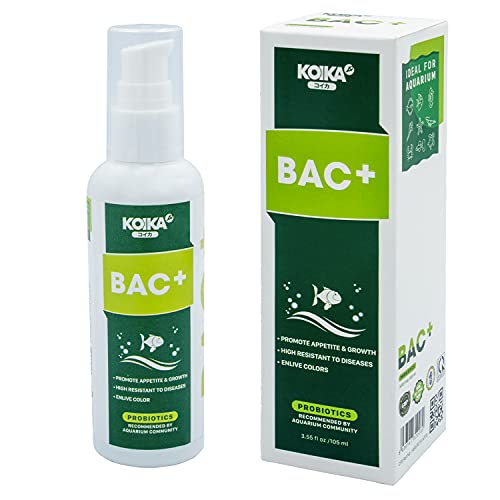
- ✓ Boosts fish health quickly
- ✓ Natural and safe ingredients
- ✓ Enhances water quality
- ✕ Slight odor may bother some
- ✕ Needs consistent use
| Microbial Composition | High-density beneficial microorganisms including effective enzymes and secondary compounds |
| Application Method | Added to fish and shrimp food for enhanced probiotic effect |
| Probiotic Strain Diversity | Multiple natural probiotic strains (specific strains not listed) |
| Product Volume | 105ml per bottle |
| Temperature Compatibility | Effective within standard aquaculture temperature ranges, with reduced efficacy if temperature-sensitive |
| Safety and Edibility | Safe for aquatic animals and users, with natural ingredients and characteristic odor to stimulate appetite |
While pouring KOIKA BAC+ into my aquarium, I was surprised by how quickly the fish responded. They seemed to perk up almost immediately, and their colors looked more vibrant within days.
Honestly, I didn’t expect a probiotic supplement to make that kind of noticeable difference so fast.
The scent of the product itself is mild but has a natural, earthy aroma that fish actually seem attracted to. It’s reassuring to know the ingredients are natural and safe for both my fish and me.
Plus, the probiotic-rich formula feels like it’s actively supporting their digestion and immune health.
What really stood out was how well it integrated with the fish food. I added it directly to their pellets, and the beneficial microorganisms seemed to stick around longer, helping with growth and overall vitality.
I also noticed fewer issues with water quality, which has always been a challenge in my setup.
The fact that KOIKA BAC+ is formed from natural probiotics and ingredients gives me confidence. It’s easy to dose, and the 105ml bottle lasts quite a while, making it a cost-effective choice.
The company’s guarantee and customer support are a bonus, making it a risk-free option for me.
Overall, this probiotic delivers on its promises. It’s simple to use, effective, and genuinely improved my aquarium environment.
I’d recommend it to anyone serious about healthy fish and cleaner water, especially if you’ve struggled with maintaining optimal conditions before.
Green Vista Hydro-Bugs Pond Clarifier, 32 oz.

- ✓ Highly concentrated formula
- ✓ Improves water clarity
- ✓ Supports pond ecosystem
- ✕ Slow to show results
- ✕ Needs patience for full effect
| Colony Forming Units (CFU) | More than 1.5 billion CFU per gram |
| Application Rate | 1 tablespoon per 1,000 gallons of pond water |
| Recommended Water Temperature | Above 50°F (10°C) |
| Formulation Type | Dissolvable dry blend |
| Targeted Benefits | Reduces pond sludge, fish waste, uneaten food, and nutrients; improves water clarity and aquatic health |
| Treatment Timeframe | 6 to 8 weeks for full results |
It’s a peaceful Sunday afternoon, and I’m finally tackling the algae buildup and murky water in my koi pond. I grab the Green Vista Hydro-Bugs Pond Clarifier, noticing how concentrated and powdery it feels in my hand.
I mix a tablespoon into the water, marveling at how quickly it dissolves, almost instantly.
Within a few days, I start noticing the water looking clearer, especially around the edges where algae used to cling. The smell isn’t as strong, and my fish seem more active and less stressed.
It’s reassuring to see that the product is working quietly beneath the surface, reducing sludge and waste gradually.
Patience is key, as the full results take about 6 to 8 weeks, but the slow progress feels steady and natural. I like that only a small amount is needed—just a tablespoon per 1,000 gallons—making this a cost-effective solution for ongoing maintenance.
The fact that it’s a dry, concentrated formula gives me confidence in its potency, especially compared to liquid options.
Applying it when the water temperature is above 50°F is a simple step, and I appreciate how it fits into my regular pond care routine. Over time, I’ve noticed the water becoming not only clearer but also healthier for my fish and plants.
It’s a gentle, eco-friendly way to improve pond water quality without harsh chemicals.
Overall, this product feels like a smart investment for anyone serious about maintaining a balanced pond ecosystem. It takes some patience, but the gradual improvements are worth it, especially knowing I’m supporting a healthier environment for my aquatic life.
Green Vista Hydro-Bugs Dry Bacteria Pond Clarifier 5lb

- ✓ Highly concentrated formula
- ✓ Improves water clarity gradually
- ✓ Easy to store and apply
- ✕ Slow to show results
- ✕ Needs patience for full effect
| Colony Forming Units (CFU) | More than 1.5 billion CFU per gram |
| Application Rate | 1 tablespoon per 1,000 gallons of pond water |
| Recommended Water Temperature | Above 50°F (10°C) |
| Formulation Type | Dry, dissolvable blend |
| Targeted Water Conditions | Reduces pond sludge, fish waste, uneaten food, and nutrients |
| Treatment Time for Full Results | 6 to 8 weeks |
Many folks assume that pond clarity improvements happen overnight with probiotic treatments, but that’s not quite true—especially with something like the Green Vista Hydro-Bugs Dry Bacteria Pond Clarifier. I poured a tablespoon into my pond and honestly, it looked like nothing changed at first.
No immediate fog lifting, no sudden shimmer. Instead, I noticed a subtle difference after about a week—less sludge collecting on the bottom and a calmer surface.
The real test was watching how it handled the pond’s organic waste over a few weeks. The dry blend dissolves pretty quickly, and I appreciated how concentrated it is—more than 1.5 billion colony-forming units per gram.
You don’t need much, just a tablespoon per 1,000 gallons, which makes it economical for larger ponds. I used it in a pond with some algae and murky water, and while it didn’t clear everything instantly, the water gradually became clearer and healthier looking.
Patience is key here. It takes about 6 to 8 weeks to see full results, so don’t expect quick fixes.
The ingredients work by reducing waste buildup—fish food, waste, and other organic nutrients—that cause water pollution. I liked that it’s dry, which makes storage and application easier than liquid options.
Just make sure to apply when water temperatures are above 50°F to get the best results.
Overall, this product feels like a solid investment for maintaining a balanced ecosystem. It’s not a quick fix, but it’s effective over time, especially if you’re aiming for a healthier pond environment without harsh chemicals.
What Are Probiotics and Why Are They Important for Fish Farming?
- Gut Health Improvement: Probiotics help maintain a balanced gut microbiome in fish, which is essential for effective digestion and nutrient absorption. A healthy gut flora can prevent pathogenic bacteria from colonizing the gut, thereby reducing the incidence of diseases.
- Stress Reduction: The introduction of probiotics can help fish cope better with stressful conditions such as overcrowding, poor water quality, or changes in environmental parameters. By enhancing their immune response, probiotics enable fish to withstand stressors more effectively, leading to improved survival rates.
- Enhanced Growth Rates: Fish that are supplemented with probiotics often exhibit better growth performance compared to those without. This is because probiotics can improve feed conversion efficiency, allowing fish to absorb more nutrients from their diet, resulting in quicker growth and healthier biomass.
- Improved Water Quality: Certain types of probiotics can also aid in maintaining water quality by breaking down organic waste and reducing harmful ammonia levels. This contributes to a healthier environment for fish, which is vital in intensive farming systems where waste accumulation can be a significant issue.
- Disease Resistance: Probiotics can bolster fish immunity and resistance against various pathogens. By enhancing the natural defense mechanisms, probiotics can reduce the reliance on antibiotics and other treatments, promoting a more sustainable approach to fish farming.
How Do Probiotics specifically Benefit Fish Health and Growth?
Prevention of Pathogen Colonization: By establishing a robust population of beneficial bacteria, probiotics can inhibit the growth of harmful microorganisms in the fish gut. This competitive exclusion is crucial for preventing diseases, promoting higher survival rates, and ensuring the sustainability of fish farming operations.
What Are the Mechanisms by Which Probiotics Improve Fish Immunity?
Probiotics enhance fish immunity through various mechanisms that promote health and resilience against diseases.
- Competition with Pathogens: Probiotics outcompete harmful bacteria for resources and attachment sites on the fish’s gut lining. This competitive exclusion helps to reduce the colonization of pathogenic microorganisms, thereby enhancing the overall health of the fish.
- Immune System Modulation: Certain probiotic strains can stimulate the fish’s immune system, leading to increased production of antibodies and immune cells. This modulation helps fish to better respond to infections and improves their overall disease resistance.
- Production of Antimicrobial Substances: Probiotics produce metabolites, such as organic acids and bacteriocins, that have antimicrobial properties. These substances can inhibit the growth of pathogenic bacteria and thus contribute to a healthier gut microbiome.
- Enhancement of Nutrient Absorption: By improving the gut environment and digestion, probiotics can enhance the absorption of nutrients. This better nutrient uptake provides fish with the energy and resources needed to support a strong immune system.
- Stress Reduction: Probiotics can help mitigate stress in fish by stabilizing the gut microbiota and promoting a balanced digestive process. Reduced stress levels can enhance immune function and overall health, making fish less susceptible to diseases.
- Biofilm Formation: Probiotics can form biofilms on the intestinal surface, which serve as a protective barrier against pathogens. This biofilm not only helps in maintaining gut health but also acts as a physical barrier to harmful microbes.
How Can Probiotics Enhance Water Quality in Fish Farming Systems?
Probiotics can significantly enhance water quality in fish farming systems through various mechanisms, promoting healthier aquatic environments.
- Biodegradation of Waste: Probiotics help in breaking down organic waste materials produced by fish, such as uneaten feed and feces, thereby reducing ammonia levels in the water. This biodegradation process not only curtails harmful gases but also promotes a cleaner ecosystem for the fish.
- Pathogen Suppression: Certain probiotics can outcompete harmful microorganisms for nutrients and space, effectively reducing the population of pathogens in the water. This competitive exclusion lowers the risk of disease outbreaks among fish, leading to improved survival rates.
- Nutrient Cycling: Probiotics contribute to the cycling of nutrients within the aquatic environment, aiding in the conversion of nutrients into forms that are more accessible for fish. This process enhances overall water quality and supports the growth of beneficial algae, which can further improve oxygen levels in the system.
- Stabilization of pH Levels: Probiotics can help stabilize pH levels in fish farming systems by producing organic acids that buffer fluctuations in water chemistry. Maintaining a stable pH is crucial for fish health, as drastic changes can stress fish and increase susceptibility to diseases.
- Enhanced Biofloc Formation: In systems utilizing biofloc technology, probiotics facilitate the formation of bioflocs, which are aggregates of microorganisms that improve water quality. These bioflocs can serve as an additional food source for fish while also filtering out harmful substances from the water.
What Types of Probiotics Are Considered Most Effective for Fish Farming?
The best probiotics for fish farming can be categorized into several types based on their strains and benefits.
- Lactic Acid Bacteria (LAB): LAB are known for their ability to ferment sugars and produce lactic acid, which helps lower pH levels in the aquatic environment. This not only enhances water quality but also promotes the growth of beneficial bacteria while inhibiting harmful pathogens.
- Bacillus Species: Bacillus probiotics are spore-forming bacteria that can survive harsh conditions, making them ideal for aquaculture. They help improve feed conversion rates, enhance growth performance, and support immune responses in fish, ultimately leading to healthier stock.
- Yeast Probiotics: Yeast probiotics, such as Saccharomyces cerevisiae, are effective in promoting gut health in fish. They aid in digesting nutrients and can help reduce the incidence of diseases by outcompeting pathogenic microorganisms in the gut.
- Photosynthetic Bacteria: These bacteria contribute to the health of the aquatic ecosystem by converting sunlight into energy, enhancing the water’s nutrient profile. They play a crucial role in creating a balanced environment, which supports fish growth and reduces stress.
- Marine-Derived Probiotics: Derived from marine organisms, these probiotics are specifically adapted to the aquatic environment and can enhance the health of marine fish. They can improve resistance to stressors and diseases while promoting overall growth and vitality.
What Key Ingredients Should Fish Farmers Look for in Probiotics?
When considering the best probiotic for fish farming, fish farmers should look for several key ingredients that promote fish health and water quality.
- Lactic Acid Bacteria (LAB): LAB are essential for improving gut health in fish, as they help in the digestion of feed and the absorption of nutrients. They also produce organic acids that can lower the pH of the gut, inhibiting the growth of harmful pathogens.
- Bacillus Species: Bacillus species are spore-forming bacteria that are highly resilient and can survive harsh environmental conditions. They can enhance the breakdown of organic matter in the water, reducing waste and improving overall water quality, which is crucial for fish survival and growth.
- Yeast and Yeast Products: Yeast provides a rich source of proteins, vitamins, and essential amino acids, supporting fish growth and immune function. Additionally, certain yeast strains can also produce beneficial metabolites that contribute to gut health and nutrient absorption.
- Probiotic Enzymes: Enzymes such as proteases and amylases help in breaking down complex feed ingredients into simpler forms, making it easier for fish to digest their food. This not only enhances feed efficiency but also minimizes waste and improves water quality.
- Prebiotics: Prebiotics are non-digestible fibers that stimulate the growth of beneficial bacteria in the gut. By enhancing the populations of probiotics, prebiotics help maintain a healthy gut microbiome, which is essential for the overall health and disease resistance of fish.
Which Probiotic Brands or Products Are Highly Recommended for Different Fish Species?
When selecting probiotics for fish farming, it’s essential to choose products that cater to specific fish species and their dietary needs. Various brands have gained popularity for their effectiveness in promoting gut health and enhancing fish growth. Here are some highly recommended probiotic products for different fish species:
-
Aquaflor: This product is well-suited for tilapia and catfish, helping improve feed conversion ratios and overall health. It contains a blend of beneficial microorganisms that aid digestion.
-
ProBioFisher: Ideal for freshwater and saltwater species, including salmon and trout. It enhances immune response and resilience against pathogens, proving effective in various farming conditions.
-
BioMarine: Specifically designed for marine fish, this product contains probiotics that facilitate nutrient absorption and improve survival rates during stressful conditions, such as transportation.
-
Bactocell: Suitable for ornamental fish like koi and goldfish, Bactocell is known for its ability to stabilize gut flora, promote growth, and reduce the risk of disease outbreaks.
-
RemaPro: This probiotic formula is tailored for shrimp farming but can be beneficial for fish species like barramundi, focusing on water quality and health maintenance.
Choosing the right probiotic can enhance fish welfare and optimize the productivity of aquaculture operations. Always consider fish species, farming system, and specific health goals when selecting a product.
How Can Fish Farmers Successfully Implement Probiotics in Their Aquaculture Practices?
Successful implementation of probiotics in aquaculture practices involves several key strategies:
- Selection of the Right Probiotic Strain: Choosing the best probiotic for fish farming is crucial, as different strains offer various benefits such as enhancing growth rates, improving feed efficiency, and boosting immune responses. Specific strains, like Lactobacillus and Bacillus, have been shown to effectively reduce pathogenic bacteria in fish, promoting overall health.
- Proper Dosage and Timing: Administering the correct dosage of probiotics at the right time is essential for maximizing their effectiveness. This typically involves introducing probiotics during critical periods, such as during the fry stage or after a stress event, to ensure that fish can benefit from the enhanced gut flora and improved digestive processes.
- Integration with Feeding Regimens: Incorporating probiotics into the fish diet can significantly enhance their efficacy. This can be done by mixing probiotics with feed or using probiotic-enriched feed pellets, ensuring that fish receive a consistent supply of beneficial microorganisms as part of their daily nutrition.
- Monitoring Water Quality: Maintaining optimal water quality is vital for the success of probiotics in aquaculture. Probiotics thrive in specific environmental conditions, so regular monitoring of parameters like pH, temperature, and dissolved oxygen levels can help create a suitable habitat for these beneficial microbes to flourish.
- Regular Assessment of Fish Health: Continuously evaluating fish health and growth performance is important to gauge the effectiveness of probiotics. This can involve tracking growth rates, feed conversion ratios, and overall fish behavior, allowing farmers to make necessary adjustments to their probiotic use based on observed results.
- Education and Training: Providing training for farm staff on the use and benefits of probiotics in fish farming can lead to more effective implementation. Understanding the science behind probiotics helps in making informed decisions regarding their application, ultimately enhancing the productivity and sustainability of aquaculture practices.
What Dosage and Frequency Should Fish Farmers Follow When Applying Probiotics?
Different species of fish can have unique probiotic requirements that may influence the choice of product and application strategy. Farmers should consult specific guidelines for the fish species they are farming to ensure the probiotic is effective in promoting growth and health.
Environmental factors such as water quality, temperature, and organic matter levels can affect how well probiotics work. Monitoring these factors allows farmers to adjust the dosage and frequency of probiotic applications to maximize their benefits for fish health and productivity.
Related Post: