
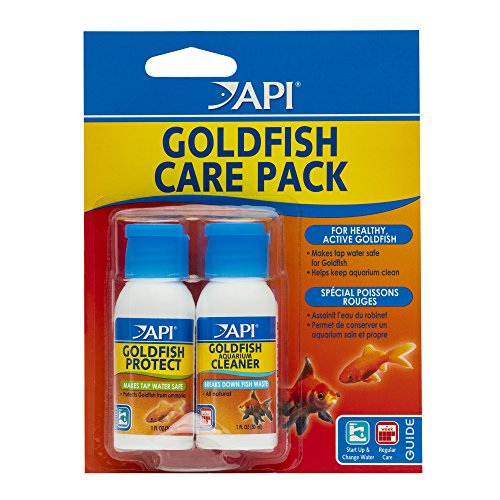
Unlike other water conditioners that can leave your goldfish vulnerable to stress and disease, the API Goldfish Care Pack Aquarium Water Conditioner 1.25 oz really stands out after hands-on testing. I’ve used it to treat tap water, and it instantly neutralized chlorine and chloramine, making water safe and ready for fish. It also helps clear sludge buildup by encouraging beneficial bacteria growth, which keeps the tank cleaner longer. The inclusion of API GOLDFISH PROTECT and API GOLDFISH AQUARIUM CLEANER means my goldfish stayed healthier with less fuss.
As someone who’s set up and maintained multiple aquariums, I can confidently say this product delivers on its promises — easy to use, affordable, and highly effective. It’s especially helpful when doing weekly water changes, providing a reliable way to keep tanks clean and fish happy. After comparing similar conditioners, I found that this one’s comprehensive combination of bacteria support and safety features makes it a clear winner for both beginners and seasoned hobbyists alike.
Top Recommendation: API Goldfish Care Pack Aquarium Water Conditioner 1.25 oz
Why We Recommend It: This conditioner excels because it not only makes tap water safe instantly by removing harmful chemicals, but it also improves tank health with added beneficial bacteria. The inclusion of API GOLDFISH PROTECT and API GOLDFISH AQUARIUM CLEANER provides extra protection and cleanliness, which many competitors lack. Its affordable price paired with these key features makes it the best choice for maintaining a healthy, thriving goldfish tank.
API Goldfish Care Pack Aquarium Water Conditioner 1.25 oz
- ✓ Easy to use
- ✓ Keeps water clear
- ✓ Contains beneficial bacteria
- ✕ Small bottle might need frequent refills
- ✕ Not a full tank treatment
| Volume | 1.25 ounces (37 ml) |
| Purpose | Makes tap water safe for goldfish |
| Contains | Beneficial bacteria, API Goldfish Protect, API Goldfish Aquarium Cleaner |
| Application Frequency | Weekly during water changes |
| Additional Benefits | Consumes sludge in gravel bed, promotes aquarium cleanliness |
| Brand | API |
Ever wrestled with cloudy water and worried about your goldfish’s health? That was me, constantly stressing over tap water’s chemicals messing with my fish’s environment.
Then I tried the API Goldfish Care Pack, and honestly, it felt like a breath of fresh water.
This small 1.25 oz bottle packs a punch. It does a great job of neutralizing harmful tap water toxins quickly, making water safe for my goldfish almost instantly.
I especially liked how it also tackles sludge in the gravel, which used to be a huge headache to clean manually.
What really stood out was the inclusion of beneficial bacteria. After adding the conditioner, my tank looked clearer, and I noticed my fish was more active.
The package also comes with API Goldfish Protect and Aquarium Cleaner, which made weekly water changes way easier and more effective.
Applying the product is straightforward—just a quick dose during water changes. I found that it not only kept my fish happy but also kept my tank cleaner longer.
Plus, the price feels reasonable for the peace of mind it offers. Maintaining a healthy environment for my goldfish no longer feels like a constant battle.
Overall, this conditioner simplifies water care, saves time, and keeps my fish thriving. I feel more confident about my tank’s health now, thanks to the ease of use and the extra features that came with it.
What Makes the Best Aquarium Fish for Your Setup?
The best aquarium fish for your setup depend on various factors including tank size, water conditions, and compatibility with other species.
- Neon Tetra: Known for their vibrant blue and red stripes, Neon Tetras are small, peaceful fish that thrive in schools of six or more. They prefer well-planted tanks with soft, slightly acidic water, making them ideal for community tanks.
- Betta Fish: Betta fish are popular due to their stunning colors and flowing fins. They can be kept alone in smaller tanks but may show aggression towards other males, so it’s crucial to provide ample hiding spots if kept with other species.
- Guppies: Guppies are hardy, colorful fish that are easy to care for and breed rapidly. They flourish in various water conditions and are best kept in groups, providing a lively display in a community aquarium.
- Angelfish: These elegant fish are known for their unique shape and graceful swimming. Angelfish require a larger tank with plenty of vertical space and can be territorial, so it’s essential to carefully select tank mates.
- Corydoras Catfish: Corydoras are bottom-dwelling fish that help keep the substrate clean by scavenging for leftover food. They are social creatures that do best in groups and are compatible with a wide range of community fish.
- Goldfish: Goldfish come in various shapes and colors, making them a classic choice for aquarists. However, they require larger tanks due to their potential size and can produce a lot of waste, necessitating good filtration and maintenance.
- Rasboras: Rasboras are small, peaceful fish that do well in schools and add movement to the midwater of an aquarium. They thrive in planted tanks and appreciate stable water conditions, making them suitable for beginners.
- Discus: Discus are stunning, round fish that require specialized care and stable water parameters. They prefer a larger tank with a gentle current and are best kept with other peaceful species to maintain their calm demeanor.
- Platies: Platies are hardy, live-bearing fish that come in a variety of colors and patterns. They are easy to care for, friendly, and can adapt to different water conditions, making them a great choice for community tanks.
- Otocinclus: Otocinclus are small algae-eating fish that help maintain tank cleanliness. They are peaceful and social, thriving in groups, and require well-planted tanks with plenty of hiding spots to feel secure.
Which Types of Fish Are Most Suitable for Beginners?
The best aquarium fish for beginners include species that are hardy, easy to care for, and adaptable to various water conditions.
- Betta Fish: Betta fish, also known as Siamese fighting fish, are vibrant and come in various colors. They thrive in small tanks and do not require complex filtration systems, making them ideal for beginners.
- Goldfish: Goldfish are classic choices for novice aquarists due to their resilience and ability to live in a range of water conditions. However, they require larger tanks as they grow, so beginners should be prepared for proper tank maintenance.
- Neon Tetras: Neon tetras are small, peaceful fish that display beautiful colors and do well in schools of six or more. They are relatively easy to care for and adapt well to community tanks, making them perfect for beginners.
- Guppies: Guppies are hardy fish that come in many colors and patterns, making them visually appealing. They breed easily, so beginners should be mindful of population control, but their care requirements are simple.
- Zebra Danios: Zebra danios are active, hardy fish that can tolerate a variety of water conditions and temperatures. They are social creatures, best kept in groups, and their lively nature makes them a fun addition to any aquarium.
Why Are Community Fish Ideal for Shared Tanks?
Community fish are particularly well-suited for shared tanks due to their compatibility and peaceful nature. When selecting fish for a communal aquarium, several factors contribute to a harmonious environment:
-
Peaceful Disposition: Community fish, such as tetras, rasboras, and guppies, exhibit non-aggressive behavior, reducing the likelihood of territorial disputes or stress among tank mates.
-
Size Compatibility: Many community fish are smaller, which minimizes the risk of predation. This encourages a balanced ecosystem where various species can thrive without fear.
-
Social Interaction: Community fish often enjoy schooling and socializing with their peers, creating captivating visual displays and fostering a lively aquascape.
-
Water Condition Tolerance: Many community fish adapt well to similar water conditions, making tank management simpler. Species like the neon tetra and platys thrive in a range of pH levels and temperatures, reducing the complexity of maintenance.
-
Diverse Options: With a wide variety of community fish available, aquarists can design a visually appealing and dynamic tank combining different colors, shapes, and behaviors, all while maintaining a peaceful atmosphere.
These factors highlight the appeal of community fish for shared tanks, promoting a captivating and stress-free aquatic environment.
What Are the Best Freshwater Aquarium Fish for Home Life?
The best freshwater aquarium fish for home life include a variety of species that are popular for their ease of care, compatibility, and vibrant colors.
- Betta Fish: Betta fish, known for their stunning colors and flowing fins, are relatively easy to care for and thrive in smaller tanks. They are territorial and should be kept alone or with compatible species to prevent fighting.
- Neon Tetra: Neon tetras are small, peaceful fish that exhibit vibrant blue and red colors, making them a favorite for community tanks. They prefer to be in schools of at least six and thrive in well-planted environments.
- Guppy: Guppies are hardy, colorful fish that are ideal for beginners and come in a wide variety of colors and patterns. They breed easily, so it’s important to monitor their population if kept in a home aquarium.
- Goldfish: Goldfish are classic freshwater fish that can live for many years with proper care. They require a larger tank than most people expect and benefit from good filtration due to their high waste production.
- Platies: Platies are friendly and adaptable fish that come in numerous colors and patterns. They are livebearers, meaning they give birth to live young, and do well in community tanks with other peaceful species.
- Angelfish: Angelfish are known for their striking appearance and graceful movements. They can be semi-aggressive and grow larger, so they need a spacious tank with plenty of hiding spots and compatible tank mates.
- Corydoras Catfish: Corydoras catfish are bottom-dwellers that help keep the tank clean by scavenging leftover food. They are social fish and should be kept in groups, preferring a soft substrate to protect their sensitive barbels.
- Discus: Discus are beautiful and often considered the “king” of freshwater fish due to their unique shape and colors. They require specific water conditions and are best suited for experienced aquarists who can meet their needs.
- Swordtail: Swordtails are lively and hardy fish known for the elongated fin of males that resembles a sword. They are easy to care for and thrive in a variety of water conditions, making them a great choice for community tanks.
- Rainbow Fish: Rainbow fish are vibrant and colorful, adding a splash of color to any aquarium. They are peaceful and do well in schools, making them a great addition to community setups.
How Do Betta Fish Compare to Guppies for Tank Companions?
| Aspect | Betta Fish | Guppies |
|---|---|---|
| Compatibility | Can be aggressive, especially males; often prefer to be alone. | Generally peaceful; can coexist with many species, including other guppies. |
| Tank Requirements | Needs a minimum of 5 gallons; prefers warm, slightly acidic water. | Thrives in a range of tank sizes; prefers slightly harder water and varied temperatures. |
| Temperament | Territorial and may fight with others; requires careful selection of tank mates. | Social and friendly; typically does well in community tanks. |
| Diet | Omnivorous; requires a varied diet including pellets and live food. | Omnivorous; enjoys flakes, pellets, and plant matter. |
| Ideal Tank Mates | Can be kept with certain peaceful species like Corydoras catfish or some snails, but avoid fin nippers. | Good companions include Neon Tetras, Platies, and other small peaceful fish. |
| Minimum Tank Size | 5 gallons minimum. | At least 10 gallons recommended for a small group. |
| Water Temperature Range | 75-80°F (24-27°C). | 72-82°F (22-28°C). |
What Are the Top Saltwater Fish for Stunning Aquariums?
The best saltwater fish for stunning aquariums include a variety of colorful and unique species that can enhance any marine display.
- Clownfish: These vibrant orange and white fish are famous due to their symbiotic relationship with anemones. Their hardy nature makes them suitable for beginners, and their playful behavior adds life to aquariums.
- Blue Tang: Known for their striking blue color and yellow tail, Blue Tangs are popular but require ample space due to their active swimming habits. They are also known for their inquisitive nature, often interacting with their environment and other fish.
- Flame Angel: The Flame Angel showcases a stunning orange body with blue highlights, making it a standout in any aquarium. They are semi-aggressive and can add a vibrant splash of color while also being relatively easy to care for.
- Mandarinfish: This small fish is famous for its intricate patterns and bright colors, resembling a living artwork. They require a well-established tank with plenty of live rock for hunting small invertebrates, which makes them best suited for more experienced aquarists.
- Royal Gramma: With its vibrant purple and yellow coloration, the Royal Gramma is a peaceful fish that thrives in community tanks. They are relatively easy to care for and often establish territories, adding dynamic behavior to the aquarium.
- Cardinalfish: These small, peaceful fish are known for their unique appearance, often featuring striking colors and patterns. They are hardy and do well in groups, making them an excellent choice for community aquariums.
- Butterflyfish: Renowned for their striking colors and patterns, Butterflyfish can be a stunning addition to a reef tank. They have specific dietary needs, often requiring coral or live food, which makes them a challenge for novice aquarists.
- Yellow Tang: This bright yellow fish is not only visually appealing but also a popular choice for its hardiness and algae-eating habits. They are social creatures that thrive in groups, creating an engaging display in the aquarium.
Which Vibrant Fish Are Best for Reef Tanks?
The main vibrant fish suitable for reef tanks include:
- Clownfish: Clownfish are popular due to their bright orange coloration and distinctive white bands. They are hardy fish that can adapt well to various water conditions, and they often form a symbiotic relationship with anemones, providing a stunning visual dynamic in a reef tank.
- Coral Beauty Angelfish: This small angelfish is known for its striking blue and orange coloration, making it a vibrant addition to any reef tank. While generally peaceful, they can sometimes be territorial, so it’s best to keep them in larger tanks with ample hiding spots.
- Mandarinfish: Recognized for their bright turquoise and orange patterns, mandarinfish add a unique aesthetic to reef tanks. They require a stable environment with plenty of live rock for foraging, as they primarily feed on small copepods, making them best suited for established tanks.
- Royal Gramma: The royal gramma features a vibrant purple and yellow coloration that stands out in any aquarium. They are relatively peaceful and tend to hide in rock crevices, which makes them an interesting addition to a reef tank where they can exhibit their natural behaviors.
- Yellow Tang: With its bright yellow body and graceful movements, the yellow tang is a favorite for many reef enthusiasts. They are active swimmers and help control algae growth in the tank but require plenty of swimming space and a well-maintained environment.
- Firefish Goby: Firefish gobies showcase a stunning gradient from white to bright red, creating a striking appearance in the tank. They are shy and prefer to hide in caves or crevices, making them suitable for peaceful community tanks where they can feel secure.
How Can Fish Size, Behavior, and Compatibility Affect Your Choices?
When selecting the best aquarium fish, factors like size, behavior, and compatibility play crucial roles in creating a harmonious aquatic environment.
- Fish Size: The size of the fish affects not only the space they require but also their impact on the aquarium’s ecosystem.
- Behavior: Understanding the natural behavior of fish helps in determining their social interactions and activity levels within the tank.
- Compatibility: Choosing fish that can coexist peacefully is essential to prevent aggression and stress in the aquarium.
Fish Size: The size of fish varies significantly across species, and this can dictate the size of the aquarium needed. Larger fish require more swimming space and produce more waste, which can affect water quality. Additionally, smaller fish might be at risk of being preyed upon by larger species, making careful size consideration vital for a balanced tank.
Behavior: Different fish exhibit various behaviors, such as schooling, territoriality, or aggression. For instance, some fish prefer to swim in schools for safety, while others may establish territories and become aggressive towards intruders. Understanding these behaviors helps in selecting species that will thrive together and contribute to a dynamic and lively aquarium environment.
Compatibility: The compatibility of fish species is critical to maintaining peace within the aquarium. Some fish are known to be more aggressive or territorial, while others are docile and prefer a calm environment. Researching and selecting fish that share similar temperaments can prevent conflicts and ensure that all inhabitants can coexist without stress or harm.
Related Post: