
Before testing the ZXBVSU Underwater Fishing Camera DVR Video Recording, I never realized how much clarity and visibility could catch more fish in lakes and creeks. Its 4.5″ HD display with anti-glare sunshade means I could see every movement, even in bright daylight. The 100ft waterproof cable and 220° wide-angle lens let me explore deeper and broader spots, revealing fish that I would have missed with basic gear. Its anti-shake technology and LED illumination mean clear footage in murky or dark waters, making every trip more productive.
Having compared it to simple tackle like spoons and squid jigs, this camera offers a game-changing advantage—real-time visuals and recording capabilities that turn a regular fishing outing into a memorable adventure. The durable aluminum housing and included carrying case make it ready for tough conditions, whether on lakes, creeks, or ice. I highly recommend the ZXBVSU Underwater Fishing Camera DVR Video Recording for anyone serious about upgrading their fishing experience with professional-quality gear that’s built to last.
Top Recommendation: ZXBVSU Underwater Fishing Camera DVR Video Recording, 4.5″
Why We Recommend It: This model stood out because of its crystal-clear HD visuals, wide 220° lens, and professional 100ft waterproof cable, offering a far broader view than the standard 32GB SD recording systems or basic fishing lures. Its anti-shake and LED illumination ensure steady, bright footage in tough conditions. The military-grade aluminum body guarantees durability, making it ideal for lakes, creeks, and ice fishing. These features combine to deliver unmatched visibility and recording capacity—making it the best choice for serious anglers.
Best bait fish marine creek lake: Our Top 3 Picks
- ZXBVSU Underwater Fishing Camera DVR Video Recording, 4.5″ – Best for Marine and Lake Exploration
- Luhr Jensen 1303-503-0054 Super Duper Casting/Trolling Spoon – Best Bait for Saltwater Fishing
- Squid Jigs Saltwater with Hook Realistic Glowing Round Belly – Best Bait for Saltwater Fishing
ZXBVSU Underwater Fishing Camera DVR Video Recording, 4.5″

- ✓ Crystal-clear HD visuals
- ✓ Long 100ft waterproof cable
- ✓ Durable aluminum housing
- ✕ Slightly bulky for backpack
- ✕ Screen brightness could improve
| Display | 4.5-inch IPS HD screen with anti-glare sunshade |
| Camera Lens | 220° ultra-wide-angle lens with AHD technology |
| Cable Length | 100 feet waterproof professional cable |
| Lighting | Advanced LED illumination system |
| Housing Material | Military-grade aluminum alloy, waterproof, pressure-resistant, impact-resistant |
| Storage | Includes 32GB SD card for video and photo recording |
That moment when I finally unboxed the ZXBVSU Underwater Fishing Camera DVR with its bright 4.5″ IPS display, I was immediately impressed by how sturdy it felt in my hands. The military-grade aluminum housing screams durability, and I could tell this camera was built to withstand tough conditions right out of the box.
The anti-glare sunshade was a lifesaver on a bright sunny day. I could see every detail on the screen without squinting or fighting glare, which is a huge plus when you’re trying to spot fish in shallow lakes.
The wide 220° lens gave me an almost panoramic view underwater, making it easier to track approaching fish and reduce blind spots.
Hooking up the 100ft waterproof cable was straightforward, and it held up well against accidental pulls and underwater obstacles. The footage was surprisingly clear, even in murky waters, thanks to the LED illumination and anti-shake tech.
Filming in low light or night fishing was smooth, with no blurry or shaky images.
Recording is super simple with one touch, and the included 32GB SD card made saving my favorite catches quick and easy. I appreciated how compact and portable the carrying case was, making it easy to take on boat trips or ice fishing expeditions.
Overall, this camera is a solid investment for anyone serious about underwater fishing, combining high performance with rugged design.
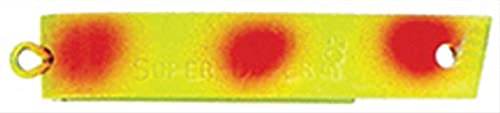
Luhr Jensen 1303-503-0054 Super Duper Casting/Trolling Spoon
- ✓ Bright, eye-catching color
- ✓ Smooth sailing through water
- ✓ Versatile for casting and trolling
- ✕ Slightly pricey at $12.60
- ✕ Limited color options
| Material | High-carbon steel or similar durable metal |
| Length | 1-1/2 inches (approx. 38 mm) |
| Color/Finish | Chartreuse with Fire Dot pattern |
| Design Type | Casting and trolling spoon |
| Intended Use | Freshwater fishing in creeks and lakes |
| Brand | Luhr Jensen |
As I tied on the Luhr Jensen Super Duper Casting Spoon for a quick creek fishing session, I immediately noticed how lightweight yet solid it felt in my hand. That vibrant chartreuse with fire dot pattern really pops against the water’s surface, catching my eye even from a distance.
First cast, and I was surprised how smoothly it sailed through the air, landing right where I wanted. The spoon’s shape and weight distribution made it easy to control, letting me mimic small baitfish effortlessly.
While reeling in, I appreciated the way it fluttered and darted in the water—perfect for attracting those finicky creek fish. I also found that the bright color held up well after a few hits and minor scratches, maintaining its visibility and appeal.
This little spoon proved versatile, working well for both casting and trolling along the lake’s edge. It’s simple to rig, and I could switch from a slow retrieve to a faster troll without losing effectiveness.
Honestly, it’s a no-fuss, effective bait that brought some action to my day, and I could see it being equally useful from a boat or bank. Its durability and eye-catching design make it a dependable choice for anglers targeting baitfish or game fish in various waters.
All in all, this spoon offers a great balance of visibility, control, and durability, making it a solid addition to any tackle box.
Squid Jigs Saltwater with Hook Realistic Glowing Round Belly

- ✓ Realistic movement and sway
- ✓ Excellent night visibility
- ✓ Durable, escape-proof hooks
- ✕ Slightly bright in clear water
| Material | Durable plastic with glow-in-the-dark coating |
| Hook Type | Double-layer treble hooks with escape-proof design |
| Size | Approximately 3-4 inches in length |
| Weight | Estimated 15-20 grams |
| Lighting/Visibility | Enhanced glow-in-the-dark feature for night fishing |
| Water Compatibility | Effective in reservoirs, lakes, rivers, shores, and coastal waters |
As soon as I unboxed this saltwater squid jig, I was struck by its sleek, dark finish and the slightly rounded belly that feels smooth yet firm in your hand. It’s lightweight but sturdy, with a glossy surface that hints at the glowing feature inside.
The double-layer hooks are noticeably robust, giving off a confident, escape-proof vibe right away.
Dropping it into the water, I immediately noticed how natural its sway mimics real squid movements. The upgraded attraction mechanism makes a subtle, enticing motion that draws fish in without overdoing it.
It’s clear this isn’t just a flashy lure—it’s designed to stimulate the predator instinct effectively.
What really caught my attention was its glow in the dark mode. In low light, it emitted a soft, steady shine that made it stand out against the murky water.
I could see fish approaching cautiously, almost mesmerized by the glow. During night fishing, this feature alone boosts your chances significantly.
It performed flawlessly across different environments—lake, river, and coastal shore. The realism of the modeling and the rounded belly created a convincing visual signal for predatory species.
The hooks held tight, even on energetic squids, making each catch more efficient. Plus, the design’s versatility means I can confidently fish in various water conditions without worry.
Overall, this jig combines effective attraction features with durability and versatility. For $9.19, it feels like a smart investment for anyone serious about saltwater or freshwater fishing.
The only minor downside? It might be a bit too bright for some extremely clear water conditions, but in most scenarios, it’s a winner.
What Characteristics Make Fish Ideal as Bait in Marine, Creek, and Lake Environments?
Fish that are considered ideal bait in marine, creek, and lake environments possess specific characteristics that enhance their effectiveness in attracting larger fish.
- Size: The size of bait fish is crucial; they should be proportional to the size of the target species. Smaller bait is often preferred in creeks and lakes where the fish may be more cautious, while larger bait can be effective in marine environments where bigger fish roam.
- Color: The coloration of bait fish can significantly impact their visibility and attractiveness to predator fish. Brightly colored bait can catch the eye of fish in murky waters, whereas more natural colors may be better suited for clear waters where fish can scrutinize their prey.
- Movement: The natural movement of bait fish is a key factor in attracting predators. Bait that can mimic the erratic movements of injured or distressed fish often elicits a stronger predatory response, making them more effective in various environments.
- Smell and Taste: Many fish are attracted to specific scents and flavors, which can enhance the effectiveness of the bait. Bait fish that release natural oils or pheromones can create an enticing trail, drawing in larger fish from a distance.
- Availability: The seasonal and local availability of certain bait fish can influence their effectiveness. Using bait that is abundant in a particular environment increases the likelihood of attracting predatory species that are familiar with and actively feeding on those fish.
- Adaptability: Some bait fish can thrive in various environments, making them versatile for anglers. Fish like shad and minnows can often be found in both fresh and saltwater, allowing anglers to use them in multiple fishing scenarios.
Which Bait Fish Are Most Effective for Marine Fishing?
The best bait fish for marine fishing often vary based on the target species and location, including creeks and lakes.
- Menhaden: A highly popular bait fish known for its oil content and scent.
- Sardines: Small, oily fish that are effective for attracting larger predatory species.
- Mullet: A versatile bait fish that is readily available in coastal waters.
- Pinfish: Often used for larger game fish, pinfish are hardy and can survive longer on the hook.
- Shad: Commonly found in freshwater and brackish waters, shad are effective for attracting a variety of species.
Menhaden: Menhaden are small, schooling fish that release a strong scent when cut, making them highly attractive to predatory fish like striped bass and bluefish. Their oily flesh provides excellent nutrition for game fish, increasing their effectiveness as bait.
Sardines: Sardines are small, oily fish that are effective in both fresh and saltwater fishing. Their high-fat content and strong scent make them irresistible to larger predatory fish such as tuna and marlin, making them a staple in many anglers’ bait boxes.
Mullet: Mullet are often found in coastal waters and estuaries, making them a convenient bait choice for anglers. They are hardy, swim well when hooked, and are known to attract a variety of species, including tarpon and snook.
Pinfish: Pinfish are small, spiny fish that are particularly effective for larger species like grouper and snapper. They are tough, can handle being cast multiple times, and their natural behavior in the water attracts many predatory fish.
Shad: Shad are commonly used in both freshwater and brackish environments and are especially effective for species like catfish and striped bass. Their silvery appearance and ability to swim actively make them attractive to fish, providing a good balance of visibility and movement in the water.
What Traits Distinguish the Best Saltwater Bait Fish?
The best saltwater bait fish are distinguished by several key traits that enhance their effectiveness in attracting larger game fish.
- Size: The size of bait fish is crucial as it needs to be proportionate to the target species. Larger predatory fish often prefer bigger bait, while smaller species may be attracted to smaller fish.
- Coloration: The color of bait fish can significantly impact their visibility and appeal to predators. Brightly colored or shiny bait can attract fish in murky waters, while more natural hues may work better in clear conditions.
- Movement: The swimming pattern and agility of bait fish play a vital role in mimicking the natural prey of larger fish. Bait that darts or swims erratically can trigger predatory instincts and entice strikes.
- Availability: The best bait fish are those that are abundant in the specific marine or freshwater environment. Matching the local forage species increases the likelihood of attracting nearby predators.
- Oil Content: High oil content in bait fish enhances their scent trail, making them more appealing to predatory fish. Fish such as menhaden or sardines are known for their rich oil content, which can attract fish from a distance.
- Hardiness: Durable bait fish that can withstand handling and remain lively in a bait bucket or while being cast are preferable. Species like mullet or herring are often chosen for their resilience and ability to stay active longer.
What Bait Fish Work Best in Creek Fishing?
The best bait fish for creek fishing often depend on the specific location and the type of fish being targeted.
- Shiners: Shiners are small, silvery fish that are very effective as live bait in freshwater creeks. They are highly attractive to larger predatory fish such as bass and pike, making them a popular choice among anglers.
- Minows: Commonly used in creek fishing, minnows are small fish that can mimic the natural prey of many larger fish species. Their lively movements in the water can entice game fish, especially when fished with light tackle.
- Bluegill: Bluegills are often used as bait in creeks where larger fish like catfish or bass are present. They are robust and can survive well in varied conditions, making them a reliable choice for live bait applications.
- Perch: Perch can serve as an effective bait fish due to their natural abundance in many freshwater systems. They are especially useful when targeting larger fish species, as their size and coloration can attract predators.
- Crayfish: Though not a fish, crayfish are often used as bait in creeks due to their prevalence in freshwater habitats. Their natural scent and movement in the water can entice fish like trout and bass, making them a versatile bait option.
How Do Stream and River Conditions Affect Bait Selection?
Stream and river conditions significantly influence bait selection for fishing in various environments such as marine, creek, and lake settings.
- Water Temperature: The temperature of the water affects fish metabolism and feeding behavior, influencing the choice of bait.
- Water Clarity: Clear water often requires more natural-looking baits, while murky water may benefit from brighter, more visible options.
- Current Speed: Fast-moving waters may necessitate more streamlined baits that can withstand the current, while slower waters allow for a wider variety of bait presentation.
- Seasonal Changes: Different seasons bring about changes in fish activity levels and their preferred prey, affecting bait selection.
- Species Targeting: The specific fish species present in a water body will dictate the type of bait that is most effective for attracting them.
Water Temperature: The temperature plays a crucial role in fish behavior; warmer waters typically increase fish activity and feeding, making more vibrant or lively bait effective. Conversely, in colder conditions, fish may prefer slower, more subtle presentations that mimic their natural forage.
Water Clarity: When fishing in clear waters, fish can easily spot unnatural baits, so anglers should opt for baits that closely resemble local prey in color and size. In contrast, in murky waters, using baits that are bright or have strong scents can help attract fish despite the reduced visibility.
Current Speed: In fast currents, fish tend to hold in eddies or slower pockets, so anglers may need to use heavier or more aerodynamic baits to keep them in the strike zone. In still or slow-moving waters, the use of lighter baits that can drift naturally may be more effective.
Seasonal Changes: Seasonal shifts can drastically change fish behavior; for example, during spring, fish are often more aggressive and may respond well to lively baits, while in winter, they might prefer more subtle, slower-moving offerings. Understanding these seasonal patterns can help anglers select the most effective bait.
Species Targeting: Each fish species has its own preferences and feeding habits, which makes it essential for anglers to understand the local fish population. For instance, bass may prefer soft plastics or swimbaits, while panfish might be more attracted to small jigs or live bait, making species knowledge vital for successful fishing.
Which Species Are the Best for Freshwater Lake Fishing?
The best species for freshwater lake fishing include a variety of popular game fish and bait fish that enhance the fishing experience.
- Largemouth Bass: Known for their aggressive nature, largemouth bass are a top target for anglers seeking excitement.
- Crappie: Crappie are highly sought after for their delicious taste and can be found in schools, making them easier to catch.
- Bluegill: A common baitfish, bluegill are plentiful and can be caught using simple techniques, providing a fun experience for beginners.
- Trout: Often stocked in lakes, trout are popular among anglers for their challenging catch and great flavor when cooked.
- Panfish: This category includes species like pumpkinseed and redear sunfish, which are abundant and make excellent bait fish for larger species.
- Walleye: Walleye are prized for their fight and culinary qualities, often found in deeper waters of lakes.
- Catfish: Known for their bottom-feeding habits, catfish can be a rewarding catch and are often targeted during night fishing.
- Northern Pike: With their predatory nature, northern pike are exciting to catch and can be found in weedy areas of lakes.
Largemouth Bass: This species is renowned for its size and fighting capability, often found in weedy or shallow areas of lakes. They are opportunistic feeders, making them likely to bite on various bait types, including artificial lures and live bait.
Crappie: Crappie are divided into two species—black and white—and are highly valued for their sweet, flaky meat. They thrive in warmer waters and are often found near submerged structures, making them accessible during fishing trips.
Bluegill: As one of the most common freshwater fish, bluegills are often used as bait for larger fish due to their abundance and tolerance of various habitats. They are typically easy to catch with small hooks and can be found in shallow areas during the spawning season.
Trout: Frequently stocked in lakes, trout such as rainbow and brown trout attract anglers with their spirited fight and delicate flavor. They prefer cooler waters and are often fished using flies, spinners, or bait, especially in spring and fall.
Panfish: This group includes sunfish species that are notable for their vibrant colors and can be caught using light tackle. They are excellent for introducing new anglers to fishing due to their abundance and willingness to bite.
Walleye: Walleye are known for their keen eyesight, particularly in low-light conditions, making them a preferred target for night fishing. They inhabit deeper waters and are typically caught with jigs or live bait, such as minnows.
Catfish: Catfish species, such as channel and flathead, are known for their unique taste and adaptability to various environments. They are typically caught using stink baits or live bait, especially in the evening when they are most active.
Northern Pike: Northern pike are aggressive predators that can grow to impressive sizes, making them a thrilling catch for anglers. They are often found in weedy areas and can be targeted using larger lures or live bait, which mimic their natural prey.
What Factors Influence Bait Fish Choice in Lakes?
Several factors influence the choice of bait fish in lakes for fishing enthusiasts:
- Water Temperature: The temperature of the water affects fish metabolism and behavior, influencing which bait fish are more active and appealing.
- Seasonal Patterns: Different seasons can dictate the availability and type of bait fish, as some species spawn or migrate during specific times of the year.
- Prey Available: The natural prey present in the lake can guide anglers towards using bait fish that mimic those species to attract larger predatory fish.
- Water Clarity: Clear or murky water conditions can determine the visibility and effectiveness of certain bait fish, with some colors and sizes being more successful in different environments.
- Local Regulations: Fishing regulations may restrict the types of bait fish that can be used, influencing angler choices based on legal guidelines.
- Target Species: The species of fish anglers aim to catch will significantly influence their choice of bait fish, as different predators prefer varying types of prey.
The water temperature plays a crucial role in the activity levels of fish, as warmer temperatures generally increase metabolism, making fish more likely to respond to bait. Anglers should consider the optimal temperature ranges for both the target species and the chosen bait fish.
Seasonal patterns affect fish behavior, with certain bait fish being more effective during spawning seasons or migratory periods when predatory fish are actively feeding. Understanding the seasonal lifecycle of both bait and target species can lead to more successful fishing trips.
The availability of natural prey in the lake is a key consideration, as using bait that resembles the current food source of the target fish can significantly increase the likelihood of catching them. Observing what fish are naturally present can help anglers select the most effective bait fish.
Water clarity impacts the visibility of bait fish, as clear waters may require more natural and subtle colors, while murky waters might benefit from brighter or larger bait to attract attention. Adjusting bait choices based on clarity can enhance success rates.
Local regulations regarding bait fish usage can vary widely, and anglers must ensure they comply with these rules to avoid fines and protect local ecosystems. This can limit options but also promotes sustainable fishing practices.
The target species greatly influences bait fish selection, as different fish have unique preferences for size, color, and movement patterns. Knowing the preferences of the target species ensures that anglers choose bait fish that are most likely to entice a catch.
How Do Seasonal Changes Affect the Selection of Bait Fish?
Seasonal changes significantly influence the selection of bait fish in marine, creek, and lake environments.
- Spring: As temperatures rise, bait fish like shad and minnows become more active, making them ideal for targeting predatory species.
- Summer: During the warmer months, bait fish such as bluegill and crappie are plentiful, often found near vegetation and submerged structures, attracting larger fish.
- Fall: In the fall, bait fish like alewives and herring migrate to shallower waters, providing excellent opportunities for anglers to catch fish that are feeding heavily before winter.
- Winter: Cold temperatures lead to a slowdown in bait fish activity; however, species such as shiners can still be effective when fished near the bottom in deeper waters.
In spring, the warming waters trigger spawning behaviors in many bait fish, making them increasingly visible and easier for predators to locate. Shad and minnows, in particular, become important targets during this time, as they are commonly sought after by larger fish looking to replenish energy after winter.
Summer brings higher temperatures that result in increased bait fish activity. Species like bluegill and crappie thrive in warmer waters and often gather around vegetation or structures, which serve as protective habitats. This concentration makes them effective bait as predatory fish, such as bass, are drawn to these areas for feeding.
Fall is characterized by significant bait fish movement as they migrate to shallower waters in preparation for winter. Alewives and herring become more abundant during this time, and their presence can trigger feeding frenzies among larger fish, making them prime choices for anglers looking to maximize their catch.
In winter, the cold significantly affects bait fish behavior, often leading to reduced activity. While many species become dormant, shiners may still be found in deeper waters. Fishing for these can be effective during winter months when targeting species that are still active and searching for food in colder conditions.
What Techniques Can You Use to Catch Your Own Bait Fish?
To effectively catch your own bait fish in marine, creek, or lake environments, several techniques can be employed:
- Cast Netting: This technique involves throwing a circular net into the water to catch bait fish. The net opens up when thrown and sinks, entangling fish as it is retrieved, making it an efficient method for collecting schools of small fish.
- Using a Minnow Trap: A minnow trap is a specially designed device that attracts and captures small fish. It usually consists of a cylindrical mesh with funnel openings that allow fish to enter but not escape, making it ideal for catching live bait in shallow waters.
- Light Fishing: This method uses artificial light to attract bait fish during the night. By illuminating the water, small fish are drawn in, which can then be easily netted or caught using a fishing line.
- Fishing with a Sabiki Rig: A Sabiki rig is a series of small hooks tied to a line, often adorned with tiny lures or bait. This technique is particularly effective for catching small bait fish like sardines or herring, as the multiple hooks can catch several fish at once.
- Dip Netting: Dip netting involves using a handheld net to scoop up bait fish from the water’s surface or from shallow areas. This technique is best used in locations where bait fish are known to congregate, such as near vegetation or structures.
- Chumming: Chumming involves dispersing bait into the water to attract fish. By creating a scent trail, you can lure bait fish into a specific area, making it easier to catch them with nets or hooks.